Cristina Smith
 Facebook ad: “Read this if you blank on words”
Ran for 28 days, from August 19 to September 16, 2026, the last day Crush saw it.
Run by Cristina Smith on Facebook. Crush is not the advertiser and does not verify its claims. See this ad in Meta's Ad Library(opens in a new tab)
Make your own version of this ad
Crush makes it, launches it in your own Meta ad account, scales the winners and pauses the losers.
About this ad
- Meta Ad Library ID
- 1616035986764775
- Platforms
- Facebook, Instagram, Audience Network, Messenger and Threads
- Relaunches
- 4
Ad text
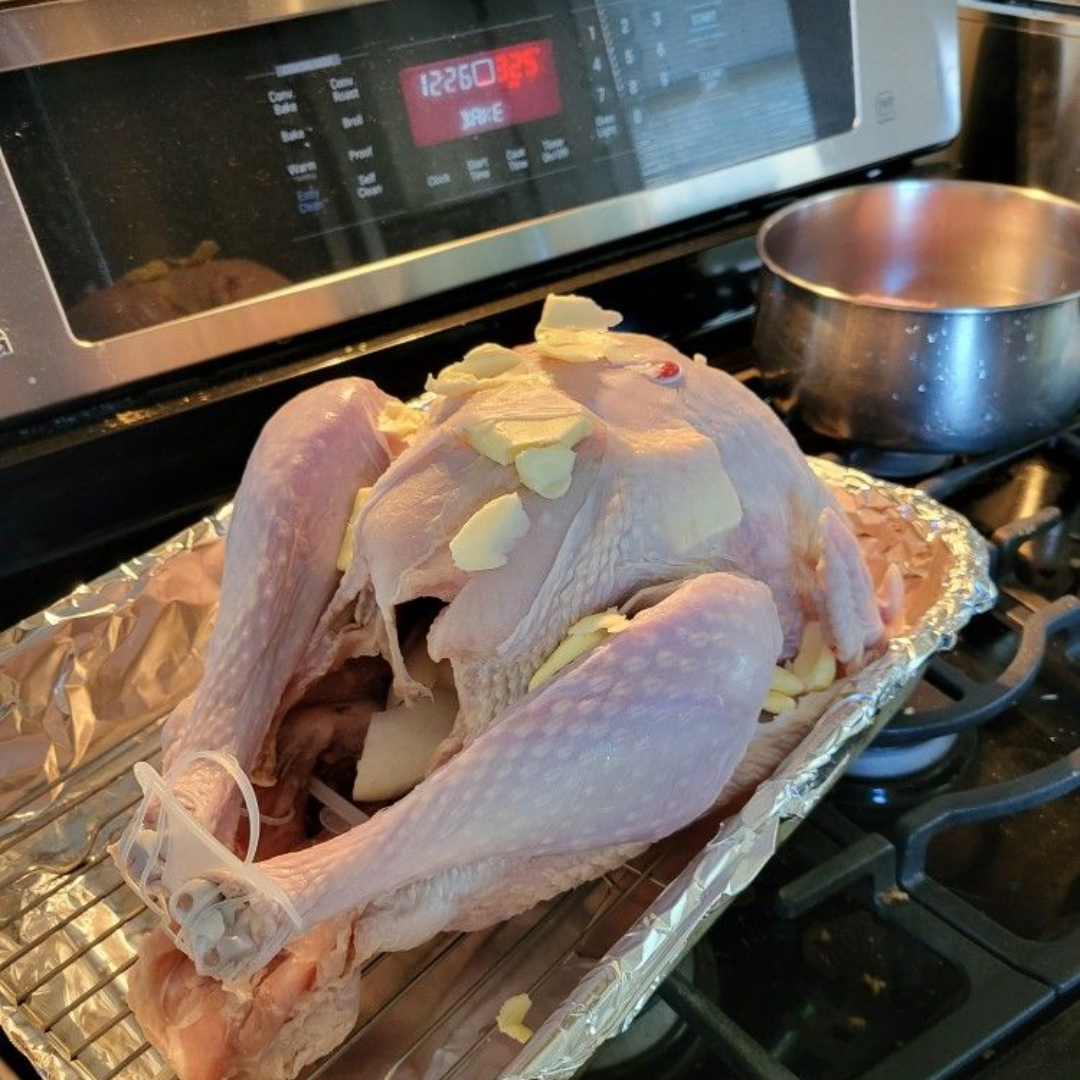
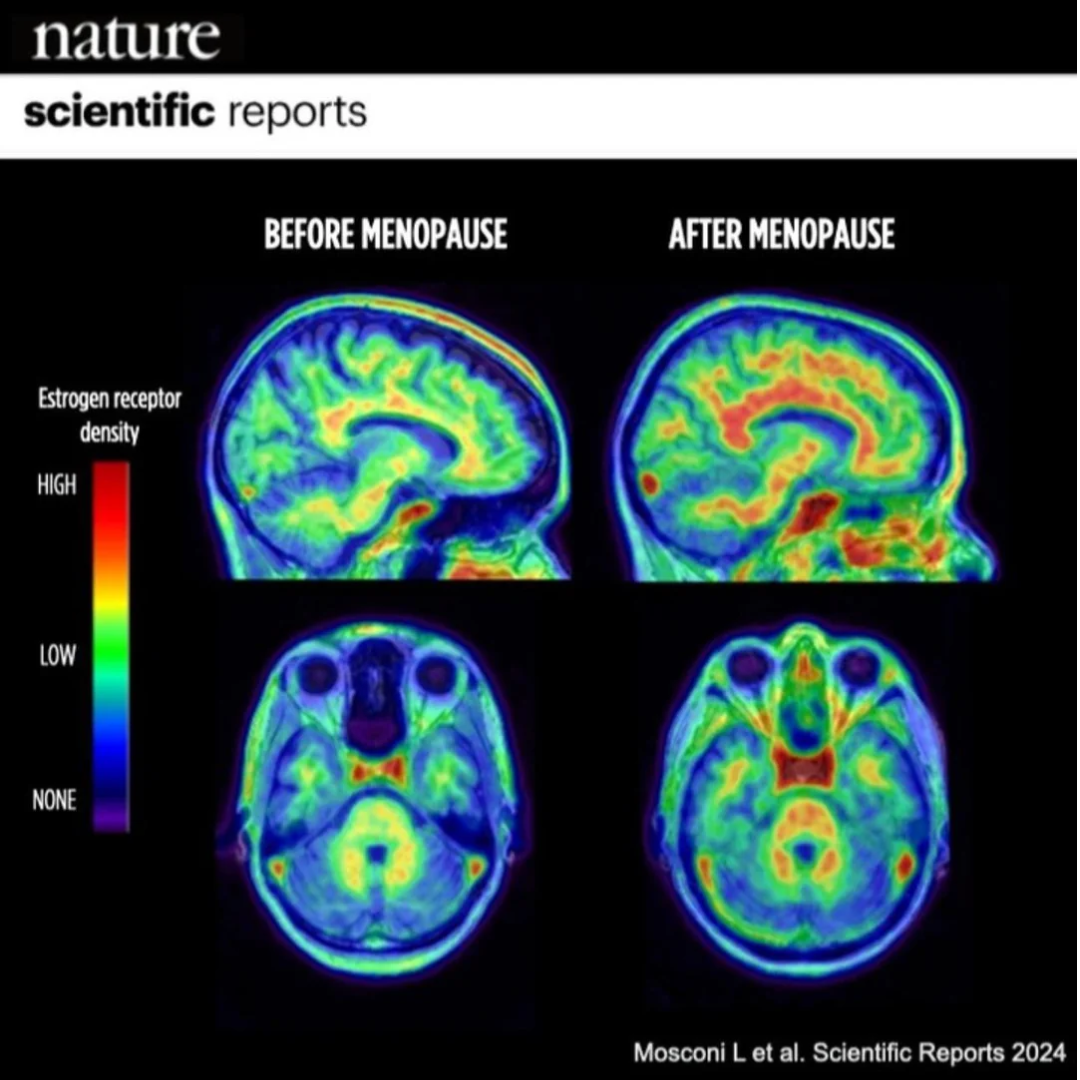
My mother was on HRT for over a decade. The hot flashes stopped. The night sweats stopped. But her mind kept fading and not one doctor ever asked why. She was the sharpest woman I knew. Ran Thanksgiving dinner to the minute. Every dish timed, every side plated before the turkey came out. She remembered everything about everyone — your birthday, your kid's school play, the thing you mentioned at Easter that nobody else caught. She held the conversational threads of our entire family in her head and never dropped one. When menopause hit, the fog started. She told her doctor. He said it was stress. Told him again six months later. "Some cognitive slowing is normal at your age." They put her on HRT for the hot flashes and night sweats. The fog was never treated as its own problem. It was a footnote in a conversation about hot flashes. The first time it scared me, she was telling a story at Sunday dinner. Mid-sentence she just stopped. Not a pause. Stopped. Her mouth still open. Eyes somewhere else. The rest of us sat there. She didn't finish. Picked up her fork and started eating like nothing happened. My sister and I looked at each other across the table. Neither of us said anything. Then it was Thanksgiving. The woman who timed every dish for forty years served the turkey still cold in the center. Someone cut into it and stopped. Forks went down around the table. Nobody said a word. She didn't notice. The phone calls changed. She'd lose the thread, ask the same question twice without registering. One year she asked my sister to help with Thanksgiving. By the third year she just showed up and sat in the living room. My sister said it one night on the phone. Quiet. Like she'd been holding it for months. "That's not Mom anymore. That's just her body in the chair." No diagnosis. No disease. Just fifteen years of something quietly happening to her brain that nobody identified while the woman who raised us became someone we didn't recognize. She lives with my brother now. At holidays, the family talks around her. Not to her. I'm 47. I'm on HRT. And the same fog just started. I noticed it first at a family dinner. My nephew was telling us about his new apartment and I asked him when he was moving. Ten minutes later I asked him the same question. He answered it again without missing a beat. The way we all used to do with my mother. Nobody said anything. But I felt it. The recognition. Like a door I'd been trying to hold shut just swung open. Then it started showing up at work. I keep a secret notes document on my phone now. Names I should know. Project deadlines I confirmed the day before. Client details I used to carry effortlessly. Last month I wrote down my manager's name before a meeting. My MANAGER. A woman I've worked under for six years. Her name just vanished mid-sentence the week before. I was looking right at her and it was gone. I re-read every email three times before sending. Not for typos. Because I don't trust the sentences to make sense anymore. One morning I pulled into the parking lot at work. Engine off. Hands on the wheel. And I couldn't remember if I'd already been inside that day. Five minutes. Sitting there. Trying to figure out if I was arriving or coming back out to my car. And the whole time, the only thing in my head was my mother. Sitting in that chair at Thanksgiving. Smiling at nothing. Present and gone at the same time. I whispered it with my hands still on the wheel. "I'm not following her path." Two weeks later my boss called me into his office. I knew before I sat down. "I need to talk to you about your performance." Twenty years. Not one flag. Not one review below exceeds expectations. Twenty years of being the person they pulled into the room when something was hard. "The processing speed, the follow-through — I need you back to where you were." He slid a document across the desk. Performance improvement plan. Documented. Official. First one in my career. I signed it. Walked out with my face perfectly still. Made it to my car. And then I fell apart. The kind of crying where you can't breathe. Where your whole body shakes. Where you grip the steering wheel just to feel something solid because everything else is dissolving. I sat there for over an hour. Couldn't drive. Couldn't call anyone. Couldn't do anything except feel myself disappearing. I whispered it alone in my car, mascara running down my face: "I don't feel like the person I used to be." I'm on HRT. My estrogen is stable. The hot flashes are gone. But the one symptom actually destroying my life — the one taking my career, my confidence, my identity — HRT isn't touching it. I tried everything after that. Creatine was first. Women on Reddit swearing by it. Mixed five grams into my water every morning. First two weeks I thought something was shifting — a little less heaviness behind my eyes. Then the bloating started. And the fog? Still there. Lion's Mane next. Organic, dual-extracted. Six weeks. By week four maybe I was slightly sharper — but I was sleeping better that month too, so who knows. By week six I couldn't tell if it was doing anything or if I just wanted it to. Then a nootropic blend from Amazon. Three days. Heart racing by noon. Jittery. Wired but still foggy. Like drinking four espressos and still not being able to think straight. I threw it away. Ashwagandha and magnesium for a month. Calmer. Better sleep. But the fog didn't move. My kitchen counter looked like a pharmacy. Seven bottles. A powder tub. A pill organizer I filled every Sunday night. And I still couldn't remember the word "budget." I almost gave up. Started doing what I watched my mother do. Not fighting it. Just letting the fog become normal. But every time I caught myself settling, I'd see her. The chair. The silence where her voice used to be. Fifteen years of doctors saying give it time. I couldn't accept that. So I started researching. Not my symptoms — I'd Googled those a hundred times. Sleep hygiene. Leafy greens. Meditation. The exact playbook my mother followed while her mind quietly disappeared. I changed the question. "Why would a woman on HRT for over a decade still decline cognitively?" That's what opened it up. Reddit. Facebook groups. Forums. Dozens of women describing the same pattern — on HRT, stable estrogen, hot flashes gone, fog still there. No real answers. Then in one thread, someone mentioned a podcast with Dr. Lisa Mosconi — a neuroscientist who's been studying what menopause does to the female brain for over two decades. I found the episode. Started listening on my drive home. An hour and thirty-two minutes in, she said something and I pulled over. "Estrogen isn't just a hormone," she told the host. "It's the delivery system for three specific chemicals your brain needs to retrieve words, stay calm under pressure, and maintain mental energy." The host asked what happens during perimenopause. "It doesn't just drop. It swings. Wildly. Sometimes multiple times in a single day. And every time it swings, those deliveries fail. The brain runs out of the chemicals it needs to function." She named the first one. "Acetylcholine. This is the chemical that carries words from your memory to your mouth. When your brain runs out of it, the word is still there. But the signal that retrieves it goes dead." I was gripping the steering wheel. Two images at once. Me, standing in front of twelve people with the word "budget" gone. My mother, stopping mid-story at Sunday dinner. The words didn't disappear. The chemical that delivered them did. "GABA," she continued. "The chemical that keeps your nervous system calm under pressure. When it's depleted, your brain floods with cortisol instead. You freeze. You blank. You can't think in the exact moment you need to be sharp." My boss's office. My mind going completely silent when I needed it most. My mother going quiet at family gatherings — not because she had nothing to say, but because the system just shut down. "And dopamine. The chemical that gives you mental energy and drive. When dopamine runs low, everything feels harder than it should. It's not laziness. It's not burnout. It's a brain running without fuel." That's what I feel every morning. That's why my mother stopped being the woman who ran everything. The energy to organize, to hold it all together — it drained away. Then Mosconi said something that made me pull onto the shoulder and stop. "Millions of women are told this is just aging. They're told it's stress. The cognitive symptoms are treated as a footnote in a conversation about hot flashes. But this isn't a personality change. It's a neurochemical deficiency — and almost nobody is identifying it." I sat there with the podcast paused. Crying. Not because it was bad news. Because someone had just explained what happened to my mother. And what was happening to me. Think of estrogen as a delivery truck. For years, it delivered those three chemicals to your brain reliably. Perimenopause broke the truck down. HRT fixed it. Got the deliveries running again. But it didn't refill what was already gone. My mother was on HRT for over a decade. The truck was running. But nobody identified that the chemicals needed to be restocked. The tank ran dry and the damage built up until the woman she was had faded away. Not aging. Not inevitable. A biological process nobody identified. And suddenly every supplement I'd tried made sense. Creatine gave my cells general energy — but not the three specific chemicals my brain was missing. Like putting gas in a car with a dead battery. Lion's Mane repaired the wiring between brain cells — but if the chemicals aren't traveling on those wires, repaired connections don't help. Roads rebuilt with nothing driving on them. Ashwagandha calmed my stress response — but my brain was still running on empty underneath the calm. Not one of the three chemicals restored. Nootropics flooded me with adrenaline — designed for twenty-five-year-old men who want to code faster. The last thing I needed. None of them were wrong. But none of them were enough. Because none of them restocked the three chemicals that were actually gone. The research pointed to specific compounds at clinical doses. Citicoline for acetylcholine. L-Theanine for GABA. N-Acetyl L-Tyrosine for dopamine. But restocking alone isn't enough. While the tank was empty, damage was building — connections wearing down, inflammation settling in, a stress loop compounding every blank. The fuel has to come back and the damage has to be repaired. Both. I went looking for a formula that did all of it. And that's where everything fell apart. I found citicoline by itself. L-Theanine in a sleep formula. Tyrosine in a pre-workout for men. "Brain health" blends with one or two of the three at useless doses, padded with irrelevant ingredients. Then I looked at the menopause supplements. Hot flash formulas. Black cohosh. Pink labels. Soft language about "finding your calm" and "hormonal balance." Nobody had assembled the complete protocol. Not for women. Not for this. Then Karen messaged me. Senior director at my previous company — same level, same pressure. She'd seen something I posted in a private leadership group about brain fog and HRT. "I went through the exact same thing," she said. "HRT. Every supplement you can name. The whole spiral. I found one thing that actually worked. I'm not someone who recommends products. But I'd want someone to tell me." I almost didn't look. I'd been burned too many times. But Karen doesn't recommend things lightly. She's as skeptical as I am. And she didn't sound enthusiastic. She sounded relieved. So I went to the site. Ignored everything except the supplement facts panel. Read it the way I read everything now — like a forensic auditor. Citicoline at 250mg. The clinical dose. For word retrieval. The first chemical Mosconi named. L-Theanine at 100mg. For calm under pressure. The second. N-Acetyl L-Tyrosine at 175mg. For mental energy. The third. All three chemicals restocked. At clinical doses. In one formula. Plus Lion's Mane at 500mg — the clinical dose, not the 200mg in the tincture I tried. For rebuilding damaged connections. Phosphatidylserine for the cortisol loop. Maritime Pine Bark for brain inflammation. Rhodiola for the stress system. B-vitamins to assemble the chemicals from the raw materials. The formula was called Brain Bloom. It doesn't replace HRT. It completes it. The truck keeps running. This restocks what's been missing. The intervention my mother never got. They had a 90-day money-back guarantee. After everything I'd already spent on supplements that didn't work, ninety days of zero risk felt like the easiest decision I'd made in a year. I ordered it that night. Took the first dose on a Monday morning the same way I'd taken everything else — out of obligation. Not belief. The first few days, something felt different. Like the static in my head had turned down a notch. The heavy feeling behind my eyes lighter. I didn't trust it. I'd felt this before with creatine — the almost-something that turns into nothing. By the end of the first week, I got through a full team meeting without losing my thread. Words came faster. Not perfect. But faster. I realized halfway through the afternoon that I hadn't opened my secret notes document once. Week two. I caught myself sending an email without re-reading it three times. Just wrote it, checked it once, hit send. First time in months. Week three. A client called with a problem. I handled it on the spot. Found the right words. Made the case. Didn't fumble. A colleague pulled me aside after. "You were really on it today." Week four. My boss pulled me into his office. Same office. Same chair. "Your recent work has been excellent. Whatever you're doing, keep doing it." I walked out. Locked the bathroom door. And cried. Not the broken crying from the car. The kind where you're so relieved you can't hold it in. Week six. The vocabulary was back. Not just common words — the precise, specific language I'd built over twenty years. I stopped carrying the secret notes document. Didn't need it. That Thursday morning I caught myself humming on the drive to work. Just humming along to the radio. Without rehearsing my first meeting. Without the low hum of dread that had lived in my chest every morning for a year. I almost didn't notice. That's what hit me. The absence of dread was so unfamiliar it took a moment to recognize what I was feeling. Normal. I felt normal. At my follow-up, my doctor ran a cognitive assessment. Word recall. Processing speed. When she finished scoring, she looked up. "The improvement from your first assessment is significant. Whatever you're doing, keep doing it." She wrote down the name. But the moment I keep coming back to happened at my niece's birthday last month. The whole family was there. And I was the one keeping the conversation going. Asking my nephew about his new job. Following up on something my cousin mentioned at Easter. Holding threads, keeping the room connected. Doing the things my mother used to do when she was the center of gravity of this family. She was there too. Sitting in the living room. Smiling. Quiet. At some point I sat down next to her. Away from the noise. Held her hand. And I felt two things at the same time. Grief for the woman she was. And the quiet recognition that I'm not on her path anymore. She faded because nobody understood what was happening. Nobody identified the gap. Nobody restocked what was draining out of her brain for fifteen years. I caught it because I refused to accept the same answer. I'm not following her path. If you're where I was — on HRT, estrogen stable, hot flashes gone, and still blanking in meetings, still re-reading emails, still keeping secret notes just to survive — here's what I wish someone had told me. The fog isn't just uncomfortable. It's a signal. Your brain is running on empty. And I know what happens when that signal goes unaddressed for years because I didn't have to read about it. I watched it. Year after year. Thanksgiving after Thanksgiving. My mother's voice getting quieter. Her doctors saying give it time. That's one path. The other path is the one I found. The information. The three chemicals. The intervention that nobody told my mother existed. The difference between my mother and me isn't genetics. It isn't luck. It's information. You have it now too. Brain Bloom doesn't replace HRT. It completes it. The three chemicals restocked at clinical doses. The damage repaired. One formula. The intervention my mother never got. Ninety days. That's enough time to know. I put the link below. My mother didn't have this. Nobody told her what was happening. Nobody identified the gap. You know now. Don't wait the way she did. I put the link below. P.S. — They have a 90-day money-back guarantee. I wish I'd known that before wasting months on supplements that didn't work — would have saved me a lot of money and a lot of hope. Two capsules with my morning coffee, same time as my HRT. That's it.
Where the ad sends people
getavellon.com
Read this if you blank on words ☝️
You didn't lose your drive. You didn't lose your edge. You just lost your brain — and you know it. The words that used to come easily. The focus that kept you sharp in every room. The version of you that fired on all cylinders. She's still in there. Brain Bloom is a daily cognitive support supplem...
See details: getavellon.com(opens in a new tab)