
Stopped· since Feb 13, 2026
- 78
- days it ran
- 0
- relaunches
Ad copy
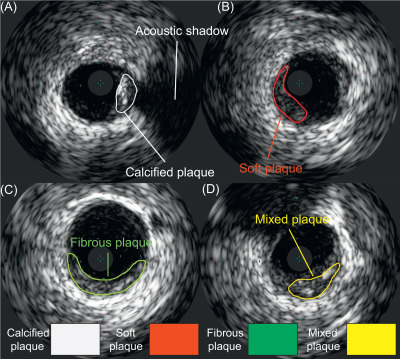
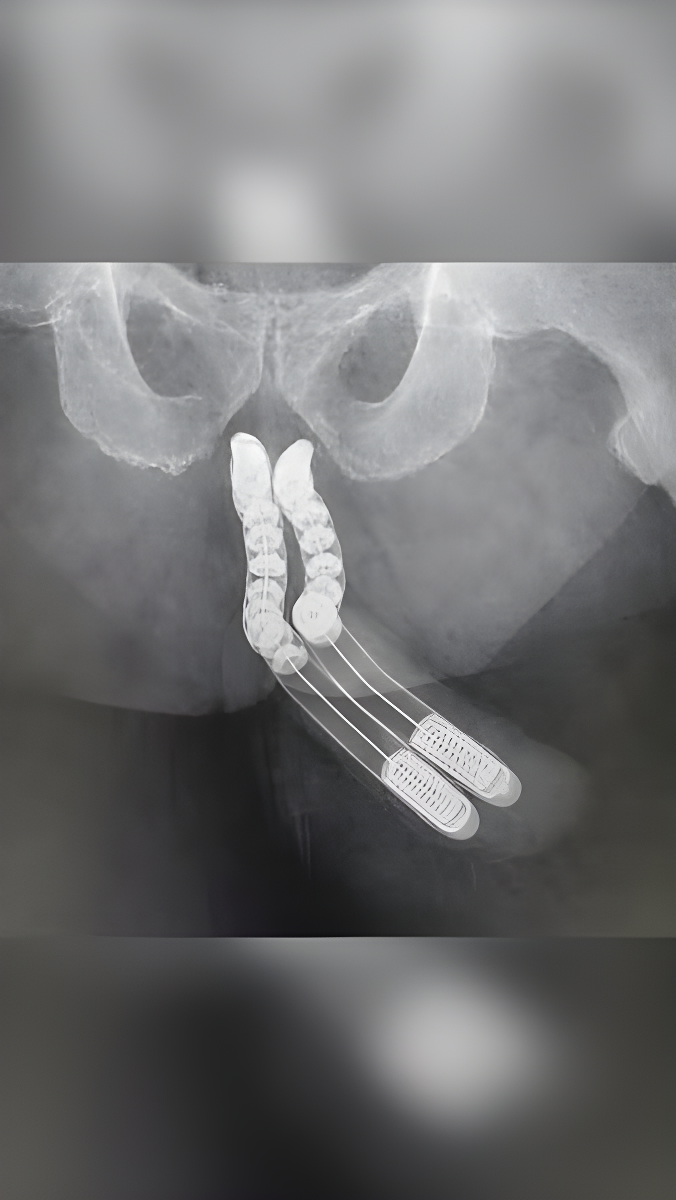
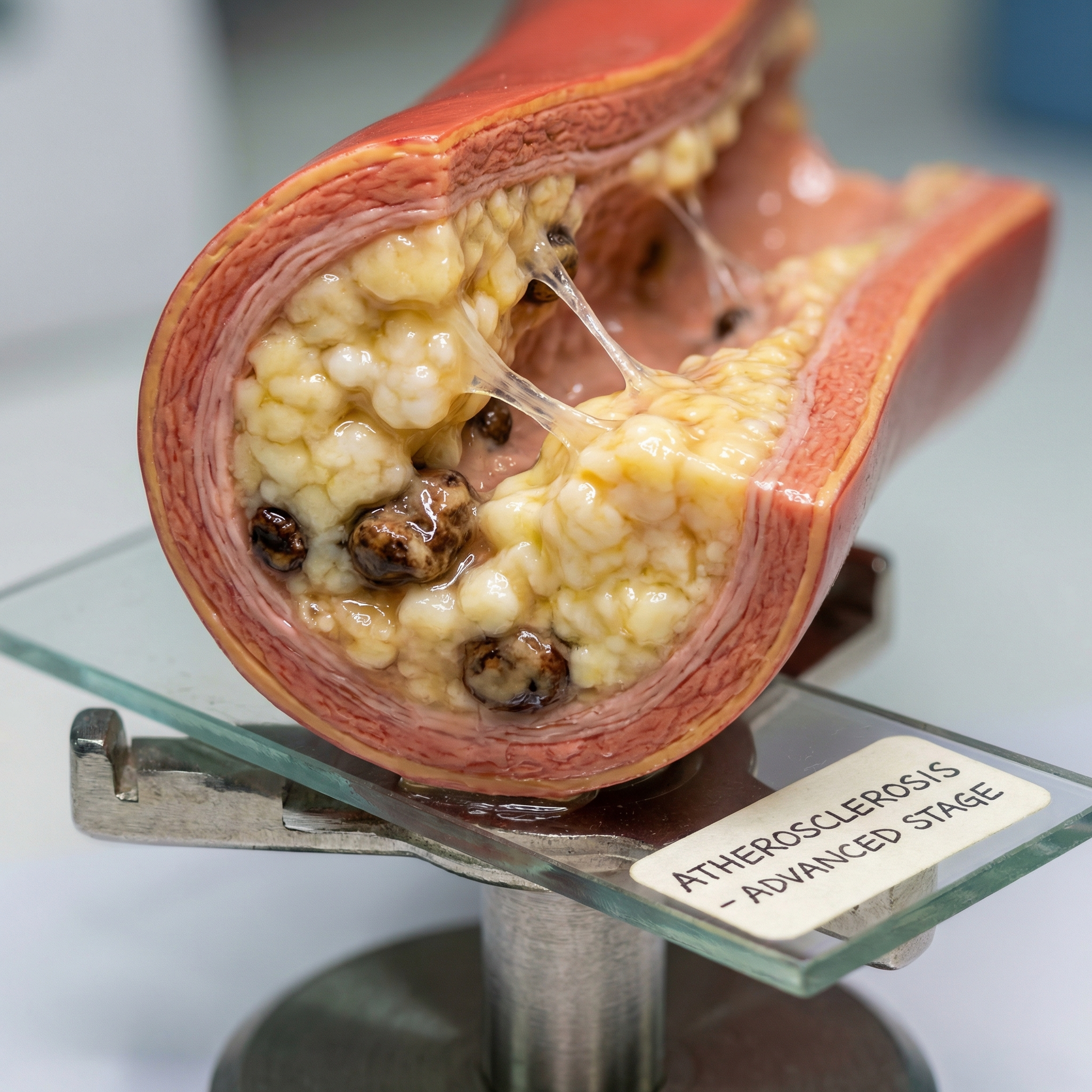
Your cardiologist is watching the wrong type of plaque. I've performed over 3,800 catheterizations in 22 years of interventional cardiology. And the thing that still keeps me up at night is this: the plaque that kills people almost never shows up on a standard calcium score. I'm Dr. James Whitfield. And three years ago, I nearly became one of my own patients. There are two types of plaque inside your arteries. Hard plaque and soft plaque. Most people have never heard of the difference. Most doctors don't explain it. Hard plaque is calcified. Stable. It's what your calcium score measures. It builds slowly. Your doctor watches it. Tells you to take your statin. Come back next year. Hard plaque is serious. But it rarely kills you suddenly. Soft plaque is what kills you suddenly. Soft plaque is uncalcified. Filled with lipids and inflammatory cells, held together by a thin fibrous cap. It doesn't show up on a calcium score. It doesn't cause symptoms. It just sits there, growing, inflaming, until the cap ruptures. When it ruptures, your artery goes from 30% blocked to 100% blocked in seconds. That's not the heart attack where you feel tightness and drive to the ER. That's the one where you collapse in the driveway. I've seen it hundreds of times. The 54-year-old marathoner. Calcium score of 12. Collapsed during a jog. Emergency cath showed a ruptured soft plaque. No prior symptoms. The 61-year-old retiree. Calcium score of 28. Doctor said "looking great." Widow-maker heart attack eight months later. The 47-year-old whose brother died at 51 with a calcium score of 41. "Low risk." Arteries loaded with soft plaque that never calcified. Never showed up. A calcium score of zero does not mean zero plaque. It means zero calcified plaque. You could have extensive soft plaque — the kind that causes 68% of sudden cardiac deaths — and your score would read normal. Three years ago I ordered my own full CT angiogram. Not just a calcium score. The scan that shows everything. Calcium score: 18. Low risk by every guideline. But the CTA showed moderate soft plaque in my LAD. Lipid-rich lesions in two additional vessels. Total plaque burden far beyond what my calcium score suggested. I was looking at the exact type of vulnerable plaque I've watched rupture and kill patients for two decades. And my calcium score said I was fine. I started statins and overhauled my lifestyle immediately. But I also pursued something I'd been reading about for years. Soft plaque isn't just cholesterol stuck to your artery wall. It's an active inflammatory process. Macrophages enter the wall, consume oxidized LDL, become foam cells. Foam cells accumulate. The cap thins. The structure becomes unstable. The key isn't just lowering cholesterol going in. It's stopping the inflammation that makes existing plaque rupture-prone. That's what led me to TRPV1 receptor activation. TRPV1 receptors sit on the endothelial cells lining every artery in your body. When activated, they trigger three things that directly address soft plaque. They stimulate nitric oxide production — dilating vessels, lowering pressure, improving flow. They inhibit the NF-κB inflammatory pathway — the master switch for the exact type of vascular inflammation that destabilizes soft plaque. And they promote cholesterol efflux from foam cells through the AMPK pathway. In plain terms: they help pull cholesterol out of the cells that make soft plaque dangerous. Not stabilize. Not slow down. Pull it out. The most potent natural activator of TRPV1 is capsaicin. I ordered pharmaceutical-grade cayenne softgels that night. I started the next morning. Three softgels with breakfast. Three with dinner. Week 1. Blood pressure dropped from 124/78 to 118/72. Week 6. hs-CRP — one of the most reliable markers for vascular inflammation — dropped from 2.1 to 0.9. More than half. The inflammatory suppression wasn't theoretical. It was measurable. Week 12. Follow-up CTA. The soft plaque in my LAD had remodeled. Lipid core visibly smaller. Fibrous cap thicker. More stable. Overall plaque volume decreased. Not gone. I want to be clear. Not gone. But measurably smaller. Measurably more stable. Measurably less likely to rupture. My colleague Dr. Patel looked at the comparison images and said something I think about constantly. "We spend all our time measuring calcium. The stable stuff. And we ignore the soft plaque that's actually going to kill them." He's right. I think about what would have happened if I'd trusted my calcium score. Score of 18. "Come back in five years." And in those five years, the soft plaque grows. The cap thins. The inflammation builds. Until one morning — on a run, in a meeting, playing with grandkids — it ruptures. I take my softgels every day. Fourteen months now. My most recent CTA shows continued soft plaque regression. hs-CRP stable at 0.7. Blood pressure 116/70. Lipid panel improved across every marker. My arteries are healthier at 55 than they were at 53. If your cardiovascular strategy is a calcium score and a statin, you're addressing half the problem. The stable half. The half that wasn't going to kill you suddenly. The other half — soft, inflamed, rupture-prone — needs a different approach. Twelve weeks. That's how long it took to see measurable soft plaque regression on imaging. Your body knows how to heal arterial inflammation. It just needs the right signal. TRPV1 activation is that signal. — Dr. James Whitfield, MD, FACC, FSCAI Interventional Cardiologist, 22 years P.S. — The cayenne extract I use daily is Aurivita Capsaicin Power. Each bag contains 240 softgels — 80 servings at 3 softgels per serve, delivering 3mg of capsaicin from the equivalent of 3,000mg cayenne pepper. It also contains beetroot extract, hawthorn, and Vitamins D3, K2, and E for additional vascular support. If you have any cardiovascular risk factors and you're relying on a calcium score to tell you you're safe — ask your doctor about a full CT angiogram. Start therapeutic capsaicin. Get follow-up imaging in 12 weeks. The plaque that kills doesn't always calcify first. Don't let your calcium score give you false confidence.
The distinction between hard and soft plaque
Support your cardiovascular health with our capsaicin softgels, a premium supplement meticulously formulated for those who prioritize long-term heart vitality.
LEARN MORELike this ad? Make it yours.
Crush rebuilds this exact creative around your product — your brand, your colors, your offer — in about a minute.