
Inactive· since Aug 3, 2026
- 41
- days it ran
- 0
- relaunches
Ad copy
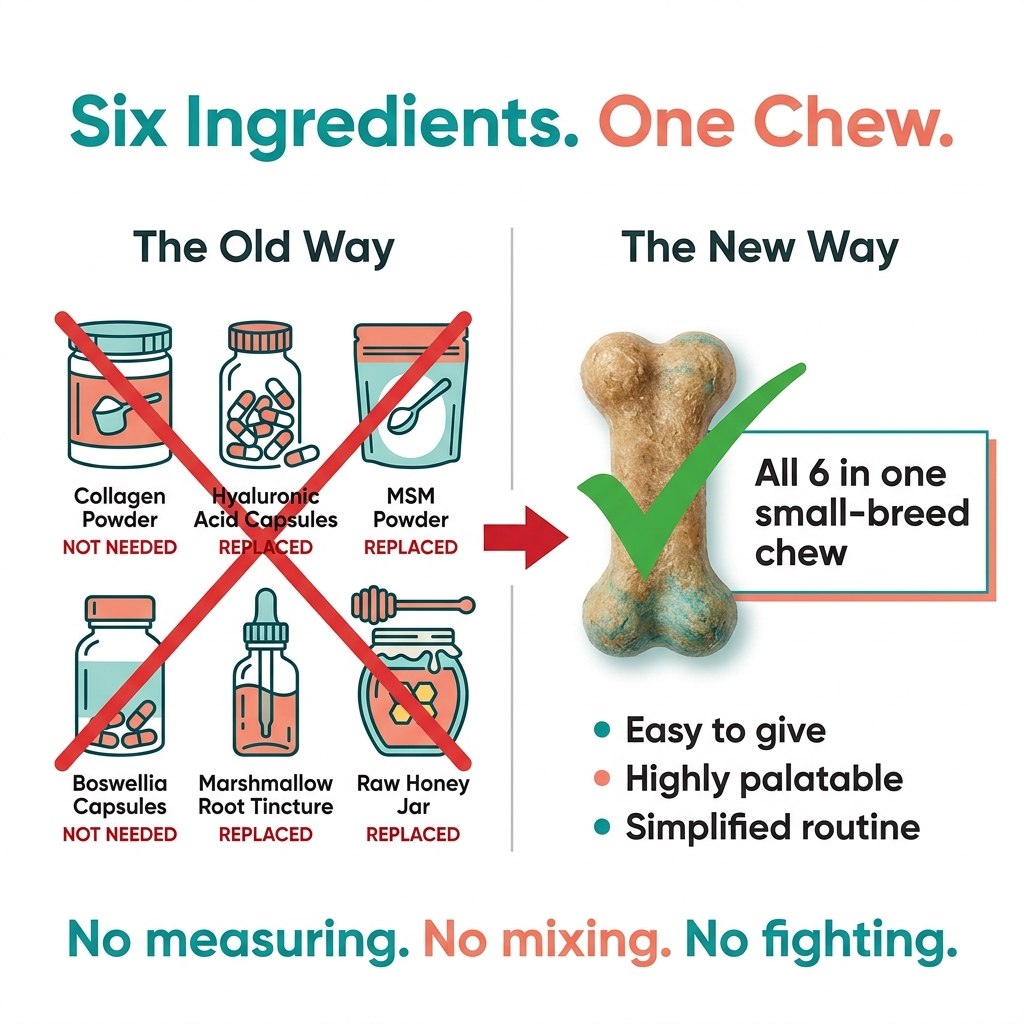
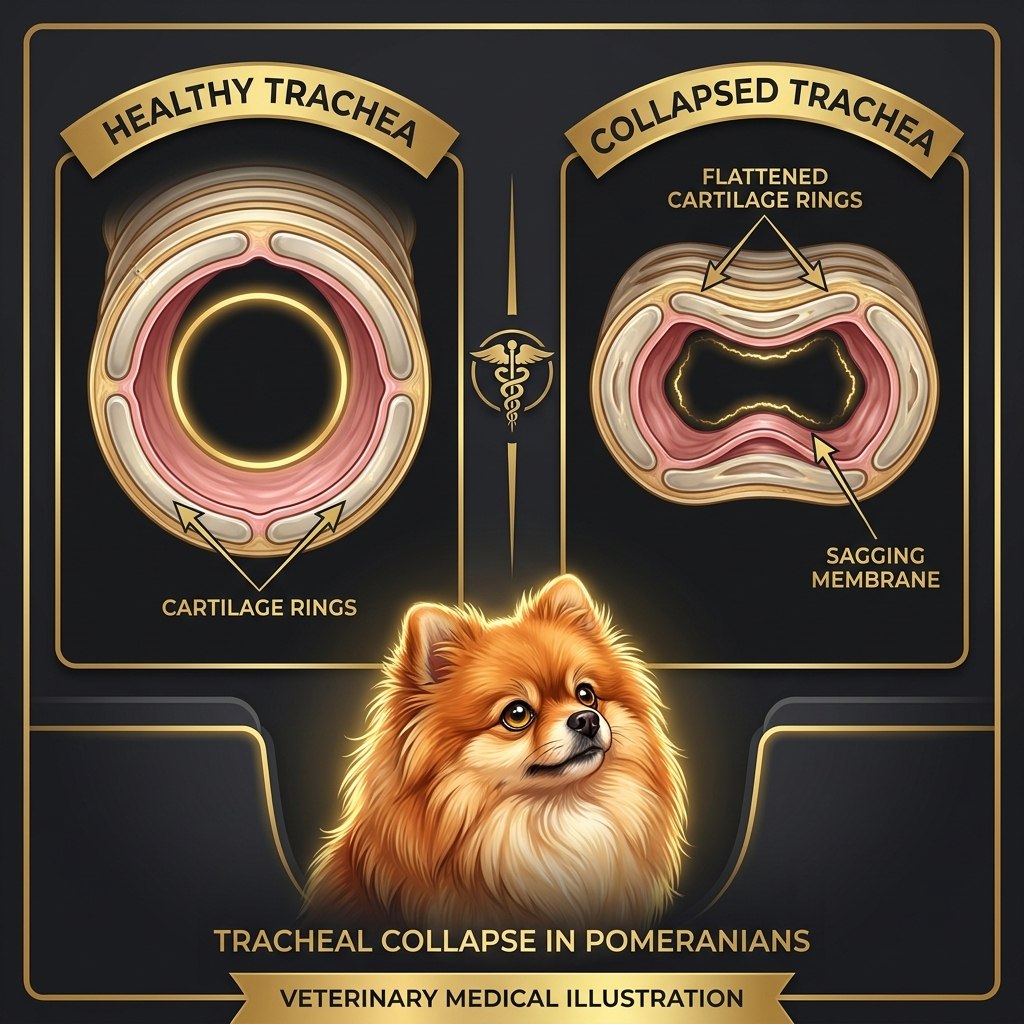
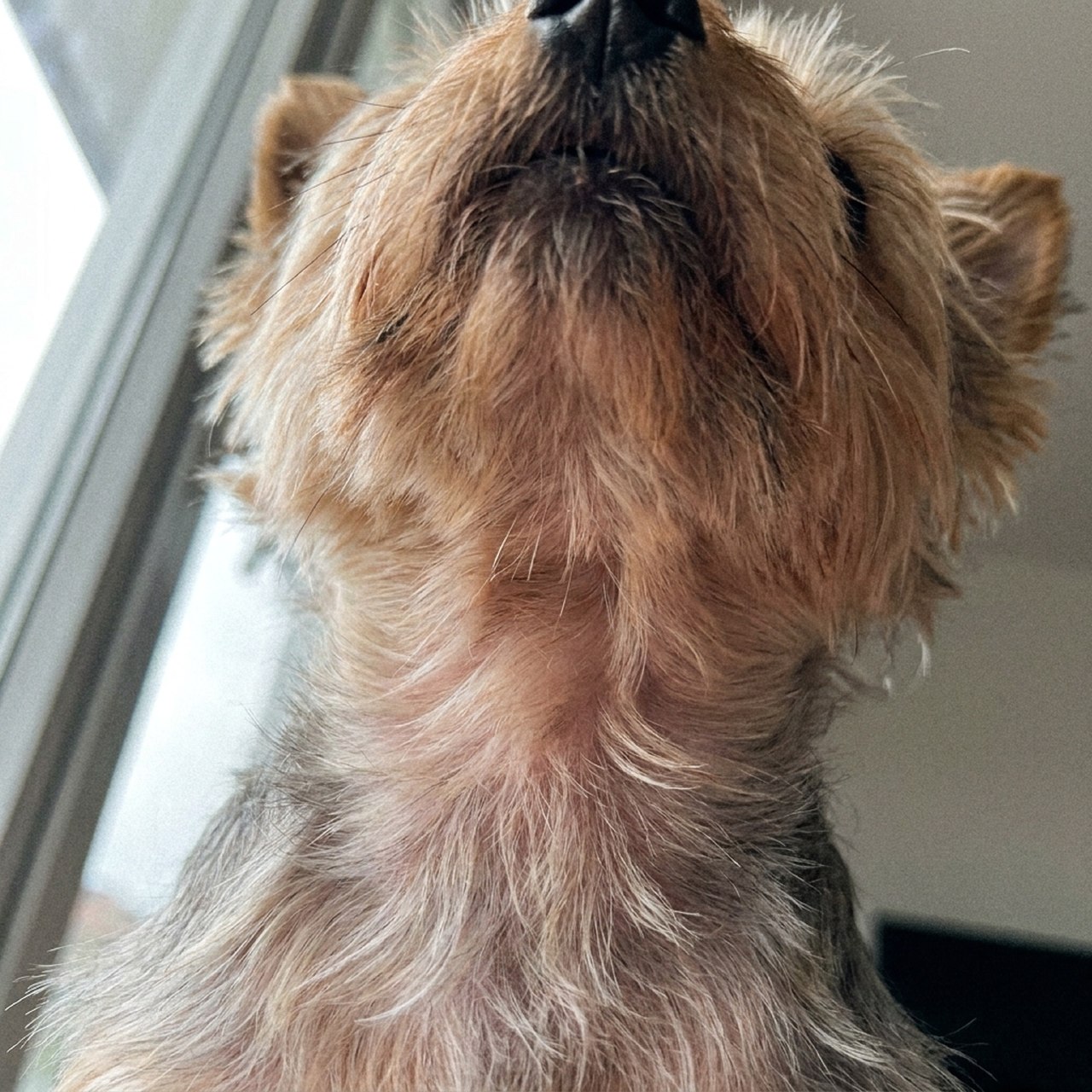
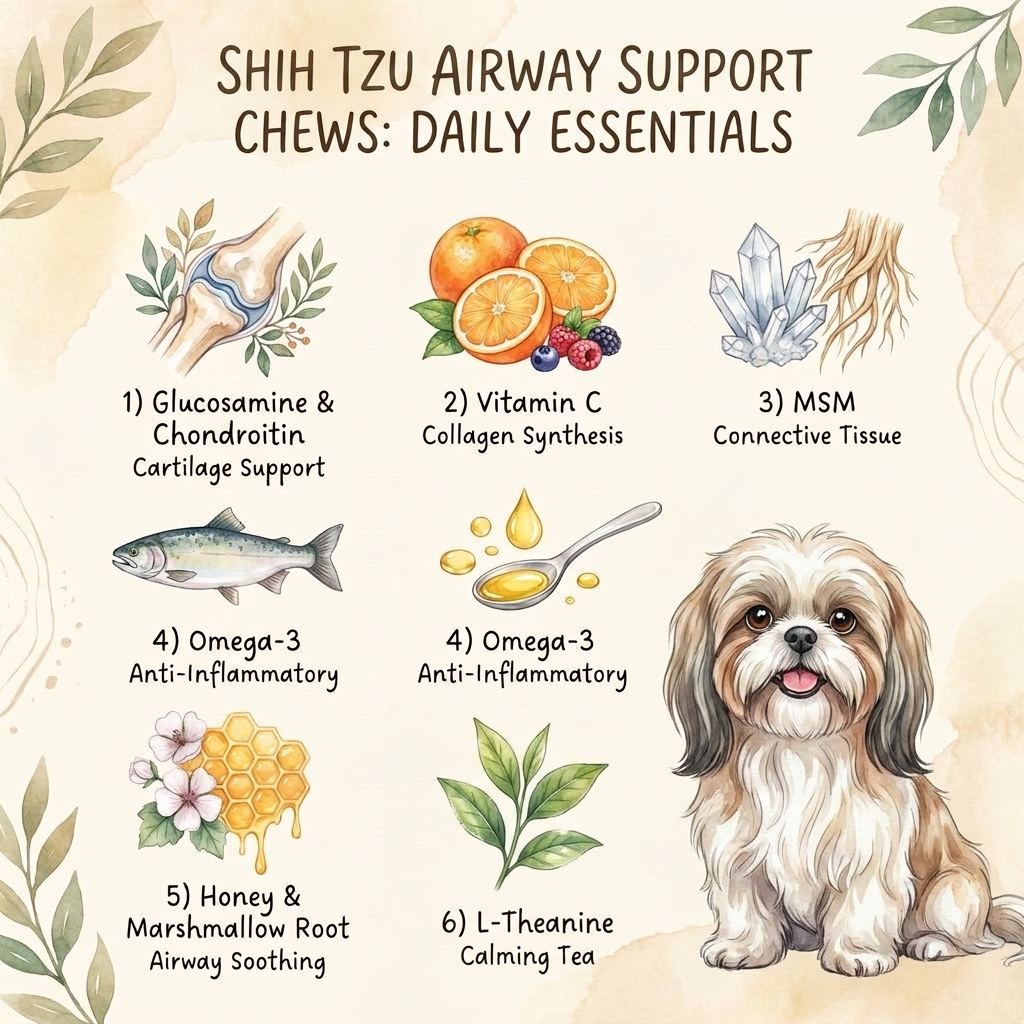
My 5-year-old Shih Tzu almost died on a random Wednesday and I need to talk about it. I know that sounds dramatic. I know. But I'm sitting here typing this because if ONE person reads it and doesn't have to go through what I went through with Daisy, then I don't care how dramatic it sounds. Four months before it happened, Daisy had her annual checkup. Vet said she was perfect. Healthy weight, good teeth, everything looked great. She had this little honking cough thing she'd do sometimes and the vet literally smiled and said "oh yeah, that's totally normal for small breeds, nothing to worry about." Small breeds. Like she was just a miniature golden retriever or something. I drove home thinking everything was fine. And that was the most dangerous thing that happened to Daisy that year. Me thinking everything was fine. Ok so here's what happened. Wednesday afternoon, I'm in the kitchen making lunch. Daisy starts coughing. Not unusual, she does the honk thing sometimes. But this time it didn't stop. It kept going. And going. And she started making this sound I'd never heard before, like she was trying to breathe through a straw. I called the emergency vet line. They told me to time it. Eleven minutes. My dog was on my kitchen floor for eleven minutes gasping for air while I knelt next to her completely useless. Her gums went blue. Like actually blue. I grabbed her and drove to the emergency vet. X-rays. Grade 3 tracheal collapse. I looked at the vet and said "but she was just at the vet four months ago and they said she was fine?" And he said something that I still think about every day. He said "she probably wasn't fine four months ago either. This doesn't happen overnight." So after that I was a mess. Obviously. I started researching everything. I found a specialist named Dr. Carmen Reyes in Tucson. Internal medicine, 19 years, specifically works with toy breeds and tracheal collapse. I got an appointment and basically showed up ready to understand how I'd failed my dog. She told me I didn't fail Daisy. The system did. And then she explained some things that honestly made me angry. Like REALLY angry. Not at my vet, who was doing exactly what they're trained to do. But at the whole approach. Here's the thing about Shih Tzus that NOBODY tells you when you get one. They're one of the top breeds for tracheal collapse. Not "at risk." One of the most affected. They're 16x more likely to develop it than bigger dogs. And this is the one that got me. 100% of Shih Tzus carry the genetic predisposition for weak tracheal cartilage. Every single one. Not the ones from sketchy breeders. Not the overweight ones. ALL of them. Half of small breed dogs will show signs of tracheal weakness by age 7. And most cases show up between ages 4 and 9. But here's the really messed up part. By the time most owners actually get worried enough to push for answers, it's already Grade 2 or 3. Because up until that point, everyone is telling you it's normal. And with Shih Tzus specifically there's this extra layer that drives me crazy now. Shih Tzus make weird noises. Everyone knows this. They reverse sneeze, they snort, they honk, they make sounds that don't sound like they should come out of a dog. And because Shih Tzus are Shih Tzus, everyone just laughs. "Oh she's being dramatic." "That's just a Shih Tzu thing." There's literally memes about it. So when YOUR Shih Tzu starts making those sounds, you don't think twice. Because that's just what Shih Tzus do, right? Except sometimes it's not just a Shih Tzu thing. Sometimes it's tracheal cartilage slowly collapsing. And by the time you figure out the difference, you're kneeling on your kitchen floor watching your dog's gums turn blue. Dr. Reyes explained it to me like this. The trachea has these C-shaped cartilage rings that hold it open. Like the rings on a vacuum hose. In Shih Tzus, those rings are genetically weak from birth. They soften over time. Slowly. No drama. No sudden symptoms. Grade 1 is 25% flattened. Occasional cough. "She just gets excited." Grade 2 is 50%. More regular honking. This is usually when owners start worrying but vets still say monitor it. Grade 3 is 75%. Severe episodes. Blue gums. That's where Daisy was when I finally got answers. Grade 4 is full collapse. Emergency. The thing is, your vet listens with a stethoscope once a year. They hear a cough or they don't. They can't measure how much the cartilage has weakened since last time. They can't tell if it went from 25% to 50% between visits. They can only hear what's already become a problem. So you've got this condition that's progressing silently 365 days a year, and you're checking on it once a year with a tool that can only catch it after it's gotten bad enough to hear. That's what happened to Daisy. Three years of "totally normal for the breed" while her trachea was collapsing. After Dr. Reyes explained all this I did what everyone does. I went online and started looking for products that could help. You know what's out there? "Respiratory support for dogs." "Breathing wellness blend." "Lung health chews." For ALL dogs. All breeds. All sizes. But tracheal collapse isn't a breathing problem. It's not a lung problem. It's a cartilage problem. The structure of the airway is physically collapsing. You need to support the cartilage, not just throw generic "breathing herbs" at it. I asked Dr. Reyes what she'd actually want in a product if one existed that was designed for this specific condition. She said six things. Glucosamine and Chondroitin. Those are literally the building blocks of cartilage. The stuff that's failing in your Shih Tzu's throat. Vitamin C. For collagen. Collagen is what gives cartilage its strength. Without it the rings can't hold their shape. MSM. For the connective tissue around the tracheal rings. Omega-3s. To reduce inflammation in the airway tissue because inflammation makes the degradation worse. Honey and Marshmallow Root. To soothe the airway lining and reduce the irritation that triggers the coughing. L-Theanine. To support calm, relaxed breathing patterns because stress and anxiety make tracheal episodes significantly worse. That's what a Shih Tzu with tracheal collapse needs. Not "calming respiratory blend for all breeds." Your Shih Tzu is not a Lab. Her trachea is not a Lab's trachea. Stop buying products designed like she is. Dr. Reyes told me she'd been recommending something called AirWay by Weston Animal Co to her Shih Tzu patients alongside their regular care. Healthy breathing support chews with all the necessary ingredients, built for breeds with tracheal collapse. weston-animal.co/products/shihtzu-airway She'd tracked 34 Shih Tzus who started it alongside their normal monitoring. 29 of them showed measurable improvement in how often episodes happened and how bad they were. 85%. It's not a cure. She said that very clearly and I want to say it too. Tracheal collapse is progressive and structural. There's no fixing it. But 85% of those dogs had fewer episodes and less severe ones. Because they were getting daily cartilage support instead of just getting checked once a year. Daisy's been on it for six months. She used to have episodes multiple times a week. Now they're rare. When they happen they're shorter and she bounces back faster. She plays without triggering a coughing fit. She sleeps through the night. I'm not calling it a miracle. I don't believe in those anymore. What I believe in is giving my dog's trachea actual structural support every day instead of just hoping the cartilage holds up between vet visits. Look, if your Shih Tzu is already with a specialist and has a treatment plan, don't mess with that. Talk to your specialist before adding anything. But if you're where I was. If your Shih Tzu has that honking cough and your vet keeps saying it's normal. If you're doing everything right but nobody's ever mentioned the actual cartilage. Or honestly even if your Shih Tzu doesn't have a cough yet, because every single one of them carries the gene for this. You're already doing the hard parts. The harness. The weight management. The vet visits. The gap isn't your effort. The gap is what's happening to the cartilage between those visits. The daily support. The structural reinforcement. Your Shih Tzu is not a Lab. Her trachea is not built like a Lab's. Her genetic risk isn't a Lab's. So why is her care plan the same? weston-animal.co/products/shihtzu-airway Do your own research. Talk to your vet. I'm just a Shih Tzu owner who watched her dog turn blue on a kitchen floor because nobody in the system thought to support the structure that was failing. I really don't want that to happen to your dog. P.S. If you're shopping for respiratory products for your Shih Tzu, flip the bottle over and read the ingredients. If there's no Glucosamine, no Chondroitin, no Vitamin C, no MSM, no Omega-3s, no Honey and Marshmallow Root, it's not built for tracheal collapse. It's built for generic dogs with generic breathing issues. Your Shih Tzu is one of the most affected breeds for this condition. Buy accordingly. weston-animal.co/products/shihtzu-airway
Like this ad? Make it yours.
Crush rebuilds this exact creative around your product — your brand, your colors, your offer — in about a minute.