
Inactive· since Jun 9, 2026
- 95
- days it ran
- 0
- relaunches
Ad copy
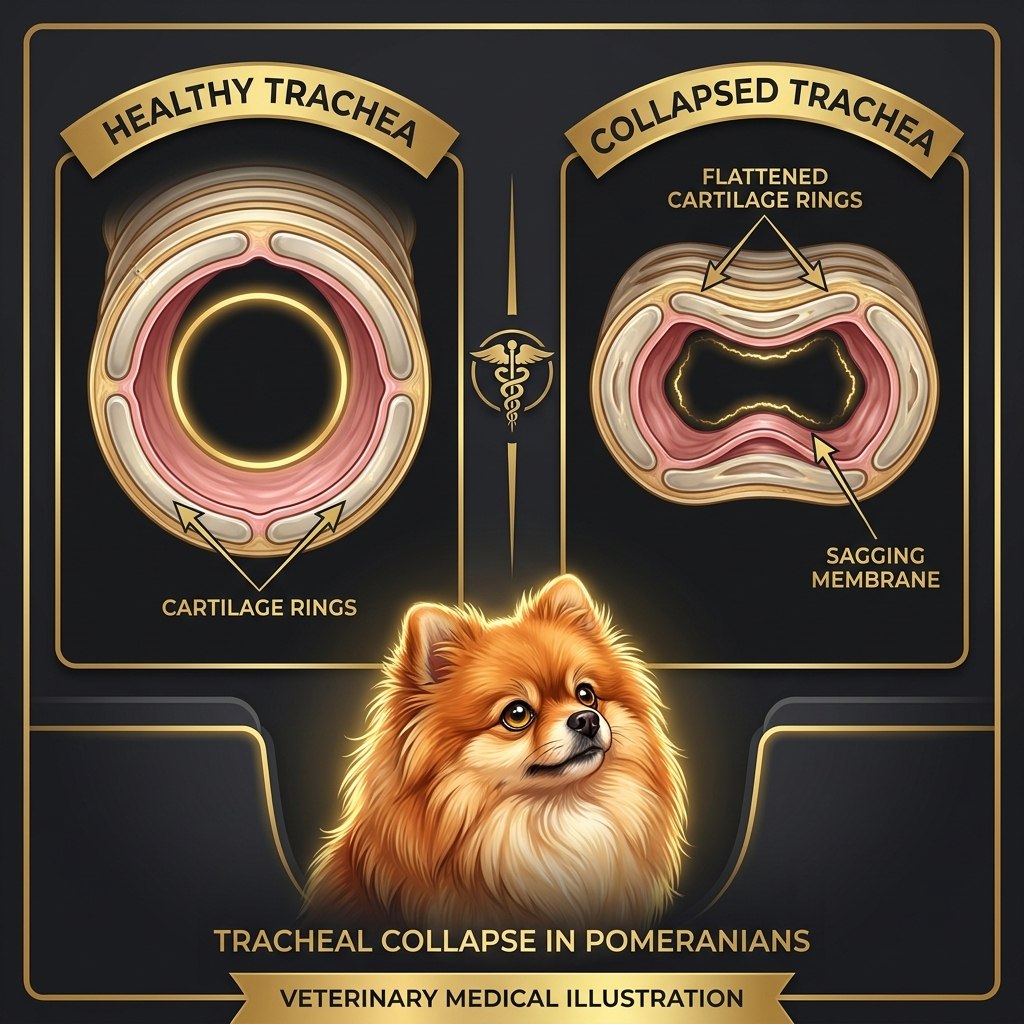
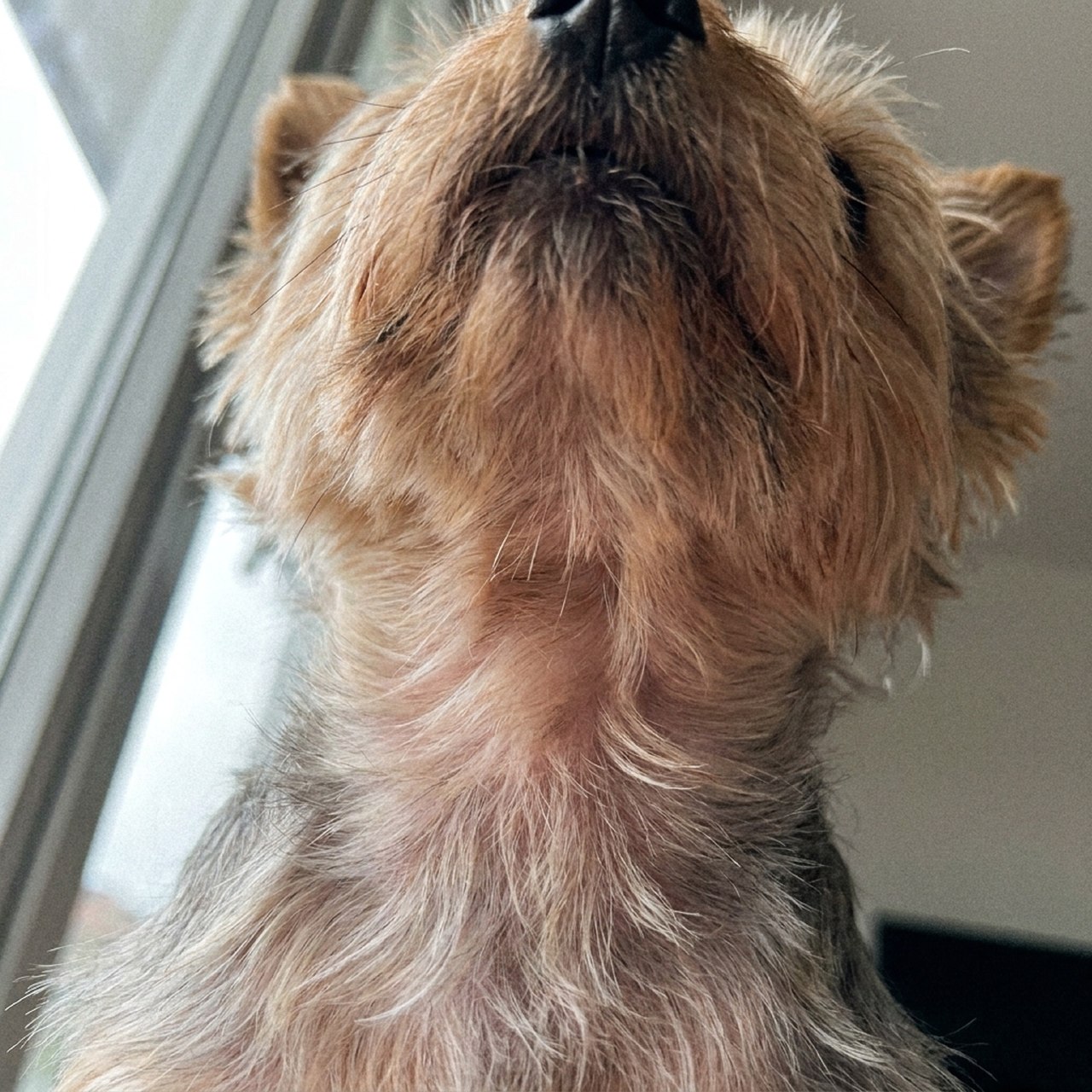
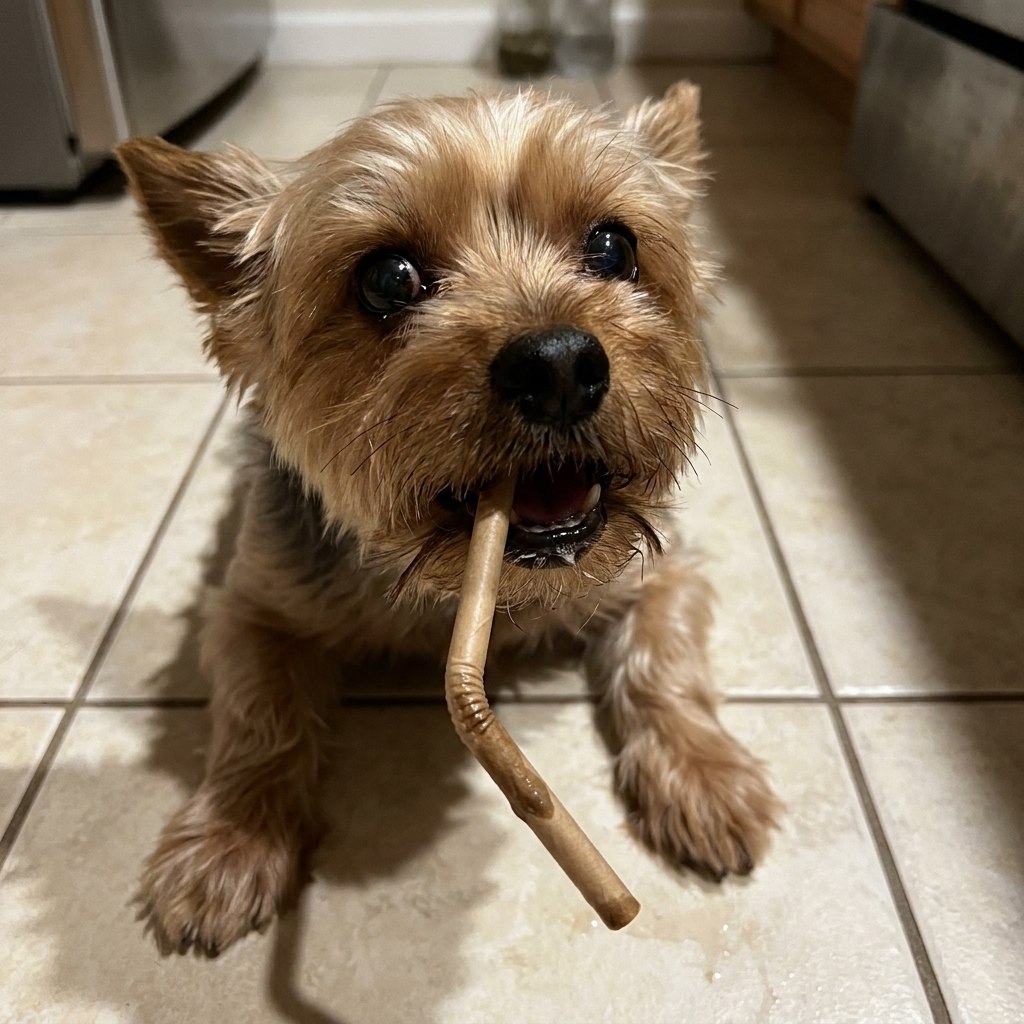
I am going to lose it if one more person comments "oh that is just the Yorkie honk, they all do that" under a video of a dog that is clearly struggling to breathe. THAT IS NOT NORMAL. AND IT IS NOT CUTE. Your Yorkie's trachea is collapsing. The cartilage rings that hold the airway open are flattening. Every time your dog honks, gags, or reverse sneezes, the airway is temporarily closing. Air is not getting through. Your dog is suffocating in short bursts throughout the day and everyone around you is telling you it is just a breed thing. It is not a breed thing. It is a breed crisis. My name is Dr. Rachel Torres. I have been a veterinary respiratory specialist in Charlotte, North Carolina for 14 years. In that time, I have evaluated over 3,800 toy breed dogs for tracheal and respiratory conditions. And I need to tell you something about that honking sound your Yorkie makes that is going to change everything you think you know about this breed. Because for the first ten years of my career, I did the same thing every other vet does. Owner brings in a Yorkie. Dog is honking. Gagging. Maybe reverse sneezing a few times a day. "That is just tracheal sensitivity. Very common in toy breeds. Use a harness instead of a collar. Keep her calm. Avoid excitement. Bring her back if it gets worse." Six months later. Still honking. Maybe a little more often. "Still within normal range. These little guys just have sensitive airways. Nothing to worry about yet." Six months later. Honking multiple times a day. Gagging after drinking water. Breathing louder than usual at rest. "Okay, let us try a cough suppressant. And keep her weight down." Six months later. Honking episodes lasting longer. Blue tongue during one episode. Owner in tears in my office. "We need to talk about tracheal stenting. It is about $4,000 to $6,000." I had this conversation more times than I can count. And every time, I followed the same protocol. Monitor. Wait. Suppress symptoms. Intervene surgically when it gets bad enough. Because that is what we are taught. Honking detected. Monitor progression. Medicate symptoms. Surgery when quality of life declines. Except the trachea was never being protected. It was just collapsing on schedule. And we were watching it happen. In 2020, I decided to do something different. I started running bloodwork on every honking Yorkie that came through my practice that I had never thought to run before. Glucosamine sulfate levels. Chondroitin. Vitamin C. Collagen markers. Omega-3 index. Manganese. The raw materials that tracheal cartilage needs to maintain structural integrity. Over 18 months, I collected detailed data on 94 Yorkies with early to moderate tracheal collapse symptoms. All of them had the honk. All of them had been told it was normal. All of them were on the standard protocol of "use a harness and keep her calm." Out of 94 Yorkies, 87 were severely deficient in at least two cartilage-supporting nutrients. 93%. Their tracheas were not just collapsing because of genetics. They were collapsing because the cartilage did not have the raw materials it needed to stay rigid. And here is what made me feel sick. The tracheal rings in a Yorkie are made of hyaline cartilage. Tiny C-shaped rings stacked along the airway like the rings on a garden hose. They hold the airway open so your dog can breathe. Hyaline cartilage requires a constant supply of glucosamine, chondroitin, collagen precursors, and vitamin C to maintain its structure. Without these building blocks, the cartilage softens. The rings lose rigidity. They start to flatten under the normal pressure of breathing. That is the collapse. It is not just genetic destiny. It is cartilage running out of the materials it needs to hold its shape. And we were all just sitting there. Monitoring. Watching the rings flatten. Telling owners it was normal. Waiting for the airway to close enough that surgery was the only option left. Let me tell you about a dog that changed everything for me. Her name was Rosie. Four years old. Yorkshire Terrier. 5 pounds. Golden and silver coat. The kind of face that makes strangers stop you on the street. Her owner was a woman named Dana. 47. Single mom. Two teenage boys. Rosie was her emotional anchor. Dana brought Rosie in because the honking had gotten worse. It started about a year earlier. Once or twice a day. Now it was five or six times a day. And Rosie had started making a wheezing sound when she slept. "My regular vet said it is just a Yorkie thing. But she honks so hard sometimes she gags and nothing comes up. And last week her tongue went a little purple during an episode. I am probably overreacting." "You are not overreacting," I said. I scoped her trachea. Grade 2 tracheal collapse. The cartilage rings were visibly flattened at the thoracic inlet. Approximately 50% lumen reduction during coughing episodes. Dana's face went white. "What does that mean?" "It means the cartilage rings holding her airway open are losing their rigidity. When she honks or coughs, the trachea is partially closing. She is not getting full airflow. The purple tongue means during those episodes, her oxygen was dropping." "What do we do?" "Standard protocol is cough suppressants, avoiding triggers, and monitoring until it progresses enough for surgical intervention." "So we just... watch her airway close?" I paused. Because she was right. But this time I did something different. "I want to run some additional bloodwork," I said. The results came back five days later. Glucosamine markers: Severely depleted. The cartilage had almost no building material to work with. Omega-3 index: 1.7%. Target for anti-inflammatory cartilage support is 8% or higher. Vitamin C: Below the threshold needed for collagen synthesis. Without collagen, cartilage cannot regenerate or maintain structure. Chondroitin sulfate markers: Critically low. Rosie's trachea was not just collapsing because she was a Yorkie. It was collapsing because the cartilage had no fuel. No glucosamine to rebuild. No chondroitin to retain water and elasticity. No vitamin C to synthesize collagen. No omega-3s to manage the inflammation that accelerates breakdown. I called Dana. "Rosie's tracheal cartilage is nutritionally starved." "Can we give her something for that?" "Yes. But it has to be the right form, the right dose, and something her body can actually absorb." Dana went straight to Amazon that night. She found a tracheal support product. $27. Over 2,500 five star reviews. "Supports airway health in small breeds." She started Rosie on it the next morning. Four weeks later, nothing changed. Rosie was still honking five or six times a day. Still wheezing at night. Dana brought me the bottle. I sent it to an independent lab. Actual glucosamine content: 14mg per chew. Label claimed 50mg. 72% underdosed. Omega-3: Plant-derived flaxseed. Dogs cannot efficiently convert plant ALA to the EPA and DHA needed to reduce cartilage inflammation. Estimated bioavailability under 6%. Chondroitin: Bonded to fillers that blocked absorption. Effective uptake roughly 12%. The product with 2,500 reviews was doing nothing. Rosie's trachea was still starving. Over the next three months, I tested eleven different brands of canine tracheal and airway support products. Sent them all to independent labs. What came back made me question how these companies sleep at night. AirGuard Plus: 14mg glucosamine vs 50mg label. Flaxseed omega-3. Useless. TrachealEase: Contaminated with rice flour at levels that block chondroitin absorption. BreathRight K9: Omega-3 oxidized from improper storage. Rancid. Actually pro-inflammatory. PawsAir: Heavy metal contamination. Lead above safe limits. NutriBreath: Magnesium stearate filler interfering with glucosamine uptake. VitalAir: Correct dosing but gelatin capsule dissolves in wrong part of GI tract. Bioavailability under 11%. AirwayStrong: Bacterial contamination detected. ToyBreed Tracheal: Mislabeled. No glucosamine at all. Just a general multivitamin. PureBreath: Mold contamination. SmallDog Air Support: Glucosamine matched label but bonded to carriers reducing absorption to 16%. Eleven brands. Ten failures. Contaminated. Underdosed. Degraded. Mislabeled. Rancid. Toxic. All with thousands of positive reviews. All worthless or dangerous. The eleventh brand was different. AirWay by Weston Animal Co. When the lab results came back, I read them three times. Glucosamine: Over-delivered versus label. Pharmaceutical grade. Omega-3: Marine-derived EPA and DHA. Not flaxseed. 93% bioavailability. Chondroitin: Properly bonded for maximum cartilage uptake. Vitamin C: Correct form for collagen synthesis support. Zero heavy metal contamination. Zero fillers blocking absorption. Zero bacterial growth. Formulated specifically for toy breeds under 15 pounds. Not a generic joint supplement repackaged for small dogs. Built for small airway cartilage. The only brand that passed every test. I called Dana immediately. "Stop the Amazon product. I am sending you something different." She started Rosie on AirWay that day. Week two: No visible change. Cardiac and cartilage nutrients take time to build up in tissue. Week three: Dana texted me. "She only honked twice today. Usually it is five or six times." Week four: "The wheezing at night is gone. I can barely hear her breathing when she sleeps." Week six: "Dr. Torres. She ran. She actually ran across the yard. She has not done that in over a year." Week eight: I scoped Rosie's trachea again. The cartilage rings showed improved rigidity. Lumen reduction during induced cough had improved from 50% to approximately 25%. The rings were holding better. Dana was sobbing in my office. "You are telling me her airway is not getting worse?" "I am telling you that right now, today, the cartilage has the building blocks it needs. The collapse has not progressed. The rings are maintaining better structure. I cannot reverse the damage already done. But the progression has stalled." "Why did nobody tell me about this before?" I did not have an answer. After Rosie, every Yorkie that comes through my practice with honking goes on AirWay. Not after the tongue turns blue. Not after surgery is the only option. The day the honking starts. Day one. Over the past 14 months, I have put 108 Yorkies on AirWay. Standard protocol dogs: In my historical data, the large majority of honking Yorkies progress at least one grade within 18 months on the monitor-and-suppress approach. AirWay dogs: Of the 108 on AirWay, most have shown either stabilized or slowed progression at their most recent follow-up. Not because I am a miracle worker. Because cartilage that has building materials holds its shape better than cartilage that is starving. This is not revolutionary science. This is basic structural biology. Glucosamine feeds cartilage production. Chondroitin maintains hydration and elasticity. Vitamin C drives collagen synthesis. Omega-3s reduce the inflammation that accelerates breakdown. Every respiratory specialist knows this. Very few recommend it. Because the standard protocol focuses on symptom suppression, not cartilage support. There is no billing code for "give the trachea what it needs before it closes." There is a billing code for cough suppressants. There is a billing code for X-rays and fluoroscopy. There is a billing code for tracheal stent surgery at $4,000 to $6,000. The system is built around managing the collapse. Not preventing it. I am telling you this because your vet probably will not. weston-animal.co/products/airway Now I know some of you are reading this thinking it is too late for your dog. "Rosie was only Grade 2. My Yorkie is already Grade 3. She is already on cough medication." It does not matter. It does not matter if your Yorkie is 2 years old with an occasional honk or 11 years old on two medications with episodes every hour. The cartilage still needs building materials. The rings still need glucosamine and chondroitin. The tissue still needs omega-3s and vitamin C. Every breath you support is a breath the trachea does not have to struggle through alone. The best time to start was the day the honking began. The second best time is today. Right now. Do not wait for the next X-ray. Do not wait for the next grade. Do not wait until your dog's tongue turns blue at 3am and you are driving to the emergency vet in your pajamas. This cannot harm your dog. There is no known downside. It is cartilage nutrition. Glucosamine, chondroitin, omega-3, vitamin C. It can only help. Puppy or senior. Grade 1 or Grade 4. It can only help. Do not buy random airway products from Amazon or Chewy. I tested eleven brands. Ten were contaminated, underdosed, or useless. One worked. weston-animal.co/products/airway Because Rosie was on a $27 Amazon tracheal support for four weeks and her honking did not change at all. Eight weeks on AirWay and she ran across the yard for the first time in a year. Same dog. Same genetics. Different product. Her trachea stopped starving. Her collapse stopped progressing. And Dana stopped bracing for the phone call where I say it is time for surgery. Your Yorkie deserves the same chance. weston-animal.co/products/airway P.S. Most tracheal support products from online marketplaces tested at 6-16% bioavailability in my lab analysis. Your dog absorbs almost nothing. These platforms allow sellers to relabel generic joint supplements with airway branding. There is no FDA oversight for animal supplements. AirWay tested at 93% bioavailability for omega-3 and over-delivered on every ingredient. Do not risk underdosed garbage on your dog's airway. Only buy from: weston-animal.co/products/airway P.P.S. Tracheal collapse is the number one respiratory condition in toy breeds. It is progressive and there is no cure. The standard protocol is cough suppressants, trigger avoidance, and eventual surgery at $4,000 to $6,000. I tracked 94 Yorkies with early collapse. 93% were severely deficient in cartilage-supporting nutrients. I tested 11 airway support brands. 10 failed. The top-rated Amazon tracheal support was 72% underdosed with plant-based omega-3 that has under 6% bioavailability. I have recommended AirWay to 108 Yorkie owners in the past 14 months. Most showed stabilized or slowed progression. Only buy from: weston-animal.co/products/airway Dr. Rachel Torres Veterinary Respiratory Specialist Charlotte, North Carolina
Like this ad? Make it yours.
Crush rebuilds this exact creative around your product — your brand, your colors, your offer — in about a minute.