
Inactive· since Apr 1, 2026
- 14
- days it ran
- 0
- relaunches
Ad copy
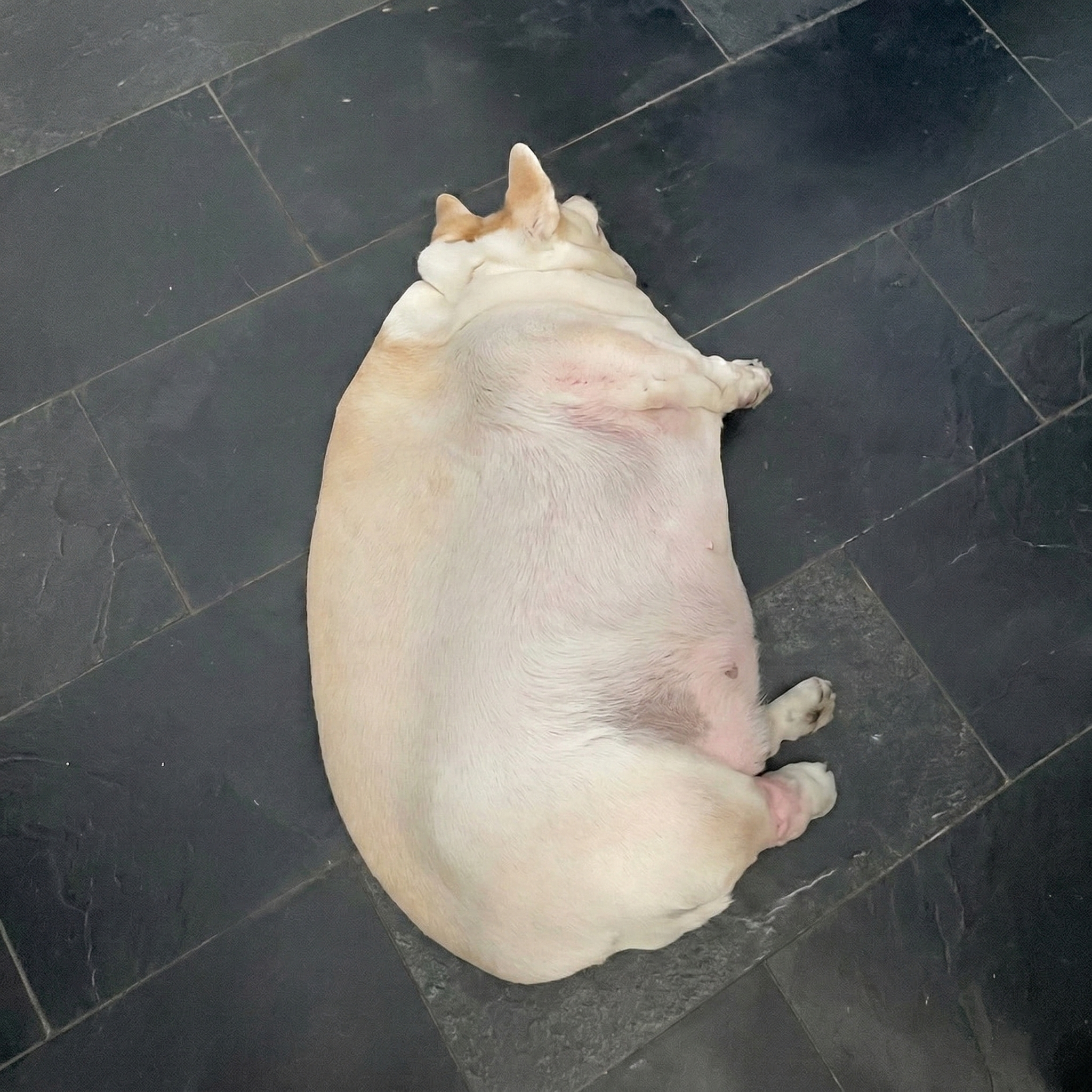
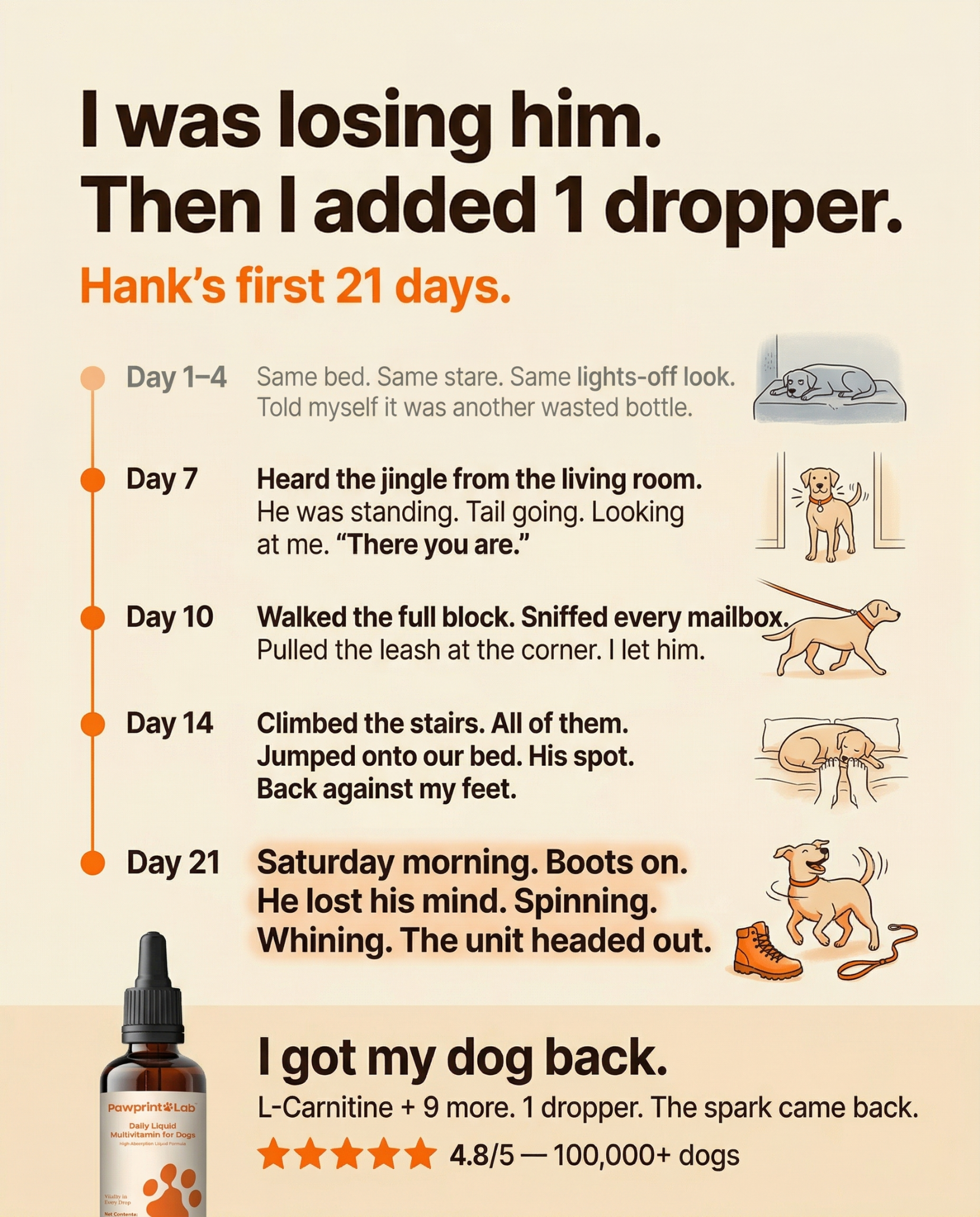
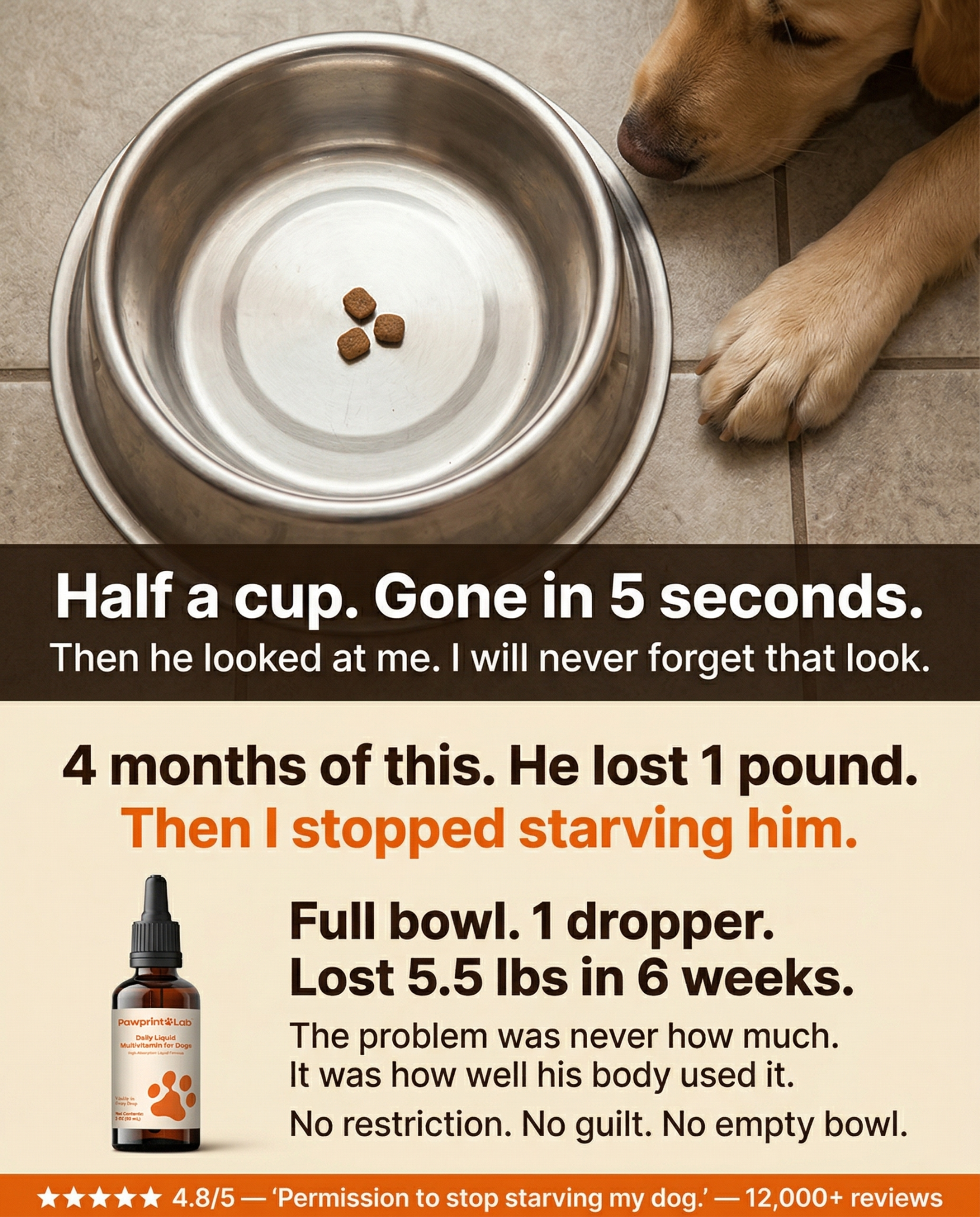
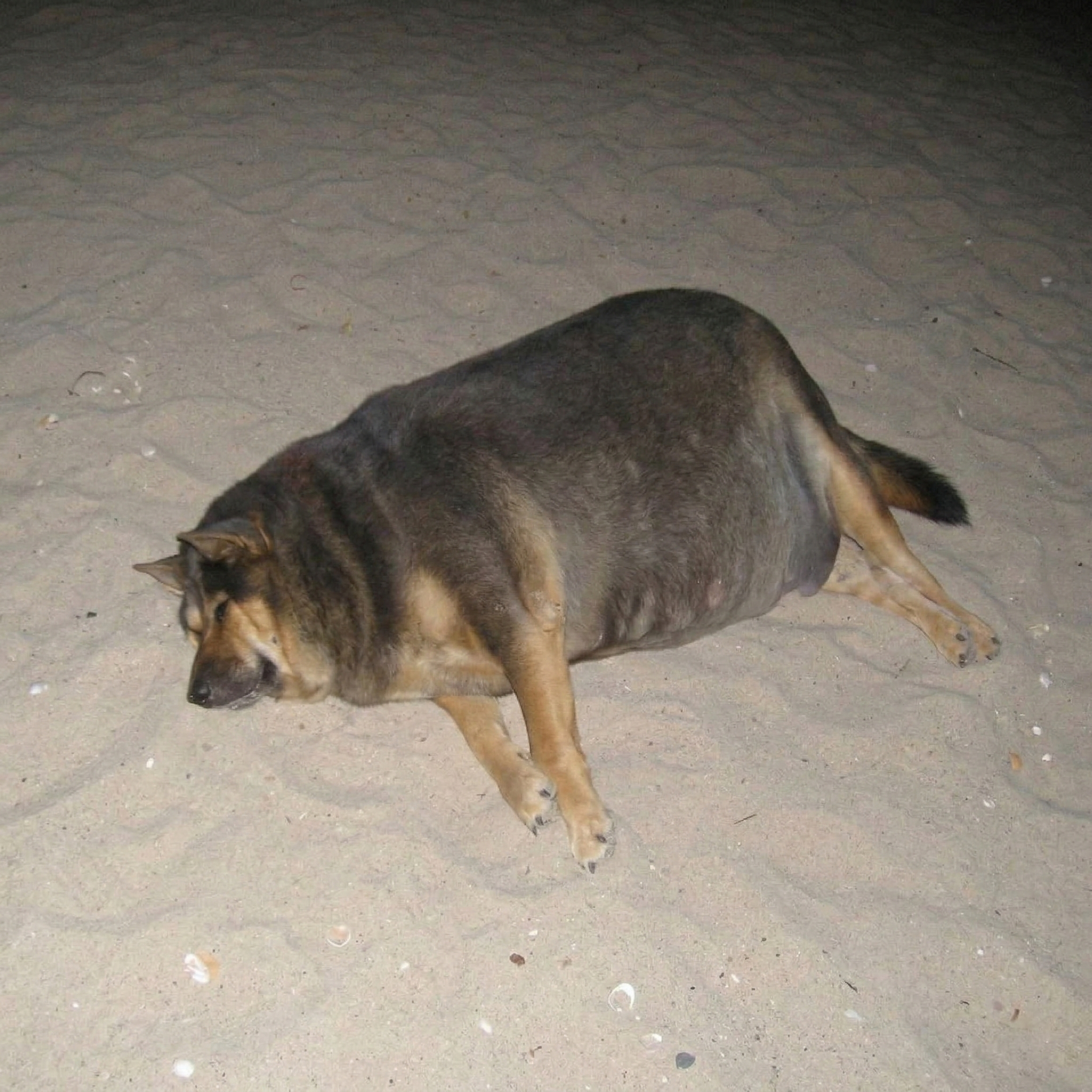
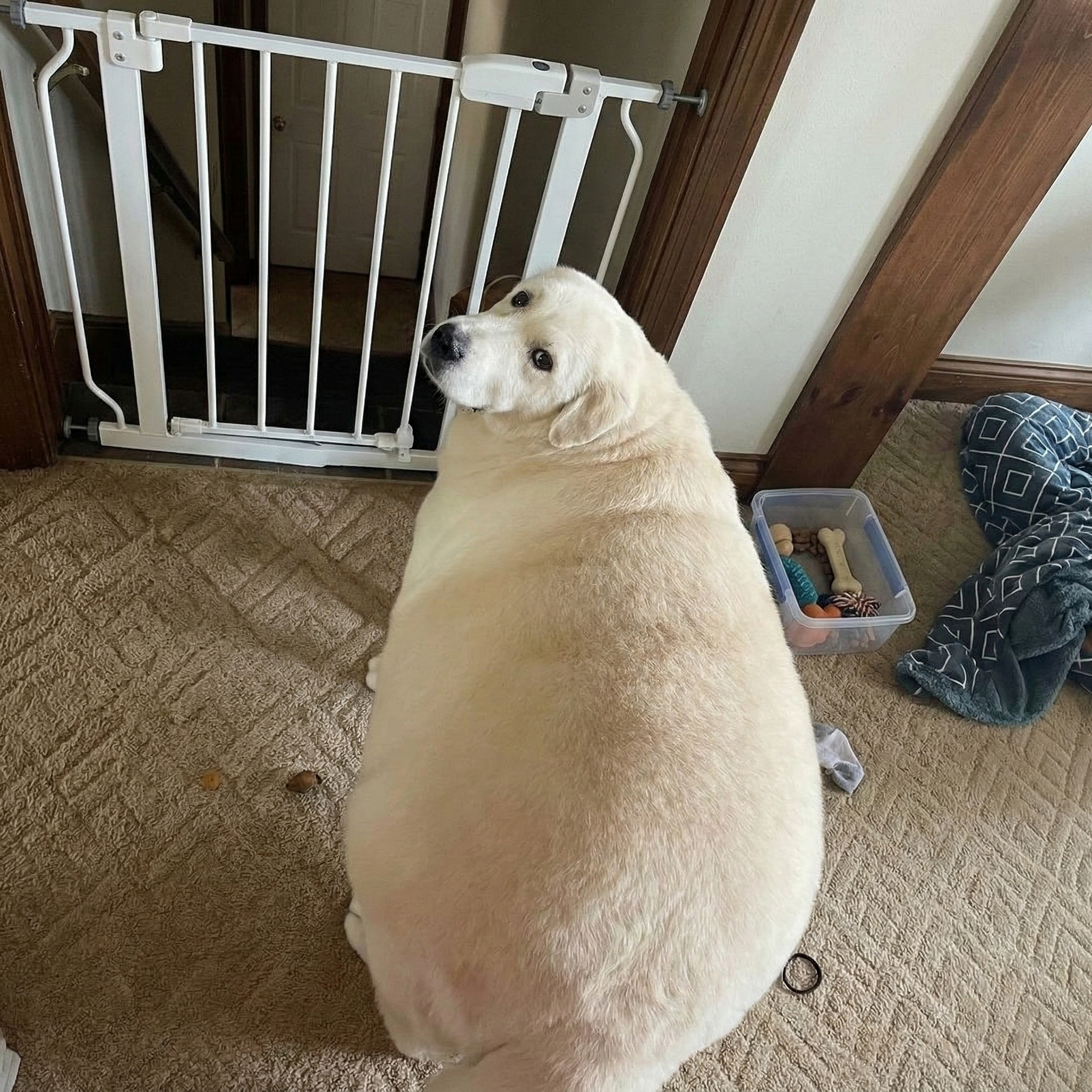
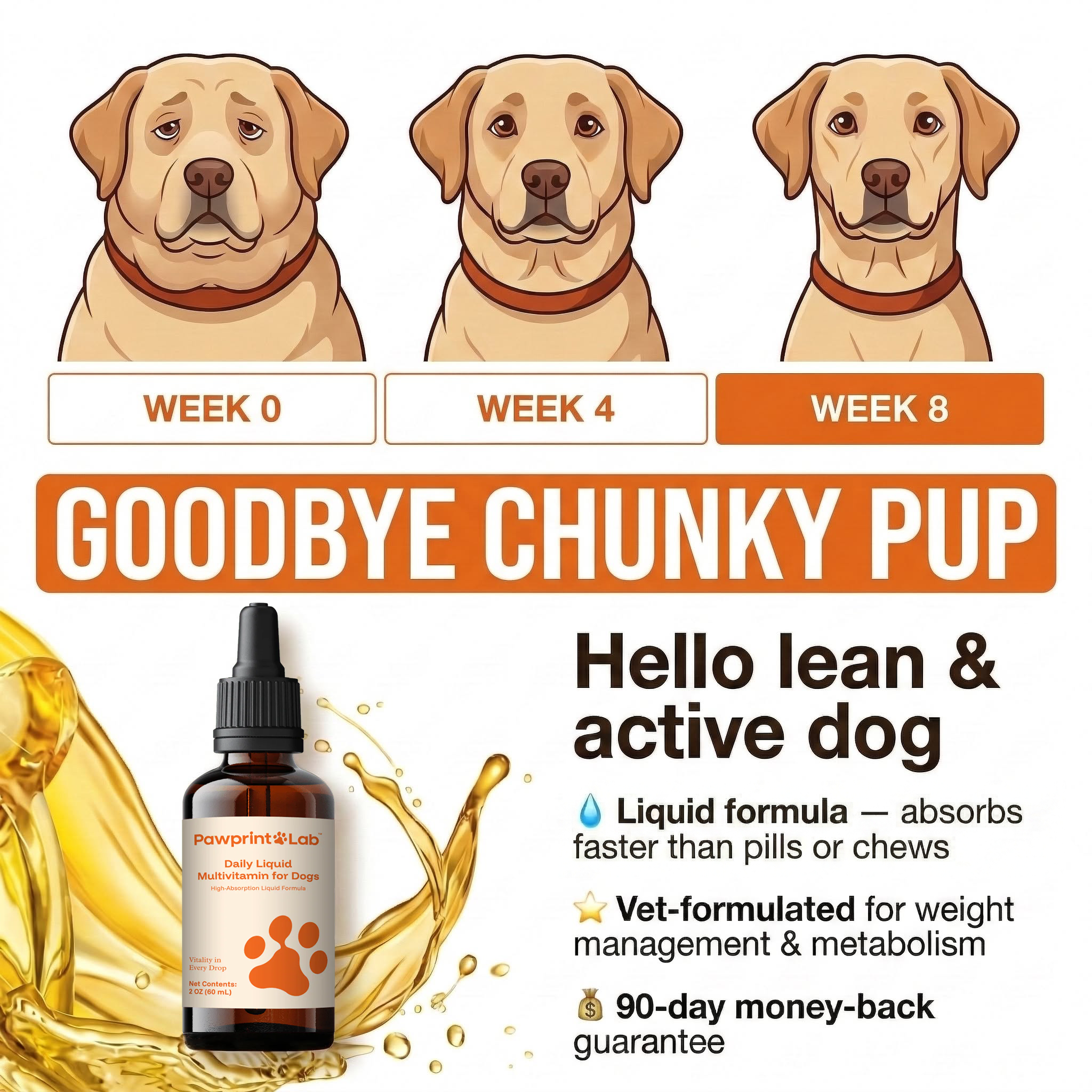
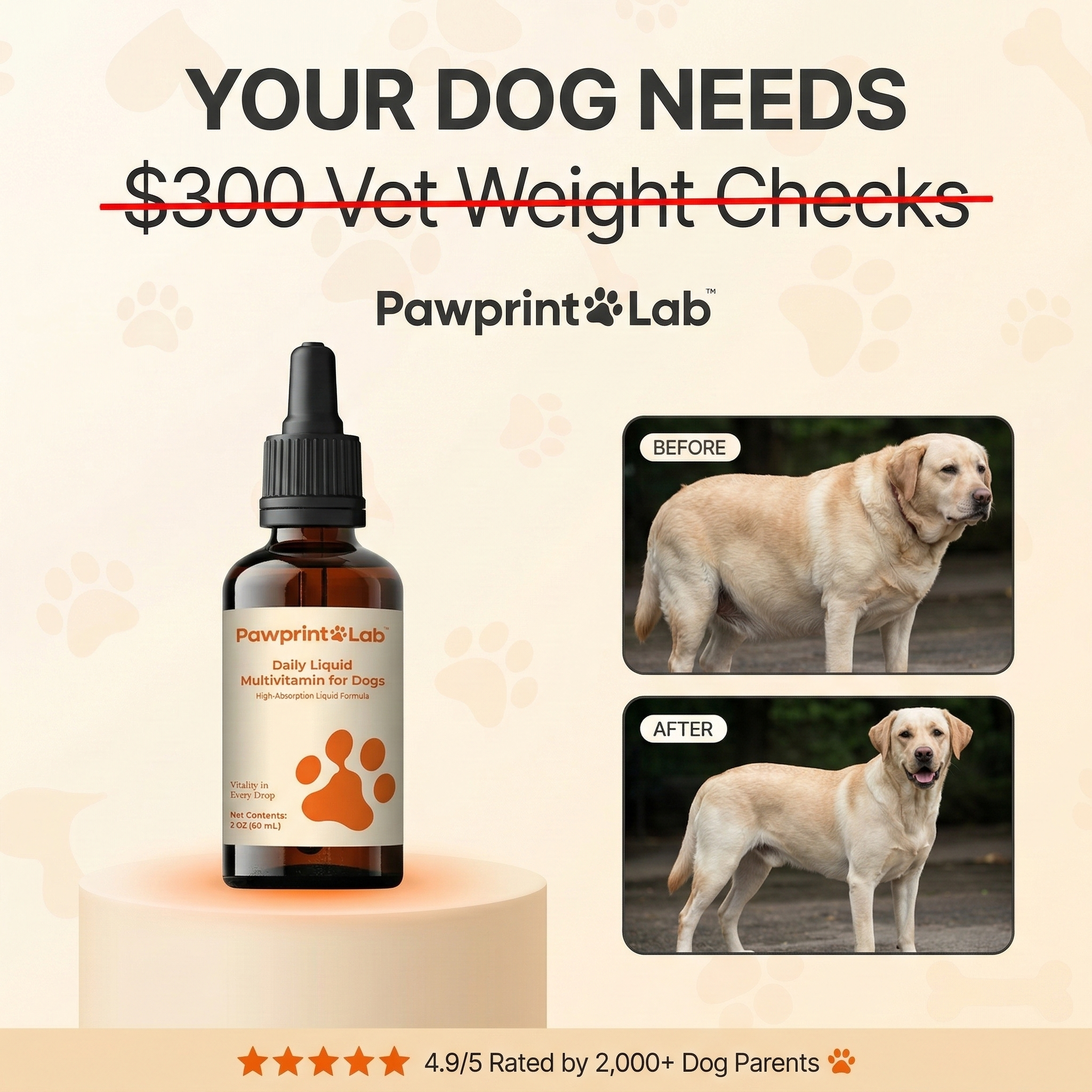
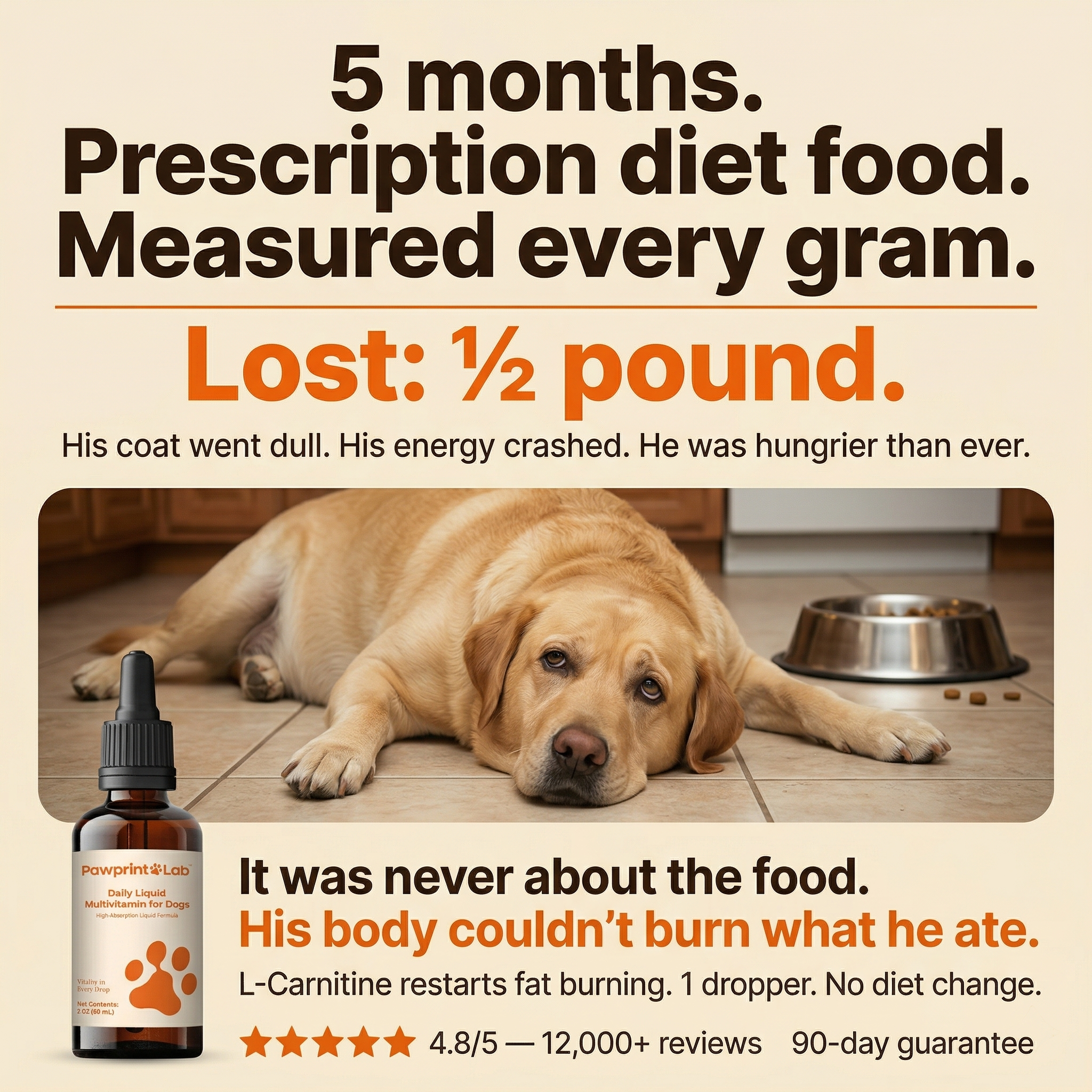
I've been feeding my dog the most expensive food on the market and he's still gaining weight, but three weeks ago I found out it was never about the food. It was a Saturday morning around 8 AM. The kitchen was quiet. I was standing at the counter measuring out Cooper's breakfast with a digital scale. Not a measuring cup. A scale. Down to the gram. I had been doing this for five months. Weighing every meal. Logging every treat. Tracking his intake like a nutritionist with a clipboard. I set the bowl down in front of him. He looked up at me with those soft brown eyes, sniffed the carefully portioned kibble, and walked away. He wasn't full. He was hungry. I could hear his stomach rumble when he lay down. But there wasn't enough food in the bowl to interest him because I had cut his portions so small trying to get him to lose weight that he'd given up even trying. I stood there staring at his half-empty bowl and then at him, lying on the floor, barrel-shaped and exhausted. This was the dog who used to clear his bowl in eight seconds flat and come skidding back for more. The dog who once ate an entire rotisserie chicken off the counter, foil and all, and looked at me like it was my fault for leaving it there. The dog who had so much energy at two years old that we hired a dog walker for lunchtime because he was destroying the couch cushions out of boredom. Now, he was lying on the kitchen tile at 8 AM, too tired to eat the tiny portion I was allowed to give him. And he was fatter than ever. That was the morning I stopped believing what I had been telling myself. For almost a year, I had played the "I'm doing everything right" game. I told my husband I was handling it. I told my sister the vet said it takes time. I told myself the scale just needed a few more weeks to catch up. "He's on the best food. I'm measuring portions. He'll turn a corner." But he never turned a corner. He just got rounder. I had switched his food three times. Three times. First, the premium grain-free formula. Twenty-eight dollars a bag. Cold-pressed, freeze-dried raw coating, "biologically appropriate" printed on every surface. My vet said it was too calorie-dense for a dog his size. So I switched to the weight management version. The one with the clinical packaging and "metabolic" on the label. Thirty-four dollars a bag. More fiber, less fat, reduced calories. Cooper ate it. He didn't love it, but he ate it. And he gained two pounds in six weeks. Two pounds. In the wrong direction. While eating less food than he'd ever eaten in his life. I switched again. This time to a prescription diet the vet sold from behind the counter. Forty-two dollars a bag. She weighed him, calculated his caloric needs, printed me a feeding schedule, and said, "Stick to this exactly. No treats. No extras. Nothing." So I did. For five months, I followed that schedule like scripture. I measured. I weighed. I wrote it down. I felt like a monster watching him lick an empty bowl and look up at me for more that I couldn't give. "It's for his health," I told my daughter when she cried because she couldn't give Cooper a piece of her chicken nugget. And at the end of five months? He'd lost half a pound. Half. A. Pound. Five months of hunger. Five months of sad eyes at the bowl. Five months of my daughter sneaking him bites under the table because she couldn't stand watching him beg. Five months of guilt that sat in my chest like a stone. And the number barely moved. But the weight wasn't even the thing that scared me most. It was what was happening to the rest of him. His coat went dull. Not gradually. It was like someone turned off a light. The shiny golden fur that strangers used to comment on became flat and dry and started falling out in clumps on the couch. He started getting hot spots on his belly. Red, angry patches he would chew at until they were raw. His energy cratered. He went from a dog who needed two walks a day to a dog who would get to the end of the driveway and just... sit. He'd look back at me like I'd asked him to climb a mountain. "Slow metabolism," my husband said one morning, watching Cooper lie flat on the rug at 9 AM. "Some dogs just have a slow metabolism." I almost threw my coffee mug. He's not lazy. He's not "slow." I am starving this dog and he's still getting fatter and I don't understand why. So I tried the supplements. God, I tried everything. Our pantry shelf became a graveyard of half-used bags and bottles. Metabolism-boosting soft chews that smelled like chemical bacon and cost forty dollars a bag. Apple cider vinegar drops I squeezed into his water bowl that he sniffed and refused to drink. Coconut oil capsules I hid in cheese balls that he surgically extracted the capsule from and spit it onto the kitchen floor. A "fat burner" powder from a pet influencer's Instagram page that I sprinkled on his food. He ate around it, leaving a ring of green powder circling an empty center. They all did the same thing. Either he flat-out refused to take them, or they were so packed with fillers and flavorings that the actual functional ingredients were a rounding error on the label. It was like trying to fix a car that won't start by putting in a nicer air freshener. The cabin smells better. The engine is still dead. Those treat-style chews that line the shelves at every pet store? Most of them are roughly eighty percent filler. Maltodextrin. Glycerin. Cellulose. Brewers yeast. Natural flavoring that's neither natural nor flavoring. A sprinkle of the active ingredient packed into a crunchy biscuit so you feel proactive when you hand it over. The dose is barely measurable. And the delivery is a disaster. A hard chew has to survive being crushed by teeth, dissolved by stomach acid, absorbed through the intestinal wall, passed into the bloodstream, and then somehow arrive at the cells that need it. By the time anything useful gets where it's going, you might as well have thrown the chew directly in the trash. It would have saved time. You're not supplementing your dog. You're buying peace of mind in a foil bag. That Saturday morning — standing in the kitchen, staring at my dog who wouldn't eat his tiny portion of food, still somehow getting fatter — I realized I was losing. If I kept doing this — the calorie counting, the expensive prescription food, the supplements he wouldn't touch — I was going to starve this dog into misery and he was still going to be overweight. I put Cooper's uneaten breakfast in the fridge, sat down at the kitchen table, and opened my laptop. I didn't go to the dog forums this time. I was sick of reading threads where every answer was "calories in, calories out" and "you're probably overfeeding and don't realize it." I wasn't overfeeding. I was weighing his food to the gram. I had the spreadsheet to prove it. I started digging into veterinary nutrition research. Metabolic studies. Cellular energy conversion papers. I wanted to understand the actual mechanics of what happens to food after a dog swallows it. I read until my eyes burned and my coffee went cold. 11 AM. 2 PM. I forgot to eat lunch. And then I found a paper from a veterinary metabolic researcher that stopped me cold. He wasn't talking about "calories in, calories out." He was talking about a broken furnace. He explained that calories are just potential energy. They're the fuel. But fuel doesn't burn itself. It needs a furnace. And inside every cell in your dog's body, there's a tiny furnace called the mitochondria. That's where fat gets converted into usable energy. But here's what nobody tells you: Fat can't just walk into the furnace on its own. It needs a shuttle. There's a specific nutrient — L-Carnitine — that works like a delivery truck. Its job is to grab fatty acids from the bloodstream and physically carry them through the door of the mitochondria, into the furnace, where they get burned as energy. Without enough L-Carnitine, the fat never makes it to the furnace. It just circles the building. The body grabs it and stacks it in storage — on the belly, the ribs, the hips — because it has nowhere else to put it. The dog eats. The food becomes fat. The fat can't reach the furnace. So the fat just accumulates. The dog gets fatter. The body thinks it's starving because the cells aren't receiving energy. So it slows everything down — movement, coat health, immune function — to conserve what little it has. The dog is gaining weight and exhausted at the same time. Not because of too many calories. Because the calories can't be converted into fuel. The furnace isn't broken. The delivery truck is missing. And here was the part that made my stomach drop: Clinical research found that dogs supplemented with L-Carnitine achieved significantly more body weight loss than dogs on calorie restriction alone — even when they were eating a similar amount of food. The nutrient made the difference, not the diet. The dogs with L-Carnitine were burning fat. The dogs without it were just getting hungrier. And what does every "weight management" dog food do? It cuts calories. It strips fat. It reduces protein. It fills the bag with fiber so the dog feels full on less. But it also strips out the very nutrients the body needs to run its metabolism. It's like taking the delivery truck away from the furnace and then wondering why the building is freezing. Less fuel going in. Less fuel being burned. The furnace goes cold. The dog gets fatter. And hungrier. And sadder. I looked over at Cooper, asleep on his bed at noon, belly pressed against the floor because there was no other way for him to lie down comfortably. We had been taking away his food. We had been counting his calories with a scale like prison commissary. We had been throwing filler-packed treat chews at a metabolic problem like tossing pennies into a well and making a wish. But nobody had tried to just... restart the furnace. Nobody had tried to put the delivery truck back on the road. I felt a mix of fury and relief. Fury because why hadn't anyone explained this? Why was the answer always "feed him less" when feeding him less was making everything worse? Why was every vet visit just another version of "cut calories" when his cells were already running on empty? Relief because for the first time in a year, I wasn't confused anymore. I wasn't questioning whether I was secretly overfeeding him. I wasn't wondering if I was a bad owner. I wasn't lying awake doing calorie math in my head. The food wasn't the problem. It was never the food. It was what happened after he ate it. I started searching for something different. I didn't want another diet food. I didn't want another bag of expensive kibble with "metabolic" on the label. I wanted something that addressed the actual breakdown happening inside his cells. I learned that most chewable supplements have a fundamental delivery problem. The active ingredient gets chewed, hits stomach acid, and a huge percentage is destroyed before it ever reaches the bloodstream. You're paying for what dissolves in the gut, not for what actually arrives at the cells that need it. I needed something that bypassed the chew-swallow-and-pray problem entirely. I found a small company called Pawprint Lab. I almost scrolled past them. It was a simple amber bottle with a dropper. No celebrity endorsements. No flashy Instagram graphics. No before-and-after photos that looked too good to be real. But then I read the reviews. They weren't just saying "good product." They were telling my story. "Feeding him the expensive stuff and he still gained weight." "Tried everything. Calories in calories out doesn't work for my dog." "Barely eats and still gains. Vet said slow metabolism. This actually fixed it." "It's not the food. It's what happens after. I wish I'd known this a year ago." Every single one was my life for the past year. It wasn't a treat chew. It wasn't a powder. It wasn't a fancy kibble topper. It was a liquid formula. Ten active ingredients in one dropper. You squeeze it onto their food or directly into their mouth. It absorbs straight into the system — no pill casing, no stomach acid destroying it, no filler taking up space where functional ingredients should be. L-Carnitine to restart the fat-burning shuttle — the delivery truck my dog's body was missing. Fish Oil to support the metabolic process and reduce the inflammation that slows everything down. Turmeric to calm the systemic fire that excess weight creates. Glucosamine and Chondroitin to protect joints that were carrying too much load. Beta-Glucans and Zinc to wake up the immune function that metabolic dysfunction had been quietly suppressing. It wasn't ten separate bottles. It was one dropper that addressed the actual problem — the broken delivery system — instead of just cutting more food from an already-starving dog. I ordered a bottle. I didn't tell my husband. I didn't tell my sister. I didn't tell anyone, because if I had to explain "one more supplement" and watch their eyes glaze over, I was going to lose it. When it arrived three days later, I waited until dinner. Cooper was doing his new routine — walk to the bowl, sniff the tiny portion of prescription food, take three bites, walk away, lie down. I squeezed one dropper over his kibble and stirred it in. He sniffed it. His ears twitched. He paused. Then he ate the entire bowl. Licked it clean. Pushed it six inches across the tile with his nose looking for more. First time he'd finished a meal in weeks. "Okay," I thought. "At least he'll actually take this one." I didn't get excited. I'd been burned too many times by products that promised miracles and delivered nothing. Day one. Nothing different. Day two. Same dog. Same belly. Same nap schedule. Day four. Nothing. I started drafting the return request in my head. Day six. I was folding laundry in the bedroom and I heard a sound. Cooper's nails. Clicking on the hardwood. Fast. I walked into the hallway and he was trotting — trotting — from the living room to the back door. Not walking. Trotting. Like he had somewhere to be. He hadn't moved faster than a shuffle in months. I opened the door and he went outside and did a lap around the backyard. A full lap. Nose down, tail up, moving like a dog who remembered he had legs. I stood in the doorway and pressed my hand over my mouth. Day nine. He finished his entire breakfast in under a minute and stood at the bowl waiting for more. I gave him a little extra. I didn't feel guilty about it. For the first time in a year, I didn't feel like food was the enemy. Day twelve. My husband took him for a walk. The full loop. Twenty minutes around the neighborhood. He called me from the end of the block. "He's pulling on the leash. He hasn't done that in... I don't even remember." Day fourteen. I was sitting on the couch and Cooper jumped up next to me. Not climbed. Not crawled. Jumped. The whole couch shook. He put his head on my thigh and huffed like he was annoyed I wasn't petting him fast enough. My daughter walked in, looked at Cooper on the couch, and whispered, "Mom, he's back." Day twenty-one was when I weighed him. I had been avoiding the scale. Superstition, maybe. Or just protection against another disappointment. But I put him on the bathroom scale and did the math. He'd lost three and a half pounds. In three weeks. Without cutting a single calorie. Without a new diet food. Without forcing a single walk. Without starving him. Without the spreadsheet. Without the gram scale. Three and a half pounds. I sat on the bathroom floor and cried. Not sad crying. The kind of crying where your whole chest unclenches and you can finally breathe. That was five weeks ago. He's down almost six pounds total now. I can feel his ribs when I run my hands down his sides. There's a visible waist again. The barrel is disappearing. His coat is coming back. Not all the way yet, but the dry, flat patches are filling in with that soft, shiny fur I used to love running my fingers through. The hot spots are clearing up. He stopped chewing his belly raw. The redness is fading. He eats full meals now. I threw away the gram scale. I feed him normal portions of good food and his body actually does something with it. The food goes in and gets burned instead of stored. The furnace is running again. He greets us at the door now. Every single time. Sometimes he's holding a toy. Sometimes he's just standing there, tail going, looking like a dog who's glad to be awake. Last weekend, my husband was throwing a ball in the backyard with our daughter. Cooper ran — ran — across the yard and intercepted it. He came trotting back with the ball in his mouth and dropped it at my husband's feet. My husband looked at me through the kitchen window and said, "He's burning it. He's actually burning it." He is. His body finally knows what to do with food again. I'm sharing this because I know there are thousands of dog owners right now standing at the kitchen counter, weighing their dog's food on a scale, feeling guilty about every kibble, and watching their dog get fatter anyway. I know you're confused. I know you're doing everything "right" — the expensive food, the measured portions, the calorie tracking — and nothing is changing. I know you've Googled "why is my dog gaining weight on diet food" at midnight and found nothing helpful. But you have to understand: It's not the food. It was never the food. It's what happens after your dog eats. Their body has lost the ability to convert food into fuel. The delivery truck that carries fat to the furnace is gone. So every calorie you feed them — no matter how carefully measured — just gets stacked into storage. Stop starving your dog with diet food that strips away the nutrients metabolism needs to function. Stop counting calories for a body that can't burn them. Stop blaming yourself for a problem that has nothing to do with how much you feed and everything to do with what's broken inside the cell. Your dog's furnace needs reigniting. The delivery truck needs to get back on the road. This little amber bottle isn't magic. It's just... correct. It understands the problem in a way diet kibble never will. If you're feeding your dog the expensive food and they're still gaining weight... If you've tried everything and nothing works and you're starting to think it's your fault... If you're watching your dog lie on the floor at noon, exhausted, on a half-empty stomach, and you don't know what else to do... You need to try Pawprint Wellness Protocol. Cooper gets one dropper a day. I call it his "furnace starter." My husband calls it "the thing that proved it wasn't about the food." Don't spend another month starving your dog and watching nothing change. Click below to see if it can restart your dog's metabolism.
Like this ad? Make it yours.
Crush rebuilds this exact creative around your product — your brand, your colors, your offer — in about a minute.