
Inactive· since Feb 19, 2026
- 5
- days it ran
- 0
- relaunches
- 20
- EU reach
Ad copy
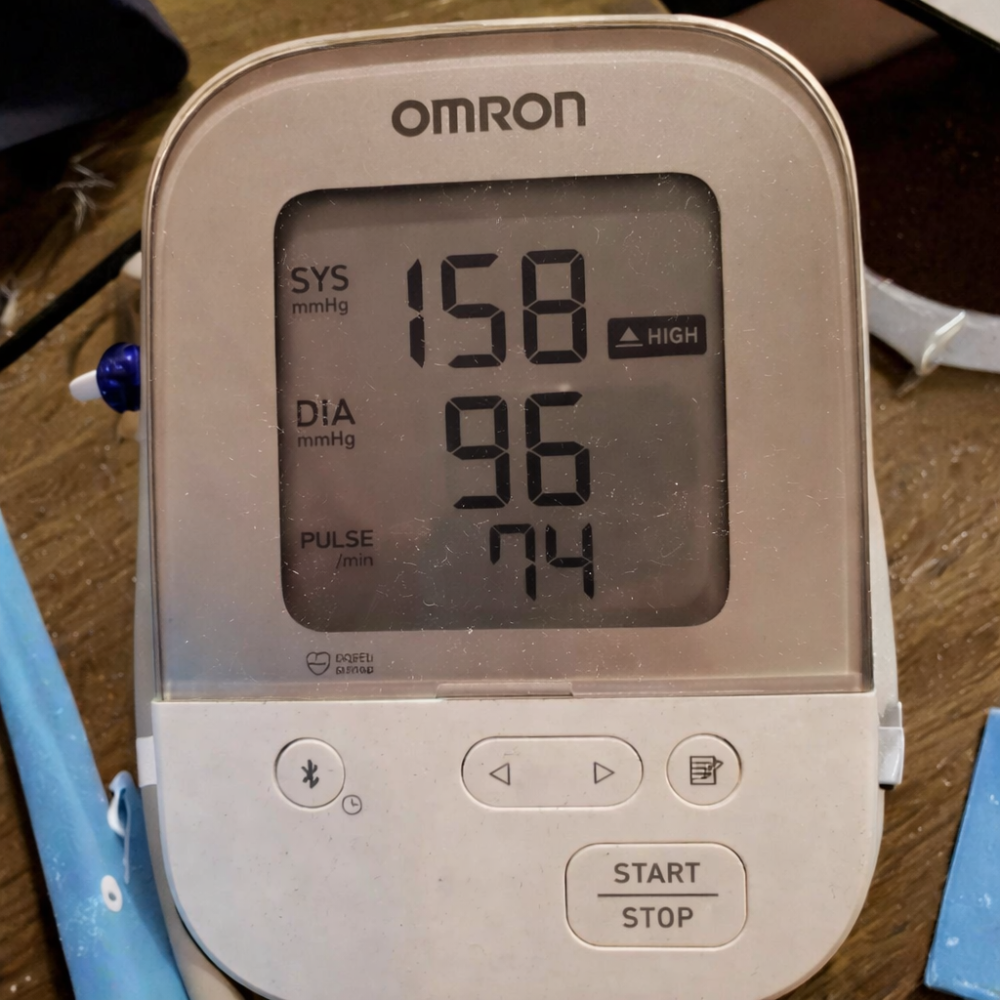
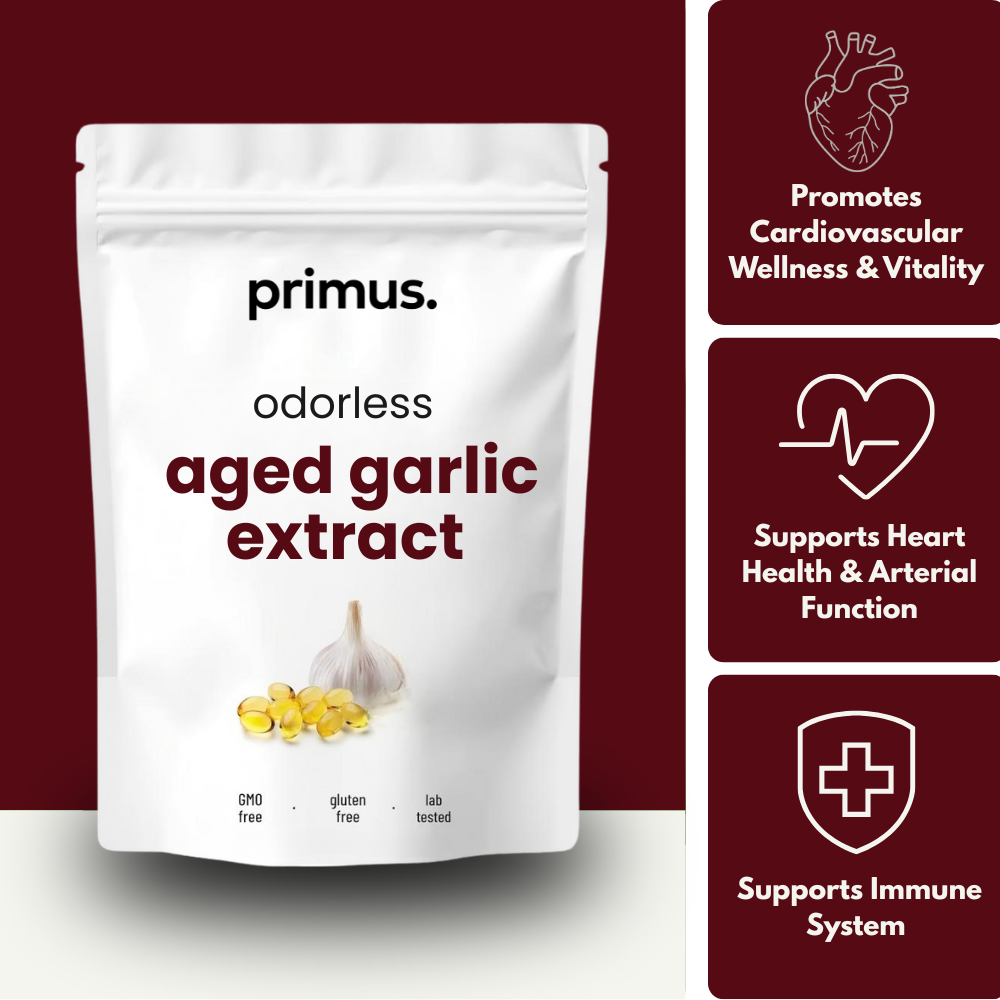
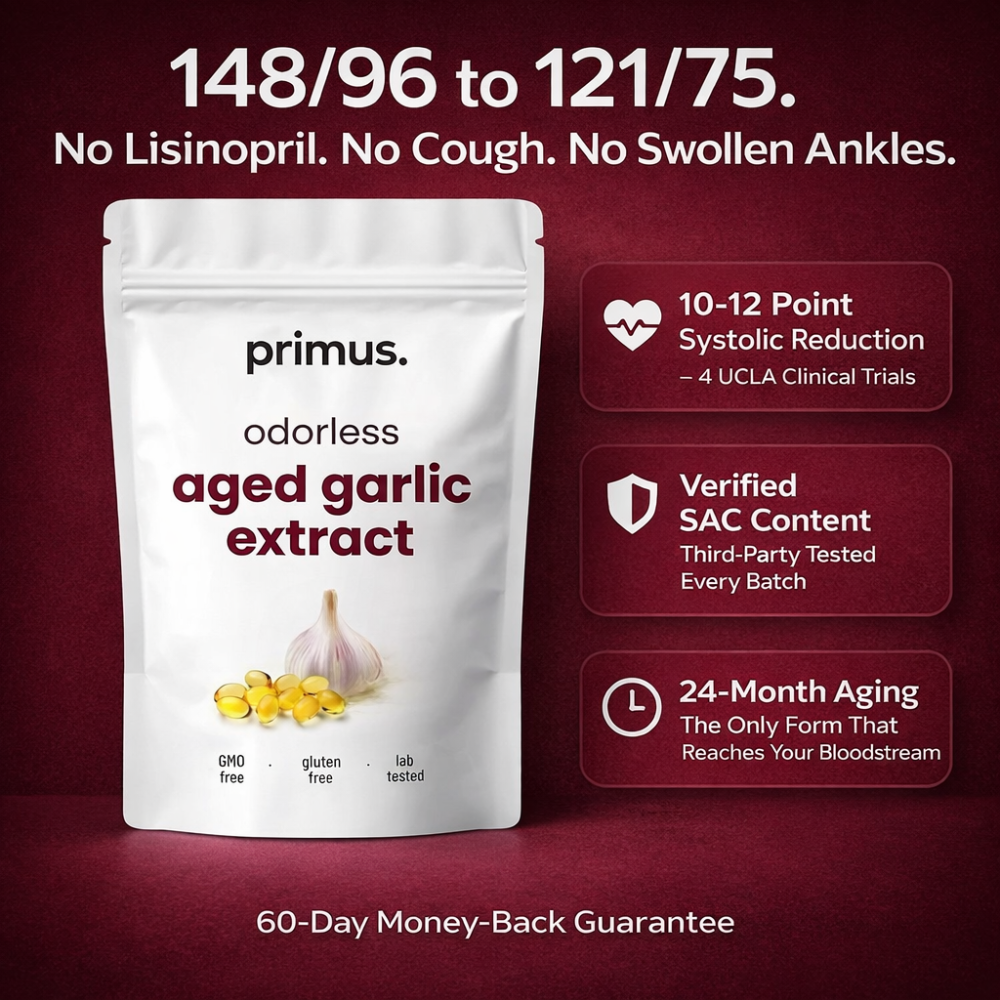
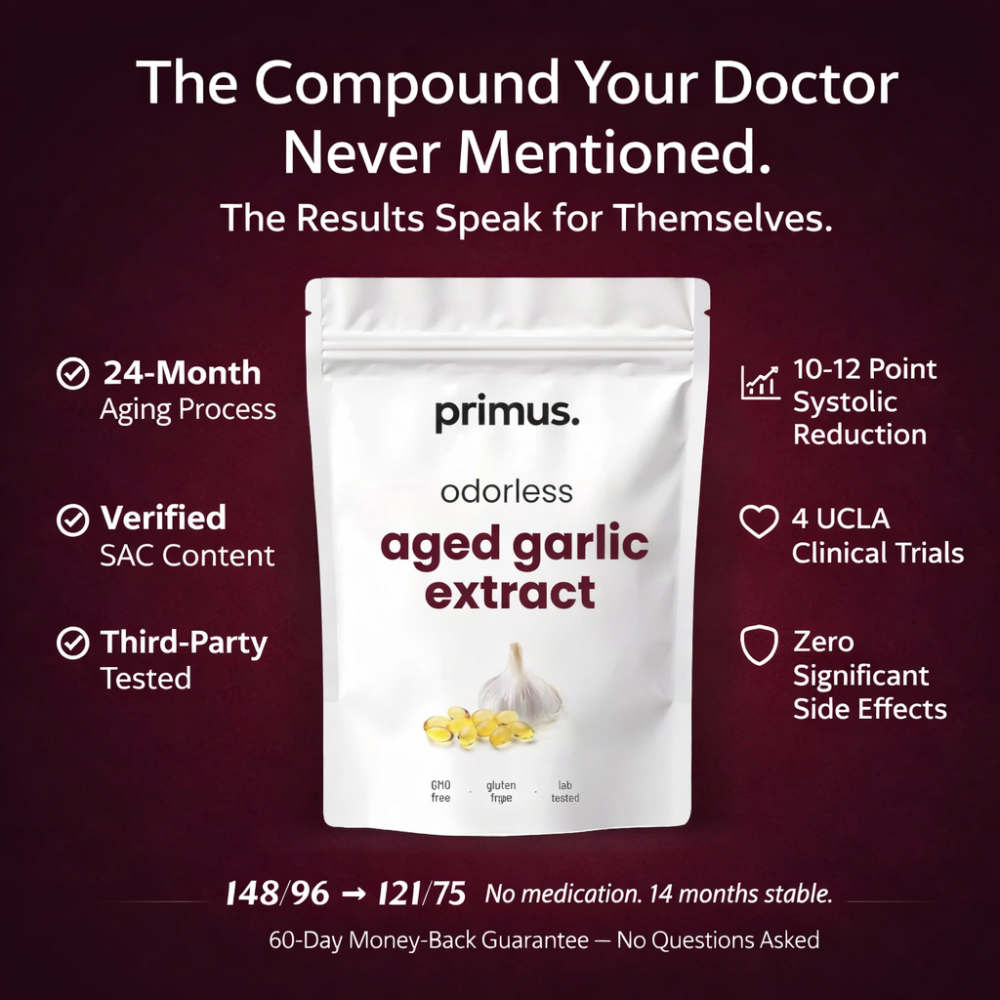
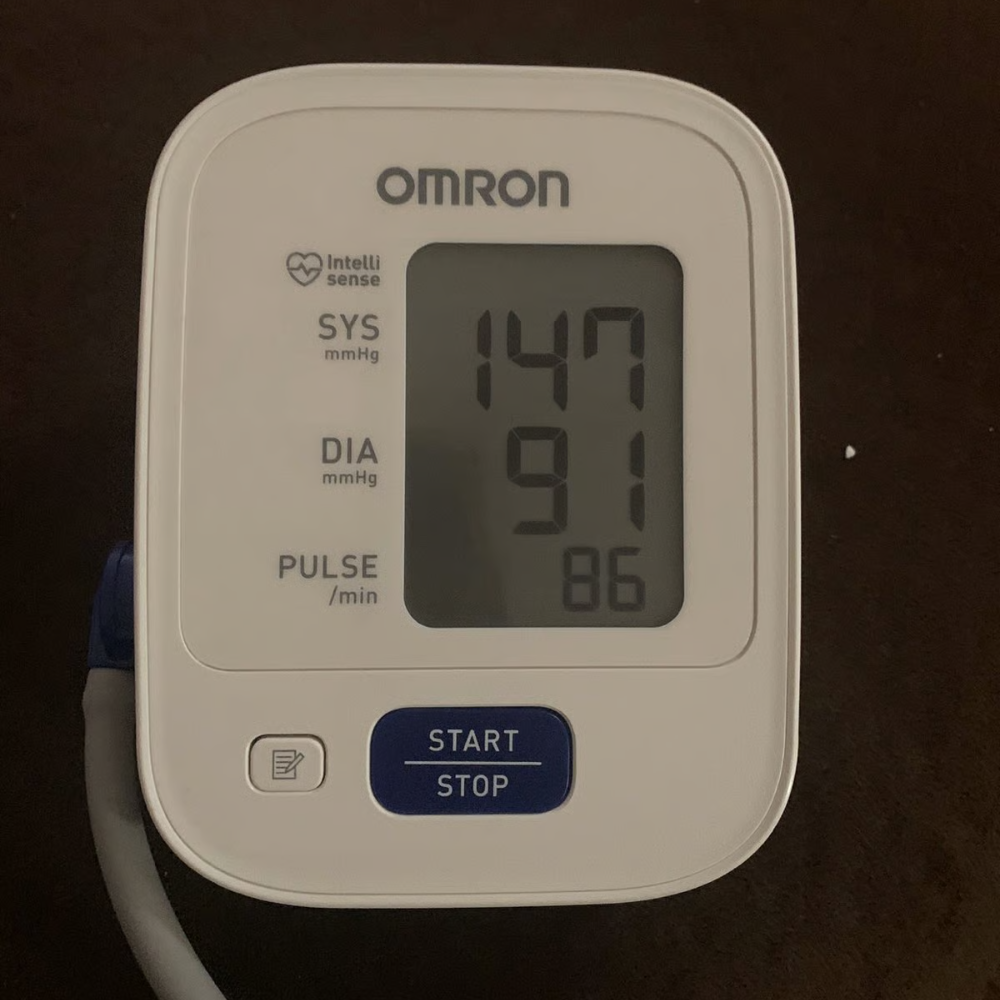
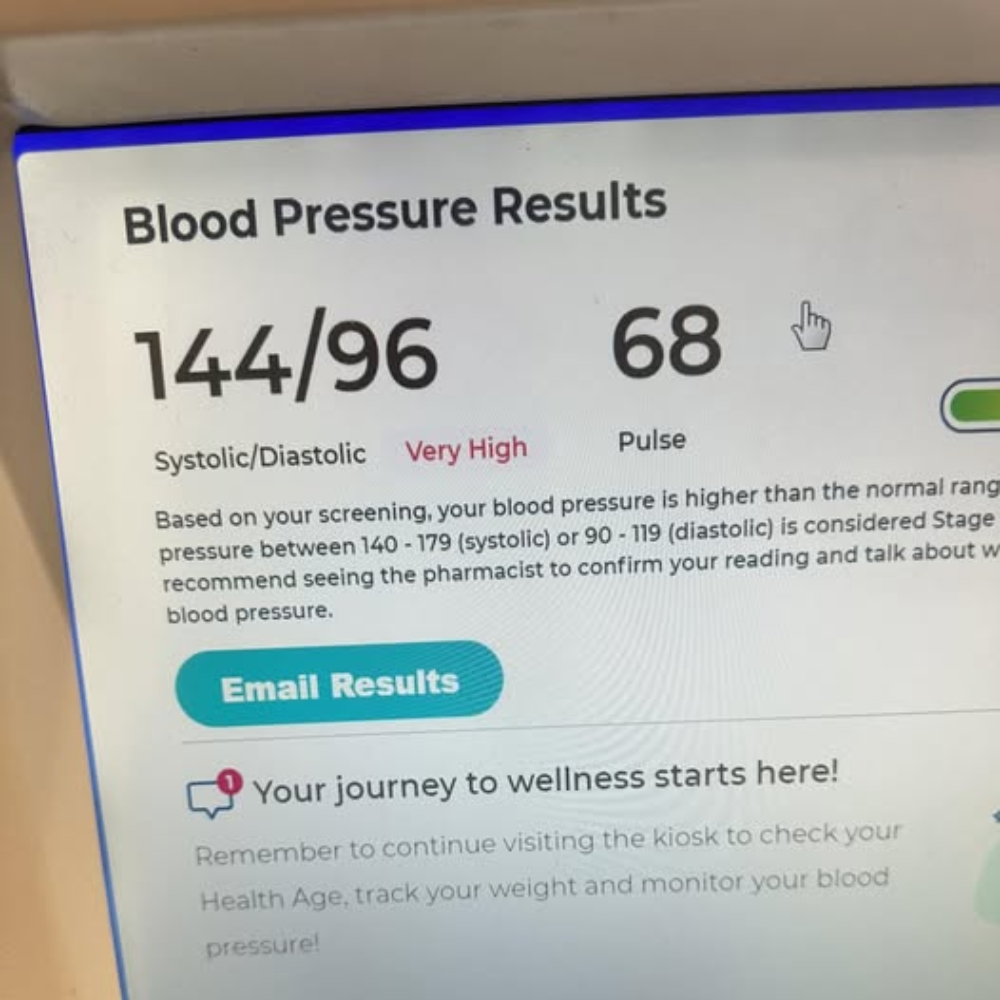
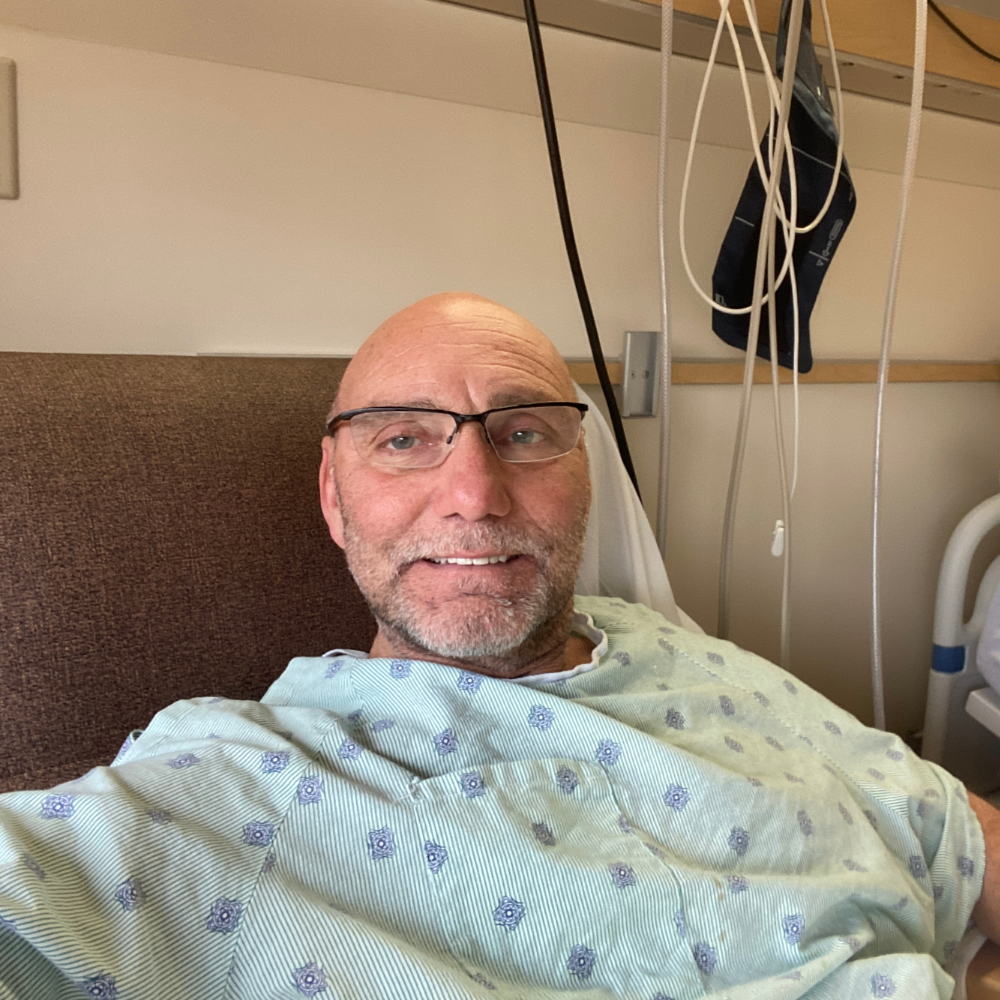
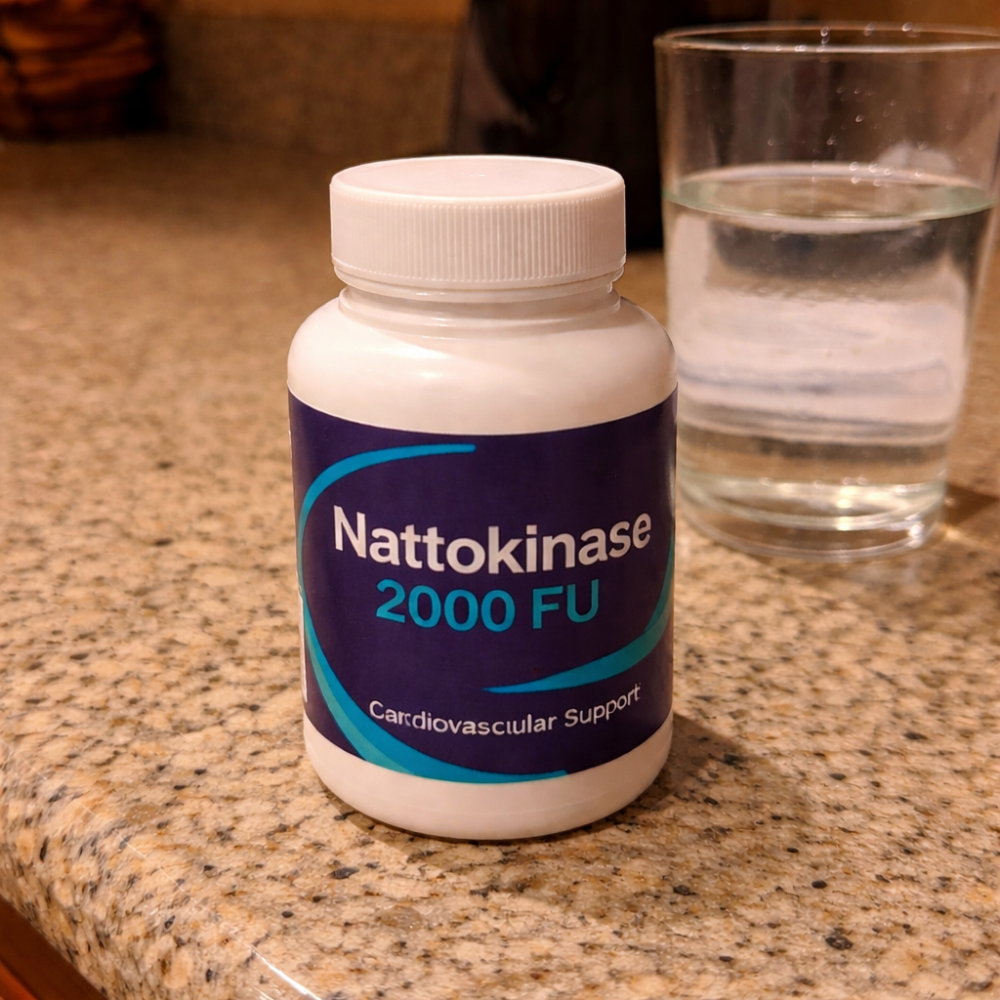
I took nattokinase for 5 months. 2,000 FU every morning on an empty stomach. Did everything the longevity forums said. My blood felt "thinner" — I bruised easier, cuts bled a little longer. Something was happening. But my blood pressure? 151/93 when I started. 149/92 five months later. The enzyme was working. My blood pressure didn't care. Let me explain how I got here. Because I didn't start with nattokinase. I worked my way up to it. I'm 63 years old. Retired mechanical engineer. When my blood pressure hit 151/93, I told my doctor I wanted to try natural approaches first. She gave me 6 months. Like everyone else, I started with the basics. Magnesium. Fish oil. CoQ10. Cut sodium. Lost 11 pounds. Walked 30 minutes every morning. Four months of that. Blood pressure: 149/94. Barely moved. Then I tried beetroot for 3 months. That gave me a temporary drop — numbers looked better in the morning, climbed back up by evening. A Band-Aid, not a fix. Then I tried garlic supplements. Two different brands. Regular garlic, allicin-based. Three months. Nothing. I was running out of options. My 6-month window was closing. Medication was getting closer. That's when I found nattokinase. I found it on a longevity forum. Someone posted a detailed explanation of how blood pressure is connected to blood viscosity — the thickness of your blood. The argument made sense: thicker blood requires more force to push through your vessels. More force = higher pressure. Thin the blood = lower pressure. Nattokinase is an enzyme derived from natto — fermented soybeans. It's been used in Japan for centuries. It breaks down fibrin, a protein involved in blood clotting. Less fibrin = thinner blood = better flow. I read studies. Nattokinase showed real fibrinolytic activity. Real reduction in blood viscosity markers. It wasn't snake oil — it was legitimate biochemistry. I ordered a high-quality nattokinase supplement. 2,000 FU per capsule. Took it every morning on an empty stomach — 30 minutes before food, like the research suggested. Within the first few weeks, I noticed things. My hands were warmer. I'd had cold hands for years — attributed it to age. Now they felt noticeably warmer, especially in the morning. A small cut on my finger while cooking bled for longer than usual. Not dangerously — just noticeably. The nattokinase was clearly affecting my blood. My ankles, which had been slightly puffy in the evenings, looked better. Less swelling. Something was happening. The enzyme was working. I could feel it. So I kept going. Month after month. Checking my blood pressure every morning and evening. Month 1: 150/93. Month 2: 149/92. Month 3: 150/93. Month 4: 148/91. Month 5: 149/92. Warmer hands. Less swelling. Better circulation. But my blood pressure — the number I actually cared about — was sitting at the same spot it had been before I started. Give or take 2 points that could be explained by the time of day or whether I'd had coffee. Five months. $189. And the one metric that mattered hadn't changed. I almost gave up entirely that night. Almost called my doctor to schedule the medication appointment. Instead, I opened PubMed one more time and asked a different question. Not "how does nattokinase lower blood pressure?" — I'd already read those articles. I searched: "why doesn't nattokinase lower blood pressure?" And I found the answer in a review paper that laid it out so clearly I felt stupid for not seeing it sooner. Blood pressure is determined by two things: Cardiac output — how hard your heart pumps. Peripheral resistance — how much your blood vessels resist the flow. Nattokinase affects blood viscosity. Thinner blood flows more easily. That reduces cardiac workload slightly. Maybe 1-2 points of reduction. Real, but marginal. But the MAIN driver of high blood pressure in people over 50 isn't blood viscosity. It's peripheral resistance. Your arteries are stiff. They've lost the ability to expand and contract with each heartbeat. They resist the flow of blood — regardless of how thin that blood is. Think of it this way: If you have a rigid metal pipe, it doesn't matter whether you run water or oil through it. The pressure is determined by the pipe, not the fluid. Nattokinase makes the fluid thinner. But the pipe is still rigid. The reason my hands were warmer and my ankles were less swollen: nattokinase was improving blood FLOW in the smaller capillaries where viscosity matters more. Real benefit. Genuine improvement in circulation. But blood PRESSURE is controlled by the large arteries. And those arteries were stiff because my endothelium — the inner lining — had stopped producing enough nitric oxide to keep them flexible. Nattokinase doesn't touch the endothelium. Nattokinase doesn't produce nitric oxide. Nattokinase doesn't restore arterial flexibility. It solves a real problem. Just not MY problem. In that same late-night research session, I found the work of Dr. Matthew Budoff at UCLA. Four randomized, double-blind, placebo-controlled clinical trials. On a compound called S-allylcysteine — SAC. SAC is found only in garlic that has been aged for 20-24 months. Completely different from the allicin in regular garlic supplements — which stomach acid destroys before absorption. What Dr. Budoff's research showed: ✅ 10-12 point average systolic reduction — sustained, not temporary ✅ Improved arterial flexibility — the arteries themselves became more elastic ✅ Reduced arterial plaque progression ✅ Zero significant side effects Here's what made this different from everything I'd tried: SAC doesn't thin the blood like nattokinase. SAC doesn't relax muscles temporarily like magnesium. SAC doesn't spike nitric oxide for 4 hours like beetroot. SAC supports the endothelial cells — the inner lining of the arteries — in producing their own nitric oxide again. Naturally. Continuously. It doesn't override the system from the outside. It repairs the system from the inside. Nattokinase thins the fluid. SAC fixes the pipes. I'd been working on the wrong side of the equation for 5 months. I ordered aged garlic extract the next morning. Specifically looked for a brand with the full 24-month aging process and verified SAC content — because I'd already tried regular garlic and it did nothing (stomach acid destroys allicin in 60 seconds). I kept the nattokinase running alongside it for the first 3 weeks. Then dropped it. Week 1-2 (both): Morning readings started shifting. 146/90. Then 143/88. More movement in 2 weeks than 5 months of nattokinase alone. Week 3 (SAC only): Dropped nattokinase. Watched carefully to see if readings would climb back. They didn't. 140/86. Week 4: 136/84. Evening readings holding too — not climbing back up like they did with beetroot. Week 6: 131/81. Consistent. Morning and evening. Week 8: 128/79. My hands were still warm. My ankles still fine. Whether that was lasting benefit from the months of nattokinase or improved circulation from SAC restoring nitric oxide — I don't know. Probably both. But my blood pressure — the number that nattokinase couldn't touch — dropped 23 points in 8 weeks. The nurse at my checkup looked at the reading, looked at my chart, looked at me. "128 over 79. That's normal range." My doctor pulled up a year of data. The flatline of 148-151 for months. Then the sudden consistent drop. "What did you change?" I told him I'd stopped trying to thin my blood and started restoring my arteries' ability to relax on their own. He nodded. "No medication needed. Let's check again in 3 months." I want to be clear about something. Nattokinase isn't a bad supplement. It has real fibrinolytic activity. It genuinely improves circulation in the capillaries. If you have clotting concerns, fibrin issues, or want to support blood flow — it does those things. But if you're taking it specifically for blood pressure — you're solving the wrong problem. Blood pressure in people over 50 is driven by arterial stiffness, not blood viscosity. Your endothelium needs repair, not your fibrin levels. I spent 5 months and $189 learning this the hard way. S-allylcysteine addresses the actual mechanism. One compound. One root cause. No guessing. After researching dozens of aged garlic brands, I found Primus. Here's why: ✅ Full 24-month aging process — not 6 months, not 12 months. The full conversion from allicin to SAC. ✅ Verified SAC content — actual measured S-allylcysteine in milligrams. Not "garlic equivalent" marketing math. ✅ Third-party tested — Certificate of Analysis available. ✅ Completely odorless — the aging process eliminates garlic smell entirely. ✅ Same form studied at UCLA — the type Dr. Budoff used in his clinical trials. I don't take nattokinase anymore. My blood pressure doesn't need thinner blood. It needed flexible arteries. 60-day money-back guarantee. If your numbers don't improve, you pay nothing. If nattokinase hasn't moved your blood pressure — it's not the enzyme's fault. It's doing its job. It's just the wrong job for your problem. 👉 https://primus-health.com/products/aged-garlic-extract-7-500mg-odorless-skep
Nattokinase Didn't Touch My Blood Pressure. This Did.
5 months on nattokinase. Warmer hands. Less swelling. Blood pressure? Didn't budge. Turns out I was fixing the wrong thing.
LEARN MORELike this ad? Make it yours.
Crush rebuilds this exact creative around your product — your brand, your colors, your offer — in about a minute.