Dr. Erik Lindqvist
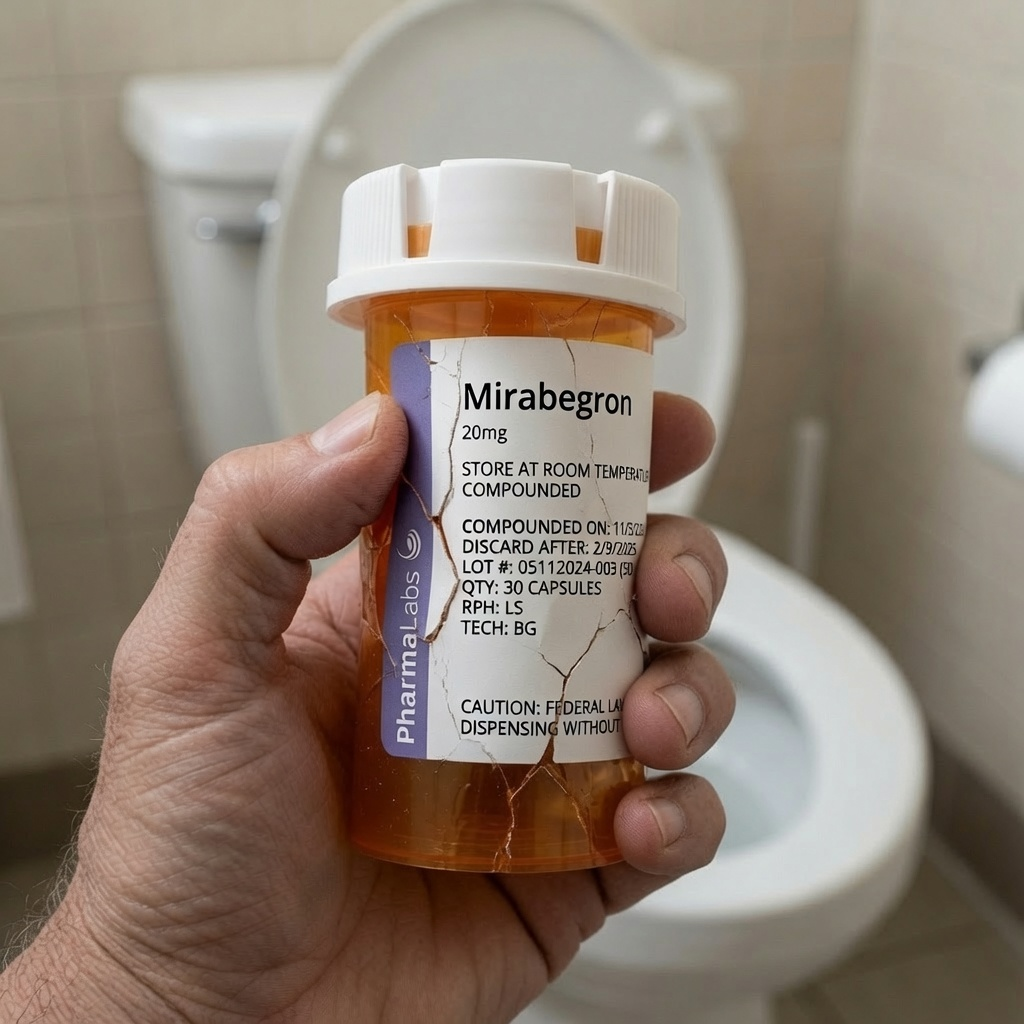
Dr. Erik Lindqvist Facebook ad: “Mirabegron doesn't calm your bladder. It blocks it.”
Ran for 3 days, from June 23 to June 26, 2026, the last day Crush saw it.
Run by Dr. Erik Lindqvist on Facebook. Crush is not the advertiser and does not verify its claims. See this ad in Meta's Ad Library(opens in a new tab)
Want an ad like this for your product?
Crush makes new ad images for your product from this ad: your logo, your product photo, your offer.
Trials from $19.95 USD, then $79.95 USD a month. Cancel anytime.
About this ad
- Meta Ad Library ID
- 1650305049358113
- Platforms
- Facebook, Instagram, Audience Network, Messenger and Threads
- Relaunches
- 0
Ad text
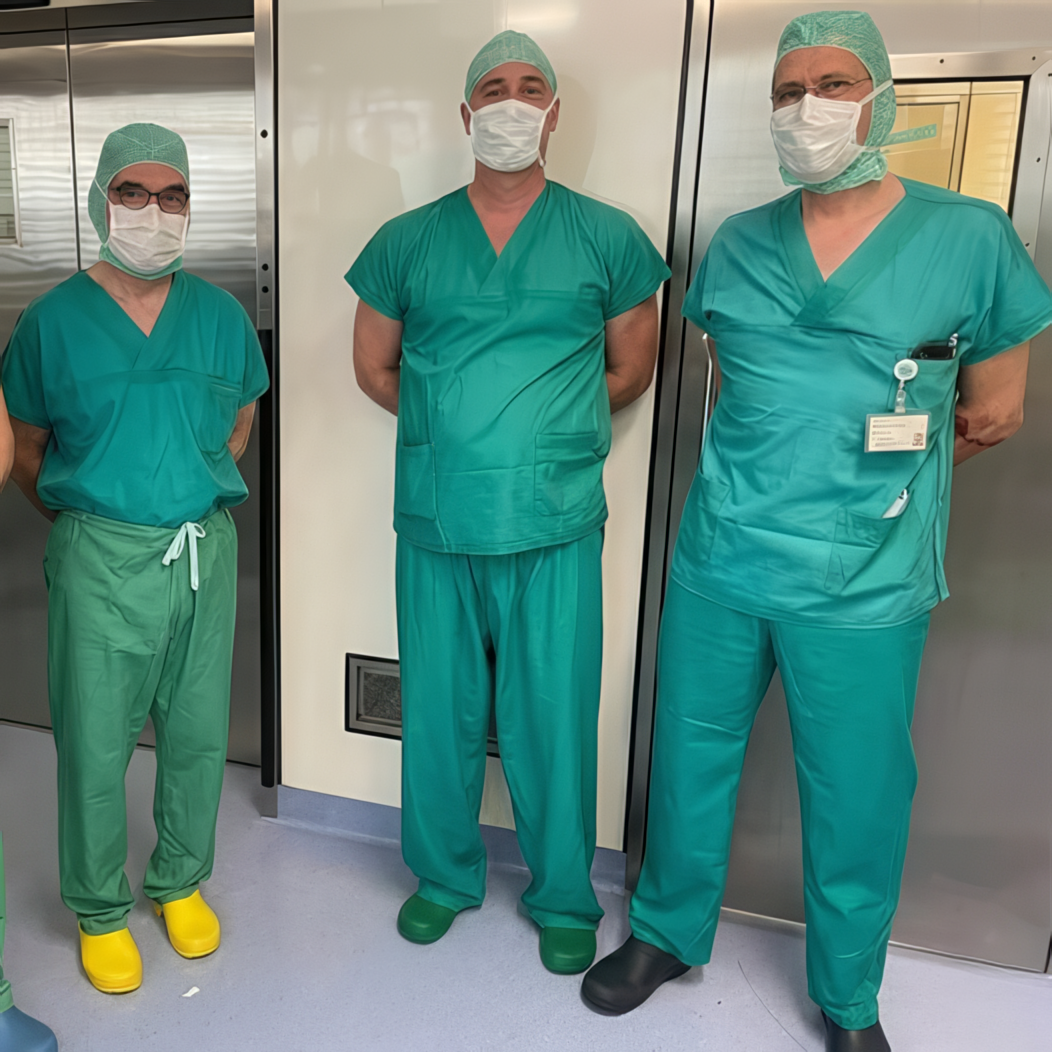
Here's what nobody tells you about Mirabegron. It doesn't calm your bladder. It blocks it. For a few hours, your body behaves. The urgency quiets. You tell yourself it's working. Then the drug clears your system, and you're back exactly where you started. Because Mirabegron leans on your bladder from the outside — every single day. It forces the muscle to ease while the drug is in you. The moment it wears off, the tension is right back where it was. It never restored anything. It just held the problem down while you were dosed. And the muscle underneath kept tightening while you weren't looking. That's the part they don't mention. Every month, that bladder muscle sits a little more clenched. Every month, the drug has to work a little harder against it. That's why men who start on Mirabegron all recognise the same slow slide: The dose that worked at 56 barely touches it at 62. You need it every single day instead of now and then. You start planning your fluids, your outings, your sleep around when you last took it. You avoid anything where you haven't prepared in advance. The drug turns your own bladder into something you manage around a chemical window. And your confidence quietly drains away. That's not calming. That's forcing. Here's what's actually broken — and why Mirabegron touches none of it long-term. Your bladder has a muscular wall. The detrusor. In a healthy man it stays relaxed while the bladder fills, then tightens only when he decides to go. In men over 50, that muscle becomes chronically tense. Stuck half-clenched. It signals "full" when you're barely a third of the way there, and it fires without warning. That tension is the cause. Everything else is a symptom. And almost nothing men are given actually restores it. Mirabegron forces the muscle to ease while you're dosed — but the moment the drug clears, the tension returns, untouched. That's why the effect fades and the dose climbs. You're not building tolerance. You're leaning harder and harder on a crutch that was never rebuilding the leg. The anticholinergics — Solifenacin, Oxybutynin — go the other way and simply mute the urgency signal. Same result. The muscle stays exactly as tight underneath. The alpha-blockers — Tamsulosin and the rest — are aimed at the prostate. But the urgency is coming from the bladder muscle, not the prostate. Wrong target entirely. The supermarket prostate capsules and saw palmetto stacks? Same wrong organ — and a trace dose that never reaches the tissue anyway. The Kegels you did for months? They train the voluntary pelvic floor, the layer you can consciously squeeze. They never reach the smooth muscle of the bladder wall. So you faithfully strengthened the one layer that was never the problem. You can squeeze a clenched fist all day. It won't teach the hand to open. Restoring the muscle works the opposite way from the drug. Mirabegron forces your bladder to behave, on a daily timer. Restoration rebuilds its ability to stay relaxed on its own — no timer, no window. This is the part a Swedish urologist, Dr. Erik Lindqvist, spent his career on. Here's what he uses, and why each piece matters. Crataeva nurvala — the lead botanical, studied in a placebo-controlled clinical trial for one specific thing: relaxing the tone of the bladder muscle. In the trial, men cut their daily trips by roughly a third and their night-time wake-ups by a third. Not folklore. A peer-reviewed result. Lindera aggregata — supports the neuromuscular signalling that tells the muscle when to tighten and, crucially, when to let go. Pumpkin seed extract — at the clinical 200mg, the dose used in research for bladder wall integrity. Not the 25mg sprinkle in a supermarket capsule. Magnesium — the cofactor smooth muscle needs to hold a relaxed state. Vitamin D3 — essential for normal muscle function. When the muscle relaxes on its own, control returns the way it's supposed to — quietly, without a pharmaceutical window to plan around. Most men notice fewer daytime trips within two weeks. Sleeping through with one trip, or none, around week three. Control that doesn't depend on reaching for Mirabegron every time by week six. Because it was always the same cause. You haven't been failing. You've been forcing a clenched muscle to behave with a daily drug that was never designed to relax it. The tension is the problem. Release it, and the rest follows. FYNE formulate Arctic Bladder Control in Sweden — Crataeva at the clinical dose, full doses listed in full, third-party tested, nothing buried in a "proprietary blend." They can't mass-produce it, and it has sold out eleven times. Don't reach for the cheap prostate capsules again. Wrong target, trace doses — the same dead end. Buy 2 and Get 2 Free Gifts with your order. 90-day money-back guarantee. If the muscle doesn't ease, every penny back. If Arctic Bladder Control is in stock, take it.
Where the ad sends people
fynesupplements.com
Mirabegron doesn't calm your bladder. It blocks it.
Fyne
Learn more: fynesupplements.com(opens in a new tab)