
Active· since Jun 28, 2026
- 30
- days running
- 2
- relaunches
Ad copy
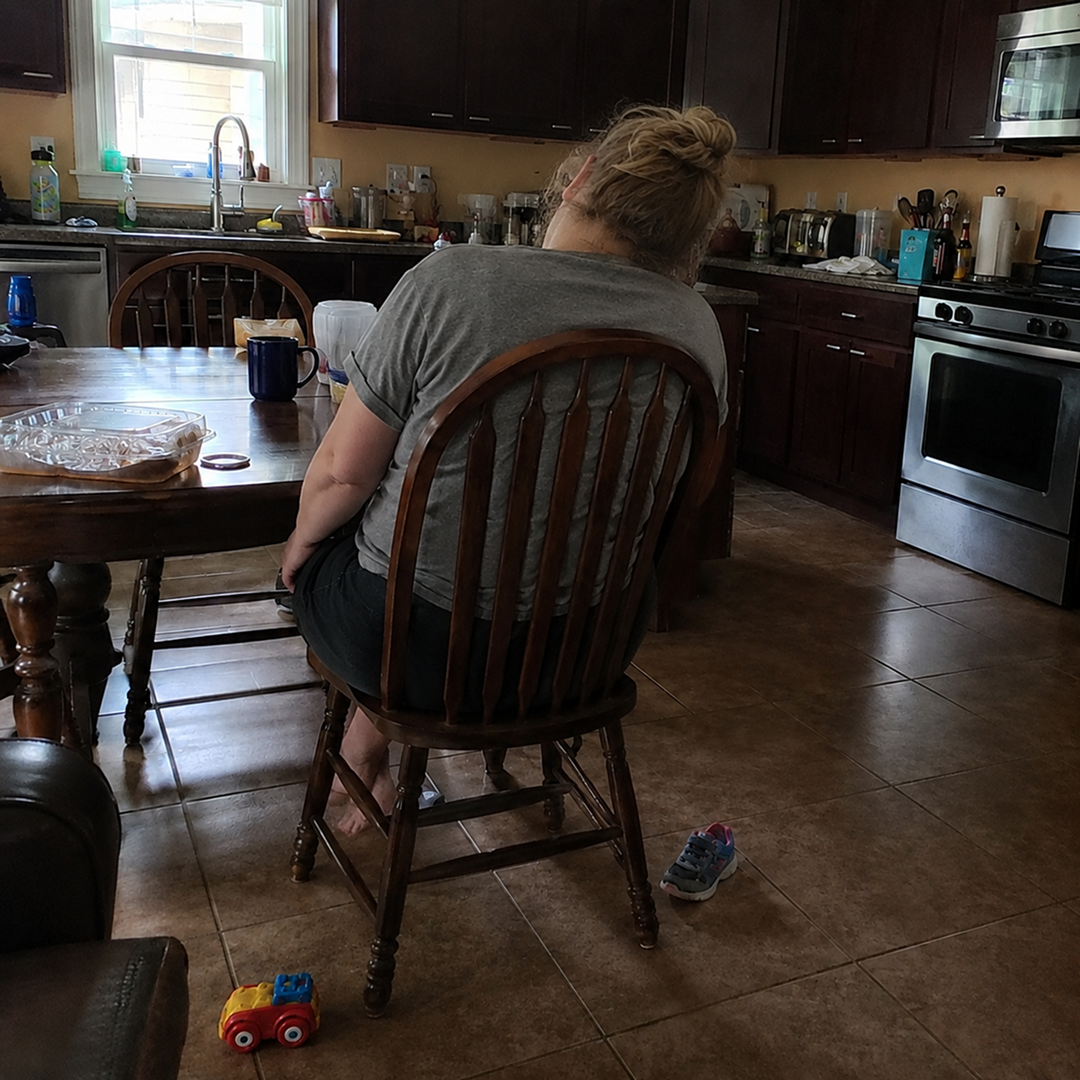
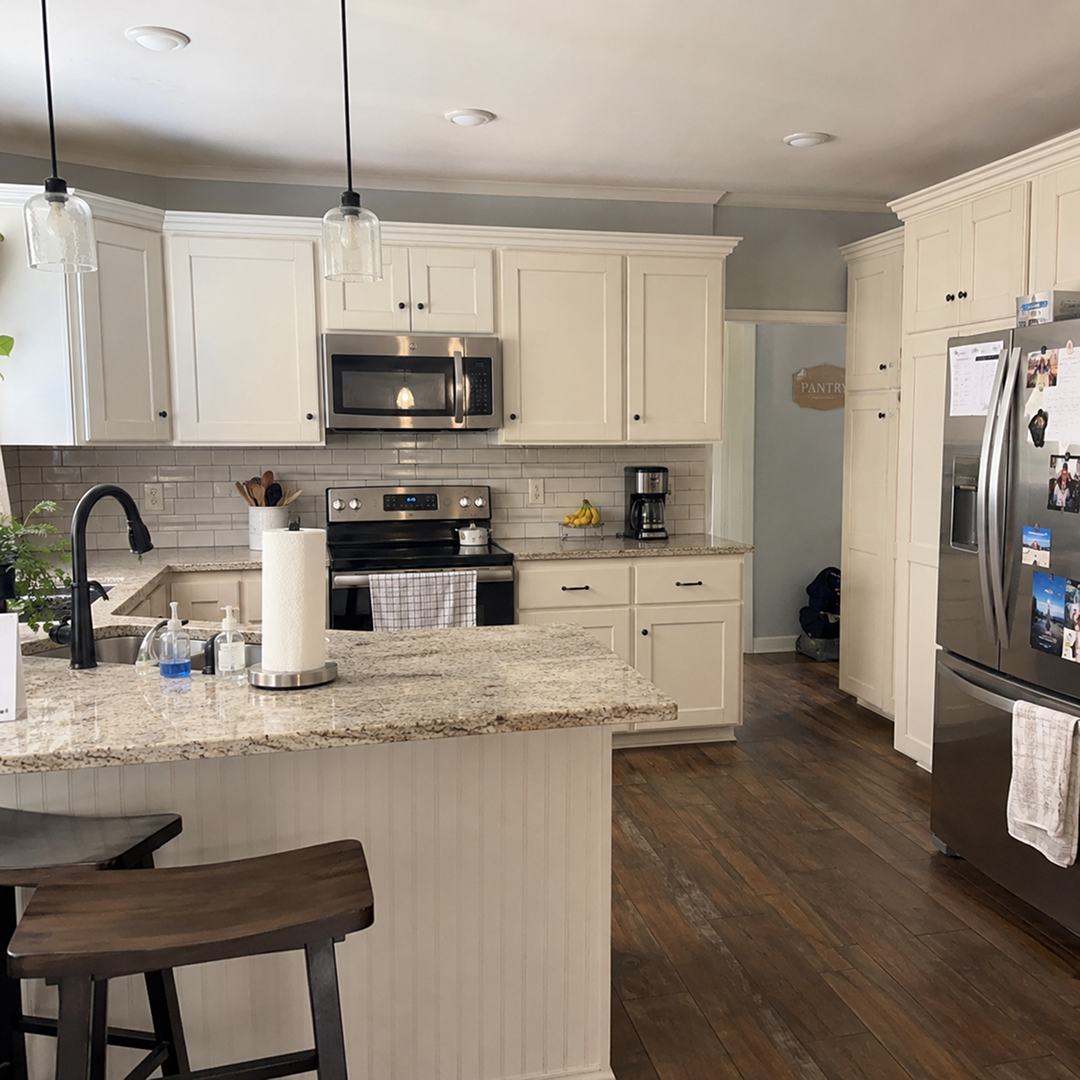
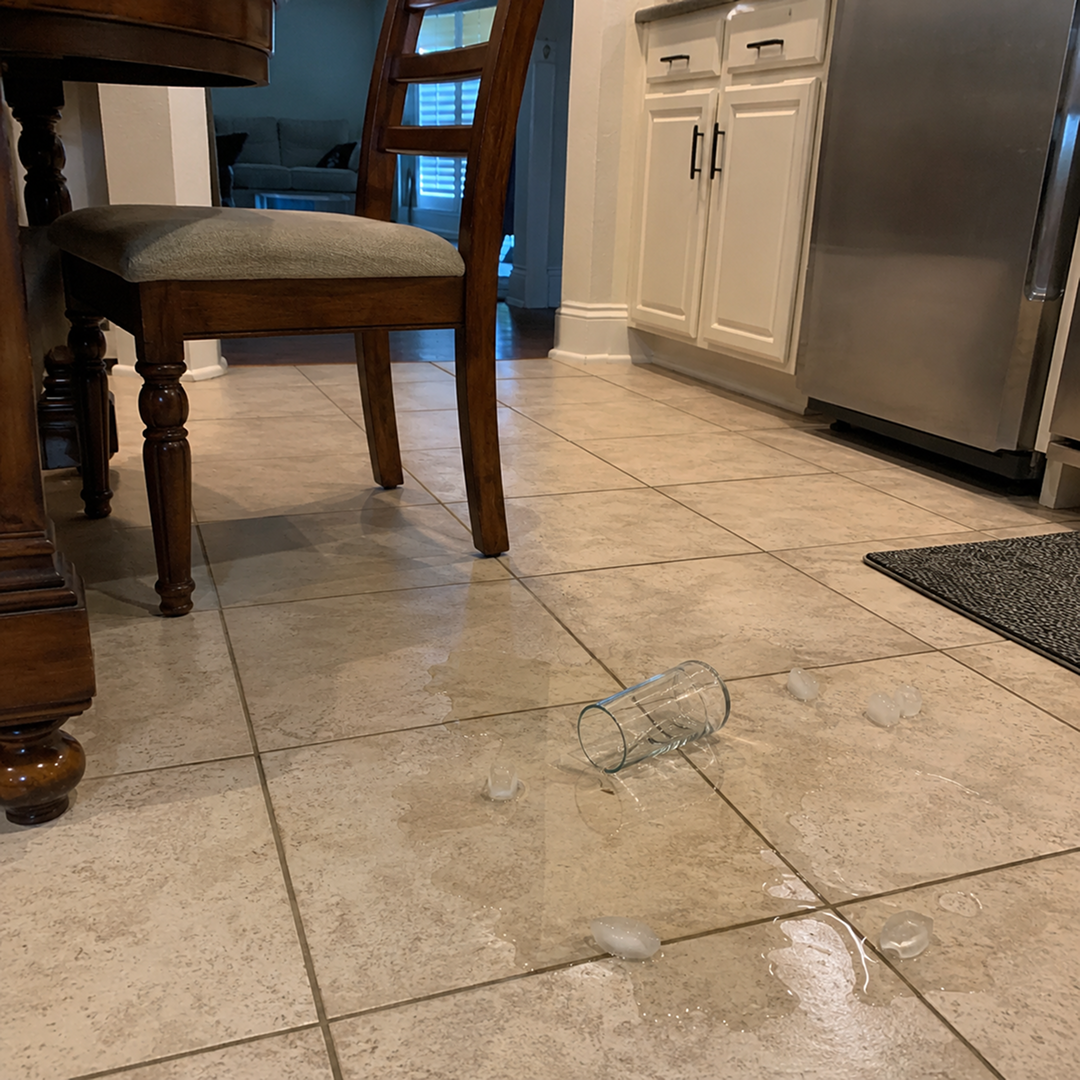
My mother fell at 67. Died in a care home at 74. My grandmother, same path. Joint pain in her 50s, slowing down, weight gain, fall at 65, dead at 73. Everyone said it was genes. Last month I hit my own kitchen floor at 63 and a hepatologist told me it wasn't genes at all. It was the same thing in all three of us, and nobody had ever connected it. Hello, my name is Jessica. I'm a 63-year-old grandmother of four. And right here I'm going to share the most devastating conversation of my entiwre life. And what happened immediately after that almost ended it. So let me start from the beginning. I wasn't always like this. In my forties and early fifties I was active. I walked the dog every morning. I did the garden on weekends. I kept up with my grandchildren. I wasn't running marathons. I was just living my life. Then around 55, my stomach started bloating by 7 PM no matter what I ate. Not gas. Not indigestion. Distention. Tight under the ribs like somebody had inflated a small balloon under my waistband. My doctor said it was hormones. Welcome to the change. He gave me a probiotic and sent me home. The right-rib ache started around the same time. Dull. Constant. I'd press my thumb into the spot under my ribcage without noticing I was doing it. My daughter Sarah pointed it out at Thanksgiving one year. "Mom, why do you keep pressing your side?" I had not even realized. My doctor's answer was always the same. "Mild fatty liver, Jessica. ALT is in the stable range. Take the milk thistle. Eat a little better. We'll keep monitoring it." So I took the milk thistle. Every morning. Bottle from the pharmacy. The girl behind the counter recommended it. By 58 the fatigue was bone-deep. The brain fog made me lose words mid-sentence. The 2 PM crash hit so hard I started taking afternoon naps at my own kitchen table. I'd wake up at 2 AM with my mouth dry and my heart racing and lie there until 4 staring at the ceiling. And the weight started creeping on. Thirty pounds. Then forty. I wasn't eating more. If anything I was eating less. But my body seemed to be hoarding every calorie like it was preparing for a famine. I'd look in the mirror and not recognize myself. This heavy, tired, bloated woman staring back. She wasn't who I was. But she was who I'd become. I tried turmeric. Omega-3 capsules. Glucosamine pills the size of horse tablets. I tried a Mediterranean diet for 6 months. Nothing made much difference. My ALT bounced between 78 and 92. My doctor kept calling it stable. Here is the thing about losing your body gradually. You don't notice the accumulation. First it was Sarah picking up the heavy groceries for me. "I'm going to the store anyway, Mom. I'll drop yours off." Then she started driving me to my doctor appointments. "It's no trouble. I'm in the area." Then she was coming over on trash day because I couldn't wheel the cans to the curb without my back flaring. Then she was cleaning my bathroom because I couldn't kneel to scrub the tub. Then she was cooking meals in batches and bringing them over because standing at the stove for more than ten minutes made my hip seize and the bloat unbearable. Each thing was so small on its own. So reasonable. So gradual. I didn't see what was happening. I just thought my daughter was being kind. She was. But she was also watching her mother disappear. And then one Thursday afternoon, this is the part that changed everything, Sarah came over with the groceries. But she didn't start unpacking the bags. She sat down at the kitchen table with a look on her face like she'd been rehearsing what she was about to say. She said she'd been thinking about this for months. That she'd noticed things getting harder. That her husband David had been offered a job in Denver and they were seriously considering it. And she said, and I can still hear every word, "Mom. I've been looking at places. Places where you'd have real support. Where you wouldn't have to struggle with everything on your own." A care home. My daughter was telling me she was putting me in a care home. At 63 years old. I sat there gripping the edge of the kitchen table. Was I really that bad? I still made my own coffee. I still watched my shows. I still, what? What did I actually do anymore without help? Almost nothing. And then, as that realization sank in, a wave of dizziness slammed into me without warning. My vision blurred. The kitchen tilted. I pushed back from the table and tried to stand. Maybe to prove I could. Maybe to get away from what she'd just said. My legs would not engage. The room kept tilting. I reached for the counter and my hand missed. I hit the kitchen floor hard. My shoulder. My hip. The side of my face against cold tile. I could hear Sarah screaming. "Mom! MUM! Oh God." I put my hands flat on the tile and pushed. My arms shook. My legs wouldn't engage. I was on my own kitchen floor and I could not get up. Sarah was on her knees beside me, fumbling for her phone. "Don't move, Mom. I'm calling an ambulance." The room was going dark around the edges. Her voice sounded distant, like she was underwater. Then everything went black. The next thing I know I am waking up in a hospital bed. Bright lights. Beeping machines. Wires attached to my chest. A brace around my left wrist where I had fractured it on the way down. Sarah was in a chair beside me, eyes red from crying. "Mom, oh thank God. You've been out for hours." A woman in a white coat walked in. Dr. Sarah Langston. Hepatologist. I asked what happened. I told her I had just fallen. People fall. Dr. Langston pulled up a chair and spoke calmly but directly. She told me the fall itself was not the main issue. The main issue was what caused the fall, and what it had revealed about what was happening inside me. She said the ER had run extra bloodwork and imaging when the CT showed something on the right upper quadrant. My fibroscan numbers had quietly jumped to F3 fibrosis. My ammonia level was nearly twice the upper limit of normal. The dizziness in my kitchen had not been hormones or low blood sugar or my legs giving out. It had been early hepatic encephalopathy. Ammonia building up in my blood and crossing into my brain because my liver was no longer clearing it efficiently. I stared at her in complete disbelief. I told her I was not a liver patient. I did not drink. I had not been overweight when this started. My old doctor had been calling my numbers stable for 8 years. Then she said something I will never forget. She said: "Jessica. What happened in your kitchen was your liver finally announcing itself after years of silent progression. Your old doctor was watching one enzyme number that never spiked high enough to set off the alarm. While the actual damage inside your cells was progressing the entire time. The fall was the visible warning. The fibrosis is the invisible one. You collapsed in your kitchen with your daughter there to call an ambulance. What if it had been an encephalopathy event in your car? What if nobody had been there?" At this point I was completely terrified. She asked me how long I had been bloated, foggy, fatigued, gaining weight, and pressing under my right ribs. I told her years. Since my mid-fifties. She nodded again, like she had expected that exact answer. Then she told me to bear with her, because what she was about to explain is something most doctors never tell their patients. She said inside every one of my hepatocytes there were hundreds of mitochondria. The engines of the cell. They burn through everything my liver had to process every day. Every meal. Every prescription. Every glass of wine. Every breath of polluted air. The liver is the busiest metabolic organ in the body and the mitochondria inside it carry that load. When the load gets chronic, processed food, environmental toxins, decades of slow background accumulation, the mitochondria start failing. They cannot keep up. They start leaking damaging molecules called reactive oxygen species. Free radicals that tear up everything around them, including the cell wall. "And THAT," Dr. Langston explained, "is the fire." She said: "The bloating you have been living with? That is your liver failing to clear fluid properly because the cells are damaged." "The fatigue and brain fog? Inflammatory molecules from the leak getting into your nervous system. Your cells starved of the energy your liver should be producing." "The weight gain even though you have been eating less? Your liver controls your metabolism. When the cells are damaged, your body cannot process and store energy properly. Every diet you tried was fighting the wrong battle. You cannot out-diet a damaged liver. The weight wasn't your fault. It was a symptom of the same fire that was destroying your hepatocytes." She let that sink in for a moment. Then her expression changed. "But those are the things you could feel. They are what took your independence. They are what put you on that kitchen floor. They are not the most dangerous thing happening." She paused. "The most dangerous thing is what was happening inside your hepatocytes that you could not feel. The slow progression to fibrosis. The encephalopathy episodes that almost happened a dozen times before today. The next step, which is cirrhosis. The step after, which is a transplant evaluation." She said there was a second problem on top of the fire. She told me that fat was getting trapped inside my hepatocytes. The export pump that was supposed to package fat and ship it out of the cell needed a compound called choline to run. The standard American diet stopped supplying enough choline three generations ago. Eggs got blamed for cholesterol. Organ meats got pushed off the plate. Fish got replaced by cheaper proteins. By 55 most women had been running short on choline for 40 years. When choline runs out, the export pump stalls. Fat enters the cell. Has nowhere to go. Stays inside. Builds up. The trapped fat physically stresses the mitochondria from the inside. Which makes the leak worse. Which damages the cell faster. She used an analogy I will never forget. She said: "Imagine a building with a fire inside and a blocked exit. Put out the fire but leave the exit blocked, and you trap everyone inside the building. Open the exit but leave the fire burning, and you push them into the flames. You need to do both at the same time. Quench the fire AND clear the exit. One without the other does not save the building." She said: "The fire is the mitochondrial leak. It has been burning inside your hepatocytes for years. The blocked exit is the trapped fat. The standard milk thistle protocol you have been on does almost nothing about either." I sat there staring at her. Sarah was gripping my hand. I told Dr. Langston that my mother had been in a care home. She died there at 74. Liver failure. Everyone said it was just age. My grandmother. Same thing. Joint pain in her fifties. Slowed down. Gained weight. Fell at 65. In a home by 70. Died at 73. Everyone said it was in the genes. I said this to Dr. Langston. She shook her head. "It wasn't genes. It was the same fire and the same blocked exit. Three generations. The same mitochondrial damage. The same choline deficiency. The same standard protocol watching one number while the real damage progressed underneath. Nobody connecting the pieces." She told me the only reason she understood this connection was because she had spent her career watching women in their 50s and 60s end up in her hospital with fibrosis they did not know they had. F2. F3. F4. ALT had looked stable on every chart for a decade. So she had started doing her own research. Hepatology journals. Mitochondrial biology papers. Choline metabolism studies. And that is when she found the link. After hearing all that, I lay there in that hospital bed completely overwhelmed. Sarah squeezed my hand and I could feel her shaking. All I could think was: I am 63 years old. My mother was 67 when she fell. She was dead by 74. My grandmother was 65 when she fell. Dead by 73. I am already further along than either of them was when it started. I asked Dr. Langston what I needed to do. She pulled her chair closer and said three things needed to happen at the same time. All three. Not one. Not two. "First, you need to quench the fire. The mitochondrial leak has been burning inside your hepatocytes for years. You need to rebuild glutathione, the master antioxidant your liver uses to neutralize what the mitochondria are leaking. The compound that rebuilds glutathione from inside the cell is called NAC. It is the same compound the ICU pushes through an IV line during acute liver crisis. The dose has to be clinical, not the sub-clinical sprinkle most combination bottles put in to print the word on the label." "Second, you need to clear the exit. The trapped fat inside your cells has been stressing the mitochondria from the inside for years. You need real choline at a meaningful daily dose to restart the export pump. Most liver supplements on the American market do not contain choline at all. Or contain it in trace amounts that do not approach what your liver actually needs." "Third, you need to stabilize the cell membrane while the work happens. That is real silymarin. European pharmaceutical grade. Fresh-harvested. Standardized to the active compound percentage that the clinical trials actually use. Not the degraded American milk thistle on most pharmacy shelves. By the time the standard product reaches you, the active compound has oxidized into mostly inactive plant material. That is why your milk thistle never moved your numbers." Then she said the part that changed everything for me. "Jessica. You need all three. At clinical doses. At the same time. A healthy liver repairs itself automatically when those three compounds are present. Take any one of them out and the system stalls." She wrote the formula on a piece of paper and handed it to Sarah. Happy Liver. By Ritual Labs. 2 capsules in the morning. Third-party tested. 60-day money-back guarantee tied to actual lab numbers. If the bloodwork did not move, every dollar back. No questions. After 8 years on the standard protocol, that guarantee was the first promise anyone had made me about my liver. She said this is alongside whatever monitoring schedule we set up. Not instead of. It goes on top of medical care. Not in place of it. Sarah ordered it the day I was discharged. It arrived three days later. I started that evening. Here is what happened in the first eight weeks. Week 1. I took the first 2 capsules with coffee. Easy to swallow. No aftertaste. No stomach issues. Nothing dramatic. Dr. Langston had told me to give it time. The fire takes time to quench. The exit takes time to clear. I took them every morning and reminded myself. Week 2. The bloat at 7 PM was less. The waistband of pants I had stopped wearing fit at 8 PM. The right-rib press habit I did not know I had, died. I slept through the night for the first time in months. The 2 AM thirst stopped. Week 3. The brain fog was lifting. That thick, heavy feeling behind my forehead that I had been living with for years was clearing. I felt sharper. More present. I took the dog for a longer walk than I had managed in over a year and felt good doing it. Not stiff. Not exhausted. Good. I stepped on the scale out of curiosity. Down 4 pounds. I had not changed what I was eating. Week 4. Follow-up with Dr. Langston. She ran bloodwork. ALT had dropped from 94 to 51. AST followed. The vascular stiffness numbers had improved. She smiled, genuinely smiled, for the first time since I had met her, and told me she was very happy with my progress. I put on a pair of trousers I had not worn in over a year. They buttoned. Week 6. Sarah came over Saturday. I made her a cup of coffee. She looked at me strangely. I asked what was wrong. She said: "Mom, you just stood at the stove for 20 minutes and you didn't sit down once." I had not noticed. I genuinely had not noticed. Down 12 pounds. Week 8. I walked to the grocery store on the corner. First time in over a year. There and back. My hip ached a bit on the way home but it was manageable. Not the 3-day flare I used to get. Manageable. I told Sarah on the phone that evening. She went quiet. Then she said something I will never forget: "I'm so sorry I said what I said about the care home, Mom." She was crying. I was crying. Down 17 pounds. ALT 34. Repeat fibroscan came back at borderline F2, down from F3. It has been 4 months now. I am down 26 pounds. Not where I want to be yet. But I am getting there. And for the first time in 8 years, I actually believe I will. But here is what matters more than the number on the scale. I can get out of a chair without grabbing anything. I can walk to the store. I can stand at the stove and cook my own dinner. I take the trash out myself on garbage day. I do my garden again. Not the heavy stuff. But I am out there. On my knees. In the soil. Something I thought was gone forever. Last week my granddaughter Lily, she is 4, was playing on the living room floor. She held up her arms and said "Nana, come down here." I got down on the floor with her. And I got back up. Without grabbing the couch. Without asking for help. Without pain. I nearly cried. Because 6 months ago I could not have done that. And I thought I would never do it again. Sarah hasn't mentioned the care home since. Denver is still on the table for David's job. And when she brought it up last week she said something that made me laugh and cry at the same time. "I think you'll be fine on your own, Mom. More than fine." The care home is off the table. I am telling you this because I nearly lost everything. Not to a disease. Not to an accident. To the fire and the blocked exit. The mitochondrial damage that destroyed my joints and my mobility and my energy. The trapped fat that stressed my hepatocytes for years while my old doctor watched a stable number and never looked deeper. Nobody told me. Not my doctor. Not the supplements. Not any of the bottles I bought at the pharmacy. My mother wasn't told either. My grandmother wasn't told. My mother died in a care home of liver failure. Same fire. Same blocked exit. Nobody connected the pieces. My grandmother. Same thing. I am not going to die the way my mother did. So if you are a woman over 45 and you have been bloated by 7 PM, pressing your right ribs without thinking, foggy by 2 PM, weighing more every year, told by your doctor that your liver numbers look stable while you feel 10 years older than you are. You need to hear this. It might not be your age. It might not be hormones. That milk thistle you have been managing it with? It is not stopping the fire. It is not clearing the exit. It is watching one number while the real damage progresses underneath. You might not feel it yet. I didn't either. Until I was lying on my kitchen floor and my own legs would not hold me. And a hepatologist told me my mother had been on the same path the whole time and nobody had ever connected it. According to Dr. Langston, the only way to protect yourself is to address all three at the same time. Quench the fire with clinical NAC that restores glutathione from inside the hepatocyte. Clear the exit with real choline that restarts the export pump. Stabilize the membrane with European pharmaceutical grade silymarin while the work happens. That formula is Happy Liver. By Ritual Labs. If you were to buy each compound separately at clinical strength from three different manufacturers, you would be spending well over a hundred dollars a month and swallowing a handful of capsules every day, hoping the doses match the research. Happy Liver puts all three into one daily protocol. 2 capsules in the morning. The three compounds at the clinical doses Dr. Langston pointed me to. Third-party tested. They are running a buy two get one free promotion right now. 60-day money-back guarantee tied to your actual lab numbers. If your bloodwork does not move after 60 days, every dollar back. No questions. Take it alongside your hepatologist appointments and your regular monitoring. Not instead of either. This goes on top of medical care. Not in place of it. Don't wait until you collapse. Don't wait until your children are having that conversation about you. Don't wait until you are the one in a hospital bed finding out that years of slow progression silently took your liver while every doctor told you everything looked stable. Don't wait until what happened to my mother happens to you. Take control now. 👉 https://rituallabs.shop/products/happy-liver I wish I had known about this before I collapsed in my kitchen. I wish my mother had known before she ended up in that care home. I wish she had known before the fibrosis took her from us. Don't let what happened to her happen to you. 👉 https://rituallabs.shop/products/happy-liver
Like this ad? Make it yours.
Crush rebuilds this exact creative around your product — your brand, your colors, your offer — in about a minute.