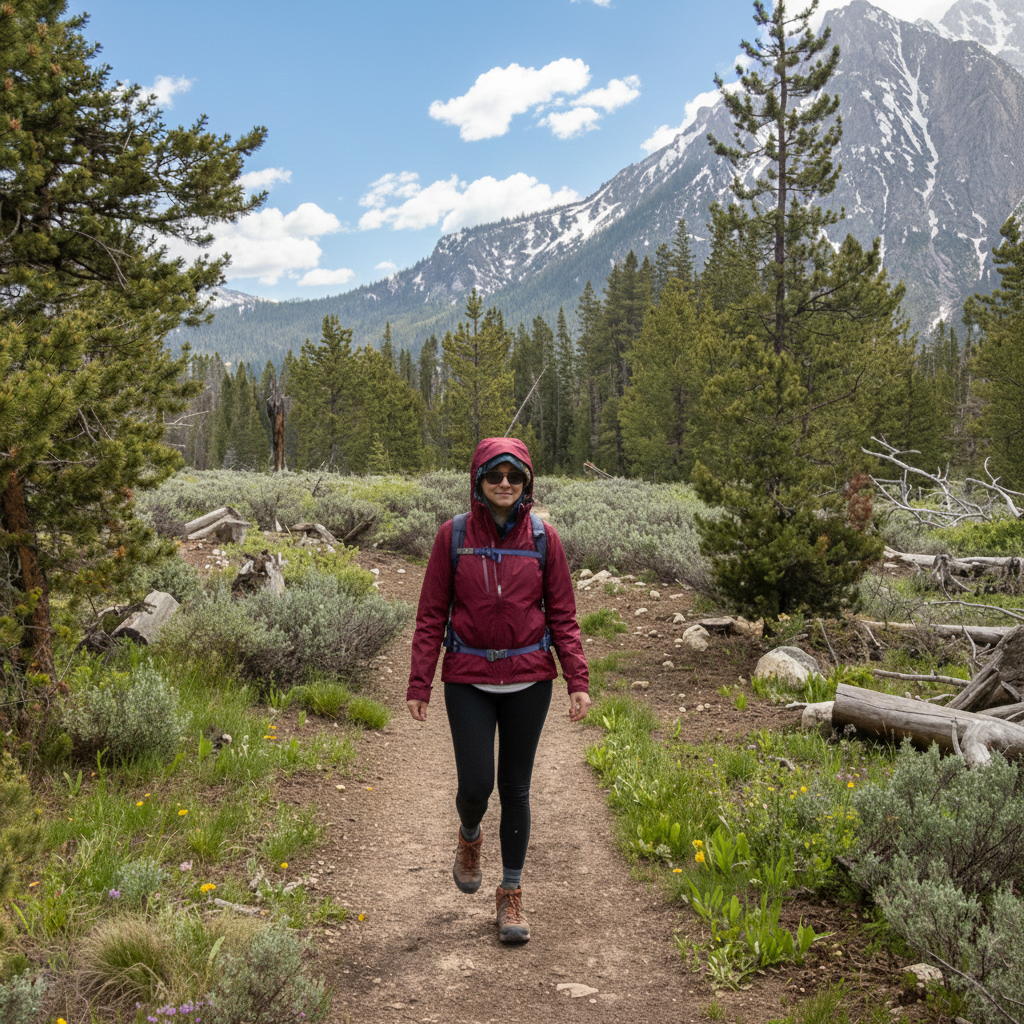
Jessica Bennett
Jessica Bennett Facebook ad: “Feel Like Yourself Again”
Ran for 42 days, from August 13 to September 24, 2026, the last day Crush saw it.
Run by Jessica Bennett on Facebook. Crush is not the advertiser and does not verify its claims. See this ad in Meta's Ad Library(opens in a new tab)
Want an ad like this for your product?
Crush makes new ad images for your product from this ad: your logo, your product photo, your offer.
Trials from $19.95 USD, then $79.95 USD a month. Cancel anytime.
About this ad
- Meta Ad Library ID
- 1657278402828295
- Platforms
- Facebook, Instagram, Audience Network, Messenger and Threads
- Relaunches
- 0
Ad text
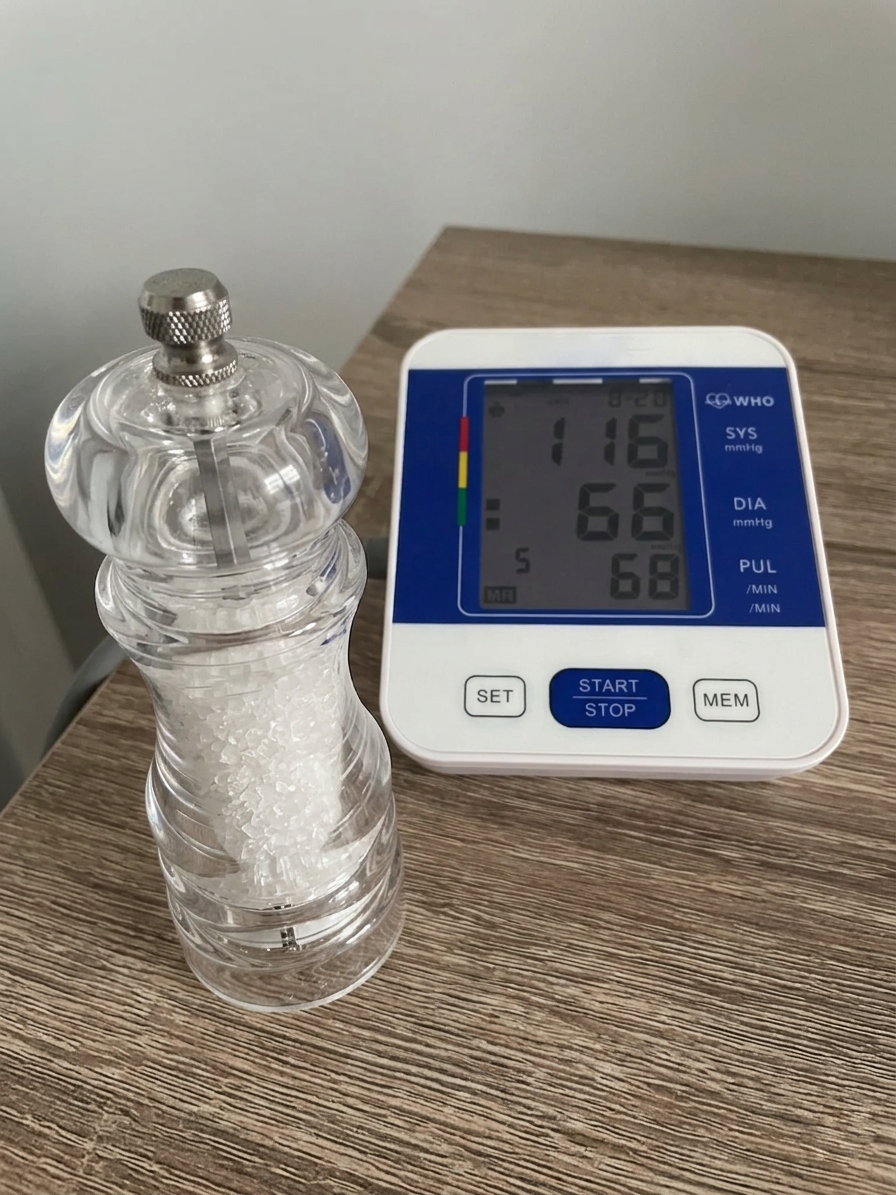
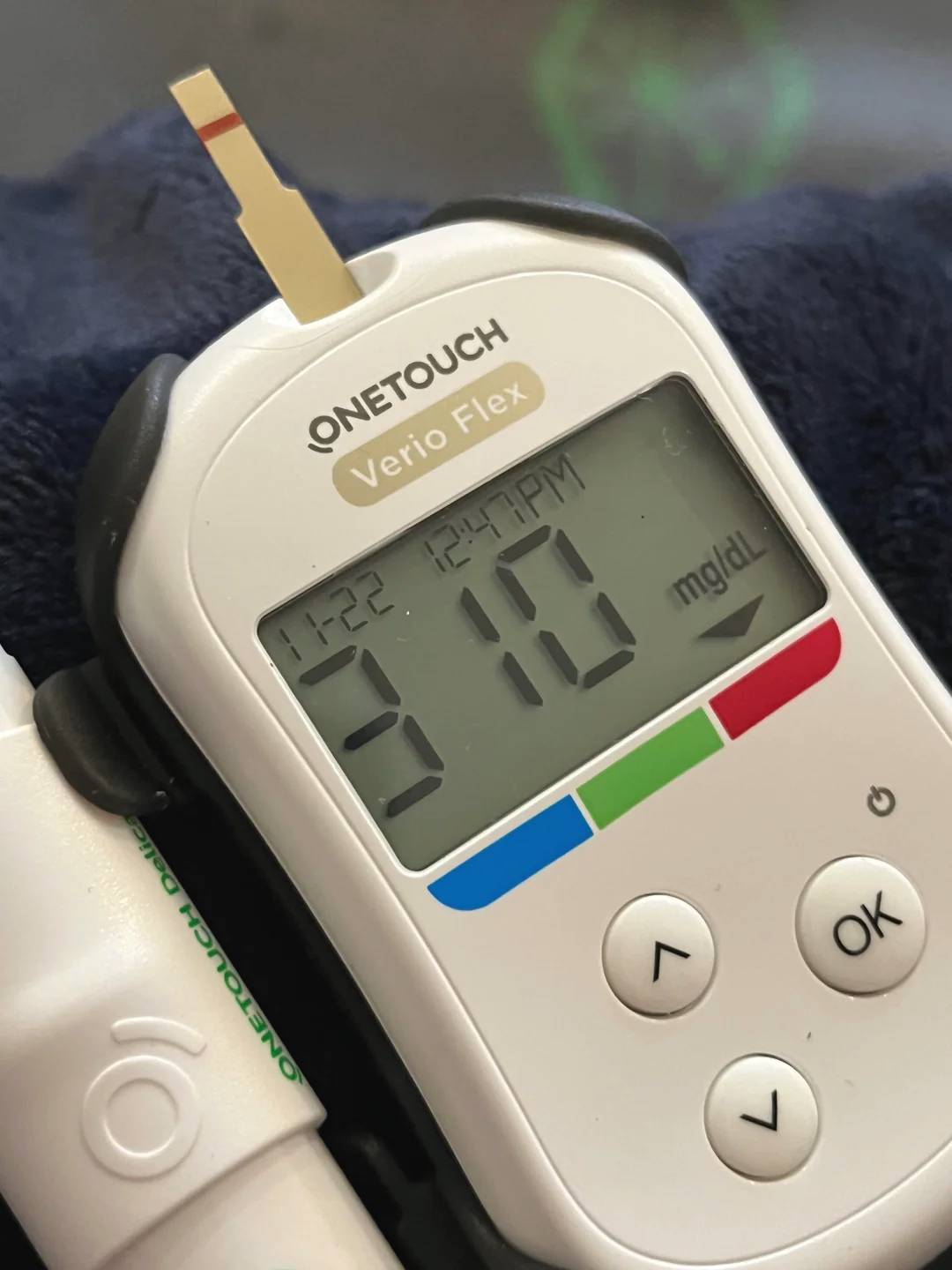
I ran a 60-day experiment on myself with Pomegranate to see if it could lower my own blood sugar without medication. Here are the actual numbers. I've been a practicing endocrinologist for 24 years, and blood sugar is the most common thing I treat in my career. And I've sat across the desk from thousands of patients and explained the same things over and over again. The 2 PM crash that hits like a wall. The fog that rolls in after lunch. The morning number that shouldn't be that high when you didn't eat anything all night. I've watched patients break down in my exam room because their numbers won't move no matter what they do. Around 3 years ago, it happened to me. I'm 58. My readings started climbing out of nowhere. First it was borderline, then full prediabetes, and it kept climbing toward the Type 2 line. All those years of 14 hour work days, cafeteria food, sleeping 4 hours between on-call nights. It finally caught up with me. At first it was one bad reading at my own physical. My A1C came back 5.9. I figured the lab was off. Then I started checking it at home and the numbers were 116 fasting in the morning. 178 after lunch. I couldn't get my fasting under 110 no matter what I did. Then came the afternoon crashes. Right around 2, the fog would roll in, and I'd feel hungover without having a drink. I'd take my reading first thing and the number would set the mood for my whole day. If it was 112, I was anxious. If it was 128, I was terrified. The same meter anxiety I tell my patients to ignore, I now had myself. I started checking my blood sugar 5, sometimes 7 times a day. The irony wasn't lost on me. Now I was the patient. Every single one of them was right. My doctor wanted to start me on Metformin. 500mg to start. I told her I'd think about it. But I knew I wasn't going to take it. I prescribe Metformin, Glipizide, and every newer drug not even I can always pronounce, every single day. I also see what they do to people. The Metformin diarrhea that keeps my patients mapping every bathroom before they leave the house. The Glipizide crashes that leave them shaking and sweating in the middle of the night. And the worst part? Half my patients are on these and their numbers are STILL creeping up. My own father died of a heart attack at 73. He was a diabetic for almost 20 years, on Metformin, then Glipizide, then insulin on top. I'm an endocrinologist and not even I could save him. I wasn't doing that to myself. So I did what I told every patient to do. I drank more water than I ever had, cut my sodium hard, followed the renal diet to the letter, and walked every morning to the clinic. So I did what I told every patient to do first. I cut the carbs down low, walked after every meal, and measured every portion. My numbers dropped a few points. I was still sitting at 110 fasting most mornings, with an A1C stuck at 6.4. I tried Pomegranate too. The literature on Pomegranate and blood sugar is solid, I've mentioned it to patients for years. I bought Pomegranate capsules from Amazon, the ones with all the 5-star reviews. Took it every morning for 6 weeks. Nothing moved. I tried Pomegranate powder I found in the store. Same result. I figured my own body must just be too far gone for any of this to make a difference. Then about 2 months ago, one of my regular patients came in for her follow-up. Sweet woman, her name is Julie, 65 years old, and has had Type 2 for over a decade. She'd been on Metformin for years and her numbers were still creeping up. We were talking about bumping up her dose. But this time her chart looked different. Her A1C had come in at 5.7 and her morning fasting was 98. I almost asked her if we'd pulled the wrong file. I asked her what she was doing differently. She got a little sheepish and said "Jess, I added something on my own. I didn't want to bother you about it." I told her she could bother me about it. She pulled a bottle of Pomegranate capsules out of her purse and said this was the only thing that had cleared her foam and moved her numbers. Then she said, "I tried to tell my friend Carol about it but the cheap kind doesn't work, you have to get the right one." I'll be honest, I was very skeptical. Patients bring me supplements every week and 99% of them are nonsense. But her chart was right there in front of me, and I knew her well enough to know she wasn't faking it. That night I checked after dinner and my meter read 176. I sat at the kitchen counter feeling defeated. So I got out my laptop and went deeper into the literature than I had in years. Here's what I found, and I'll keep it simple. The active compounds in Pomegranate are called punicalagins. Your body uses punicalagins to control how fast the food you eat turns into sugar. When they're in your system, the pathway that breaks your food down works at the right pace. Sugar trickles into your blood slowly, the way it's supposed to. Your body keeps up easily. No flood. No spike. No crash. No 2 PM fog. That's the whole pathway. The clinical studies that actually showed Pomegranate improving blood sugar used a standardized extract with a guaranteed amount of punicalagins in every dose. Then I went and looked at the raw Pomegranate powder I could have grabbed off Amazon. Dried fruit, ground up, no standardization at all. No way to know how many punicalagins were even in it. The capsules I'd tried? A token amount buried in filler. The clinical studies used many times that. No wonder no one was seeing results. I kept reading. The bigger problem isn't even the dose, it's the processing. Most Pomegranate supplements are spray-dried at over 200°F to turn them into powder. That heat destroys the punicalagins before the powder ever gets bottled. And it starts even earlier than that. The fruit itself is grown in stripped commercial soil, sprayed, and picked early to survive shipping, so the punicalagin content is already a fraction of what it should be before anyone processes it. So even when a label says “Pomegranate”, between the cheap fruit and the heat, the actual active compound inside is mostly dead by the time you swallow it. The Amazon capsules are the same cheap fruit with no verification of what's inside. The label says Pomegranate. What's inside isn't. I'd been reading about Pomegranate for kidneys for years and I'd never actually checked the standardization or the extraction method on the brands people were buying. None of them were getting close to the clinical dose. None of us were. I started looking for any Pomegranate supplement that was, and it came down to three things. It was the third one that almost no brand will actually check. ✅ No heat processing, cold processed (so the delicate punicalagins survive) ✅ Organic and third-party tested (an outside lab confirms what's actually in the bottle) ✅ A standardized extract, not raw powder (so you actually get the clinical dose of active compounds) I kept seeing the same brand mentioned over and over in the reviews. Alevia. The same one in my patient's purse. I ordered it. It was more expensive than the raw powders and the off-the-shelf capsules I'd tried. At that point I didn't care. Alevia's Pomegranate was a standardized organic extract, third-party verified by an outside lab. No heat processing, no fillers. Capsule form, which I appreciated since raw Pomegranate is loaded with sugar and potassium I tell my patients to watch. Two capsules with breakfast that Monday morning. The first two weeks, nothing dramatic. But I noticed I wasn't hitting that 2 PM wall anymore. My energy held a little steadier through the afternoon. I didn't trust it, but it was there. It was around week 4 that made me stop doubting. By week 4, I was averaging 101 in the morning. The after-lunch reading that used to hit 178 was settling in the low 130s. The 2 PM crash stopped. By day 40, I was at 96 in the morning. Barely out of prediabetes range. At day 60, I checked it three times in a row to make sure: 91, 90, 92. For the first time in 3 years, I was in the normal range without any medication. I sat at the kitchen counter and cried. I'm an endocrinologist. I treat blood sugar every day. And nothing I'd done for 3 years had moved my own numbers like this. That afternoon crash that used to set the mood for my whole day? Gone. The meter anxiety that had me checking multiple times a day? Mostly gone, I take my reading once in the morning and once before dinner now and that's it. I sleep through the night without waking up to use the bathroom or worrying about my morning number. When I went back to my doctor at the 3 month mark, she pulled up my A1C. It read 5.6. She looked at me and said we don't need to talk about Metformin anymore. She actually asked what I was taking so she could mention it to a few of her own patients. I've quietly mentioned Alevia to 12 of my own patients with blood sugar problems since then. The ones who've followed through have all come back with better numbers. One woman who'd been on Metformin for 8 years was able to drop it entirely under careful monitoring. She told me she hasn't woken up shaking and sweating in the middle of the night in 6 months. Look, for almost 3 years I thought I had two options. Take the meds I prescribe every day and deal with the side effects, or watch my numbers slowly climb until I ended up on insulin and the complications that come after it. As an endocrinologist, I knew exactly where the second road ended. I watched my father walk it. I was wrong about the first option being my only alternative. And here's something I wish I'd understood sooner. Not all Pomegranate is the same. Remember what my patient said in my office, that the cheap kind doesn't work? This is what she meant, and I didn't understand it until I read the research myself. I wasted 6 weeks on Pomegranate that could never touch my real problem, and if I'd grabbed the first cheap capsules off Amazon it would have been the same story. Alevia's standardized, cold processed, third party tested extract is the only kind that actually moved my numbers. They offer a 90 day money back guarantee. If your numbers don't move, you get a full refund. No questions asked. In 24 years of practicing nephrology, I have never seen a pharmaceutical company offer to give your money back if their drug doesn't work. Think about that for a second. And here’s the thing. If my patient hadn't pulled that bottle out of her purse, I'd still be checking my reading 8 times a day, dreading the 2 PM crash I knew was coming, putting off the Metformin conversation with my doctor. I'm sharing this because I hope it helps someone else. After 24 years as an endocrinologist, I thought I knew every option for blood sugar. Turns out, my patient knew something I didn't. Here's where I got mine: 👉 https://alevia.com/pom/11 ~ Jessica Bennett P.S. Alevia is a small company. They produce in small batches to keep the potency intact, which means they sell out regularly. If you have a doctor's appointment coming up in the next 30 to 60 days and you want to give your body the support it needs before that visit, check availability now. Don't wait. Every day the numbers keep climbing is another day closer to the prescription your doctor is already planning to write. P.P.S. The 90 day guarantee is the part I keep coming back to. I have handed out thousands of prescriptions in my career. None of them came with "if this doesn't work we'll give you your money back." Not one. Whatever you decide, that detail is worth thinking about. 👉 https://alevia.com/pom/11
Where the ad sends people
alevia.com
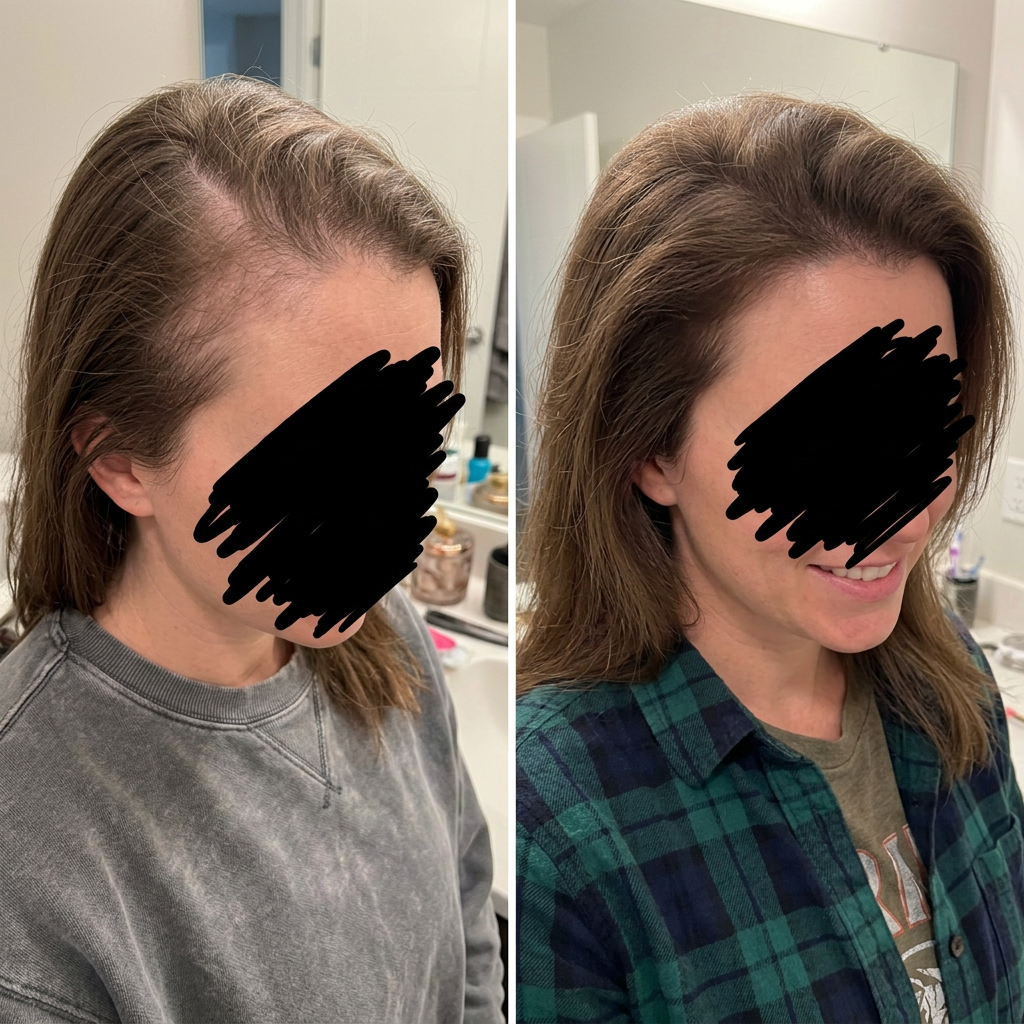
Feel Like Yourself Again
"This actually worked, thank you so much." - Emily T.
Learn more: alevia.com(opens in a new tab)