
Inactive· since Jun 16, 2026
- 28
- days it ran
- 0
- relaunches
Ad copy
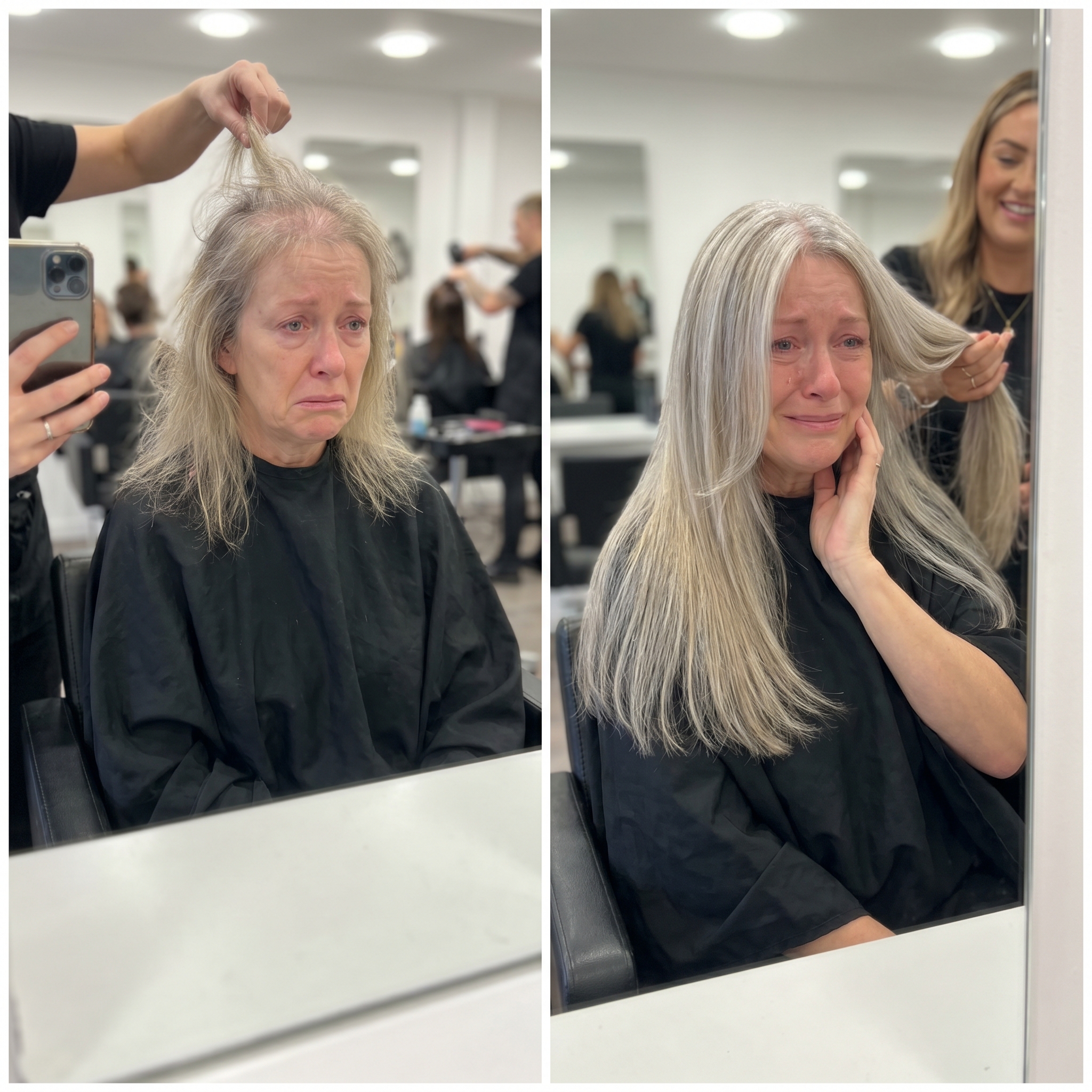
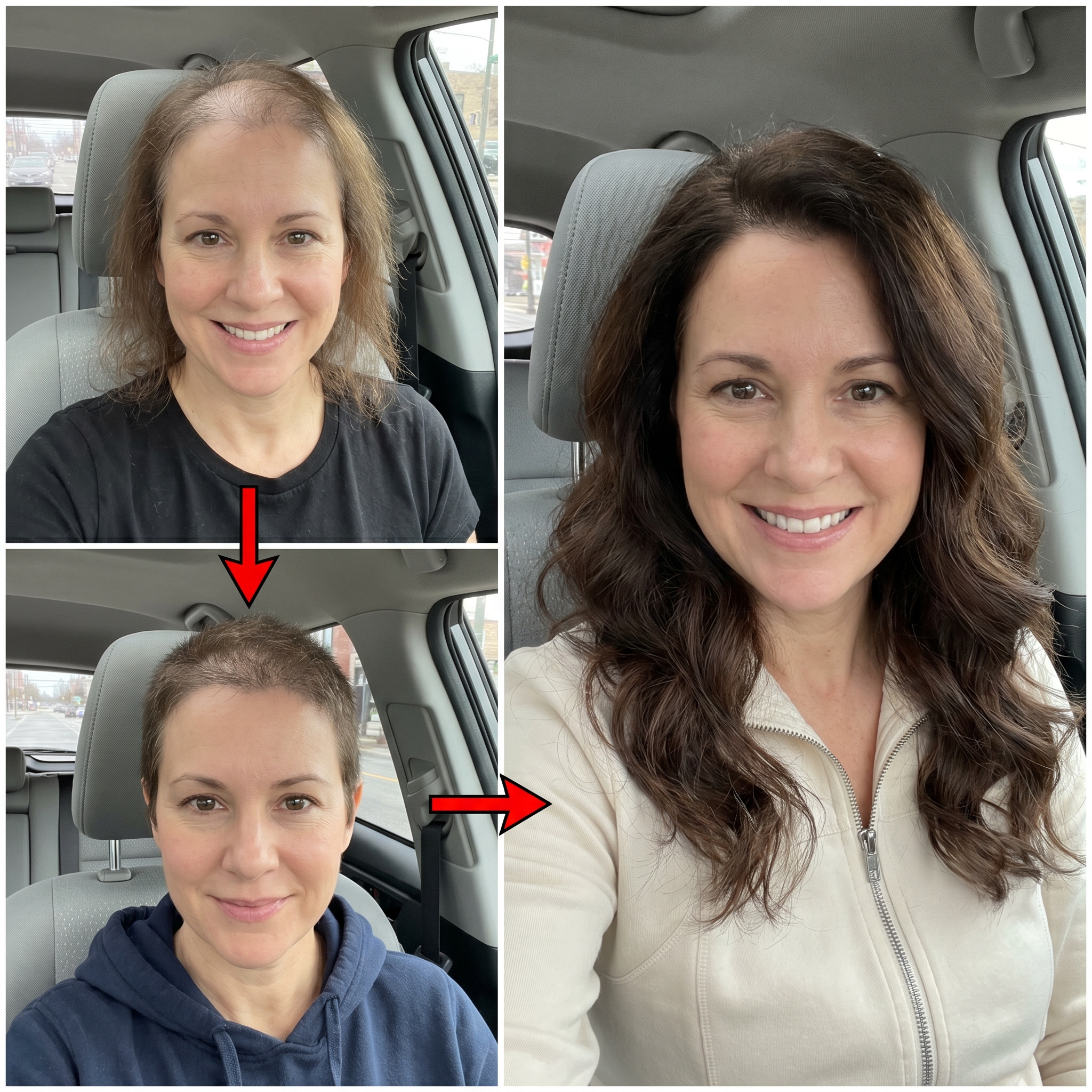
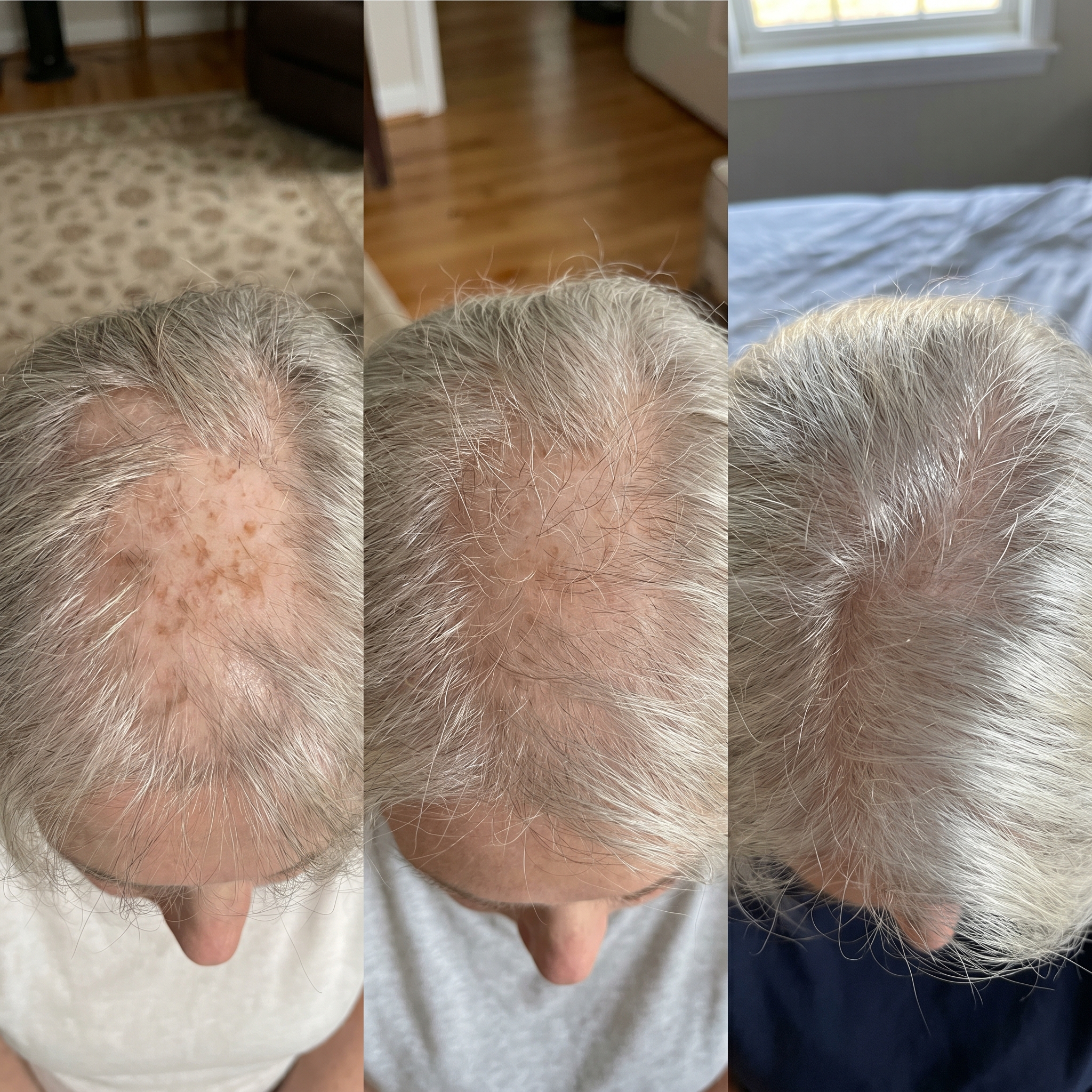
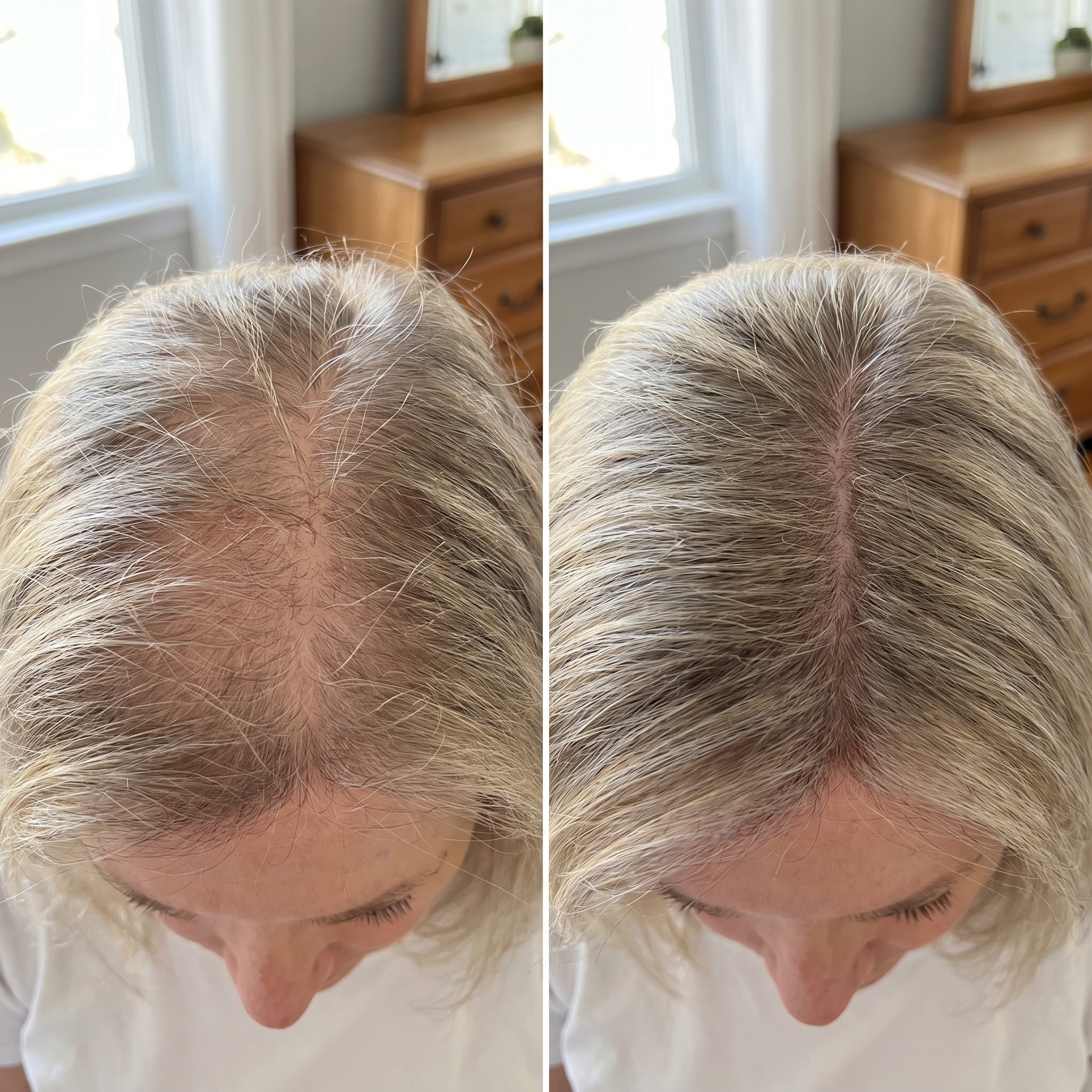
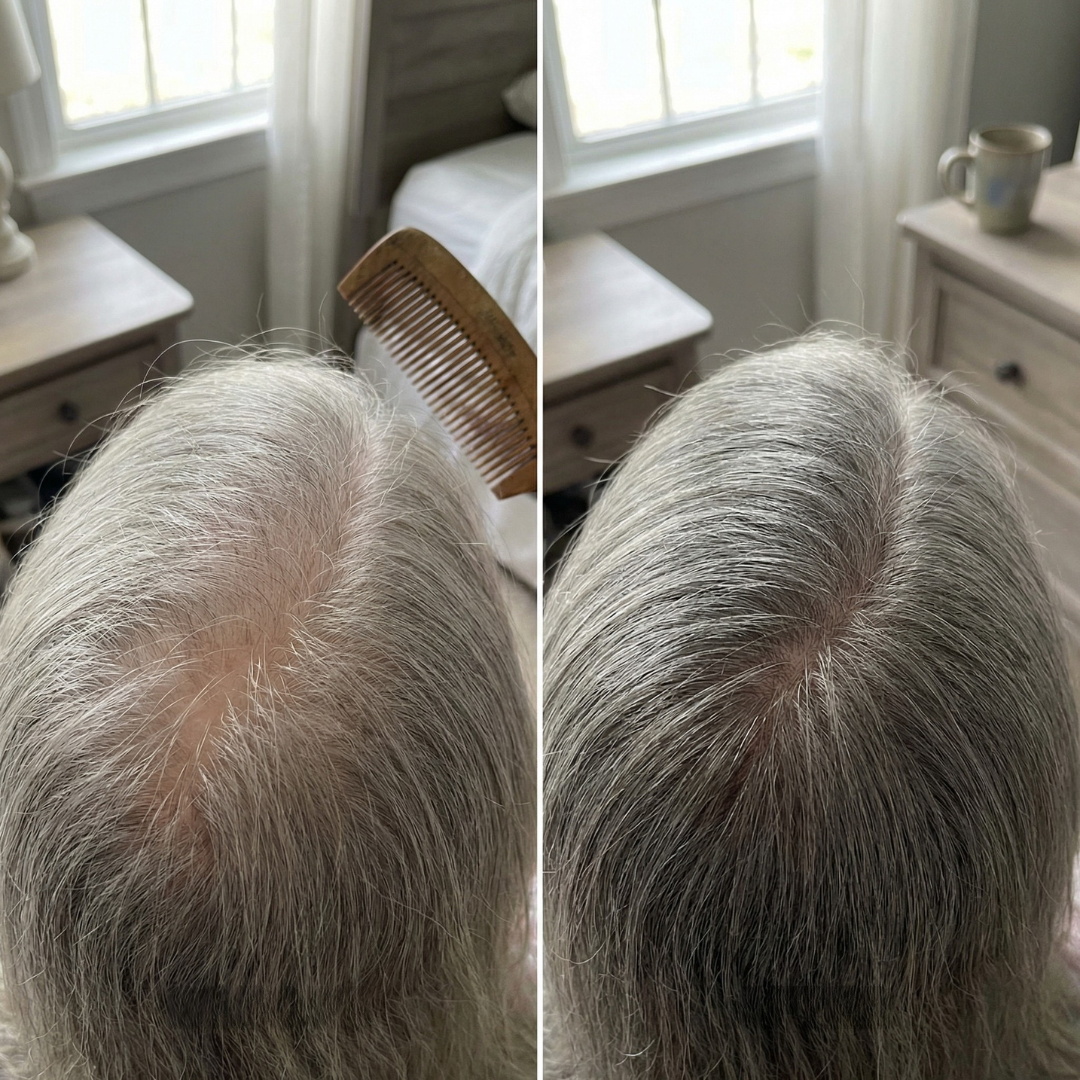
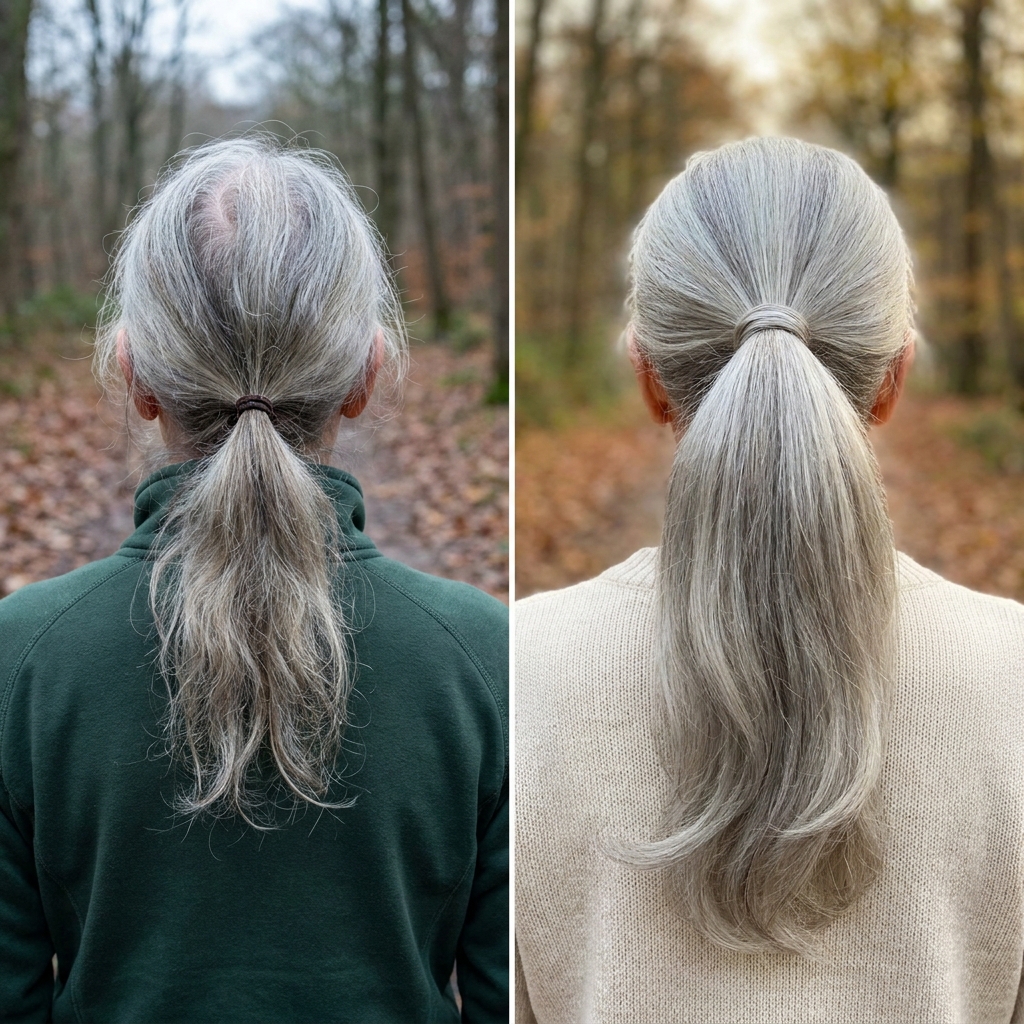
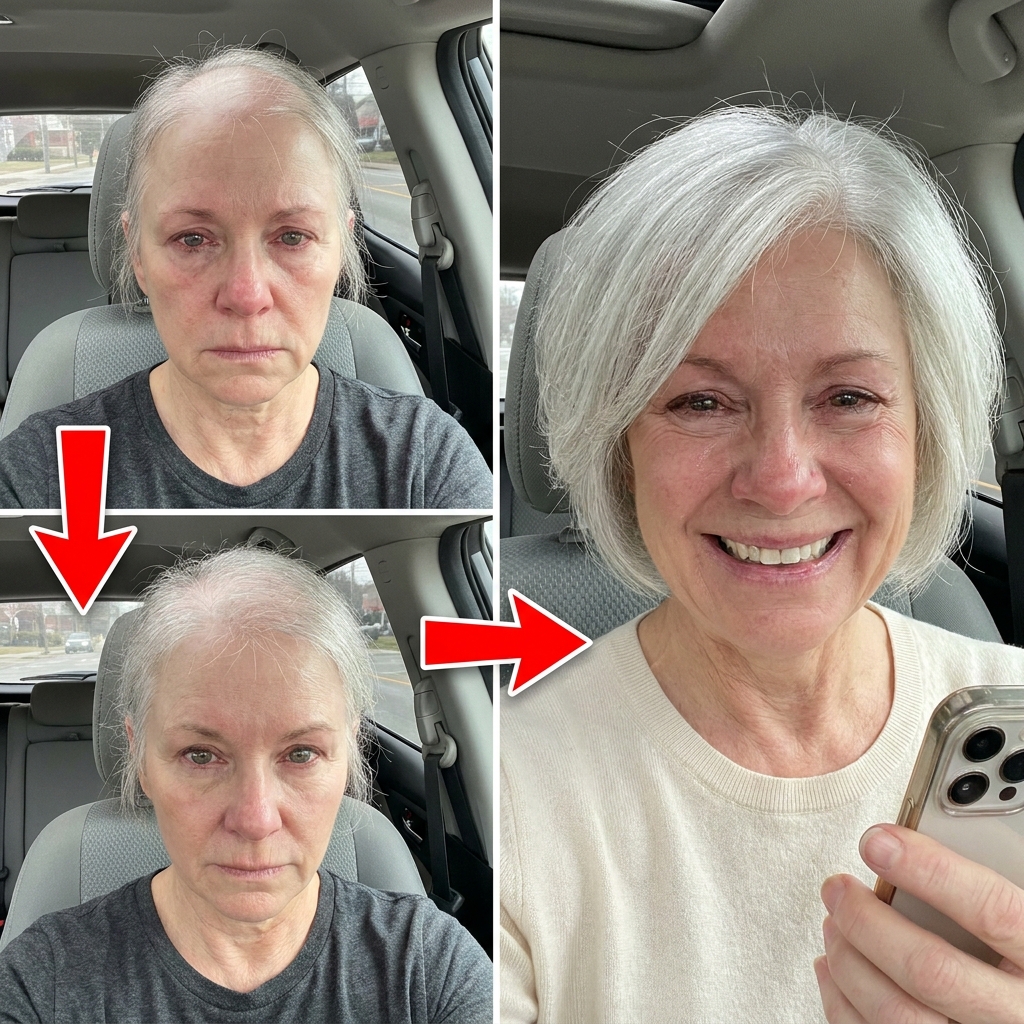
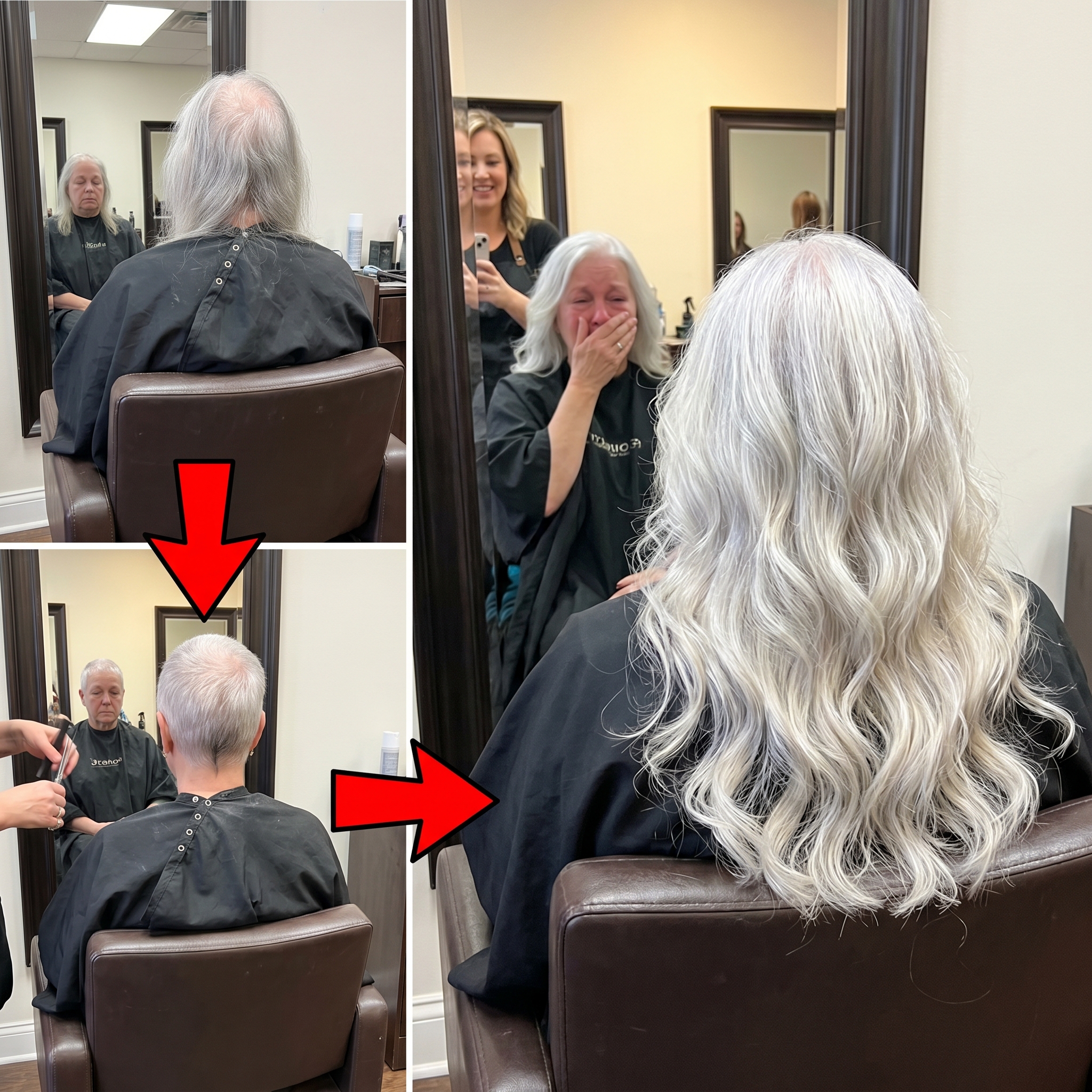
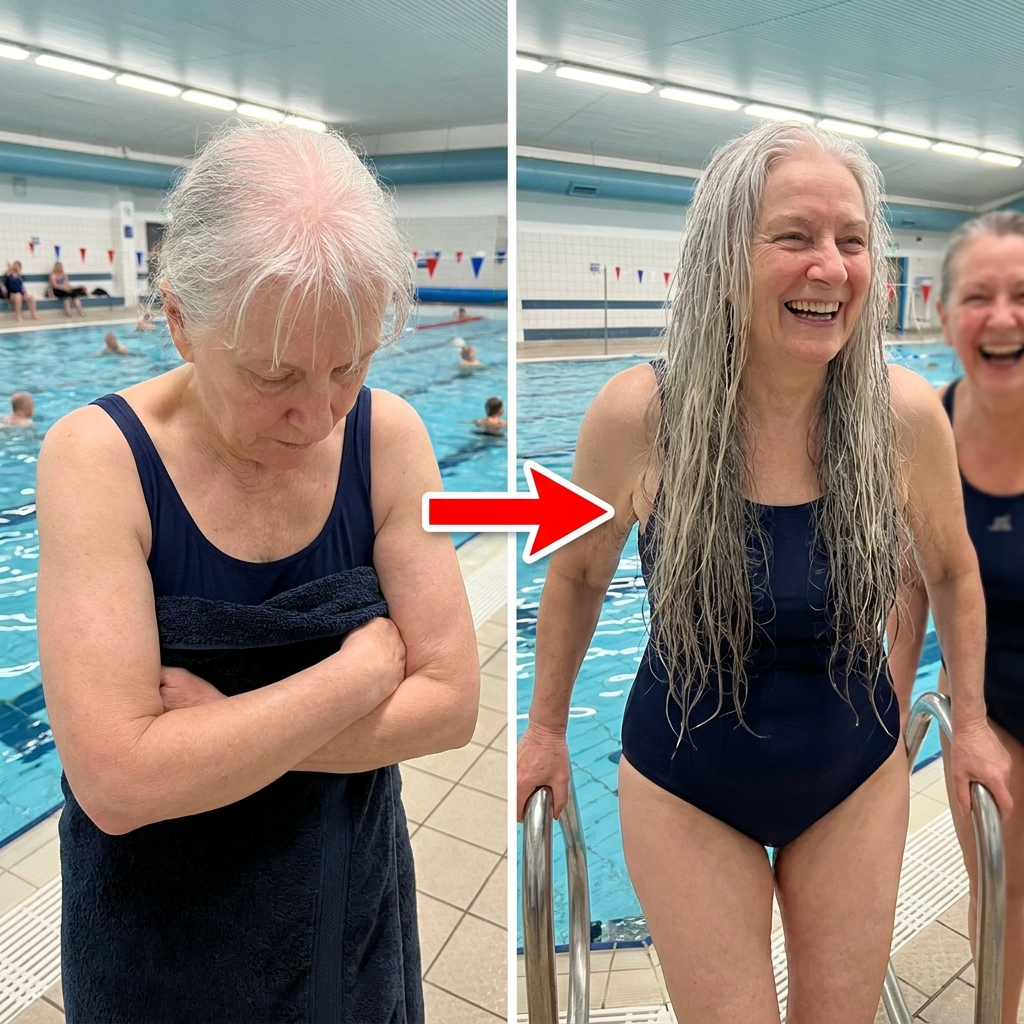
The hair vitamin you swallow every morning is broken down in your gut long before it reaches a single follicle on your head. There is a reason the bottle keeps emptying and the part in your hair keeps widening. I am 51, I keep the books for a dozen small businesses around Nottingham, and I spent the better part of three years buying hair vitamins that my own digestion was quietly throwing away. I noticed it first at my desk. Late autumn, the lamp on, working through a client's quarter-end, and I caught my reflection in the dark monitor. The parting down the centre of my head had gone from a line to a road. The light from the lamp was landing on scalp where it used to land on hair. I sat there longer than I should have, ignoring the spreadsheet, just turning my head a few degrees each way to see how far it had spread. I am the sort of person who reconciles every penny for other people, so I did the same to myself. I kept the receipts. I always keep the receipts. Here is the ledger, the way I would lay it out for any client who asked me where the money had gone. High-dose biotin tablets, the ones the chemist keeps behind a little card that says "for hair." Two bottles a month so I never ran out. Around £18 a month, for eleven months. That is roughly £198 before I admitted nothing was happening above my eyebrows. Then the hair-growth gummies. They tasted of berries and arrived in a pink jar with a woman on the label whose hair did not look like a problem she had ever had. £26 a jar, one jar every three weeks because I chewed them like I was earning something. Across five months, near enough £170. Then the "hair, skin and nails" multivitamin, because if the first two were not enough perhaps the gap was somewhere else. £21 a month, taken faithfully for seven months. That is £147. I added it up one evening the way I add up a client's losses. £515. More than five hundred pounds, swallowed. And the only measurable result was that my nails were a bit harder and my parting was a bit wider. I had been paying, month after month, to send growth ingredients on a journey they were never going to finish. If a client had shown me that ledger, I would have told them to stop the moment the trend was clear. I did not give myself the same advice for three years. Because here is the part nobody at the chemist counter explained. When you swallow a hair vitamin, it does not travel to your scalp. It goes to your stomach. It is broken down by acid and enzymes, sorted by your liver, and parcelled out to wherever your body decides it is needed most — and a menopausal woman's body does not rank her crown very high on that list. By the time anything is left over, the dose that actually arrives at the follicle is a rumour of the dose on the label. You are not growing your hair. You are feeding your gut and hoping for spillover. That was the moment the real problem clicked into place, and it had nothing to do with what I was eating. As oestrogen falls in perimenopause, the balance at your scalp shifts. Local DHT activity rises right there in the skin of your head. DHT shortens the anagen phase — the stretch of time a follicle spends actually producing hair. So the follicle works for less time and rests for longer. Each new strand comes through finer, shorter, a little less than the one before, until from the outside the follicle looks as though it has simply stopped. It has not. This is the part I wish I had understood three years and £515 earlier. The follicle is silenced, not dead. The stem cells are still there. The blood supply is still there. The structure is intact. A European dermatology team published findings around 2011, built on since, showing exactly this — that the menopausal follicle is chemically quietened, not finished — and somehow it still does not get said plainly across a pharmacy counter. If the silencing happens locally, at the scalp, then nothing you swallow is even aiming at the right place. The intervention has to land where the problem lives. On the skin. On the follicle. Not in your stomach. That is the whole reason I changed course. I started using Mellenza, a serum you spray directly onto the scalp at night — onto the crown, along the part, into the temples where the silencing shows first. The lead active is caffeine, and caffeine matters here for one specific reason: applied at the scalp it helps block 5-alpha-reductase right at the follicle and helps extend anagen, the growth phase the DHT had been cutting short. Around it sits polygonum multiflorum root extract, drawn from Korean dermatology research on follicle proliferation. Arginine, to support the microcirculation around the follicle. Biotin too — but here it sits at the scalp supporting the integrity of the new growth as it comes through, not asked to do a job from inside a tablet it was never going to reach. And ginger extract, for anti-inflammatory scalp support, calming the ground the new hair has to grow out of. Not a shampoo. Not a volumiser. Not a supplement. A topical wake-up call for follicles that had been in dormancy for too long. It is the opposite of what I had been doing. For three years I sent ingredients on a tour of my insides and prayed some of it found my head. This goes straight to the head. No detour. No gut tax. I worked it into the nightly routine I already had — face cleaned, teeth done, a few sprays along the part before bed — so there was nothing new to remember and nothing to swallow. I will tell you what the weeks looked like, because I tracked them the way I track everything. Same notebook I use for mileage, a line a week. Week four: the shedding eased off. The plughole after a wash stopped frightening me. The handful that used to come away in the brush became a few strands. Week six: the texture changed first. The hair felt heavier between my fingers, less brittle, less like it might snap if I looked at it wrong. I noticed it most when I tied it back — it held instead of slipping loose by lunchtime. Week nine: I took the comparison photo I had been putting off. The parting was visibly narrower. And along the edge of it, catching the lamp, short fine new growth standing up where there had only been skin. I held the two photos side by side at my desk for a long time. Month four: a younger client I do the quarterly books for looked at me across the table mid-sentence and said, "Your hair looks really well." She had no idea I had been doing anything. That is the one that landed. Not the mirror, not my own counting — someone who only sees me four times a year, noticing without being told. And then month five gave me the thing I had not let myself want. For two years I had a clip-in piece. A small one, for the crown, to fill the part before any meeting where someone might be sitting above me on a screen or across a desk. I had stopped wearing my own hair up entirely, because up is where the thinning announces itself. Last month I had a face-to-face with that same client. I got ready, reached for the clip-in out of pure habit — and put it back in the drawer. I wore my own hair, up, the part on show, nothing borrowed pinned underneath. I sat across from her for an hour talking about her VAT and I did not think about my head once. First time in two years. The drawer of half-finished hair vitamins was never the answer, and somewhere underneath I had known it for a while. The question was never whether I was taking enough. It was whether any of it was ever reaching the place that needed it. Mellenza is built to reach that place — sprayed on the scalp, where the silencing happens, where the work has to be done. Mellenza ships from the UK with a 90-day money-back guarantee, a complimentary scalp massager, and an ebook on the menopausal hair cycle. P.S. Keep one empty vitamin bottle on the shelf if you like. It is a useful reminder of where the money used to go before any of it reached your scalp.
Your hair vitamin never reaches your scalp
Women's Health · Updated April 2026 Menopause · Hair Routine 7 Mistakes That Make Menopausal Hair Loss Worse, And the 30 Second Ritual 10,000 Women Used to See Regrowth in 8 Weeks Dr. Sarah Mitchell — Women's Health Writer. If you're standing in front of the mirror doing the 3-elastic ponytail t...
LEARN MORELike this ad? Make it yours.
Crush rebuilds this exact creative around your product — your brand, your colors, your offer — in about a minute.