The Pet Ear Health Foundation
The Pet Ear Health Foundation Facebook ad: “I Stopped Writing Mometamax Scripts. Here's Why”
Ran for 9 days, from May 20 to May 28, 2026, the last day Crush saw it.
Run by The Pet Ear Health Foundation on Facebook. Crush is not the advertiser and does not verify its claims. See this ad in Meta's Ad Library(opens in a new tab)
Want an ad like this for your product?
Crush makes new ad images for your product from this ad: your logo, your product photo, your offer.
Trials from $19.95 USD, then $79.95 USD a month. Cancel anytime.
About this ad
- Meta Ad Library ID
- 1668777737664543
- Platforms
- Facebook, Instagram, Messenger and Threads
- Relaunches
- 0
Ad text
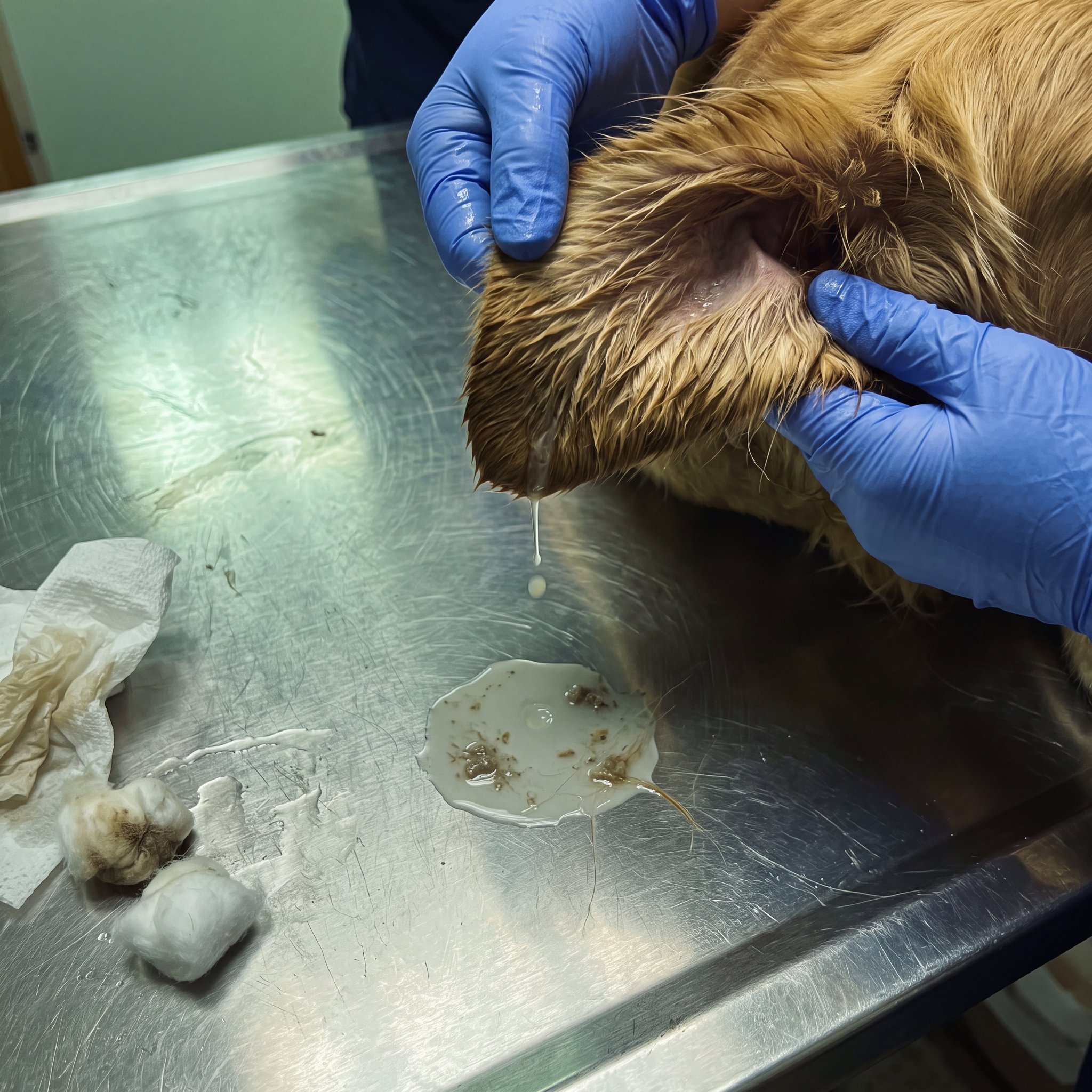
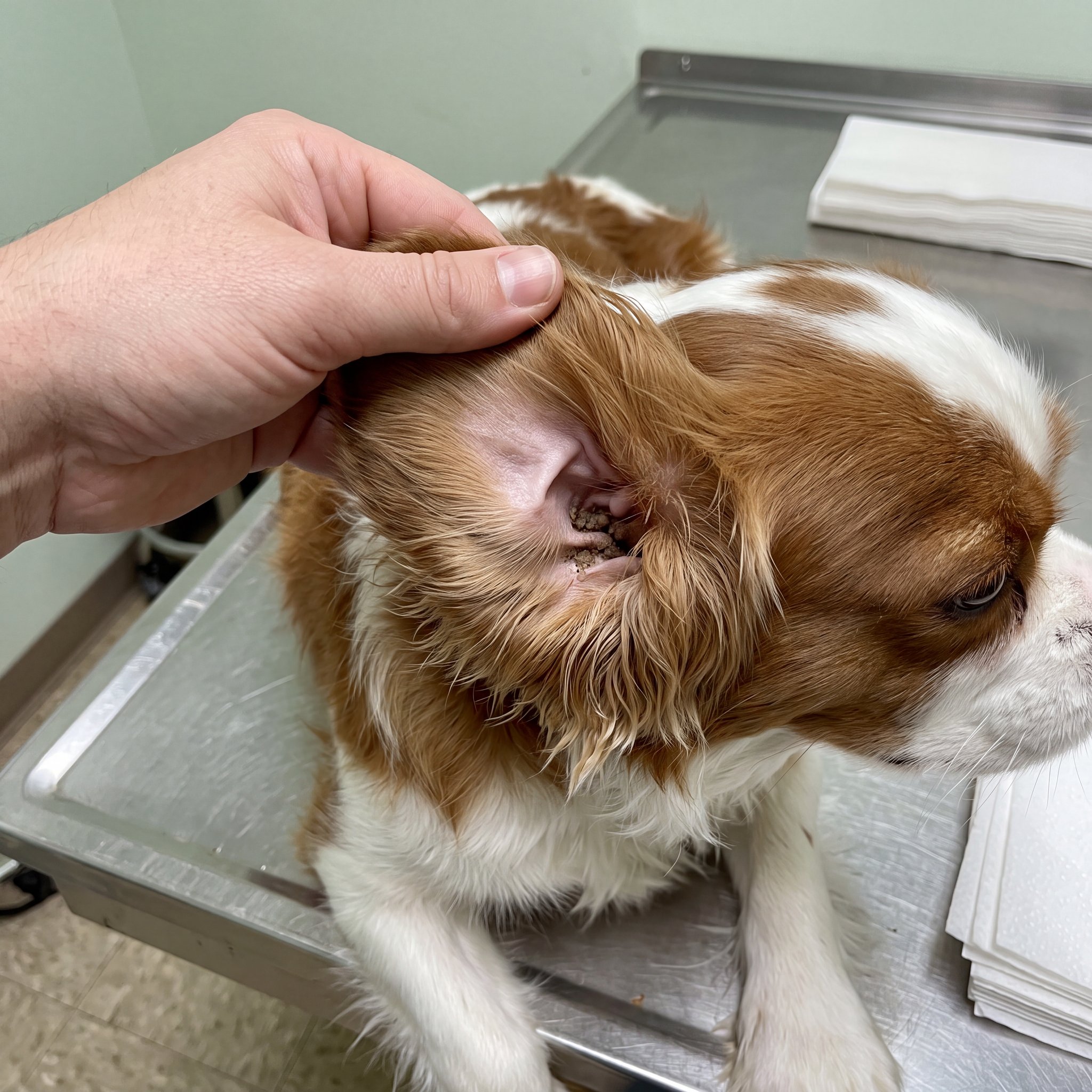
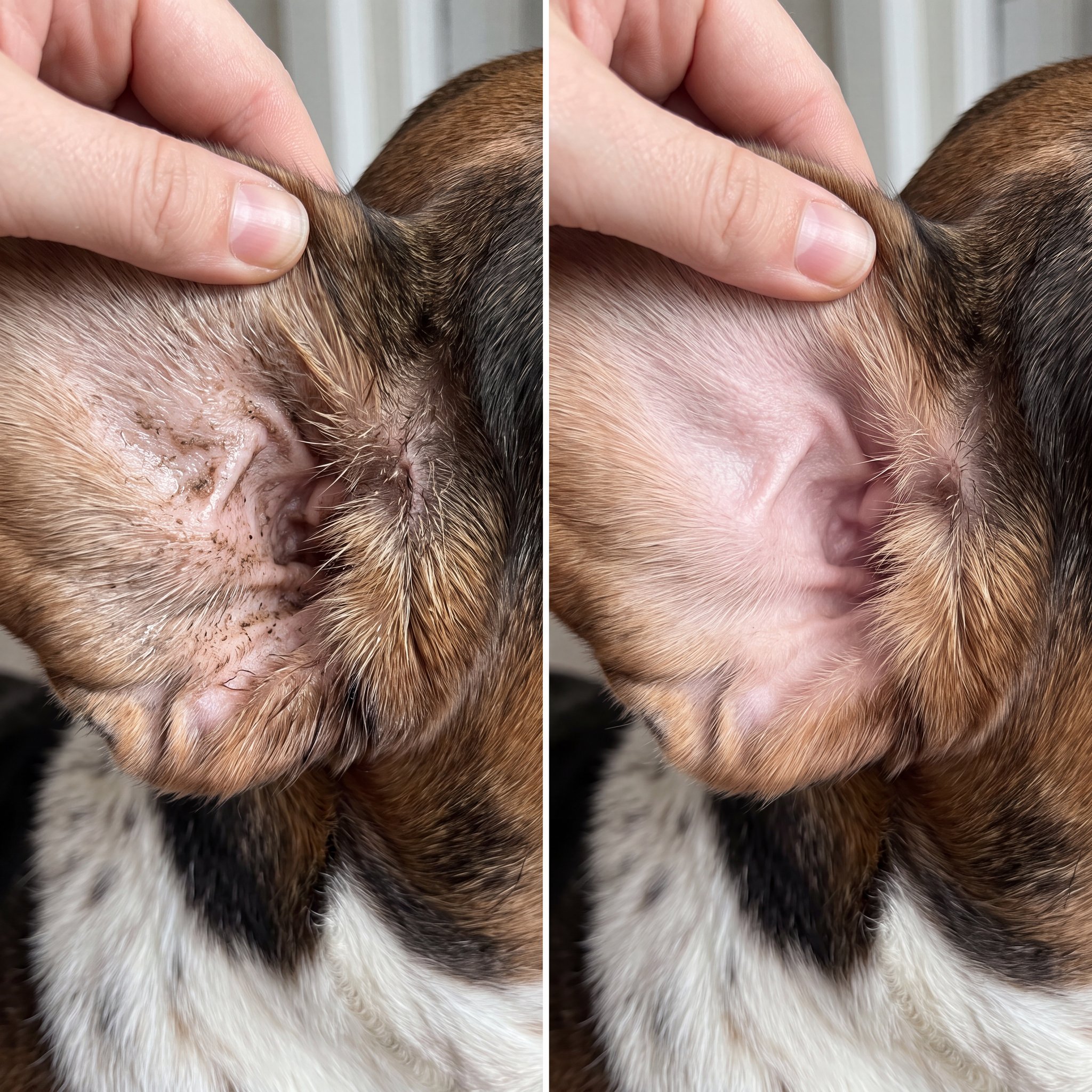
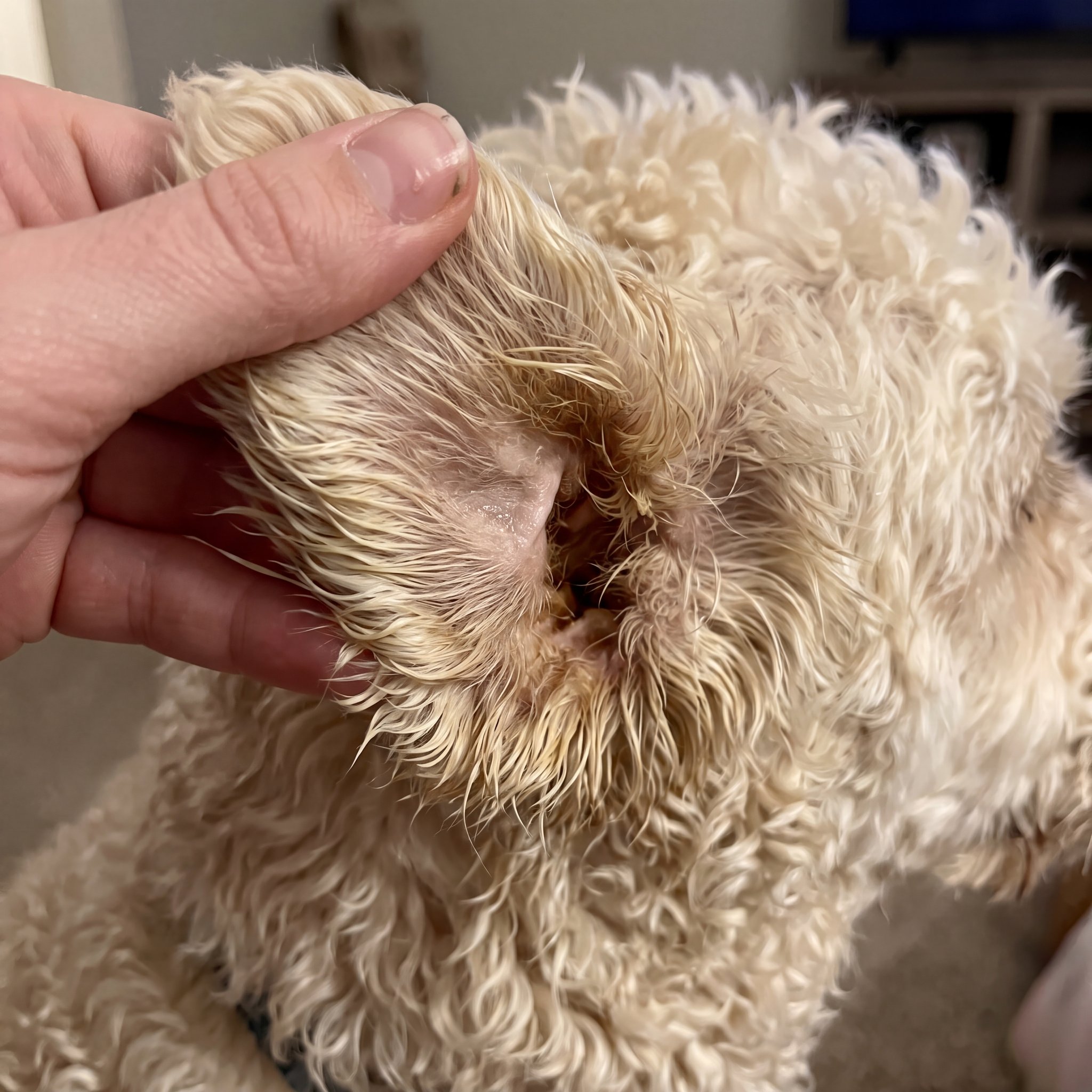
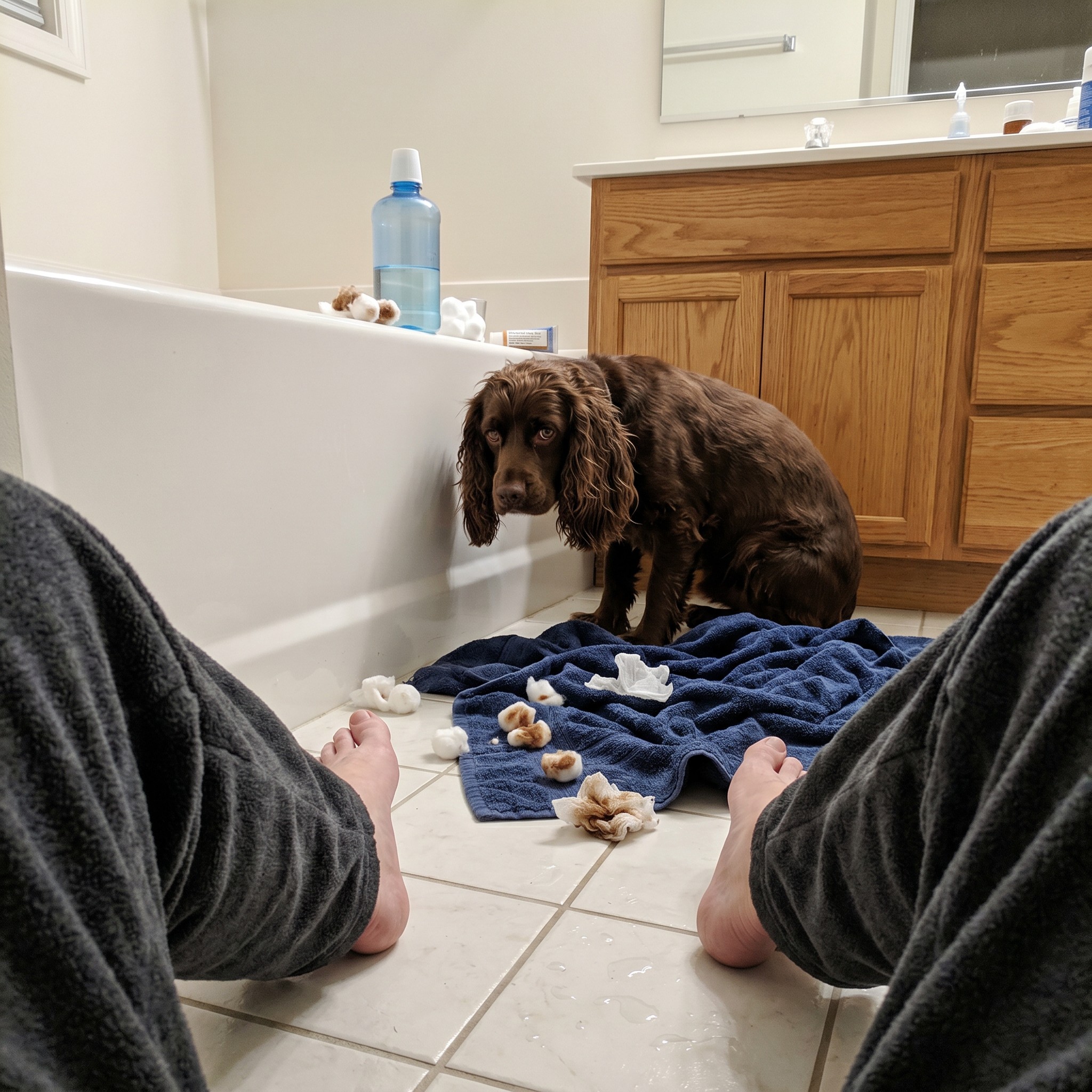
I'm a veterinarian. I've treated thousands of ear infections in 14 years of practice. And for almost two years, I couldn't fix my own dog's ears. I run a small animal practice in Tampa, Florida. And I tell almost every client who comes in with a chronic ear case the same thing: "This isn't an infection problem. It's a hygiene problem. And the products you're using at home aren't built for the layer where the problem actually lives." Most of them don't believe me at first. They tell me they already tried Zymox. They've done the squeeze-bottle flush their last vet sold them. They've switched to Epi-Otic Advanced. Some of them have run through two or three rounds of Mometamax. (I've heard every version of this.) And every time, I say the same thing: "None of that is formulated to physically remove what's growing in there." Then I show them the otoscope image. There's a stretch of the ear canal in floppy-eared breeds - Cockers, Bassets, Cavaliers, Spaniels, Bulldogs, Doodles - that most pet parents don't even know exists. It curves. It seals. Moisture sits in it after every swim, every bath, every humid Florida afternoon. And over time, a layer of yeast and bacteria builds along that curve - and none of the products pet parents use at home are built to physically remove it. It looks the same in nearly every chronic case I see. Especially the floppy-eared breeds. The upright-eared dogs are simple. Air flows in. Moisture dries out. Microbial counts stay normal. But floppy ears trap moisture against warm skin in a sealed channel. The microbial count in there can climb to ten thousand times normal levels before you ever see a symptom. No redness. No discharge. No smell. Just a quiet biological build-up, happening every single day, in a place you can't see. I started noticing the pattern about eight years into practice. More and more chronic cases. The same complaint over and over. "His ears were fine for a week, then the smell came back." "She shakes her head every night around dinner time." "He won't let me touch his ear flap anymore." And every single time, the ear looked clean from the outside. Here's what most dog parents don't understand. When a chronic case comes in, nine times out of ten, there's no acute infection. The dog isn't sick. The owner just wants to know why their dog's ears smell musty 48 hours after every cleaning. And when I pull up the otoscope view and show them what's coating that sealed channel, the reaction is always the same. They go quiet. Then they say something like, "We just cleaned them on Sunday." Doesn't matter. I've looked into ears that were cleaned 24 hours earlier and already had visible biofilm coating the canal wall. And that layer of gunk I'm showing them? It's not just sitting there. Every time your dog scratches, shakes his head, or runs through humid air, the warm moisture in that sealed channel reactivates the microbial layer. It releases by-products that drift up onto the ear flap. Onto your hands when you pet him. Onto your couch. Onto your sheets. That's where the smell comes from. Not from your dog's breed. Not from his diet. Not from too many baths. From inside the ear canal itself. And I'll be honest, for a long time, I didn't have a great answer for people. I'd send them home with Zymox. I'd write a script for Mometamax. I'd tell them to flush twice a week with the squeeze bottle and "stay consistent." But I already knew none of that was built to physically remove what was actually growing down there. I was just giving them something to try because the protocol didn't have anything better. The flush softens debris but relies on your dog to shake it out - and floppy-eared breeds physically can't. The drops kill what they touch but leave residual colonies behind. The cotton ball only cleans the part of the ear you can see. And the buildup isn't on the part you can see. It's coating the curve in the sealed channel where moisture sits and never fully dries. And here's why none of the common fixes actually work. I mean none of them. Zymox? Its enzymatic chemistry is fine. But you squeeze it in from the top of the canal opening, and your dog shakes his head within 30 seconds. Most of it ends up on your bathroom wall. What stays inside softens the top layer of buildup - but your dog has to shake the rest out, and floppy-eared breeds can't shake effectively. So 60-70% of the debris stays right where it was. Squeeze-bottle flushes (Epi-Otic, Virbac, TrizUltra)? Same problem. They were designed for vet techs to use under restraint, with the dog held still long enough for the liquid to travel down the canal. In a home setting, with a dog who's now anxious about ear cleaning, you're getting maybe 20% of the product where it needs to go - and even that 20% only softens debris. It doesn't lift it out. Mometamax and other prescription drops? They work for the duration you're using them. But the second the script runs out, the microbial layer in that sealed channel starts rebuilding from the residual colonies that survived in the biofilm. Drops kill what they touch. They don't physically remove the protective layer the colonies hide under.. Six to eight weeks later, you're back at the vet. Cotton balls and gauze? You're cleaning the part of the ear you can see. Which is not the part of the ear where the problem grows. Every solution chronic-ear dogs go through has the same fatal flaw. It wasn't built for the layer where the problem actually lives. It cleans the part of the ear you can see and leaves the part you can't completely intact. I spent years knowing this and not having an answer. I could pull up an otoscope image, point to the exact spot, and explain why nothing the owner had tried was built to reach it. But I couldn't hand them something that would actually fix it at home. And then it happened to my own dog. His name is Huxley. Chocolate Cocker Spaniel. He's seven. He's the reason I got into small animal medicine in the first place - I picked him out as a puppy in vet school. For about 18 months, I watched him cycle through the exact pattern I'd been describing to clients for a decade. Clean ears Sunday. Musty smell by Tuesday. Head-shaking by Thursday. Visible discharge by the next week. I tried everything in my own clinic. Zymox. Epi-Otic. Mometamax. Three rounds. A culture. An anesthetized deep clean that cost me $687. Nothing held for more than 30 days. The part that embarrassed me most as a vet was - I started lying about it. My tech Carla asked me how Huxley was doing one Friday, and I just said, "Fine." Because I didn't have an answer. I'm a vet. And I didn't have an answer for my own dog. The low point was a Sunday night in March, at 11pm. I was sitting on the bathroom floor with Huxley pressed against the bathtub, trying to flush his right ear. He was panting. I was crying. The half-empty Zymox bottle was on the counter judging me. My husband walked in and said, "Maybe we just accept this is how he is." Something broke in me that night. Then about a year ago, I got a text from a vet school friend - she runs a practice in Charleston. She was at a continuing ed conference on chronic otitis management. The slide she sent me was about microbial load thresholds and mechanical removal. She wrote underneath it: "I've been using a wipe-based daily protocol on my Frenchie for 14 months. Ears have been clean for 14 months straight. You need to look at this." I was skeptical. I've seen every ear wipe on the shelf at PetSmart and Chewy. Most of them do the same thing a cotton ball does. They wipe the outer flap. And I already told you - the outer flap is not the problem. But she swore by it. Said even her Frenchie's chronic fold dermatitis was gone. So I looked into it. And what I found actually surprised me. There's real science behind how this thing works. It's not a wet wipe. It's not a cotton ball with cleaner on it. The texture is specifically designed to physically lift biofilm off the canal wall - the same mechanism we use under anesthesia for deep cleans. The pH is matched to a dog's ear, so it doesn't burn or disrupt the natural barrier. And the antimicrobial action keeps working on the residual layer for hours after you use it. It physically lifts the biofilm off the canal wall. The exact layer I'd been pointing to on otoscope images for years - the layer nothing else was built to remove. The spot nothing else touches. I won't get into all the technical details here. But once I understood how it worked, I tried it on Huxley. Day 1: He let me do both ears in under 30 seconds. No wrestling. No yelping. Day 4: The brown flecks on the bathroom tile stopped appearing. Week 3: The yeasty smell - the one I'd stopped noticing because it was constant - was gone. I only realized it was gone when my mother came to visit and didn't comment on it. Week 6: Huxley brought me the canister in his mouth. He's never done that with anything. I started recommending it to every chronic ear case I saw after that. About 60 cases have occurred over the last 10 months. And I've lost count of how many owners have come back for their 6-week recheck saying the same thing: "His ears haven't smelled in a month." Not "a little better" or "mostly better"… clean. The ones with floppy-eared breeds notice it the fastest. Which makes sense once you understand what's actually happening in that sealed channel. Look, I'm not a salesperson. I treat sick animals for a living. I don't get paid to recommend products, and I don't have a code or a commission or anything like that. But when I find something that actually solves the problem I've been staring at for 14 years - and the problem I couldn't solve for my own dog - I'm going to talk about it. The product is called Uproot Ear Wipes. It's made by a small company out of Florida. They originally made pet hair removal tools, but they followed the research on what's actually happening inside a floppy-eared dog's ear canal and built something specifically for it. I don't know how long the offer they're running right now will last. I just know every time I check, the price is lower than a single round of Mometamax at most clinics. If your dog has chronic ear issues and you've already tried everything - the Zymox, the squeeze bottle flushes, the prescription drops, the cotton balls, the vet visits that don't hold past 30 days - then you already know none of that fixes it at the layer where the problem actually grows. This does. I'll leave the link below. You can grab a box and see for yourself. But if your dog is anything like Huxley was - wondering what you're doing wrong - I think you'll understand pretty quickly why I stopped writing Mometamax scripts as a first-line treatment. https://uprootclean.com/products/uproot-ear-wipes
Where the ad sends people
uprootclean.com
I Stopped Writing Mometamax Scripts. Here's Why
Ingredients and Their Benefits Aqua/Water/Eau: Base for a smooth, gentle formula. Propylene Glycol: Hydrates and prevents dryness. Caprylyl Glycol: Moisturizes with antimicrobial benefits. Glycerin: Softens and conditions sensitive ear skin. Citric Acid: Balances pH for gentle, non-irritating cleani...
Shop now: uprootclean.com(opens in a new tab)