
Active· since May 13, 2026
- 126
- days running
- 0
- relaunches
Ad copy
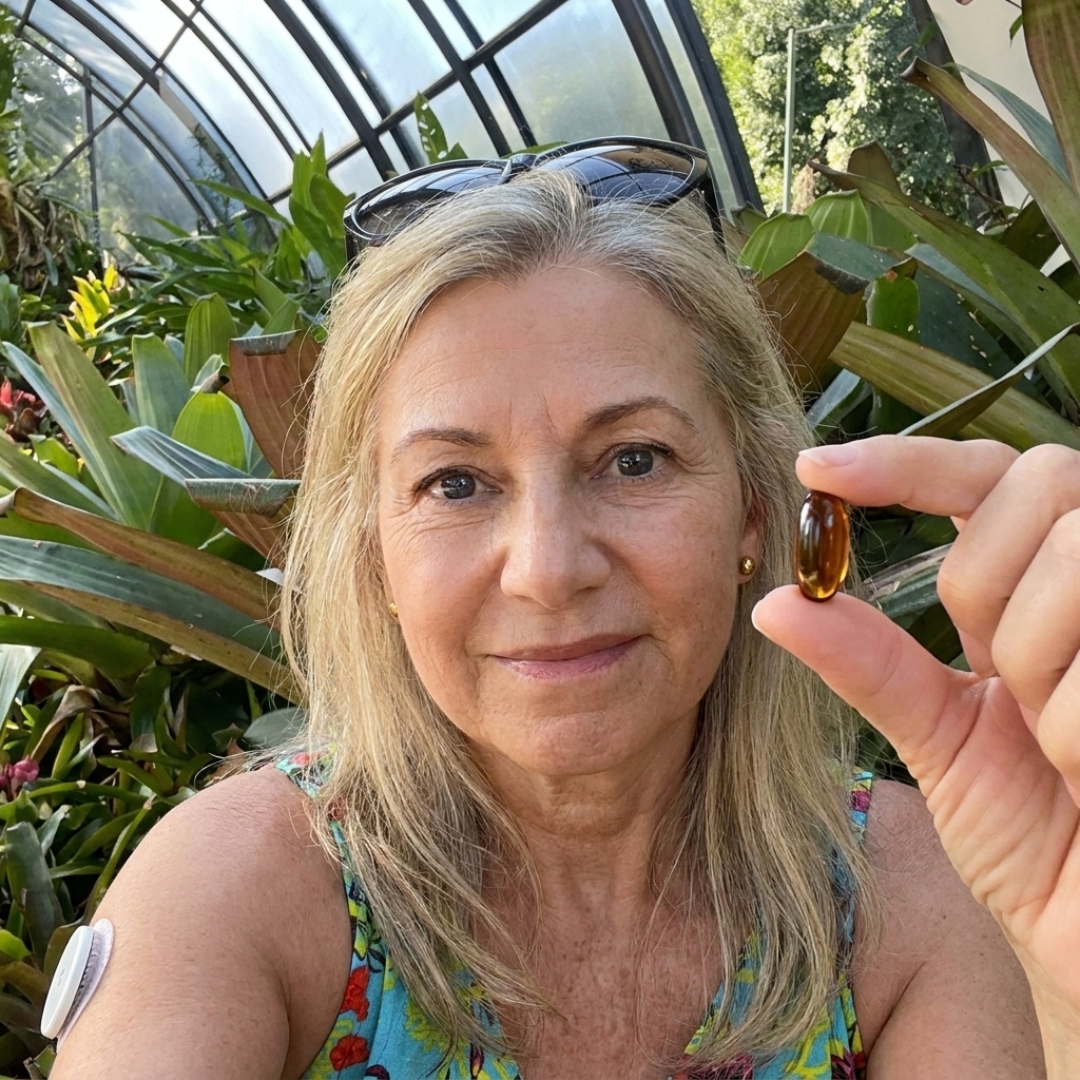
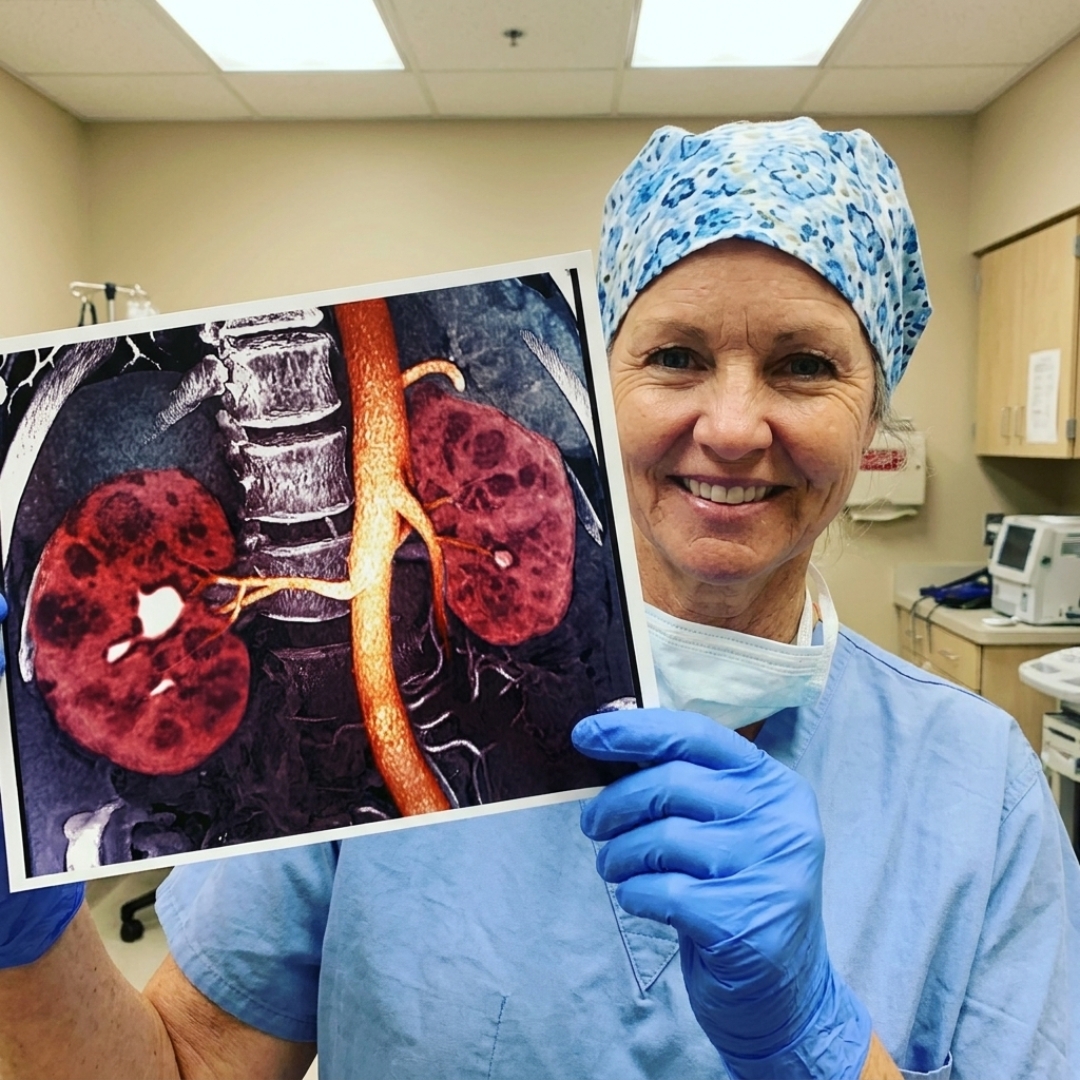
I'm a nurse with Diabetes Type 2. I tried everything. Here's what actually worked. I'm Sandra. I've been an ICU nurse for 38 years. I've held the hands of dying diabetics. I've watched metformin destroy quality of life for decades. I've seen the trajectory. And I've seen something else—the thing nobody talks about. I've watched metabolic disease destroy the kidneys silently. High blood sugar isn't just a blood sugar problem. It's chronic inflammation and oxidative stress damaging the small blood vessels in your kidneys year after year. So when my fasting glucose hit 187 and my A1C climbed to 7.2, I knew exactly what my doctor would say before she said it. "We need to start you on metformin." I smiled. Nodded. Took the prescription. And threw it away three days later. Not because I'm reckless. Not because I'm in denial. But because I've seen what metformin does to people who take it. The nausea. The digestive devastation. The constant bathroom trips. The brain fog that never lifts. And I've seen what it doesn't do—it doesn't address the cellular damage that caused the diabetes in the first place. Both paths—untreated diabetes and metformin—lead to declining kidney function. I was trying to find a third option. For three years, I tried everything else. Apple cider vinegar before meals. Cinnamon in my coffee. Berberine twice daily. I cut carbs so aggressively I was eating 40 grams a day. I walked 10,000 steps. I did resistance training three times a week. My fasting glucose dropped from 187 to 170. My A1C went from 7.2 to 6.8. Better. But not good enough. Not even close. And the cost? I was exhausted. Irritable. Craving carbs constantly. My brain felt wrapped in cotton by 2 PM every single day. I'd wake up at 3 AM to pee, check my glucose out of habit—still 160—and lie there until 4:30 AM unable to fall back asleep. I was doing everything right and still losing. My husband found me crying in the bathroom one night at 11 PM, staring at my glucose meter. 192. After a dinner of grilled chicken and broccoli. "Just take the damn metformin," he said. "I can't," I whispered. "I've seen what it does." But I was running out of options. Then something happened that changed everything. I was discharging a patient—type 2 diabetic, 61 years old, admitted three months earlier with foot swelling and declining kidney function. His creatinine was 1.3. He was heading toward stage 3 kidney disease. Standard progression for someone whose blood sugar had been out of control for years. But this time, something was different. He looked... lighter. Not just physically. His whole energy was different. His skin had that glow people get when their inflammation drops. He was cracking jokes with the physical therapist. I pulled up his chart. His fasting glucose that morning: 94. Three months ago at admission: 178. His creatinine: 1.1. Down from 1.3. I walked back into his room. "Mr. Patterson. Your blood sugar. Your kidneys. What changed?" He grinned. "You're not going to believe me." "Try me." "I stopped taking metformin." My stomach dropped. "You stopped your medication?" "Three months ago. Started taking this Ceylon cinnamon supplement my daughter found. Metabolae. Took about two weeks and my blood sugar just... dropped. My energy came back. And here's the thing—my kidney numbers improved. After a month I felt better than I had in ten years. Talked to my doctor, she ran labs, said whatever I was doing was working. Weaned me off the metformin." I stared at him. "You're telling me a cinnamon supplement dropped your fasting glucose by 84 points and improved your kidney function?" "I'm telling you I sleep through the night now. My brain works again. I'm not chained to a toilet. And my doctor is thrilled with my numbers. Both of them." I went home that night and couldn't sleep. Not because of my blood sugar. Because of what he'd said. I've been a nurse for 38 years. I don't believe in magic pills. I don't trust testimonials. I trust mechanisms and evidence. So at 2:47 AM, still awake, I started researching. Ceylon cinnamon. The true cinnamon—Cinnamomum verum—grown in Sri Lanka. Not the cheap Cassia variety that fills most supplement shelves. The real thing, used in medicine for centuries and now being studied in clinical trials for metabolic disease. The first study I found was from Japan. Type 2 diabetics given clinical-dose Ceylon cinnamon extract showed significant improvements in insulin sensitivity and fasting glucose after 12 weeks. The second study was from India. Patients with metabolic syndrome showed reduced oxidative stress markers and improved blood sugar metabolism. The third was from Italy. Ceylon cinnamon's active compound—cinnamaldehyde—reduced inflammatory cytokines and protected pancreatic beta cells from oxidative damage. But then I found something that made me sit up in bed. A study from Germany on diabetic nephropathy—kidney damage caused by high blood sugar. They gave type 2 diabetics with declining kidney function a concentrated Ceylon cinnamon extract. After 12 weeks, their proteinuria—the protein leaking through damaged kidneys—dropped by 38%. Their creatinine improved. The kidney damage was slowing. In some cases, reversing. The mechanism made sense. Type 2 diabetes isn't just high blood sugar. It's chronic inflammation and oxidative stress damaging your cells' ability to respond to insulin. And that same oxidative stress is destroying the small blood vessels in your kidneys. Metformin forces your liver to produce less glucose. It's a chemical override. It works for blood sugar, but it doesn't address the cellular damage causing the insulin resistance in the first place. And it doesn't reverse kidney damage. Ceylon cinnamon works differently. Cinnamaldehyde—its primary active compound—activates the same metabolic pathways that exercise activates. It moves glucose into cells without relying on insulin. It shuts down the NLRP3 inflammasome—the master switch behind chronic metabolic inflammation. It reduces the oxidative stress that's blocking your insulin receptors and damaging your blood vessels. It's not forcing anything. It's removing the interference. And that matters for the kidneys too. Diabetic kidney damage isn't random. It's glucose-driven oxidative stress destroying the small blood vessels in your kidneys year after year. Reduce the blood sugar. Reduce the inflammation. Reduce the oxidative stress damaging your glomeruli. Give the kidneys a chance to recover. I ordered a bottle that morning. Generic cinnamon capsules from Amazon. $14.99. Took two with breakfast on a Monday. Didn't expect anything. That afternoon at work, something was different. My usual 2 PM crash—the one where my brain shuts off and I need to find coffee or I'll fall asleep standing up—didn't happen. I was just... steady. Clear. Functional. I figured it was placebo effect. That night, I went to bed at 10:30 PM. I woke up at 6:45 AM. I hadn't woken up once. Not to pee. Not with restless legs. Not with my mind racing about tomorrow's shift. I slept through the night for the first time in 14 months. I tested my fasting glucose. 142. 45 points lower than my usual 187. I tested again. Same number. I called my husband into the bathroom. "Look at this." "That's... good, right?" "That's the lowest fasting glucose I've had in two years." Day three: 134. Day five: My brain fog was lifting. I could focus during rounds. I could remember patient details without checking my notes three times. Day seven: I was sleeping through every night. My fasting glucose was consistently between 110 and 120. Week two: 98. I checked it three times because I didn't believe it. I hadn't seen a fasting glucose below 100 in over two years. The afternoon crashes were gone. The constant thirst was gone. The 3 AM bathroom trips were gone. I felt like myself again. But then I realized something. I hadn't just improved my blood sugar. I needed to check my kidney function. Three months later, I walked into my doctor's office for my quarterly checkup with a printout of my glucose log and my most recent lab work. She stared at it for a long time. "Your fasting glucose is consistently in the 90s." "Yes." "Your A1C is 5.8. Down from 7.2." "Yes." "Your creatinine is 1.1. It was 1.4 three months ago." I nodded. She looked up at me. "What did you do?" "I didn't take the metformin." Her face hardened. "Sandra—" "I took Ceylon cinnamon. Concentrated extract, 7,200mg equivalent, suspended in MCT oil. There are studies. I brought them." I handed her a folder with eight published papers. She flipped through them. Read for five minutes. Closed the folder. "Kidney function doesn't improve. Once you hit stage 2, the goal is to slow the decline. Not reverse it. But you reversed it." "I know." She sat back in her chair. "Your blood vessels are healing. The inflammation markers are down. Your insulin sensitivity is normal again. And your kidneys are recovering function." "I know." "Keep doing whatever you're doing." That was seven months ago. My fasting glucose is consistently between 90 and 100. My A1C is 5.6. My kidney function is stable in the normal range. My creatinine stays at 1.1. The decline stopped. Then reversed. I sleep through every single night. The afternoon crashes are gone. The brain fog is gone. My irritability—the thing my husband had learned to just tolerate—is gone. I feel like I did ten years ago. I've recommended Ceylon cinnamon to six patients now. All six have come back and told me the same thing: better sleep, usually within the first week. Stable energy throughout the day. Lower fasting glucose within the first month. Improved mental clarity. One patient cried when she told me she'd slept through the night for the first time in two years. She'd been waking up 3-4 times to pee. Another patient's A1C dropped from 7.4 to 6.1 in three months. Her doctor told her to keep taking whatever she was taking. A third patient—this one with early stage 2 kidney disease—came back six weeks later and said his creatinine had stabilized. After years of watching it climb, it finally stopped. But here's what I need you to understand. I tried cheap cinnamon first. Generic capsules from Amazon. After two weeks my blood sugar had dropped maybe 10 points. Better than nothing, but not life-changing. Most cinnamon supplements fail for the same reasons: They're not real Ceylon. What's sold as "cinnamon" in most supplements—and most grocery stores—is Cassia, a completely different species grown in China. Cassia contains up to 250 times more coumarin, a compound linked to liver damage with daily use. Your body processes it differently. The clinical benefits found in studies were for true Ceylon cinnamon—Cinnamomum verum—not Cassia. Most brands won't even tell you which one they're using. They're underdosed. Clinical studies showing meaningful blood sugar and kidney function benefits used concentrated Ceylon extract equivalent to 6,000–7,200mg of whole cinnamon daily. Most capsules contain 500–1,500mg of powder. A fraction of what actually moves the numbers. They use the wrong delivery format. Cinnamon's active compounds—cinnamaldehyde and the polyphenols—are fat-soluble. They need fat to absorb properly. Dry powder capsules have poor bioavailability. The right carrier is MCT oil from coconuts, which increases absorption dramatically and adds its own independent blood sugar benefits. MCT oil also crosses the blood-brain barrier, which is why people report the brain fog lifting so quickly. They're not tested. Most supplements aren't third-party tested. You have no idea if you're getting real Ceylon or mislabeled Cassia. No way to verify the dose. No certificate of analysis. The Ceylon cinnamon that actually worked for me—the one Mr. Patterson told me about, the one I switched to after the generic barely moved the needle—is Metabolae. It's true Ceylon cinnamon. Cinnamomum verum, sourced from Sri Lanka. DNA-verified, not just labeled. It's dosed at 7,200mg equivalent per softgel. A 12:1 concentrated extract. The amount that corresponds to clinical benefit—not a token dose buried in a capsule. It's suspended in MCT oil from coconuts. The bioavailability is dramatically higher than dry cinnamon powder. And MCT oil independently improves insulin sensitivity through its own pathway while crossing the blood-brain barrier, which is why the brain fog clears so fast. It's third-party tested. GMP-certified. Every batch verified for purity, potency, and—critically—coumarin levels. Confirmed safe for daily long-term use in a way Cassia never could be. It's not cheap. But after trying the cheap version and watching it barely work, I understand why. You're either getting real Ceylon cinnamon at a clinical dose with proper absorption, or you're taking ground Cassia from China that could stress your liver and won't move your numbers. The difference between the generic I tried first and Metabolae was the difference between my fasting glucose dropping 10 points and dropping 87 points. Between my kidney function staying stagnant and actually reversing. Same ingredient category. Completely different product. Completely different results. I'm not anti-medication. If metformin is working for you and you're not suffering, keep taking it. But if you're like me—if the side effects are intolerable, if your numbers aren't improving, if your kidneys are starting to decline and you're watching the trajectory toward dialysis, if you're desperate for something that actually works without destroying your quality of life—this is worth trying. My patient told me about it. I tried it. It worked. I told six patients. It worked for all six. That's not a coincidence. That's a pattern. I'm sharing this because I hope it can help someone else the way it helped me. I just ordered three more bottles last week because they run promotions periodically and I'm not going back to waking up at 3 AM or watching my kidney function decline. P.S. A few things I wish I'd known before ordering: 1. They offer a 120-day money-back guarantee. No questions asked. If your fasting glucose doesn't drop, if your sleep doesn't improve, if you see no difference, if your kidney markers don't stabilize, you pay nothing. 2. Take one softgel daily with breakfast. Each softgel delivers 7,200mg equivalent of concentrated Ceylon extract in MCT oil. Don't substitute with generic cinnamon capsules—the dose and absorption are not comparable. 3. Timeline: Most people notice better sleep within 3-7 days. Energy improvement shows up around week two. Blood sugar drops start showing up between weeks 2-4. Kidney function stabilization and improvement—the creatinine improvement, the proteinuria reduction—takes 8-12 weeks, sometimes longer depending on the baseline. 4. They sell out. It's a small company. They're getting more popular. If you click the link and see "Out of Stock," sign up for the notification. If it's in stock, I'd order now before it's gone. 5. There's a promotion running right now. I got three bottles at a significant discount. If you're going to try it, now's the time. If you're dealing with: High blood sugar that won't come down no matter what you try Waking up multiple times every night to pee Afternoon crashes that make you useless by 2 PM Brain fog that makes you forget simple things Constant thirst and that "foggy" feeling Rising creatinine or declining kidney function Fear that your kidneys or eyes or nerves are next The thought of dialysis or kidney transplant hanging over your head And especially if metformin is making your life miserable, or you're refusing to take it because of the side effects like I did... Try this. Give it 90 days. See what happens to your fasting blood sugar. See what happens to your sleep. See what happens to your energy and your mental clarity. See what happens to your kidney markers—your creatinine, your eGFR, your kidney function. If it doesn't work, you get your money back. But if it works like it did for me, for Mr. Patterson, for the six patients I've recommended it to... You'll wonder why you didn't try it sooner. I went from stage 2 kidney disease back to normal function. From a fasting glucose of 187 to 96. From creatinine 1.4 to 1.1. From waking up 2-3 times every night to sleeping through. From brain fog and irritability to clarity and calm. If there's even a chance this could work for you, it's worth trying. ~ Sandra K., RN, ICU, 38 years P.P.S. My patient who originally told me about this had to try three different brands before he found Metabolae. He wasted money on cheap capsules that barely moved his numbers. Most weren't even real Ceylon—they were Cassia, a different species with up to 250 times more coumarin, linked to liver damage. And even the real Ceylon ones came in dry powder form that barely absorbs without a fat carrier. Wrong species, wrong format, wrong results. Don't make the same mistake. If you're going to try Ceylon cinnamon, get the version that actually works: true Ceylon source, 7,200mg clinical dose, MCT oil suspension, third-party tested, DNA-verified for species. That's Metabolae. That's the only one worth taking.
Like this ad? Make it yours.
Crush rebuilds this exact creative around your product — your brand, your colors, your offer — in about a minute.