
Inactive· since Aug 5, 2026
- 11
- days it ran
- 0
- relaunches
- 160
- EU reach
Ad copy
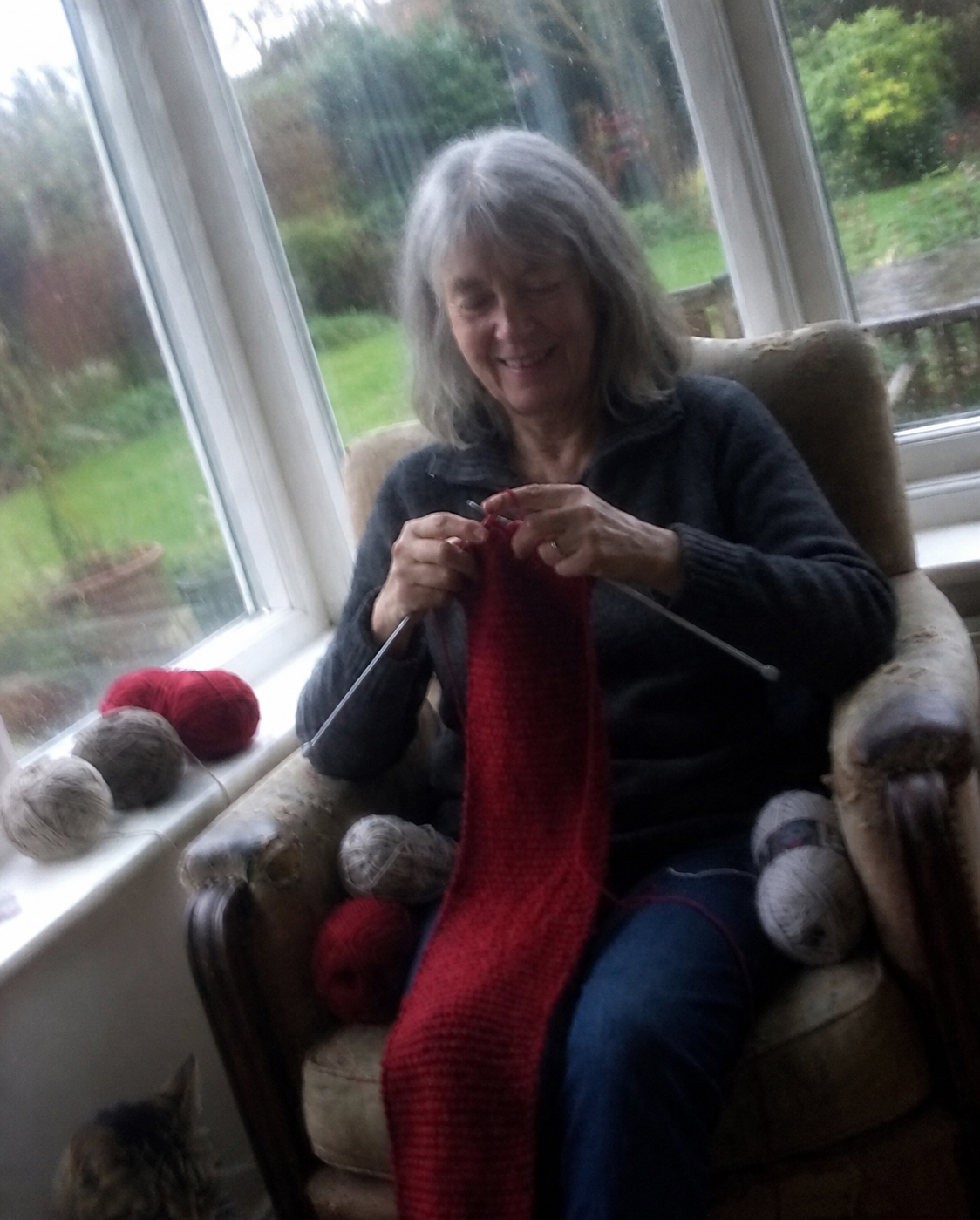
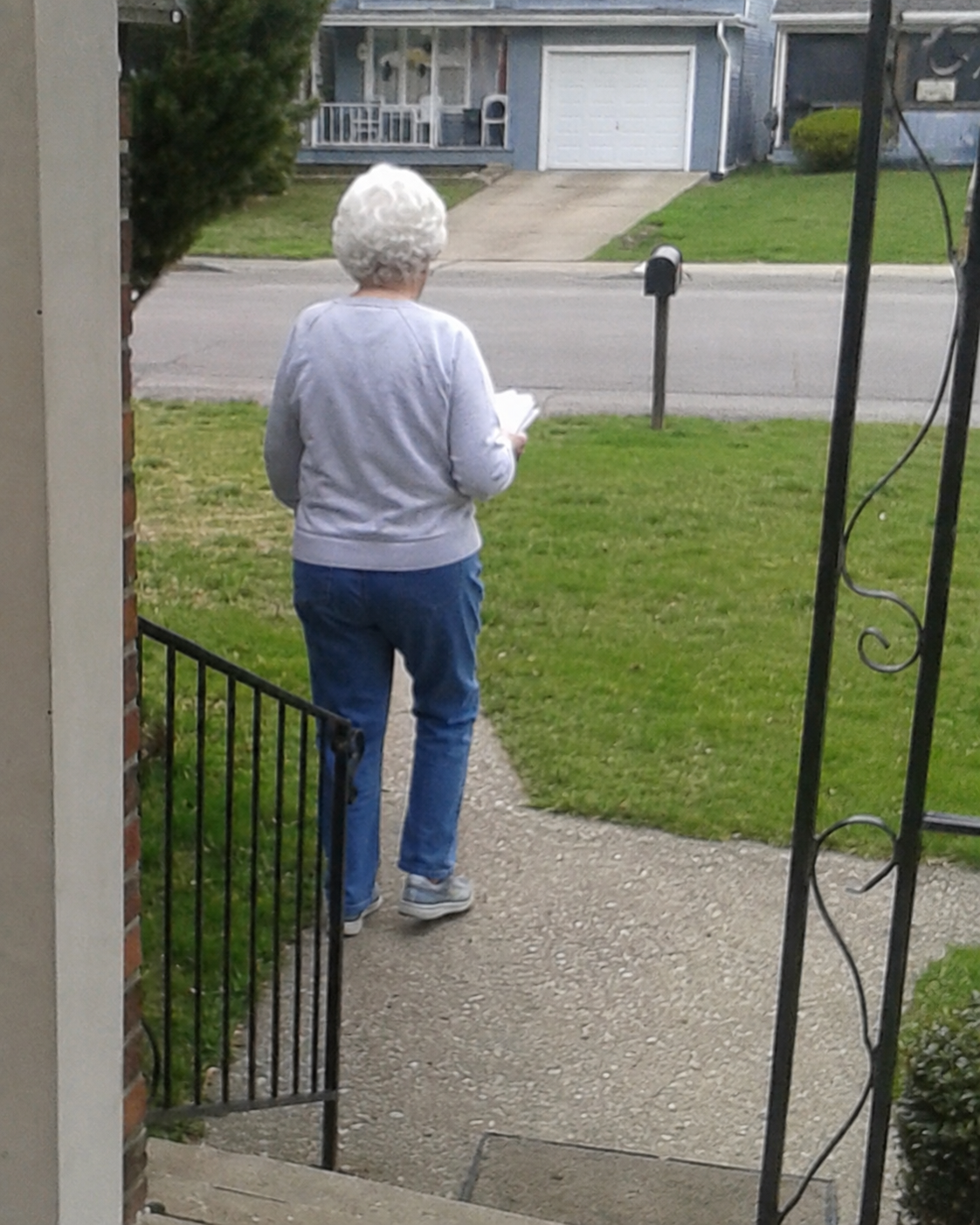
I found a box of my mother's birthday cards in a drawer. Stamped, addressed, never mailed. There were eleven of them. My aunt's. Two of my cousins'. Her old friend Pearl from the choir. A great-grandbaby she'd never met. All of them written out in her good handwriting, the loopy careful kind she used for cards. All of them sealed. All of them stamped. None of them sent. I sat on the floor of her bedroom holding eleven envelopes and I finally understood that something was wrong with my mother that the doctor wasn't seeing. My mother's name is Faye. She's seventy-four. If you knew her in the years I'm talking about, you'd have called her the most on top of it woman in three counties. She remembered every birthday. Every anniversary. The day your dog died, ten years running, she'd call to check on you. She kept a little book of dates. She sent the cards a week early so they'd never be late. That was a point of pride for her — never late. And then, over about two years, she got quiet. Not sick-quiet. Just... smaller. She stopped driving to the things she used to drive to. Stopped hosting the Sunday dinners that used to fill her whole house. The little date-book sat closed on the counter. I told myself she was just slowing down. She's in her seventies. Her blood pressure had been high for years and her doctor had her on something for it. "It's managed," they kept saying. "Her numbers are right where we want them." So I filed it under aging and I went back to my own life, the way you do, the way I'll regret a little for the rest of mine. The birthday cards were what broke it open. I'd come over to help her sort a drawer she said was sticking. And there they were. Stamped. Addressed. Never mailed. She came in and saw me holding them and got embarrassed in a way that hurt to watch. "Oh," she said. "I kept meaning to walk those down to the box. The walk just — some days the walk to the mailbox feels like a lot, Beth." The walk to the mailbox. It's two hundred feet of flat driveway. This was a woman who used to garden from dawn until the mosquitoes ran her inside. Who walked the whole length of the county fair every August. Who could not sit still. The walk to the mailbox feels like a lot. I went home that night and cried in my car in my own driveway before I could go inside. I started paying attention after that. Really paying attention, the way I hadn't let myself. She'd given up the garden — the beds out front had gone to nothing. She sat in the afternoons instead of doing. She'd get up from her chair and stand still for a second with her hand on the armrest, gathering herself, before she'd take a step. I took her to her next appointment myself so I could be in the room. Dr. Sloane was kind and thorough. Went through everything. Looked at her chart and her readings and said, "Faye, honestly, your blood pressure's well managed. We've got you in a good place. Keep doing what you're doing." A good place. I sat in that little chair by the door and thought: then why won't my mother mail a birthday card? The numbers on the chart were fine. The woman in the paper gown was disappearing. And there was no line on the chart for the woman. It was Estelle who changed things. My mother's next-door neighbor of thirty years. I was loading Mom's recycling into my trunk and Estelle came out to her own bins and we got to talking over the low fence the way neighbors do. She asked how Faye was doing, and I must have let something show on my face, because she put her clippers down and really looked at me. "She's faded, hasn't she," Estelle said. Not a question. I didn't even answer. I just nodded and looked at the driveway. "My Hollis did the same thing," she said. "Same exact thing." Hollis is Estelle's husband. I've known him my whole life — big, slow-talking man, used to wave from the porch. "For a couple of years there I was watching him go quiet," Estelle said. "Heart and circulation, the doctor said, all of it managed, all the numbers fine. But he stopped going out to the porch. Stopped walking down to get the paper. He'd sit. You'd say his name and it'd take him a second to come back to you. And every doctor visit it was the same thing — 'everything looks good, keep doing what you're doing.'" She wiped her hands on her gardening apron. "I about lost my mind over 'everything looks good.' Because everything did not look good. It just looked good on paper." So Estelle had started reading. Carefully, she said — she was wary of the internet, wary of miracle promises. She wasn't looking to replace anything Hollis's doctor had him on. She was looking for something to add. Something with real research behind it that might support the part of him the readings didn't capture. "What I kept coming back to was circulation," she said. "The underneath part. Supporting healthy circulation, the body's natural antioxidant balance — the stuff that quietly slows down as we get older and that nobody's really measuring at the appointment." What she'd landed on, after a lot of reading, was beetroot. She was almost sheepish about how plain it was. One of the more researched ingredients in the whole cardiovascular wellness category, she said. Studied for decades. The active part is a group of compounds called betalains — the deep red pigment that stains the cutting board when you slice a beet. "They're one of the more potent antioxidants in the food supply," she said. "They support healthy circulation. They support the body's natural antioxidant balance. They support healthy blood pressure that's already in the normal range. It's not a replacement for what the doctor's doing. It's support for the layer that wasn't getting any." She'd checked with the pharmacist before she ever gave Hollis the first capsule — made sure there was nothing in his routine it would interfere with. The pharmacist said it was a sensible thing to add. So she added it. Changed nothing else. "About two weeks in," she said, "he walked down and got the paper himself. Didn't make a thing of it. Just came back in with it under his arm like he always used to. I stood at the sink and I had to put the dish down." She looked over at my mother's house. "I'm not a doctor and I'd never tell you it'll do for Faye what it did for my Hollis. People are different. But I keep a spare bottle in my pantry now. For exactly this kind of conversation." She went inside and came back and set it on the fence post between us. "Take Faye to her doctor and ask first. Same as I did with ours. But if they say it's fine to add — try it. Worst you're out is a few weeks and a little money. Best case, a little of your mother comes back." I took the bottle home. I called Dr. Sloane's office first. I told the nurse exactly what it was and asked whether it was alright to add to everything my mother was already taking for her blood pressure. The nurse checked and came back and said it was a sensible thing to add and to mention it at the next visit. Then I told my mother. She was suspicious at first — she's nobody's fool. But I told her about Estelle, about Hollis getting the paper himself, about the pharmacist, about the nurse saying it was fine. I told her it wasn't instead of her medication. It was just one more thing, in the morning, with her coffee. "Estelle's Hollis," she said. "He really got better?" "He waves from the porch again, Mom." She thought about it for a day. Then she said, "Alright. One thing in the morning. I'm not giving up my pills." "Nobody's asking you to." Two capsules. A tall glass of water. Right next to her coffee mug. That was the whole thing. I want to be honest about this part, because I don't trust anything that promises too much. I don't know exactly what did what. I can only tell you what I watched. About a week and a half in, I came over and the front curtains were open. She'd opened them. Small thing. Two years of dim rooms and the curtains were open. A couple of weeks after that, I caught her out front in her gardening gloves, just clearing one bed. She got tired and came in. But she'd gone out. A month in, she walked down and got her own mail. I know because she called me afterward, a little breathless, a little proud, and said, "I mailed those cards, by the way. All of them. They're late, but I put a little note in each one that said 'better late than never, love Faye.'" Six weeks in, she had us all over for Sunday dinner. The whole loud crowd of us, in her house, the way it used to be. She was tired by the end and went to bed before the dishes were done. But she did it. She hosted. I'm not telling you my mother is forty. She's seventy-four and she still naps and she still has high blood pressure that her doctor manages, same as before. But the woman who kept the little book of dates — she's been turning back up. In pieces. In small returns. Mom had her follow-up with Dr. Sloane a few months in. Dr. Sloane went through everything, looked up, and said, "Faye, your blood pressure's still right where we want it, and frankly you seem like a different person than the last time I saw you. Whatever you're doing, keep doing it." My mother told her about the beetroot. Told her she hadn't changed anything else — same medication, same dose. Dr. Sloane nodded and made a note. "That's a sensible thing to add. There's good research on antioxidant support and circulation. Keep doing what's working and we'll check in again down the road." In the parking lot afterward my mother took my hand, which she hadn't done since I was a girl, and said, "Beth. I feel like myself again. I didn't think I'd say that again." I had to dig my sunglasses out of my purse so the whole lot wouldn't see me lose it. I'm telling you all this because I think there's a fair chance you're where I was a year ago. Watching a parent get smaller every season. Watching them give up the things that used to be the whole point of them. Hearing the doctor say the numbers are fine while the person attached to the numbers quietly slips away from you. If something in you has been saying this is more than just age — that the tiredness is too deep, the spark too far gone, the walk to the mailbox too big a thing — I'd listen to that. The doctor's been reading the chart. You've been watching your mother. You might be closer to the truth than the chart is. I went looking for one thing my mother could add. Something with real research behind it. Something that might support the layer the readings don't capture — healthy circulation, the body's natural antioxidant balance, the underneath part that quietly slows with age. What I found was beetroot. The brand I added to my mother's morning is Rosabella. 1,300 milligrams of organic beetroot per serving, cold-pressed at low temperatures so the betalains stay intact. Two capsules with a glass of water in the morning. Added to everything her doctor already had her on — not in place of any of it. Talk to your doctor or pharmacist before adding any new supplement to someone's existing care, especially if they're on medication for blood pressure. That one phone call is what made me comfortable starting. It's what I'd tell anyone to do first. It's what Estelle told me over the fence, and she's the reason I'm writing this at all. That's the whole story. A neighbor set a bottle on a fence post and told me about her husband getting the paper himself. And a few months later my mother mailed eleven birthday cards, two years late, and hosted Sunday dinner in her own house again. P.S. If you're the daughter reading this and your mother has been fading for years even though everyone keeps telling you her numbers are fine — you're not imagining it, and you're not overreacting. You've been watching something real. I needed a box of unmailed birthday cards and a neighbor with a spare bottle to make me stop calling it "just aging." I'm telling you now so you don't have to wait for your own box in a drawer. P.P.S. My mother and Estelle have a standing coffee on Tuesdays now. Last week Hollis walked over with her — across two yards, on his own — and the three of them sat on my mother's porch arguing about whose hydrangeas were doing better. Hollis has been steadier than he's been in years; his last checkup went well. My mother's already planning her fall bulbs. She told me she's going to "do the front beds properly this time." P.P.P.S. Here's what I'd tell you to do: check with the doctor or pharmacist first, to make sure it's a sensible addition to whatever's already in place — this matters most when there's blood-pressure medication involved. Then open a bottle. Two capsules with a tall glass of water in the morning. Don't change anything else. Just add this. Give it a couple of weeks before you decide anything. Some people notice something shift in the first week or two — a little more energy, a steadier morning. Others take longer. Bodies are different. Be patient. P.P.P.P.S. Rosabella has a 90-day money-back guarantee. If you're not satisfied for any reason, every penny back. No questions asked. That's a sensible policy for a supplement — it gives you time to actually see whether it helps. P.P.P.P.P.S. Rosabella is a small operation. They harvest and bottle on their own schedule, so I keep an extra bottle at my mother's house just in case — the way Estelle keeps one in her pantry. Estelle taught me something I hadn't let myself know: that the fading starts earlier than we think, and the time to support what's still working is before more of it slips away. Individual experiences vary. These statements have not been evaluated by the FDA. This product is not intended to diagnose, treat, cure, or prevent any disease.
Support stamina and heart health everyday
LEARN MORELike this ad? Make it yours.
Crush rebuilds this exact creative around your product — your brand, your colors, your offer — in about a minute.