
Inactive· since Jun 17, 2026
- 63
- days it ran
- 0
- relaunches
Ad copy
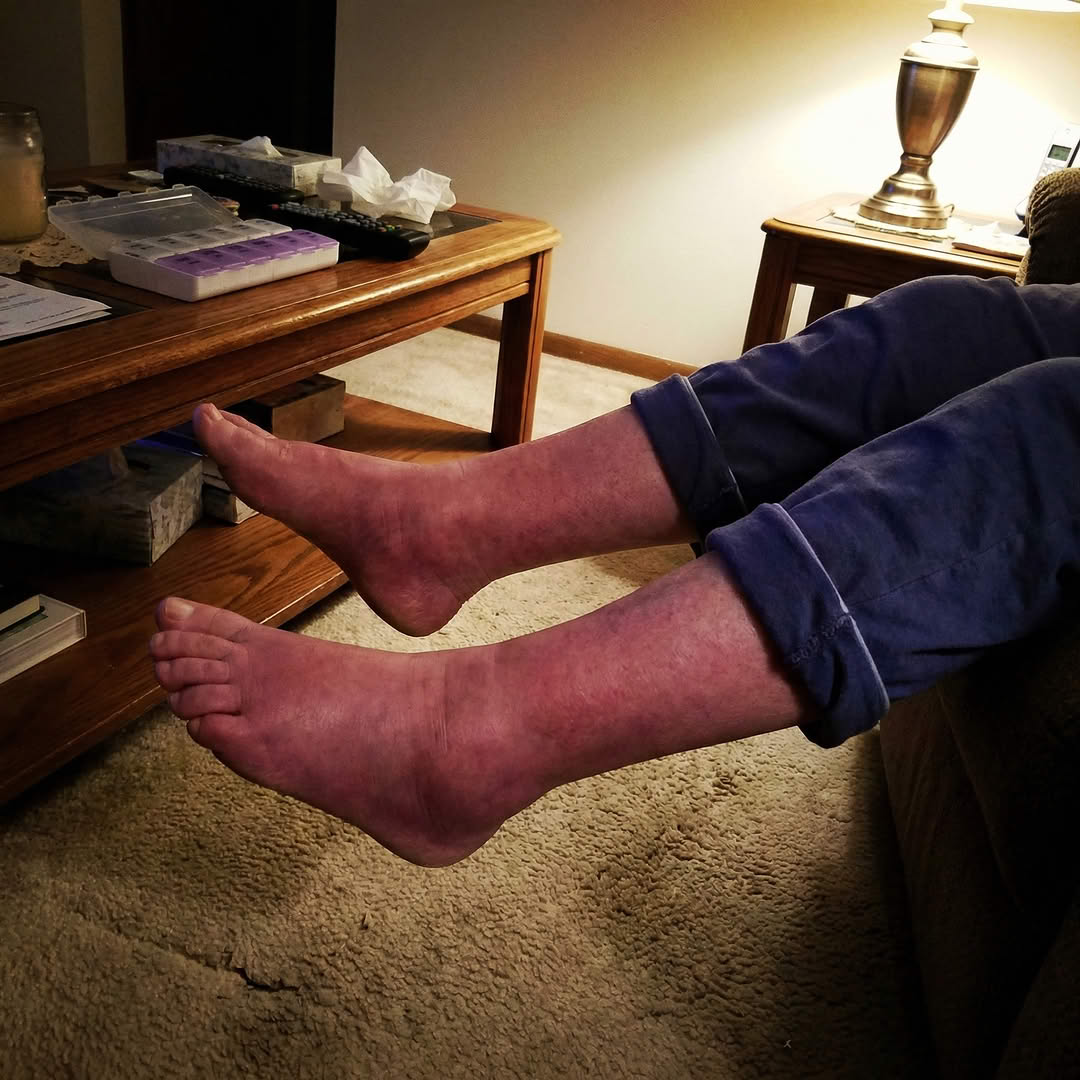
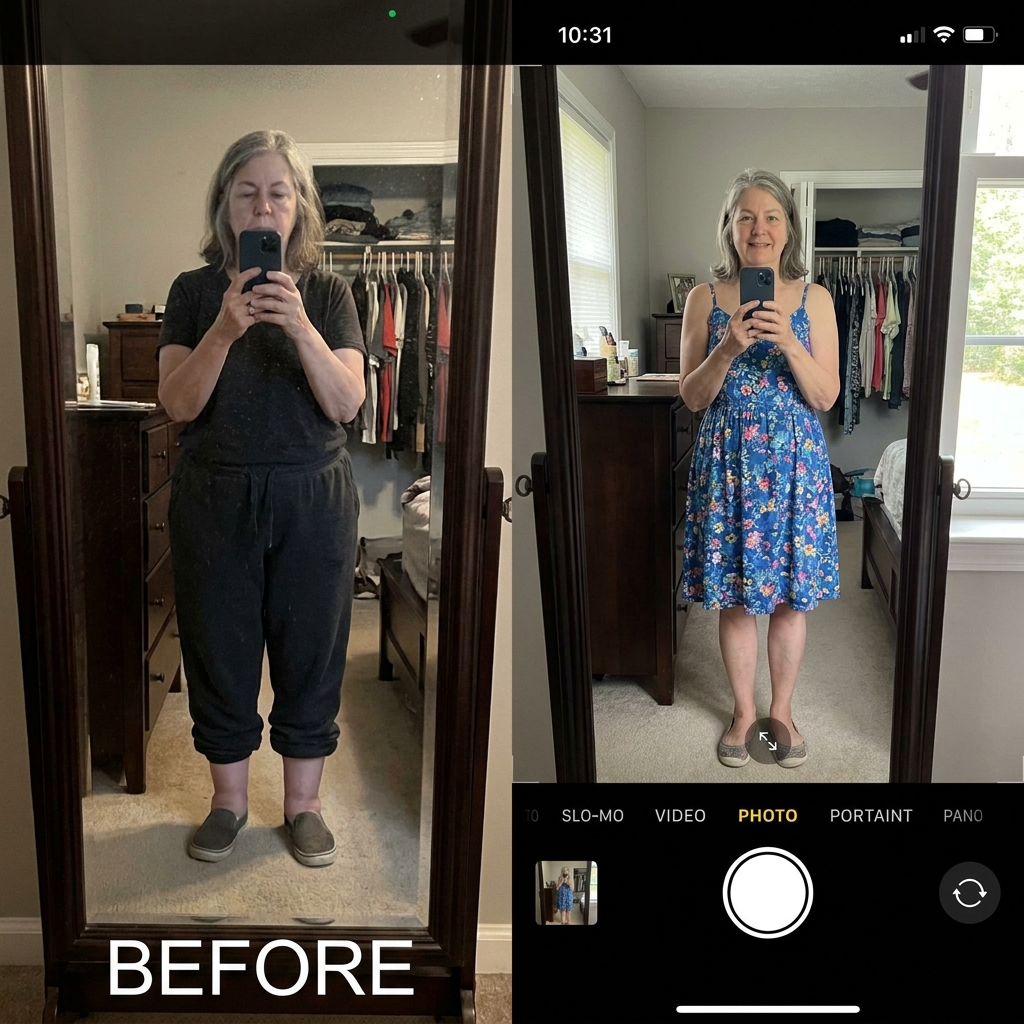
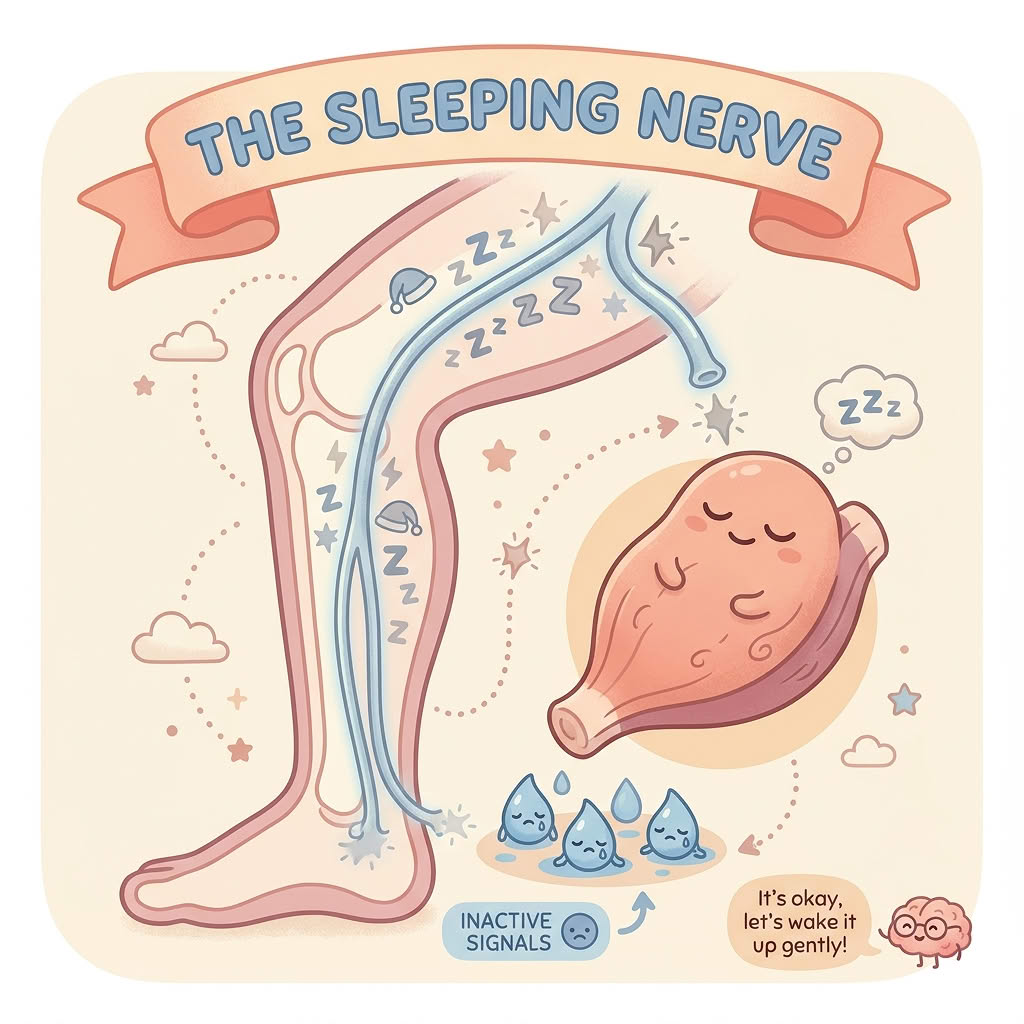
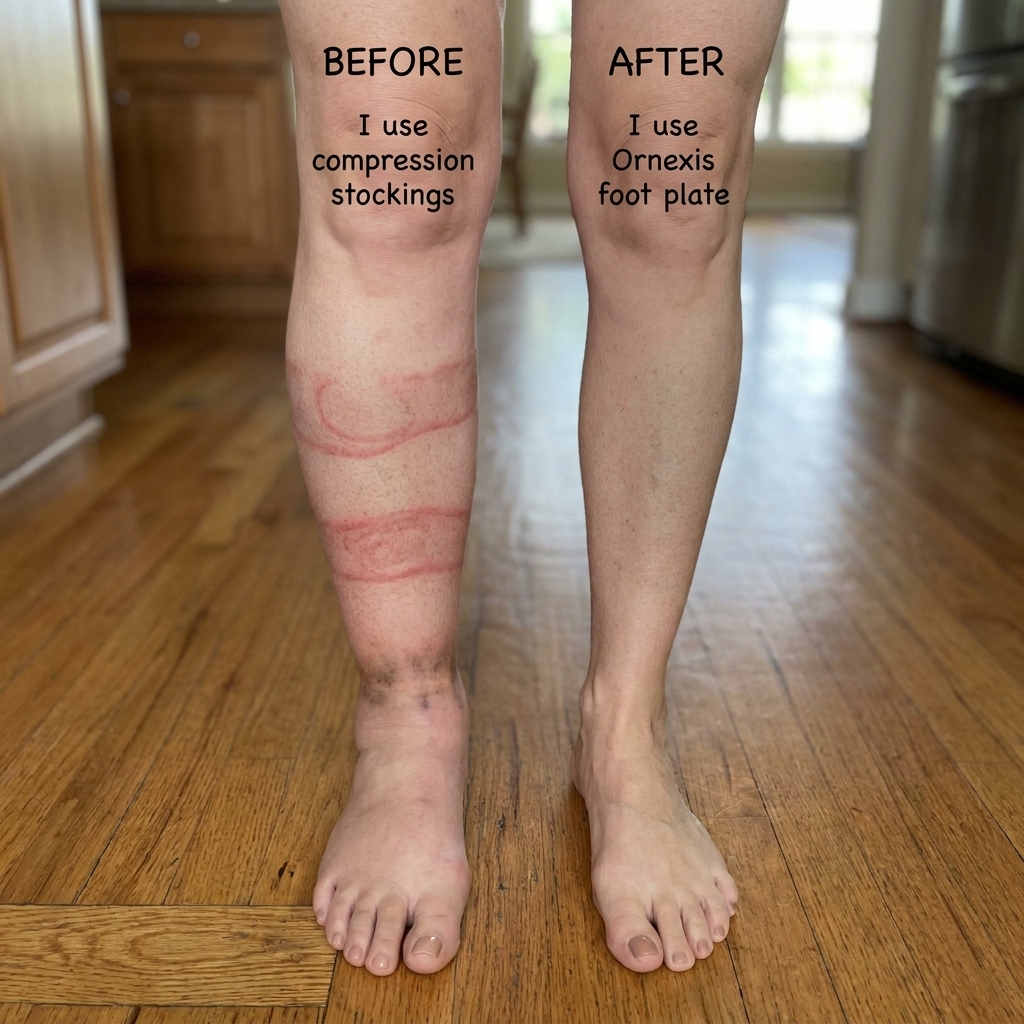
I'm a German vascular surgeon who moved to America two years ago. Within three months, I saw something that made me question everything I thought I knew about American medicine. Not the technology. Not the hospitals. The one test they never run on women with "managed" chronic edema. My name is Dr. Stefan Vogt. I've been a vascular surgeon for 22 years. The first 20, I practiced in Munich. I moved to the United States when my wife's university transferred her position to Chicago. I joined a vascular practice here. Good clinic. Good specialists. And in my first three months, I started seeing a pattern that kept me up at night. Women in their 60s and 70s coming in for routine follow-ups. Ankle measurements perfectly managed. Compression protocols textbook-compliant. Every one of them on Lasix — Furosemide, Bumetanide — some for 10 years. Some for 15. One woman for 19. Every one of them said some version of the same thing. "My specialist says my measurements look great." Great measurements. I'd look at these women and see something their measurements didn't show. The 64-year-old whose husband drove her to every appointment because she couldn't make it from the parking lot to the front door without sitting on the curb. Right ankle of 24 cm. "Managed." The 71-year-old retired teacher who used to walk her neighborhood every morning and now couldn't make it to her own mailbox without resting on the porch step. Right ankle of 25 cm. "Stable." The 66-year-old who lay awake every night at 4 AM with both calves seizing. Not because she was anxious. Because the cramping woke her every single morning. Right ankle of 23 cm. "Right where we want it." In Germany, I would have caught what was happening to these women on their first visit. Because in Germany, we stopped measuring just ankle circumference fifteen years ago. We measure calf pump function. That's the test. The one American vascular medicine doesn't run. And the reason it matters is the difference between a number on a chart and what's actually happening inside your wife's calves. Surface fluid is not inherently dangerous. Your body manufactures interstitial fluid on purpose. It transports nutrients to your tissues. Your lower legs — which drain roughly 70% of their venous return upward against gravity — depend on movement to push it back. Your lymphatic system requires it. Your tissues need the exchange. Fluid is not the enemy. Dormancy is the enemy. Your body's calf pump fires every time the gastrocnemius and soleus muscles contract — from walking, from standing, from the simple act of flexing your foot. The most destructive thing that can happen to these muscles is silence. When years of compression stockings do the squeezing for them, the motor nerves that fire the calf pump go dormant. Its function changes. The pump deconditions. And a dormant calf pump is an entirely different system. It doesn't drain fluid back to your heart. It lets fluid pool in your ankles. Triggers an inflammatory cascade. Your immune system tags the trapped fluid as compromised tissue and sends inflammatory cells to attack it. Those cells gorge on the pooled interstitial fluid until they become foam cells — bloated, trapped inside the lower leg tissue. That is the beginning of hemosiderin staining. That is how chronic wounds and cellulitis happen. Not from fluid. From dormancy-driven pooling. In Munich, this was standard teaching by 2010. Every vascular surgeon I trained with understood it. We tested for calf pump function as routinely as American doctors test for ankle circumference. It was part of the workup. Part of the conversation with the patient. In America, in two years of practice, I have not seen a single vascular workup that includes calf pump function testing. Not one. Which means a patient can have "perfect" measurements — numbers that make her specialist smile and say "great job, keep taking your Lasix" — while her calf muscles are quietly going more dormant from atrophy that nobody is measuring. I've seen this pattern now in over three hundred American patients in my practice. Managed measurements. Advancing dormancy. Nobody connecting the two. Because the one test that would connect them is the one test nobody orders. I want to be honest about Lasix and everything else your wife has probably tried. Because most of my American patients had been on Lasix for years. And the ones who suspected something was wrong had usually tried to fix it themselves before coming to me. Lasix works by forcing your kidneys to excrete more sodium and water. This reduces the visible fluid in your lower legs. The number on your tape measure drops. Your specialist is satisfied. But the calf pump that remains in your body — even at that lower measurement — is still going dormant. Still atrophying. Still failing to fire on its own. The Lasix flushed the fluid. It never addressed what was happening to the muscle that was supposed to drain it. I'll put it in terms anyone can understand. Lasix is a bucket for your basement. It carries water out while the leak in the pipe gets worse. Now — the patients who sensed this. The husbands who Googled at midnight. They tried other things. Horse chestnut. I hear it constantly. "We've been taking horse chestnut for years." Horse chestnut contains aescin, a compound that may support venous tone. It can modestly reduce surface swelling. But aescin does not fire dormant motor nerves. It does not reactivate the calf pump that's been silenced by years of compression. Different mechanism entirely. Different problem. Diosmin and hesperidin. I've had patients bring me the bottles. These flavonoids may support venous wall integrity. But flavonoids cannot reach the motor nerve pathway. They work on the surface — in the bloodstream, in the vein walls. The dormancy that matters is happening at the gastrocnemius and soleus, in the motor units, where the firing signal has gone silent. Diosmin can't reach it. Cheap foot massagers. This one is the most frustrating. Patients buy them because they've read — correctly — that calf muscle stimulation matters. The logic is sound. The problem is frequency. Most foot massagers vibrate at 100+ Hz. They buzz the skin at the surface, feel pleasant for ten minutes, and never reach the motor nerves underneath where the dormancy is actually occurring. You're tickling the surface while the foundation goes silent. Compression stockings. This is essentially an external bandage. Same squeezing pressure. Same atrophying effect on the muscle underneath. Same failure to address dormancy. Patients think they've found a "supportive solution." They've found the same problem in cloth form. Diet and elevation. I will never discourage either. But I've had patients — disciplined patients, patients who cut out sodium entirely, who elevated for two hours every evening — whose calf pump function was still dangerously dormant. Because diet and elevation reduce some inputs to surface swelling. They do not reactivate the motor nerves that have already gone silent. You can slow the flood. You cannot wake the pump with lifestyle alone. Every one of these approaches addresses the problem at the surface or from the side. None of them reaches the dormancy at the motor nerve level where the damage is actually occurring. And here is what makes the standard approach actively dangerous — not just insufficient. The same Lasix that flushes surface fluid also depletes potassium and magnesium. These minerals are required for every muscle contraction in your body. Your heart depends on them. Your skeletal muscles depend on them. Your calf pump depends on them. Lasix can reduce magnesium levels by up to 40%. The 64-year-old who couldn't make it from the car to the door. The 71-year-old who couldn't reach her mailbox. The 66-year-old who lay awake at 4 AM with seizing calves. Their American specialists charted these as "age-related decline." I looked at these women and saw pharmacological mineral starvation. The drug that was supposedly managing their chronic edema was systematically dismantling the very minerals their muscles needed to fire. And here's the mechanism that ties both problems — the dormancy and the mineral depletion — into a single vicious cycle: When your calf muscles are under-stimulated, your body shifts toward conservation mode. The motor nerves fire less frequently as the muscle deconditions. Less firing means more atrophy. More atrophy means more fluid pooling. More pooling means more reliance on Lasix and compression. More reliance means more dormancy. The cycle spins. The Lasix suppresses the surface number while the root cause keeps turning underneath. And simultaneously, it depletes the magnesium your motor nerves need — which actually increases dormancy. The very drug prescribed to manage chronic edema is accelerating the process that drives it. We understood this. That's why we stopped relying on Lasix and compression alone fifteen years ago. This is what nobody tells you about where this ends. Not where it starts — I showed you where it starts. The walk to the mailbox that can't be completed. The 4 AM cramping. The shoes that won't fit by 5 PM. Where it ends is worse. I treated a colleague's mother in Munich. Furosemide for 16 years. Compliant. Disciplined. Never missed a dose. Right ankle consistently under 26 cm. Her internist was proud of those measurements. She progressed to bilateral pneumatic compression boots at 73. Two hours twice a day. Lifetime use. Eventually developed cellulitis that required IV antibiotics three times in the final year before she became recliner-bound. Sixteen years of "managed" measurements. Pneumatic boots and chronic wound care. Because nobody had measured the calf pump function that was deteriorating the entire time. The Lasix flushed the surface fluid while the dormancy accumulated silently for nearly two decades. In America, I've reviewed charts where this pattern repeated. Women with a decade or more of well-managed measurements who progressed to pneumatic boots and chronic wound care that their Doppler readings gave no warning of. Because the readings were measuring the wrong thing. I've sat across from husbands who said the same sentence, almost word for word: "I don't understand. She did everything right." She did everything she was told. That's not the same thing. The cramping and exhaustion and visible swelling — those are the visible decline. The damage you can watch from across the dinner table. The motor nerve dormancy advancing behind managed measurements — that's the invisible decline. The one that doesn't announce itself until a Tuesday morning when she can't get out of bed without her husband helping her elevate first. Both advance simultaneously. Both are driven by the same unaddressed root cause. And neither is touched by the pill your wife takes every morning. When I arrived in the US, I assumed the research on calf pump dormancy and clinical-grade EMS therapy simply hadn't made it here yet. In Germany and Japan, researchers had been studying this for over two decades. It emerged from Japanese vascular research in the early 2000s — scientists studying why patients with well-managed ankle measurements were still progressing to severe chronic venous insufficiency. What they found was that these patients had dramatically reduced calf pump function. The Lasix was reducing surface fluid. But the pump that remained was being silenced by compression and atrophy and converted into a dormant muscle that could no longer drain on its own. It wasn't a dosage problem. It wasn't a compliance problem. It was a mechanism problem. The drug was addressing the wrong target. That research — now spanning over 2,000 peer-reviewed publications — led to a specific question: what reactivates dormant motor nerves selectively, without overstimulating the rest of the leg? The answer was clinical-grade EMS at the therapeutic 8-25 Hz frequency band. This frequency range is the smallest therapeutic window in vascular rehabilitation. So specific it bypasses surface vibration entirely. Travels up the posterior tibial nerve. Reaches the gastrocnemius and soleus motor units — the muscle bellies where dormancy is most deeply set. But here is what makes it different from every foot massager in your cabinet. Cheap foot massagers vibrate at 100+ Hz — surface buzzing that stops at the skin. They activate sensory nerves, not motor nerves. Clinical-grade EMS at 8-25 Hz is selective. It targets only the motor nerve pathway — the specific neural circuit responsible for firing the calf pump. The exact nerves silenced by years of compression dependency. It reactivates them and restores rhythmic contraction. Real drainage. While leaving the rest of the leg's normal function completely untouched. In 22 years of clinical practice, I have never encountered a frequency band with this level of specificity. It is not a surface treatment. It is a precise intervention at the exact site of dormancy. A 24-week randomized controlled trial demonstrated that clinical-grade EMS at 8-25 Hz reduced ankle circumference by 4. 2 cm, improved calf pump ejection fraction by 38%, and reduced reported evening heaviness by up to 71%. But that is not the number that matters. What matters is that calf pump function increased significantly. The pump that remained was being reactivated by the very process that turns it back into a draining muscle. Not by flushing more fluid. By firing the motor nerves at the source. When I read that study in Munich twelve years ago, I changed my practice. When I arrived in America and saw that most vascular specialists here had never read it, I understood why their patients were still progressing to pneumatic boots with managed measurements. But I need to warn you about delivery. Because this is where most women who try EMS get failed results and give up. Clinical-grade frequency requires precise control. The 8-25 Hz band is the smallest therapeutic window in vascular medicine. Most consumer devices can't deliver it with the consistency or intensity required. Hospital-grade EMS machines deliver the right frequency, but require clinic visits and trained operators. By the time you've made an appointment, driven across town, and paid your copay, the convenience is gone. You stop going. The dormancy returns. Home foot massagers are worse. By the time the cheap motor in a $40 Amazon device vibrates against your skin, you're getting surface tickling. Not enough to reactivate motor nerves at any meaningful level. Even EMS foot plates vary dramatically. I've tested devices that companies sent me. Most deliver 100+ Hz buzzing despite marketing claims about "therapeutic EMS." The clinical research showing results used 8-25 Hz at 99 graduated intensity levels. Most products on the market deliver a fraction of the therapeutic frequency. This matters. If the signal doesn't reach your motor nerves at the right frequency, it doesn't matter how good the science is. You will feel nothing. Your measurements will not move. And you will conclude — incorrectly — that EMS doesn't work. It works. At the right frequency, delivered the right way, it works. The delivery method matters as much as the mechanism. I want to tell you about one patient. Because her results are what I see when the right device at the right frequency is used to address the right problem. She was 63. Had been on Furosemide since she was 51. Right ankle of 26 cm. Textbook. Her previous specialist called it "excellent management." Her husband brought her to my office. He sat in the chair next to her and did most of the talking. That alone told me something. He described the exhaustion. How she used to walk the reservoir loop with her sister every Saturday and now couldn't make it from the kitchen to the living room without sitting on the stair. The 4 AM cramping — he called it "her morning ritual now." The deep welts the compression stockings left every night that took two hours to fade. He'd mentioned it to her specialist. Twice. Both times: "That's normal for her age. Her measurements look great." I ran tests her previous specialist had never ordered. Standard Doppler: clean. Right ankle 26 cm. Left ankle 25 cm. Venous reflux within tolerable range. Calf pump ejection fraction: 18%. The clinical concern threshold is 30%. Her calf pump function was 18% — dangerously dormant — while her surface measurements looked manageable. Over a decade of Furosemide. Over a decade of "excellent measurements." And the calf pump she still had was going more dormant at a rate that her specialist had never measured, never tested for, and never addressed. I showed her husband the results. He stared at the number. "So her chronic edema has been 'managed' this entire time. And this whole time…" "This whole time, the dormancy was advancing where no one was looking." He put his hand over his mouth. In Germany, this is where we start. Not with the Lasix. With the calf pump test. Because you cannot treat what you are not measuring. I recommended a 12-week protocol. A clinical-grade EMS foot plate — the kind that delivers 8-25 Hz at therapeutic intensity through the soles of the feet. 15 minutes daily with bare feet on the plate. She was skeptical. Why would 15 minutes a day change what years of medication hadn't? I told her: your Furosemide flushes the fluid. It doesn't fire the muscle that's supposed to drain it. You can flush the basement all you want — if the pump is still broken, the water keeps rising. She agreed to try. I want to be clear: I did not tell her to stop her Lasix. That is between a patient and her prescribing physician. What I told her was that the Lasix was addressing one variable — surface fluid — while leaving the more dangerous variable — calf pump dormancy — completely unaddressed. The foot plate addresses what the Lasix does not. Week 2: Her husband called my office. "She's different. I don't know how to explain it. Her ankles are lighter. The 4 AM cramping stopped." That early response is consistent with what I see clinically — clinical-grade EMS reactivates motor units within days, something no diuretic has ever done. Patients feel the lightness before the measurements move. Week 4: She walked into her follow-up without her husband for the first time. Drove herself. Hadn't done that in over a year. Week 8: Energy returning. She told me — with something close to embarrassment — that she'd walked the reservoir loop with her sister the previous Saturday. First time in two years. "I know that sounds like nothing," she said. "It's not nothing to me." Week 12: I ran the full test again. Standard Doppler: still clean. Right ankle 23 cm. Left ankle 22 cm. Calf pump ejection fraction: 47%. From 18% to 47%. Above the clinical concern threshold for the first time since I'd started measuring. Her husband was in the room when I showed her the results. He didn't say anything. He just held her hand and closed his eyes. Over a decade of Lasix hadn't touched the calf pump dormancy. Twelve weeks of addressing the actual mechanism brought it into normal range. She didn't need a higher dose. She didn't need a different diuretic. She needed someone to measure the right thing and address the right cause. I share this because I spent two years quietly frustrated by what I saw here. Women who came to me after years of being told their chronic edema was "excellently managed" — while their bodies and mobility slowly declined under the combined weight of dormancy and mineral depletion. Women who thought they were failing. Who thought their legs were simply breaking down with age. Their husbands who watched it happen. Who told the specialist something was wrong. Who were told the measurements looked great. They weren't failing. The protocol was failing them. American vascular training focuses on Lasix therapy and compression management. Calf pump function testing, clinical-grade EMS reactivation, the role of motor nerve dormancy in chronic edema progression — these aren't part of standard training here. Most American vascular specialists graduated before this research was widely published. They practice what they were taught. That's not a criticism. It's just where the knowledge gap sits. But the research exists. Over 2,000 peer-reviewed publications. Clinical trials across Japan, Korea, Germany, the United States. Published in journals that any specialist can access. And you don't have to wait for your doctor to find it. If your wife has been on Lasix for years and her measurements look "perfect" but she doesn't — if the exhaustion, the cramping, the cement-block calves, the slow dimming of the woman you married keeps getting worse while her specialist keeps saying the measurements look great — the measurements might not be measuring the right thing. The answer isn't a higher dose. It isn't a different diuretic. It isn't more of what hasn't been working. The answer is to address what was never addressed — the motor nerve dormancy silencing the calf pump that remains, and the mineral depletion starving her muscles of contraction signal. The device I recommend to my own patients is called the Ornexis EMS Foot Plate. It uses clinical-grade 8-25 Hz waveform technology. You set your bare feet on the plate, run a 15-minute session, and the signal generates directly through the soles of the feet. Travels up the posterior tibial nerve to both gastrocnemius and soleus simultaneously. No frequency loss. No surface dissipation. 99 graduated intensity levels. 19 specialized programs. The exact therapeutic band used in the clinical research. The frequency that shows results. Plus bilateral plantar delivery — not the single-foot stimulation cheap foot massagers offer. Actual bilateral activation that wakes both calf pumps at once. Up to 80% of postmenopausal women on long-term compression have asymmetric calf pump dormancy, and bilateral delivery is required to prevent one leg from carrying the other indefinitely. Every horse chestnut, every higher compression class, every Lasix — fighting with one hand tied behind its back because half the system is still silent. Motor nerve dormancy on one front. Bilateral asymmetry on the other. Both fronts. One plate. Fifteen minutes. I have no financial relationship with this company. I recommend it because the mechanism is sound, the research supports it, and I've seen the results in my own patients. You've spent years doing what you were told. It's time to address what you were never told. 👉 http://ornexis.com/pages/ems-edema P. S. — The woman I described — the 63-year-old whose husband brought her to my office after years of watching her disappear behind "excellent" measurements — her husband emailed me last month. He said she walked the reservoir loop with her sister every Saturday this fall. Every week. Three miles. Stood at the kitchen counter prepping Thanksgiving dinner for two hours without sitting down. He wrote: "I have her back. I didn't realize how much of her I'd lost until she came back." I read that email in my office in Chicago and thought about every patient I'd treated in Munich who never had to lose herself to a drug that was measuring the wrong thing. That's why I'm writing this. Not because I sell anything. Because the gap between what European research proved twenty years ago and what American patients are living through today is something I can no longer watch in silence. P. P. S. — You'll feel it working within 15 to 20 minutes of the first session. Not the measurement benefit — that takes weeks to appear on the Doppler. But the lightness. The drainage. The cement lifting. That's clinical-grade EMS reaching motor nerves the Lasix has never reached — something no diuretic has ever done. If your wife has tried foot massagers before and felt nothing, it's because they never reached the motor nerves where the dormancy is occurring. This is different. She will know it's different the first time she runs a session. P. P. P. S. — Ornexis has a 100-day money-back guarantee. If her measurements don't improve, full refund. No questions asked. In 22 years of clinical practice I have never seen a pharmaceutical company offer to return your money when their drug didn't work. Think about that. The system that charges you for a lifetime of Lasix offers no guarantee. A small company making EMS foot plates offers 100 days of proof or your money back. P. P. P. P. S. — Ornexis is a small company based in Wyoming and they sell out regularly. Clinical-grade 8-25 Hz foot plates at this quality level aren't mass-produced. If your wife has measurements coming up in the next 30 to 60 days and you want her walking into that appointment with real numbers — not the same managed reading that's been masking the dormancy for years — check availability now. Every day the dormancy goes unaddressed is another day the vicious cycle keeps turning. P. P. P. P. P. S. — For the husbands reading this who've been wondering: yes, the Ornexis foot plate works identically across postmenopausal women. The dormancy mechanism doesn't differentiate by specific diagnosis. If your wife's chronic edema is mild, if her specialist hasn't yet reached for pneumatic boots, if her evenings are still mostly her own — this is for her too. The dormancy is the dormancy. It works the same. P. P. P. P. P. P. S. — Do not forget about their 100-day money-back guarantee. 👉 http://ornexis.com/pages/ems-edema
Fix Your Calf Pump at the Source
The Ornexis EMS Foot Plate is a clinical-grade therapeutic device designed to selectively reactivate the dormant motor nerves in your calf muscles — at the source, right where chronic edema actually starts.
LEARN MORELike this ad? Make it yours.
Crush rebuilds this exact creative around your product — your brand, your colors, your offer — in about a minute.