
Inactive· since May 21, 2026
- 119
- days it ran
- 3
- relaunches
Ad copy
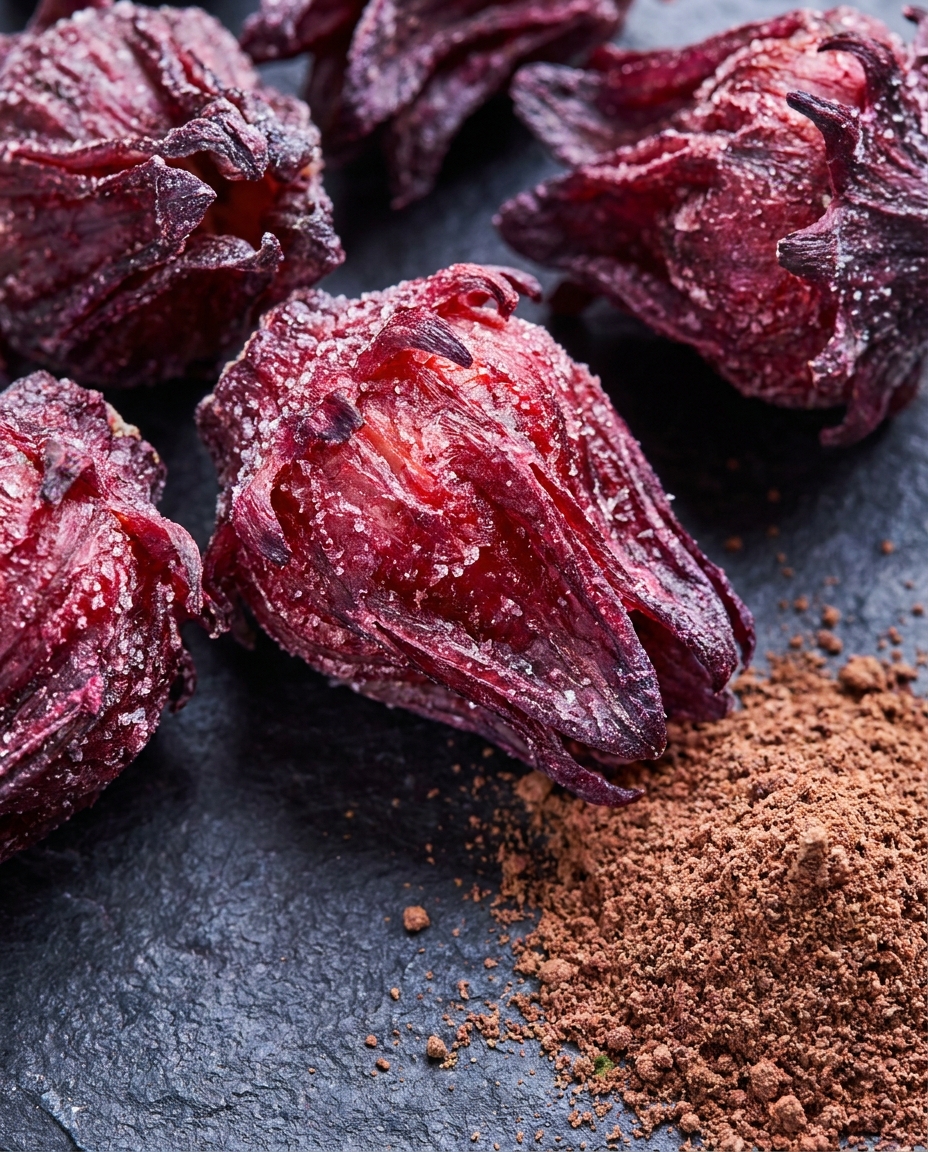
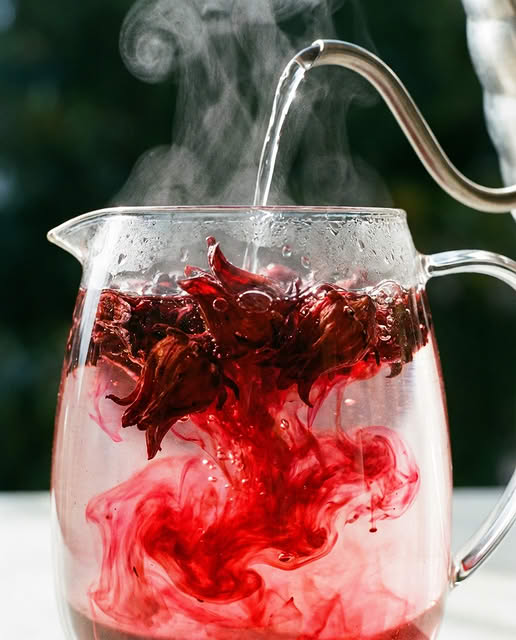
My husband died of kidney failure nine weeks ago. He'd been on dialysis three days a week for four years. He drove himself to the clinic on a Tuesday morning. He didn't come home. He died at the DaVita clinic in Naperville on March 17th at 11:40 AM. He was 67 years old. He took his lisinopril every morning at 7 AM. He cut his salt. He gave up coffee. And he was coded as Stage 2 Chronic Kidney Disease on a routine bloodwork printout dated April 11, 2014. No doctor mentioned the word kidneys to us until November 2021. Seven and a half years. I'm writing this from our kitchen table. I haven't moved Robert's pill organizer. It's the plastic Sunday-through-Saturday kind, the kind with the seven little doors. Tuesday afternoon, Wednesday, Thursday, Friday, Saturday, Sunday — all still loaded. The lisinopril. The amlodipine. The phosphate binder. The little white furosemide. He'd filled it the Sunday before he died, the way he filled it every Sunday for the last four years. I need to tell you what happened to Robert. Because I'm reading the comments under the news articles about CKD — about the people dying on dialysis chairs, about the 9 in 10 Americans with kidney disease who don't know they have it — and I'm seeing what people write. "He must have eaten terribly." "Probably skipped his meds." "I drink plenty of water." "If something was wrong my doctor would tell me." That's what I thought too. Until I opened a FedEx envelope at 11 PM on a Tuesday and saw a number on page 41 of my husband's medical records. And here's what I'm going to tell you, before I tell you anything else. Robert didn't ignore his doctor. His doctor ignored him. If you've ever had bloodwork done — or someone you love has — please read this entire thing. I know it's long. I know you're scrolling. I know you have things to do. Nine weeks ago I would have given anything — everything — for someone to tell me what I'm about to tell you. Robert had been my husband for 42 years. He was a careful man. He was the kind of person who balanced the checkbook by hand. He read the entire policy when we bought insurance. When the doctor told him in November 2021 that he had Stage 4 chronic kidney disease and that his eGFR was 41, Robert went home and read every printout the nephrology office handed him, and the next morning at 7 AM he took his first lisinopril, and he never missed a dose for four years. He did everything right. He did everything right ONCE THEY TOLD HIM. For seven and a half years before that, he didn't know there was anything to be careful about. Nobody told us. Robert started getting tired around 2013. He was 55. He said it was just age. His ankles swelled a little in the summer of 2014. He said it was the heat. The April 2014 bloodwork was a routine annual — the same one every man over 50 gets — and his GP looked at it and said "everything looks good, see you next year." That's what he told us in the room. What was on the printout — the one we never saw — was eGFR 58, with the words "CKD Stage 2" printed in small type at the bottom. He went back every year. 2015. 2016. 2017. 2018. 2019. 2020. The bloodwork was done every time. He'd ask "how do my numbers look?" and the GP would say "looks good, keep doing what you're doing." Robert would shake his hand and go home. In November 2021 his ankles swelled so badly he couldn't get his shoes on for a Thanksgiving family dinner. THAT was the appointment that changed things. His GP took new bloodwork and called us the next day and said "we need to refer you to a nephrologist." The nephrologist saw us a week later. He pulled up Robert's chart on the screen and his face did something. He was scrolling. He kept scrolling. He stopped. He looked at Robert. Then he looked at the screen again. Then he looked at the receptionist through the doorway. I saw the look. He said: "Mr. Baker, your eGFR today is 41. Stage 4. I see your records go back to 2014. Has anyone discussed kidney function with you before?" Robert said no. The nephrologist was quiet for a long time. Then he said: "I see." He gave us the lisinopril prescription. He gave us a renal diet pamphlet. He gave us an appointment for three months out. He shook Robert's hand and said we needed to start having the conversation about access placement within a year. The drive home was 23 minutes. Robert didn't say anything for 21 of them. Then he said: "Did he say 2014?" I said yes. He drove the rest of the way home and we sat in the driveway for a long time and neither of us said anything. That was the beginning of the four years. Year one. Lisinopril, amlodipine, low salt, low protein, give up coffee, give up cheese, give up the things Robert loved. eGFR 28. The nephrologist said "we're slowing it down." Year two. eGFR 19. Fistula placement in his left arm. Robert called it "the maturing." Like fruit. He'd touch his left forearm and say "it's maturing." Year three. eGFR 12. The first dialysis appointment at the DaVita clinic on Plainfield Road. He drove himself. He came home and sat in the recliner and didn't speak for two hours. Then he said "okay. I can do this." Year four. Tuesday, Thursday, Saturday. 5 AM wake up. Drive to DaVita. Four hours in the chair. Drive home. Sleep for four more hours. Repeat. He was the most patient man I have ever known. The morning he died, he kissed me at the kitchen counter and said "I'll be home by noon." He went to the chair. He sat down. The tech connected him. He read the newspaper. Twenty minutes in, the alarm went off. The tech ran over. The crash cart came out of the back room. I was at home. The call came at 11:51 AM. I knew when I heard the area code. I drove to DaVita. I didn't speed. I don't know why. I just drove the speed limit the whole way. When I got there the social worker was in the parking lot waiting for me. She didn't have to say anything. I knew. The funeral was March 19th. I haven't moved the pill organizer. Three days after the funeral, the GP's office called. They needed forms signed for the life insurance and they said I could request Robert's full records — I'd need them for the policy claim anyway. I said send everything. The FedEx envelope arrived four days later. 380 pages. I sat at the kitchen table at 11 PM with a glass of water and started reading. I don't know what I was looking for. Maybe just a way to spend the hours when I couldn't sleep. Page 41 was the April 11, 2014 bloodwork printout. eGFR: 58. At the bottom of the page, in a smaller font, in the section labeled "Clinical Impression": **CKD Stage 2.** I looked at it for a long time. Then I went back to the binder of after-visit summaries the GP's office had given us over the years. Every appointment. April 2014. May 2015. June 2016. April 2017. May 2018. April 2019. June 2020. The after-visit summary for each one. I read them all. None of them said anything about kidneys. Not Stage 2. Not CKD. Not "monitor kidney function." Not "discuss with nephrologist." The patient portal — the thing they tell you to log in and check your results — I logged in. The results were there. Just the numbers. No interpretation. No flag. Robert had logged in twice in eight years. Most people don't know to look. We didn't know what we were looking at. Seven and a half years of an eGFR that should have started a conversation, and there was no conversation. I called the GP's office the next morning. The receptionist said the doctor would call me back. He didn't. I called again three days later. I told them I'd wait on the line. Eventually a different doctor in the practice picked up — a younger one, a woman, I'd never seen her before. I asked her why nobody had told Robert about his kidney numbers in 2014. She was quiet for a moment. Then she said: "At Stage 2, our practice typically monitors without alerting the patient. We don't want to cause unnecessary anxiety over a number that may not progress. By the time we discussed it with Mr. Baker in 2021, his eGFR was 41 and the situation required intervention." I sat there with the phone against my ear and I didn't say anything for a long time. She said "Mrs. Baker? Are you there?" I said: "He gave up coffee for four years. He took a pill every morning at 7 AM for four years. He drove himself to dialysis three days a week for four years. He died on the chair. And you knew in 2014 and decided not to tell him because it might cause him anxiety." She said "Mrs. Baker, the protocol—" I hung up. I sat at the kitchen table for two more hours and I didn't move. That's when I started researching. Not because I wanted to. Because I had to. Because if Robert died for nothing — if I can't save even one person from what happened to him — then I can't live with that. I spent days reading. Medical journals. CDC reports. KDIGO guidelines. Everything I could find on kidney disease and how it progresses. The numbers don't look like cancer. There's no awareness ribbon. No telethon. CKD doesn't have a color. But here is the number that stopped me: 9 in 10 Americans with chronic kidney disease don't know they have it. 9 in 10. Not 1 in 10. Not 5 in 10. NINE OUT OF TEN. And here's the one underneath it: 4 in 10 people die within five years of starting dialysis. I read those two numbers and I did the math. Most Americans with kidney disease are walking around with numbers in their charts that nobody has told them about. By the time anyone tells them, the conversation is about access placement. And four years later — average — half of them are gone. That was Robert. That is going to be a lot of you reading this. I read about other people. Janet Freckleton was coded with CKD in her chart for 13 years before being told. Angela Slater was told unofficially that her CKD could've been caught at Stage 2 — instead she was caught at Stage 4. Patrick Gee was never told that diabetes was the number one cause of CKD until he was already in renal failure. The pattern is always the same. A number on a chart. A doctor who didn't think it required a conversation. Years of silence. And then the conversation that starts with the word "stage" and ends with the word "access." I kept reading and I kept seeing the same thing in study after study: The window isn't the day you start dialysis. The window isn't the day your eGFR drops below 30. The window is everything between the day your chart got coded and the day someone finally said the word kidneys out loud. For Robert, that window was seven and a half years. In those seven and a half years, the most modifiable factor in kidney decline is blood pressure on the nephron. Every elevated reading scars a few more. They don't grow back. By the time you're 60, you've already lost about 40% of your nephron reserve as part of normal aging. Your kidneys don't regenerate. Most doctors don't tell you that until they're already telling you about access placement. Robert's nephrons were being scarred for seven and a half years while a number sat on a piece of paper in a folder. And nobody told us. I put the laptop down when I read that. I was shaking. Not from cold. From anger. From grief. From the realization that my husband's own body was being damaged year after year and a doctor had decided that telling him about it would cause "unnecessary anxiety." So I started asking a different question. Not "how do you treat kidney disease?" "How do you support the nephrons you still have?" The first thing I tried was what I already knew. But the deeper I went into the clinical literature, the more I kept seeing the same supplements recommended in the CKD Facebook groups I'd joined — cranberry, CoQ10, astragalus — and I thought: before I dismiss them, I should at least try. I ordered everything online from the kitchen table. Cranberry capsules. CoQ10. Astragalus. A bottle of baking soda the internet said you should take a teaspoon of every morning. Parsley tea. A $42 "kidney cleanse" detox tea with a green leaf on the label. The kitchen counter looked like a CVS aisle. I started taking the cranberry. It was the same cranberry I'd found in Robert's kitchen cabinet — a bag with a receipt from October 2017. I found his receipts in a kitchen drawer. His chart had said CKD Stage 2 for three and a half years when he bought these. He'd been having "off feelings" he couldn't explain, didn't want to bother the doctor because the doctor had said everything was fine. So he bought the cranberry. And he still progressed to Stage 4. And then dialysis. And then the chair. I looked it up. Cranberry is for urinary tract infections. It does almost nothing for kidney function. It's been mismarketed for decades. Then the CoQ10. There's some research on it for kidney patients on statins. But you'd need pharmaceutical-grade dosing, not the gel cap from the grocery store. The grocery store version was 30mg. The research uses 200mg. I was taking a thimble where the studies use a bucket. The astragalus — traditional Chinese medicine for kidney support. Mixed research. Most of it from small Chinese studies with methodology problems. None of it told me what dose, what form, what duration. I gave up after a week. The baking soda — actually has some research behind it for slowing CKD progression in late stages. But the dose has to be exact. Too little does nothing. Too much wrecks your stomach and your sodium. You need a doctor to monitor it. I'd hung up on my doctor. The "kidney cleanse" tea — I read the back of the box. It was dandelion, parsley, and "proprietary herbal blend." There was no clinical research on the proprietary blend because they wouldn't tell me what was in it. $42 for tea with a leaf on the box. After a week and $96 worth of supplements stacked on my kitchen counter, I was exactly where I started. Nothing was actually supporting the nephrons I still had. Nothing was addressing the one variable that had been scarring Robert's kidneys for seven and a half years while his chart said CKD Stage 2 and nobody told us. And I was furious. Because why is there an entire industry of "kidney health" products and not a single one of them actually targets the mechanism that causes kidney disease to progress? They all just sprinkle herbs at a problem that requires you to take pressure off a specific organ for years. It's like handing someone a Band-Aid and telling them they're ready for a car accident. So I started asking a different question. That's when I found something different. I was reading a thread on Facebook — one of those health groups for people with CKD — and a woman posted something that stopped me cold. She said she'd been a dialysis tech at a clinic in Houston for 11 years. She'd watched hundreds of patients. Her own mother had CKD. Her sister had CKD. She had every genetic risk factor in the world. Her eGFR at her last physical was 87. She was 58 years old. Someone asked how. She said: "I drink whole-flower hibiscus tea every morning. Started 9 years ago. My blood pressure stays at 118 over 76 without medication. Three of the techs in our clinic do the same thing. None of us have ended up where our patients end up." I almost scrolled past it. Hibiscus? Tea? That sounded like something you'd read on a wellness blog next to a recipe for celery juice. Because I know hibiscus. I've had hibiscus. The grocery store sells it. It's in Sleepytime tea. It's in the "berry zinger" boxes. It tastes fruity and slightly sour. It's not medicine. In what world does TEA support a kidney? But I couldn't stop thinking about it. Because that woman was a 58-year-old dialysis tech with CKD in her direct genetic line and her eGFR was higher than Robert's at 55. What was the difference? So I kept reading. And what I found made me put the laptop down and sit on the edge of the bed for a long time. There's a compound in hibiscus flowers — actually a family of compounds — called anthocyanins. The deep red color of the flower. That color is the active ingredient. What they do is something I understood immediately. Anthocyanins do two things for kidneys. First, they reduce oxidative stress on nephron tissue — the same kind of cellular damage that scars the filters one by one. Second, and this is the part that made me put the laptop down, they support healthy blood pressure. Specifically, they help relax the small arterioles that feed pressure into the glomerulus — the tiny filter inside each nephron. It's like lowering the pressure on the pipes before they crack. And here's the thing I didn't know. Here's the thing that made me feel like the floor dropped out from under me. Blood pressure inside the nephron is the single most modifiable variable in kidney decline. Not salt. Not protein. Not water intake. Blood pressure on the filter itself. Every elevated reading scars a few more nephrons. They don't grow back. The lisinopril Robert took for four years did exactly this — it lowered the pressure inside the nephron. That's why the nephrologist prescribed it. It's the standard of care for Stage 4 CKD. It slows progression by about 30%. The lisinopril did its job for four years. But it started in 2021. For seven and a half years before that — between April 2014 and November 2021 — Robert had the same elevated readings, the same daily pressure, the same scarring, and nothing to take that pressure off. If something — anything — had been supporting those nephrons during those seven and a half years, his progression curve looks different. I put the laptop down. I was shaking again. But here's why I'm telling you about whole-flower hibiscus and not just hibiscus. Because I also learned that most hibiscus tea sold in this country is basically useless. Grocery store hibiscus tea bags are blended. They're hibiscus petals mixed with stems, leaves, and other "natural flavors." Some of it is hibiscus dust — the broken pieces left over from grading better tea. The anthocyanin content varies wildly. Some boxes have almost none. You'd be drinking sweetened water with a red tint. Whole-flower hibiscus is different. It's the entire flower, hand-picked at the right stage of maturity, dried with the anthocyanins intact. A single cup of high-altitude whole-flower hibiscus has many times the active compound content of the blended grocery store stuff. And the research isn't new. There are studies out of Mexico, Nigeria, Egypt — countries where hibiscus has been daily traditional medicine for centuries. Populations in those regions where hibiscus is consumed daily have measurably lower rates of hypertensive kidney disease than populations that don't. We've been drinking Lipton. I was furious. I'm still furious. But I wasn't going to just buy hibiscus off Amazon and hope for the best. I'm 63, not naive. And I had nothing but time and a kitchen table piled with $96 of useless capsules. So I kept researching. And I found out that most hibiscus sold in the US is grown at low altitude in large industrial farms, harvested by machine, and stored for months before reaching shelves. The anthocyanins degrade. The active compound that gives the flower its color and its function loses potency the longer it sits. The hibiscus that shows up in the research — the kind that actually moves blood pressure numbers in clinical trials — is grown at high altitude, hand-picked, and processed quickly. The whole flower, not the byproducts. I found a company. PiPi Tea. And I was skeptical. God, I was skeptical. After cranberry did nothing. After CoQ10 was the wrong dose. After astragalus was unstudied. After "kidney cleanse" was just dandelion in a fancy box. After every kidney support product I'd tried was either underdosed, unstudied, or designed to make me feel like I was doing something while doing nothing. I was not about to trust something new just because the internet said so. So I called Robert's nephrologist. The one who treated him for the four years. The one who I trust completely because he was the one who actually said the word kidneys out loud when Robert was 60 and gave him four more years. I told him what I'd found. I asked him straight: "Is this real? Is this safe with the medications you had Robert on? Or am I grasping at straws because I can't accept that Robert is gone?" He was quiet for a long time. Then he said: "Carolyn, the data on hibiscus and blood pressure is some of the most consistent natural-compound research we have. The anthocyanin mechanism on the renal arterioles is well-documented. Whole-flower, high-altitude hibiscus is one of the highest natural sources of these compounds. There are no contraindications for daily use with lisinopril or amlodipine. The reason we don't prescribe it is because it isn't a drug — we don't have a billable code for tea." Then he paused. "If Robert had been drinking something like this during those seven years before we saw him — if there had been any support on his nephron pressure during that window — there is a real possibility his progression could have been slower. He might have had more years before dialysis. He might not have needed it when he did." I had to hang up the phone. I sat at the kitchen table and I cried harder than I cried in the parking lot at DaVita on March 14th. Because Robert's own doctor — the one who actually treated him for four years — just told me that my husband might still be here if his nephrons had been supported during the seven and a half years his GP didn't tell him anything. If anyone had told us. If we'd just known. I ordered PiPi Tea that afternoon. When it came, I sat at the kitchen table. Robert's pill organizer was still there. Tuesday, Wednesday, Thursday, Friday, Saturday, Sunday. Still loaded. I made myself a cup. One tablespoon of whole flowers. Hot water. Steep for 10 minutes. The color is a deep, almost wine-red — not the pinkish-orange of grocery store hibiscus. Tart, floral, slightly sweet. Nothing like the tea bags from the box. Less time than it took Robert to fill his pill organizer on Sundays. I've been drinking it every morning for six weeks. Three weeks ago, I did something I'd been avoiding. I went to a new GP — not Robert's old practice, a new one across town — and I requested a full panel. eGFR, creatinine, urine albumin, blood pressure log, the works. I also requested my own records from the old practice. Going back ten years. The records came first. 290 pages. I read them at the same kitchen table where I'd read Robert's. Page 73, dated June 2018, my eGFR was 61. **"CKD Stage 2"** printed at the bottom. Page 119, dated July 2020, eGFR 59. Same notation. Page 156, dated September 2022, eGFR 60. Same notation. I have been coded as Stage 2 chronic kidney disease for almost five years. Nobody has ever told me. I sat at the kitchen table and I laughed. The kind of laugh that's not a laugh. The kind that comes out when you understand that what happened to your husband isn't an accident, it's a system, and the system is still happening to you right now. Then I went to the new GP. My eGFR at the appointment three weeks ago was 67. Up from 61. Up from 59. Up from 60. The new GP looked at it twice. She said "you said your husband had CKD?" I said yes. She said "your numbers are actually moving the right direction, which is unusual at your age. What are you doing?" I told her about the hibiscus. She said "well, whatever you're doing, keep doing it." I went home and I sat at the kitchen table and I cried again. Because for the first time in nine weeks, the number didn't feel like a verdict. It felt like feedback. I've told everyone I know. My sister — she's 64, on blood pressure medication, was told her labs were "fine" two months ago — she requested her records last week. eGFR 64 in 2021. eGFR 61 in 2023. **"CKD Stage 2."** Nobody told her. She's been drinking PiPi Tea for six weeks now and she called me yesterday and said "Carolyn, I'm not as scared as I was." My neighbor Helen — she lost her husband to kidney failure two years ago. She pulled his records the day I told her my story. **He was coded as Stage 2 in 2016.** Six years before he was told. Six years of silence. She grabbed my hand last week and said "Carolyn, I'm not angry at the disease anymore. I'm angry at the chart." She's been drinking it for a month. My daughter and son-in-law — both 41, both pulled their own records, both completely clean, both drinking it preventatively because the records-pull experience scared them. My daughter said "Mom, if I'd been coded in 2018 I would have wanted to know." Robert's brother in Phoenix — 70, diabetic — he pulled his records the day after the funeral. **Stage 3 since 2022. He was never told.** He's been drinking PiPi Tea for two months and emailed me last week: "Carolyn, my eGFR went from 47 to 51. The nephrologist I'm now seeing said this almost never happens at my age and stage. I think Robert would want me to tell you this is real." I had to close the laptop when I read that. I'm not a doctor. I'm not a scientist. I'm not selling anything. I'm a 63-year-old widow who's trying to figure out how to live in a house with a pill organizer on the kitchen table that belongs to a man who isn't here anymore. Here's what I know because I lived it: 9 in 10 Americans with chronic kidney disease don't know they have it. The number is sitting in their chart right now. They have to ask for it. The doctor will not bring it up. 4 in 10 die within five years of starting dialysis. Robert made it four years and one month. There is no medication that reverses nephron scarring. Once you're on dialysis you don't come off. What medicine has to offer is "we manage, we don't reverse." That's a real quote from a real nephrologist. The window where you can actually do something is the years BEFORE the conversation starts. The years your chart might already be coded. The years nobody is telling you about. Whole-flower, high-altitude hibiscus is the most well-documented natural compound for supporting healthy blood pressure on the nephron — the single most modifiable variable in kidney decline. Robert's own nephrologist confirmed it. I wish someone had told us in 2014. I wish someone had told my sister. I wish someone had told Helen's husband. I wish someone had told Robert's brother. I wish someone had told YOU — and if your eGFR has ever been measured, the number is sitting in your chart right now. You can ask for it. They have to give it to you. It's federal law. It costs $0. I can't go back. Robert can't come back. His pill organizer is on the kitchen table and it's going to stay there. But you can still go forward. I want you to do two things. First, read the article that explains what I just told you — the research on whole-flower hibiscus, the anthocyanin mechanism on the renal arterioles, the difference between grocery store hibiscus and the kind that shows up in the studies. It's where I found PiPi Tea. It's the reason my own numbers went from 59 to 67 instead of 59 to 41. Second, call your GP today and request your full lab history. Every blood test, every after-visit summary, every printout. They have to give it to you within 30 days. Look at every line. Look for the small text at the bottom. Look for the words "Stage 2" or "CKD" or "eGFR." Both are free. Both are today. The tea is backed by a 90-day money-back guarantee — drink it for three months and if you don't feel a difference, or your numbers don't move the right direction, you get every dollar back. 👇 https://shop.pipitea.com/hbt/kd/sp Robert used to say: "The best time to fix the roof is before it rains." It's raining. It's been raining since 2014. The water has been coming in for seven and a half years and nobody told us. — Carolyn Baker, age 63 Naperville, IL P.S. His pill organizer is still on the kitchen table. I've been alone for nine weeks and I still can't move it. Every morning I walk into the kitchen and see it and for one second I forget. For one second I think he's about to come in from the driveway after dialysis and say "morning, Care." He's not. $89,000 a year for dialysis — that's what Medicare pays per patient, four years adds up to $356,000 and Robert was one of the lucky ones with insurance. A daily cup of tea that costs less than $2 — a tea his own nephrologist said could have changed everything. A records request that costs $0 and is your legal right. Backed by a 90-day money-back guarantee. Please. Don't end up here. Don't let someone you love end up here. 👇 https://shop.pipitea.com/hbt/kd/sp P.P.S. I don't work for PiPi Tea. I don't get a penny from this. I'm writing this because I've been alone for nine weeks and I still wake up at 4 AM and for one second I think he's next to me. He's not. The pill organizer is still loaded for the week he died. If putting this on the internet saves one person — just one — from having a folder of records that nobody told them about until it was too late, then at least something good came from the worst thing that's ever happened to me. Share this with anyone you love who has ever had bloodwork done. Please. And tell them to ask for their records. Tell them to ask. 👇 https://shop.pipitea.com/hbt/kd/sp
Natural Relief in Weeks
"I've tried everything to support my kidney function naturally. Fish oil, CoQ10, cutting protein, stressing about every meal. Nothing moved the needle enough to satisfy my doctor. Hibiscus tea is the first thing that actually showed up in my numbers. It's been 3 months and my eGFR readings are consi...
LEARN MORELike this ad? Make it yours.
Crush rebuilds this exact creative around your product — your brand, your colors, your offer — in about a minute.