
Inactive· since Jun 16, 2026
- 12
- days it ran
- 2
- relaunches
Ad copy
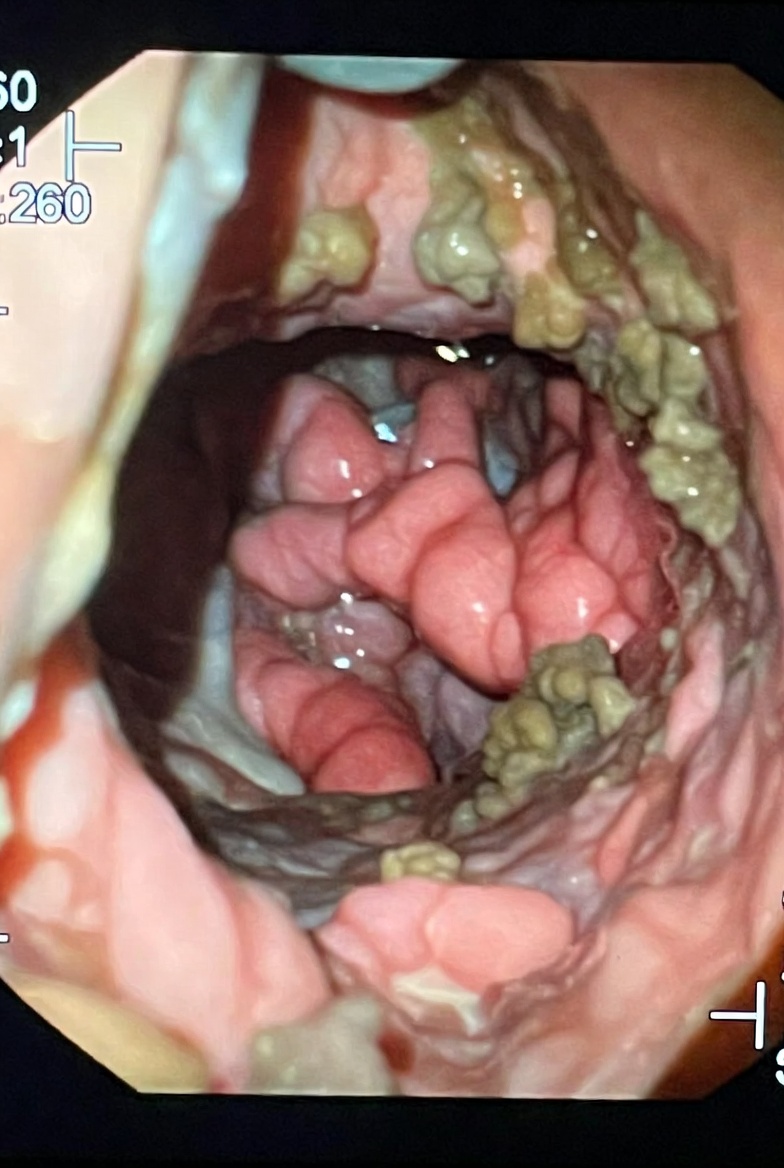
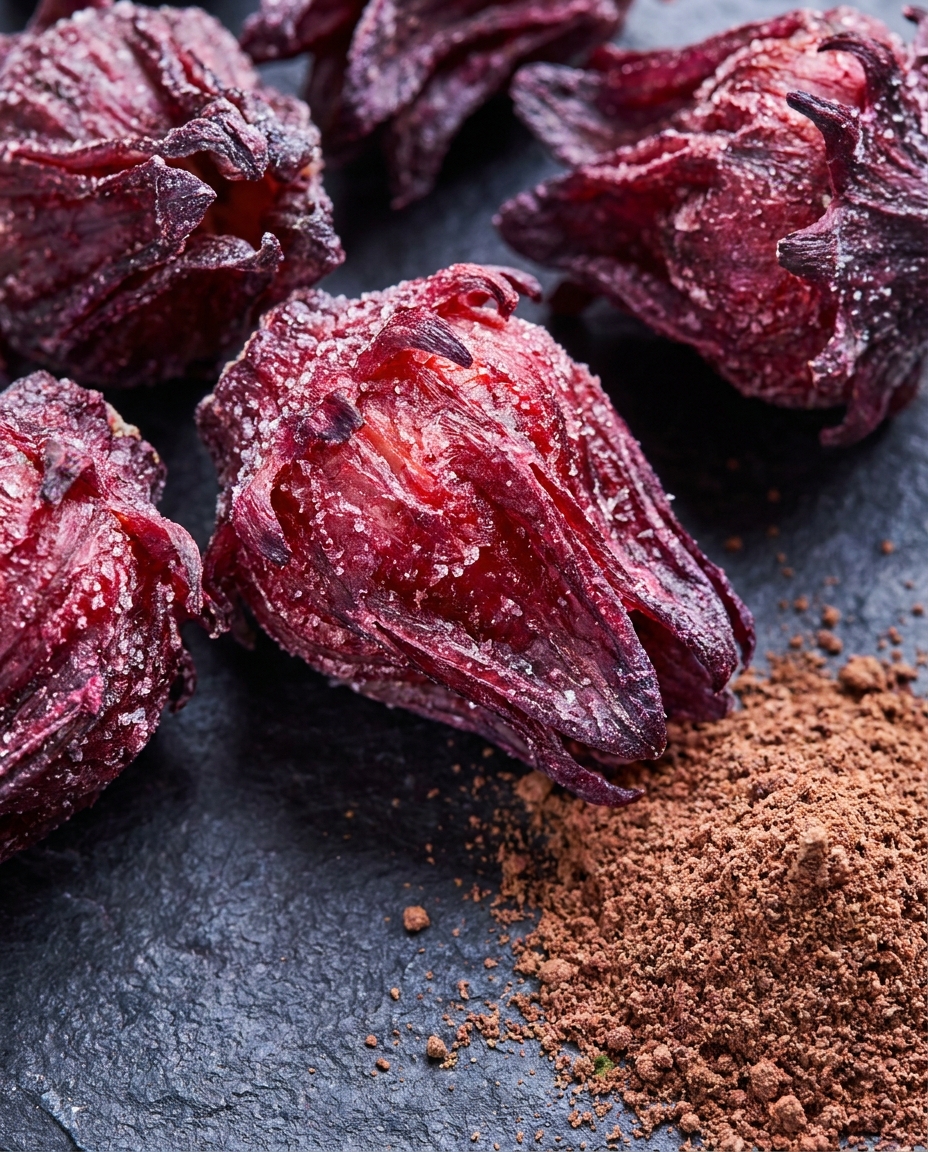
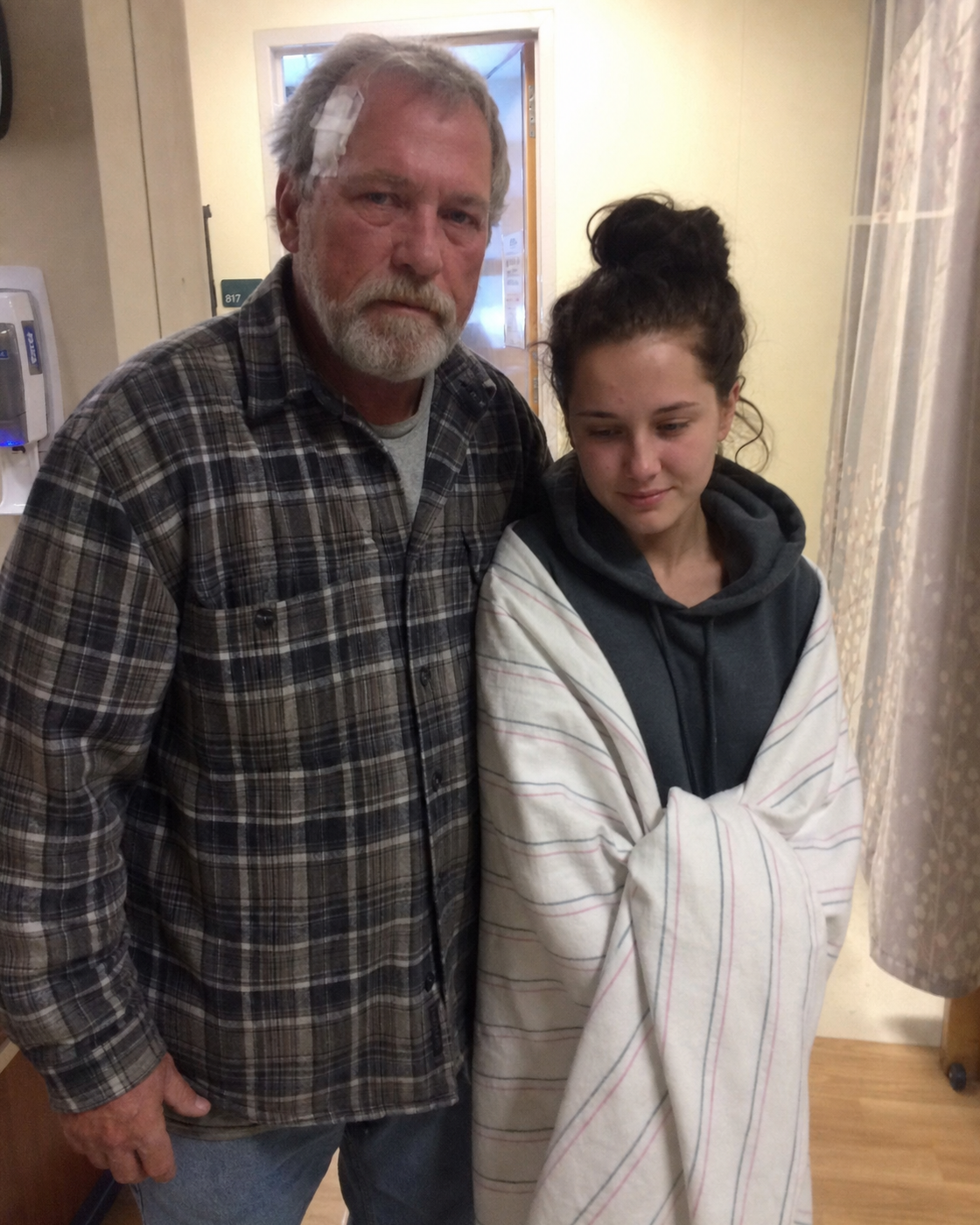
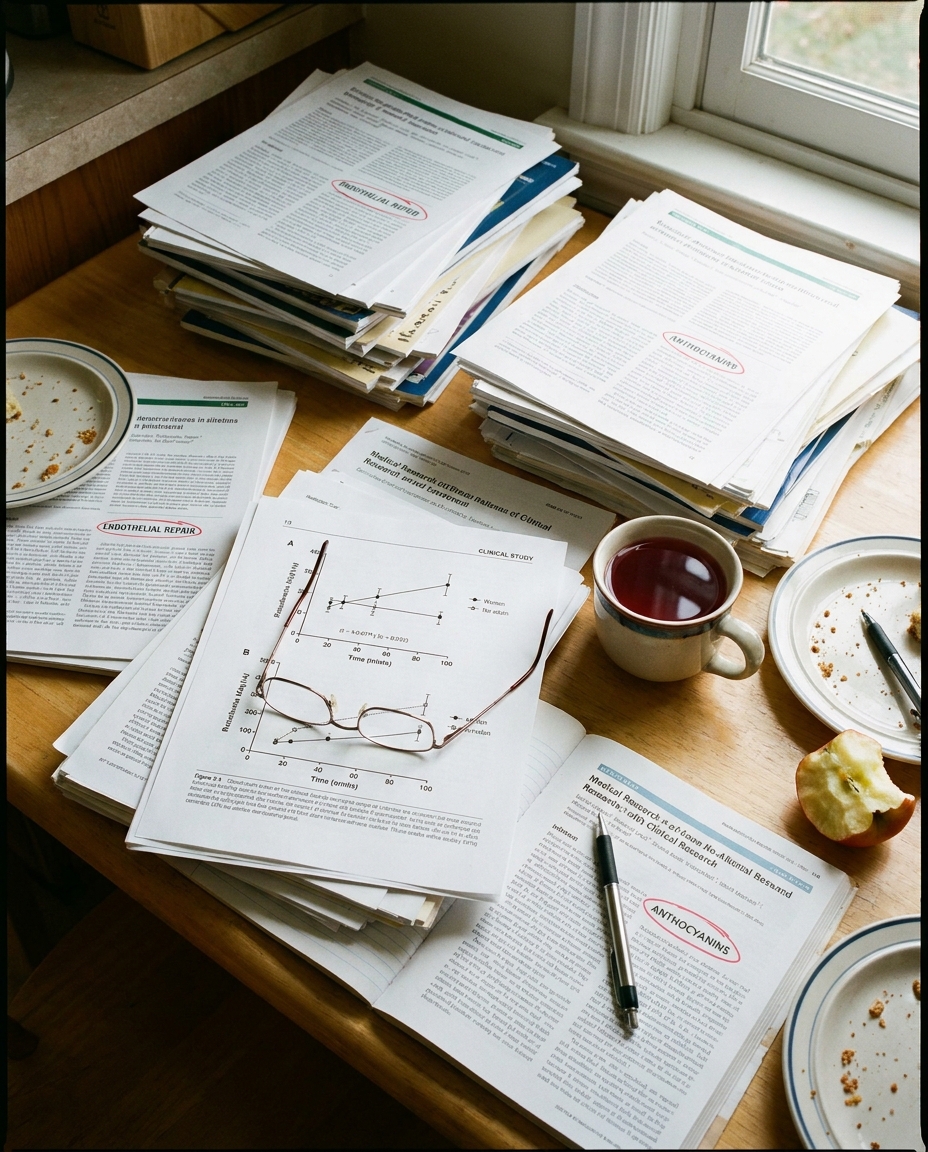
If your doctor has ever looked at your kidney numbers, called them "a little low, nothing to worry about yet," and told you to come back in three months — I need you to hear this from someone who spent thirty years on the other side of that chair. I'm a renal nurse. Dialysis floor. Thirty years. I have hooked up more people to those machines than I could count. I know the sound the chairs make. I know the smell of the unit at 6 a.m. And I know exactly what people look like the first time they sit down in one, because they almost all say the same thing. "My doctor said we'd just keep an eye on it." That sentence is how most of them got here. I want to tell you about my husband. His name was Ray. About nine years ago, Ray had a routine physical. Bloodwork came back, and his eGFR was a little low. Not dramatically. The doctor wasn't worried. "It's mildly reduced, Ray. Common at your age. Let's just keep monitoring it. Come back in three months." We came back in three months. Slightly lower. "Still nothing to act on. We'll watch it." Three more months. A little lower again. "Let's keep an eye on it." I want you to understand — I am a kidney nurse. And I sat in those rooms and nodded. Because the number wasn't alarming. Because the doctor was watching it. Because we had time. That is the trap. The whole trap is right there in those three words. Let's just keep monitoring it. Monitoring is not protecting. Watching a thing decline is not the same as doing something about it. But it feels responsible. It feels like a plan. It is not a plan. It is a waiting room with a view of the cliff. Here is the part nobody explained to us in plain language, and I should have known better, because I teach this to families every week. Your kidneys are made of about a million tiny filters each. Nephrons. They are doing the quiet, thankless work of cleaning your blood every minute of your life. And here is the brutal fact at the center of everything I am telling you: The nephrons that are gone are gone. They do not grow back. They do not regenerate. When a nephron dies, the ones still standing have to work harder to cover for it — which wears them down faster — which is exactly why decline tends to speed up the longer you wait. Every "come back in three months" where the number slips a little is filters you are never getting back. So when you "watch and wait," you are not pausing the problem. You are spending the only thing you can't earn back. By the time Ray's numbers finally got bad enough that someone used the word urgent, the math was already lost. Too many nephrons gone. No diet, no medication, no specialist on earth could rebuild them. We didn't lose his kidneys to a diagnosis. We lost them to the waiting. I nursed my own husband onto the machine. If you've never seen dialysis up close, let me tell you what "down the road" actually looks like, because I think the people who say it casually have never lived in it. It's a chair, three days a week, four hours at a time. It's a fistula in your arm — they surgically join an artery to a vein so the needles have somewhere to go, and Ray hated the look of it, hid it under long sleeves at our granddaughter's wedding. It's your blood leaving your body, getting cleaned by a machine because the filters that used to do it for free are gone. It's EPO shots because failing kidneys stop telling your body to make blood, so you're anemic and exhausted on top of everything. It's your heart straining under all of it. It's a renal diet so restrictive that dinner becomes a math problem — potassium, phosphorus, sodium, fluid — and you're already too tired to cook. Ray's whole life reorganized itself around that chair. Our calendar was the dialysis schedule. Our trips were planned around finding a clinic. The man who used to fix the car in the driveway needed me to drive him to treatment. He died in that unit's care. And here is the thing that haunts me as a nurse: a few weeks later, I walked past his old chair, and it was cleaned and reset, and there was a new patient sitting in it. Someone who'd also been told, somewhere, years ago, to just keep an eye on it. After I buried Ray, I went in for my own physical. I was numb. I almost didn't look at the results. My eGFR came back at the exact number Ray's had started at. And my doctor — kind, careful, not a villain — looked at it and said, "It's mildly reduced. Nothing alarming. Let's just keep monitoring it. Come back in three months." I have heard that sentence my whole career. I had just spent years watching it cost me my husband. And I sat there and thought: No. Not me. I am not going to watch mine the way we watched his. I wasn't going to fight my doctor. I wasn't going to skip monitoring or refuse care. I work in this field — I believe in it. But monitoring was the floor. I wanted a plan. Something I could actually do, every single day, to protect the filters I still had. Because mine weren't gone yet. And "not gone yet" was the only window I was ever going to get. I should tell you: I already knew what that number felt like in the body. I'd been noticing it for a while — my ankles, every night before bed, puffy in a way I kept quietly explaining away. I was up two or three times a night, every night, no matter how tired I was. And I was tired in a way that didn't lift with sleep, the kind of bone-deep fatigue I'd seen in patients for years and always attributed to something else when it was me. These weren't loud symptoms. But they were there, and they were the number made flesh — what a quietly declining eGFR feels like when nobody's treating it, just watching it. So I did what a lot of you have done. I started trying things. I tried a kidney "detox" tea off the shelf. Tasted like lawn clippings, did nothing I could measure. I tried cranberry capsules. I tried CoQ10. I tried a kidney support blend from a big online retailer — eleven ingredients, none of them in a dose that would do anything. I cut my protein, watched my sodium, did everything the printout said. And I want to say this clearly to anyone who has tried things and felt foolish: you were not foolish. I am a nurse and I was throwing things at the wall too. The problem was never that we tried. The problem was that nobody had told us what actually wears the filters down in the first place — so we were all aiming at the wrong target. Then I went back to the research, the real research, the kind I should have read years earlier. What I found is that a huge amount of nephron damage isn't some exotic disease. It's oxidative stress. Your filters are delicate, blood-rich tissue, and they take a constant beating from inflammation, high blood pressure, high blood sugar, the byproducts of modern processed food. That oxidative damage is one of the quiet drivers chewing through nephrons year after year while everyone "watches the number." Which meant the lever I was looking for wasn't another restriction. It was antioxidant support strong enough to actually reach that tissue and help take some of that load off — alongside the diet and the doctor, not instead of them. And that's where the next part got specific. Step one — why the obvious thing fails. Hibiscus kept coming up in the kidney research, because it's one of the most antioxidant-dense plants studied, loaded with compounds called anthocyanins. So naturally I bought the hibiscus I could find — the grocery-store stuff, the Red Zinger-type bags. I drank it for weeks. Nothing measurable. I almost wrote the whole idea off. Step two — why the category is still right. Then I read why the grocery stuff fails, and it's the same story as every failed supplement: it's the wrong form. The anthocyanins are the active part — and they're fragile. Most commercial hibiscus is the cheap cut-and-sift dust of the flower, harvested for color and tartness, often old, blended, heat-blasted, with most of the anthocyanins long gone before it ever hits the bag. It is hibiscus. It just isn't hibiscus that can still do the job. The category was right. The quality was the variable nobody mentions. So I went looking for the version the actual studies would respect: organic whole-flower hibiscus, high-altitude grown, hand-picked, processed gently to keep the anthocyanins intact. Five things had to be true at once — whole-flower (not dust), organic, high-altitude, hand-picked, and handled to preserve the actives. Step three — what met every criterion. One name kept coming up — not on the wellness blogs, but on the kidney forums where people post their actual quarterly labs and track what holds. PiPi Tea. Organic whole-flower hibiscus, high-altitude grown, hand-picked, with the anthocyanins kept intact instead of cooked out. And a 90-day money-back guarantee, which told me they expected people to track and stay. What sealed it for me wasn't the website. It was Dorothy. Dorothy is a patient I'd known for years — Stage 3, the kind of slow slide I knew far too well by then. One day she mentioned her last two quarterly labs had held steady for the first time in ages. Stable. Not sliding. I asked her what changed. She said she'd added a hibiscus tea every morning — this one — alongside her nephrologist's plan, and her doctor had told her to keep doing whatever she was doing. A stabilized number, from someone with nothing to sell me, who'd lived the exact slide I was terrified of. That's what moved me, not an ad. https://shop.pipitea.com/hbt/kd/sp-nm So I started. Two cups a day. That's the whole protocol — you brew it, you drink it. Simple enough that an exhausted person can actually keep doing it, which matters, because the best plan in the world is worthless if you quit by week two. I didn't expect to feel my kidneys. You can't. But by the end of the second week, the swelling in my ankles that I checked every night before bed — the swelling I'd quietly accepted — was down. I was getting up once in the night instead of three times. And the bone-deep tired, the kind sleep never fixed, lifted just enough that I noticed. Could've been nothing. I'm a nurse; I don't count feelings as data. So I waited for the number. My next labs, my eGFR had held. Not slid. Held — for the first time in the whole stretch since Ray died. I took a breath I felt like I'd been holding for two years. The check after that, it held again. Steady. Stable. When I told my doctor everything I was doing — the tea, the diet, all of it — she looked at the trend, the flat line where there used to be a slope, and she said, "Whatever you're doing, keep doing it. We'll keep monitoring." Same word. Completely different feeling. Now monitoring was confirming that something was working, instead of just clocking the decline. I am not telling you PiPi Tea fixed my kidneys. Nothing un-loses a lost nephron — I will never stop saying that. What I'm telling you is that the filters I still had, I decided to protect, instead of just watch. And mine held. So here is what I need you to hear, from a renal nurse who learned this the hardest way there is. If your numbers are "a little low" — if your doctor is "watching it" — if you've got an appointment in three months and you've been telling yourself you have time — please understand that the waiting is not free. Every interval you spend just monitoring is nephrons you don't get back. The earlier you support what you've still got, the more of it you keep. Keep your appointments. Keep working with your doctor. I'm not asking you to do anything instead of your care — I'm asking you to stop doing nothing between the appointments. This is the simple thing you do every morning while the system watches the number: organic whole-flower hibiscus, the form strong enough to actually matter. https://shop.pipitea.com/hbt/kd/sp-nm It comes with a 90-day money-back guarantee. Give it 90 days. Keep tracking your labs with your doctor the way you already do. If you don't see a difference in how you feel, if you're not satisfied for any reason, contact customer service for a full refund. No questions asked. You are risking nothing but the waiting — and the waiting is the one thing you can't afford. PiPi Tea is grown high-altitude and hand-picked in small harvests to keep the anthocyanins intact, which is exactly why it works when the grocery-store stuff doesn't — and also why they sell out and you sometimes wait for the next harvest. If it's in stock, I'd get it now. Don't watch yours the way we watched Ray's. — A renal nurse who waited too long once, and won't again https://shop.pipitea.com/hbt/kd/sp-nm P.S. I noticed the swelling and the night bathroom trips by week two. The thing I actually cared about — my eGFR holding instead of sliding — showed up at my next labs and held at the one after. The nephrons that are gone are gone. The ones you still have, you can choose to protect, starting tonight, alongside your doctor. 90 days, full guarantee, you risk nothing. P.P.S. We didn't lose Ray's kidneys to a diagnosis. We lost them to the waiting. If you take one thing from a nurse who's seen the other end of that chair: monitoring is not a plan. Go be your own plan. https://shop.pipitea.com/hbt/kd/sp-nm
Natural Relief in Weeks
LEARN MORELike this ad? Make it yours.
Crush rebuilds this exact creative around your product — your brand, your colors, your offer — in about a minute.