
Inactive· since May 25, 2026
- 87
- days it ran
- 0
- relaunches
- 3,160
- EU reach
Ad copy
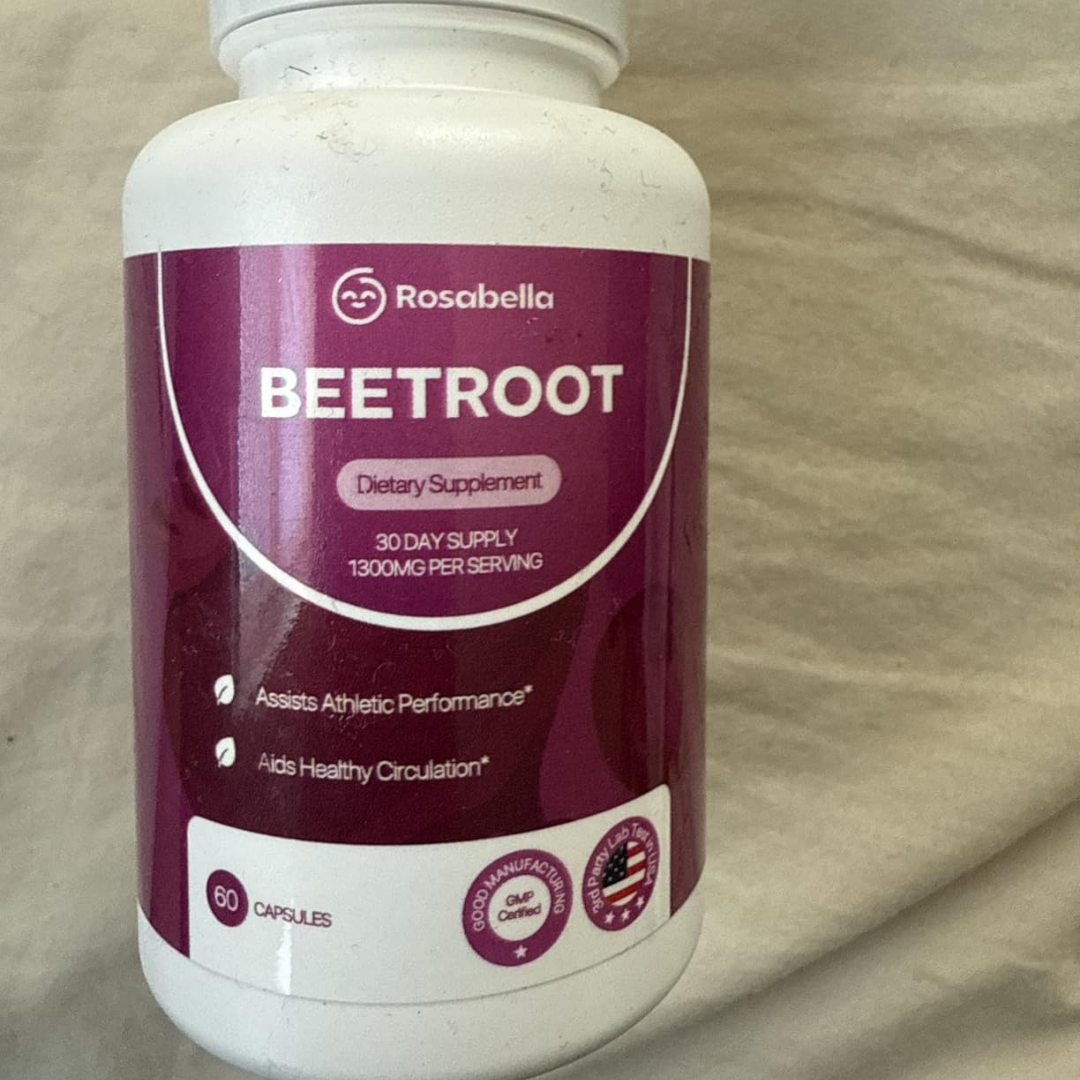
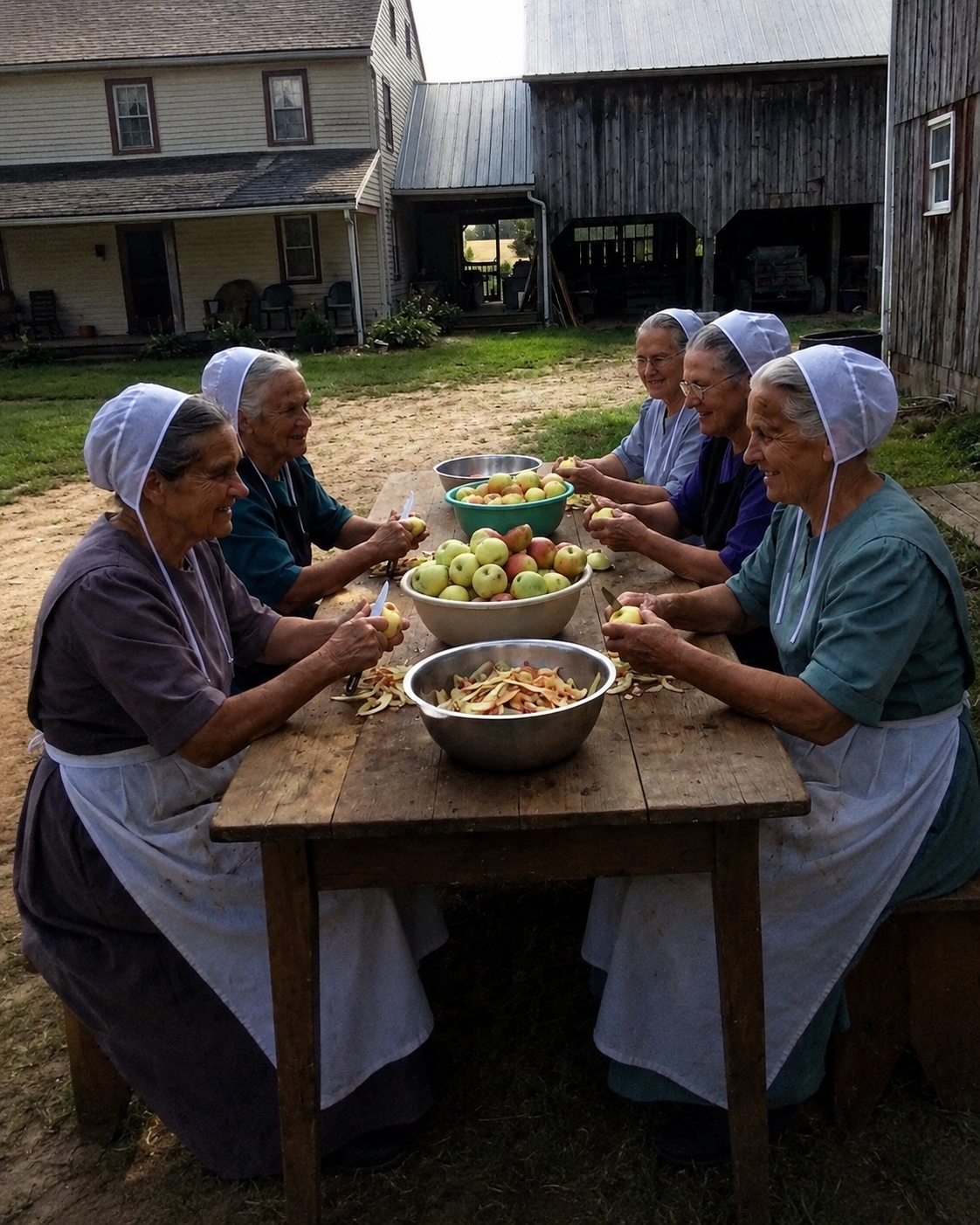
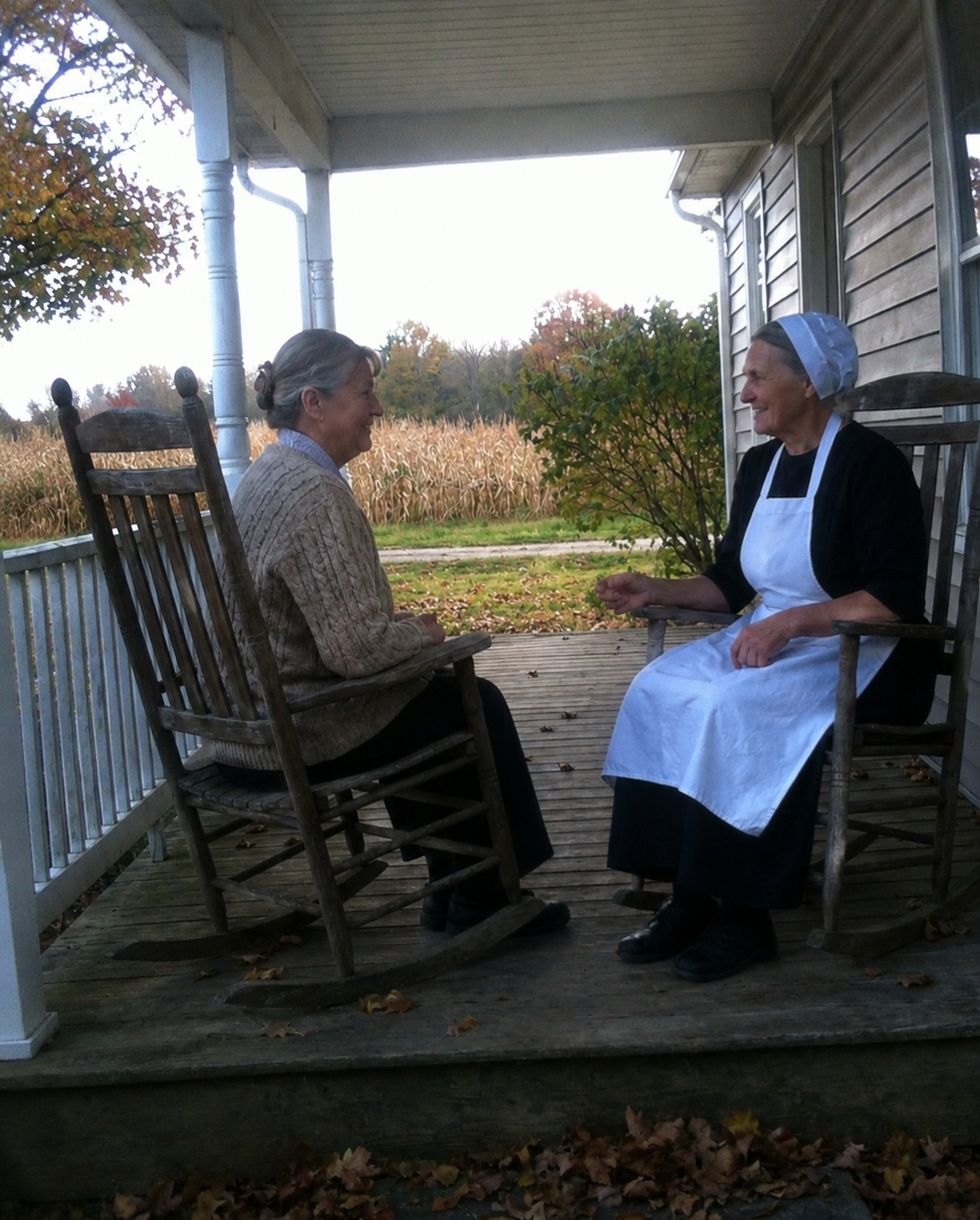
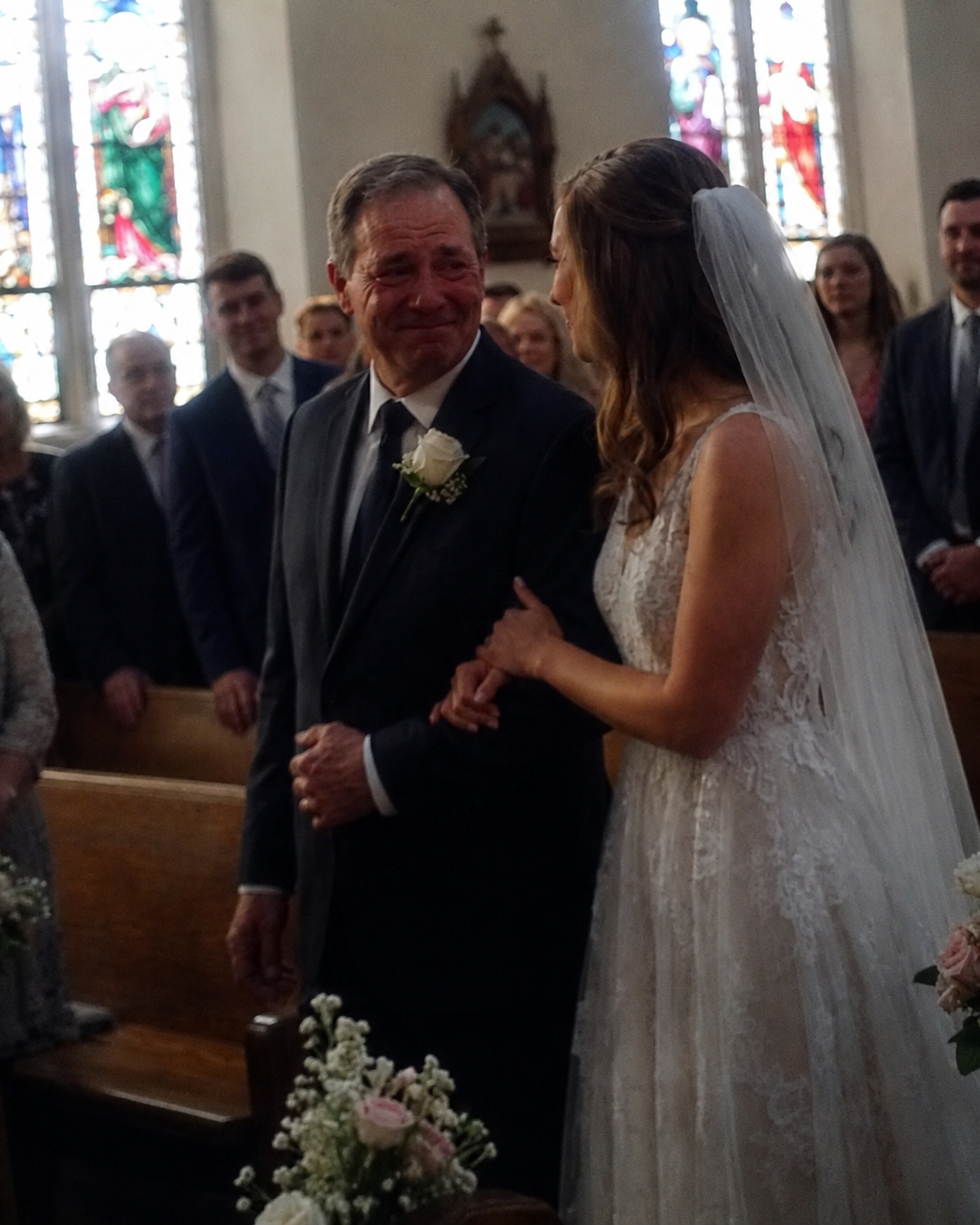
I'd Been Pretending Not to Notice for Two Years. The Engagement Phone Call Is What Made Me Stop Pretending. I'm 62. Roger is 64. We've been married forty years this June. Emily is our only child. Thirty-one. With Mark for four years. I'd been waiting for that phone call for at least two of them, in the way mothers wait, which is to say not saying anything. Roger had been waiting too. He adores Emily. He's the kind of father who took her camping in third grade and asked her opinions on home repair decisions in middle school and cried when she went to college. When she called that Sunday, I was in the kitchen. Roger was in his recliner. I held the phone out so he could hear, and Emily said the date, and Roger said: "Em, that's wonderful, sweetheart." He said it the way he says everything now. Soft. Like the words were costing him a little more than they used to. That's the part that had been scaring me for two years. I want to tell you what Roger had become. He hadn't been sick. His doctor checked him every year and the numbers came back fine. Blood pressure to watch but nothing alarming. He hadn't been depressed. I know depression. My sister has been managing it since the late nineties. This wasn't that. He was just tired. He'd been tired for a long time. I can pinpoint when it started — sometime in 2022 — because I'm a former English teacher and I keep dates the way other people keep recipes. He'd stopped reading after dinner. He'd been reading after dinner since I'd known him. He'd sit in his chair with a Larry McMurtry novel and a glass of bourbon and read until ten thirty. Then he'd come to bed. By 2023 he was reading for fifteen minutes and falling asleep. By 2024 he was asleep in the chair by 7:30 most nights. By March of last year he wasn't picking up the book at all. The book stayed on the side table. The glass of bourbon stayed full and got watered down by the ice and was poured out the next morning. The bourbon thing was what scared me, honestly. Roger loves his bourbon. He doesn't drink much of it. But he's loved the ritual since his father gave him his first glass of Maker's Mark on his eighteenth birthday in 1979. When he stopped finishing the bourbon, I knew the ritual had stopped meaning anything to him. That happens to a person before they know it's happening to them. Other things. He'd stopped tinkering with the lawn mower. He'd had the same Toro since 1998 and kept it running through three eras of son-in-law-impressing because he was proud of it. By last summer the grass was getting long and he was paying a kid down the street to mow. He'd stopped offering to drive when we went somewhere. For forty years he'd driven. He'd preferred it. He'd say "I'll drive, I know the way." Then around 2023 he started saying "you drive, hon, I'm a little tired today." By last winter he was saying it every time. He'd stopped taking Emily to lunch when she came home to visit. Emily noticed. She didn't say anything but she noticed. He started going to bed at 9 p.m. He started waking up at 4:30 a.m. unable to fall back asleep. He started looking like a man who was somewhere else for most of his own life. When Emily got engaged, the first thing I thought wasn't about the wedding. The first thing I thought was: he's not going to be able to dance. Roger and I have danced at every wedding we've been to since our own. We took ballroom lessons in 1986 because we'd been embarrassed at someone else's wedding the year before. We weren't great. But we held our own. We were the couple who would actually get up. I was going to have a daughter getting married in eight months. I was going to have a husband too tired to dance to the father-daughter song with her. That was the math I did in the kitchen. I sat down at the kitchen table and made a decision. I wasn't going to spend the next eight months watching him fade into the recliner. I was going to do something. I didn't know what yet. But something. The trip to Lancaster County came two and a half months later. Forty years on the third Saturday in June. I'd been planning to take Roger out to dinner. I changed plans. I told him I was taking him away for the weekend. He didn't ask where. He said okay. He said it the way he says everything now. I booked a bed-and-breakfast in Lancaster County, Pennsylvania. We'd gone there together in 1984 on what was either our fourth or fifth date. I can't remember anymore and Roger remembers different things than I do. We'd driven down from Philadelphia on a Sunday in October, looked at the fall colors, eaten lunch at a farm restaurant, driven home. He'd held my hand in the car the whole way home that day. I remembered that because I'd thought at the time: this man is going to be in my life for a long time. I don't think I'd known it yet about Roger and me. But I'd thought it. I wanted to go back to that road. We drove down on a Friday in June. It took two and a half hours. Roger slept for most of the drive. He didn't even pretend not to. I let him sleep. I took the back roads on purpose — the route my father used to take when I was a kid going to my grandmother's in Reading. I had the radio off and I just drove. When we got to the B&B, the woman at the desk — Donna, a widow from Philadelphia who'd bought the place after her husband died — took one look at Roger and gave us the room on the ground floor without me asking. He napped after we checked in. I sat on the porch with a book. Saturday morning we went to the market. There's a Saturday market in a small town about ten miles from the B&B. Spring through fall. Donna had told us about it at breakfast. I'd wanted to go because I remembered Roger and I had gone to one in 1984. The market is small. Maybe thirty stalls. Cheese, eggs, vegetables, baked goods, a flower stand, a furniture maker, a quilter, two or three Amish families running their own stands. Roger walked with me for about half an hour and then sat down on a bench. I told him I'd be a few minutes. He nodded. I went to look at the quilts. The quilt stand was being run by an Amish woman about my age. Maybe a few years older. Her name was Hannah. I'm going to write down what we talked about, because that conversation is the part of the story I keep coming back to. I asked Hannah about a quilt with a wedding ring pattern. I told her my daughter was getting married in August. I told her I was thinking about it as a gift. She asked me about Emily. I told her. Hannah was a good listener. She didn't say much. She let me talk. I told her about Mark, the fiancé. I told her about the date. I told her about the venue. And then — I don't know why, except that you sometimes tell strangers things you wouldn't tell people who know you — I told her about Roger. Not all of it. Not the bourbon part. But I told her he'd been tired for a long time and I was worried about whether he was going to be present at the wedding the way I wanted him to be. Hannah listened. She said: "Where is he." I pointed at the bench. Hannah looked at Roger for a long moment. Then she looked back at me. She said: "Has he seen his doctor?" I said: "Every year. The doctor says he's fine." Hannah nodded. She said: "Fine on the chart and fine in the chair are not the same thing." I'd never heard anybody say that before. I've heard it a hundred times since, in my own head, on different days. She kept folding quilts. After a minute she said: "My husband is sixty-five. He was tired for a long time. He's a little less tired now." I asked her what changed. She said: "He started taking a supplement that one of our daughters sent him from Philadelphia. She left the community when she was twenty. She comes home twice a year. She's a careful person. She doesn't waste her money on things that don't work." I asked what it was. Hannah said: "Beetroot. The cold-pressed kind. A small company." She said it the way you'd say "she sent us a calendar" — not like a recommendation, just like a fact about her life. I asked what it was called. She told me. Rosabella. I asked her to write it down for me. She wrote it on a piece of brown butcher paper she'd been using to wrap quilts. She handed it to me along with the wedding-ring quilt. I paid for the quilt. She said: "I hope he dances." I said: "Me too." I sat down next to Roger on the bench. I handed him a half-pint of strawberries I'd picked up from another stand. He ate one. He looked at me. He said: "You found something you liked." I said: "I did." I didn't tell him about the quilt. I wanted it to be a surprise for Emily. I didn't tell him about Rosabella either. Not yet. I wanted to do some reading first. I read that night in the B&B while Roger slept upstairs. I read about beetroot. I read about a class of compounds called betalains that the body uses to support its natural antioxidant balance. I read about how beetroot has been studied for decades for things related to cardiovascular wellness and general vitality. I read about Rosabella. The thing that got my attention about them was a boring thing. They cold-press the beets at low temperatures. The reason that matters is that betalains are heat-sensitive. Faster processing degrades them. Rosabella does it the slow way. A small farming community in Lancaster County, Pennsylvania. The same place I was sitting. Cold-pressed at low temperatures. Two capsules with water in the morning. I thought about Hannah folding quilts. I thought about her daughter, the one who'd left the community at twenty and now sent her father supplements from Philadelphia. I thought about how some daughters watch their fathers and try to do something about what they see. I'd been a daughter who'd watched her father get smaller and smaller through his sixties and had never tried to do anything about it. My father died at 71 in 2008. I'd spent fifteen years thinking I should have been Hannah's daughter for him. I called my own doctor's office on Tuesday after we got home. I told the nurse what it was. I asked her to check with the doctor whether it was a sensible thing to add to what I was already doing — which, honestly, wasn't very much. She called back the next day. She said the doctor thought it was reasonable. She said: "It's a food-based supplement, and there's good research on antioxidant support. Go ahead. Tell us at your next visit." I ordered two bottles. When they arrived I put one bottle on the kitchen counter. I put the other bottle on the counter next to it. That night at dinner I told Roger about the trip — what I hadn't told him. I told him about Hannah. I told him about the conversation. I told him about her husband. I told him about her daughter who'd left at twenty. I told him I'd been reading about it. I told him I'd already started taking one bottle, and that there was a second one next to mine if he wanted to try it too. I told him I'd checked with my doctor. I told him he should check with his. I told him: "I'm not asking you to do anything you don't want to do. I'm just leaving the bottle there." He was quiet for a long minute. He said: "You think I need this." I said: "I think you've been tired for a long time. I think Emily's wedding is in three months. I think you and I were supposed to dance at it. I think you might not have the energy to. I bought a bottle. It's there. It's your call." He looked at me. He said: "Okay." He called his doctor's office on Thursday. The nurse called him back on Friday. His doctor said yes — it was a sensible thing to add, food-based, fine, tell us at your next visit. Roger started Saturday morning. I'm not going to tell you something dramatic happened. I'd be lying. What happened was slow. Two weeks in, Roger picked up the McMurtry novel one Sunday afternoon and read for about an hour and a half. I noticed because I was sitting across from him with my own book and I looked up at one point and he was still reading. He hadn't been awake in his chair for an hour and a half in two years. Three weeks in, he finished a glass of bourbon. Not the whole bottle. Just the one glass. He set the empty glass down on the side table the way he used to. I almost cried. Four weeks in, he started the Toro on a Saturday morning and mowed the lawn for the first time since 2023. I watched him from the kitchen window. The neighbor across the street — Carl, who'd been mowing his own lawn for fifty years and probably privately judging Roger for paying the kid — waved at Roger from his own yard. Roger waved back. It was the first wave I'd seen Roger initiate in I don't know how long. Six weeks in, we drove to a 4th of July barbecue at our friends Pat and Dave's house. Roger drove. He didn't say anything about driving. He just got in the driver's seat and started the car. I sat in the passenger seat and watched the road. I want to tell you about Emily's wedding because the wedding is where this story has its turn. The wedding was the third Saturday in August. Roger walked Emily down the aisle. It was eighteen yards. I'd measured it the day before because I needed to know. Roger walked all eighteen yards. He didn't lean on Emily. He didn't shuffle. He held his arm out for her the way he'd held his arm out for me in 1985. He smiled at her the whole way. When they got to Mark and the officiant, Roger lifted Emily's veil — the gesture he'd practiced with me three times in the kitchen the week before — and he kissed her forehead. Then he stepped back and he found my eyes in the second row. He smiled. I cried. I'd been holding it back for three months and I cried. He gave the toast at the reception. The toast was the part he'd been afraid of. He'd been carrying the speech in his jacket pocket for two weeks. He'd told me he wasn't sure he could do it. He'd told me he'd ask Mark's brother to do it if he couldn't. He didn't ask Mark's brother. He stood up at the head table when the DJ called him. He spoke for about four minutes. I'm not going to give you the whole speech. It was Roger's speech, not mine. What I'll tell you is this. He talked about the day Emily was born. He talked about a specific moment when she was six, on a fishing trip in the Poconos, when she'd caught her first fish and had insisted on letting it go because "it had a mother." He talked about who Mark was and why he loved him. He talked about me. He said — and I'll quote just this part — "I asked her to dance in our kitchen on a Sunday in March. She said yes. She always says yes. I couldn't, that day. I'm going to dance with her tonight. I'm going to dance with her because she got us here." He held up his glass. The room toasted. He sat down. We danced. We danced to our song. The same song from 1983. The same song I'd played on a Sunday in March when he'd said his back hurt. He danced the whole song. He led me. He turned me under his arm twice. He pulled me close on the slow part. Emily was watching from across the floor. I caught her eye. She had her hand over her mouth. She'd known. She'd known for three years what I'd known. She'd been afraid of the same things I'd been afraid of. She'd just never said. I want to be careful about what I'm claiming. Roger added the beetroot to a bigger set of things. He started moving more. He started sleeping at consistent hours. He started picking up the book again, which I think mattered in ways I can't quite measure. I cannot tell you which part did what. Bodies are complicated. I'm a former English teacher. I'm not a scientist. What I can tell you is that the combination got us to that dance floor. I don't know which capsule, which bourbon, which Larry McMurtry novel tipped him. I know that when Emily called me three weeks after the wedding to ask how Dad was, I said: "He's good, honey. He's really good." I knew the version of me from a year before would have said the same thing, and it wouldn't have been true. This time it was. If something in this sounds like something you've been carrying — a husband who's been tired for a long time, a wedding coming up that you've been doing the math on, a recliner in your living room that's slowly absorbing somebody you love — the only thing I'd encourage you to do is what I did. Call your doctor's office. If it's for you, ask about you. If it's for him, have him ask about him. The supplement isn't the part that matters most. The asking is. I'm not a doctor. I'm not in healthcare. I'm one 62-year-old retired English teacher in suburban Philadelphia who had a husband who'd been fading in a recliner for two years, a daughter getting married in eight months, and a quilt-maker in Lancaster County who said: "Fine on the chart and fine in the chair are not the same thing." I'm writing this down because Hannah told me what she told me, and I wouldn't have known to ask if she hadn't. If I can be Hannah for somebody — for one wife somewhere who's doing her own math in her own kitchen — then writing this was worth it. ~ Diane M. P.S. — Rosabella has a 90-day money-back guarantee. If you're not satisfied for any reason, every penny back. That's a reasonable policy. Give it at least a month before you decide anything. Bodies are slow. Roger noticed nothing for the first two weeks and almost stopped taking it. I told him to give it longer. He did. He's glad. P.P.S. — Emily called the Monday after the wedding. She said she wanted to thank me for whatever I'd done for Dad. I told her I hadn't done anything special. She said: "Mom. Don't lie to me. He danced. He hasn't danced in three years." I told her about Hannah. I told her about the trip. I told her about the bottle on the kitchen counter. She was quiet for a minute. Then she said: "I'd been so scared, Mom." I said: "I know, honey. So had I." She said: "Why didn't we tell each other?" I didn't have an answer for that. I still don't. We're better about it now. Emily and I talk on Wednesday nights. She calls after she gets home from work. We didn't used to do that. We do now. That came out of the same thing, in a way I can't quite explain. P.P.P.S. — Rosabella is a small operation. The farms they work with harvest on their own schedule. I waited eleven days for our second order because they were between bottlings. I keep two bottles in the cupboard now — one for Roger, one for me. If you decide to try it, that's worth knowing. P.P.P.P.S. — Hannah and I have written each other letters now for almost two years. Actual letters. On paper. She doesn't use email. She doesn't have a phone. She writes on lined paper with a fountain pen and the letters arrive every six weeks or so in the mail. The letters are mostly about nothing. Weather. Quilting projects she's working on. Her grandchildren, whose names I have memorized now. Her daughter in Philadelphia, who comes home for Easter and brings her father a fresh bottle. I write her back. About Emily. About Roger. About the garden. Roger and I drove down to Lancaster County again last September. Roger drove the whole way. We had lunch with Hannah and her husband Aaron in their kitchen — egg salad sandwiches and pickled beets that Hannah had put up herself in July. Aaron is a quiet man. He smiled at Roger across the table the way men their age sometimes smile at each other when they recognize something. They didn't say much. They didn't need to. Hannah and I did the dishes together at the sink. She said: "He looks good." I said: "He is good. He's good." She nodded. She said: "I'm glad." She didn't say anything else. Hannah doesn't waste words. I dried the dishes. I didn't either. P.P.P.P.P.S. — One more thing. If you're a woman my age — somewhere in your sixties, maybe a little before, maybe a little after — and you've been watching your husband fade into a chair for a while, and you've been pretending it's nothing because you don't know how to bring it up — You don't have to bring it up well. I didn't bring it up well. I left a bottle on a counter and said "it's there if you want it." That wasn't a speech. That wasn't a confrontation. That wasn't even, really, a conversation. It was a bottle on a counter. He saw it. He chose it. He called his own doctor. I think that's actually the trick. You don't have to convince a man like Roger. You don't have to argue with him. You don't have to nag. You just have to put the bottle on the counter. He'll see it. He might wait a week. He might wait a month. He might decide it's not for him. But he'll see it. And in seeing it, he'll know that you've been seeing him. That's the actual thing that matters. Not the bottle. The seeing. If you haven't been seeing him because looking has been too hard — start looking. He's still there. He's just in the recliner. The recliner isn't a place. It's a holding pattern. People come out of holding patterns when there's somewhere to come out to. Make somewhere. It can be a bottle on a counter. It can be a dance in a kitchen on a Sunday in March that doesn't go anywhere the first time you try. It can be eight months until a wedding. It can be a wedding-ring quilt from a stranger in Lancaster County. Whatever it is — make it. He'll come out. https://track.tryrosabella.com/14309c20-4d60-44e3-9565-5ba6bb358986 Individual experiences vary. These statements have not been evaluated by the FDA. This product is not intended to diagnose, treat, cure, or prevent any disease.
Support stamina and heart health every day
LEARN MORELike this ad? Make it yours.
Crush rebuilds this exact creative around your product — your brand, your colors, your offer — in about a minute.