
Inactive· since Jun 1, 2026
- 29
- days it ran
- 0
- relaunches
- 866
- EU reach
Ad copy
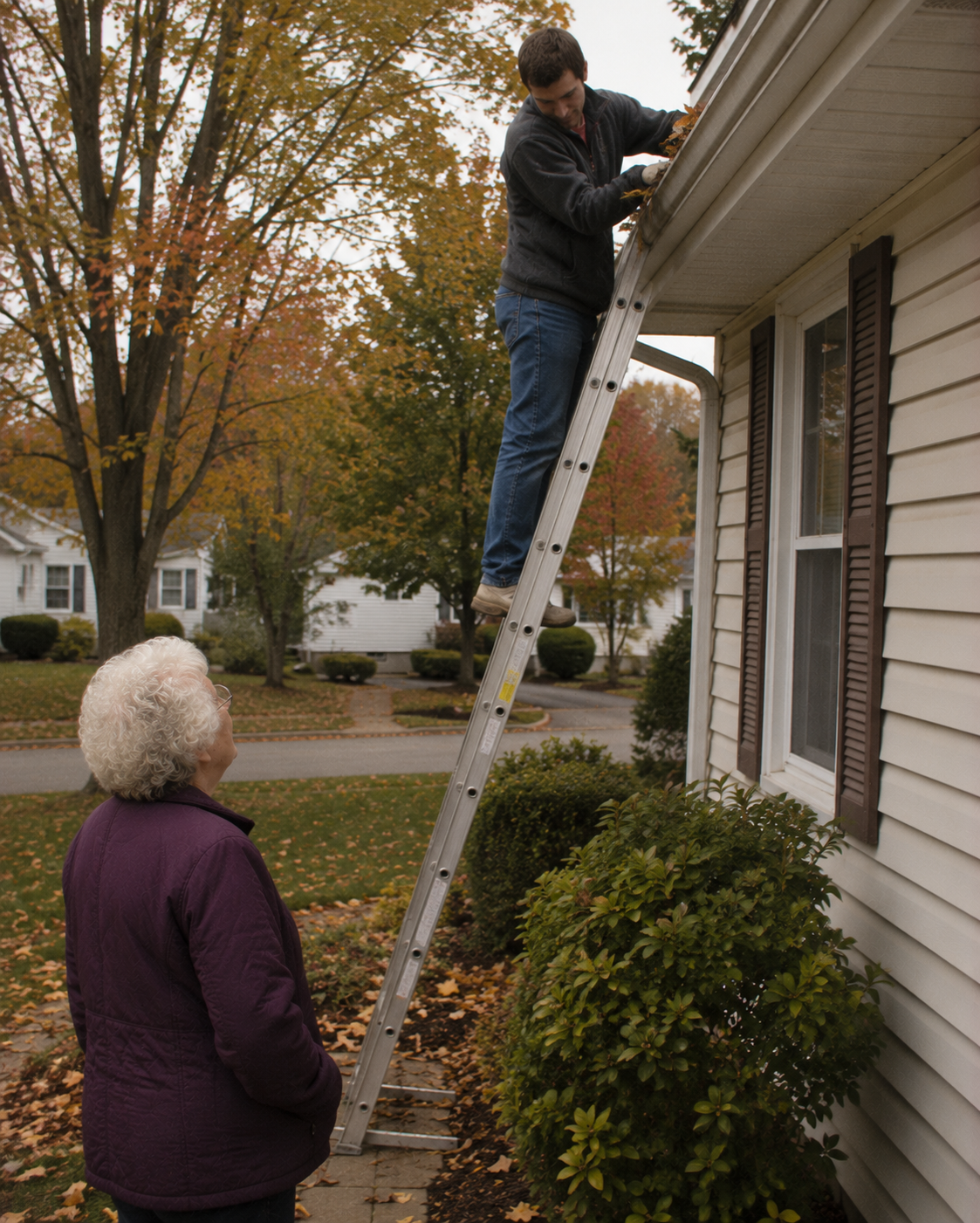
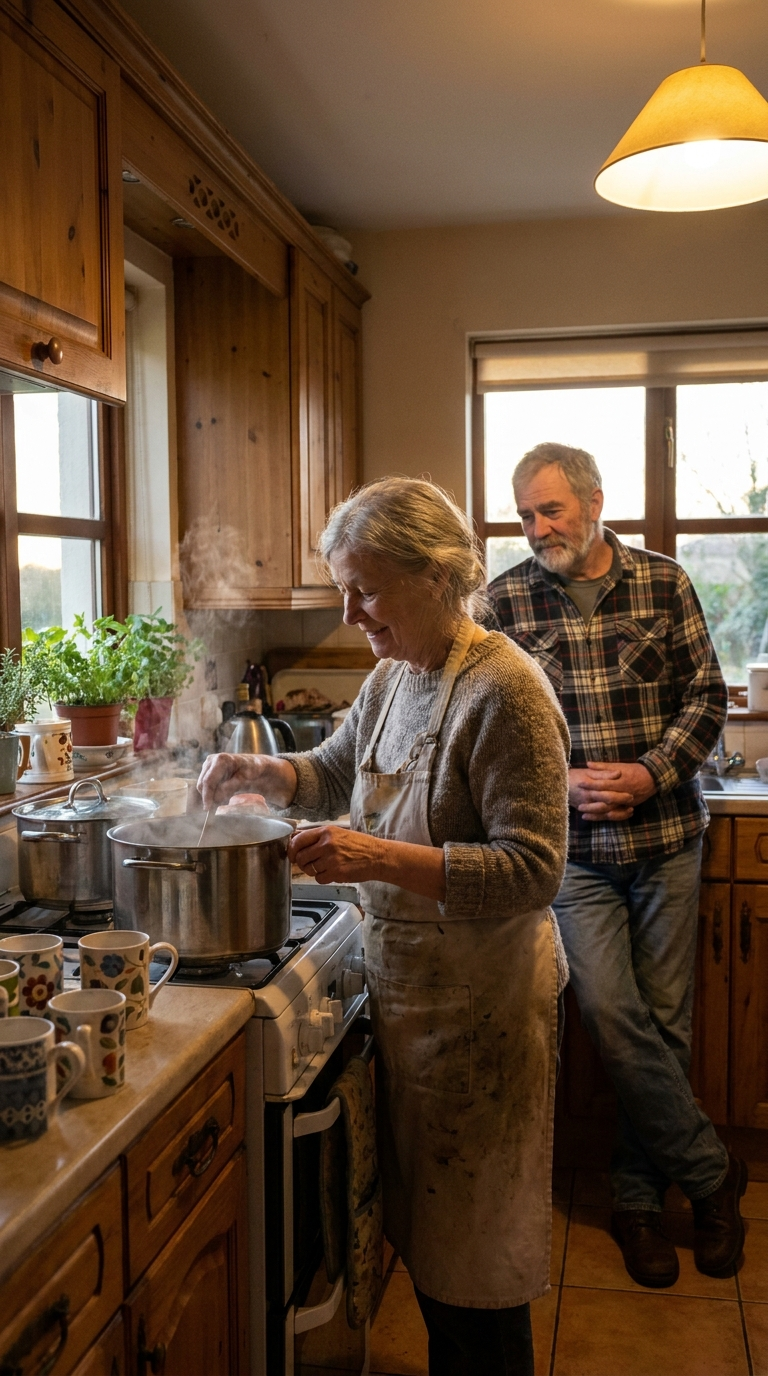
My husband stopped reaching for me about two years ago. Not in a fighting way. Not in an angry way. Just in a quiet, drifting way that I couldn't quite point to. I want to tell you about my husband. His name is Tom. He's 64. We've been married for 38 years. I'm 61. We have two grown kids. A son who lives in Portland. A daughter who lives an hour away with our two grandchildren. We have a good marriage. We've always had a good marriage. But for the last two years, something has been quietly going out of it. Not in a dramatic way. Not in a fighting way. Not in a way I could have pointed to and said "this is what's wrong." It was more like the air going out of a tire. You can't tell it's happening on any given day. But one day you look at the tire and it's flat. And you can't remember when it stopped being full. The first thing I noticed was that Tom stopped doing the things around the house he used to do without thinking about it. Tom had been the handy one for our whole marriage. He'd been the one who patched the drywall when our son put his foot through it during a basketball move in 1997. He'd been the one who rebuilt the back deck the summer our daughter got engaged. He'd been the one who could fix a leaky faucet in about ten minutes and a running toilet in five. About two years ago, he stopped reaching for the tools. The leaky faucet in the powder room dripped for three months. The squeaky hinge on the back door squeaked for half a year. The fence post that came loose after a storm last March stayed loose into the summer. When I asked him about any of it, he'd say he was tired. He'd say he'd get to it on the weekend. He'd say it was on his list. It never came off the list. I started doing things myself. I patched a hole in the laundry room wall. I painted the trim in the upstairs hallway. I learned to use a caulk gun and re-caulked the kitchen sink. I didn't mind doing it. I minded what it meant. The other things piled up slowly. He stopped suggesting we go out to dinner on Friday nights. He stopped reaching for me in the small ways he used to. A hand on my lower back when we were standing in line. A kiss on the top of my head when he came up behind me at the counter. The way he used to look at me from across a room. He didn't stop looking at me. He just looked at me less. He started going to bed earlier than I did. He'd say he was tired. He'd be asleep before I came up. I'd come up at 11 and find him already out. I started reading downstairs to give him space. We used to read in bed together. I don't remember when we stopped. In the daytime he was tired more than he used to be. He'd get winded walking from the parking lot to the grocery store entrance. He'd sit on the bench at the front of the store for a minute before walking down the produce aisle. He thought I didn't notice. I noticed. He'd been on a blood pressure medication for about twelve years. His doctor had him on a low dose. The numbers had always been stable. I asked him about everything once, gently, on a Saturday morning while he was making coffee. I said: "Honey. Are you doing okay? Really?" He said: "I'm fine." He said it the way men say "fine" when they've decided not to talk about something. He turned around and handed me my coffee. He kissed me on the forehead. It was the most affection he'd given me in weeks. It was also a way of ending the conversation. I let him end it. I shouldn't have. But I did. A few weeks later, on a Tuesday morning in October, I drove to the hardware store to pick up paint. I'd decided to repaint the den. I'd been planning it for months. Tom had said he'd help me move the furniture when I was ready to do it. I'd stopped believing he would. So I was doing it myself. I parked in the small lot at the side of the store. When I came back out with the paint cans and the rollers and the new drop cloth, I noticed a woman in the next row standing next to her car with the hood up. She was in her seventies. She had on a tan canvas jacket and sneakers. She was looking at the engine the way people look at engines when they don't know what they're looking at. I almost walked past her. I had my own day going. But she looked up and we made eye contact for half a second. There was something in her face. Not desperation. Just tiredness. The kind of tiredness that's been worn for a long time. The kind of tiredness I'd been seeing in my own bathroom mirror lately. I changed direction. I walked over. I said: "Are you okay? Can I help with anything?" Her name was Margaret. She was 73. She'd come to the hardware store to buy a new shower head. She'd been in the store for about twenty minutes. When she came back out, her car wouldn't start. She said she thought it was the battery. She said it had been a little slow to start lately and she'd been meaning to take it in. She said her husband Walt used to handle the car maintenance, but he hadn't been doing it for the last couple of years, and she'd been making a list of things to deal with and she just hadn't gotten to the battery. The last few words came out a little flat. I noticed. I said: "Let me call AAA for you." She started to protest. She said she had a membership and she'd call them herself in a minute. I said: "Margaret. It's cold. Let me make the call. We can sit in my car while we wait." She looked at me for a second. Then she said: "That would be very kind of you. Thank you." I called AAA from my phone. They said the truck would be there in about an hour. I put the paint cans in the back of my car. I opened the passenger door for Margaret. We sat in the front seat together with the engine running and the heat on low. I didn't really know how to start a conversation with a stranger in a parking lot. But she did. She turned a little in the seat to face me. She said: "I'm grateful. You didn't have to stop." I said: "It's nothing. I'm glad I was here." She was quiet for a few seconds. Then she said: "You looked at me like you saw me. People don't usually do that. They walk past." I didn't know what to say. She said: "You're how old, dear, if you don't mind me asking?" I told her I was 61. She nodded. She said: "I was 61 thirteen years ago." She said: "It's a good age. It's also a tricky age." I said: "Why tricky?" She looked out the windshield for a long time. Then she said: "It's the age where you start finding out who your husband is going to be in his 70s." I didn't say anything. She didn't look at me when she said it. She just kept looking out the windshield. She said: "Walt — that's my husband — was the kind of man who could do anything with his hands. He built the back porch on our house in 1986. He rebuilt the engine of my father's old truck the summer we got engaged. He could fix a clock. He could fix a chair." She said: "He stopped picking up the tools when he was about 67. Just stopped. I'd ask him about a leak in the basement and he'd say he'd get to it on the weekend. He wouldn't get to it. I started doing it myself." I sat very still in the driver's seat. She kept going. She said: "He's a good man. He's always been a good man. He still is. But he's been quieter for a few years now. He sits in his chair more. He goes to bed before I do. He doesn't reach for me the way he used to reach for me." She paused. She said: "I don't mean physically, although that too. I mean the small things. The hand on my back when we're standing at the kitchen counter. The way he used to come up behind me when I was washing dishes and put his arms around my waist." She said: "All of that drained out so slowly I didn't see it happening. I just woke up one day a couple of years ago and realized I couldn't remember the last time he'd done any of it." She said: "And I didn't know how to bring it up. Because how do you bring something like that up?" I had not yet said a word. She turned and looked at me. She said: "I'm sorry. I don't usually pour all this out on strangers. I just — there was something in your face when you walked over. Something familiar." I said: "Margaret." She waited. I said: "I came in here today because I'm painting our den myself. Because my husband, who used to be able to do anything with his hands, hasn't been picking up the tools." She didn't say anything. I said: "He's been going to bed before I do. He stopped reaching for me in the small ways. He stopped looking at me across rooms. He's a good man. He's always been a good man. He still is. But he's been quieter." I said: "I haven't known how to bring it up either." She reached across the center console and took my hand. We sat there for a minute without saying anything. I cried a little. She didn't. She'd done her crying about Walt a long time ago. After a while she said: "Can I tell you what I wish someone had told me about ten years ago?" I said: "Please." She said: "I'm not a doctor. I'm not pretending to be one. So take this for what it's worth, which is just one old woman talking to one slightly less old woman in a parking lot." She said: "When this kind of quietness comes into a marriage, it's tempting to think it's the marriage that's going quiet. It's tempting to think one of you stopped trying. It's tempting to make it about love." She said: "Sometimes it is about love. But a lot of times, especially with men in their 60s and 70s, it isn't. It's about the body. The energy isn't there the way it used to be. The stamina isn't there. The interest in things isn't there. And men don't always know how to say that out loud, so they just... go quiet." She said: "When a man goes quiet like that, his wife thinks something is wrong between them. And he thinks something is wrong with him. And neither of them brings it up. And the marriage gets quieter year by year, when all that's actually happening is that his body is changing and nobody is doing anything about it." I asked her: "Did Walt ever go to the doctor about any of it?" She said: "Eventually. He was on a blood pressure medication. His doctor monitored him. The doctor told him for years that his numbers looked fine. Which they did, on the panel. Walt would come home from those appointments and say 'I'm fine.' And then he'd sit in his chair." She said: "About four years ago, I finally asked him to bring up to his doctor everything he hadn't been bringing up. The energy. The stamina. The fact that he wasn't himself." She said: "His doctor took it seriously. He looked at Walt more carefully. He ordered more tests. He told Walt that some of what he was experiencing was within the range of what a lot of men his age go through — that the cardiovascular system shifts in ways that affect circulation and energy and stamina, even when the numbers on the standard panel look okay." She said: "He didn't change Walt's medication. He told him to keep moving, keep eating well, keep stress manageable." She said: "He also said something I'd never heard a doctor say before. He said: 'There are things you can add to what you're already doing. Things that support the body's natural antioxidant balance and circulation. They aren't going to replace anything. They aren't a treatment for anything. But some men find that adding them to a healthy lifestyle helps them feel more like themselves.' " She said: "He gave Walt some names to look into." She told me Walt had spent a few weeks reading. She told me he'd come across a beetroot supplement that supports the body's natural antioxidant balance and overall cardiovascular wellness. She said he'd called his doctor's office before he ordered it. The doctor had said it was a sensible thing to add. No interactions with the medication. She said Walt had been on it for about three years. She said: "I'm not going to tell you it gave me back the husband I had in 1985. That husband is gone. Time takes what time takes." She said: "But it gave me back some pieces of him. The hand on my back came back. The eye contact came back. He's quieter than he used to be, and he probably will be for the rest of his life. But he's with me again. He's in the room." She said: "I wish someone had told me about it ten years ago. We lost a lot of years to thinking it was the marriage when it was the body. I just don't want you to lose those years too." I asked her what the brand was. She said: "Rosabella. Small company. 1,300 milligrams per serving. Cold-pressed at low temperatures. Grown in a small farming community in Lancaster County." She said: "He's been on it for three years. There's a bottle by our coffee maker. He takes two capsules every morning. It's part of the routine now." She wrote it down for me on the back of the receipt for her shower head. She handed it to me. She said: "I want to be clear about something. I'm not telling you this is going to fix anything. I'm not telling you it's going to give you back what you've been missing. I don't know what's going on with your husband. I don't know his health, his history, his medications. I'm just telling you what helped my husband. And I'm asking you to do the same thing he did." She said: "Call your husband's doctor's office. Talk to them. Ask them if it's a sensible thing to add. Don't order anything before you do that. That part matters." I told her I would. She squeezed my hand. She let it go. The AAA truck pulled into the parking lot. I drove home from the hardware store with my paint cans and my drop cloth and the receipt with "Rosabella" written on the back. I didn't paint the den that afternoon. I sat on the back porch with a glass of water and thought about everything Margaret had said. When Tom came home from his Saturday errand-running, I asked him to sit on the porch with me. I told him about Margaret. All of it. Walt in his chair. Margaret in her tan jacket. The conversation in the front seat of my car. Then I told him what Margaret had said about Walt and his doctor. I told him I'd been doing my own pretending too. I'd been pretending the drift in our marriage was something I had to accept. I'd been pretending he was fine because he kept telling me he was. I'd been pretending I wasn't worried. I told him I was worried. Tom was quiet for a long time. He took my hand on the porch. He said: "Sarah. I haven't been fine." He said: "I haven't known how to say it. I keep thinking I'm just getting older and this is what older is. But I look at our friends, and a lot of them aren't like this, and I've been wondering if something is going on with me." He said: "I haven't reached for you because I haven't felt like myself. And I didn't want you to feel like you were getting less of me. So I just... pulled back. I'm sorry." I told him not to be sorry. I told him I just wanted him to call his doctor's office. He said he would call on Monday. He called Monday morning. He told the nurse roughly what he hadn't been telling anyone for two years. The energy. The stamina. The quietness. The withdrawal from things he used to enjoy. The nurse listened. She talked to the doctor. She called Tom back that afternoon and scheduled him in for a longer appointment the next week. He went in the following Wednesday. The doctor took it seriously. He did new bloodwork. He repeated the EKG. He ordered some additional tests that hadn't been on the panel before. He told Tom that nothing required medication beyond what he was already on. But he agreed with Tom that what he was experiencing was real. He told Tom this was something a lot of men in their 60s go through — that the cardiovascular system shifts in ways that affect circulation and stamina and overall vitality, even when the standard markers look fine. He told Tom the most important things were to keep moving, keep eating well, keep stress manageable, and to come back in three months. Tom asked him about the beetroot supplement. The doctor said it was a sensible thing to add to what Tom was doing. He said there were no interactions with the blood pressure medication. He said a number of his male patients had added it to their routines and reported back that they felt steadier. He told Tom to let him know how things were going at the three-month follow-up. Tom called me from the parking lot. He said: "I called. I went. I told him everything I haven't been telling anyone." He said: "He took me seriously." He said: "He said it was a sensible thing to add." I said: "Tom." He said: "Don't make me cry in the parking lot." I laughed. He laughed. We ordered the bottle that night. The bottle arrived about a week later. Tom opened it at the kitchen counter. I noticed the color over his shoulder. Deep, dark red. Almost purple. Margaret had told me about the color. That it was the visible marker of the active compound being intact. Tom set the bottle next to the coffee maker. The next morning he took two capsules with a glass of water and drank his coffee. He didn't say anything about it. I didn't either. He just kept going. Two capsules. Water. Coffee. Blood pressure medication. The rest of his morning routine. Day after day after day. I'm going to tell you about the next few months the way I remember them. Which is to say, I'm going to tell you about small things. About two weeks in, he carried four bags of groceries in from the car in one trip. He'd been doing two trips for the last year. He didn't make a big deal of it. He just carried them in and set them on the counter and asked what I wanted for lunch. I noticed. About three weeks in, he came up to bed at the same time I did on a Wednesday night. He hadn't done that consistently in about two years. He read for fifteen minutes next to me before turning off his light. I read next to him. That was all. But it had been a long time since we'd both been reading in the same bed at the same time. I missed it more than I'd realized. About a month in, he picked up the caulk gun. I'd left it on the counter in the laundry room after I'd done the kitchen sink the week before. He saw it. He picked it up. He took it out to the back porch. He went around the bottom of the railing and re-caulked the parts that had cracked over the winter. It took him about forty minutes. He came back inside and washed his hands. He didn't say "look, I'm doing things again." He just put the gun back on the counter and got himself a glass of water. I sat in the kitchen and pretended to look at my phone. I was actually trying not to cry. Over the next several months more of those small things piled up. He started reaching for me again. The hand on my lower back when we were standing in line at the post office. The kiss on the top of my head when he walked behind me. The way he'd look at me across a room. He started suggesting we go out to dinner on Fridays again. He started suggesting walks after dinner. Not long ones at first. Twenty minutes around the neighborhood. By summer we were walking forty-five minutes most evenings. He didn't get winded walking from the parking lot to the grocery store entrance anymore. He fixed the leaky faucet in the powder room. He fixed the squeaky hinge on the back door. He fixed the fence post that had been loose for half a year. He came up to bed when I came up to bed. In April we had dinner with our friends Bill and Lorraine for the first time in over a year. Tom told a story he hadn't told in years. He had everyone laughing. Lorraine, who has known Tom since 1989, took my arm in the parking lot afterward and said: "Sarah. He seems like himself." I said: "I think he's coming back to me." She squeezed my arm. She didn't say anything else. She didn't need to. Tom went to his three-month follow-up with his doctor. I went with him. The doctor checked his vitals. Looked at his bloodwork. He told Tom things looked good. Better than they had at the last appointment. He said the medication was doing what it was supposed to do. He said Tom should keep doing whatever he'd been doing. He didn't change any medication. We walked out of that appointment holding hands. We hadn't held hands walking out of a doctor's appointment in years. I'm not going to tell you the supplement did all of this. We also paid attention to each other again after years of not paying attention. We also started walking together. We also started eating dinner at the table again instead of in front of the TV. We also started talking. We changed a lot of things at the same time. I can't separate one variable from another. What I can tell you is that something shifted, and the shift held. The bottle is still by the coffee maker. Tom takes two capsules every morning. He has for over a year now. He's not going to stop. A few months ago I started taking it too. I called my own doctor's office first. She said it was a sensible thing to add. I'm 61. I'm a long way from where Walt is. But I want to be the kind of 73-year-old Margaret is. Steady. Awake. Driving herself to the hardware store. Helping strangers when they need it. Telling the truth to younger women who need to hear it. I'm not going to tell you anything dramatic about my own experience. My mornings feel a little steadier. My afternoons feel a little easier. I changed a few other things at the same time — I started walking with Tom in the evenings, I started getting to bed earlier, I started drinking more water. I can't separate one variable from another. What I can say is that I'm doing it on purpose. I'm paying attention now. I wasn't before. Here's what I'd say to any woman who has been watching her husband slowly pull away. Not in a fighting way. Not in an angry way. Just in a quiet, drifting, falling-asleep-in-different-chairs way. You're not imagining it. The things you're noticing are real. A lot of men, in their 60s and 70s, go through a quiet drift like this. They don't talk about it. They don't always know how. It's tempting to think it's the marriage going quiet. It's tempting to think one of you stopped trying. It's tempting to make it about love. A lot of times — especially with men in their 60s and beyond — it isn't about love. It's about the body. Have a conversation. Be gentle. Don't accuse. Ask him when his last appointment was. Ask him to call his doctor's office and tell them everything he hasn't been telling anyone. If you want to talk to him about adding a beetroot supplement to his routine, the most important step is the phone call to his doctor's office. I cannot stress this enough. Especially if he's on medication — for blood pressure, for cardiovascular concerns, for anything — talk to the doctor before adding anything new. The brand we used is Rosabella. 1,300 milligrams per serving. Cold-pressed at low temperatures. Grown in Lancaster County. Two capsules with water in the morning. That's the whole protocol. I'm not a doctor. I'm not in healthcare. I'm one wife who almost lost the small everyday parts of her marriage because she didn't know what was happening. And I'm one wife who got them back because a stranger in a parking lot told me the truth. Take it for what it's worth. P.S. A few practical notes for anyone thinking about this. Rosabella has a 90-day money-back guarantee. If you're not satisfied for any reason, every penny back. No questions asked. That's a sensible policy for a supplement. It gives you time to actually see whether it does anything for the person you're giving it to. I'd give it a few weeks at minimum before deciding anything. Bodies are different. Some people notice something within the first week or two. Others take longer. Tom was somewhere around the second and third weeks. Be patient with him. Be patient with the bottle. P.P.S. We keep an extra bottle in the cabinet now. They're a small operation and the harvest is seasonal. I learned to stock up after the shipping took longer than expected one month. I don't want Tom to have a gap. P.P.P.S. A note about the doctor's office call. I'm going to come back to this because I think it's the part people are most tempted to skip. The temptation is to think: it's a supplement, it's not a drug, I don't need permission for a supplement. That's not why you call. You call because supplements can interact with medications. You call because his doctor knows things about his body that you don't. You call because if anything ever comes up later, you want his doctor in the loop on everything he's been taking. Tom almost didn't call. He thought it was unnecessary. I'm glad I asked him to. I'd ask the same of you. P.P.P.P.S. I never saw Margaret again. I drove past the hardware store a few times in the months after that day, half-hoping I'd run into her. I never did. I don't know her last name. I don't know where she lives. I never got her phone number. I have her shower head receipt in the drawer of my kitchen desk. I wrote her first name on the back of it next to where she wrote "Rosabella." Sometimes I take it out and look at it. I think about her in her tan canvas jacket. I think about her hand on mine in the front seat of my car. I hope she's okay. I hope Walt is still in the room with her. P.P.P.P.P.S. One last thing. If you're a wife reading this — and you're tired, and you're sad, and you've been watching your husband drift for a long time and you've started to wonder if this is just what the rest of your marriage is going to be — It doesn't have to be. He might still be there. He might just need to tell his doctor what he hasn't been telling anyone. He might need to add one small thing to what he's already doing. The middle of the night is the wrong time to think about all of this. The right time is whatever Tuesday morning you have next. Make the call. Or ask him to make the call. You might be one parking-lot conversation away from getting your husband back. I was. That's the whole thing. That's all I have. https://track.tryrosabella.com/4a8944d3-6841-4daa-bcd5-c063901eeae6 Individual experiences vary. These statements have not been evaluated by the FDA. This product is not intended to diagnose, treat, cure, or prevent any disease.
Support stamina and heart health every day
LEARN MORELike this ad? Make it yours.
Crush rebuilds this exact creative around your product — your brand, your colors, your offer — in about a minute.