Dog Health Blog
Dog Health Blog Facebook ad: “Stop trying to shrink lipomas the wrong way”
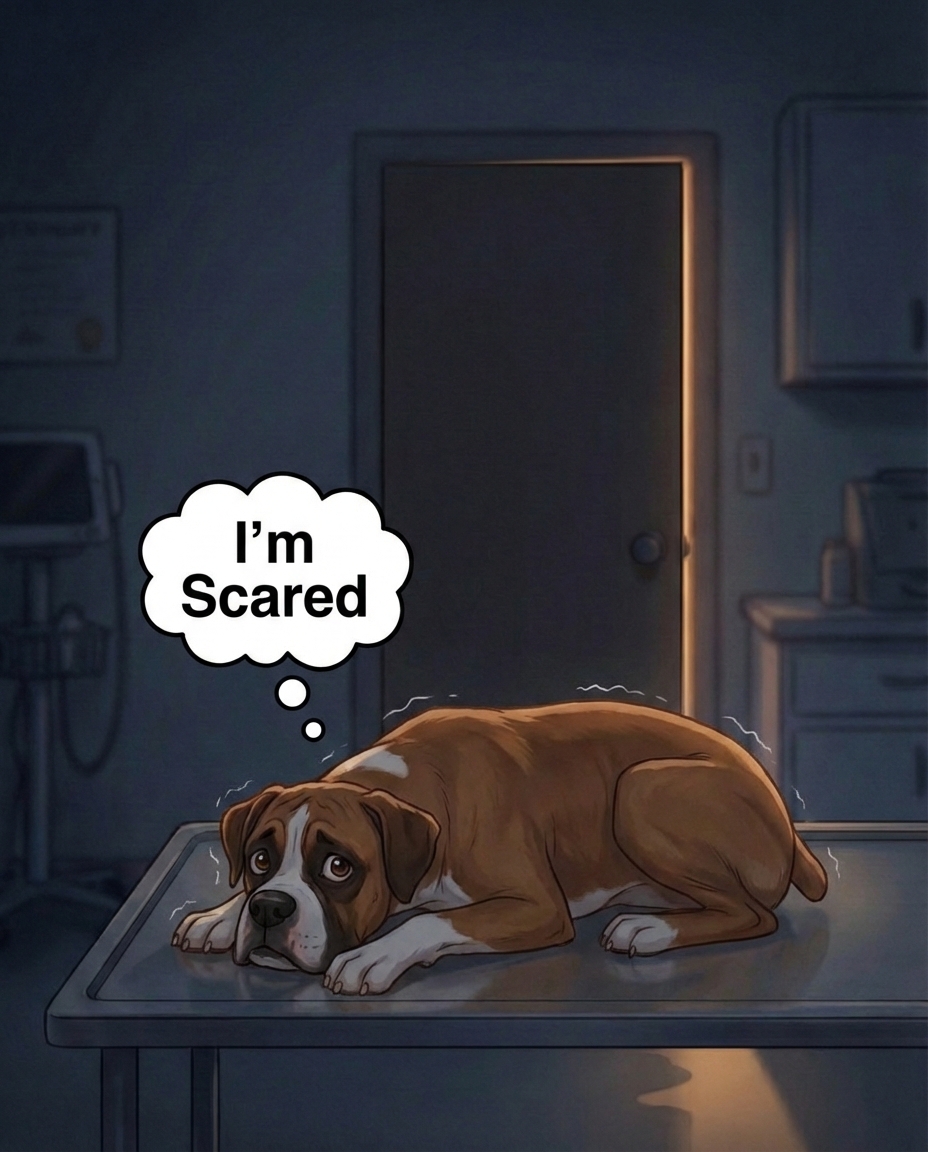
Ran for 72 days, from May 18 to July 28, 2026, the last day Crush saw it.
Run by Dog Health Blog on Facebook. Crush is not the advertiser and does not verify its claims. See this ad in Meta's Ad Library(opens in a new tab)
Want an ad like this for your product?
Crush makes new ad images for your product from this ad: your logo, your product photo, your offer.
Trials from $19.95 USD, then $79.95 USD a month. Cancel anytime.
About this ad
- Meta Ad Library ID
- 1703650904317019
- Platforms
- Facebook, Instagram, Messenger and Threads
- Relaunches
- 0
Ad text
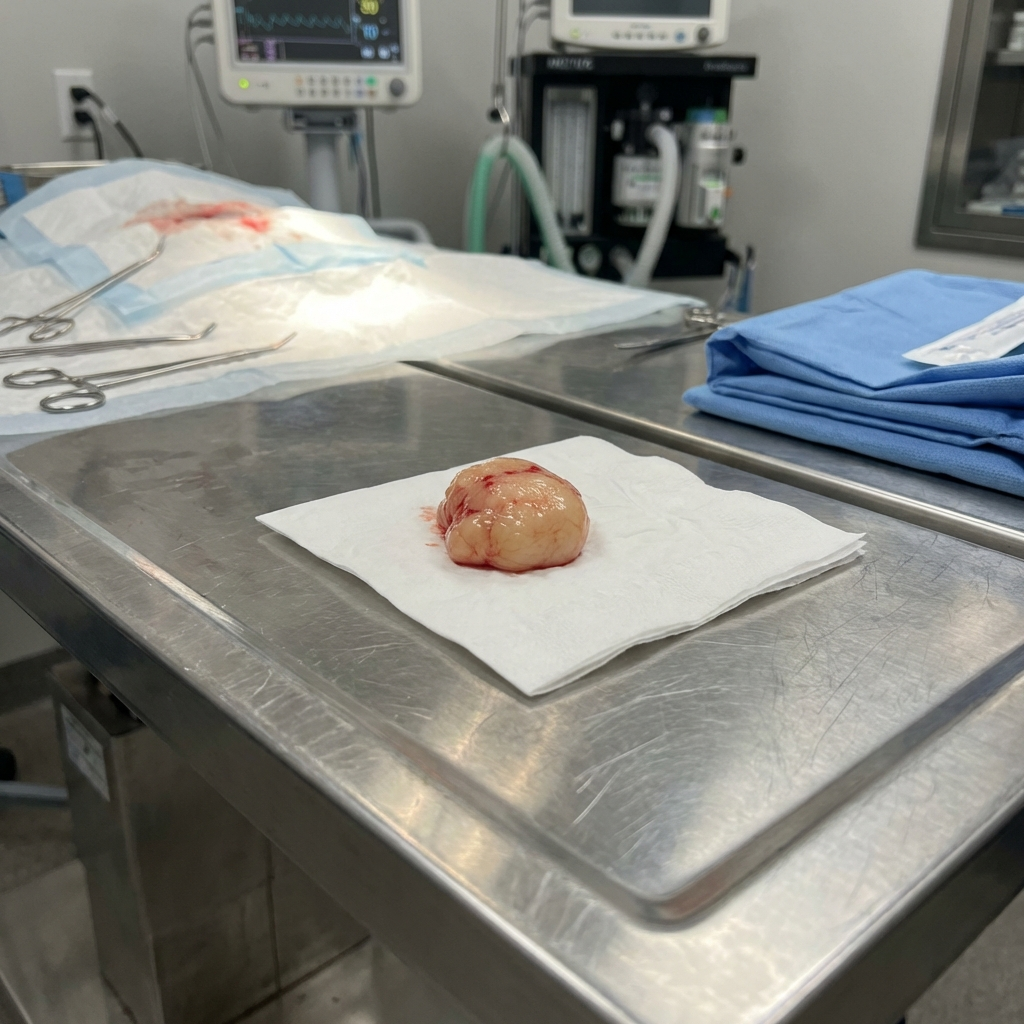
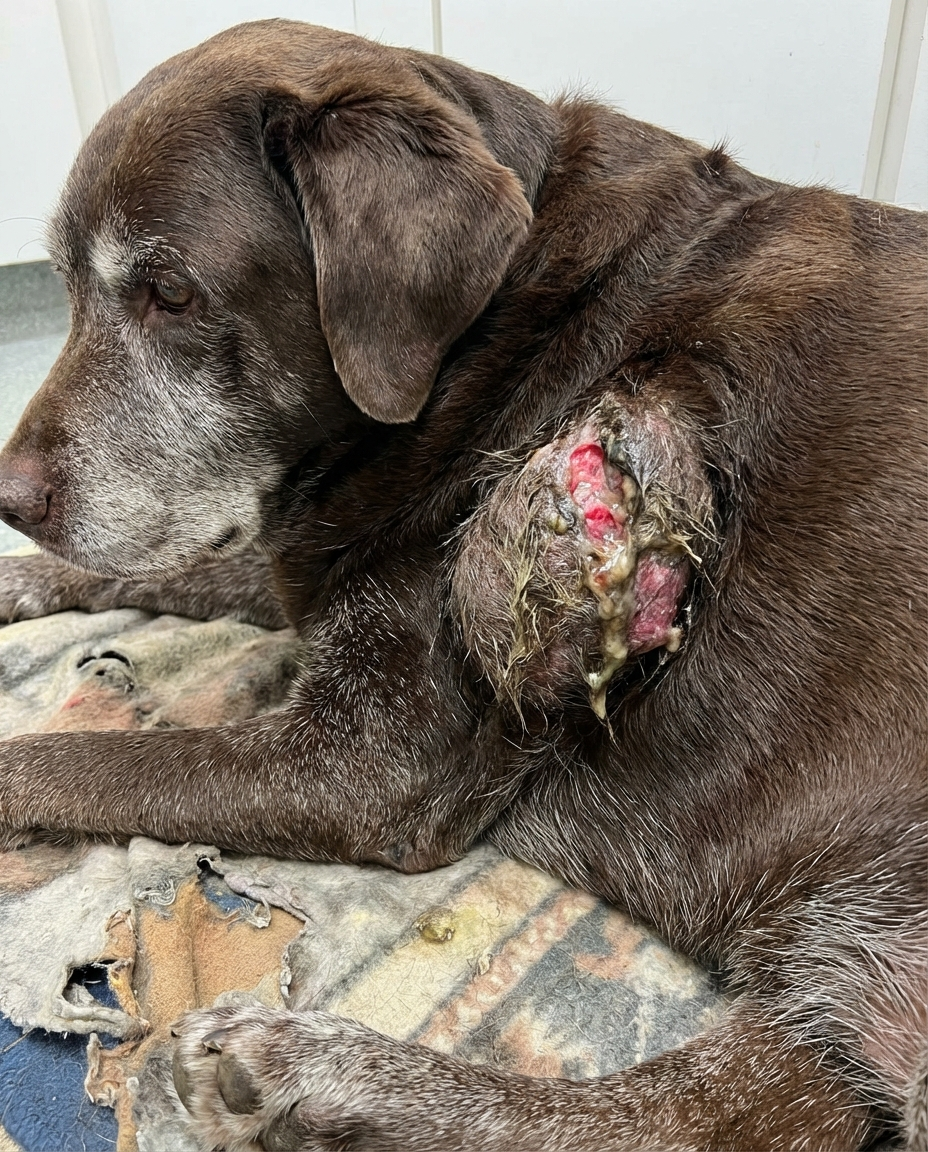
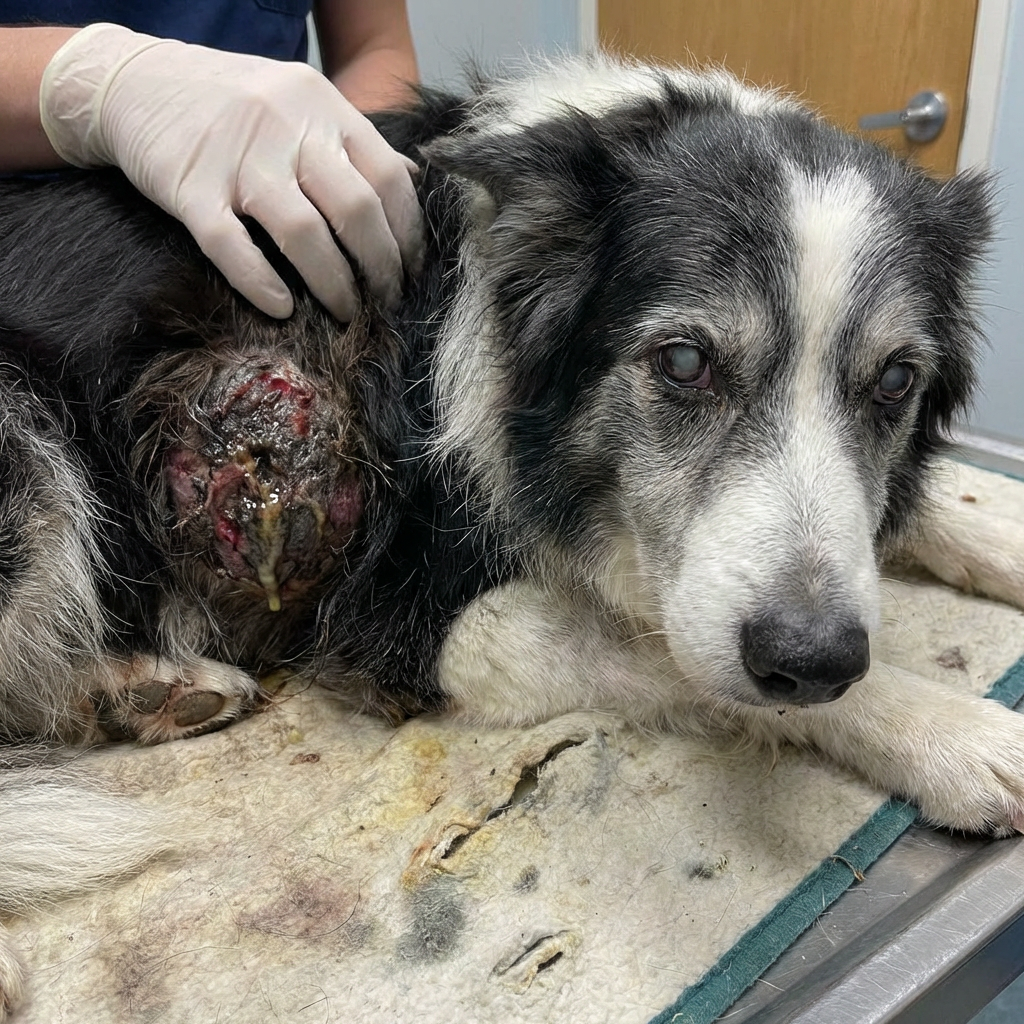
The receipt for my prepaid cremation plan lay folded on the kitchen counter, next to a coupon for dog food I didn't need and a reminder card for my next bone-density scan. That's eighty-one in America: planning your exit while the only heartbeat in your house besides your own belongs to a dog the shelter said had months to live. I'm Robert. I live alone in a small house outside Seattle. My wife Carol died three years ago. My daughter lives in Boston, my son in Denver. Good children. They call on Sundays, send birthday cards with gift cards inside, worry about me from a safe distance. But distance is a habit now. Love travels by text message these days. The silence after Carol died was unbearable. Not the quiet kind. The loud kind. The kind that presses against your ears at 6 PM when no one asks how your day was. The kind that follows you from room to room reminding you that everyone moved on and you're still here. I'd never had a dog before. Carol was nervous about falls and veterinary bills. But five months after the funeral, the silence won. I drove to the county shelter in Carol's old sedan. It still smelled like her lavender hand cream. The young man behind the desk had kind eyes. "What are you looking for?" The question I hadn't planned slipped out. "Something old. Something no one else wants. Something that understands what it feels like to be invisible." He didn't laugh or look away. He simply said, "Follow me." We walked past the bright front kennels where puppies tumbled over one another and young families pointed and smiled. We kept going, down the long corridor where the light grew dimmer and the barking quieter, until we reached the last row. "This is Duke," he said. He was a yellow Lab, gray-faced and heavy, lying on a donated blanket in kennel twelve. The card clipped to the door read: Owner surrender—moving to nursing home. Age: 11 years. Multiple lipomas. Mobility declining. Hold expires in 48 hours. He didn't rise to greet us. He only lifted his head and looked at me—the kind of look that says someone who stopped expecting anything. "He has fatty tumors all over his body," the young man said quietly. "At least six visible ones. They're benign but growing. His previous owner couldn't afford surgery. He probably won't make it through the year without intervention." I looked at Duke. Duke looked at me. Two old engines running on borrowed time. "I'll take him." They waived the adoption fee. "Senior-to-senior program," they called it. The shelter vet handed me a referral for surgical consultation and a sympathetic look. "His lipomas are quite large. The shoulder one is tennis ball-sized. Without removal, they'll continue growing and limit his mobility. I'd prepare yourself for some difficult decisions in the next six months." "I'm not afraid of short time," I told her. "I'm afraid of long loneliness." Duke came home. He learned the house by scent and routine. He knew the creak of Carol's rocking chair meant it was time to rest his head on my knee. He knew the evening news made me sigh, so he'd press against my leg until I scratched his ears. We were two old souls who'd been counted out, but together we kept going. Then I noticed Duke's lumps were growing faster. I'd check them every morning when I brushed him. The shoulder lump. The two on his ribcage. The one near his hip. Week by week, they felt bigger. I mentioned it at his one-month checkup. The vet measured them carefully. Shoulder lump: 8cm across. Up from 6cm at intake. "It's progressing," she said gently. "Lipomas do that as dogs age. I can refer you to a surgeon, but given Duke's age and the number of lumps, recovery would be difficult." I bought Turkey Tail supplements that afternoon. The reviews were perfect. 4.8 stars. "My dog's lumps disappeared!" "Best supplement ever!" I gave it to Duke religiously. Every morning mixed into breakfast. The recommended dose, never missed. Week four: The lumps felt the same. Maybe bigger. Week eight: Definitely bigger. The shoulder lump was affecting his gait now. I switched to a premium organic brand. Triple-extracted. "Veterinarian formulated." $127 per bottle. Week twelve: Shoulder lump measured 9.5cm. Two new lumps appeared on his hindquarters. "Robert," the vet said carefully. "The supplements aren't working. We need to start discussing surgical options or quality of life." I drove home crying. I'd had Duke three months. Three months of not being alone. Three months of someone waiting for me when I woke up. Three months of mattering to something living. And I was losing him. That evening, my neighbor knocked on my door. David. Early sixties. Veterinary nutritionist who'd retired to Seattle. We'd waved to each other for years but rarely talked. "I noticed you adopted a senior Lab," he said. "Wanted to bring you some joint supplements." He held up a container. I invited him in. Started crying again the moment I tried to thank him. The whole story came out. Duke. The lipomas. How they kept growing despite expensive supplements. How I was losing him after just three months. David was quiet for a moment. "Can I see what supplements you're using?" I showed him the two bottles. The original Turkey Tail. The premium organic one. He looked at both labels, thought for a moment, then asked: "Robert, do you know what chitin is?" I shook my head. "Chitin is the cell wall material in mushrooms. Same compound that makes insect exoskeletons. When you give Duke these supplements, his digestive system encounters chitin barriers around every beneficial compound. But dogs don't produce chitinase enzymes. They can't break chitin down. At best, they absorb 5-10% of what you're giving them. The rest passes through completely undigested." My hands started shaking. "I've been giving him supplements he can't digest." "You didn't know. Most people don't. But Duke's body simply can't access the beta-glucans locked behind those chitin walls. His biology won't let him absorb what he needs. He's not failing to respond. The supplements are failing to become bioavailable." "But if he can't absorb them, the lumps will keep growing." David nodded. "That's the cruel part. The compounds that could help are right there. But without enzymatic activation to break down the chitin walls, they're completely inaccessible. Either way, the lumps progress." "What do I do?" "At the veterinary hospital where I worked, we used research-grade formulations for clinical studies. Mushroom compounds combined with Lactobacillus acidophilus—a specific probiotic that produces chitinase enzymes. There's one consumer supplement that uses this protocol. It's called Turkey Tail+. Uses the exact ratio from the Japanese bioavailability studies. It's not cheap, but for a lipoma dog, it's the difference between supplements that pass through undigested and compounds that actually reach the bloodstream." He wrote down the name. I ordered it that night. It arrived four days later. The container was smaller than my other supplements. "Precision formulation," the label said. "Two ingredients: 500mg organic Turkey Tail, therapeutic-dose Lactobacillus acidophilus." I gave Duke his first scoop that morning, mixed into breakfast. Duke ate it without hesitation. Day three: The shoulder lump felt different when I checked it. Not smaller. But softer. Less dense. Day seven: Duke jumped into Carol's rocking chair. He hadn't done that in two months. Week two: Six times drinking from his water bowl daily. More energy than I'd seen since adoption. Week three: The shoulder lump felt noticeably smaller when I measured it. I sat on my kitchen floor and cried. Week four: The vet measured everything. Shoulder lump: 8.2cm. Down from 9.5cm. "It's shrinking," I whispered. She looked stunned. "Robert, lipomas don't shrink on their own. What changed?" I told her about David. About chitin barriers. About the probiotic-activated formula. She was quiet for a moment. "I should have explained bioavailability when I recommended supplements. I just assumed... but plain mushroom supplements can't be absorbed without enzymatic activation. If you've eliminated the barrier problem, his body is finally accessing the beta-glucans for the first time." Week eight: Shoulder lump at 7.1cm. One hindquarter lump completely gone. Week twelve: Shoulder lump at 5.8cm. Both hindquarter lumps resolved. Back to smaller than when I adopted him. Before the three months of unabsorbable supplements made everything worse. The vet said, "I was preparing you for surgery or decline. I don't know what to tell you now. If these lumps keep shrinking, we could be looking at years of stability." That was two years ago. Duke just turned 13 last month. His latest examination: Shoulder lump at 3.2cm—60% smaller than peak. No new lumps. Stable. Holding. The vet says she's never seen a multi-lipoma senior dog maintain shrinking tumors for two years. "The activated formula," she said. "That's the only variable that changed." From plain Turkey Tail locked behind chitin walls his body couldn't break down to probiotic-activated compounds his digestive system could finally absorb. From wasting money on supplements that passed through undigested to bioavailable beta-glucans that actually reached his cells. From months to live to two years and counting. I think about those first three months. Watching Duke's lumps grow while I gave him expensive supplements. Watching his mobility decline. Being told to prepare for surgery or worse. Not knowing that the supplements I was buying—recommended by reviews, sold by trusted brands—were completely inaccessible to Duke's digestive system. Not knowing that his failure to improve wasn't the supplement quality. It was the absence of enzymatic activation. Last month, David came over for coffee. "You saved his life," he said, watching Duke sleep peacefully. I shook my head. "You saved his life. I was wasting money on supplements he couldn't digest and didn't even know it." "Most people don't know. We're told Turkey Tail helps with lipomas. And it can—but only if dogs can actually absorb it. Plain mushroom supplements are locked behind chitin barriers. The beta-glucans are there, but dogs lack the enzymes to access them. You need Lactobacillus acidophilus to produce chitinase enzymes that break down those walls first." Duke is sleeping next to me right now. Thirteen years old. Two years past his expected decline. Because I finally gave him supplements his biology could absorb. If your dog has lipomas... If they're not responding to Turkey Tail supplements even though you give them faithfully... If the lumps keep growing despite months of expensive formulations... Please understand what I didn't know: Plain mushroom supplements contain beneficial compounds. But those compounds are locked behind chitin cell walls—the same material that makes insect exoskeletons. Dogs don't produce chitinase enzymes. They can't break down chitin barriers. They absorb 5-10% at best. The rest passes through completely undigested. The supplements are there. The beta-glucans are there. But your dog's biology cannot access them. So the lumps keep growing. Not because supplements don't work. Because your dog's body can't use what you're giving them. You're spending money on compounds that pass through their digestive system untouched. The supplements fail. The lumps progress. Either way, they decline. Turkey Tail+ removes what plain supplements cannot. Two ingredients only: 500mg organic Turkey Tail. Therapeutic-dose Lactobacillus acidophilus. Lactobacillus acidophilus produces chitinase enzymes that break down chitin walls before compounds reach the intestines. Beta-glucans become bioavailable for the first time—87% absorption versus 5-10% with plain mushroom supplements. This is the formulation veterinary research hospitals use for clinical bioavailability studies. Duke's two-year stability proves it works. Shoulder lump from 9.5cm down to 3.2cm. Multiple lumps resolved. Given months before surgery, still here at 13 years old. David's professional validation proves it works. "Research-grade formulation for home use." The vet's validation proves it works. "I've never seen multi-lipoma lumps shrink and stay stable for two years." Turkey Tail+ comes with a 90-day money-back guarantee. If lumps don't respond, full refund. Click below to see if Turkey Tail+ is still available. Give your dog supplements their biology can actually absorb, not just compounds locked behind barriers they can't break down. P.S. Duke was given months before needing surgical intervention two years ago. Multiple lipomas, shoulder lump at 9.5cm, mobility declining. He failed to respond to plain Turkey Tail for three months while lumps kept growing. I thought the supplements weren't strong enough. They were locked behind chitin walls Duke's body couldn't break down—he absorbed maybe 5-10% while the rest passed through undigested. The moment I switched to Turkey Tail+ with Lactobacillus acidophilus that produces chitinase enzymes—he started absorbing 87% instead of 5%. Two years later, at 13 years old: shoulder lump at 3.2cm, 60% reduction, multiple lumps resolved. Stable. Still here. Plain mushroom supplements contain beneficial compounds, but dogs lack the enzymes to access them. The beta-glucans are trapped behind chitin barriers that pass through undigested. Probiotic activation breaks down what dogs' digestive systems cannot. That's the difference between months before surgery and years of shrinking lumps. https://lumiqourcom.pagedeck.app/5-reasons-turkeytail
Where the ad sends people
lumiqourcom.pagedeck.app
Stop trying to shrink lipomas the wrong way
90 Day MoneyBack Guarantee
Learn more: lumiqourcom.pagedeck.app(opens in a new tab)