
Inactive· since Jul 13, 2026
- 16
- days it ran
- 0
- relaunches
Ad copy
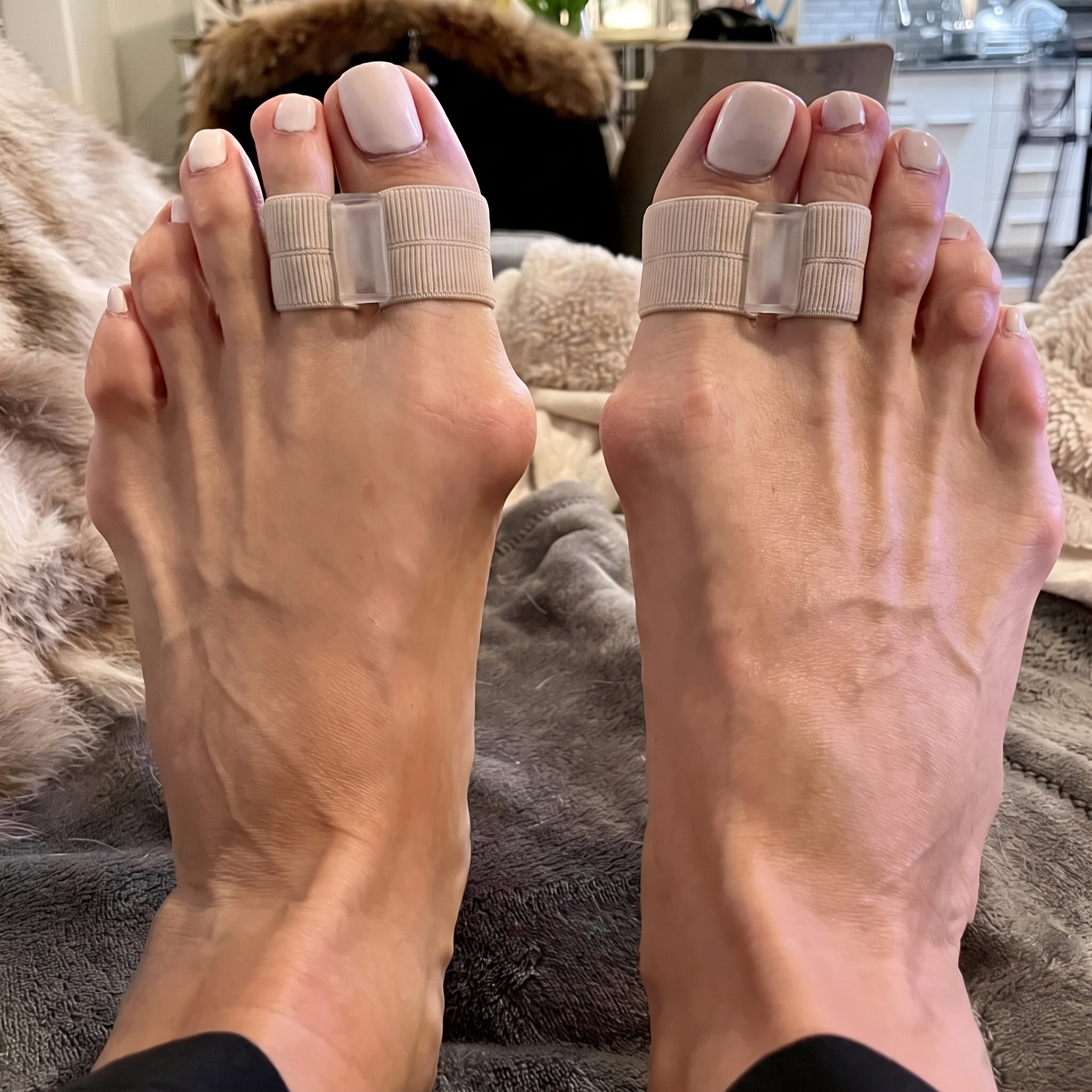
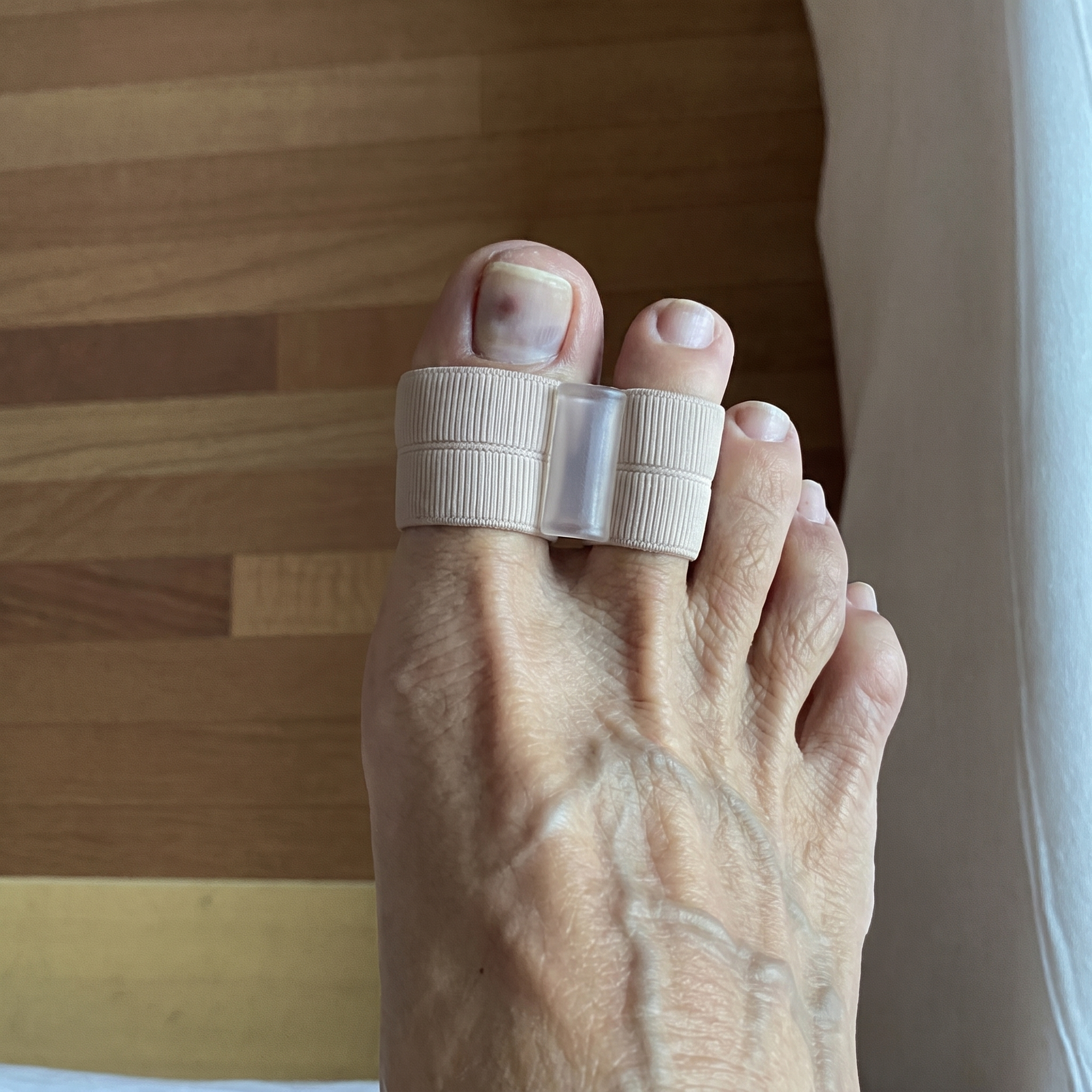
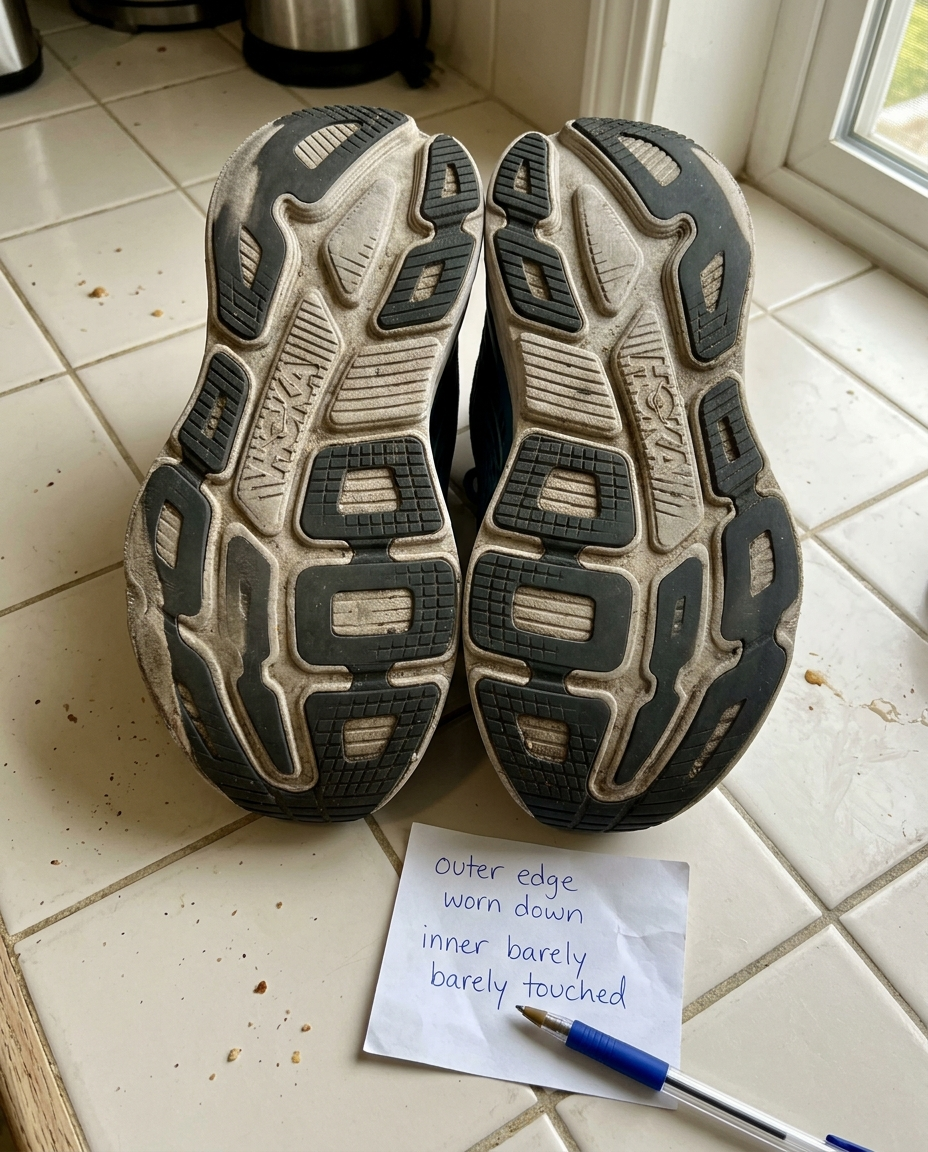
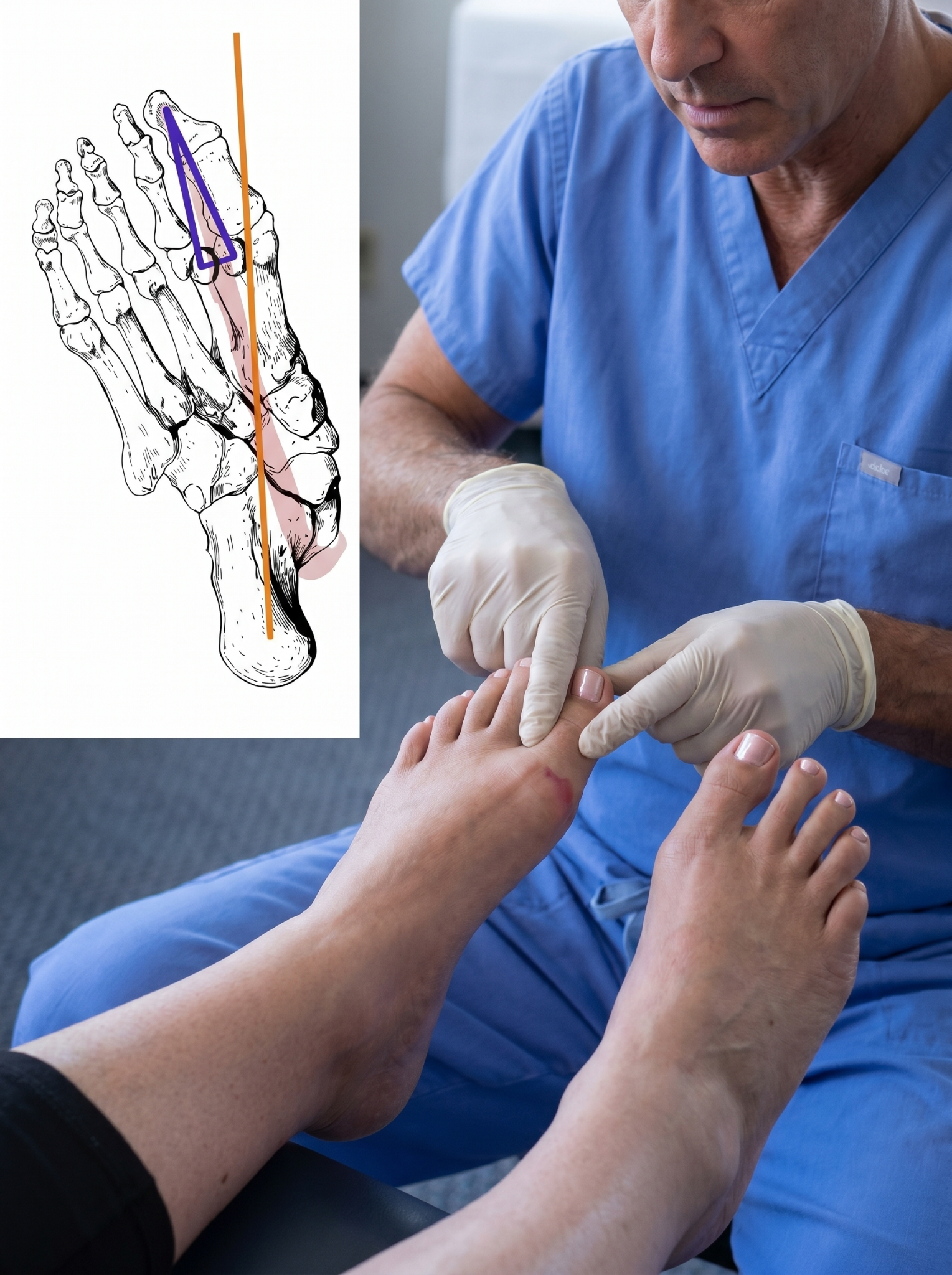
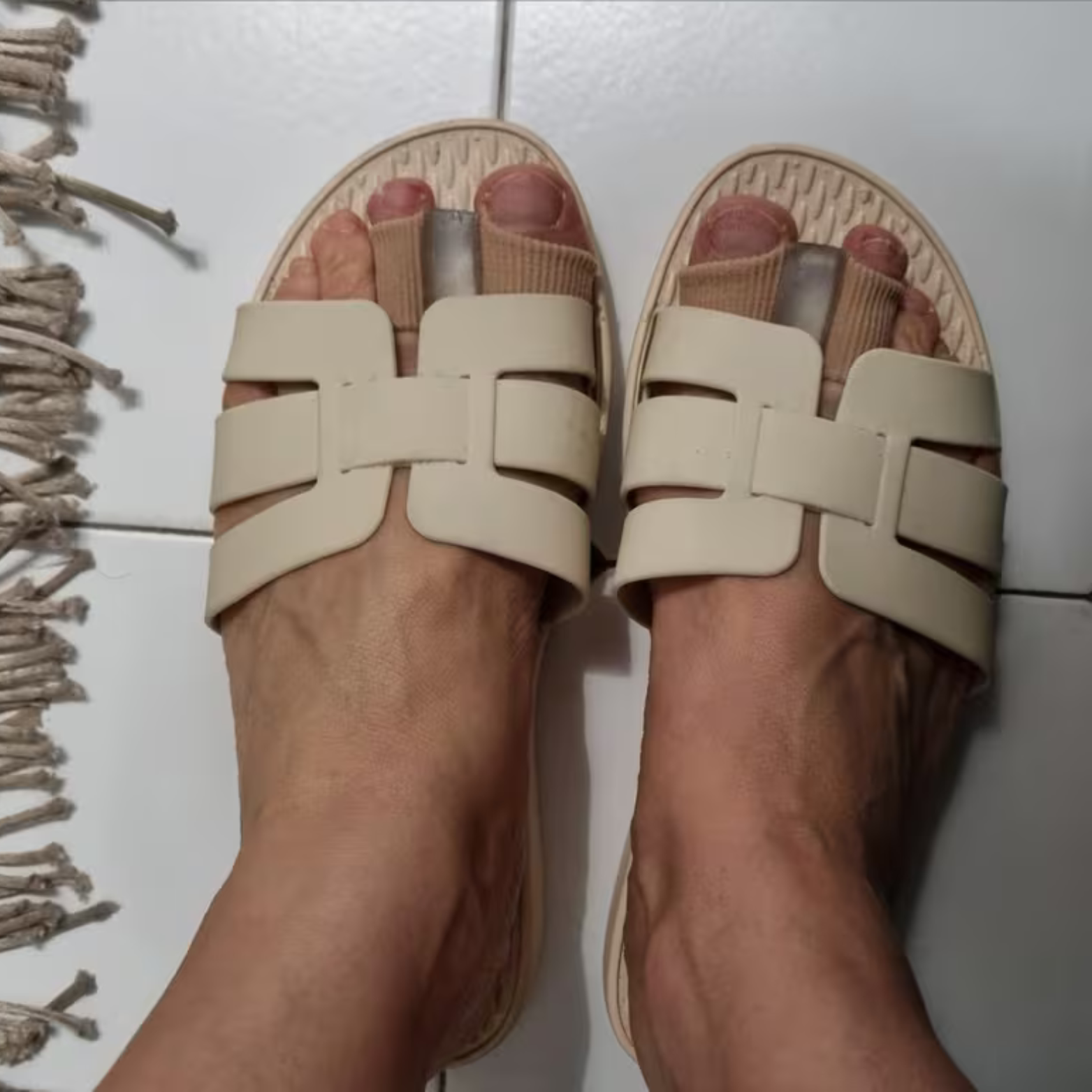
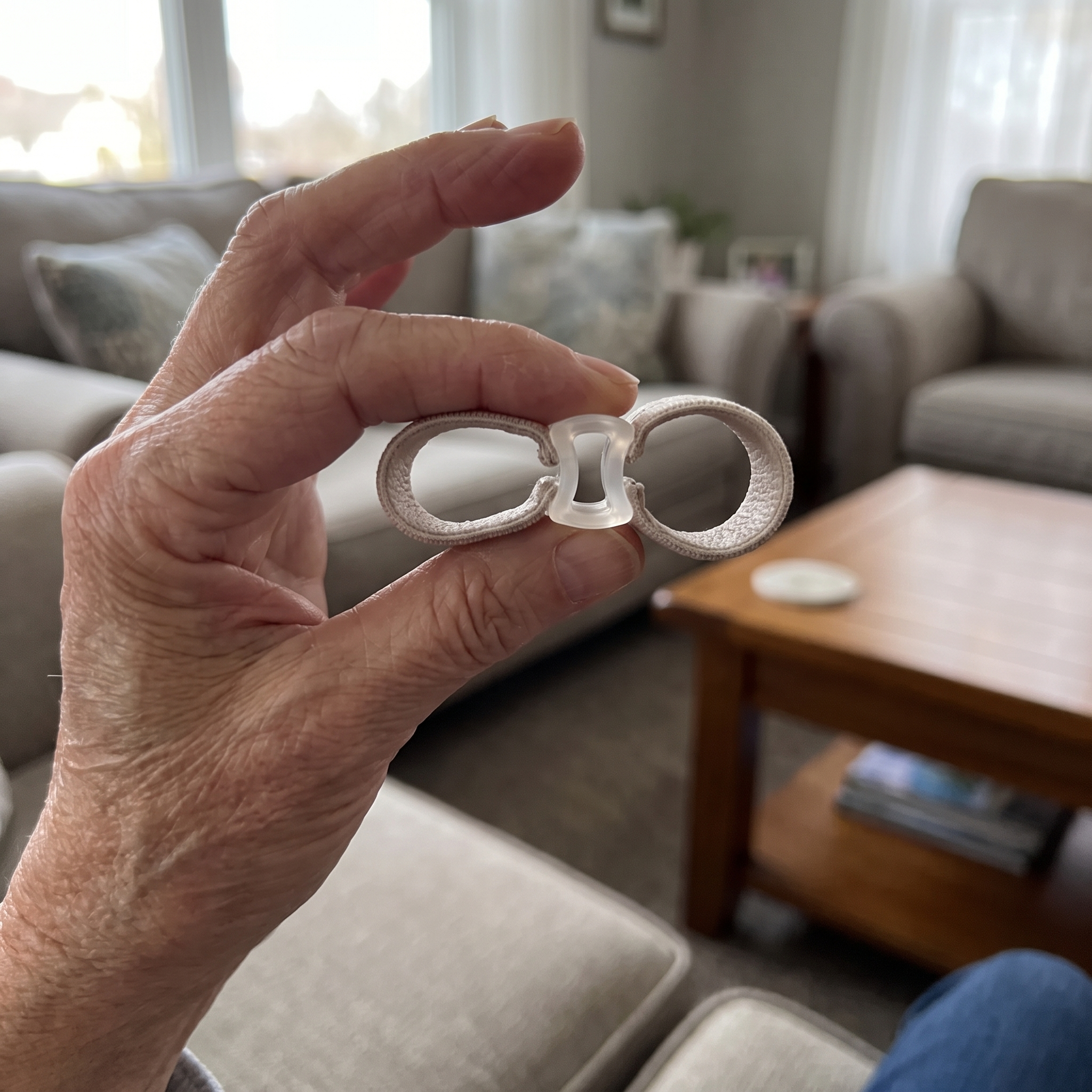
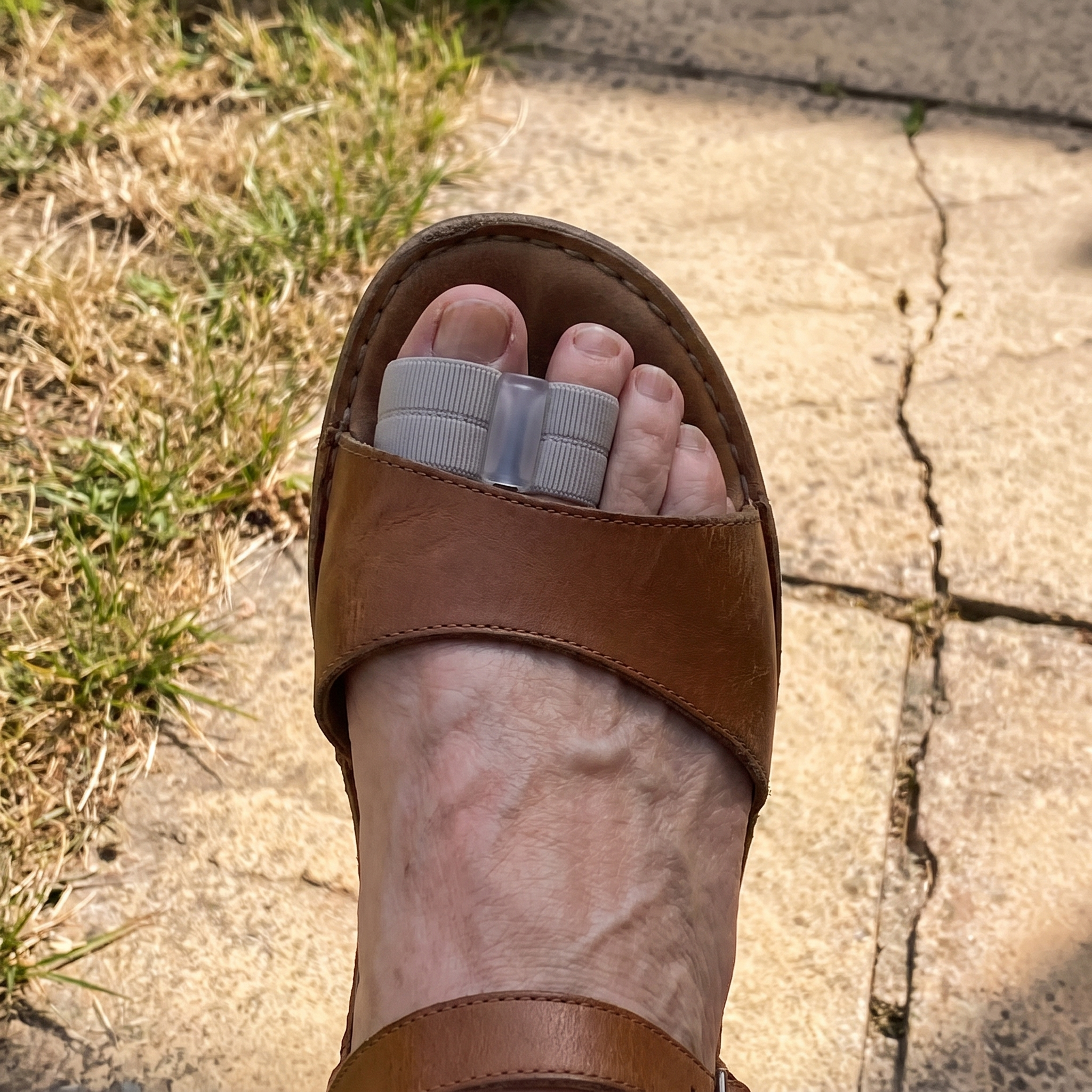
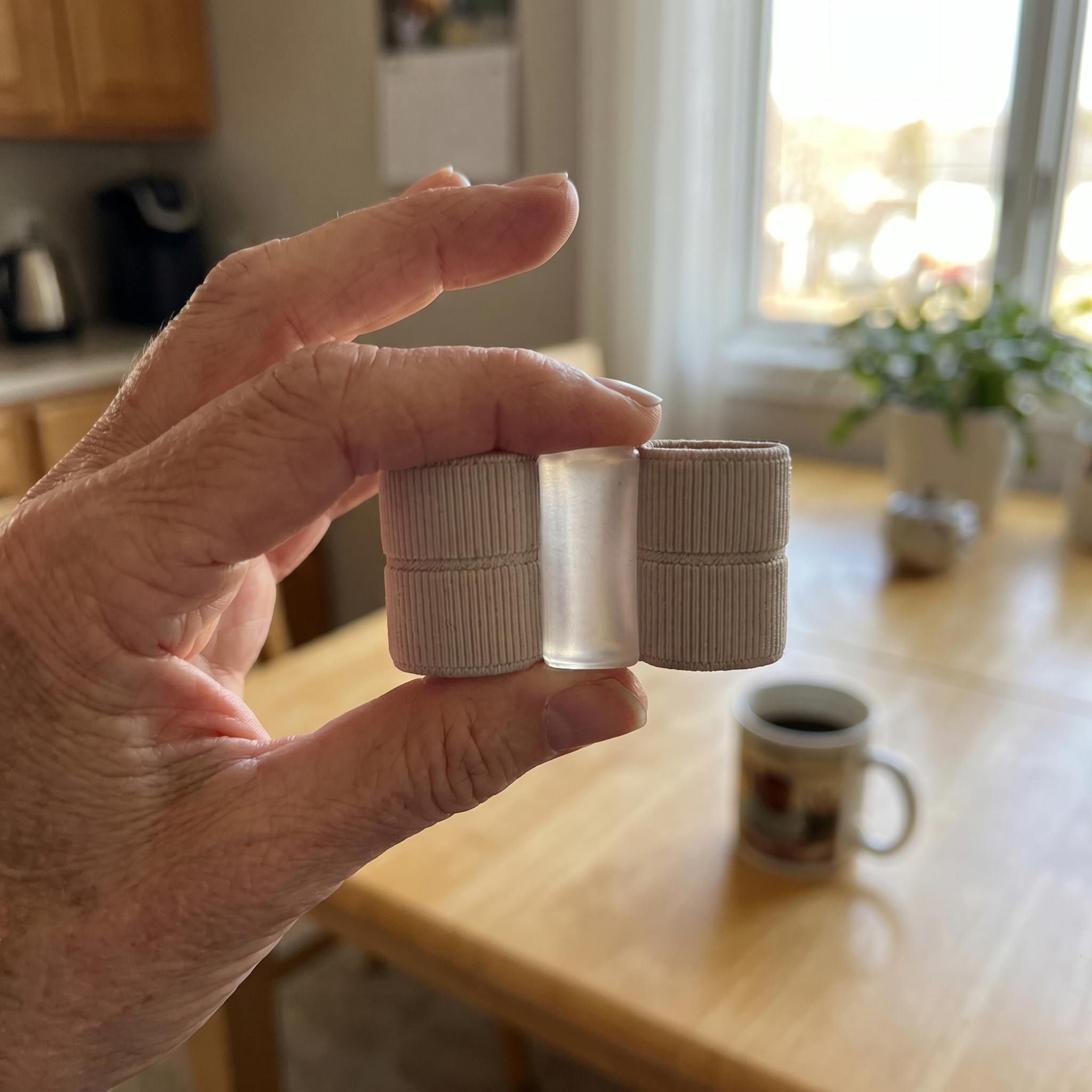
My bunion bump is not extra bone. It is a bone I was born with, being dragged sideways by tissue that has been pulling for years. Three podiatrists looked at my X-rays and never said that. A physical therapist explained it in a hospital break room at two in the morning. I am a pediatric nurse. Fifty-three years old. Twenty-two years on the floor. My right foot has had a bunion since I was thirty-one. I want to tell you about the sixteen years I spent buying products that could not have worked, the eight hundred dollars I wasted on them, and the one conversation in a hospital break room at two in the morning that explained why every one of them failed. Because the moment I heard the explanation, I cancelled my bunion surgery three weeks later. And I think you bought the same things I did, in the same order, for the same reasons. The bunion showed up around 2009. Small bump below the big toe, barely noticeable. I loosened my right Dansko and forgot about it. By 2012 it was catching against the inside of my shoe by hour seven of a shift. By 2013 I saw my first podiatrist. She was kind. She took X-rays. She showed me the angle on the screen and said what I would hear from two more doctors over the next decade: the deviation is moderate, bunions are progressive, we manage pain, and when it gets bad enough, we talk about surgery. She told me to wear wider shoes. I am a nurse. I wear scrubs and clogs. My shoes were already wide. She referred me for custom orthotics. Three hundred and twelve dollars for insoles molded to my arch. They were comfortable. They supported the bottom of my foot beautifully. They did nothing for the toe drifting sideways at the front of it. Nobody told me they wouldn't. The orthotics corrected my arch, which was not the problem. The joint at the base of my big toe was the problem, and an insole placed underneath it was never going to reach it. I wore them for two years. My arch felt great. My bunion got worse. Next, a night splint from Amazon, forty-seven dollars. Rigid plastic, held the big toe straight while I slept. I wore it every night for six weeks. I can tolerate discomfort if I believe it is doing something. After six weeks I compared photos. The bunion looked the same. I assumed I had failed, not the splint. I threw it in a drawer and did not think about why it had failed. I did not know there was a why. Then gel spacers from CVS, two brands, about fourteen dollars. The first pair slid out of my sock within ten minutes of starting a shift. The second lasted about an hour. Over the next few years I also tried a steroid injection that helped for about a month, a second round of orthotics from a different lab that did exactly what the first pair did, and ibuprofen. Three times a day on the bad days, for years. I am a nurse. I know what chronic NSAID use does to a stomach lining. I know the renal risks. I took it anyway. Total: about eight hundred dollars. Sixteen years of products that could not have worked. A colleague of mine, Diana, had the bunionectomy in 2019. Non-weight-bearing for nine weeks. Knee scooter, needed help with groceries. She came back to the floor in June. By the following March, less than a year later, the bump was visible again through the side of her shoe. I watched it happen from across the nurses' station. The commonly cited number is that bunion surgery fails half the time. That is not accurate. The best meta-analysis puts recurrence at about one in four. One in four is still not odds I wanted to take. Not with nine weeks off the floor. Not after watching Diana. So I managed it. By 2023 I was limping home from half my shifts. My second toe was riding up on the big toe. My podiatrist had been recommending surgery for two years. In January 2024, I said yes. Scheduled it for April 14th. Then I cancelled it. Here is what happened in between. Late February, about six weeks before my surgery date. Break room, night shift, two in the morning. Three nurses, all in our fifties, all past hour ten. Carla was across from me, rubbing the side of her foot through her sock. I recognized the gesture because I do the same thing. "Same foot, same spot?" She nodded. Then she told me something I was not expecting. She had been seeing a physical therapist for a shoulder problem. During one of the sessions, the PT had noticed her Danskos in the corner, looked at the shape of her right foot, and asked, "Has anyone talked to you about the soft tissue side of that bunion?" Carla said no. So the PT explained it to her, then recommended a device. Three months later, the bunion was measurably smaller. Not gone. Smaller. Carla showed me a photo on her phone from December next to one from that morning. The angle of the big toe was visibly different. I have heard claims about a lot of products. I have a drawer at home to prove I have earned my skepticism. But Carla is not the kind of person who exaggerates. And she had photos. I asked what the PT had told her. Carla said, "She told me the bone in my bunion isn't growing. It's being dragged." I did not understand. The bump is right there. You can see it. You can feel it pressing against the inside of your shoe at hour seven. What do you mean, dragged? Here is what the PT had explained to Carla, and what Carla explained to me that night. I have thought about it every day since. The big toe is held in position by a capsule of soft tissue that wraps around the joint. Tendons, ligaments, connective tissue. When that capsule is balanced, the toe sits straight. You never think about it. When the capsule gets loaded unevenly over years, from shoes, from gait, from how your foot hits the ground tens of thousands of times a day, the tissue on one side of the joint shortens and tightens. The tissue on the other side stretches and weakens. The toe gets pulled toward the tighter side. Slowly. Too slow to see week to week. Fast enough to ruin your shoes in a decade. The bump on the side of the foot is not a new bone growing. It is the head of the first metatarsal, a bone you were born with, being dragged sideways by tissue that has remodeled around it over years. The bone did not grow. The tissue pulled. And the bone went where the tissue took it. I asked Carla to say that part again. The tissue pulls. The bone follows. Not the other way around. That is why the orthotics did not help. They support the arch, which is below and behind the joint that is drifting. Wrong structure entirely. That is why the loose gel spacers did nothing. The idea was right, gentle separation at the joint, but a spacer with no sleeve and no anchor cannot stay in position long enough to apply sustained force. Mine migrated to the ball of my foot in ten minutes. You cannot retrain a capsule that has been tightening for years with a piece of silicone that will not stay where you put it. That is why the night splint failed. Not because it was defective. Because the math was wrong. Carla's PT explained it using the shifts, which is why it landed the way it did. A twelve-hour shift on a hospital floor is roughly ten thousand steps. I know this because I wore a pedometer in 2018. My average was about 10,400 on days. Ten thousand steps with your full body weight pressing your big toe sideways into the wall of your shoe. Every step loads the joint. Every step tightens the already-tight side and stretches the already-stretched side. The night splint corrected for eight hours while I slept. My shift re-did the damage for twelve. Eight against twelve, with twelve carrying full body weight and eight carrying none. That ratio was never going to work. Imagine a piece of wire that someone bends to the right for twelve hours a day, under load. You strap it straight for eight hours overnight. In the morning, you unstrap it, and it gets bent right again for twelve more hours. Which direction does the wire go? Right. Always right. Because twelve beats eight. That is why the splint could not work. And that is probably why Diana's surgery came back within eight months. The surgeon cut the bone and pinned it straight, but the capsule around the joint was still shortened on one side and stretched on the other. Nobody retrained the tissue. When Diana went back to the floor, back to ten thousand steps a day, the tissue pulled the bone right back. The tissue pulls. The bone follows. Fix the bone, leave the tissue, and the tissue wins. For sixteen years, three different podiatrists looked at my X-rays, measured the angle of the bone, and said the same thing. Monitor it. Manage the pain. Surgery when it's bad enough. Not one said "soft tissue." Not one said the tissue was pulling the bone. Not one recommended anything that would apply corrective force during the hours my foot was actually being loaded. They gave me arch support for a toe problem. A sleeping splint for a walking problem. And ibuprofen for a structural problem. Podiatric training is bone-forward. The X-ray shows the bone. The treatment is surgical. The soft tissue side is understood in physical therapy, but it does not get the same emphasis in surgical training. And there is no billing code for a conversation about connective tissue. Surgery has a billing code. Education does not. Here is what someone should have told me in 2013, when the bunion was small and the tissue was still responsive. The bump is your metatarsal bone being dragged sideways by tissue that has remodeled because of how you load your foot during the hours you stand and walk. If you want to slow or reverse that, apply a gentle corrective force during those hours. Not during sleep. During walking. If someone had said that at thirty-three, I would be writing a very different story. Carla told me the name of the company that made the device her PT had recommended. Askelo. I had never heard of it. I almost did not look it up. I had a drawer full of things I had already tried, and I was six weeks from surgery, and I was tired of trying. I looked it up that night after my shift. The explanation on their site matched what Carla had told me. The tissue pulls, the bone follows, correct the tissue during the hours you are on your feet. Here is how it works. You know how braces move teeth. Braces apply a small, sustained, directional pressure, and the bone remodels to accommodate it. The tooth moves because living tissue responds to consistent mechanical input. But the force that does most of the work is during the hours you chew, talk, and move your jaw, when the joint is under load. The active hours matter most. The capsule around the big toe works the same way. Counter-pressure, gently, in the opposite direction, during the hours the joint is under load. The shortened side gradually lengthens. The toe moves back. Not overnight. Over months. The Askelo aligner is two things working together. A medical-grade silicone corrector that sits between the toes at the joint, right where the bump is, and a soft fabric sleeve that wraps around the forefoot and locks the corrector in place. It sits where a gel spacer sits, but that is where the similarity ends. The sleeve holds it against the joint so it cannot migrate. The CVS spacers moved in ten minutes. This one stays exactly where the corrective pressure needs to go, all day. The sleeve fits inside a Dansko without changing the lacing. You can wear socks over it. You can take it off in fifteen seconds. Nobody on my floor has ever noticed it, including the doctors. The night splint was physical therapy during the hours I was not moving. The Askelo aligner is physical therapy during the hours I am. I ordered it the week Carla told me. Started wearing it in late February. Six weeks before my surgery date. First three days: nothing. It fit inside my Danskos. It did not slide or compress flat. End of week one: the ache at hour seven was less sharp. The kind of difference you notice when you stop bracing for something and realize it has quieted down. Week three: I made it through a full shift without shifting my weight to my left foot. Not once. I stood at the nurses' station writing my notes and realized I could not remember the last time I had worked a shift without favoring the other foot. Week four: a colleague asked if I was walking differently. She said my gait looked more even. Month two: I compared photos. The bump was less prominent. The angle of my big toe had come back several degrees. Month three: I put on a pair of flats I had not worn since 2021. Walked around the kitchen. Felt something I had not felt in a long time. Month four: the pain on a twelve-hour shift was roughly half what it had been in January. I worked a shift last Tuesday, seven to seven, and did not once shift my weight, take ibuprofen, or sit down. That had not happened in three years. I cancelled the surgery on February 21st. My bunion is still there. The tissue pulled the wrong direction for sixteen years, and four months does not undo that overnight. The research Askelo references suggests six to twelve months for significant structural change. Women with more advanced bunions have told me the pain reduction alone was worth it, even before any visible change in the angle. For me, the pain is roughly half. The limp is gone. The ibuprofen bottle has been in the same spot since March. And the surgery is off the calendar. I recommended Askelo to Janet on our floor. Her shift pain decreased noticeably after six weeks. One person. Not a clinical trial. But she is a nurse and she would not say it was helping if it was not. Askelo comes with a ninety-day money-back guarantee. If the bunion has not changed in three months, you mail it back and get a full refund. No questions. After eight hundred dollars in a drawer, that is why I was willing to try one more thing. Every shift you work is another twelve hours of loading that joint the wrong direction. Another twelve hours of the tissue pulling tighter. Another day closer to the appointment you have been putting off. The night splint in the drawer is not going to change that ratio. If you are a nurse, or a teacher, or anyone who spends eight to twelve hours on your feet and has been told that your options are wider shoes, night splints, or surgery, there is a step between "manage the pain" and "cut the bone" that nobody put on your treatment plan. Nobody told me for sixteen years. I am telling you now. Askelo ships free in the US. The ninety-day guarantee means the worst that happens is you send it back. The company is small enough that people answer the emails. I sent a question in week three and got a reply from a person the next morning. https://getaskelo.com/pages/askelo-bunion-aligner-adv P.S. Last month I wore sandals to my niece's birthday party. Open-toed. First time in four years. My sister looked at my foot and said, "It looks different." It does. It is not fixed. It is different. And different, after sixteen years of the same, felt like everything.
Like this ad? Make it yours.
Crush rebuilds this exact creative around your product — your brand, your colors, your offer — in about a minute.