
Inactive· since Aug 21, 2026
- 7
- days it ran
- 0
- relaunches
Ad copy
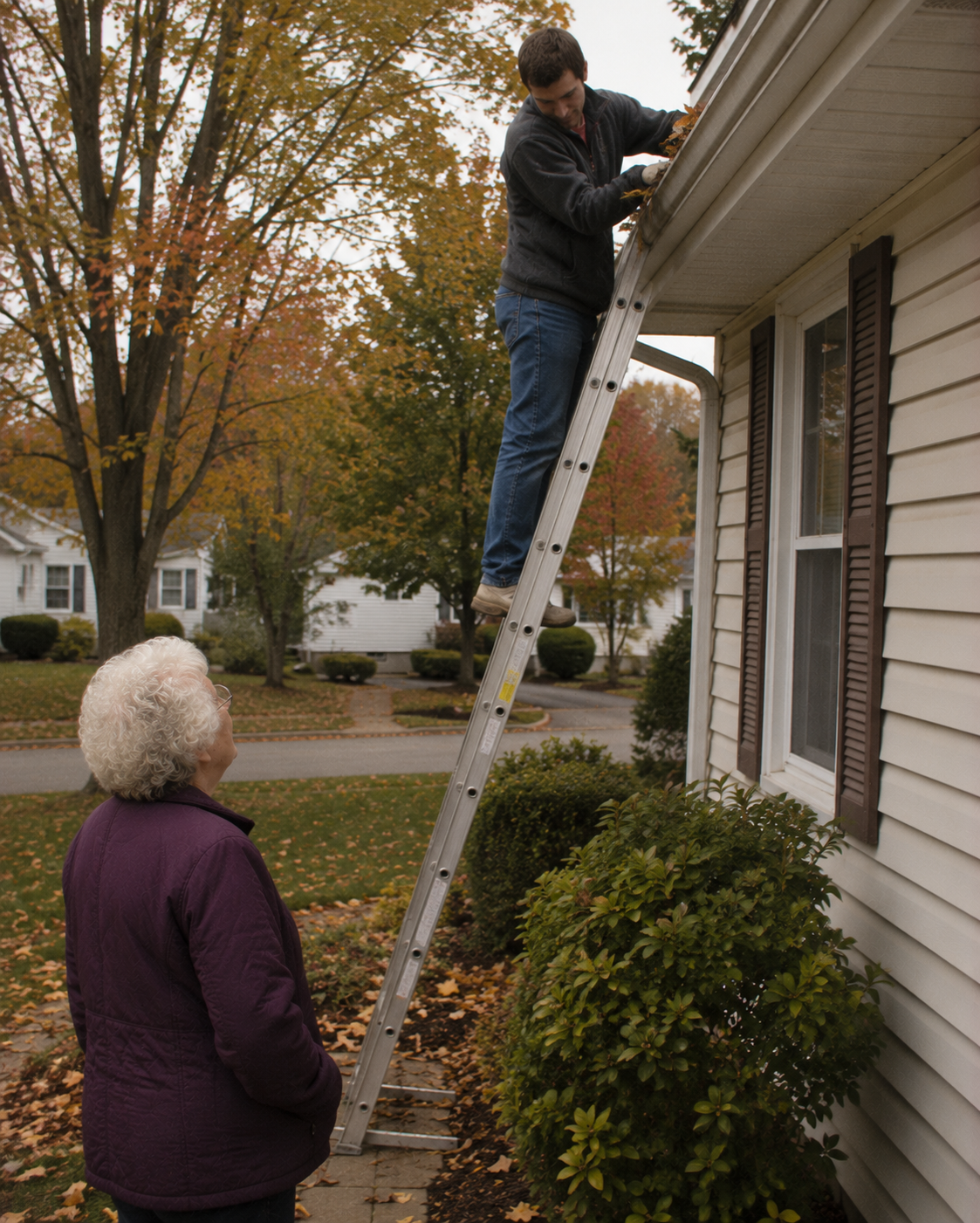
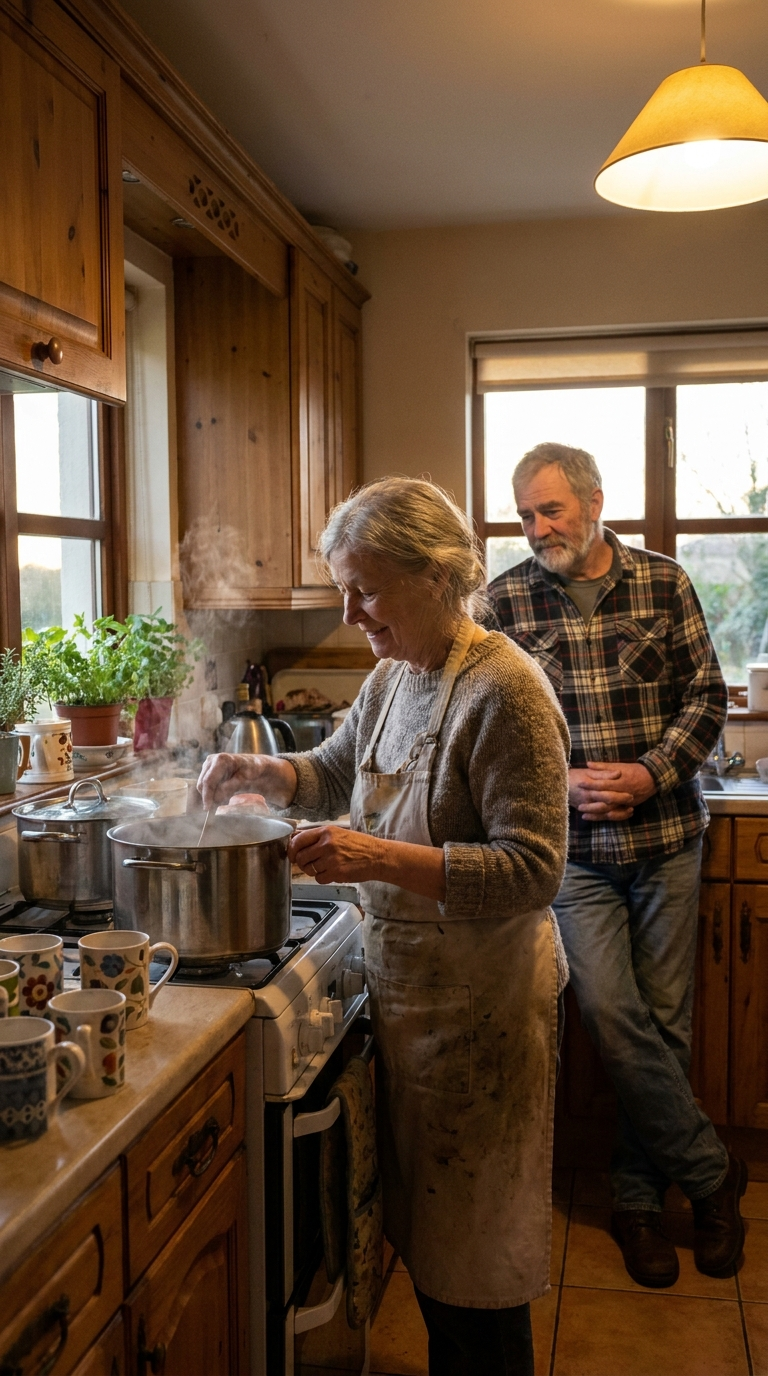
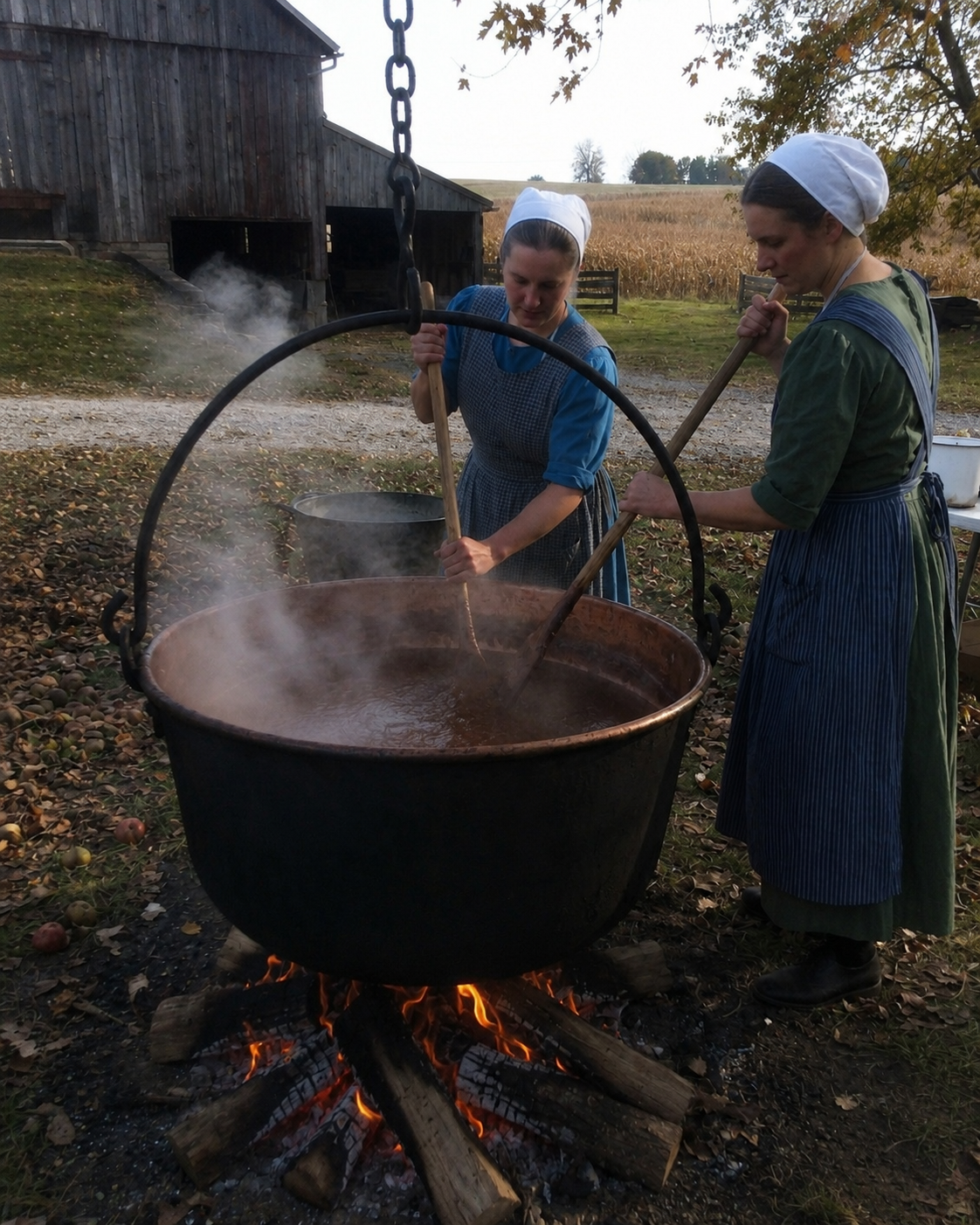
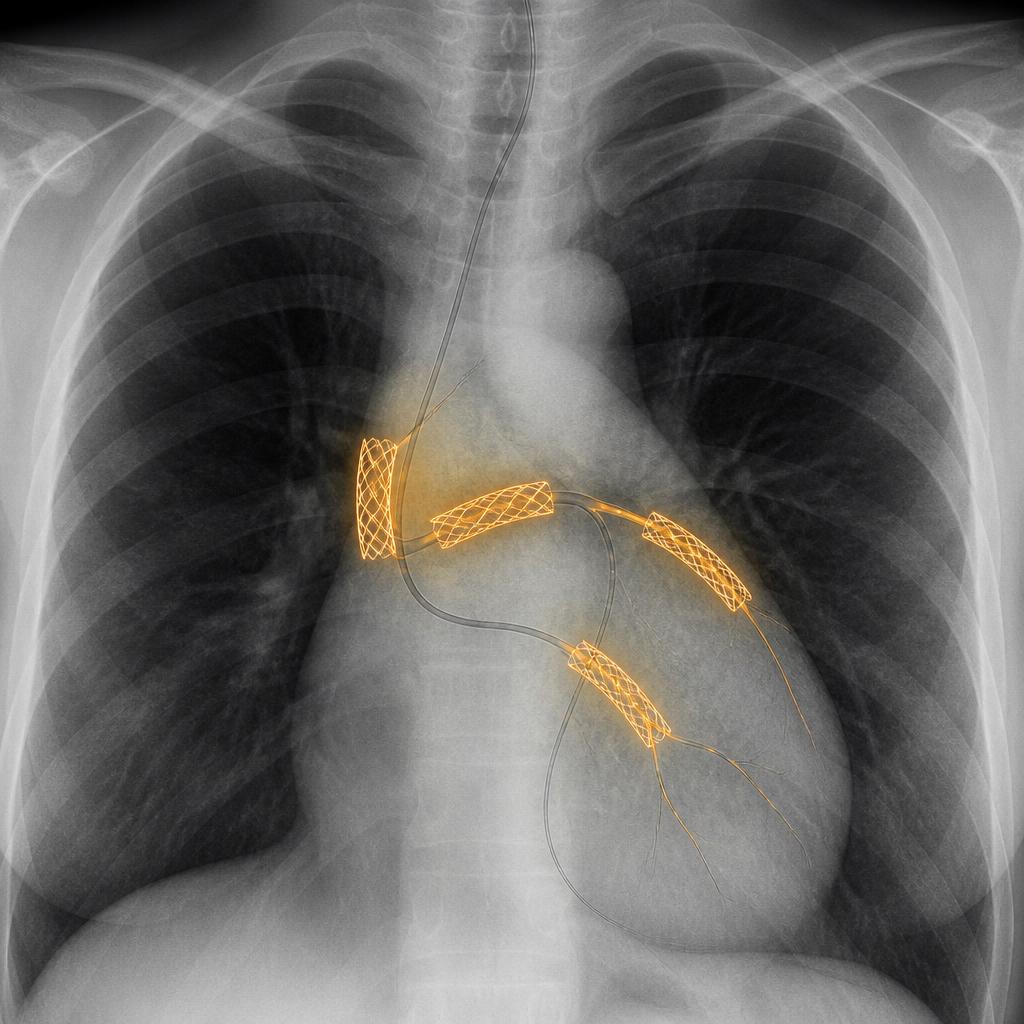
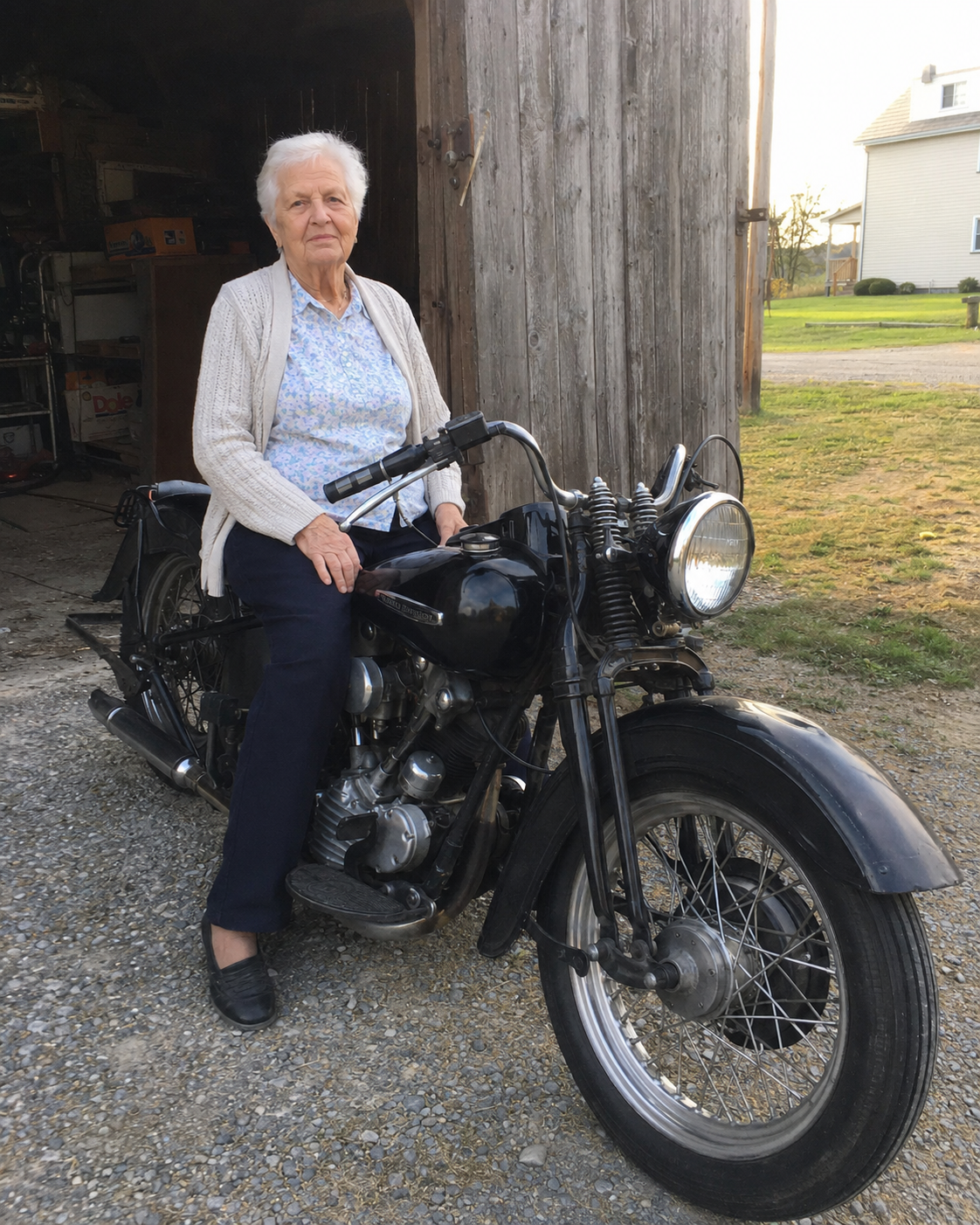
I bought a 1979 Shovelhead from a dead man's widow last May. She sold me the bike for what it was worth. What she gave me for free was worth more than the motorcycle. I drove six hours to Pennsylvania to get it — left at four in the morning with the trailer behind the truck and the cash in an envelope in the glove box. I thought I was driving out for a motorcycle: a one-builder, one-owner Shovel that had spent its whole life in the same barn. What the listing didn't mention — what she didn't mention on the phone, either — was that the bike came with a condition. Not a mechanical condition — the bike was near perfect. A condition of the sale — something she'd promised her husband she would do before the Shovel ever left the property, and I happened to be the man standing there when the promise came due. I didn't find out about it until the bike was already strapped to my trailer and I thought we were finished. What happened after that is the reason I'm writing this. I've told the story maybe a dozen times since — to my wife, my sons, a couple of the men I ride with — and every one of them went quiet in the same place. I suspect you will too. But first you need to know who I am, and why I drove six hours for a dead man's motorcycle. My name is Eric Bussey. I'm 53 years old. I run a small construction company in Ohio. Wife, two grown sons, and a shop out back that's held more of my life than the house has. I'm a vintage Harley collector — three bikes: a '71 Super Glide, a 2012 Road King, and a 1952 Panhead I've been restoring for four years. I ride about 3,500 miles a year, mostly weekends, mostly alone, which is how I like it. Here's the thing about the Panhead. Four years is a long time on a restoration. I tell people it's because I'm particular, which is true, and because the business keeps me busy, which is also true. I get out to the shop most Saturday mornings, put in a couple hours, and then there's always something else that needs me — an estimate to write, a supplier to call, a kid's fence to fix. No time. Other priorities. That's what I'd been calling it, and it never occurred to me to call it anything else. One more thing about me, because it matters to this story more than anything else I could tell you: I read hands. Thirty years running crews will do that. You learn to read hands the way other men read faces — a man's hands tell you whether he's worked, what he's worked at, whether he's careful or fast or lying about both. I've hired off a handshake and I've passed on a guy off a handshake, and I've been wrong about twice in thirty years. Which is a strange skill for a man my age to be carrying around, because the one pair of hands I never thought to read was my own. Some mornings mine are stiff for the first half hour — started maybe a year ago. I never mentioned it to my wife because it wasn't worth mentioning. Cold shop, long days, a man in his fifties. There's a name for everything if you need one. The drive out was the kind you plan in February and take in May — down through the middle of Ohio, across the river at Wheeling, onto the turnpike with the sun coming up in my face. I stopped for coffee past Zanesville, and again east of the tunnel. Used to be I could do six hours without blinking — drive straight through, roll in fresh, unload the trailer before lunch. Lately I need a stop by hour three, and I've never made anything of it, the same way you don't make anything of the days getting shorter. The second coffee I didn't even want. I just wanted the ten minutes out of the seat. The last hour I thought about the bike. The widow had been brief on the phone — the bike was her husband's, he built it, it runs, the price is the price. She wasn't selling it so much as deciding where it went. I understood that much from three minutes of talking to her, and I liked her for it. I pulled off the turnpike at Bedford a little after noon and followed her directions down a two-lane road to a white farmhouse with a barn set back behind it. She was already on the porch. Eleanor was sitting in a wooden rocker with a book face-down on her knee, like she'd been there a while and didn't mind. She was 84 — I knew that from the phone. She stood up when I turned into the driveway. Didn't use the armrest to push herself up, didn't rock forward twice to get momentum the way people her age do. Just stood. I parked the trailer where she pointed and walked up to the porch. She held out her hand. I shook it. Her grip was firm. Not polite-firm. Firm. For an 84-year-old woman standing on a porch in rural Pennsylvania, her handshake felt like she could still swing a framing hammer. I noticed it the way you notice anything that doesn't fit — briefly, without doing anything about it — and filed it away. "You must be the man from Ohio," she said. "Yes ma'am." "Tom would have liked you," she said. "You're on time and you brought a clean trailer." "I drove a long way because the bike is worth it." She looked at me for a moment when I said that, and it wasn't offense. She was measuring me — a woman with one thing left to do, wanting to be sure she was doing it right. Whatever she was looking for, I must have had some of it. "Come on, then," she said. "She's in the barn." That was the whole conversation. No coffee, no small talk, no tour of the house. She came down the porch steps ahead of me without touching the railing and walked me across the yard toward the barn, and I remember thinking this was going to be the easiest pickup I'd ever done. I was there most of the afternoon. The barn smelled the way every good barn smells — old wood, oil, hay gone to dust. She walked me past a workbench with tools shadow-boarded on the wall, every outline filled, and stopped at a shape under a canvas sheet in the back corner. She took the edge of the sheet and pulled it off in one motion. There she was. Solid black tank. Springer front end. Suicide shift on the left side. Kicker only — Tom never put an electric start on her. Original chrome without a spot of rust on it. I'd known from the photos she was clean. In person she was something else. You could see the builder in her — in every weld, every bracket, every line of the frame. You can read hands in metal, too. Whoever built this bike had hands that didn't hurry and didn't guess. "He built her from a frame up?" I said. "From a bare frame, in the winter of 1980," she said. "Took him seven months. He machined three parts by hand out here because he couldn't find originals and refused to use reproductions." She put her hand flat on the tank. "I'd find him out here at midnight with metal shavings in his hair and a parts diagram spread across that workbench," she said. "He'd come inside and fall asleep at the kitchen table with his head on the diagram. I'd cover him with a blanket and go to bed." She smiled — at the bike, not at me. "He named her Ellie. After me. I told him that was the least romantic thing a man had ever done. And he said, 'I named the most beautiful machine I ever built after the most beautiful woman I ever knew. What's unromantic about that?'" "I pretended to be annoyed about it for forty-four years," she said. Then she gave me the rest of it. "He rode her for the last time eight weeks before he died. Eighty-nine years old. Rode 120 miles on a Saturday morning, came home, parked her right where you're standing, walked into the kitchen and said, 'Ellie ran good today, Ellie.'" "Same joke he'd made a thousand times. I rolled my eyes the same way I'd been rolling them since 1980." "He died in his sleep," she said. "No hospital, no machines, no pain. A man went to bed and didn't wake up." I didn't say anything. There isn't anything you say to that. I stood in a dead man's barn next to the best thing he ever built, and the strange part is it didn't feel sad in there. It felt like a church feels on a weekday — quiet, but not empty. "All right," she said. "Let's get her loaded." We rolled her out into the daylight together — me pushing, Eleanor walking alongside with one hand resting on the bars. Not because I needed the help. Because it was the last time she'd touch the bike. It took about an hour to load her right. This wasn't a bike you throw on a trailer like lumber. Wheel chock, soft loops around the springer, straps at four corners, a folded towel anywhere metal could touch metal. I checked every tie-down twice, then went around a third time, because a six-hour drive gives a man a long time to wonder. Eleanor watched the whole thing from a bench by the barn door. She didn't hover and she didn't tell me how to do it. She just watched, the way you watch someone handle something that matters to you. Ratchet straps are hard on hands — everybody's hands. When I finished the last one I stood by the trailer opening and closing my fingers, working the ache out. I wasn't thinking about it. It's just something my hands have started asking for after that kind of work. When I looked up, she wasn't looking at the bike. She was looking at me. And whatever she saw, she filed it away the way I'd filed away her handshake — briefly, without doing anything about it. Or that's what I thought. She nodded at the straps. "Tom would approve," she said. "You load a bike like a man who's dropped one." "One time," I said. "1989. Never again." That got a real smile out of her. The bike was on the trailer. The cash was in her hand. As far as I knew, we were finished. Then she said, "Come inside for a minute. There are a few things of Tom's that go with the bike." I figured a box of parts, maybe the original title in a folder. It wasn't a box of parts. The inside of the farmhouse was clean and quiet — the kind of quiet a house gets when it was kept for two people and now keeps one. She led me to a small study off the living room. A desk. A wooden chair. A reading lamp. And a glass case along one wall, filled with photographs. Tom on bikes across six decades — black-and-white on somebody's flathead, color on the Shovel, silver-haired on the same Shovel forty years later. Tom and Eleanor on Ellie together, both of them grinning, her arms around his waist. A wedding photo gone amber at the corners. There was a small wooden box on the desk. She picked it up and handed it to me. "Open it." Inside were Tom's riding gloves, worn soft and dark from decades of grip. And a folding knife with a bone handle, the blade honed thin from years of sharpening. "The gloves and the knife are yours," she said. "They go with the bike. He'd want the man riding Ellie to have them." I thanked her. I meant it more than it sounded. And then, while she wrapped the knife in a cloth, I drifted back to the glass case. There was one photograph I kept coming back to. Four men and four bikes in a rally parking lot. Arms around each other. Same era, same leather, same sun-cracked grins. Tom was easy to spot — the jawline, the build, thirty-some years younger. The other three could have been his brothers. Men about my age, when it was taken. Eleanor saw me looking. "Those were Tom's boys," she said. "That was taken at a rally in '83. Tom, Roy, Bill, and Jack. They rode together twenty-five years." She didn't say anything else about them. But I knew from the barn how one of their stories ended. And I did the arithmetic any man my age does with a fact like that — I measured it against myself. "Kick-start only, at his age," I said, still looking at the four of them. "What was he taking?" "Not one prescription in his life," she said. "Not so much as an aspirin." I stood with that for a moment, because it didn't square with anything I knew. I take my cholesterol pill every morning, the way you're supposed to. Three years now, since a checkup at 50 turned up a high number and I left with a prescription. My numbers are fine — my doctor says so at every visit, shakes my hand on the way out the door. I'd always figured that was what taking care of it looked like. Do what you're told, watch the number, stay ahead of it. Half the men I ride with are on the same pill. We don't talk about it. It's just what happens at fifty. And here was a man who took nothing — nothing at all — and was still kicking over a Shovelhead in his ninth decade, while I'm 53 and already planning my drives around the coffee stops. So I filled in the gap the way everybody fills it in: some men are just built different. Good genes. Strong stock. Tom drew one card, the rest of us drew another, and nobody gets to deal those cards over. I remember feeling almost satisfied with that. It's a comfortable way to see the whole thing, because it means nothing is anybody's fault and nothing is anybody's decision. "Good genes," I said. Half to myself. Eleanor was quiet for a moment. "That's what I used to think," she said. "Sit down." I sat down in the wooden chair. She stayed standing, one hand on the desk, looking at the photograph while she talked. "Let me tell you about Roy," she said. "The summer of '85, Ellie's transmission went. Tom wouldn't trust her to a shop — you've seen how he was about her. So Roy showed up on a Saturday morning with his toolbox. Hundred-degree heat." "The two of them pulled that transmission and rebuilt it in one day, in that barn, both of them soaked through with gear oil. Roy's hands were inside the primary case for nine hours. I carried water out and they barely stopped long enough to drink it." "Tom tried to pay him three times. Roy said, 'That's not what brothers do.' So I made dinner instead, and they ate it on the porch and sat there till dark, not saying much of anything, because they didn't need to." She smiled at that the way she'd smiled at the bike. "Tom said until the day he died that Roy had the steadiest hands he ever worked beside. And Tom didn't say things twice unless he meant them." Then the smile went away, and she kept her eyes on the photograph. "In the nineties, Roy's doctor started him on a cholesterol pill. Same as everybody." "His hands started going at 60." "Small things first. He'd drop a socket and laugh about it. Then he stopped laughing about it. He put thicker grips on his bars. He started cutting rides short." "And then came a Saturday when Roy sat on that bench by the barn door and let Tom wrench on his bike for him — Roy, who'd rebuilt a transmission in a day, sitting there watching another man work on his motorcycle." I tried to picture that. Sitting on a bench while another man wrenched on my bike. I couldn't hold the picture still. "By 63 he couldn't hold the clutch in for a full ride. He told Tom he was tired in a way sleeping didn't fix. And he'd started losing the thread of his own stories — Roy, who'd been telling stories his whole life." "And every year, he went in for his physical. And every year his doctor looked at his bloodwork and told him he was a model patient. Excellent numbers. Roy used to drive over here afterward and wave the printout at Tom like a boy waving a report card." She was quiet for a second. "Tom watched the steadiest hands he ever knew struggle with the lid of a jam jar at my kitchen table, and there was nothing he could do about it. Roy had a piece of paper that said everything was fine. All Tom had was what he could see." I sat very still in that chair. "What happened to him?" I said. "Tom saw it coming," she said. "Years before it came. In 1998 he sat down right there and wrote Roy a letter. Everything he knew — about what was taking Roy's hands, and about why it wasn't taking his." "He wrote it in the only language Roy ever spoke — engines. Tom didn't beg easy. In that letter, he begged." "He mailed it. The next Saturday, Roy came by, thanked him for it, and changed the subject. Tom took that to mean he'd read it. You'd have taken it that way too." "Six more years went by. And in the spring of 2004, Roy went in for his physical, same as every year. His doctor ran the bloodwork, came back smiling, told him he was a model patient. Cholesterol excellent. LDL of 96." "Roy drove straight here and waved that printout at Tom one last time." I didn't say anything. An LDL of 96 is the kind of number my doctor shakes my hand over. "One week later his heart stopped. He was in his garage. His wife heard the radio playing and nothing else." "Tom stood at that funeral and couldn't make it fit. The man had a perfect report card and a clogged fuel line. That's how Tom said it, later. The only way he knew how." "A few weeks after the funeral, Roy's wife was clearing out his workbench. Bottom drawer, under a box of taps and dies, she found an envelope with Tom's handwriting on it." "Still sealed." "Six years in that drawer. He knew what it was — Tom had been saying it to his face for years, and Roy had been waving it off for years. A letter that thick, in that handwriting. He knew." "He couldn't throw it away — it was from Tom. And he never had to open it, because every year a doctor handed him a piece of paper that said whatever was inside could wait." "She brought it back to Tom. She thought he'd want it." She was quiet for a moment. "Tom sat in this study with that envelope for a long time. Then he opened it and read his own letter back to himself, six years too late." "And he said one thing to me that night. He said, 'I mailed it. You don't mail something like this. You sit a man down and read it to him yourself, so you know he heard it.'" She opened the top drawer of the desk and took out an envelope, yellowed at the edges, soft at the corners from handling. One word on the front, in a dead man's handwriting. Roy. She held the envelope in both hands. "Tom kept this in that drawer for twenty years," she said. "And before he died, he made me promise him two things. The first was that Ellie would go to a man who'd ride her — not trailer-queen her, not flip her. Ride her." "The second was about this letter. It never sits unread again. Whoever takes the bike hears it — out loud, start to finish, before the bike leaves the property. That's the condition of the sale. That's why you're still here." I told her that was all right. I remember thinking we'd be twenty minutes and I'd be on the road by three. A widow wants to read you her husband's letter, you listen, you nod in the right places, you drive home. Respect costs nothing. She watched me think it. "That's the promise," she said. "But I want you to know it's not the only reason I'm reading it to you." She set the envelope down. "You remind me of Roy." I didn't say anything. "I watched you at the tie-downs. You checked every strap twice, then went back around a third time — Roy would have liked you for that." "And when you finished, you stood by the trailer working your fingers open and closed. Then you rubbed your right wrist. You didn't know you were doing it. You were looking at the bike the whole time." I looked down at my right wrist like it belonged to somebody else. She wasn't wrong. I couldn't have told her when it started. "Roy's hands started going at 60," she said. "You're 53." Seven years. Then she pulled the desk chair around to face me and sat down the way she did everything — without ceremony. She took three pages out of the envelope. Folded soft as cloth. Small careful handwriting, edge to edge. She put on her reading glasses. And the voice in that little room was hers, but the words were Tom's. "Roy," she read. "If I tried to say this on your porch, you'd wave me off and hand me a beer. So I'm writing it down. Read it once, all the way through. You've never walked away from a job half done. Don't start with this one." "It took me a farmer you've never met, and eight years of checking his story in the county library, to understand what I'm about to tell you. I'll get to the farmer." "Here's the whole letter in one line: your hands and your heart have the same enemy." "Start with your heart. Your arteries are fuel lines, Roy. Your body makes cholesterol and sends it through those lines the way an engine circulates oil. The oil isn't the problem. Every engine needs oil. Your brain runs on it. Your body makes it fresh every day of your life, because you'd be dead without it." "The problem is that oil doesn't stay good." "You know this better than anybody. You've drained an engine that sat too long — you know what comes out. Black. Thick. Grit all through it, half of it gone to varnish." "Nobody poured anything bad into that engine. The oil just sat there with air and heat working on it until it turned. Same thing the air does to a cut apple on your workbench. Things turn, Roy." "Here's what I learned in eight years of reading: the oil in your body turns too." "There's something in your blood that works on your cholesterol the way air works on old oil. It attacks it. It turns it. And cholesterol that's turned isn't slick anymore. It's sticky." "Sticky oil doesn't flow through a line. It catches on the walls. It packs in, layer on layer, year on year. It hardens. The line narrows. And one day it closes." "That's a heart attack, Roy. Not too much oil. Turned oil that clogged the line." "And that's what's wrong with your number. The number counts how much oil you've got. It can't tell you what condition it's in." "You can have a beautiful number and turned oil in the same body — the paper reads full while the lines pack shut." Eleanor glanced up at me over her glasses. I was thinking about Ellie's chrome — all those years in a barn, and not a spot on her. Tom never let anything he loved sit long enough to turn. She kept reading. "Which brings me to the pills." "The pill your doctor gave you does one thing, Roy. It tells your body to make less oil." "And it works. The number drops. The paper looks better every year. The doctor reads it, shakes your hand, calls you a model patient." "But think about what actually happened. Nothing touched the turning. Whatever's in your blood souring the oil is still in there, working every day of your life. There's just less oil for it to work on. And turned oil still sticks, and the line still narrows. Less oil in the sump doesn't mean clean oil in the line." "That's not a repair, Roy. That's turning down the oil pressure and calling the engine fixed." "Now your hands." "The line your body uses to make oil — the same one the pill shuts down — makes something else too. The spark. The charge every cell in you fires on. Your heart runs on it. Your brain runs on it. Your hands run on it." "Same line, Roy. You can't pinch off one without pinching off the other. Cut the oil, you choke the spark. That pill can cut a man's spark almost in half." "And there it is. That's why your hands are going. That's why you're tired in a way sleep won't touch. That's why your stories keep losing their thread. It isn't the years, Roy. Sixty isn't old. It's the spark going dim while the paper says you're doing great." "Your doctor calls all of that a side effect. It isn't one. A side effect is something a machine does by accident. This is the pill doing exactly what it's built to do. It shuts the line down — and your spark was on that line." Eleanor turned the page. I thought about the second coffee I hadn't wanted. The half hour my hands take in the morning. I didn't move. "You can't fix an engine by starving it of oil, Roy. You fix it by getting to whatever's turning the oil." "Nothing on that pharmacy shelf even aims at it." "I found one thing that does." "In the spring of 1990 I took the Shovel out alone through Lancaster County. And twenty miles past anywhere, on a two-lane road, the coil quit on me." "I pushed her half a mile in June heat to the first farm lane I came to. The man who came out from the barn was named Amos. Beard, straw hat, about my age. He looked at me pushing five hundred pounds of Milwaukee iron up his lane, soaked through, and he said, 'You'd better get out of the sun.'" "No phone to offer — he didn't have one. He gave me his bench and his vise instead, and went back to his work." "I was three hours in that barn, Roy. And while I worked, I watched." "There was an old man up on the wagon shed all afternoon, re-nailing shingles — swinging a framing hammer in that heat, setting each nail in two blows. I figured him for sixty-five. He was Amos's father. He was 84." "When Amos brought me water, I asked him how a man swings a hammer all day at 84." "He shrugged like I'd asked him why rain falls. He said their men work until they're done. Said when he sells at the market in town, he hears the English talk — that's us, Roy — bypasses, stents, pills for this, pills for that. 'We don't have much of that here,' he said." "He wasn't bragging. That's what made it land. He was telling me the weather." "I asked what they did different, and he named what you'd expect — work, food from their own dirt. And then, walking me back to the bike, almost as an afterthought, he pulled a plant from a row by the fence and knocked the dirt off it." "A beet. Dark as a bruise. Darker than any beet I'd ever seen." "His family had kept that seed line for a hundred and fifty years, Roy. Brought it from the old country. Never crossed it with anything. They eat it all year — fresh in season, dried the rest. And then he said the sentence I've been living on ever since:" "'We dry it in the shade. Heat kills what's inside it.'" "I rode home with a sack of them tied to the pillion. Here's where it all landed." "That dark red isn't decoration. It's the working part. It gets into the blood, leaves the oil alone, and goes after the thing that sours it. It stops the turning." "And here's a part nobody ever told you. When oil turns, the body reads it as damage — and its answer to damage is to make more oil. Half the reason a man's number runs high at all is the turning itself." "So stop the turning, and the body stops calling for more. The number comes down on its own — without anybody touching the pump." "The pill hands you a pretty number and calls the damage a side effect. Stop the turning, and the pretty number is the side effect." "Two things matter. It has to be the old seed — the store beet's been bred sweet for a hundred years, and bred empty. And it has to be dried in the shade, the slow way. Cooked, it's colored dust." "I've taken a spoonful of it every morning for eight years — dried and ground, the same way Amos's family does it. I'm 63, Roy. You've watched me kick Ellie over all summer. You've seen my hands." "So here's the begging, because I told you I'd beg. I'm not asking you to throw anything away, and I'm not asking you to fight your doctor. I'm asking you to add one thing, every morning. That's the whole ask. I'll bring you a sack myself." "You gave me nine hours inside a hot transmission case because that's what brothers do. Let me give you this." "I plan to ride until I die. If I get that wish, you'll know I was right." "— Tom" She stopped reading. She folded the three pages along their old creases, slid them back into the envelope, and laid it on the desk. Her hand stayed on top of it. For a while, neither of us said anything. The house was so quiet I could hear a clock ticking in another room. "Tom wrote that in 1998," she said. "You know how his story ended. You bought his motorcycle this afternoon." "And Roy never opened it. You know how his ended too." She looked at the photograph in the case. "There were two more men in that picture," she said. "Bill and Jack. I never told you what happened to them." "Bill had his chest opened in 2010. His doctor said his numbers had been well managed for a decade. He died in 2011." "Jack sold his bike at 61 — his hands couldn't work the clutch anymore. He's in an assisted living facility in Maryland now. Hasn't ridden in twenty years. I still call him at Christmas. He mostly talks about the weather." She let that sit. "Four men in that picture. Same roads. Same years. Same tables." "Good genes," she said. Not unkindly. Just handing my own words back to me. "It wasn't genes. It was a spoonful every morning for thirty-four years — and a letter that sat sealed in a drawer." I didn't have anything to say to that. Then I noticed her hands, folded on top of the envelope. Steady, in a way that no longer looked like a coincidence. She saw me do it. "You shook my hand three hours ago," she said. "I watched you notice." I had noticed. It had been sitting in my head since the porch, filed away the way you file a thing that doesn't fit. An 84-year-old woman with a grip like a framing hammer. It didn't fit anything — until now. "Thirty years," she said. "Tom handed me my first spoonful in 1994. I asked him what it was for, and he said, 'You're not watching me outlive you.'" She turned her hands over and looked at them, palms up, like a woman checking change. "I can thread a needle. I can open every jar in that kitchen. This morning I carried that rocker out to the porch myself because I felt like sitting in the sun while I waited for you." "I'm not a rider, Eric. Never sat on that motorcycle except behind Tom. The beet doesn't know the difference." I was thinking that I'd shaken ten thousand hands in my working life, and read every one of them, and the strongest grip I'd felt all year belonged to the woman sitting across from me. Then she pushed her chair back and stood — no armrest, no ceremony — and reached for the deep drawer at the bottom of the desk. "Now," she said. "The part Tom would want me to get right." The drawer was deep, and it rolled out heavy. Inside, lined up in two neat rows, were white bottles. A dozen of them, maybe more. Plain labels, dark red lettering. "After Roy's funeral," she said, "Tom sat with that sealed envelope for a long time. And when he came out of this study, he'd decided something. He said nobody he knew was ever going to be without this again just because he'd been too polite to push." "He gave away sacks at first. Ground it himself, jarred it himself, drove it to people." "And then one year Amos told him the English had come to the county — a company that had gone looking for the old seed lines and found the families who kept them. They buy the crop, dry it slow and in the shade, the way Amos's people always did, and put it in capsules with the dose printed plain and the lab papers posted where anybody can read them." "Tom being Tom, he didn't take Amos's word for it. He twisted one open right there on his workbench, next to a spoonful of his own grind. Same color. Dark as a bruise." "He said everything else he'd ever checked failed one of his two tests — wrong seed, or cooked to dust. This one passed both." "The company's called Rosabella." She took one bottle out of the drawer and set it on the desk in front of me. "From then on he ordered six at a time. He gave them to riders. He gave one to the mechanic in town, and one to the woman who runs the post office. Anybody over 50 who'd listen. And since he died, I've sent out eleven — some to men I've never met, who heard about Tom from somebody Tom gave a bottle to." "The chain goes back to a barn in Lancaster County. It hasn't broken yet." She slid the bottle toward me. "He'd want you to have this. You're 53. Tom started at 55 — you'd be starting two years ahead of the best man I ever knew." Then she picked up the envelope with Roy's name on it and set it on top of the bottle. "These go together now. That's the last part of the promise." I looked at the two of them sitting there — a bottle and a letter, on a dead man's desk, next to a box with his gloves and his knife in it. I paid her cash for the motorcycle, and it was worth every dollar. What she gave me for free was worth more. I drove the six hours home with the sun going down behind me. The Shovelhead was on the trailer. Tom's gloves were on the passenger seat, his knife in the box beside them. The bottle and the letter rode in the glove compartment, together, the way she'd handed them to me. I stopped twice, same as the drive out, and somewhere past Wheeling it occurred to me that I'd left Ohio that morning to buy a motorcycle, and I was coming home with a dead man's gloves, a dead man's knife, a dead man's letter, and a dead man's answer to a question I hadn't known I was asking. My wife had waited up. She asked how it went. "I got the bike," I said. I set the bottle on the counter. I didn't open it. Tom wouldn't have either. That night I sat at the kitchen table with my laptop, and the letter unfolded beside it. Tom checked the farmer's story for eight years before he wrote a word of it down. I figured I owed it one night. I typed: why do people with good cholesterol numbers still have heart attacks. I read for two hours. Papers I understood about half of. But the half I understood kept saying what the letter said, in a different language. The turned oil has a name. Oxidized cholesterol. It isn't the amount that packs into artery walls — it's the cholesterol the free radicals have gotten to. Attacked. Changed. Made sticky. There's even a test for it — oxidized LDL — separate from the number on a standard panel. Most doctors never order it. Mine never had. And the red in the beet has a name too. Betalains. The pigment itself. Trials where it brought oxidized LDL down by double digits. And one detail that stopped me cold at midnight: heat destroys it. Most beet products on the market are dried fast and hot, and what's left doesn't do much of anything. A farmer with no electricity had that figured out generations before the laboratories got around to proving him right. I closed the laptop. The next morning I took two capsules with a tall glass of water, and carried my coffee out to the back porch to see what would happen. I checked my watch when I sat down. I was running a test, not a believer. About seventeen minutes in, something happened. Not a jolt. Nothing you could sell tickets to. A lift — like someone had wiped a film off a window I didn't know was dirty. The heaviness that settles in behind my eyes most mornings by the second cup — the one I'd been chalking up to long days and getting older — wasn't there. I sat on my own porch looking at my own yard, and everything was a shade sharper than it had been the day before. I knew from the reading what that was and wasn't. That fast, it isn't the oil — the deep work takes weeks, and it shows up on paper, not on a porch. What you feel that quick is simpler: blood moving a little easier. But it told me the one thing I needed to know. Whatever was in that bottle was alive. I told myself it was placebo. A man drives six hours, hears a story like that, reads half the internet at midnight — of course the next morning feels different. I told myself that for about a week. But it kept happening. Same lift, same window, every morning, seventeen to twenty minutes in. I haven't missed a morning since. The second week, the morning stiffness started loosening its grip. The half hour became ten minutes. Then it became something I only noticed on the coldest mornings. Then it became something I didn't notice at all. By the first week of June, I'd made a decision about my pill. I stopped taking it. My decision, made my own way. I'm reporting it, not recommending it — and I'll come back to it before I'm done. And through the summer, the changes kept stacking, quiet and ordinary. I was still awake when the ten o'clock news came on, and I stayed for it. I started taking the long way home from job sites. My wife noticed things she didn't mention, and I noticed her noticing. Then came a Saturday morning in October. I walked out to the shop and stood in front of the '52 Panhead. Four years I'd been restoring that bike. Four years of Saturday mornings where I'd put in a couple hours and drift off to something else — an estimate, a phone call, somebody's fence. No time. Other priorities. I picked up a 9/16 box wrench off the bench, and my hand closed around it. Not carefully. Not negotiating. The way a hand is supposed to close around a wrench — automatic, complete, no conversation required. I worked for nine hours. I didn't decide to. There was just never a reason to stop. One job opened into the next, the light moved across the floor, and the shop got dark around me without my permission. My wife came out at dusk and stood in the doorway. "You've been out here all day," she said. I looked down at my hands. Grease to the wrists. They didn't hurt. I hadn't thought about them once all day. I thought about Tom in his barn in the winter of 1980, metal shavings in his hair. I thought about Roy inside Ellie's transmission in hundred-degree heat — nine hours without stopping, the steadiest hands Tom ever knew. Two men in two barns, forty years apart, and now a third one standing in the dark in Ohio, finally understanding what his Saturday mornings had been trying to tell him. The Panhead isn't finished yet. But the thing that stopped me — the thing I'd been calling "no time" and "other priorities," when the real story was that my hands quit by hour two and I didn't want to know it — that thing is gone. I told you at the start of this that there's a name for everything if you need one. Cold shop. Long days. Busy season. Getting older. Fine. Fine is what you call it when the decline is slow enough to rename. I'm 54 now. I rode 5,100 miles last year. That's 1,600 more than usual. In September I did a 700-mile weekend on the Road King, and my hands felt the same at hour fourteen as they did at hour one. The afternoon fog that used to pull me off the highway for coffee by hour three — last month I drove to a rally seven hours straight. Didn't stop. Didn't need to. When I got there I sat in the parking lot for a minute and drank a coffee I actually wanted, just because I felt like one. Tom's letter lives in the top drawer of my toolbox now. I've read it more times than I'd admit to. It reads different every few months, depending on which line has your name on it that day. And my wife. The bottle didn't sit on our counter two weeks before she asked about it. I told her the whole story — Eleanor, the letter, Roy, the drawer. She listened the way she listens when she's already decided something before I've finished talking. The next morning there were two glasses of water on the counter. She's been taking it nine months now. The headaches she used to get every afternoon — three years of them — are gone. She didn't ask me to include that. I'm including it anyway. In our house, the chain got two links longer. My annual physical was in November. Same doctor for fifteen years. Dr. Patel. The man who put me on the pill at 50 and shook my hand over the numbers every year since. Two things were different this time. I'd been off the pill for five months. And when the nurse set up the blood draw, I asked them to add a test — oxidized LDL. The one that measures the turned oil instead of counting it. Patel had never ordered one. He looked at me for a second, then wrote it on the slip. A week later he called me back in, and I sat there watching him scroll through my results with his eyebrows doing something I'd never seen them do in fifteen years. "Your total cholesterol is 178," he said. "LDL is 104. These are better numbers than you had on the medication." "I know." "You stopped the medication." "In June." He looked at me for a long moment. He didn't like it, and he didn't pretend to. "I'd rather have known," he said. Fair enough. He was right, and I told him so. Then he scrolled down and stopped. "This oxidized LDL result." He turned the screen toward me. "It's remarkably low. Lower than I typically see in men twenty years younger than you." He looked at it again, like it might correct itself. "What are you doing?" I told him. Two beetroot capsules every morning, and the short version of how I came to be taking them — a farm in Lancaster County, a dead man's letter. He didn't laugh, and he didn't reach for a pad. He wrote the name down on the back of my file, in his own handwriting. Then he said, "Whatever you're doing, keep doing it. And I want you back in six months, not twelve." That seemed fair too. That night I took a picture of the printout and texted it to Eleanor. She texted back one word. Tom's. I've been writing this for the man I was last May, because I know he's out there reading it. Maybe you're on the same pill I was on — half the men our age are. Your numbers are fine. Your doctor shakes your hand. And every year there's a little less of you, and you've got a good name for every missing piece. The coffee stop you plan your drives around. The wrench you put down at hour two. The jar you switch hands on. The stiffness you've renamed getting older. The fog you've renamed long days. The project in your shop that keeps sliding to next summer. I had a name for every one of mine. So did Roy. Thicker grips. Shorter rides. A report card that said he was doing everything right — all the way to an LDL of 96, one week before his garage went quiet. And here's what I keep coming back to: Roy wasn't a fool. Roy was the best man in that photograph next to Tom. He just trusted the number, because the number was the only thing anybody ever measured, and it kept telling him that whatever else he felt could wait. You're the man in that photograph. So am I. Four men, arms around each other, grinning at the camera — before anybody knows which one of them met a farmer. The difference between Tom and Roy was never genes. One of them read the letter. One of them put it in a drawer, and every year a piece of paper told him it could keep waiting. Roy's letter stayed sealed for six years. Yours is open. You've been reading it for ten minutes. Roy's hands started going at 60. Eleanor read me the letter at 53. Seven years. I don't know where you are on that road. But if you're still noticing things and renaming them, the photograph hasn't been sorted yet. What you do when you finish this letter is the part Roy never got to. It's Sunday evening as I finish writing this. This afternoon I wheeled Ellie out of the shop and kicked her over — second kick; she's particular about the first — and rode her up along the river and back. Golden hour. Low sun. Cold enough for Tom's gloves. When I got home I parked her, hung my helmet, and did the thing I do now. I texted Eleanor: "Ellie ran good today, Eleanor." Same joke a dead man made a thousand times. It's mine now. She texted back: "Rolling my eyes." So that's the story. A man drove six hours for a motorcycle and came home with the reason he'll still be riding it at 80. You can't buy more time. But you can stop the thing that's been stealing it — the turning the number never counts. The beet is called Rosabella. Two capsules, one glass of water, every morning. The same seed line from the same county, dried in the shade because heat kills what's inside it. The link is below. The chain started in a barn in Lancaster County, ran through a farmhouse in Bedford, and as of last May it runs through my kitchen. Consider this your letter. Don't put it in a drawer. https://track.tryrosabella.com/bfcb877b-9f52-4175-9be6-9bc1a89ce3a8 — Eric Bussey If you ever pass a black '79 Shovelhead on a two-lane in Ohio, that's Ellie. Wave. P.S. — The capsules Eleanor handed me are Rosabella. The seed line is called Blutwurzel — blood root — kept by Amish families in Lancaster County for over 150 years and never crossed with the sugar-bred store beet. Hand-harvested in the fall. Shade-dried slow and cool, because heat kills what's inside it. 1,300 milligrams of intact betalains per capsule, with the lab papers posted where anybody can read them. Tom checked it his way. I checked it mine. You can order it at the link below. https://track.tryrosabella.com/bfcb877b-9f52-4175-9be6-9bc1a89ce3a8 P.P.S. — If you're a woman reading this over a man's shoulder: Eleanor has taken this beet every morning for thirty years, and the only motorcycle she's ever been on was behind Tom. When Tom handed her the first spoonful in 1994, she asked him why, and he gave her the least romantic answer of his career: "The fuel lines don't care whose body they're in." She rolled her eyes and took it anyway. She threads her own needles, and she watched what happened to every man in that photograph. If somebody you love is fading behind a beautiful number — you might be the Eleanor in this story. She'd tell you not to wait to be asked. P.P.P.S. — The first morning, take the two capsules with a tall glass of water and give it seventeen to twenty minutes. Most people feel the lift — the film wiped off the window. Be straight with yourself about what that is: blood moving easier, the sign the red is alive and in you. The deep work — the turning — takes weeks, and it shows up on bloodwork, not on a porch. Feelings are a signal. Paper is proof. P.P.P.P.S. — Now the part I said I'd come back to. I stopped my cholesterol pill in June, on my own, without telling my doctor. When he found out in November he told me he'd rather have known, and he was right — I got away with something, and getting away with it is not a plan. If you're on a pill, don't do it my way. Do it the smart way: start the beet, take this story and your bottle to your doctor, and let them watch your bloodwork while you find out what your body does with the turning stopped. That's what my six-month checkups are now — a man and his doctor, both looking at the same numbers, neither one guessing. Tom never asked Roy to quit anything. Neither am I. P.P.P.P.P.S. — The guarantee: 90 days, money back, every dollar, even on empty bottles. Tom thought that mattered more than most men would. He said a company that won't stand behind what it makes doesn't believe in what it makes — and he put every morning of the back half of his life behind what he believed. You get 90 days to find out what he knew. The only thing you're risking is another season of the turning. P.P.P.P.P.P.S. — One warning, and it's arithmetic, not marketing. This is one seed line, grown by a handful of Plain families in one county, harvested once a year after the frost, and dried on a schedule that won't be hurried. When a season's harvest sells through, it's gone until the next one. I keep two bottles in the house — one on the counter, one in the cabinet, the way you keep spare oil in a shop. The link below runs a buy 3, get 3 free deal — six bottles at a time. Tom ordered six at a time for twenty years. I'm not going to pretend I found a better number. If there's bloodwork on your calendar in the next sixty days, order while the season's supply is standing. Tom started the year he met the farmer. Roy had six years, and a letter in his workbench the whole time. P.P.P.P.P.P.P.S. — Eleanor is 85 now. She still carries her own rocker out to the porch, and every time I text her that Ellie ran good, she texts back the same two words. Eleven bottles have gone out from that farmhouse since Tom died. Twelve, counting mine. The chain reaches you tonight. What happens to it next was always the only part Tom couldn't write. Don't forget the 90-day guarantee. You read the letter. The rest is one glass of water. https://track.tryrosabella.com/bfcb877b-9f52-4175-9be6-9bc1a89ce3a8
Support stamina and heart health every day
LEARN MORELike this ad? Make it yours.
Crush rebuilds this exact creative around your product — your brand, your colors, your offer — in about a minute.