Health Insider
Health Insider Facebook ad: “If You Have A Cat, Read This”
Ran for 6 days, from August 9 to August 15, 2026, the last day Crush saw it.
Run by Health Insider on Facebook. Crush is not the advertiser and does not verify its claims. See this ad in Meta's Ad Library(opens in a new tab)
Want an ad like this for your product?
Crush makes new ad images for your product from this ad: your logo, your product photo, your offer.
Trials from $19.95 USD, then $79.95 USD a month. Cancel anytime.
About this ad
- Meta Ad Library ID
- 1712939073307113
- Platforms
- Facebook, Instagram, Audience Network, Messenger and Threads
- Relaunches
- 0
- Niche
- Pets
Ad text
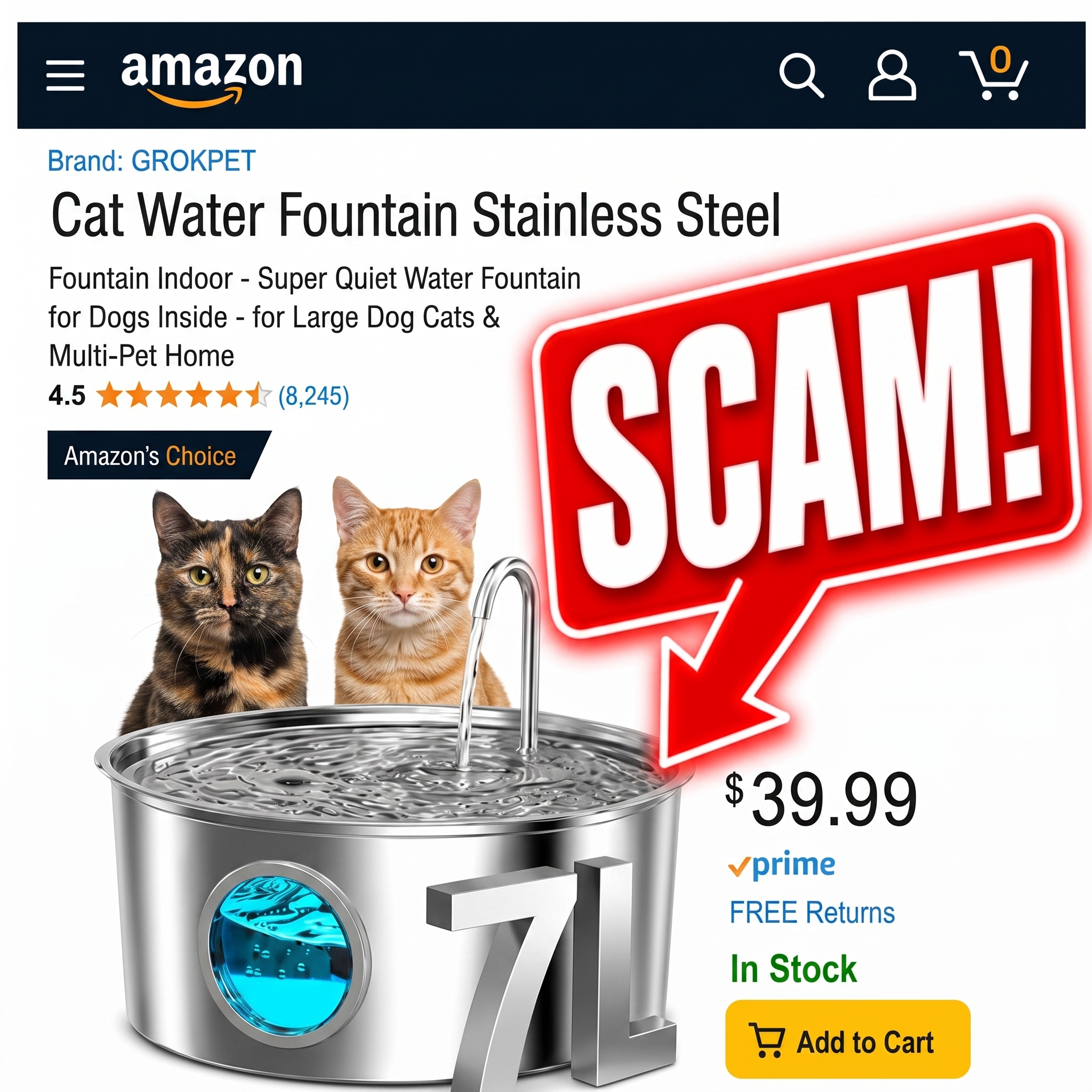
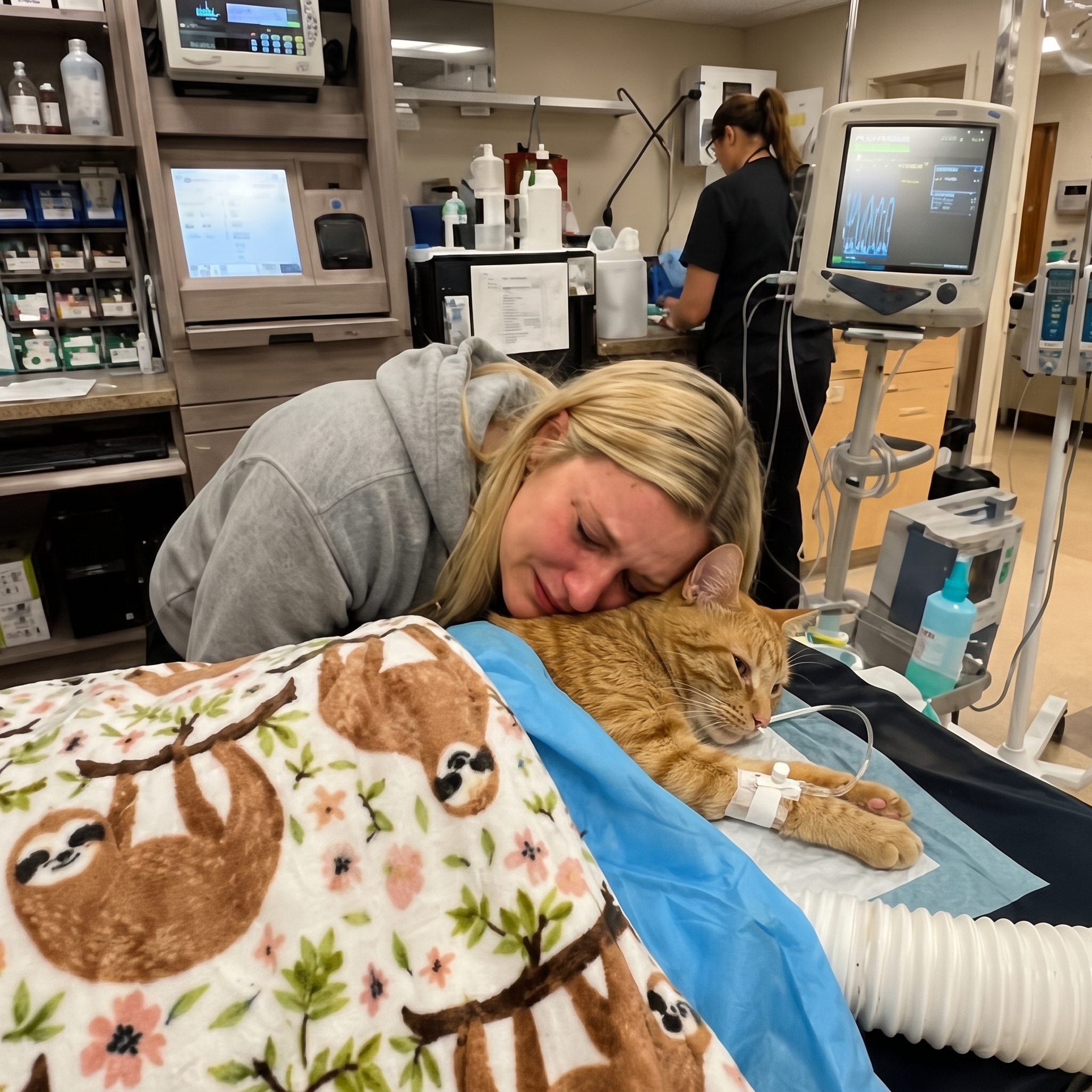
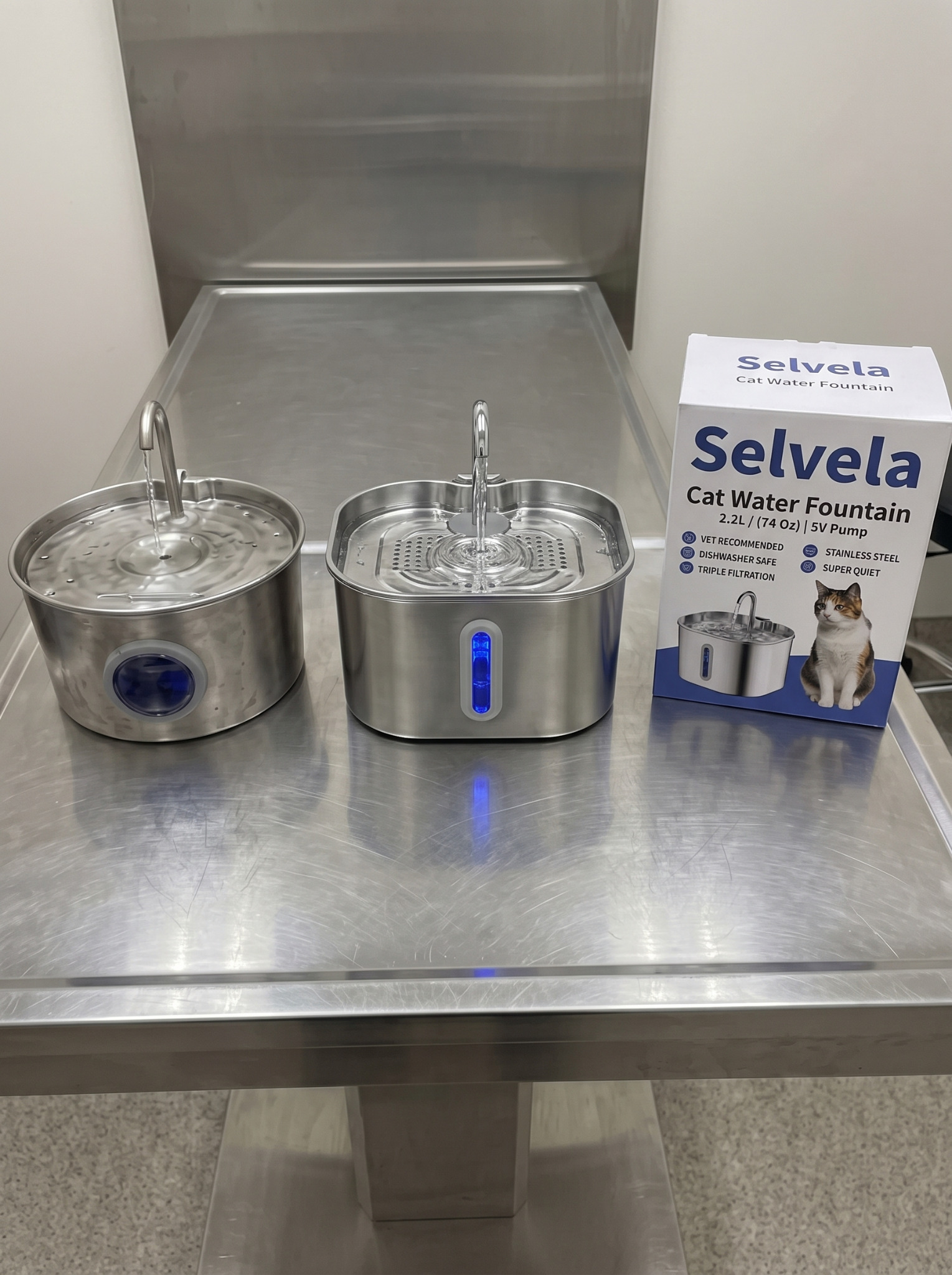
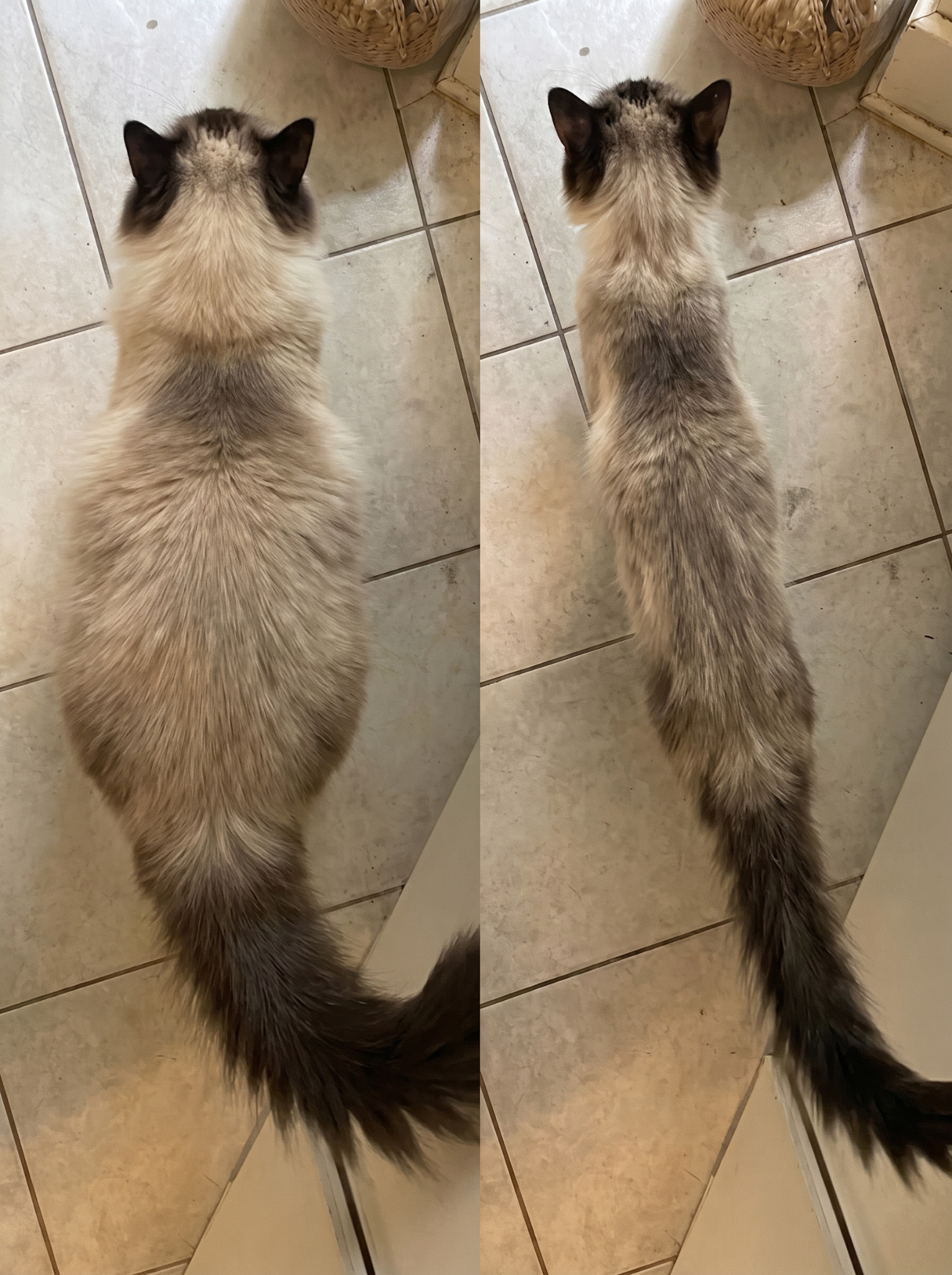
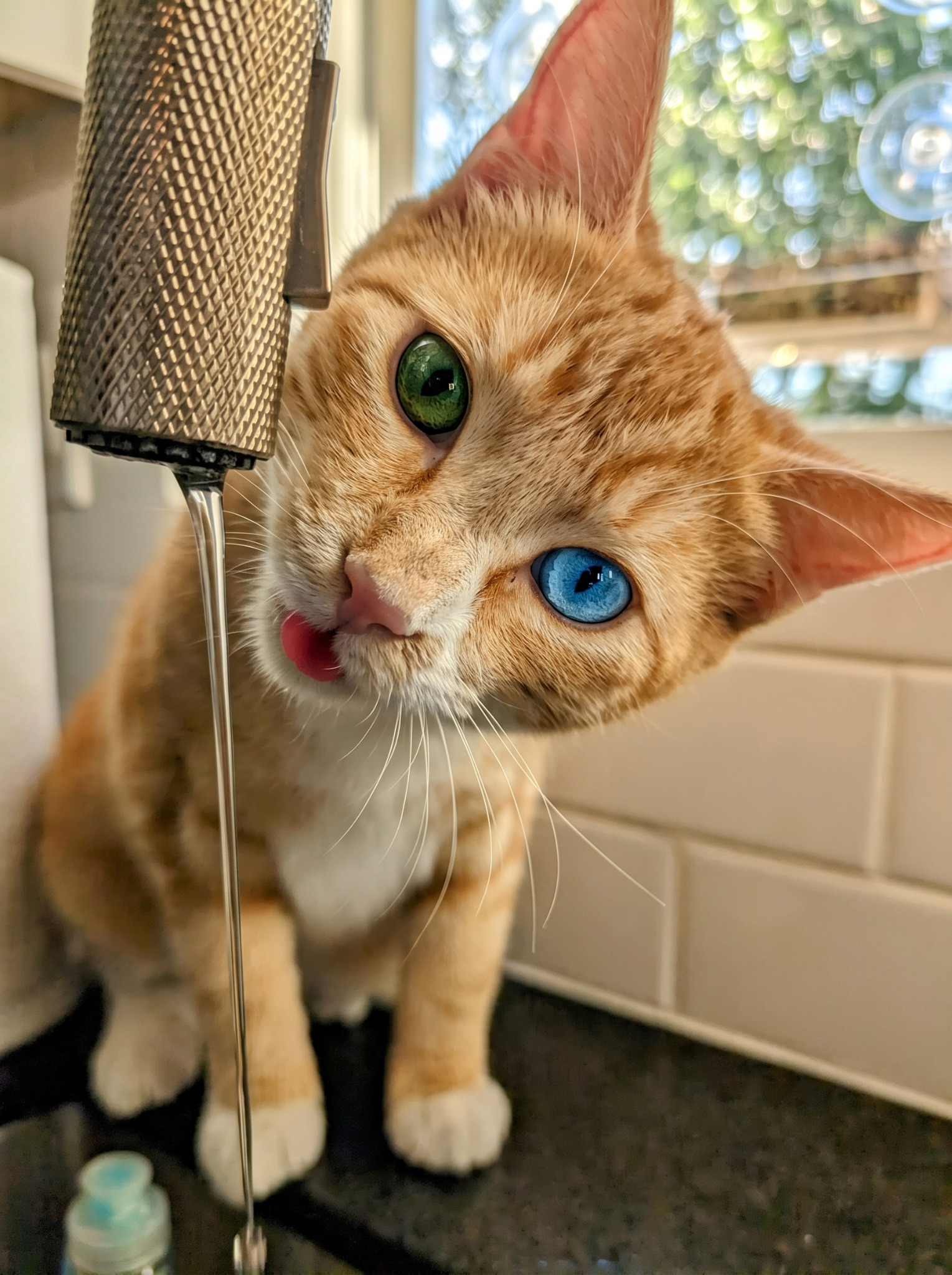
My cat walked past her full water bowl three times a day for weeks — I found her collapsed on a Tuesday and the vet said one sentence that made me realize I'd been watching her die for two years without knowing it. Her name was Bailey. She was a six-year-old cat with one green eye, one blue eye, and a personality that made everyone who came to our house end up sitting on the floor with her within five minutes. And I need to tell you what happened to her, because the thing that killed her is probably happening to your cat right now. And you have no idea. Just like I had no idea. Bailey was smart. Too smart, honestly. She figured out how to open the pantry door by herself. Knew the sound of my car from three blocks away. Would stare at me until I said the word she was waiting for. She slept next to my side of the bed every night. Not at the foot like most cats. Right next to me. Close enough that I could hear her breathing. Close enough that when I had a bad dream, I'd reach down and touch her head and fall back asleep. Around two years ago, something changed. Bailey started doing something with her water that I thought was cute at first. She'd walk up to her bowl. Sniff it. Stand there. Walk away. She'd come back fifteen minutes later. Sniff again. Walk away. Then she discovered the faucet. Every morning. Every night. Sometimes at 2 AM. She'd jump to the bathroom counter and sit at the sink. Staring at it. Waiting. If I turned the water on, she'd drink. Long, steady laps. Like she was finally getting what she'd been looking for. I started photographing it. "Bailey's doing her sink thing again." My friends laughed. I laughed. I mentioned it to a friend. She has three cats. She shrugged. "Cats are basically desert animals. They're just picky about water. Keep the bowl full and she's fine." So I did. The bowl was always full. I refilled it every morning with filtered water from the pitcher I kept just for her. Scrubbed it every few days. Added a second bowl in the bedroom. Tried different locations. Different bowl materials. She sniffed them all. Barely drank from any of them. I bought a plastic fountain from PetSmart. The one with the flower on top. $39. She used it for four days. Then she stopped. I bought a ceramic fountain. $67. She used it for a week. Then she stopped. I bought a "stainless steel" fountain from Amazon. $54. She used it for eight days. Then she stopped. I started adding tuna water to her bowl. Sometimes it worked for a day or two. Then she'd ignore it again. I told myself she was just particular. Some cats are particular. That's normal. I told myself the faucet thing was cute. A quirk. Something that made Bailey, Bailey. I stopped worrying. That was my mistake. The day it happened was a Tuesday in November. Nothing special about it. I topped off her water before work. Clean bowl. Filtered water. Kissed her head. Told her I'd be back by six. Checked the camera around lunch. She was on the couch. Curled up in her spot. I smiled and put my phone away. I got home at 5:45. The house was silent in a way that felt wrong. Bailey always met me at the door. Always. Even if I'd just stepped outside for thirty seconds. The little chirp she made when she heard my keys. The way she'd wind through my ankles before I could put my bag down. I called her name. Nothing. I found her on the kitchen floor. Near her water bowl. On her side. Eyes half-closed. I don't remember getting her into the carrier. I remember her weight — nine pounds that felt like nothing and everything. I remember talking to her the whole drive. I remember running every red light. The emergency vet took her immediately. A tech came out nineteen minutes later. "I'm so sorry. She's gone. Acute kidney failure." I said the bowl was full. I said I refilled it every day. I said she was only six years old. She nodded. She told me they'd lost three cats that month. Same thing. Every owner said the same words. The bill was $2,800 for nineteen minutes and a dead cat. I sat in the parking lot for over an hour. Engine running. I remember thinking: the water bowl was full. Right there next to her. Full. The vet called the next day. She said she wanted to explain what happened. That she doesn't usually do this, but she thought I deserved to understand. "Your water bowl was clean," she said. "The water was filtered. But that's not why Bailey wasn't drinking." She explained it carefully. And I'll never forget it. Cats are desert animals. Their ancestors survived by getting moisture from prey, not from standing water. The domestic cat inherited that exact physiology. Its thirst drive is suppressed by design — a cat does not feel thirst the way you do. It can be measurably dehydrated and show zero symptoms. It can sit next to a full bowl and quietly dehydrate because the signal to drink simply doesn't fire. But there's something worse. Even when a cat approaches the bowl, its nose — roughly fourteen times more sensitive than yours — evaluates the water before a single lap. Within hours of filling any bowl, bacteria begins forming a layer called biofilm on the surface. Invisible. Unscrubbable. Embedded in the microscopic scratches in the material. Then she said the sentence that changed everything: "Think about a glass of water that's been sitting on your nightstand since yesterday. You wouldn't drink it. You'd dump it and pour a fresh one without even thinking about it. That's what Bailey was doing every time she sniffed the bowl and walked away. She was telling you the water had gone bad. Except her nose detected it in hours, not days. And she couldn't pour herself a fresh one." That was it. That was the sentence. And every single thing I'd watched Bailey do for two years suddenly made sense. The sniffing and walking away? Her nose telling her the water was contaminated. Every time. The faucet sitting? Her body searching for the one water source that was actually clean. Running water doesn't grow biofilm. The brief drinking after fresh pours? The short window — maybe an hour or two — where the water was genuinely acceptable before bacterial contamination rebuilt. The fountain rejections? Every fountain she tried grew biofilm in hidden places within days. Her nose found it. She stopped. Then she said the part that destroyed me: "And unlike a dog, a cat won't show you it's in trouble. A dehydrated dog drinks heavily — you notice. A cat just stops. A chronically dehydrated cat looks exactly like a healthy cat. It eats. It sleeps. It grooms. It acts completely normal. You could live with her for years and have no idea her kidneys were slowly failing." She paused. "By the time kidney values show up on bloodwork, 65 to 75 percent of kidney function is typically already gone. That loss is permanent. The water bowl was full the whole time. It looked like everything was fine. And that's exactly why you missed it." That's what haunts me. It didn't look like an emergency. It looked like a cat with a full water bowl and a cute faucet habit. And that's exactly why I missed it. I asked if it would have mattered if I'd refilled the bowl more often. "No," she said gently. "Refilling resets the contamination clock. But the clock starts again immediately. Within hours, the biofilm is back. And the material of the bowl itself holds bacteria in microscopic grooves that no amount of scrubbing can reach. Refilling more often just gives shorter windows of acceptable water. It doesn't solve the problem." I didn't sleep for a week. I joined every cat group. Every kidney disease forum. I called three other vets. And I started understanding why everything I'd been doing — everything every cat owner does — doesn't actually work. Refilling the bowl? Gives a short window of clean-smelling water. Bacteria reforms within hours. You're resetting a timer you don't know exists, and it runs out long before you refill again. The plastic fountain? Grew MORE bacteria than the bowl. Pump housing coated in black slime within two weeks. Plastic reservoir scratched and colonized. Water looked clean on top while contamination built underneath. The ceramic fountain? Hairline cracks in the glaze within weeks. Biofilm colonizing places no brush could reach. The "stainless steel" fountain? Cheap steel that pitted and corroded. Plastic reservoir hidden underneath. The steel bowl on top was a marketing photo. The water sat in plastic all day. Multiple bowls around the house? Just multiple sources of the same contaminated water. More bowls, same problem. Tuna water? Masked the smell for a day. Didn't address the bacteria growing in the material. And the cat stopped falling for it after a while. Every solution out there either refreshes the water briefly or hides the contamination. None of them do the things that actually matter: give the cat a surface bacteria cannot colonize, filter what's actually in the water, and kill the bacteria living in the water itself. The vet's words kept repeating in my head: "You need water your cat's nose will accept all day, every day. Not just for an hour after you refill." That's what would have saved Bailey. Two months later, my sister called from Phoenix. Her cat Olive was doing the same thing. Sitting at the faucet every morning. Walking past her bowl. Barely drinking. My sister was panicking. I told her everything the vet told me. "So the bowl doesn't work?" "The bowl grows bacteria your cat can smell and you can't. Within hours." "What about fountains?" "I tried three. They all grew worse contamination than the bowl." She asked what to do. I didn't have an answer yet. I kept researching. Reading studies on biofilm formation. Studying water safety protocols. Talking to owners in kidney disease groups — anyone whose cat had stopped drinking and been diagnosed too late. That's when I found a woman in a Facebook group. She wasn't selling anything. Just sharing what worked. She described the same pattern. The faucet-seeking. The bowl rejection. The brief use of fountains followed by abandonment. Then: "I got a fountain three months ago that she hasn't rejected. The faucet-sitting stopped completely. She drinks from it multiple times a day. I thought I was losing my mind but it's real." Someone asked what brand. Selvela. Not a plastic flower fountain. Not a ceramic bowl with a pump. Not a "stainless steel" fountain with a hidden plastic reservoir. A fountain built around the actual problem: 316 surgical-grade stainless steel with an antibacterial coating across every surface the water touches — the grade used in medical implants, non-porous, so bacteria physically cannot colonize it. Built-in UV sterilization that kills bacteria in the water itself before colonies can ever form. Triple-stage hospital-grade filtration that removes chlorine, heavy metals, and pharmaceutical residue. Continuous water movement through a faucet-style stream. Whisper-quiet. Dishwasher-safe. If the problem is contaminated water in a material that breeds bacteria, the solution is a material that can't be colonized, filtration that actually works, and sterilization that keeps the water itself clean. No biofilm on the surface. No bacteria in the water. Nothing for the cat's nose to detect. Nothing to reject. I ordered one that night. Sent one to my sister in Phoenix. 👉 https://selvela.com/products/selvela-cat-water-fountain When mine arrived, I set it up where Bailey's bowl used to sit. I sat next to it and cried for an hour. My sister texted me four days later. "Olive hasn't sat at the faucet once. She goes to the fountain and just drinks. Multiple times a day. No sniffing and walking away. No rejection." A week later: "The faucet-sitting is completely gone. She's drinking more than she has in years. I didn't realize how much I'd been dreading watching her at the sink until it stopped." Two weeks later: "Her coat looks different. Shinier. Is that possible? From water?" She sent a photo. Olive stretched out on the couch. Not sitting at a sink. Not standing over a bowl she was about to reject. Just a cat who had finally been given water she trusted. The kind of settled Bailey never had. My sister told me something yesterday I can't stop thinking about. "I thought the faucet thing was just Olive's personality. I thought some cats are just picky about water. I didn't know there was something that actually worked." I know that feeling. Refilling the bowl was never enough. Fountains that grow biofilm were never enough. The water source was always the problem. If your cat sniffs her bowl and walks away. If she sits at the faucet crying. If she barely drinks despite multiple bowls and fresh water every day. If she used a fountain for a week and then quit. It's not personality. It's not "just what cats do." It's your cat telling you the water is contaminated. And her kidneys are quietly paying the price. Every day. Every month. Every year. I can't bring Bailey back. But I can tell you what I learned too late. Here's what I wish someone told me: I spent $2,800 at the emergency vet. For nineteen minutes. For nothing. The Selvela costs $89.99. Less than one emergency visit. Less than the three cheap fountains I burned through that all failed. Less than what most of us spend on cat treats in a year. Starter filters included. They have a 30-day money-back guarantee. If you set it up and your cat keeps sniffing and walking away, keeps sitting at the faucet, keeps barely drinking — you get every penny back. But if I'm right, you'll wish you'd known sooner. One more thing: every day your cat barely drinks is a day the kidney damage accumulates. Invisibly. In a species that hides illness. With a thirst drive that never sounds the alarm. By the time symptoms appear, 75 percent of kidney function is typically gone. That damage never comes back. There is no undo. Olive is on the couch right now. According to my sister's text. Hydrated. Coat shining. Not sitting at the sink. She said: "I finally don't feel like I'm watching her slowly decline." The bowl being full doesn't mean your cat is hydrated. And if you've been watching the same signs Bailey showed me — the sniffing, the faucet-sitting, the barely-touched water — you need something that actually works. I'd give anything to have known this two years ago. You still have time. 👉 https://selvela.com/products/selvela-cat-water-fountain P.S. Bailey sat at the bathroom faucet at 2 AM almost every night for two years. I photographed it. Posted it. Showed everyone how cute it was. She wasn't being cute. She was looking for clean water because every bowl and every fountain I gave her was contaminated within hours. And I laughed about it. Every time I hear a faucet turn on in my house, I think about that. If your cat does this, please stop thinking it's adorable. It's the closest thing to a warning they'll ever give you. P.P.S. I still have the three failed fountains in my garage. $160 worth of plastic and cheap steel that my cat rejected within a week. I keep them as a reminder of how long I wasted trying to make cheap solutions work while Bailey's kidneys were silently failing. Don't waste another month. The kidney tissue lost while you experiment with fountains that don't work is tissue that never comes back.
Where the ad sends people
selvela.com
If You Have A Cat, Read This 👆
Selvela
Shop now: selvela.com(opens in a new tab)