
Inactive· since Jul 14, 2026
- 49
- days it ran
- 0
- relaunches
Ad copy
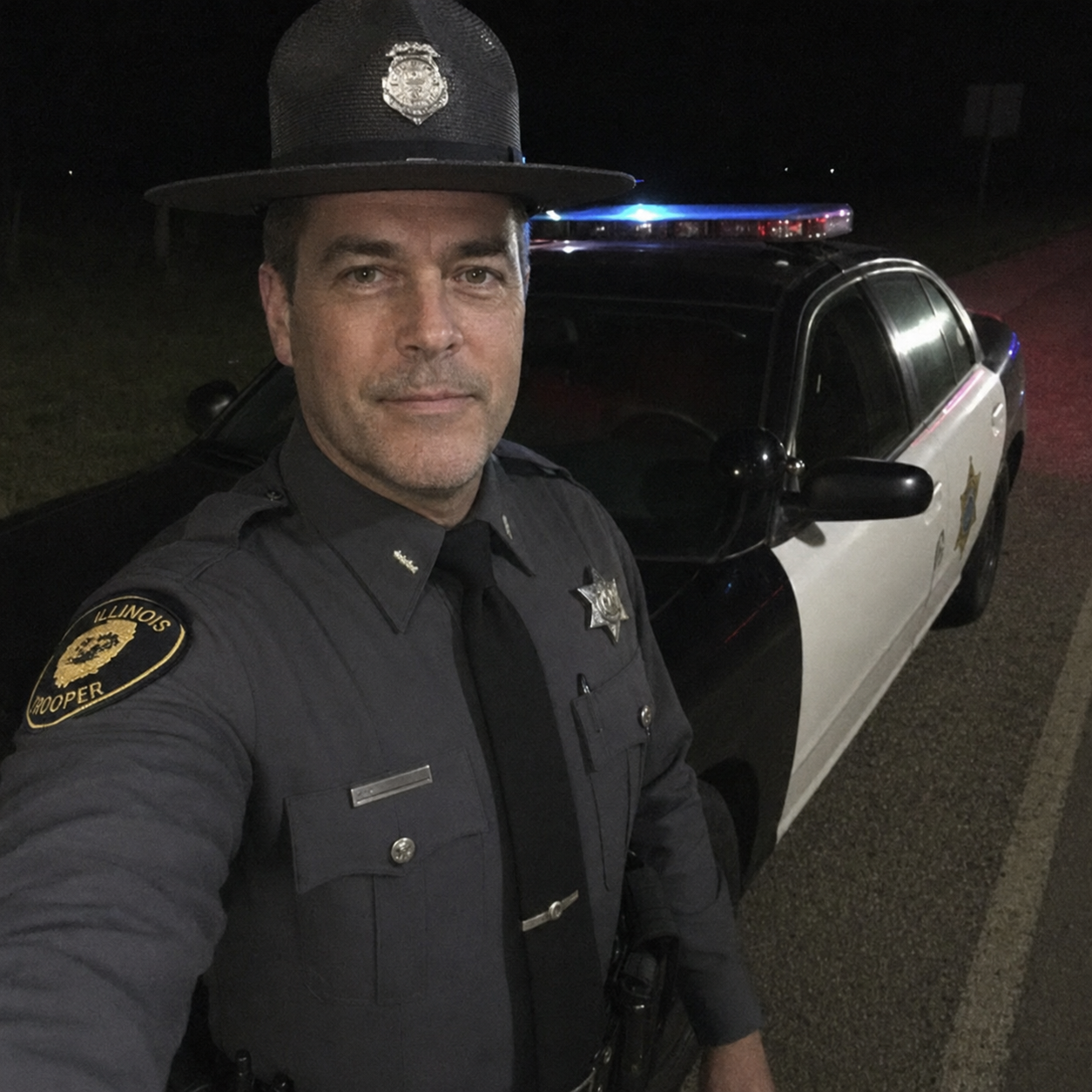
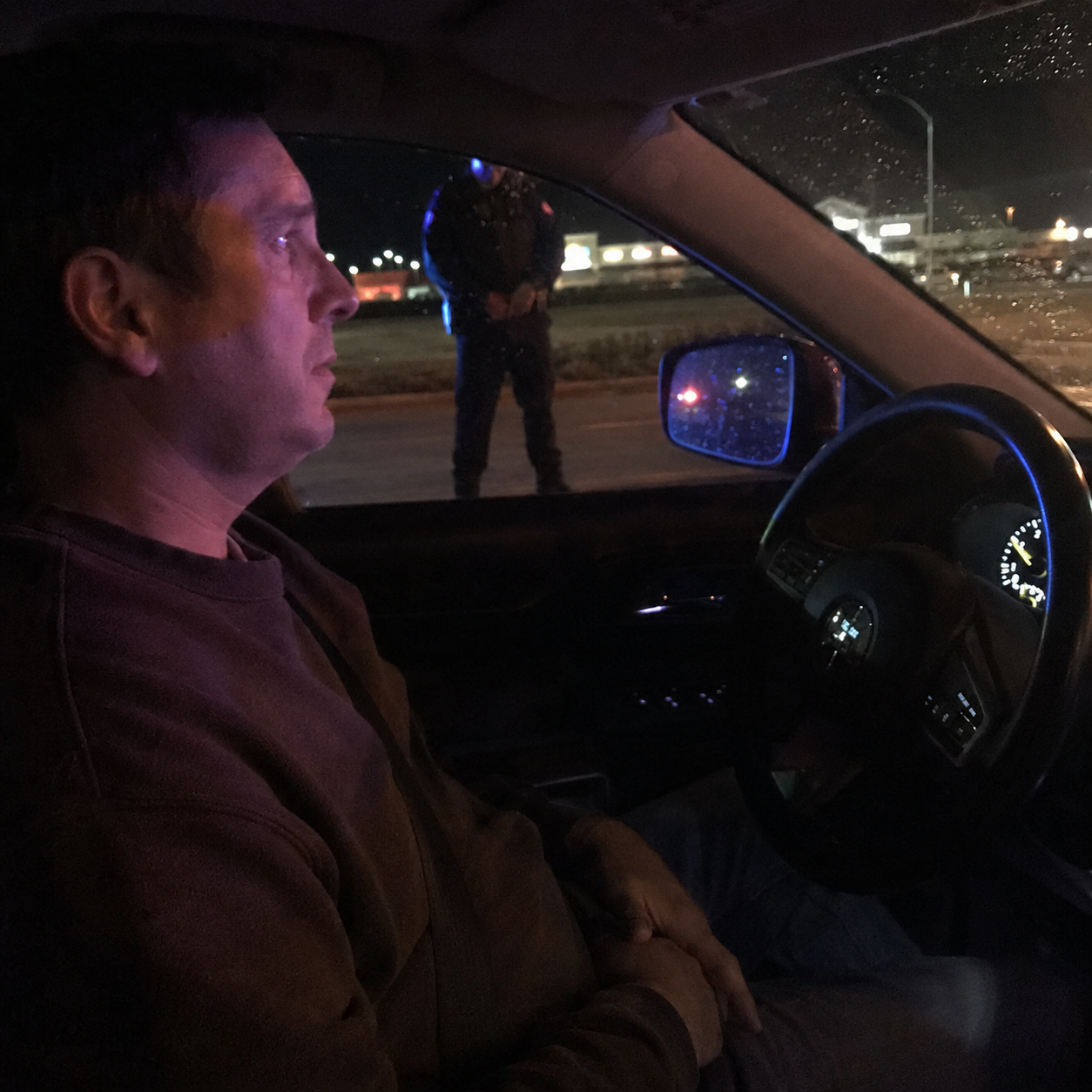
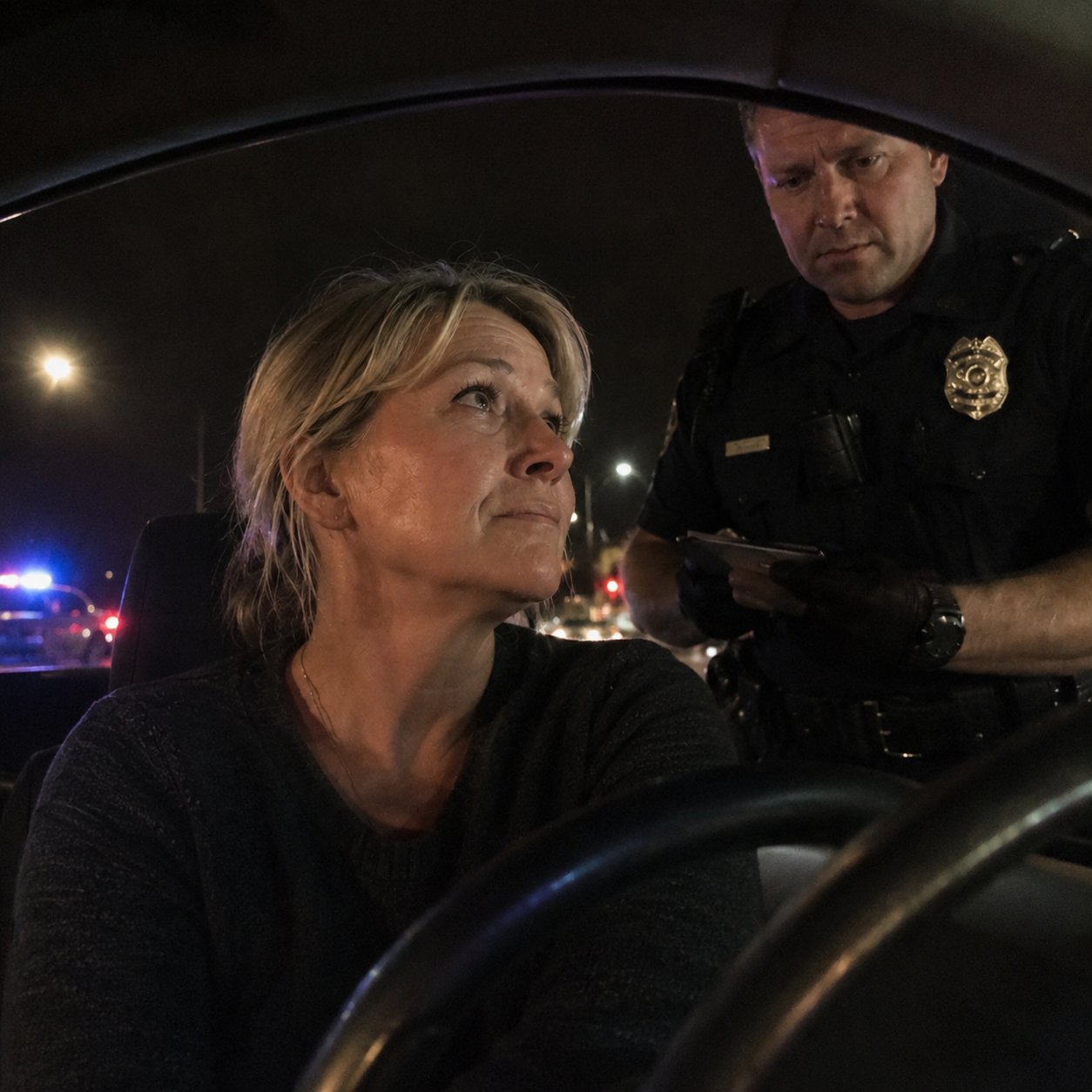
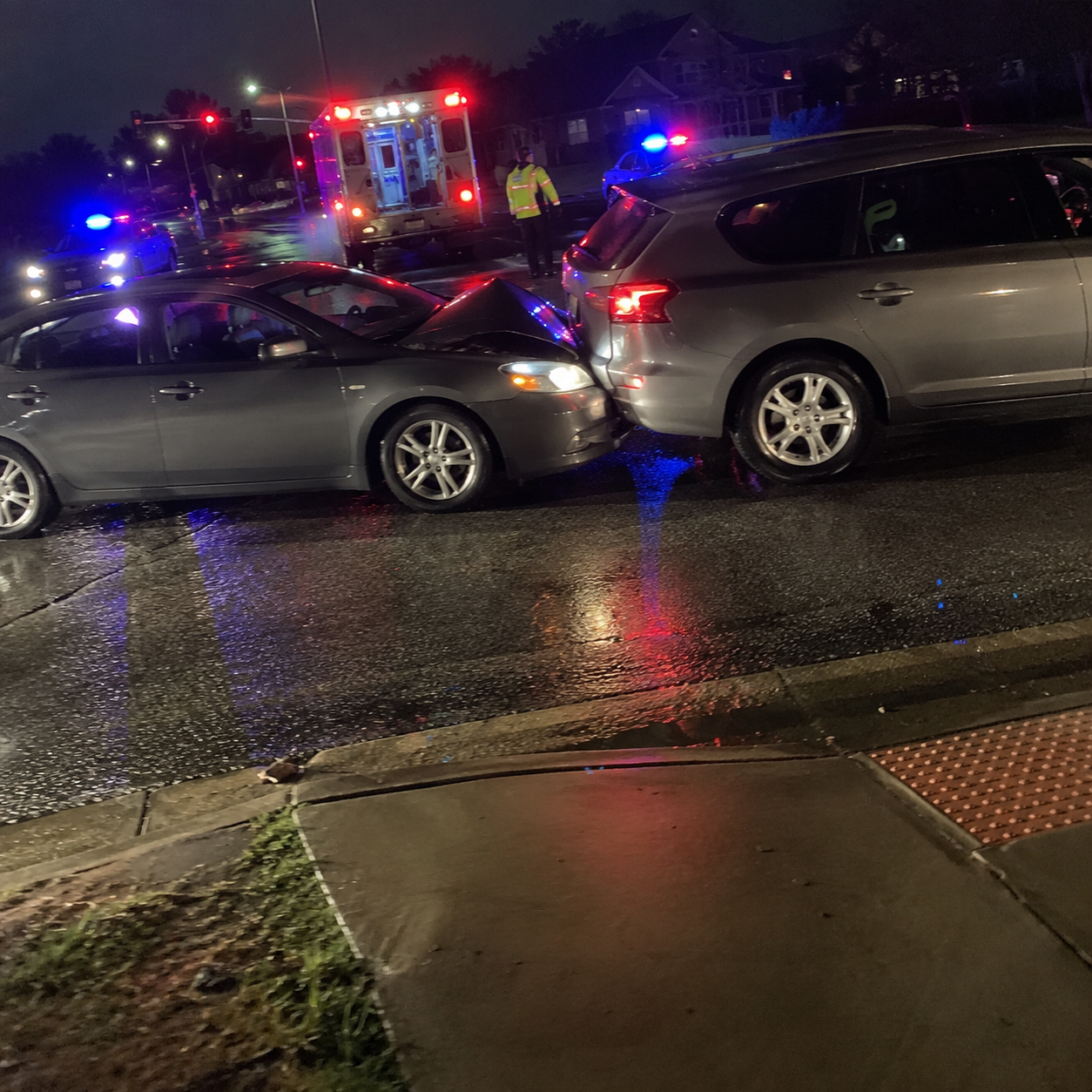
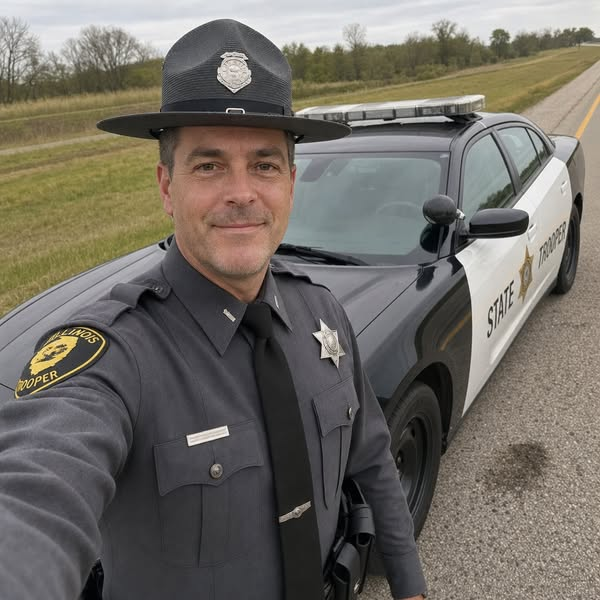
I've been pulling drunk drivers out of cars for 18 years. Last October I pulled a man out of one and he asked me if his wife had survived. She hadn't. I went home that night and bought four breathalyzers. My name is Sergeant Grant Hayes. I'm 47 years old. I've been an Illinois state trooper since I was 28. I worked patrol for the first nine years and DUI enforcement for the last nine. I've been at hundreds of crash scenes. I've made over six hundred DUI arrests in my career. I thought I'd seen all of it. Until last October. It was a Saturday night, just after 10 PM. Dispatch sent me to a single car accident on County Road 7. A two lane rural highway about twelve miles outside our station. A motorist had called it in. He had seen a sedan leave the road, go through a guardrail, and roll down an embankment into a creek bed. When I got there, the motorist was already down the embankment doing chest compressions on the driver. He was a 58 year old electrician named Joe. He had pulled over and climbed down in the dark. He had been doing CPR for nine minutes by the time the ambulance arrived. He saved the driver's life. He could not save the passenger. The driver was a 62 year old man. Grey suit. Wedding ring. Married, by the look of him. The passenger seat next to him had been crushed. His wife was still in it. She was 60 years old. Navy dress. Salon hair. She had died at the moment of impact. The driver was alive but unconscious when Joe pulled him out. He woke up on the bank of the creek about fifteen minutes later, while the paramedics were stabilizing him. The first thing he said when he opened his eyes was his wife's name. The second thing he said was: did she make it. I had to look at the paramedic. The paramedic looked at me. I had to be the one to tell him. I have done a lot of hard things in this job. That was the hardest one. His blood alcohol was .14 at the scene. Almost twice the legal limit. He had no idea. He said he had two glasses of wine at dinner. The receipt from the restaurant later showed he had ordered a bottle of wine for the table, a cocktail before the meal, and two glasses of limoncello at the end. Five drinks across three hours. He told the paramedic he felt fine. He told me he felt fine. He told the doctor at the hospital he felt fine. That was the word he kept saying. Fine. I drove home that night around 1 AM. My wife was asleep when I got there. She's a high school principal. She's 45. She had a faculty dinner the next Friday night that I knew involved wine. I sat on the edge of our bed and looked at her. I have been married to her for 21 years. She is the most responsible woman I have ever known. She has never had a DUI. She has never even had a speeding ticket. She drives like a woman who is aware that her husband arrests people for a living. But I realized something that made my stomach turn. I had no idea what she had been at the last time she drove home from a faculty dinner. Or a wedding. Or a Christmas party. Or any of the dozens of nights in 21 years that she had been the one driving us home. I had been working DUI enforcement for nine years. I had been pulling other people's wives out of crashed cars for nine years. And it had never occurred to me to wonder what the number was on the woman I sleep next to. I didn't sleep that night. I sat at our kitchen table until the sun came up. I made coffee at 4 AM and I drank it and I thought about the man in the grey suit on the bank of the creek. I thought about the way he said his wife's name when he woke up. I thought about the navy dress. I thought about the fact that in nine years of arresting drunk drivers, I had never once thought about my own family. That had been my blind spot. The same blind spot every person at every dinner table in America has every Saturday night. The blind spot that killed that man's wife. The next morning at the station, I told my partner about it. His name is Officer Daniel Reyes. He's 39. Quiet guy. Two kids, a wife. He has worked DUI calls with me for the last four years. He listened to me talk. He drank his coffee. When I finished, he reached into his patrol bag and pulled out a small black device. He set it on my desk. It was about the size of a TV remote. It had a digital screen on the front. There was a small white mouthpiece coming out of one end. "This is what my wife and I use," he said. "We have one in each car. I've had it for two years." I picked it up and looked at it. "It's a breathalyzer. For personal use." "It's the same kind we use?" I asked. "Same fuel cell sensor," he said. "Mine has been within .003 of the units we carry in the cruisers. I tested it three times against the sergeant's calibrated one last year." I asked him how he knew about it. He told me about his brother in law. A paramedic in Chicago. Twenty years on the job. His brother in law had been doing CPR at DUI crashes since 2005. His brother in law had told him in 2022 that he would not let his teenage son in a car with another teenager without one of these in the kid's glove box. He had bought one for the son. Then he had bought one for himself. Then he had bought one for his wife. Then he had told Daniel. Daniel had bought four. One for him. One for his wife. One for his teenage daughter who was about to get her license. One for his father. "They're called Revolis," he said. "The Pro model is the one with the fuel cell. I'll text you the link." He texted me the link it was = https://tryrevolis.store/products/revolis-pro-breathalyzer That night I ordered four. One for me. I'm 47 and I drink beer at family dinners about once a month. I have never thought about a number. I am about to start thinking about a number. One for my wife. The high school principal who has driven me home from 21 years of dinners and weddings and faculty events without either of us ever knowing what her number was. One for my older son. He's 22. He's a senior at the University of Illinois. He drinks beer with his fraternity brothers on Saturday nights and drives home from the bars near campus. One for my younger son. He's 19. He just got his license last year. He has never had a drink that I know of, but he is going to college next year, and he is going to start, and I would like the device to be in his glove compartment the first time he does. The four came in a single box. I gave them out at Sunday dinner the next weekend. I told my family the story of the man in the grey suit on the bank of the creek. My older son cried. He didn't tell me why. He just put the device in his coat pocket and looked at his plate for a long time. That was nine months ago. I haven't stopped thinking about that night on County Road 7. I have been to thirteen DUI fatality scenes since I started in DUI enforcement nine years ago. I remember every single one of them. I remember the names of the people who died. I remember what they were wearing. I remember what the inside of the cars smelled like. I remember the families. But the night in October is the one I cannot put down. Because it was the first one where I realized that the man in the driver's seat could have been any man. Including me. He told the paramedic he had two glasses of wine. He had five. He told everyone he felt fine. He was at .14. The number does not match the feeling. The number never matches the feeling. The number is the truth. The feeling is a lie. And every man in America who has ever driven home from a dinner and told his wife he was fine has been operating on the same lie that man was operating on. The only difference is most of them got home. In May, six months after the crash on County Road 7, I made a routine traffic stop on a Saturday night around 11 PM. The driver had drifted across the lane line twice in the half mile before I pulled him over. I lit him up and he pulled over on the shoulder of the highway, smoothly, without panic. He was a 56 year old man. Salt and pepper hair. Wedding ring. Coming home from his daughter's engagement dinner. I walked up to the driver's side window. Before I asked him for his license, he handed me something. It was a small black device. Same kind Reyes had shown me at the station. Revolis Pro Breathalyzer. The screen was lit up. The screen said 0.06. "I know I'm under the limit," he said. "I just blew this in the parking lot before I left the restaurant. But I noticed I was drifting a few miles back and I'm not comfortable. I was about to pull off at the next exit. There's a coffee shop about two miles up. I was going to sit there for an hour and blow zero before I drove the rest of the way home." I asked him to step out of the car. He did. He was steady. Coherent. Polite. I administered a field sobriety test, which I am required to do. He passed every part of it. I gave him my own department breathalyzer. He blew 0.061. I let him sit in the back of my cruiser for an hour with a bottle of water. We talked about his daughter's engagement. He showed me the ring she had picked out. His phone kept buzzing with messages from her. At 12:15 AM I had him blow into my device again. It read 0.02. I let him go. He drove home. He texted me from his driveway forty minutes later. The text said: home. thank you for not being a different kind of cop. I have that text on my phone still. I read it sometimes when I am tired. He is alive because he had a number in his hand. The man in the grey suit on the bank of the creek is alive because a stranger named Joe climbed down an embankment in the dark. His wife is dead because nobody in their car had a number in front of them at 9:47 PM on a Saturday in October. I want to tell you something about the device. It does not make anyone stop drinking. That's not what it does. I want to be clear about that. The man at the engagement dinner had four drinks. He drank wine. He toasted his daughter. He celebrated. He enjoyed his evening. What the device did was give him a number on a screen at the end of the night. The number told him 0.06. The number was the same number a state trooper would have read off the side of the road if he had been pulled over. Almost exactly the number I read on my own device when I tested him at the scene. He saw that number and made a decision he could not have made without it. He pulled off the highway. He waited an hour. He drove home at 0.02. The man in the grey suit could have done the same thing. If the device had been in his glove compartment. If someone had told him about it. If he had blown into it before he started the car at 9:47 PM. His wife would still be alive. The Revolis Pro Breathalyzer uses a fuel cell sensor. I want to explain what that means because it is the difference between a $20 toy from a drugstore and a device that is actually accurate enough to stake your driver's license on. The breathalyzer in my cruiser uses a fuel cell sensor. So does the one Reyes carries. So does the one in every state trooper's vehicle in our department. Fuel cell sensors are the standard for law enforcement because they are accurate, they don't drift, and they hold their calibration. The cheap breathalyzers at the drugstore use semiconductor oxide sensors. They're a different technology. They cost the manufacturer about three dollars to put into a device. They give you a number on a screen that looks like a real reading, but the number can be off by .03 or .04 or more. That margin of error is the difference between legal and illegal. Between drive home and 30 days in county. Between safe and dead. You cannot stake your driver's license on a semiconductor oxide sensor. The Revolis Pro is fuel cell. Same as my cruiser. Same as Reyes's. Same as the paramedic in Chicago who told his brother in law about it in 2022. That's why he told him. That's why his brother in law told my partner. That's why my partner told me. And that's why I'm telling you. My older son turned 22 in March. He just graduated from the University of Illinois. He's moving to Chicago for his first job. He uses his Revolis every Friday and Saturday night. He sends me a screenshot of his number sometimes, after he gets home. I know it's a small thing. It's a small thing my 22 year old son chooses to do for me. I treasure those screenshots more than I can tell you. My younger son starts college this fall. He'll be 20. His device is already packed in the bag he's taking with him to his dorm. My wife uses hers every time she drives me home from a dinner. She blew 0.08 the first time she tried it after our anniversary dinner in March. She told me she was shocked. She said she felt completely fine. She sat at our kitchen table for an hour and a half until her number came down. I sat with her. We had decaf coffee. She drove me home from the next dinner at 0.00. I keep mine in my patrol vehicle and in my personal car. I have not used it for myself yet. I don't drink much. But I have used it on three drivers who flagged me down at routine stops and wanted me to confirm that they were safe to drive. All three were under the limit. I told them what their number was. I told them where they could pull off and wait if they wanted to wait an hour. They thanked me. It is the most useful tool I have ever carried other than my radio. I think about that night in October every single day. The grey suit. The navy dress. The wedding rings. The way the man kept saying her name. His wife had been married to him for 41 years. She had no idea, at 6:30 PM that night when she got in the passenger seat, that her husband had been a man who would kill her by the time they had been driving for three hours. She trusted him. The way every wife trusts every husband who drives her home. The way every husband trusts every wife. The way every parent trusts every adult child. The way every drinker has ever trusted the part of their own brain that said "I'm fine." That trust is what kills people. The number on the screen is what saves them. I am 47 years old. I have been an Illinois state trooper for 19 years. I have one more year before I qualify for early retirement. I am going to spend the next twenty years of my life telling every person I meet about this device. I have not stopped thinking about the man on the bank of the creek. He is somewhere in this state, alive, alone, going to a grief group on Tuesday nights and visiting a grave on the weekends. He is doing the work of staying alive without his wife. He bought a Revolis after the funeral. I know because he wrote me a letter in May. The letter was four sentences long. It said he had bought eight of them. One for each of his children, his son in law, his grandchildren who drive, and himself. It said he uses it every time before he drives anywhere. It said he had not driven impaired since the night his wife died. It said thank you for being the one who told me. I had not told him about it. I had told him about her, in the ambulance. He must have learned about the device from someone else later. A grief group. A widower. A man like himself. I will carry that letter with me until I retire. If you are reading this, I am asking you to do one thing. Buy one of these. Buy one for your car. Buy one for the car of the person you love most. Buy one for your son who drinks on Saturday nights. Buy one for your daughter who just got her license. Buy one for your father who has been driving home from dinners for forty years. I bought four. One for me, one for my wife, one for each of my sons. Reyes bought four. The man on the bank of the creek bought eight. You can start with one. I have linked the model in my cruiser below. The Revolis Pro Breathalyzer. The kind with the fuel cell sensor. The kind we use on the side of the road. The kind that gives you a real number and not a guess. It costs $85. That's less than the bottle of wine the man in the grey suit ordered at his anniversary dinner. It's less than the cocktails at his son's wedding next year, the wedding his wife will not be at. It's less than a single hour of the lawyer he didn't need, because we didn't charge him. I have stood in a lot of driveways and told a lot of families that their loved one didn't make it home. I don't want to stand in yours. Please. i got mine here = https://tryrevolis.store/products/revolis-pro-breathalyzer If you've lost someone or come close, please share your story below. The more of us who tell these the fewer of them there will be. 🙏
The Cops Use This Get Yours Here
Revolis Pro is a portable breathalyzer that shows your estimated BAC on a clear digital screen in seconds. Use it after dinners, parties, weddings, holidays, camping trips, or any night where alcohol and driving decisions might overlap. No guessing.No counting drinks.No trusting how you feel. Just a...
SHOP NOWLike this ad? Make it yours.
Crush rebuilds this exact creative around your product — your brand, your colors, your offer — in about a minute.