
Active· since Jul 22, 2026
- 60
- days running
- 1
- relaunches
Ad copy
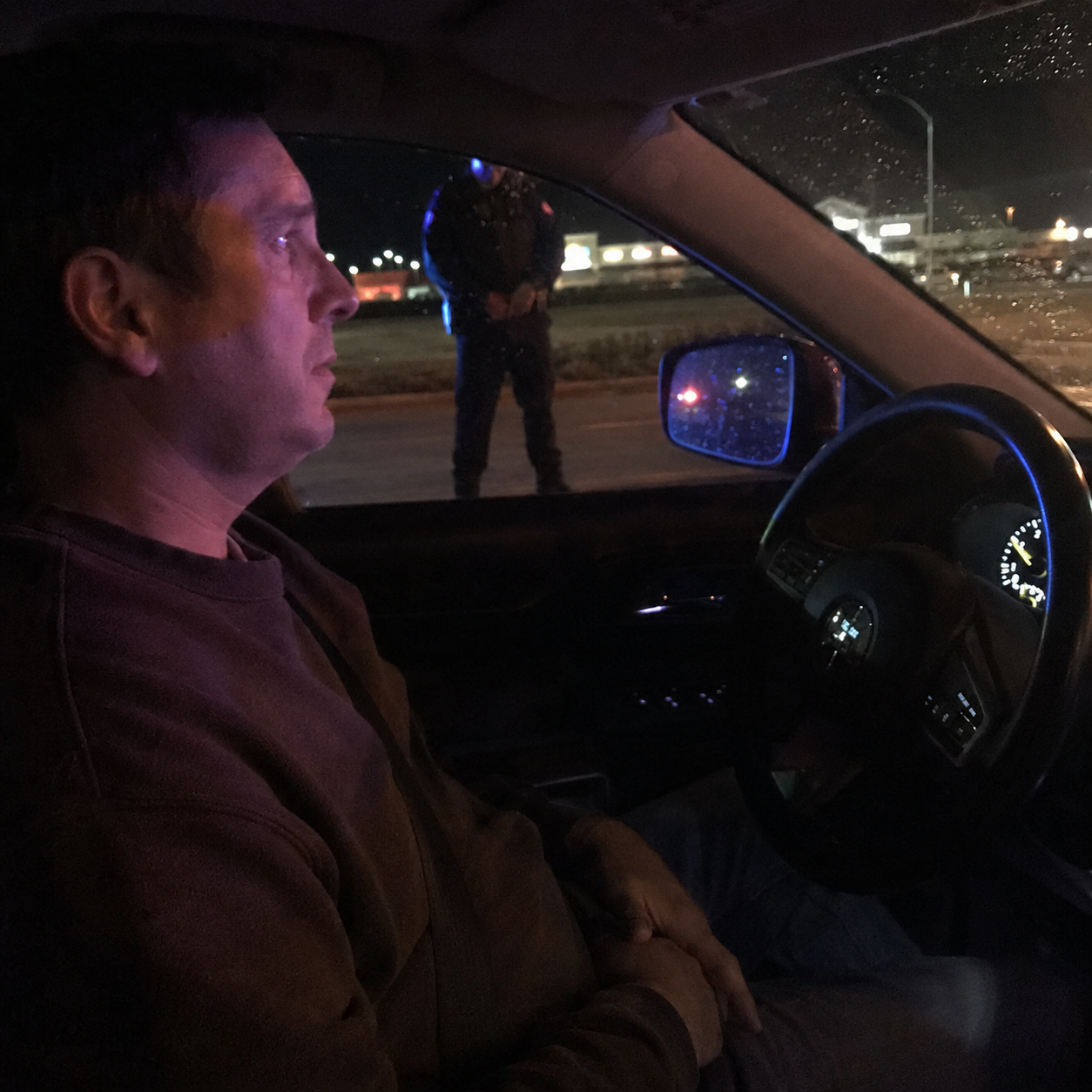
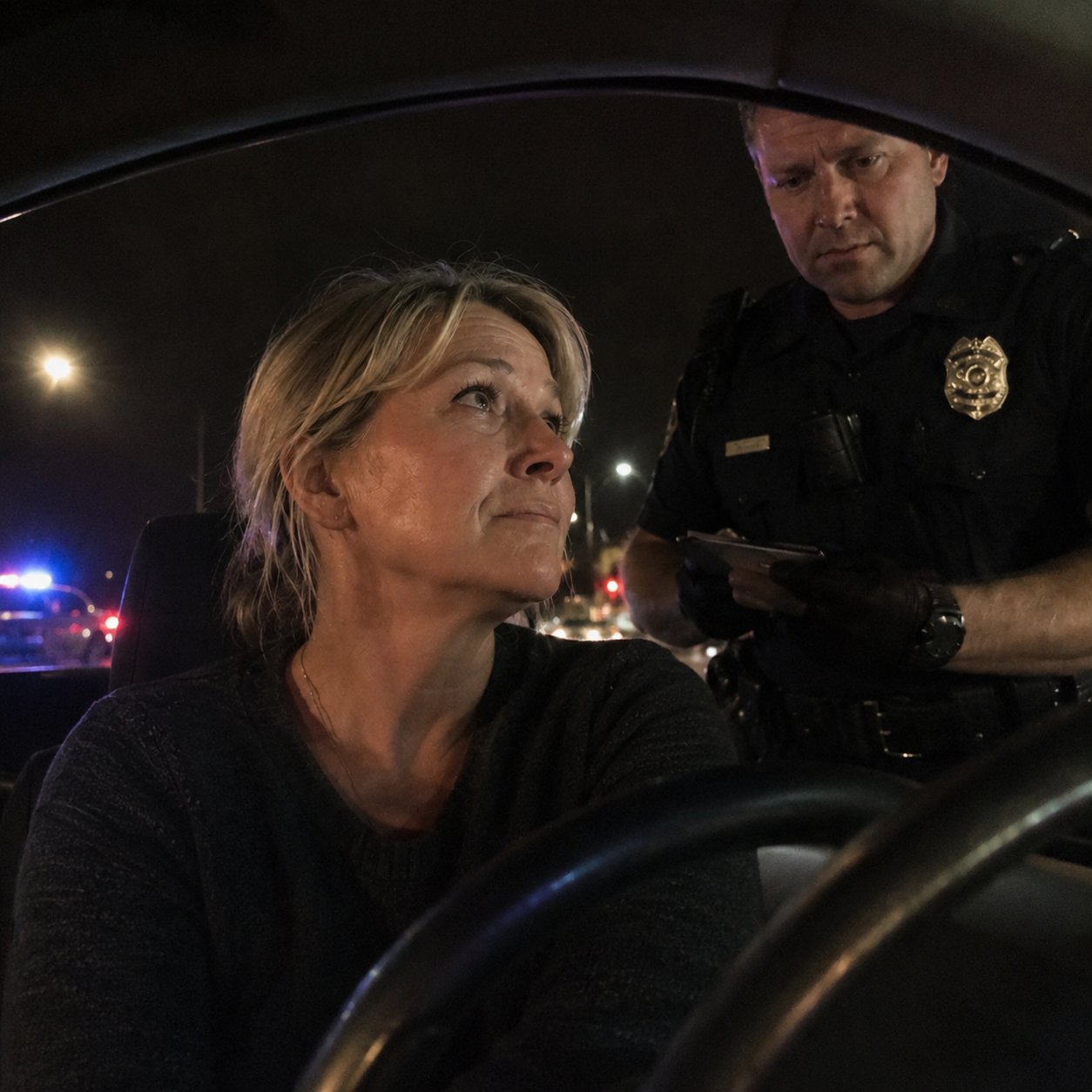
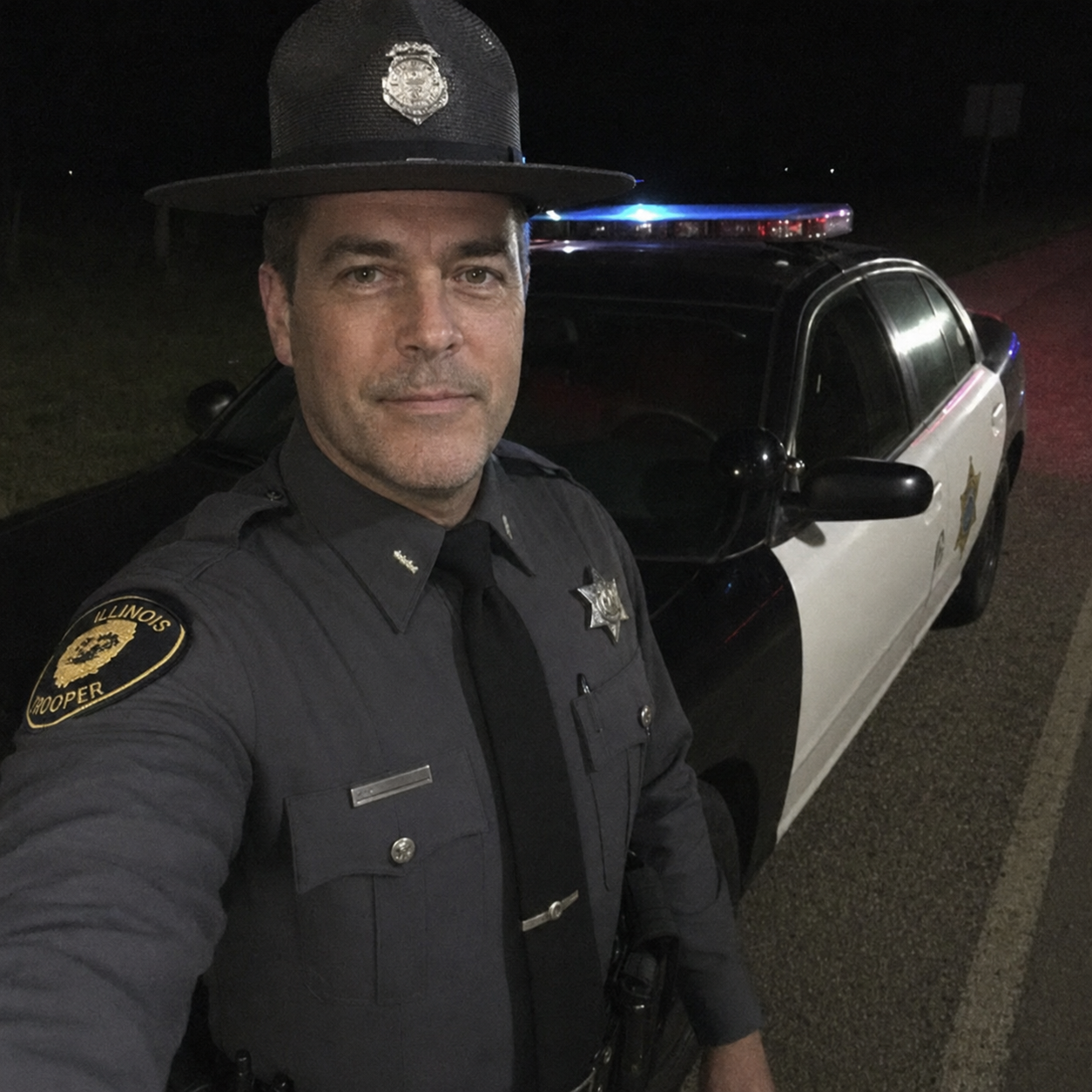
I’ve made more than 600 DUI arrests. Only once has a mother thanked me for putting her daughter in handcuffs. “At least this call came from a police station,” she said. “I have her children asleep at my house.” Seven minutes earlier, that same mother had told her daughter she sounded fine to drive. Before she left the station, she asked me where she could buy three personal breathalyzers. My name is Sergeant Grant Hayes. I’m 47 years old, and I’ve been an Illinois state trooper for 18 years. I spent nine years on patrol and the last nine working DUI enforcement. Most of the people I arrest do not look the way families imagine a drunk driver looks. They are not always leaving a bar at two in the morning. They are often coming home from a wedding, a work dinner, a birthday, or a restaurant ten minutes from their own driveway. They find their keys on the first try. They answer my questions clearly. And when I ask why they decided to drive, they give me the same answer in a hundred different voices: “I felt fine.” The woman I arrested that Thursday night was named Emily. She was 33. Divorced. Two children. No prior record. Her office manager was retiring after twenty-two years, so six coworkers had taken her to dinner. It was not a wild party. There were flowers on the table, a card everyone had signed, and one bottle of wine that became a second when the owner ordered another toast. Emily had brought her children’s pajamas and toothbrushes to her mother’s house before work. That detail mattered to her. She repeated it three times at the station. “My kids weren’t in the car.” She wanted me to understand that she had tried to be responsible. And she had. She had arranged a sleepover so she would not feel rushed to collect them after dinner. She had eaten a full meal. She had stopped drinking before dessert and switched to water. Before leaving, she called her mother. Her mother asked the question parents keep asking long after their children are grown: “Are you sure you’re okay to drive?” Emily said, “Mom, I’m fine. It was two glasses over almost three hours.” Her voice sounded completely normal. So her mother said, “Okay. Text me when you get home.” Seven minutes later, Emily entered our checkpoint. She was not speeding. She was not swerving. She lowered her window, handed me her license, and answered every question calmly. She still believed the breath test would confirm what she felt. It did not. The reading was 0.083. She looked at the number, then at me. “But I don’t feel anything,” she said. When I told her she was under arrest, she did not argue. She just kept looking at the phone in her lap. At the station, I told her she could call someone. She stared at me and said, “I already did.” Then she called her mother again. This time she was crying too hard to explain everything. I heard only pieces. “Checkpoint.” “I thought I was okay.” “Please don’t tell the kids yet.” Then she asked the question that changed the way I think about every adult child I stop: “Mom, can he use this to take them?” She was asking whether her ex-husband could use one decision to challenge the life she had built around those children. Forty minutes later, her mother arrived. Her name was Denise. She had put yesterday’s jeans under her nightgown and pulled a winter coat over both. One shoelace was untied. If you have ever kept your phone beside the bed because a grown child was out late, you know exactly how she had dressed. Denise did not ask whether Emily had been rude to us. She did not ask whether we could make the arrest disappear. She looked through the glass, saw her daughter sitting safely on the other side, and said: “Thank you for stopping her.” Then she covered her face with both hands. “I told her she sounded fine,” she said. “I’m the one who said okay.” I have delivered terrible news to mothers in driveways. I understood what Denise meant when she thanked me. This call had come from a police station. Her daughter was alive. Her grandchildren were asleep down the hall from the bathroom where their toothbrushes were still standing beside the sink. There would be consequences in the morning. But there would be a morning. I told Denise something I wish more families understood. Emily had not necessarily lied when she said she felt fine. That was the problem. Alcohol can affect the same judgment a person is using to evaluate himself or herself. “How do I feel?” has a flaw built into the question: the person answering it may already be affected by the thing being judged. Emily had given her mother every signal families are used to treating as evidence. Clear voice. Complete sentences. Dinner eaten. Water afterward. Two drinks—or what she believed were two drinks—spread across several hours. The ten-minute drive home felt smaller than waking her mother and leaving the car overnight. Nothing in that list measured her BAC. It only made the guess sound responsible. Denise told me she had spent years giving both of her children the same promise: “Call me anytime. No questions asked.” She thought that promise was the safety net. But Emily was not afraid to call her mother. She did not call for a ride because she genuinely did not believe she needed one. A rescue plan cannot work if the person holding the keys does not recognize that it is time to use it. That was why I showed Denise the compact personal breathalyzer my family uses: the Revolis Pro. It is designed with the same type of fuel-cell sensor that the police breathalyzers use. That is the part I told her to care about. Many cheap breathalyzers use semiconductor oxide sensors. They can be inconsistent, and an inconsistent number after alcohol can be worse than no number because it gives you confidence you may not deserve. Fuel-cell sensors are used in more serious alcohol testing devices because they are built to measure alcohol more reliably. That timing is the point. The number does not make the decision for anyone. It does not turn a BAC reading into permission to drive, and it does not replace judgment or local law. It interrupts the moment when “I feel fine” is about to end the conversation. If the result is not what someone expected, the car can stay where it is. They can call the mother whose ringer is already turned all the way up. That is the blind spot. Parents teach their children how to get help. They cannot stand in every parking lot and tell them when help is needed. I thought about my own sons. My older boy was 22. My youngest was 19. They were adults. I could no longer set a curfew, take their keys, or know who was pouring what into their glass. But I still woke up when the house was quiet and checked the clock. I still noticed when the driveway was empty. I still slept differently until I heard the front door. That is something nobody tells you when your children grow up: You lose the ability to make their decisions long before you lose the instinct to protect them from those decisions. Denise ordered three. One for Emily. One for her son Daniel. One for herself, because she told me it would be dishonest to demand a number from her children while continuing to trust her own feelings. I did not hear from her again for almost four months. Then an email arrived at the station just after midnight. The subject line was: **This time he called first.** Daniel had gone to a backyard wedding. At 11:48 p.m., Denise’s phone lit up on the nightstand. She kept the ringer at full volume whenever either of her children was out late. She told herself she was not waiting, then checked the screen before she was fully awake. For one second, before she saw his name, her whole body went cold. The message said: “Mom, can you come get me? I honestly thought I was good.” Under it was a photo of the Revolis screen. It was not an officer calling. It was not a hospital. It was her grown son making the call she had asked him to make since the day he learned to drive. Denise put on those same jeans and went to get him. When Daniel climbed into her car, he handed her his keys and apologized for waking her. “Home was only nine minutes away,” he said. There it was again. Not a plan to be reckless. Nine familiar minutes that felt too small to justify leaving the car or waking his mother. The Revolis had made those nine minutes feel like a decision again. On the way home, Denise told him: “This is the call I’ve been waiting for.” He looked out the window for a while. Then he said, “I really did feel fine.” “I know,” she said. For the first time, those words did not frighten her. Because they had not been allowed to turn the key. Nothing dramatic happened that night. No lights in the mirror. No call from a station. No grandchildren waking up and asking where their mother was. Denise drove her son home, complained that his jacket smelled like a bonfire, and went back to bed. In the morning, they collected his car. That ordinary ending is the whole reason I am telling you this story. A successful safety decision rarely becomes a story. To everyone else, it looks like nothing happened. To a mother who has stood in a police station at 1 a.m., nothing happening can feel like everything. Revolis cannot let you follow your grown children into every dinner, wedding, or parking lot. It can put an objective checkpoint in the part of the night you cannot see. If you still text your grown son or daughter “Let me know when you’re home,” this is for the decision that happens before they can send it. Every order currently comes with a 60-day satisfaction guarantee. See the Revolis Pro here: https://tryrevolis.store/products/revolis-pro-breathalyzer Give them a reason to make the call before “I’m fine” becomes the call neither of you wanted.
The Call Every Mother Waits For
Revolis Pro is a portable breathalyzer that shows your estimated BAC on a clear digital screen in seconds. Use it after dinners, parties, weddings, holidays, camping trips, or any night where alcohol and driving decisions might overlap. No guessing.No counting drinks.No trusting how you feel. Just a...
SHOP NOWLike this ad? Make it yours.
Crush rebuilds this exact creative around your product — your brand, your colors, your offer — in about a minute.