
Active· since Jul 14, 2026
- 68
- days running
- 1
- relaunches
Ad copy
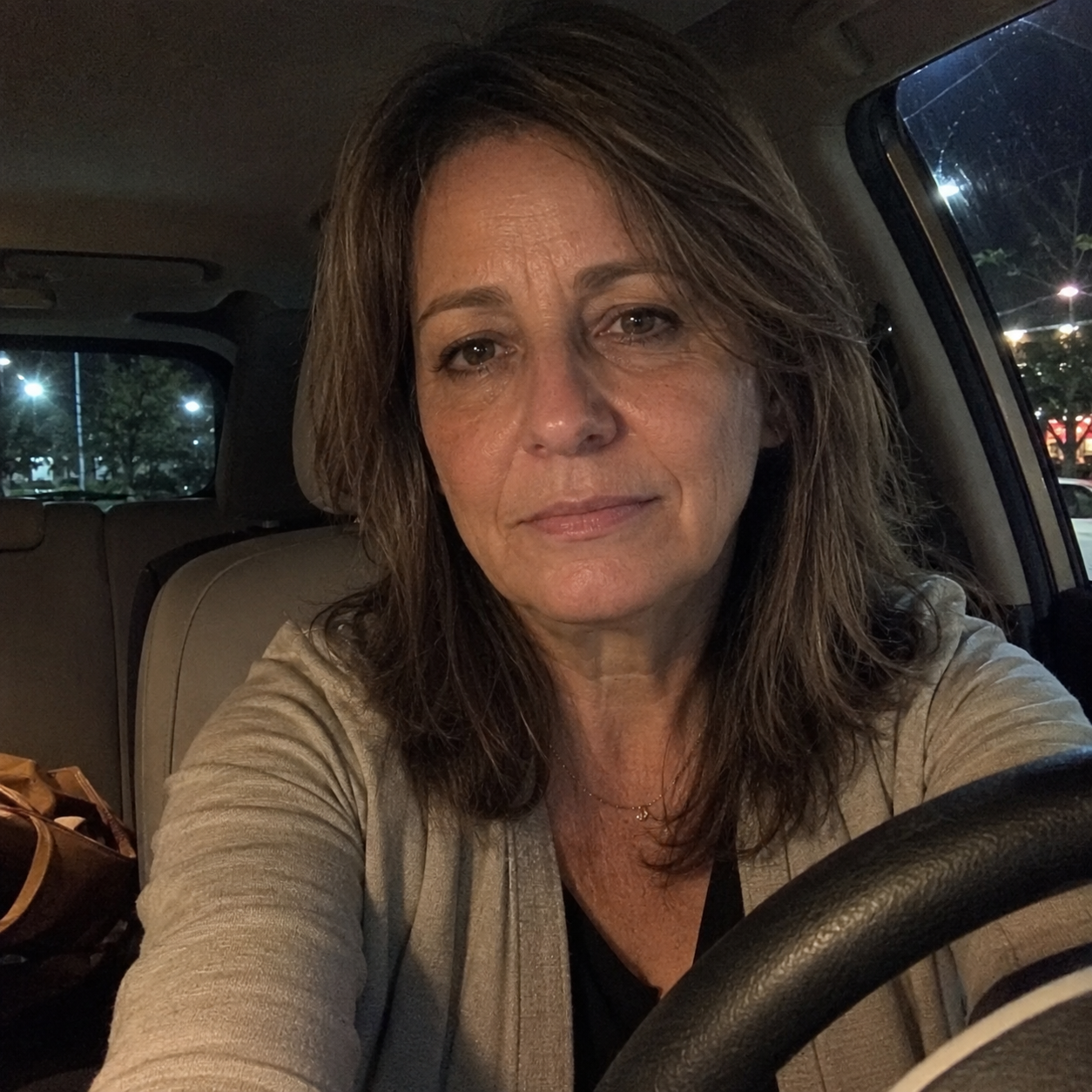
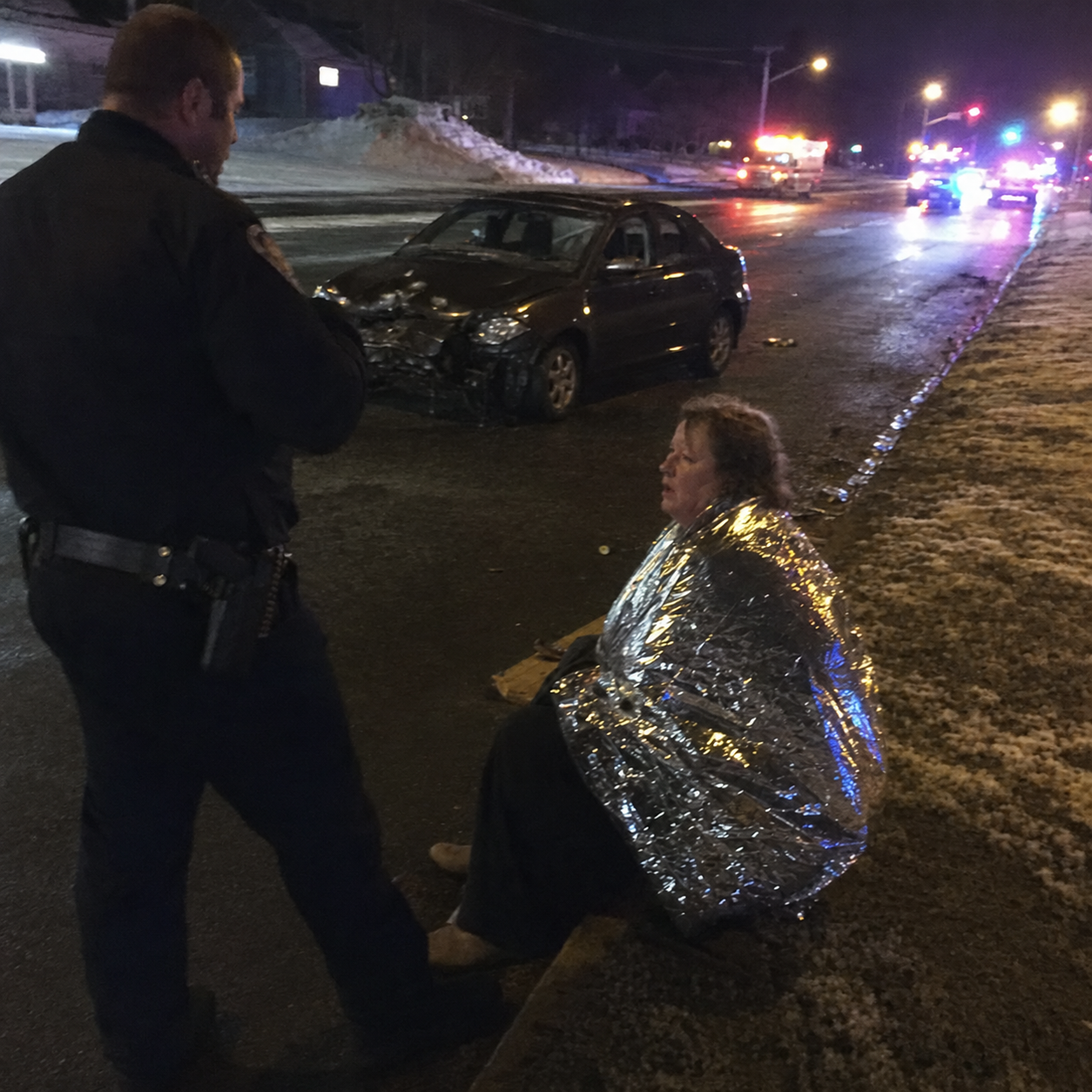
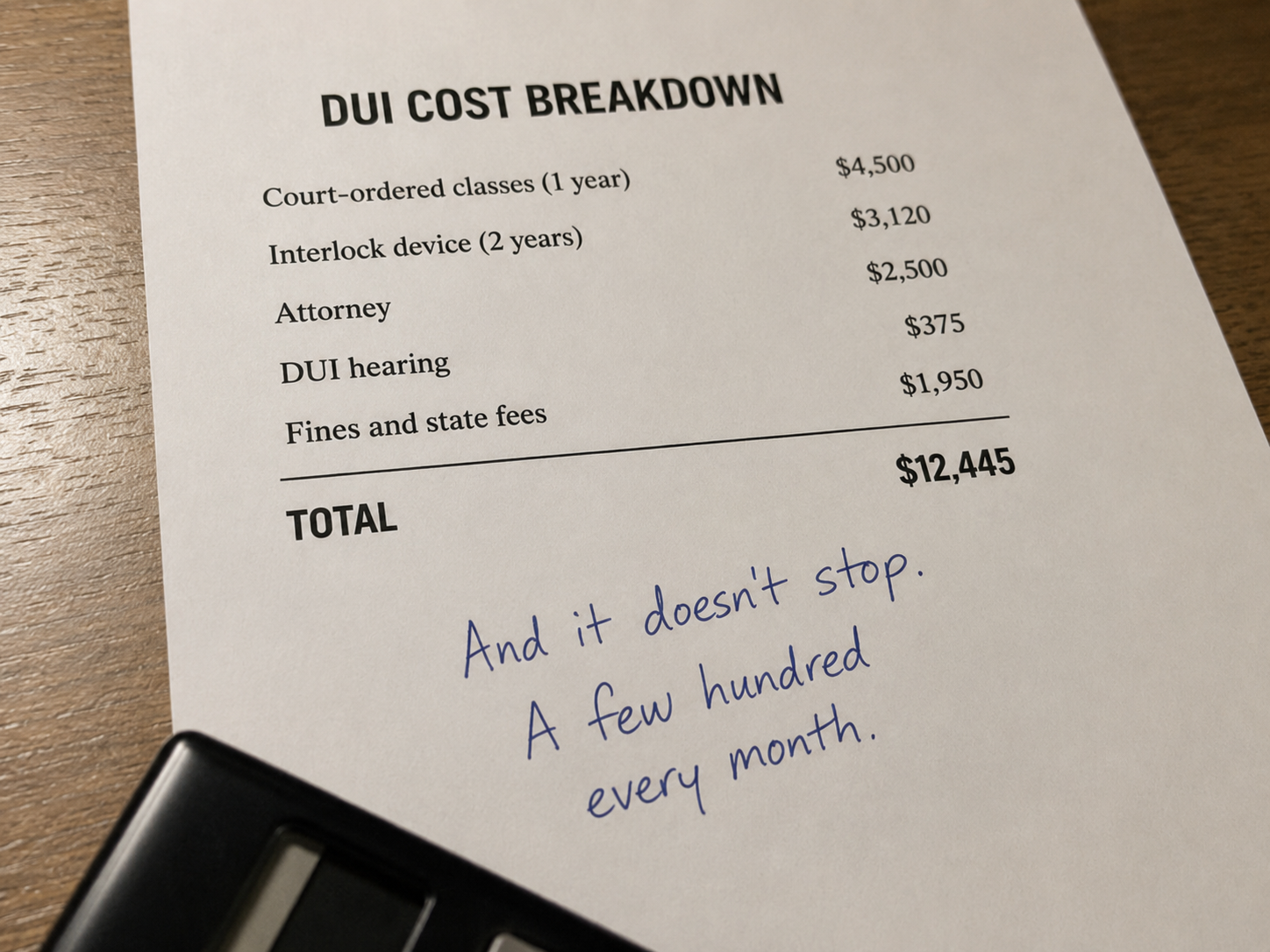
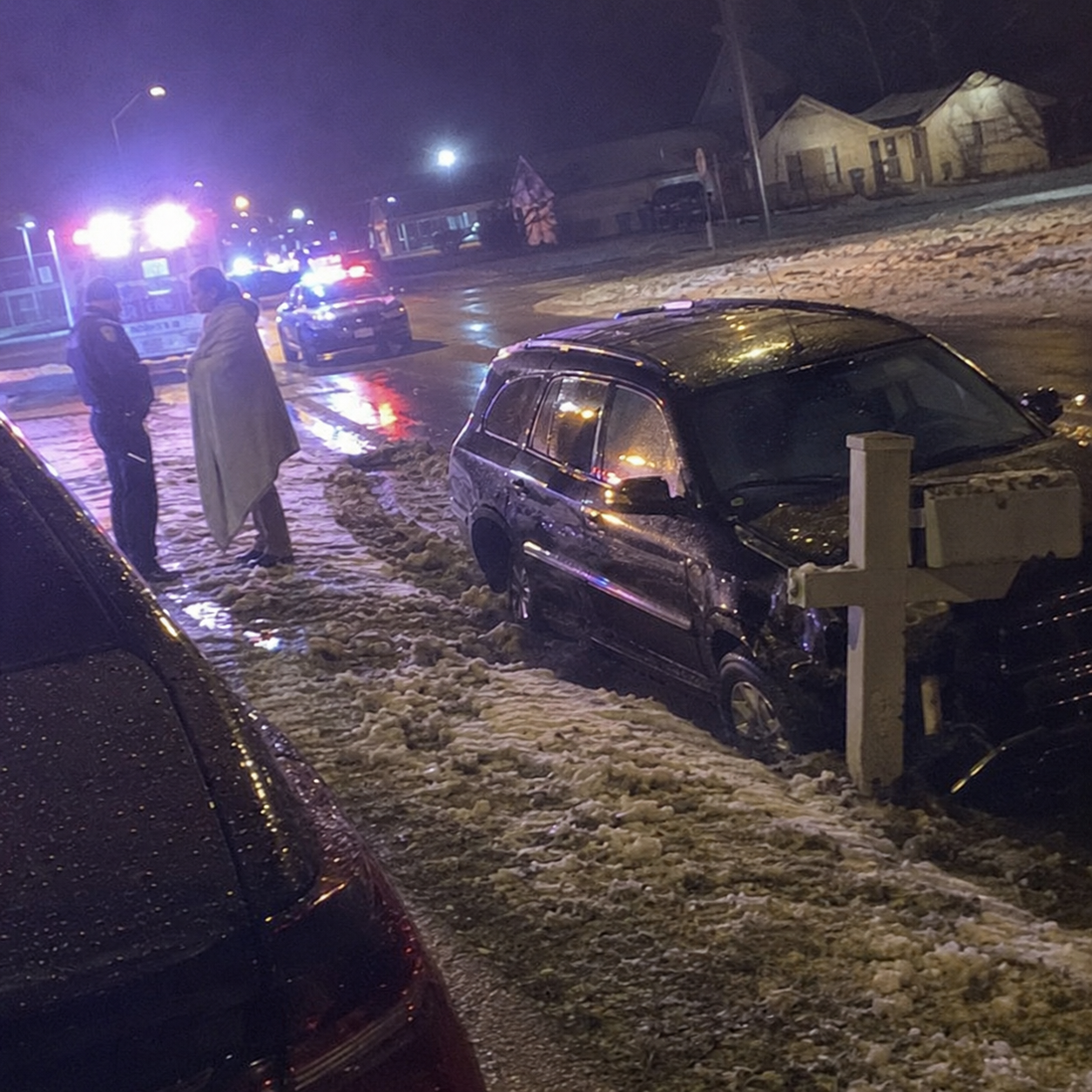
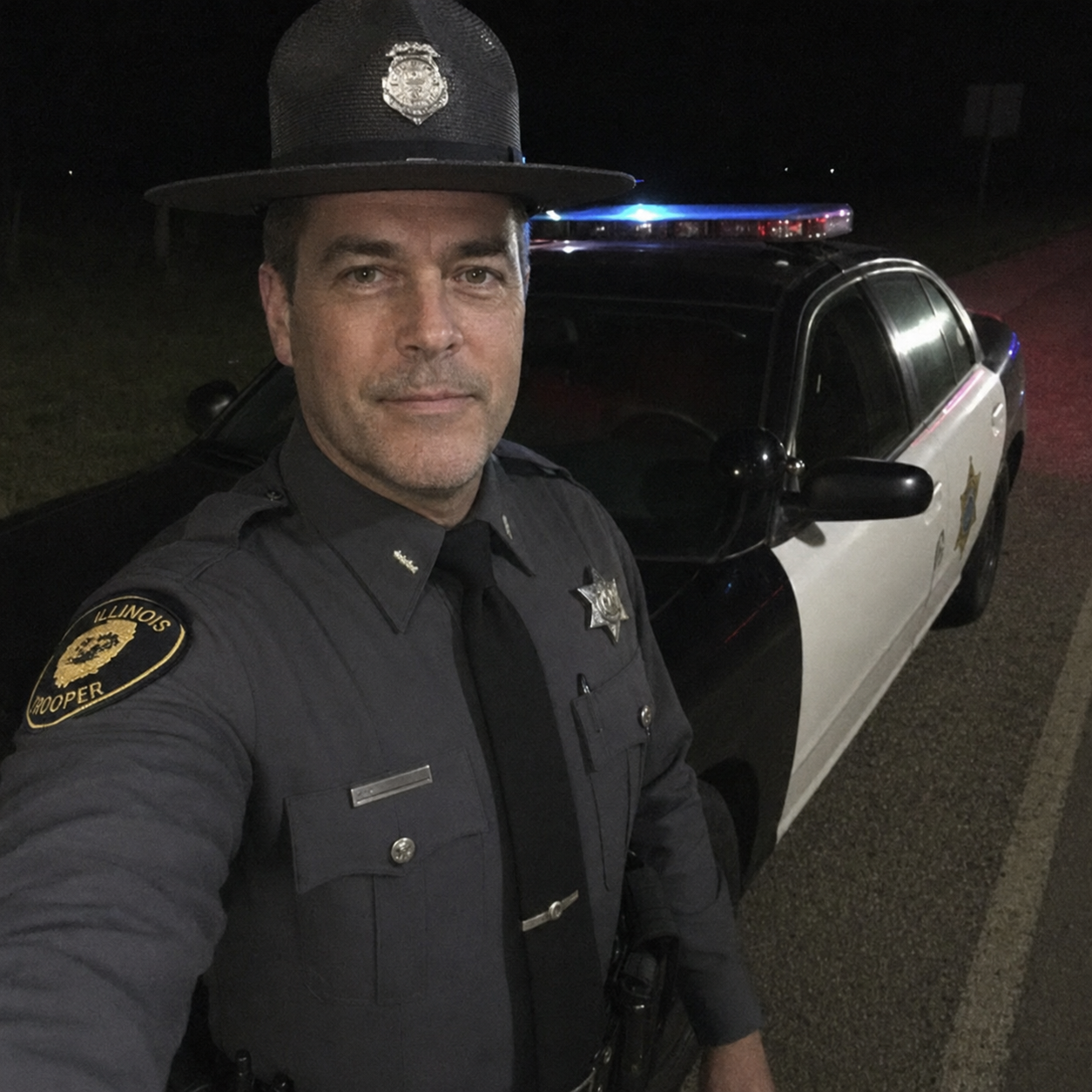
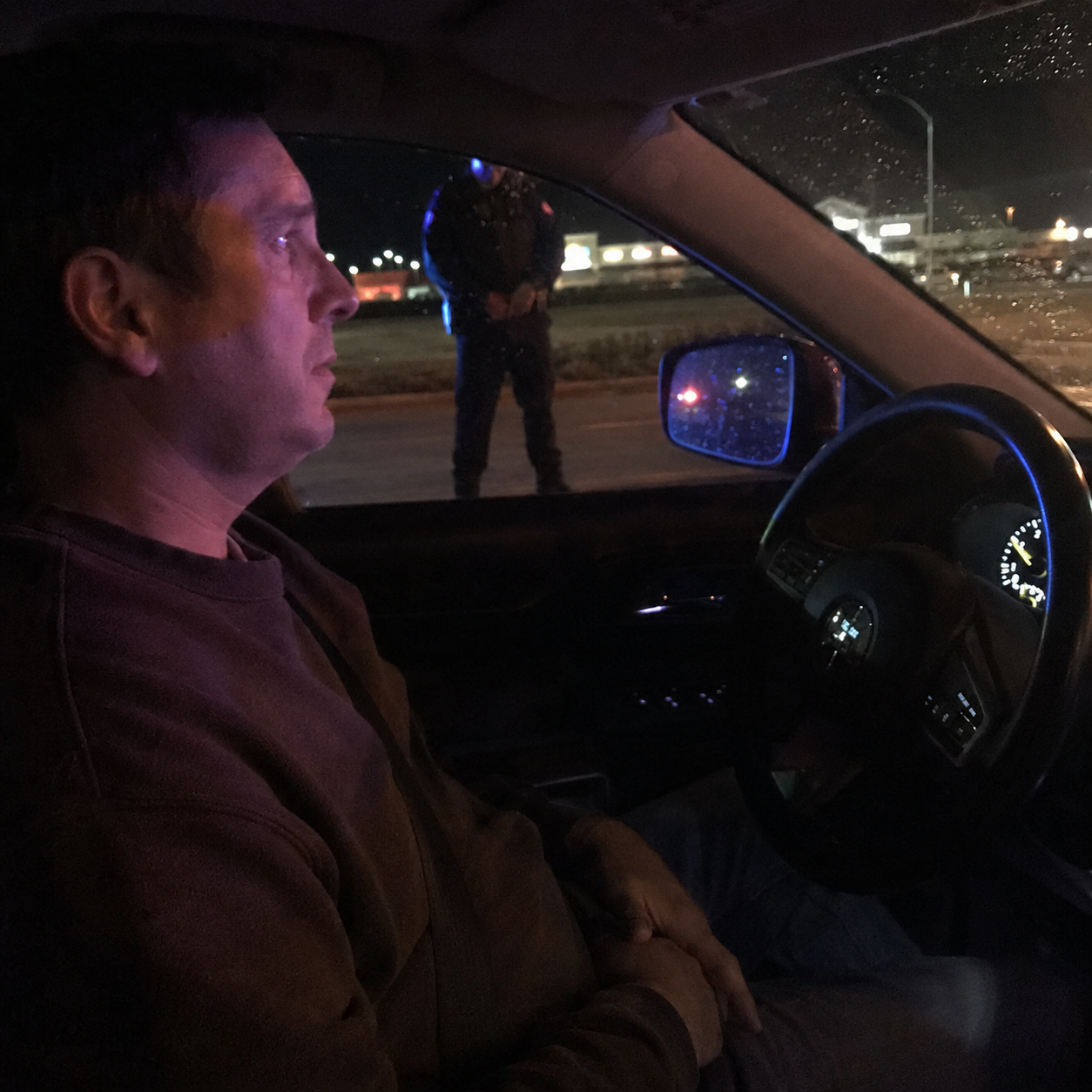
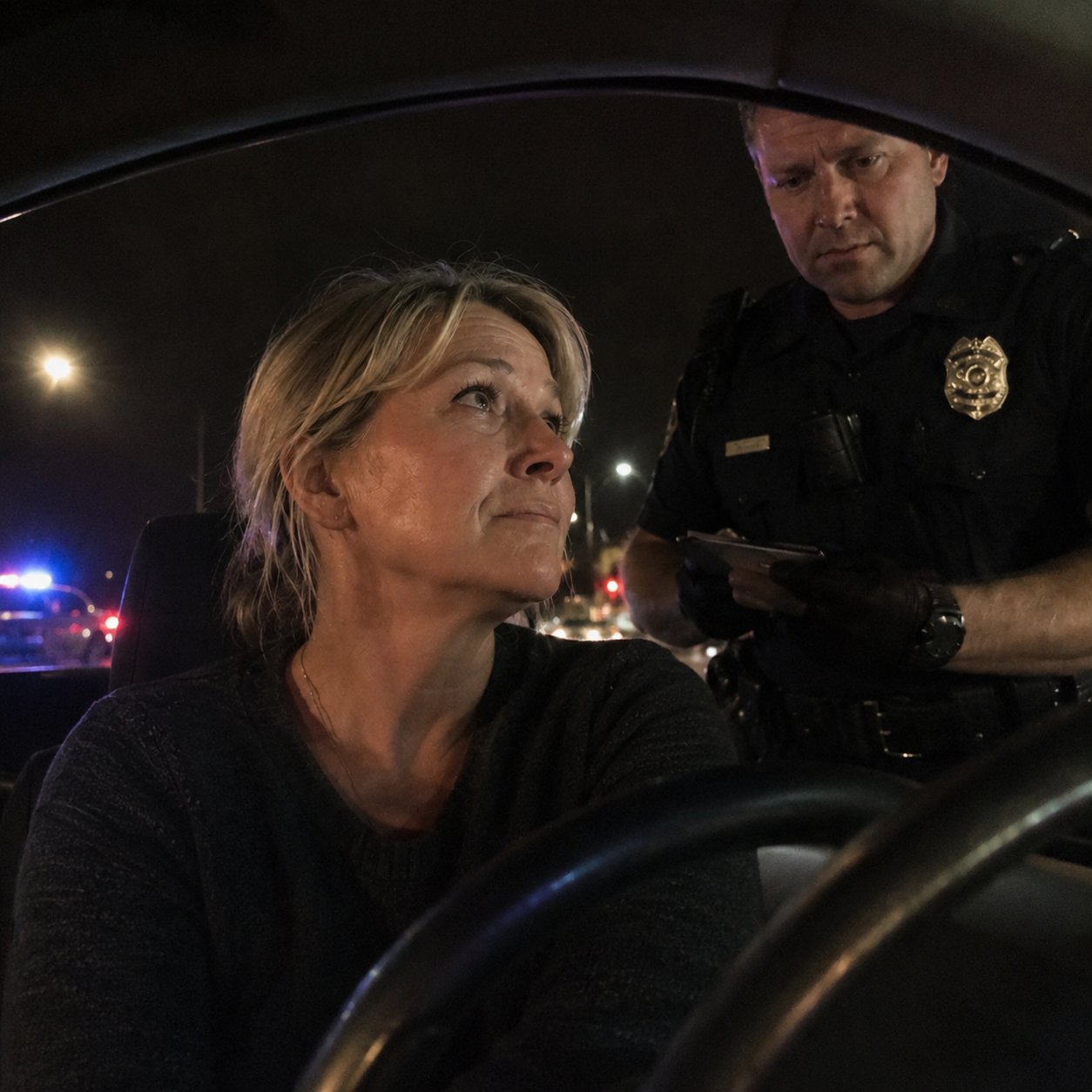
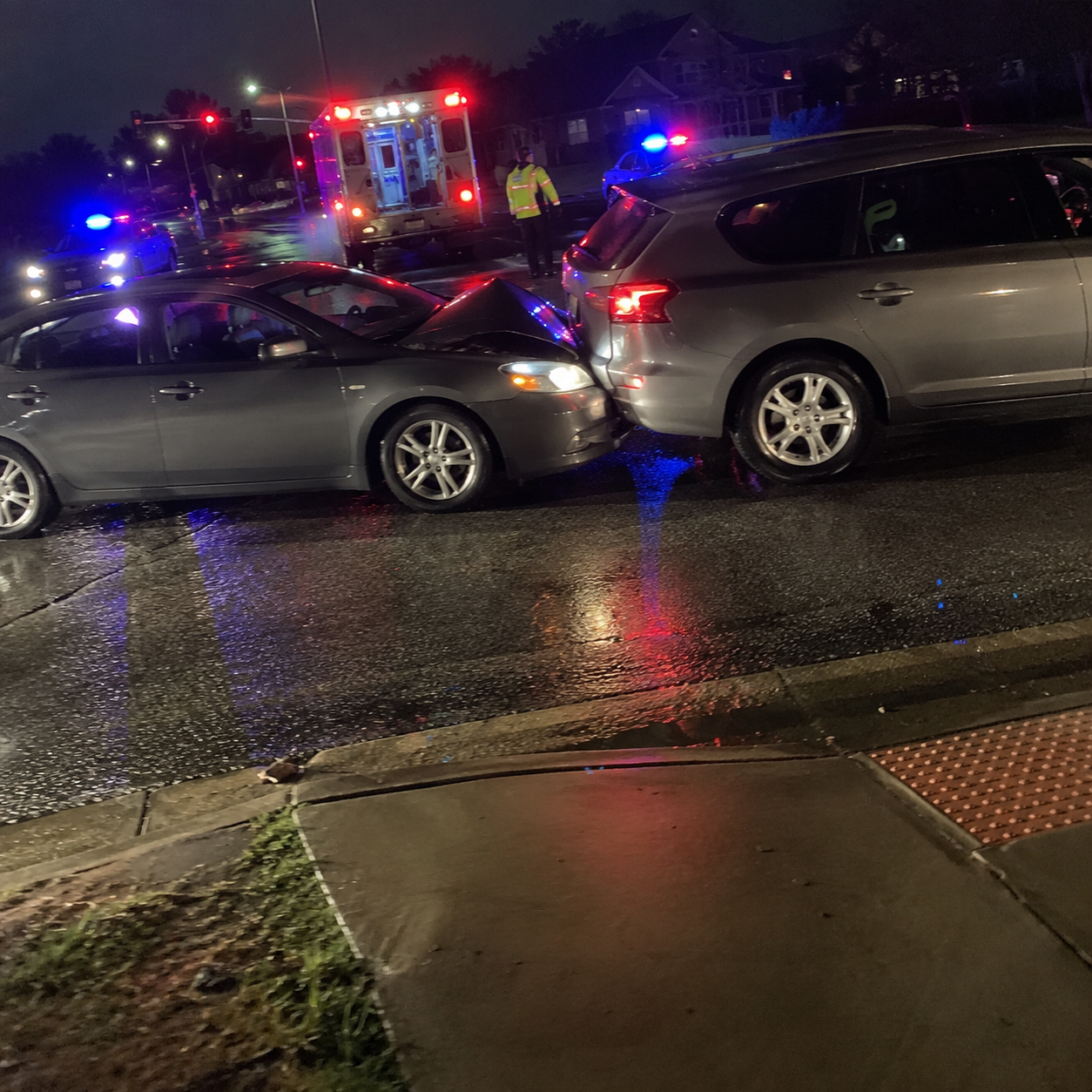
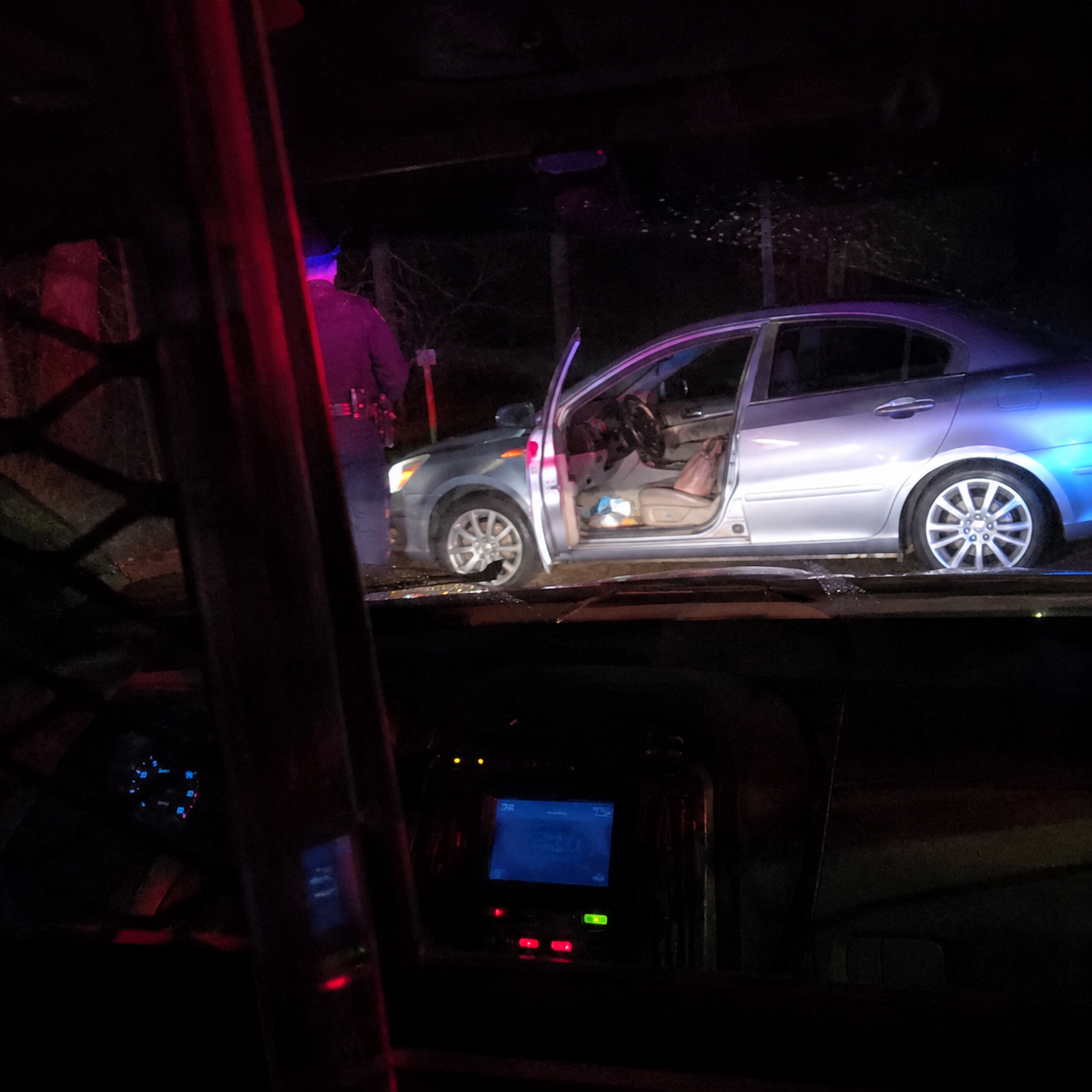
The most expensive sentence anyone says in my office is, “I felt completely fine.” I have defended DUI cases for 19 years. The people sitting across from me are rarely the people you imagine when you hear the words “drunk driver.” The story below combines details from several cases I have handled. Names and identifying facts have been changed. They are teachers. Nurses. Mothers who packed lunches that morning. Fathers who had never been arrested. People who ate dinner, drank water, waited before leaving, and believed they had done everything right. Then they saw a number on a police breathalyzer that did not match the way they felt. One of those clients was a woman I will call Claire. Claire was 51. She had been married for 26 years. She had two adult daughters and a grandson who called her every Sunday morning. She worked in the front office of an elementary school. She had never been arrested. She had never received more than a parking ticket. She was the person friends trusted to drive because she was careful. Claire did not go to bars. She did not drink hard liquor. She had wine with dinner. Usually one glass. Sometimes two. The night everything changed was a Thursday. Her closest friend had invited four women to dinner for her birthday. They had known one another since their children were in middle school. There was pasta. Salad. Birthday cake. The first bottle of wine was opened before dinner. A second was opened later. Claire had two glasses across almost four hours. She ate a full meal. She drank water. She had coffee with the cake. She stopped drinking more than an hour before she left. Nothing about the evening felt dangerous. That is what makes these cases dangerous. The person is not falling over. She is helping carry dishes to the sink. She is checking the time because she has work in the morning. She is texting her husband that she is leaving soon. She is finding her reading glasses at the bottom of her purse. She feels like herself. Claire’s friend asked whether she was okay to drive. Claire laughed. “Of course. I only had two.” Her words were clear. She walked straight. She knew exactly where her car was parked. Every signal Claire could feel told her the same thing. You are fine. She started the car. She pulled onto a road she had driven hundreds of times. For the first ten minutes, nothing happened. That part matters. Most bad decisions do not feel bad while you are making them. The road looks normal. The music is playing. The heater is running. Your hands are on the wheel. You begin to feel even more certain that you were right. Then Claire approached a traffic light near her home. A young mother was stopped in front of her. There was a child in the back seat. Claire saw the light. She saw the car. Her foot moved toward the brake. It moved too late. She hit the back of the car hard enough to push it into the intersection. No one died. The child needed stitches. The mother suffered a neck injury. Claire’s airbag opened. When the police officer reached her window, Claire kept repeating the same thing. “I’m not drunk.” “I had dinner.” “I waited.” “I feel fine.” The officer asked her to step out. Claire believed the test would prove her right. It did not. The roadside reading was above the legal limit. The later evidentiary test was also above the limit. Claire called her husband from the station. He thought it was a scam. He made her repeat where she was three times. When he arrived, he did not know whether to hug her or yell at her. He sat beside me several days later. Claire sat across from me. She looked like every responsible woman who believes a DUI belongs to another kind of person. She had printed the restaurant receipt. She had written down the time of every drink. She brought a list of what she had eaten. She brought the coffee receipt. She brought the text she had sent her husband before leaving. She was trying to find the moment when the evening became reckless. There was no dramatic moment. There was only a woman making a serious decision with no real measurement. Claire believed two glasses meant the same thing every time. They do not. The amount of alcohol in the glass may change. The time between drinks may change. Your weight, food, medication, stress, sleep, hormones, and rate of drinking may change what happens inside your body. Even the same person can respond differently on different nights. Coffee may make you feel more awake. It does not remove alcohol from your blood. Water may help with thirst. It does not turn an impaired driver into a safe driver. Waiting helps only when you wait long enough. Your feelings cannot tell you when that is. Claire’s case cost her more than the car repair. There were legal fees. Court costs. Classes. Insurance increases. Transportation costs after her license was restricted. There were mornings when her husband had to drive her to work before driving himself in the opposite direction. There were calls from relatives who had heard. There was the shame of explaining it to her daughters. The hardest conversation was with the young mother she hit. Claire wrote her a letter. She did not ask for forgiveness. She said she was sorry. She said she had believed feeling normal meant being safe. The woman answered with one sentence. “My son was sitting where your car hit us.” Claire brought that sentence to my office. She had printed it on paper. She placed it on the desk between us. “I keep thinking about what would have happened if I had been going five miles faster,” she said. That is what a near miss does. It leaves you with a life you almost had to live. Claire was not missing concern. She cared about other drivers. She cared about the child in the other car. She cared about her husband and daughters. She was not missing knowledge either. She knew drunk driving was dangerous. She had heard the warnings. She believed those warnings were meant for people who felt drunk. Claire’s real mistake came before she turned the key. She treated a feeling like a test. I had heard versions of her story for years. “I did not feel impaired.” “I only had wine.” “I ate dinner.” “I waited.” “I have driven after two before.” The details change. The sentence does not. I felt fine. Several months after Claire’s case ended, I attended a continuing education seminar with a former state toxicologist. During a break, we talked about the gap between impairment and self-awareness. He said something I wrote down. “Alcohol changes the person who is deciding whether the alcohol changed them.” That is the problem in one sentence. You are asking the affected brain to judge how affected it is. Later, he showed me the small fuel-cell breathalyzer he kept in his own car. It was a Revolis Pro. He was careful about how he described it. He did not call it permission to drive. He did not say a consumer device replaced police testing. He said it gave him another reason not to rely on a feeling. That distinction matters. A breathalyzer cannot promise that you are safe. A low reading does not cancel fatigue, medication, distraction, poor judgment, or local law. Your BAC may still be rising. Technique and calibration matter. The safest choice after drinking is to avoid driving. The value of testing is not that a screen tells you to go. It is that a number may tell you to stop when your feelings do not. I ordered one for my office. Then I ordered another for my car. I began showing it to clients when they told me they had trusted how they felt. Claire bought one after finishing her case. She keeps it in the drawer beside her keys. Her husband uses it too. Her daughters use it when they visit. They have a simple family rule now. No one uses the result as a reason to drive after drinking. They use it as one more chance to decide not to. One evening, Claire tested after a dinner that felt almost identical to the night of her arrest. Two glasses. A full meal. Water. More than an hour since the last drink. She told me she expected the screen to confirm what she felt. The number was higher than she expected. She ordered a ride. Nothing dramatic happened. There was no crash. No police officer. No call from a station. No child in another car. That quiet ending is the entire point. Good prevention stories are boring. Someone checks. Someone changes the plan. Someone gets home another way. No one knows what was avoided. Several of my former clients now keep a fuel-cell breathalyzer near their keys. One keeps hers in her purse. One leaves it at the lake house where friends gather on weekends. A father bought three after his son was arrested. One went into each family car. They still understand the safest answer after drinking is not to drive. The device is not there to help them get closer to the limit. It is there to interrupt the sentence, “I think I’m fine.” Cheap breathalyzers often use semiconductor sensors. Fuel-cell sensors are generally more selective for alcohol and are the sensor class commonly used in professional breath-testing devices. That does not make a personal unit identical to police equipment. It does not make the result legal evidence. It does make sensor choice important when the number may affect a serious decision. I have watched people spend thousands of dollars trying to repair one decision. They ask whether the charge can be reduced. They ask when they can drive again. They ask what will happen to their insurance. They ask whether their employer will find out. Almost every one of them eventually asks a quieter question. “How did I not know?” The answer is uncomfortable. You were waiting to feel drunk. You may be impaired before that feeling arrives. You may be over a legal limit while still holding a normal conversation. You may feel confident because alcohol can weaken the judgment you are using to judge yourself. Your past safe trips do not prove your next trip is safe. They only prove you arrived those times. Claire did not become a bad person when she left dinner. She made a bad decision using bad information. The woman in front of her paid part of the price. Her child paid part of the price. Claire’s family paid part of it. Claire will continue paying in ways no court document can list. The device the toxicologist showed me was the Revolis Pro Breathalyzer. It uses a fuel-cell sensor and gives you a visible reading in seconds. It is the device Claire keeps beside her keys now. It is the device I wish more people saw before they reached my office. Do not use it to ask, “How close can I get?” Use it to interrupt the guess. Use the number as one more reason to wait, hand over the keys, call someone, or order a ride. Because the most dangerous part of “I feel fine” is how true it feels when you say it. Put a number between the drink and the key before the police do: https://tryrevolis.store/products/revolis-pro-breathalyzer
The Cops Use This Get Yours Here
Revolis Pro is a portable breathalyzer that shows your estimated BAC on a clear digital screen in seconds. Use it after dinners, parties, weddings, holidays, camping trips, or any night where alcohol and driving decisions might overlap. No guessing.No counting drinks.No trusting how you feel. Just a...
SHOP NOWLike this ad? Make it yours.
Crush rebuilds this exact creative around your product — your brand, your colors, your offer — in about a minute.