
Active· since Aug 3, 2026
- 48
- days running
- 2
- relaunches
Ad copy
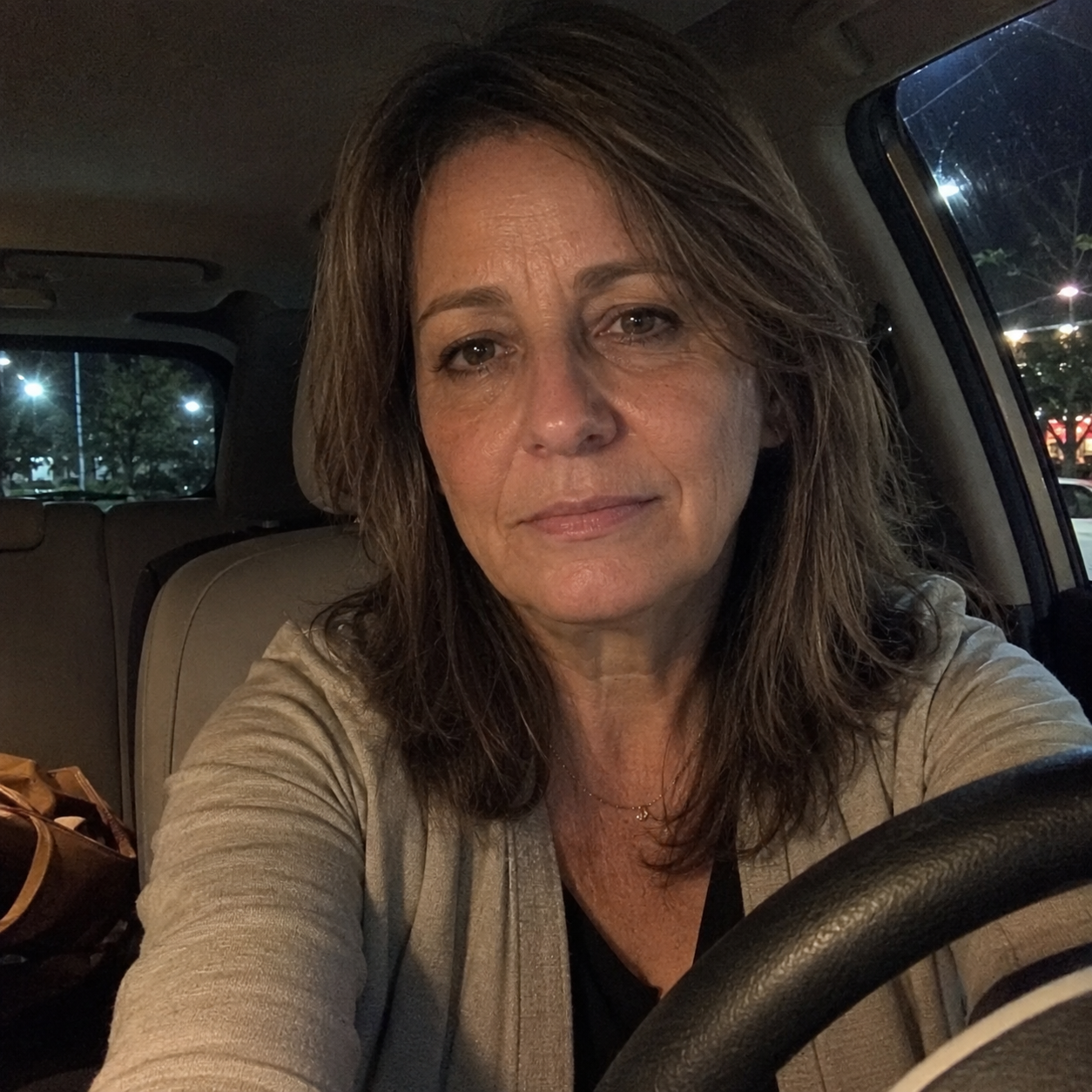
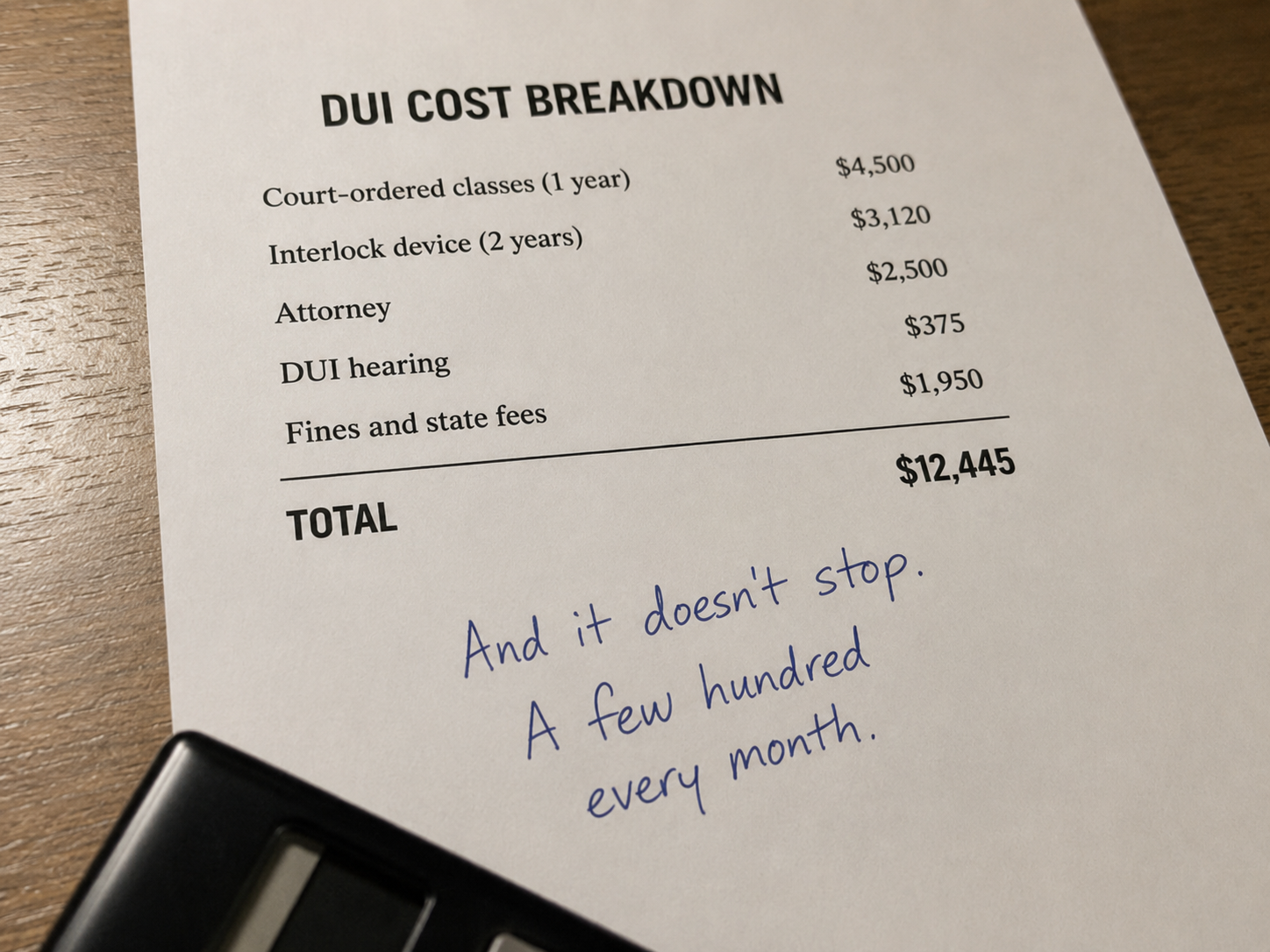
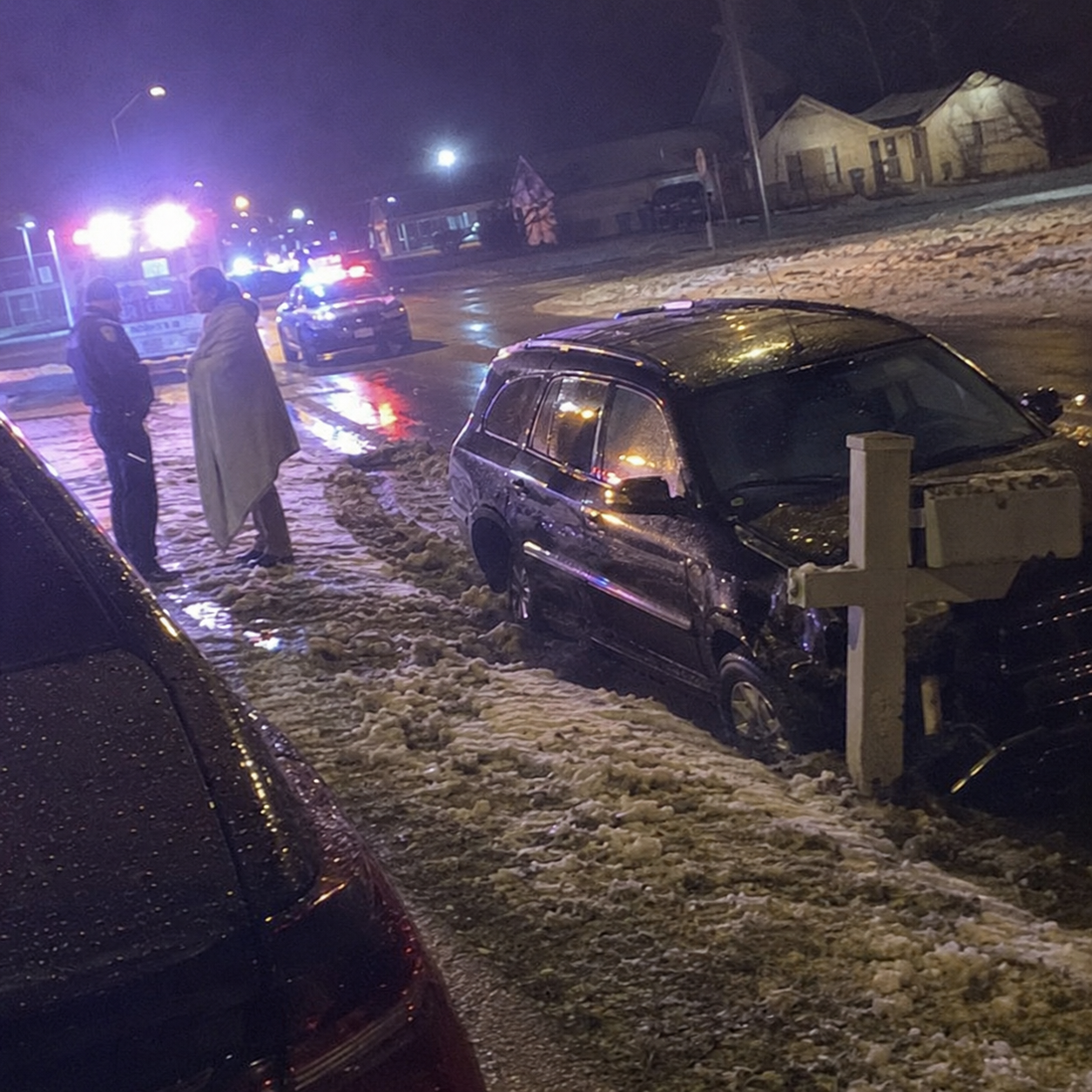
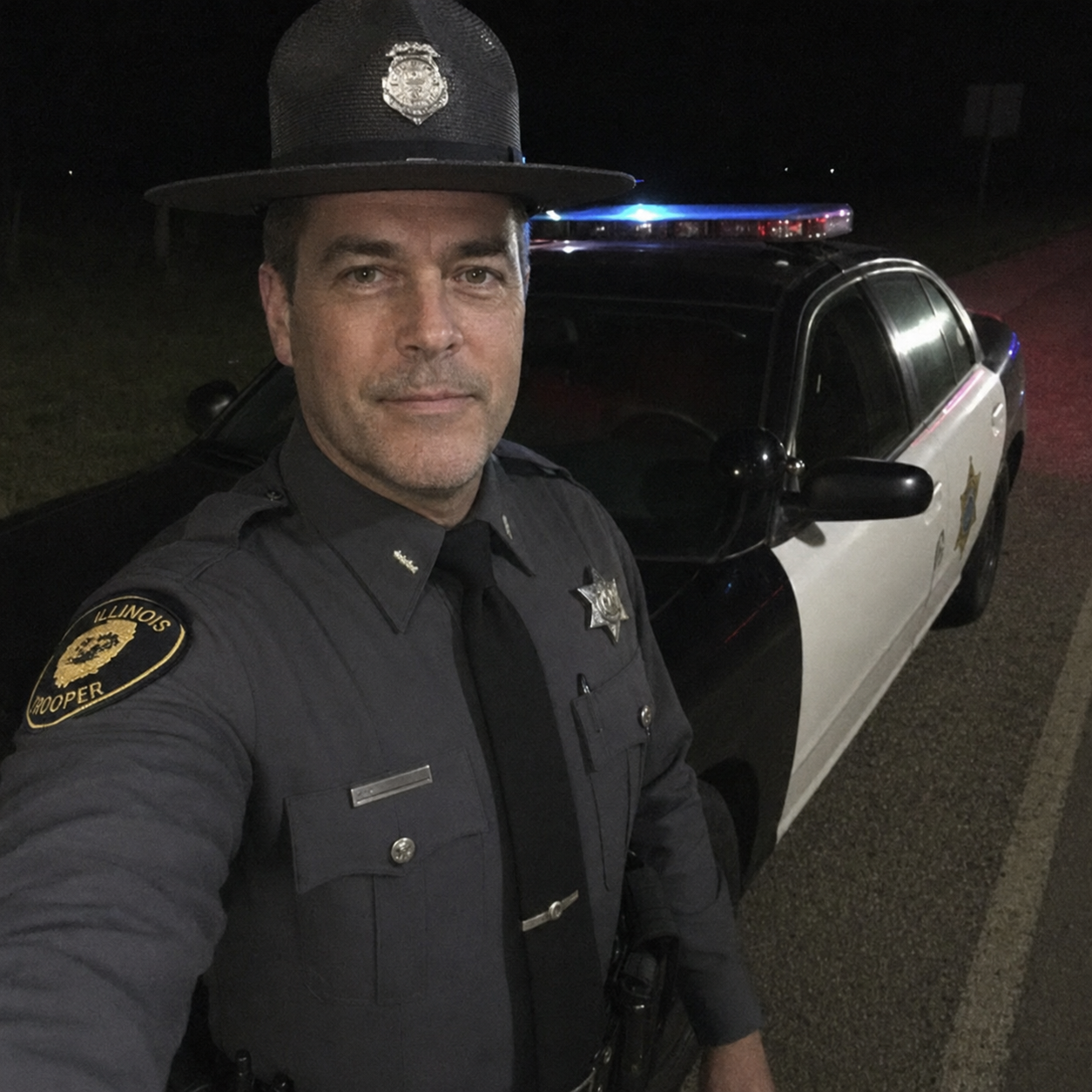
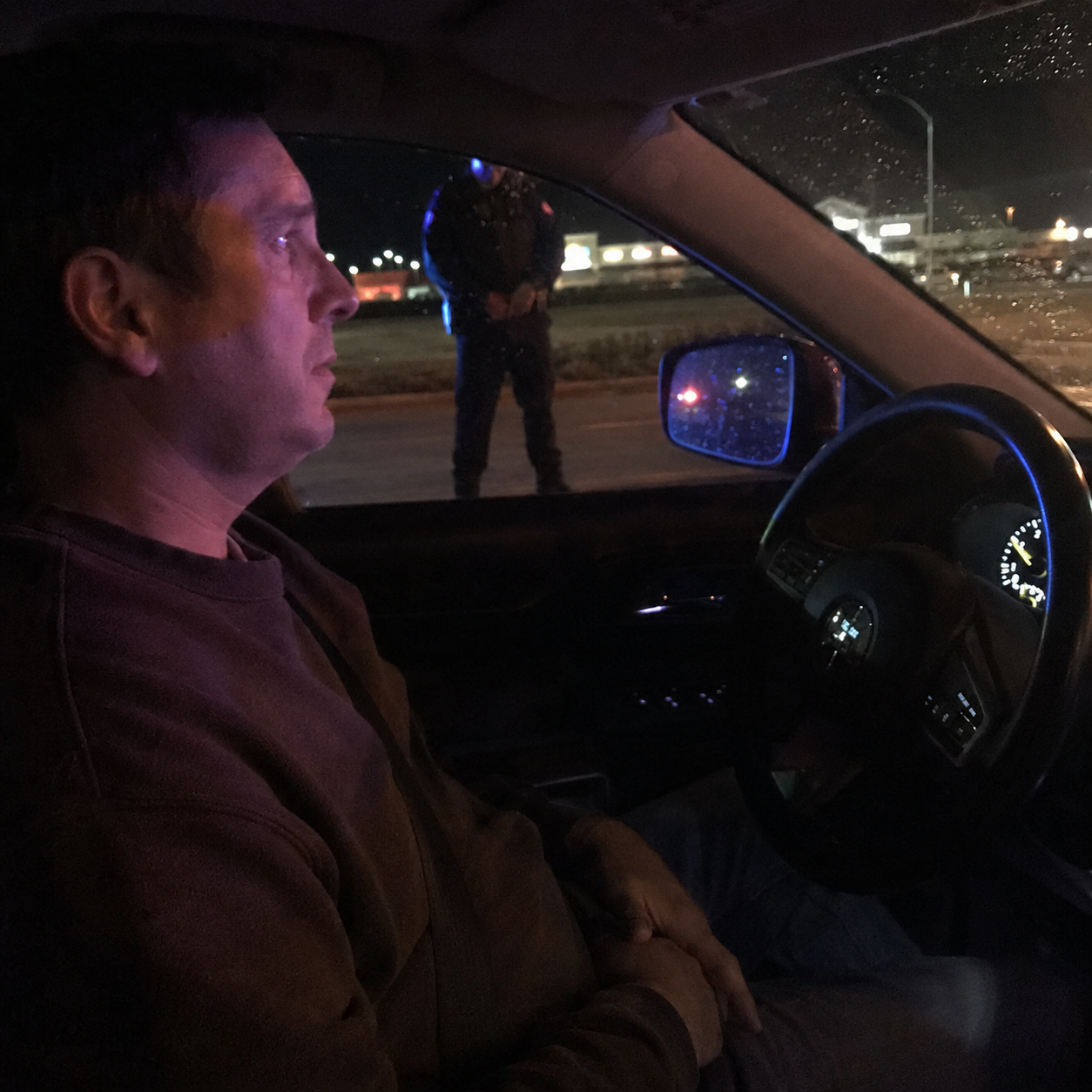
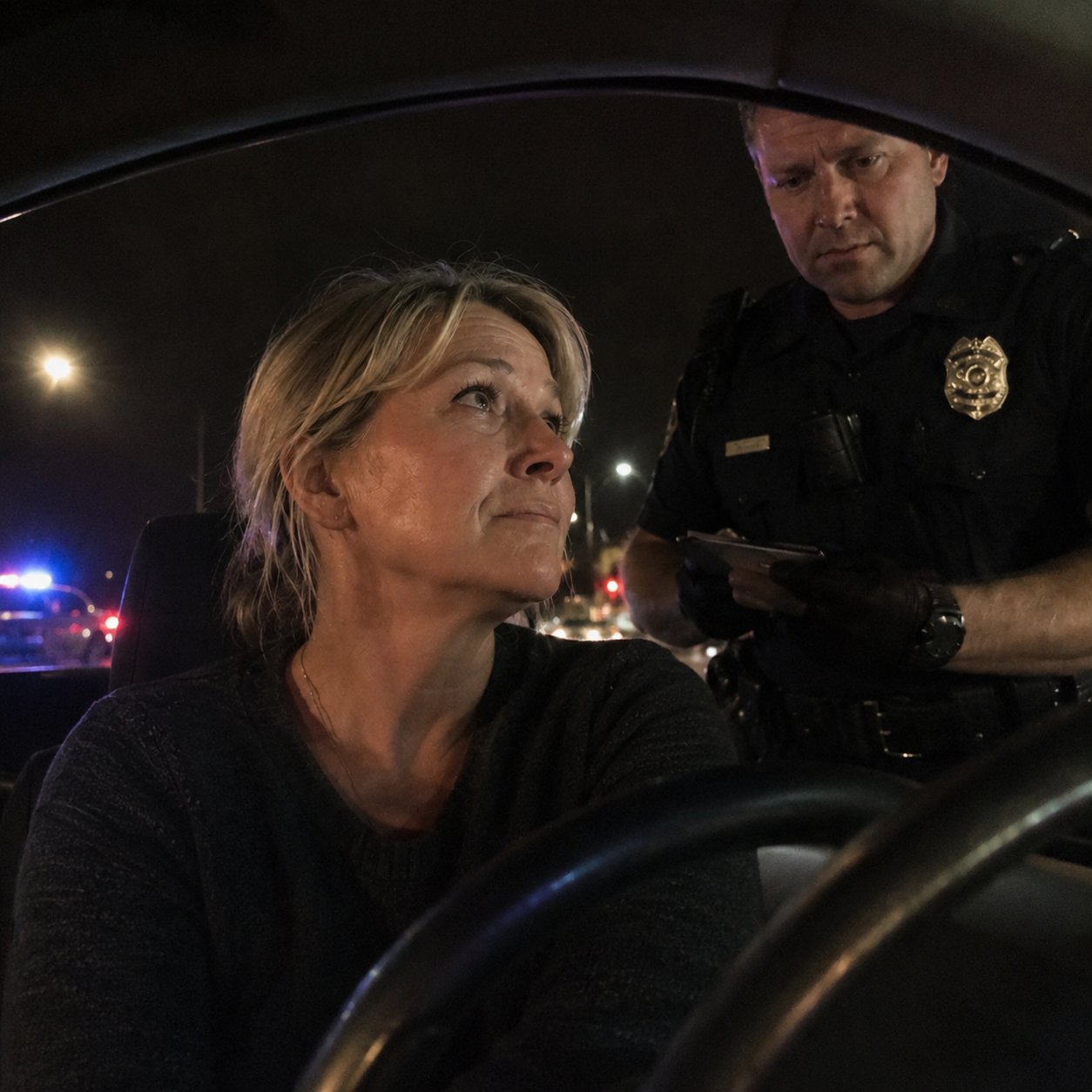
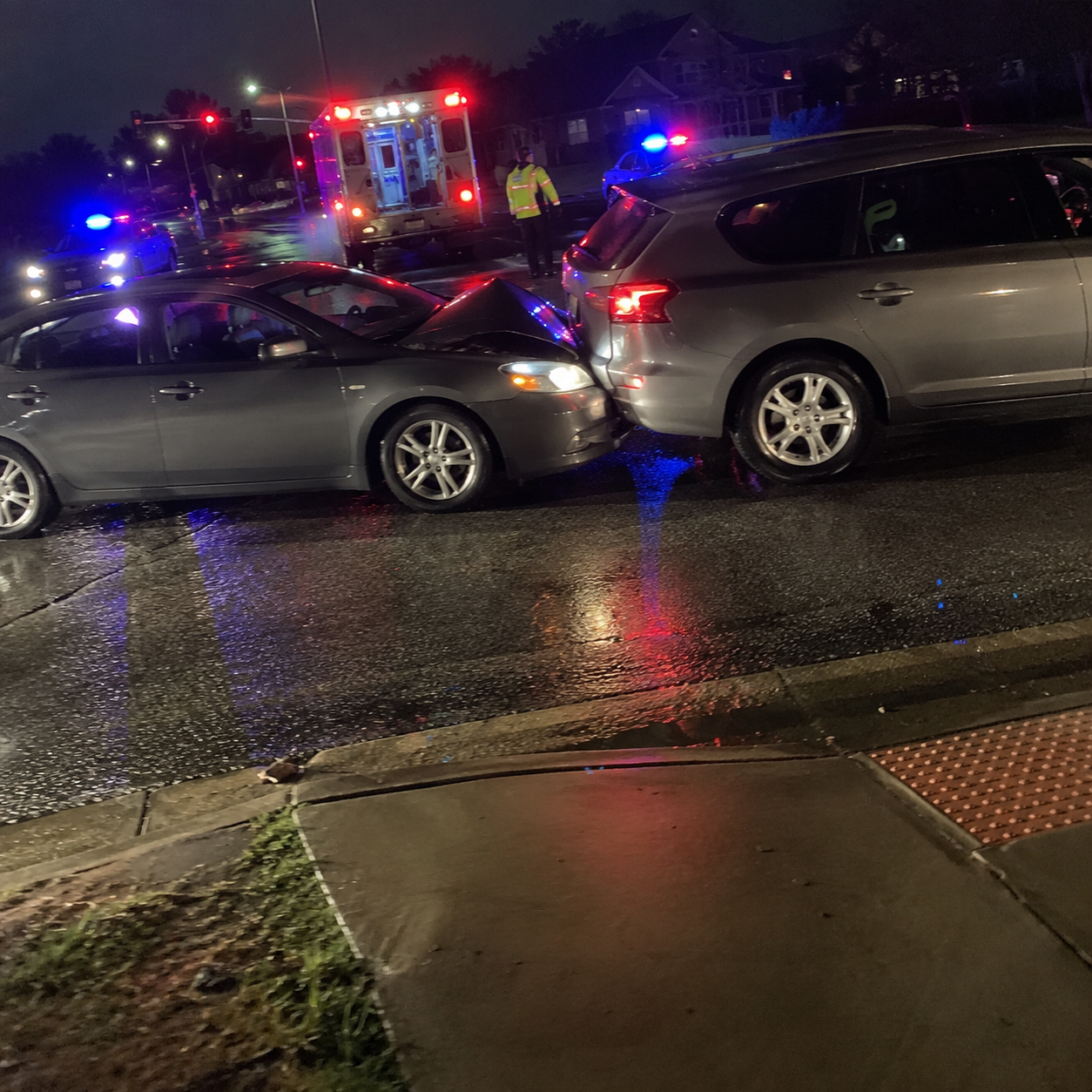
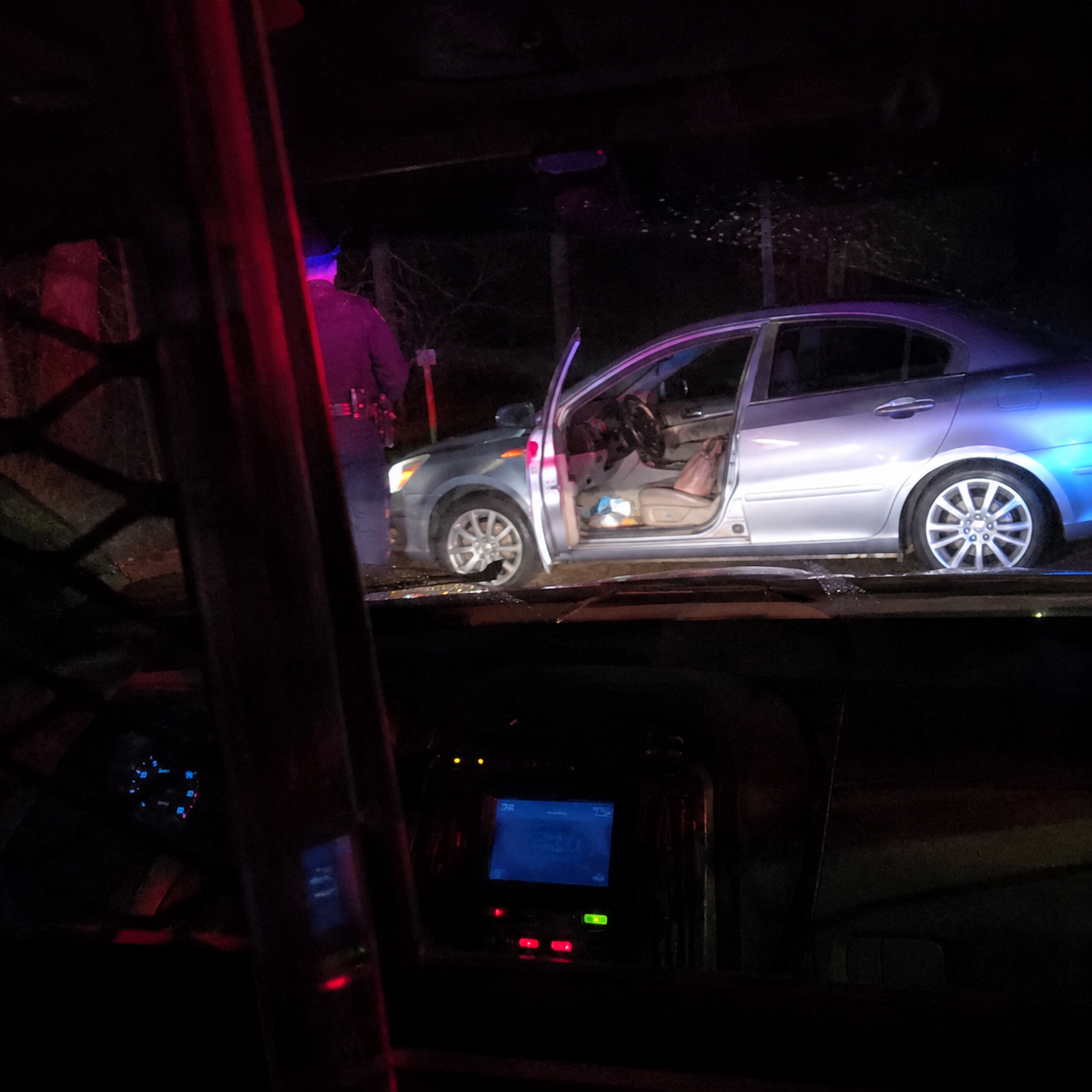
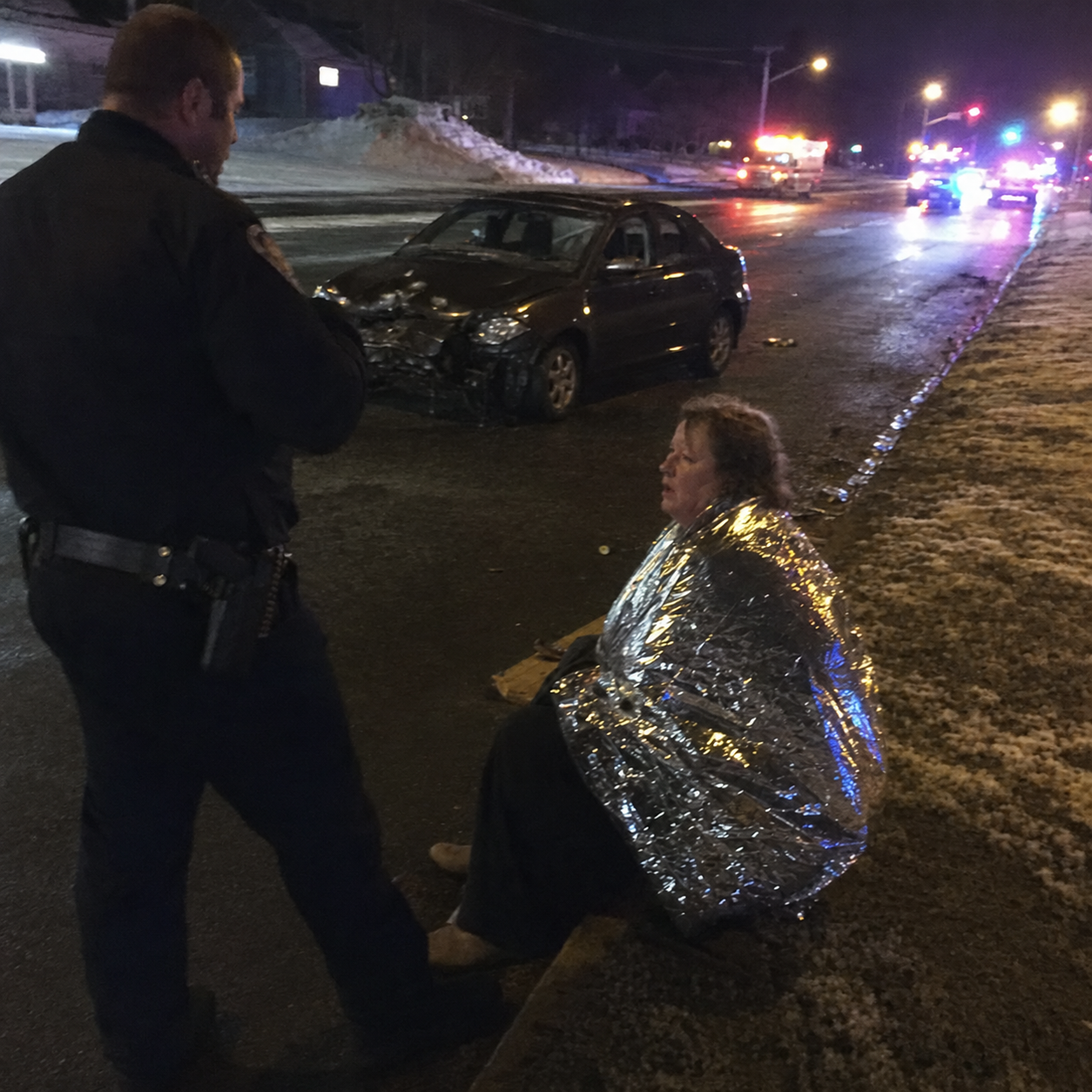
My sister had a normal night out with friends. At 1:00 in the morning, she called me screaming, “I hit someone on a bike.” A few seconds later she said four words I still hear in my head. “He won’t wake up.” I was asleep when she called. At first I thought she was hurt. She was crying so hard I could barely understand her. I could hear cars going past. I could hear a man nearby telling her to sit down. I kept saying her name. I kept asking where she was. Then she told me again that she had hit someone. You do not know what to say when someone you love tells you something like that. There is no part of your brain ready for it. The man was named James. My sister was 26. It was December in Michigan. And a night that looked completely normal a few hours earlier was suddenly the night every person in two families would remember forever. I will not use my sister’s name. She has spent years living with what happened. Our family has too. I am telling you about it because I am a mother now. I have teenagers. And once your children get close to driving age, you start looking back at things you thought you already understood. Before that night, I thought drunk driving looked like drunk driving. You know what I mean. Someone has obviously had too much. They are slurring. They are stumbling. Their friends know they should not drive. Maybe they are being loud. Maybe they are making bad choices all night. Then they get behind the wheel anyway. That was the picture I had. It is a useful picture because it lets you divide people into two groups. Them. And your family. Your child would never do that. Your spouse would never do that. You would never do that. My sister would never do that. Until she did. What actually happened was much less dramatic. She went out after work. She had a couple drinks. She ate. She stayed for a while. She did not look drunk. She did not sound drunk. She did not think she was drunk. She felt fine. If you remember only one thing from what I am writing, remember that. She felt fine. Her BAC came back at .09. Just over the legal limit. Not some number that makes people gasp. Not a level people picture when they imagine someone falling over drunk. .09. And afterward, that number became something people tried to explain away. She was barely over. She was probably okay to walk. It used to be legal. She was not wasted. I understand why people said those things. They were trying to make sense of something that did not make sense. But “barely over” did not make James less dead. It did not make my sister less responsible. It did not make the phone call easier. It did not make what I had to tell my parents any less true. I drove to their house in the middle of the night. I still remember the walk to their bedroom. It felt too long. My dad opened the door. My mom was right behind him. Her robe was half tied. They both looked at me and knew something had happened. I told them my sister was in an accident. My mom immediately asked if she was okay. I said she was alive. Then my dad asked about the other person. That was the moment I could not get through. I looked at the floor. My mom saw my face. She said “no” before I answered. My father put his hand against the wall. His knees looked like they had stopped working. If you have never watched your parents understand that one of their children has killed somebody, I hope you never do. People talk about DUIs like the punishment is court. A fine. A lawyer. Losing your license. Jail. Those things came later. Our punishment started in a quiet hallway while two parents were still half asleep. Then came the paperwork. Police reports. Meetings. Lawyers. Court dates. Money. More phone calls. People saying things they thought would help. Maybe James was hard to see. Maybe it was the weather. Maybe because he had been drinking too, your sister was not completely to blame. None of those sentences could change the one fact that mattered. James was dead. My sister had been driving. When I saw her after the arrest, she could barely stop crying. She told me she wished she had been the one who died. Then she said she understood why they take shoelaces away from you in jail. There are sentences that sound dramatic until someone you love says them. Then they stop sounding dramatic. She meant it. She could not imagine how she was supposed to live knowing somebody else could not because of her. She was sentenced to three years. She served a little over nine months for good behavior. People have different opinions about that. Some think it was too short. Some think ruining another life would not have fixed what happened anyway. I do not know what answer makes everyone happy. I only know she came home. James did not. Years later, my sister went back to school. She earned her master’s degree. She started speaking to teenagers about drinking and driving. She stood in front of kids and told them things most people spend their whole lives trying to hide. She told them about James. She told them about jail. She told them she was not a monster. And then she told them that was exactly why her story mattered. That sentence changed the way I thought about all of this. Because monsters are easy to avoid. Normal people are harder. Normal people make dinner plans. Normal people meet friends after work. Normal people have two drinks. Normal people eat. Normal people wait. Normal people look at the clock and decide enough time has probably passed. Normal people say, “I feel fine.” Some of James’s family eventually forgave my sister. I watched them speak together once at our church. My sister could barely lift her head. James’s family talked about forgiveness and grace. I sat toward the back because I could not sit any closer. Forgiveness did not erase anything. It did not make the crash less real. It did not bring him home. It did not give his family back the years they should have had with him. It did not erase my sister’s guilt. It did not erase my parents’ grief. But it taught me that life can keep moving after something terrible without ever becoming what it was before. That is why I get angry when people say, “If someone needs a breathalyzer, they should not be driving anyway.” I understand what they mean. I used to think almost the same way. The problem is that the person who truly should not drive may be the person who feels perfectly normal. That is what happened to us. It was not the person who knew they were drunk. It was the person who thought they were okay. It happens to the daughter who says she had two. The husband who says dinner helped. The son who says he stopped drinking an hour ago. The friend who says home is only a few miles away. The person who has driven home after the same dinner twenty times before. Nothing bad happened those times. So your brain turns past luck into proof. Until one night it is not proof anymore. My sister was not the type until she was. Now I have teenagers. One is getting close to driving. And when I picture their future, I do not picture them as reckless kids. I picture them exactly the way my parents pictured my sister. Smart. Normal. Responsible. Loved. That does not protect them from making one bad judgment. I still tell them to call me. I still tell them I will pick them up at any hour. I still tell them never to get into a car with somebody who has been drinking. Those talks matter. But I no longer believe good intentions are enough. My sister had good intentions. She did not plan to hurt anyone. She did not think she was taking a serious risk. That is what makes this so hard. She needed a number. Something outside her own opinion. Something she could look at before she put her hand on the key. Something that did not care if she felt steady. Something that did not care how much food she ate. Something that did not rely on drink counting. Something that could interrupt one bad guess. She needed the truth early enough to use it. Not after a crash. Not from a police officer. Not in a report. Before. That is why I bought the revolis pro. I had been reading another parent’s story about his son and ordered two. One stays in my car. The other is for my oldest. I will have one ready for my youngest too. If they think that makes me overprotective, fine. If they think it is embarrassing, fine. If their friends think I am the mother who worries too much, I can live with that. There are worse labels. I know because I have heard them in courtrooms. The revolis pro is simple. You turn it on, wait until it is ready, blow into the mouthpiece, and it gives you a BAC reading. The whole reason I wanted it was because there is nothing to argue with. You are not asking someone, “Do you think you are okay?” You are not watching them walk in a straight line. You are not counting drinks from three hours ago. You are looking at a number before the decision. I read what other people said about keeping one around too. One person said theirs lives in the glove compartment and gets used whenever alcohol is involved. Another said they use theirs when camping because even the next morning can be hard to judge. A defense attorney wrote that he sees what DUI cases do to people and believes prevention matters more than anything after the fact. That last one stayed with me. After the fact. That is where all our worst memories live. After the fact, James was dead. After the fact, my sister knew her BAC. After the fact, we knew what she should have done. After the fact, every choice became obvious. Before the fact, she had options. Wait longer. Call somebody. Get a ride. Give someone the keys. Stay where she was. Leave the car. All of those choices were still available. She just did not think she needed them. That is what a number changes. It can make you stop arguing with yourself. If you see something you do not like, you wait. You do not have to feel drunk. You do not have to agree with the number emotionally. You just have more information than you had five seconds earlier. And when the cost of being wrong is this high, I want my children to have more information. Not more confidence. Because confidence is what scares me now. “I know myself.” “I only had two.” “I ate.” “I waited.” “I feel fine.” Those sentences sound responsible. Until they are wrong. Feeling fine is not a number. My sister felt fine. James never went home. That truth sits underneath every decision I make for my children now. I cannot keep them home forever. I cannot stop them from growing up. I cannot make every decision for them. I cannot promise they will never drink. What I can do is give them one more way to stop before a decision becomes permanent. If you have a son, daughter, husband, wife, sister, brother, grandson, granddaughter, or friend who ever drinks socially and sometimes drives, please do not make the mistake of thinking this message is only for “those people.” That was us. We were the family who thought we were different. Then my phone rang. I bought the revolis pro because I never want my children to learn their real number after somebody has already been hurt. I never want them sitting beside a road trying to explain what happened. I never want another person’s name to become part of every holiday in our family. One bad guess was enough. If you can replace that guess with a number before the keys turn, I think you should. I got mine here: https://tryrevolis.store/products/revolis-pro-breathalyzer
Protect Yourself Before You Drive
Revolis Pro is a portable breathalyzer that shows your estimated BAC on a clear digital screen in seconds. Use it after dinners, parties, weddings, holidays, camping trips, or any night where alcohol and driving decisions might overlap. No guessing.No counting drinks.No trusting how you feel. Just a...
SHOP NOWLike this ad? Make it yours.
Crush rebuilds this exact creative around your product — your brand, your colors, your offer — in about a minute.