
Inactive· since Jul 2, 2026
- 12
- days it ran
- 0
- relaunches
Ad copy
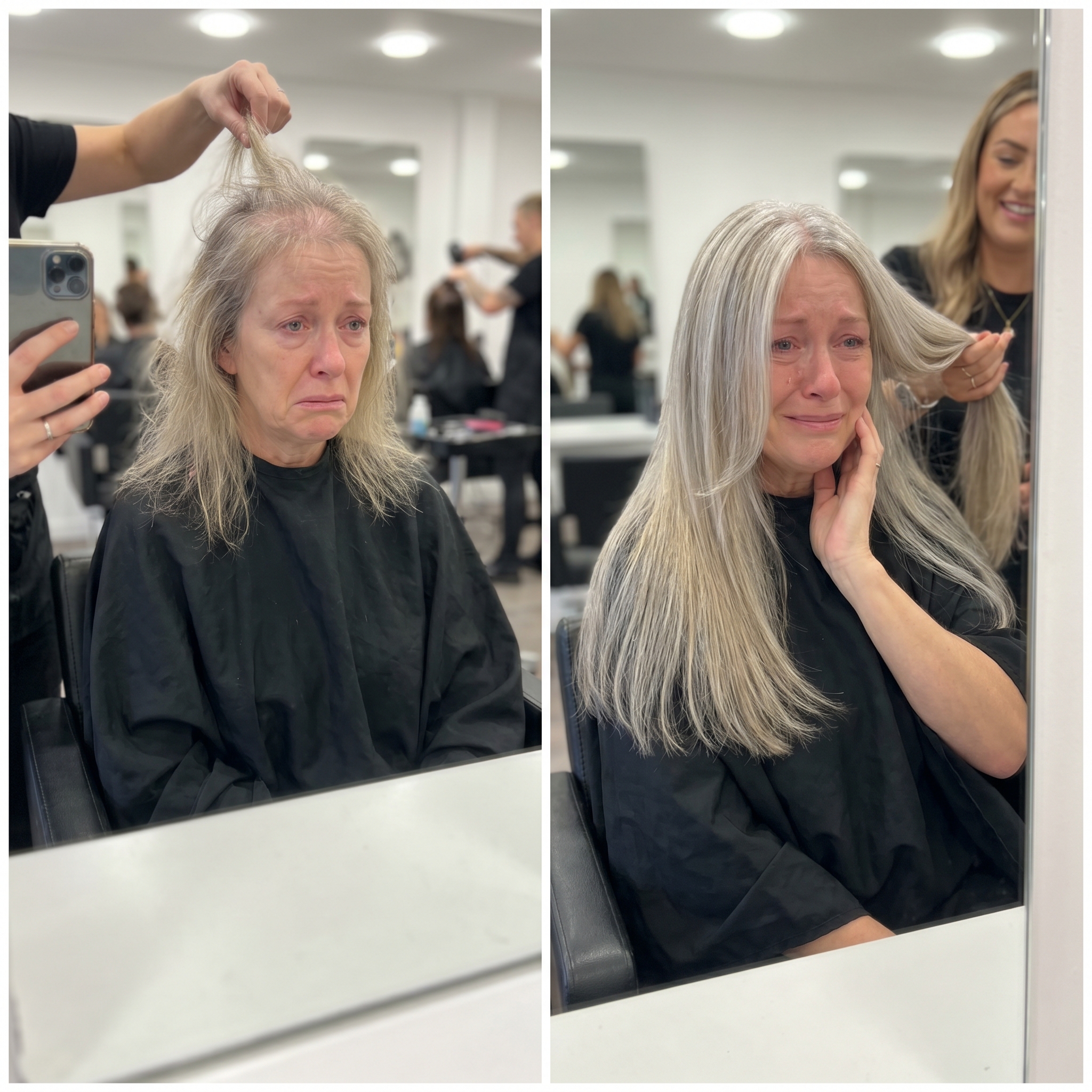
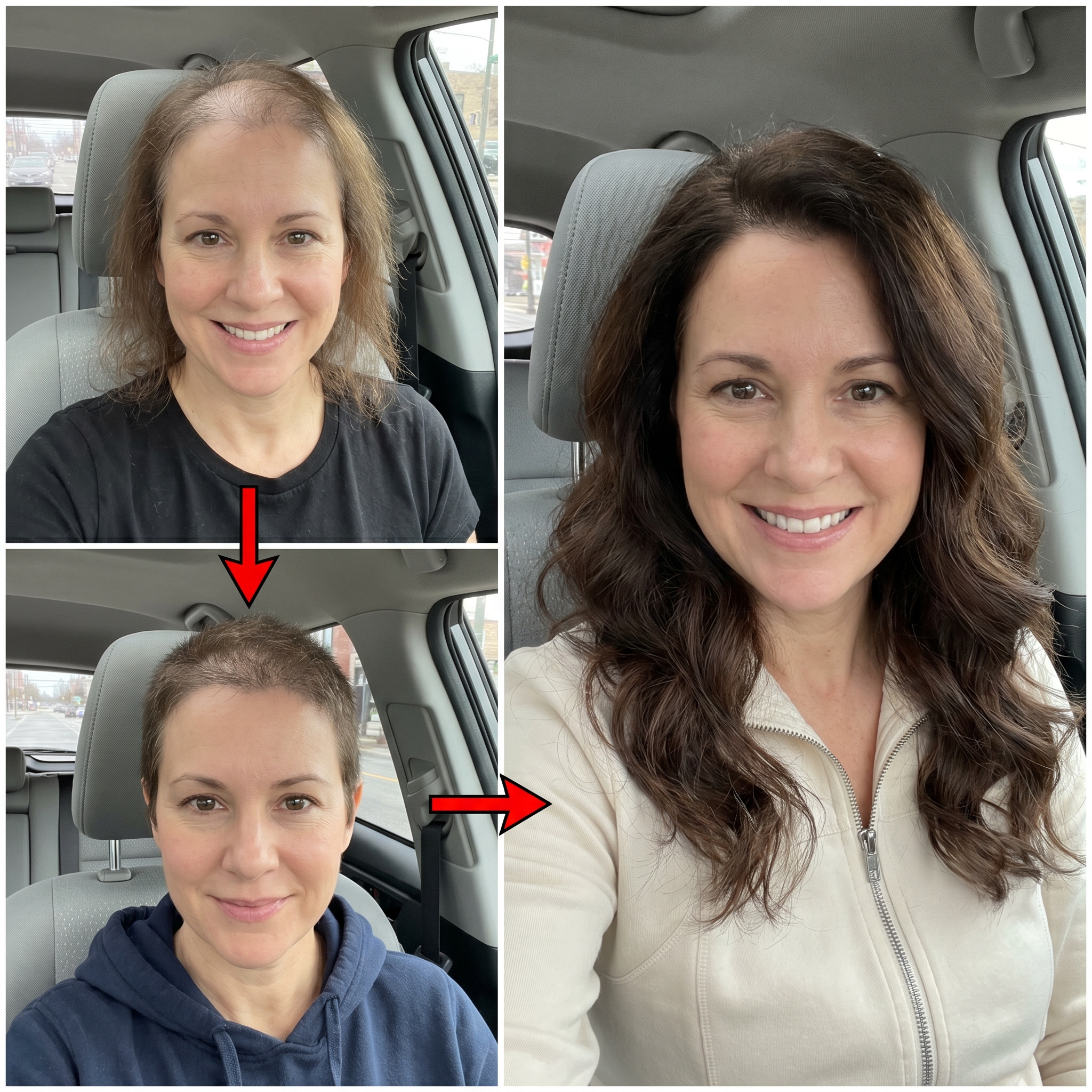
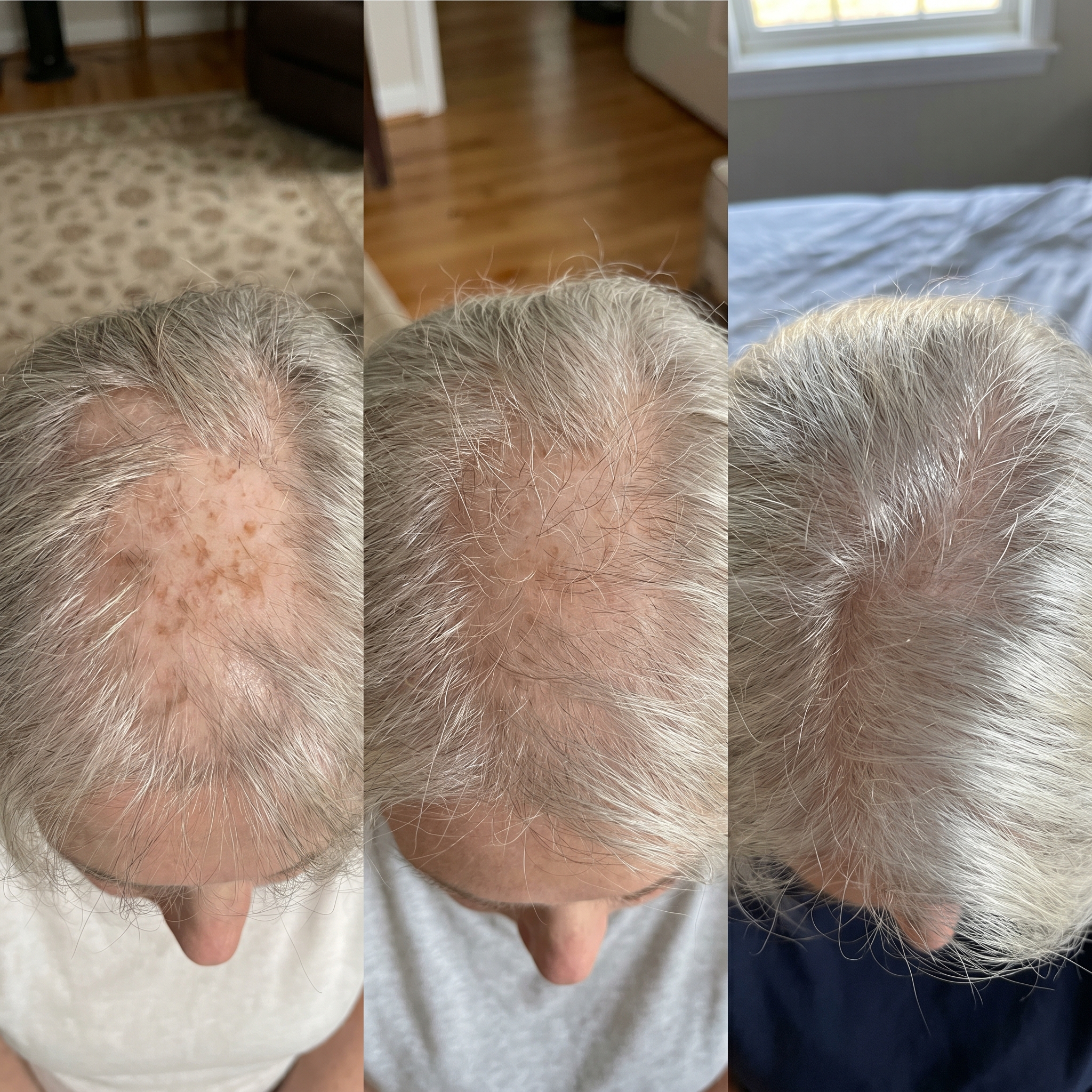
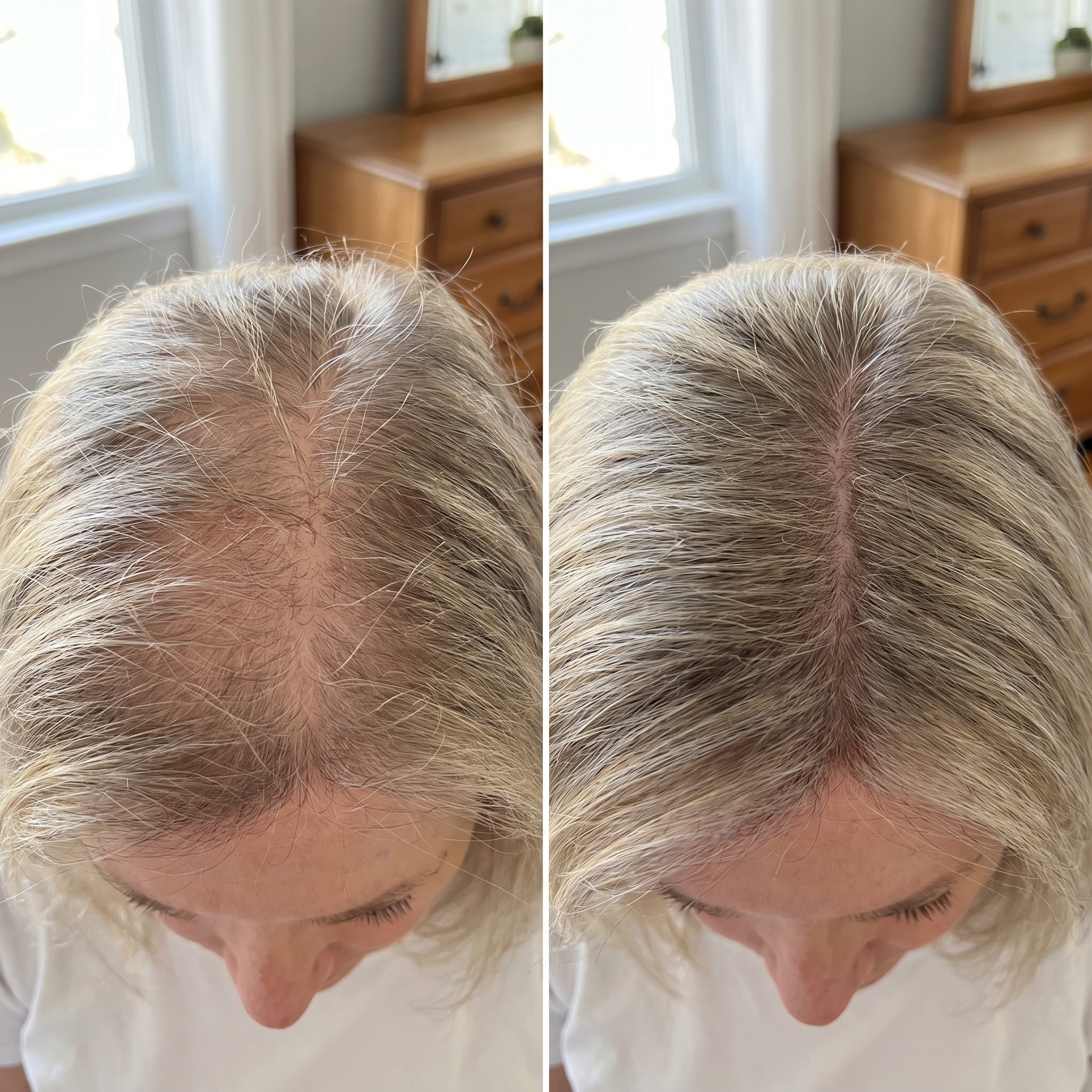
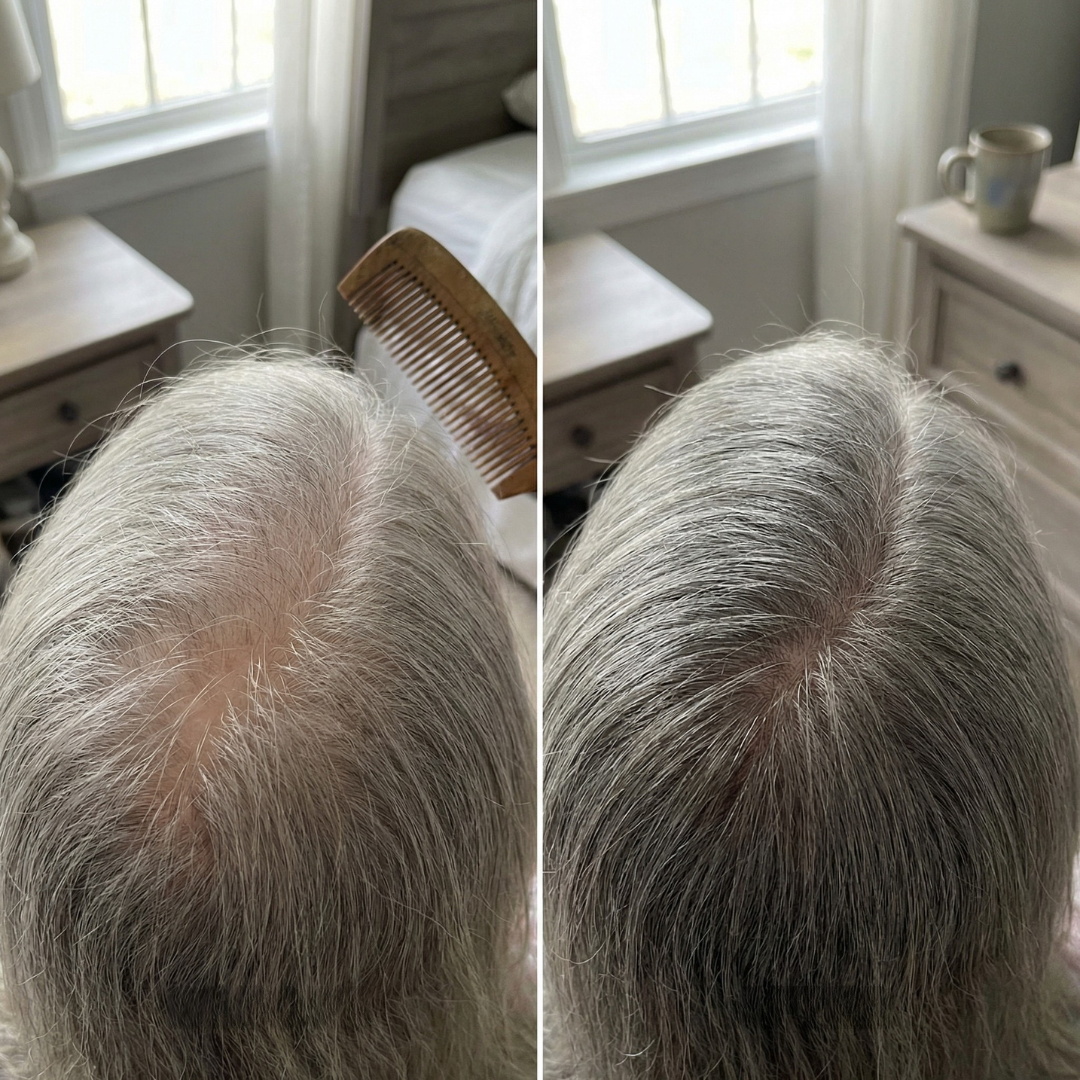
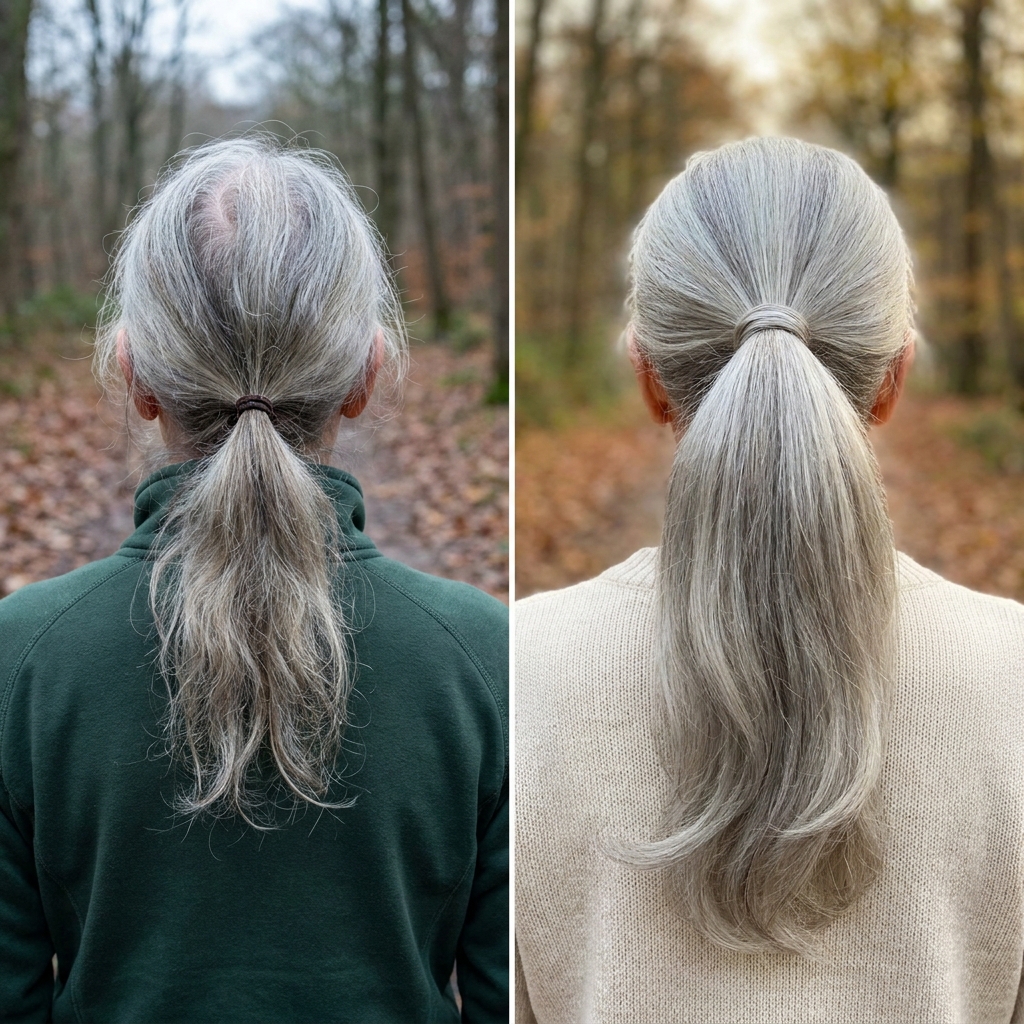
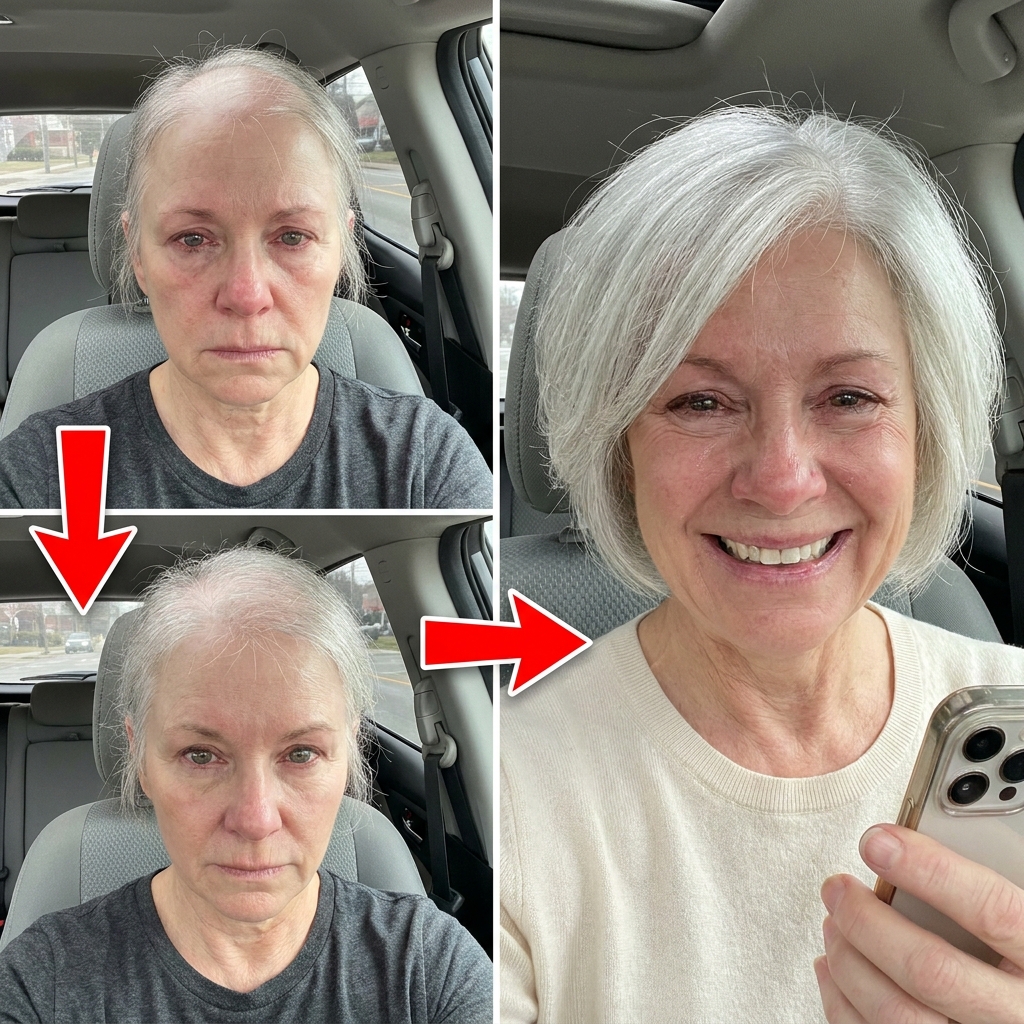
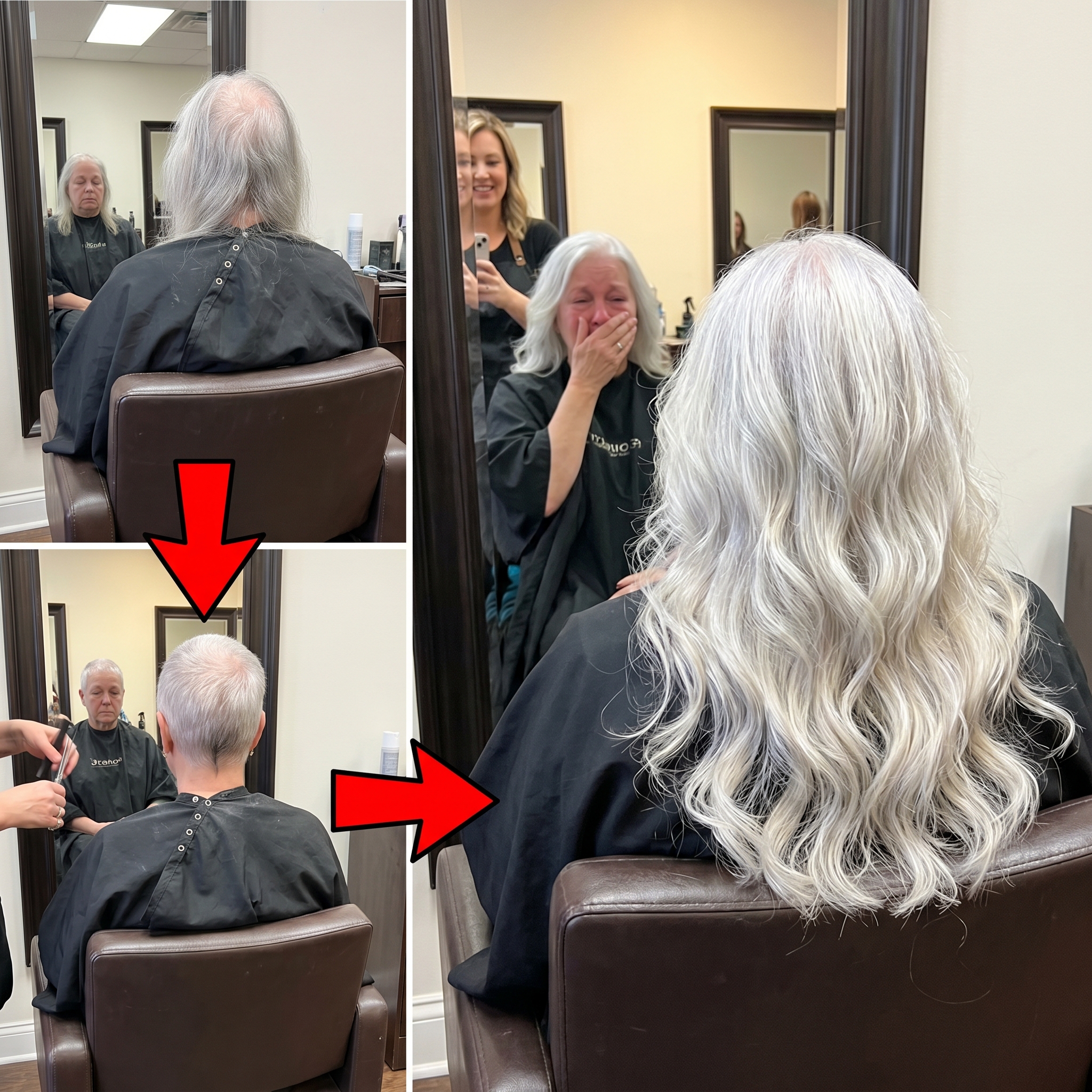
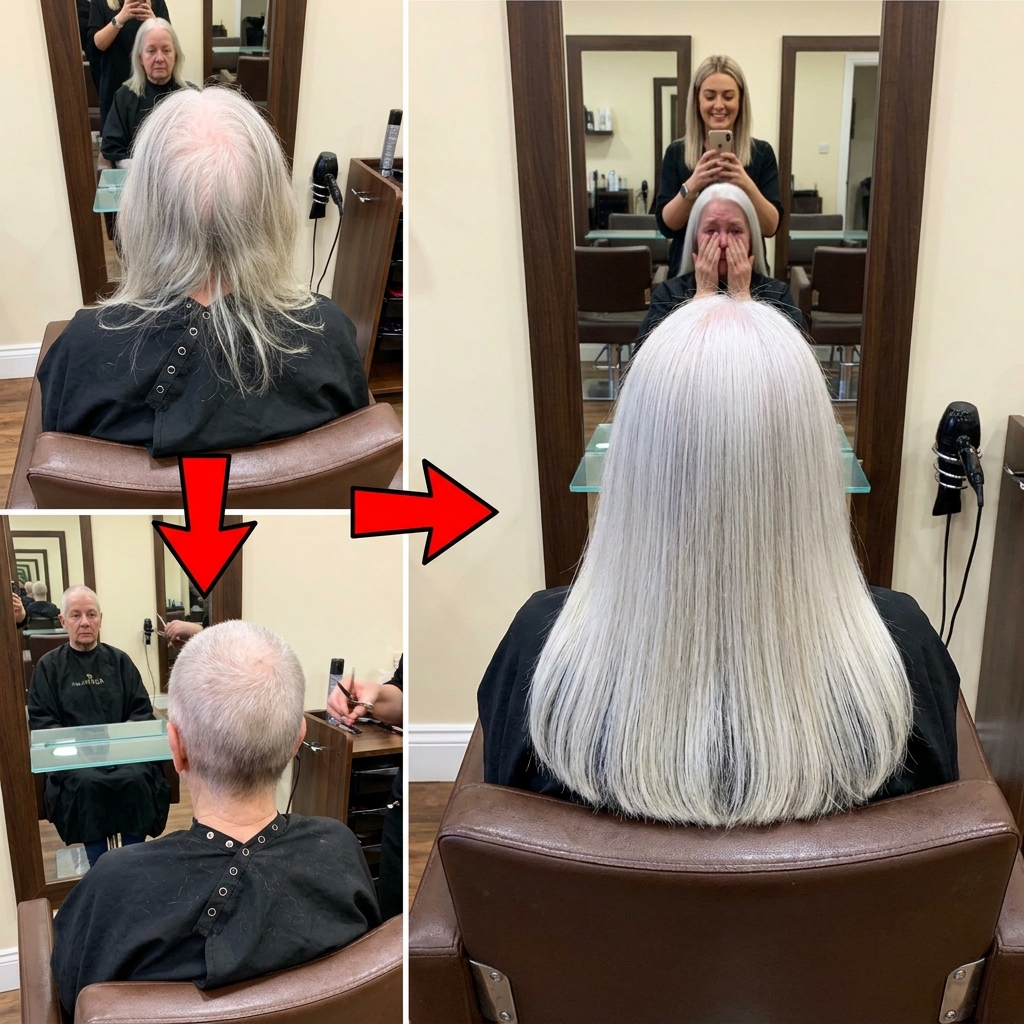
If you have tried everything for your thinning hair and nothing held, the failure is not yours. The products were built for the wrong thing, and the aisle they sit in is built to keep you buying. I have spent thirty years measuring trims and matching threads in a small haberdashery on a side street in Nottingham. I am 54. I notice when a weave is off by a single count, and I noticed, somewhere around 51, that the parting in my own hair had widened past the point where a different brush would fix it. The first thing I did, the thing most women do, was book the GP. She was decent and unhurried and she ran the bloods, the same bloods every woman in this position gets run. Thyroid in range. Iron in range. B12 fine. The phone call that followed was short. It is probably your menopause, she said. There is not much we can do about that on the NHS. Have you tried a good shampoo. I said I had. She wished me well, and that was the end of it. I want to be fair to her. She was not unkind and she was not wrong about the rationing. But I left that call understanding something I had not understood walking in. The medical system was going to rule out the dangerous things and then hand me back to the shop floor. And the shop floor — the thinning-hair aisle, the wellness counter, the clinic with the upsell — was not built to solve the problem either. It was built around the problem. There is a difference, and once you have seen it you cannot unsee it. Think about who profits from menopausal thinning. A product that worked, properly and once, would end the relationship. A product that helps a little, or seems to, or works on the wrong mechanism entirely, keeps the woman coming back month after month, refilling, re-subscribing, upgrading to the premium tier. The aisle is not designed for the outcome you want. It is designed for the repeat purchase. I sell ribbon for a living. I know exactly what a margin looks like when it depends on you never quite getting there. So I did what the aisle wanted. I spent. Biotin from the high street, because the counter assistant recommended it. Six months. £54. The part kept widening. A women's thickening range — the shampoo, the conditioner, the leave-in serum sold as a set. £71. It made my hair smell of almonds and did nothing to the part. Minoxidil 5%, bought after I read it was the only thing with evidence behind it. Six weeks. £39, then abandoned, because my scalp went red and flaky and a customer asked, gently, if I had a rash on my forehead. HRT, which my GP did eventually start me on. It steadied a great many things. My hair was not one of them. It transformed everything except the one thing I had quietly hoped it would. A laser cap, on a January sale, used four nights a week for eight months. £189. I packed it back in its box still believing my follicles were finished. A clinic consultation in the city centre, £150, where a very pleasant woman looked at my scalp under a light and then recommended a £40-a-month tonic the clinic made up itself, plus a course of in-house treatments. That was the upsell, dressed as a diagnosis. I bought one bottle. £40. Total: £543, plus the time, plus the slow draining-away of the woman I had been before any of it started — the one who stood under the shop lights all day and never once thought about her crown. What none of them told me — not the GP, not the counter, not the clinic that took my £150 — was that the thing happening on my scalp had a name, and a mechanism, and that the mechanism was specific and addressable, and that almost nothing I had bought had been built around it. Here is the mechanism, explained the way someone should have explained it to me two years earlier. As estrogen drops through perimenopause and after, the local DHT activity at the scalp rises. DHT shortens the anagen phase — the growth phase — of the hair cycle. The follicle spends less time producing and more time dormant. The hair it does make comes through finer and shorter, until it looks as though the follicle has given up entirely. But the follicle has not died. It has been silenced. The stem cells are still there. The blood supply is still there. It is switched off, locally, by a chemical signal at the scalp. And because the silencing is local, the interruption has to be local too. This is the part the aisle has every reason not to say plainly. Topical caffeine, applied to the scalp, blocks 5-alpha-reductase right at the follicle. With less of that enzyme converting the signal, the anagen phase extends again. The follicle is given the room to wake. Not by something swallowed and routed through the whole body in the hope that enough reaches the scalp. By something put exactly where the problem is. Mellenza was the first thing I found that had been built around that and nothing else. A topical scalp serum. Caffeine to block 5-alpha-reductase at the follicle. Polygonum multiflorum root extract, drawn from Korean dermatology research on follicle proliferation. Arginine for microcirculation. Biotin to support the integrity of new growth. Ginger extract for anti-inflammatory scalp support. Sprayed on the crown, the part, and the temples. At night. Not a shampoo. Not a volumiser. Not a tonic the clinic makes up to keep you on its books. A spray that goes on the scalp, where the silencing happens, and is not swallowed. I gave it twelve weeks, which was more patience than I had given anything since the laser cap. I did it because for once the formulation matched the mechanism instead of the margin. Week 4. Fewer threads on the pillow in the morning. I had been counting them the way I count anything, out of habit, for two years. The count dropped. Week 6. The lengths I already had stopped feeling like cotton and started feeling like the weight I remembered from before. Week 9. I took a photograph in the back-room mirror, same light, same angle as one I had taken in spring. The parting was narrower. Along the edge of it, short and fine, the kind of new growth I had told myself the whole industry had quietly written off. Month 4. A long-standing customer, a woman who comes in for tapestry wool every fortnight, said as I was cutting her a length that my hair was looking thick. She was not being kind. She would not have known to be. She simply said it. Month 5. There was a retirement do for a woman I had known across the trade for twenty years, held in a function room under flat strip-lighting — the kind of light I had spent two years arranging a room to avoid. I stood under it for the whole evening. I did not check my crown in a darkened window once. I had spent £543 trying to feel that ordinary about a light fitting. I want to be careful about what I am telling you. I am not telling you to expect what I saw. I am telling you what the mechanism is, and that almost nothing in that aisle is built around it, and that the one thing I found that was, was put exactly where the silencing happens rather than swallowed in hope. If you have tried everything and resented every pound of it, that resentment was the aisle reporting in. It was never about your discipline or your willingness to spend. The products were built for the wrong target, and several of them for the wrong category entirely. The mechanism is real. The follicle is silenced, not finished. The interruption is local, and topical, and you put it where the problem is. The link is below. Mellenza ships from the UK with a 90-day money-back guarantee, a complimentary scalp massager, and an ebook on the menopausal hair cycle. Give it the full twelve weeks. Nothing that works on a follicle works in thirty days, and the aisle has spent years counting on you to forget that.
The thinning aisle was never built to fix you
Women's Health · Updated April 2026 Menopause · Hair Routine 7 Mistakes That Make Menopausal Hair Loss Worse, And the 30 Second Ritual 10,000 Women Used to See Regrowth in 8 Weeks Dr. Sarah Mitchell — Women's Health Writer. If you're standing in front of the mirror doing the 3-elastic ponytail t...
LEARN MORELike this ad? Make it yours.
Crush rebuilds this exact creative around your product — your brand, your colors, your offer — in about a minute.