
Inactive· since Jun 16, 2026
- 80
- days it ran
- 1
- relaunches
Ad copy
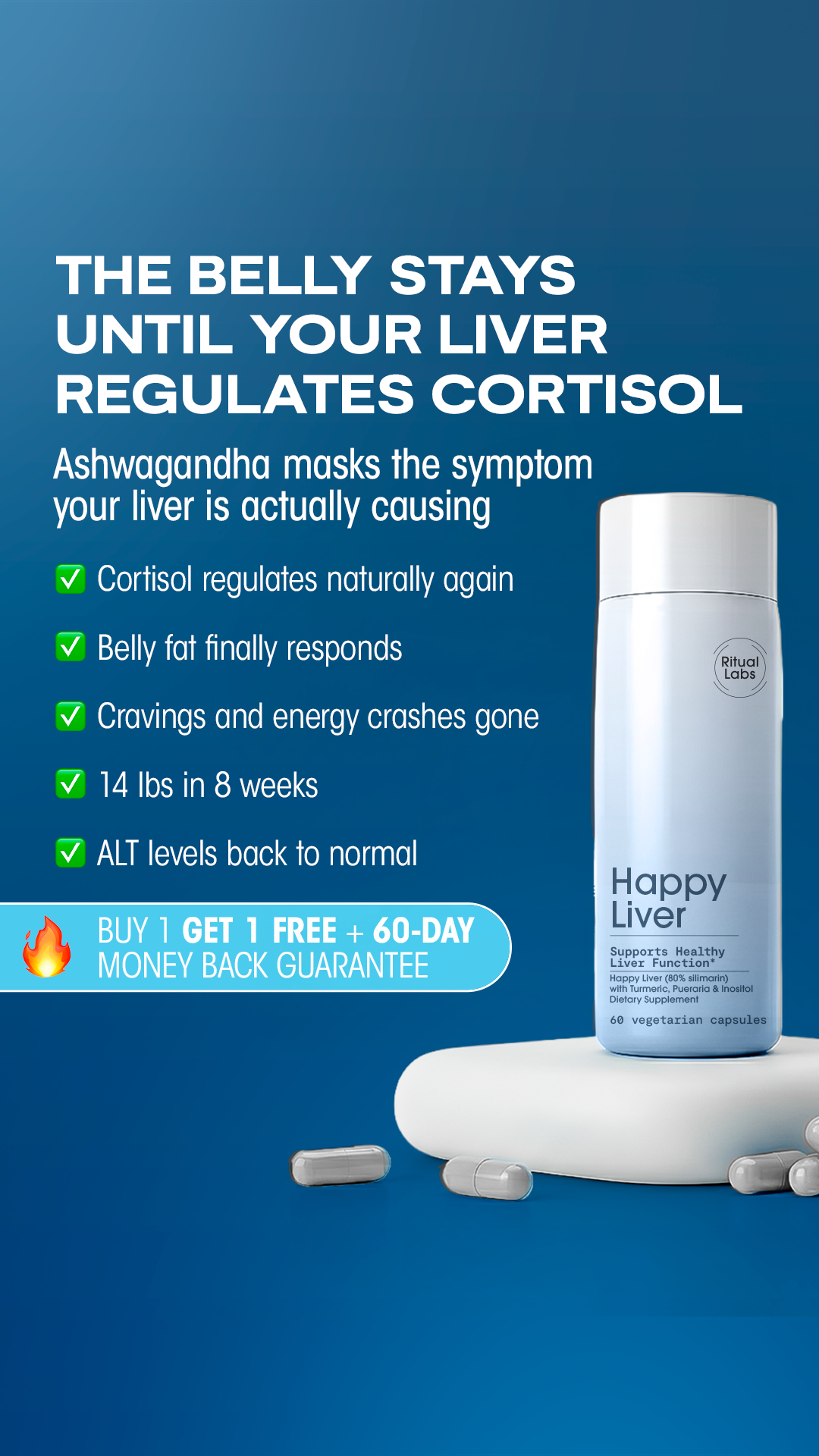
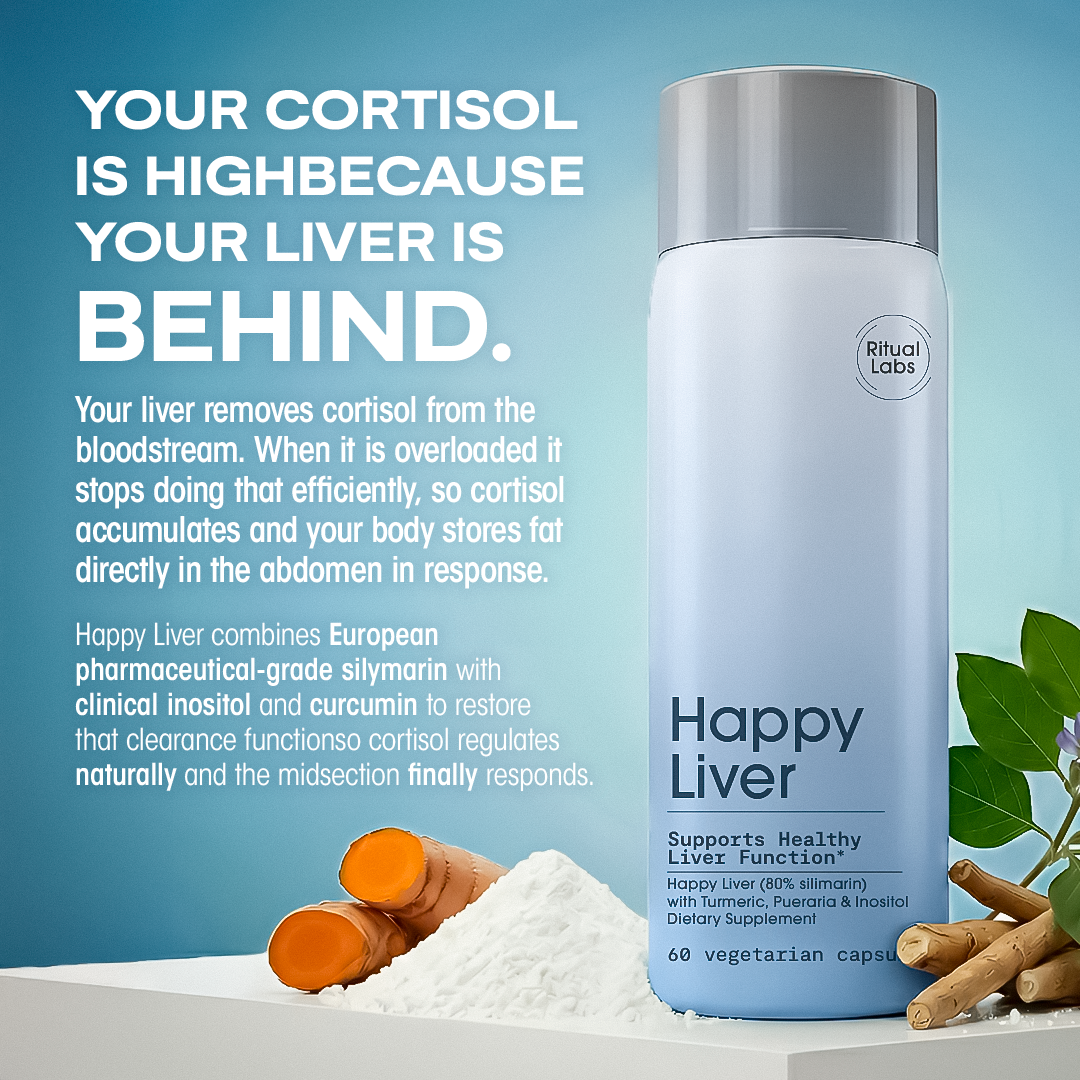
This is what Happy Liver seems to do to a drinker's body in about three weeks. After the first few days, the process is probably starting, even if he can't feel it yet. Most people don't realize their liver is storing its own fat. Not body fat. Fat packed inside the liver tissue itself, the kind that builds up quietly over years of drinking, processed food, and a body that's been given more to process than it was ever designed to handle. When the liver is carrying that internal fat load, it becomes less efficient at everything else it's supposed to do. Fat metabolism slows down. Hormone clearance becomes inconsistent. The liver is still working, it's not broken, it's just behind on a backlog that keeps growing. That internal fat is also one of the main things driving up ALT and AST, the two liver enzymes his doctor looks at during routine bloodwork. When liver cells are under stress, they leak those enzymes into circulation. A lot of regular drinkers walk around with ALT readings somewhere between 100 to 160 for years, getting told to watch their diet and cut back, without anyone addressing what's actually happening inside the liver. The number doesn't usually move much until the underlying load starts clearing. The fat stored inside the liver tissue is what starts that process. When compounds that support liver fat clearance are present at the right dose, ALT readings in the 100 to 160 range start moving toward the 40s over about 6 to 12 weeks. Not everyone sees identical numbers, and it doesn't happen in a straight line, but the direction tends to be consistent. His first week, he probably won't notice much. That's normal. The liver doesn't signal its progress the way the gut does. The work is happening at a cellular level before anything visible changes. The liver has a remarkable capacity to regenerate. Most people never give it the right conditions to do it. By the end of the first week or so, something outside the liver starts shifting. He wakes up a little less puffy. The swelling around his face and midsection that he's been attributing to how he slept, or to getting older, starts to ease a little. Most people don't immediately connect this back to the liver. They assume it's something they ate or didn't eat. It usually takes a few days of the same pattern before they realise something has actually changed. Around week two, the cortisol connection starts showing up, even if he'd never think to frame it that way. The liver is one of the main organs responsible for clearing cortisol from the bloodstream once it's done its job. When the liver is overloaded, which a liver carrying its own fat tends to be, that clearance process becomes less efficient and cortisol starts accumulating instead of being removed. Accumulated cortisol disrupts sleep, drives abdominal fat storage, and keeps hunger elevated even when eating normally. As the liver starts catching up on its backlog, cortisol handling tends to improve. Sleep gets a bit more reliable. The midsection starts responding to things it wasn't responding to before. Not dramatically, not all at once, but the pattern tends to move in that direction. Week three is usually where it becomes harder to explain away. Energy is more stable through the day. Mornings feel noticeably different even after a few drinks the night before. The face and gut look and feel different enough that other people start mentioning it before he does. If he gets bloodwork done around the 8 to 12 week mark, there's a reasonable chance his doctor will ask what changed. ALT and AST readings that have been elevated for years don't flip overnight, but when they start moving in the right direction after a long time of not moving at all, it tends to be noticeable. The liver was capable of this the whole time. It just needed the right conditions. Happy Liver uses a form of milk thistle that is standardized to the active compound at a level most American brands don't come close to, sourced under European pharmaceutical manufacturing standards rather than just printed on the label. It also contains a compound that specifically helps the liver process and export the fat stored in liver tissue, which is what most liver supplements skip entirely, and a concentrated turmeric extract that addresses the inflammation driving the visible symptoms. Each one is addressing a different piece of the same problem. You need all three because the liver's problems don't come in isolation. I want to be clear that I have no financial relationship with this company. I am sharing this because the mechanism is real, the research behind the formulation is legitimate, and I have watched too many patients spend years on the wrong dose of the wrong thing while their numbers quietly stayed elevated. If you are going to try a liver supplement, the grade and the formula matter more than most people realise. Happy Liver is one of the few that gets both right. They offer a 60 day guarantee, and for most of the patients I have seen go through this cycle of trying things that don't fully work, that was the only reason they were willing to try anything again.
What Happy Liver Does to a Drinker's Liver in 8 Weeks
Your liver processes everything - alcohol, medications, junk food, environmental toxins. Happy Liver provides daily protection with clinical doses of Milk Thistle, Turmeric, Pueraria, and Inositol
LEARN MORELike this ad? Make it yours.
Crush rebuilds this exact creative around your product — your brand, your colors, your offer — in about a minute.