
Inactive· since Jun 30, 2026
- 20
- days it ran
- 1
- relaunches
Ad copy
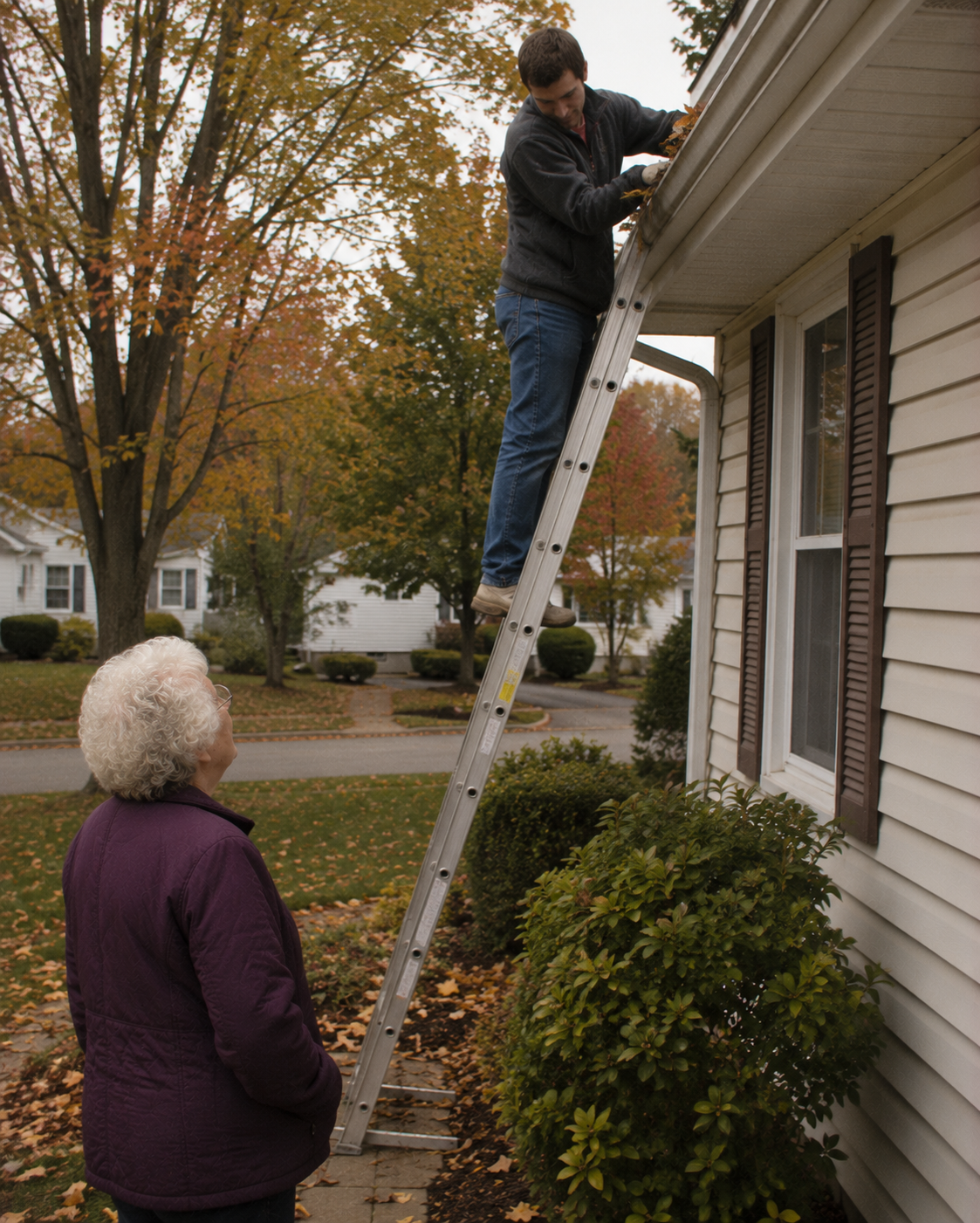
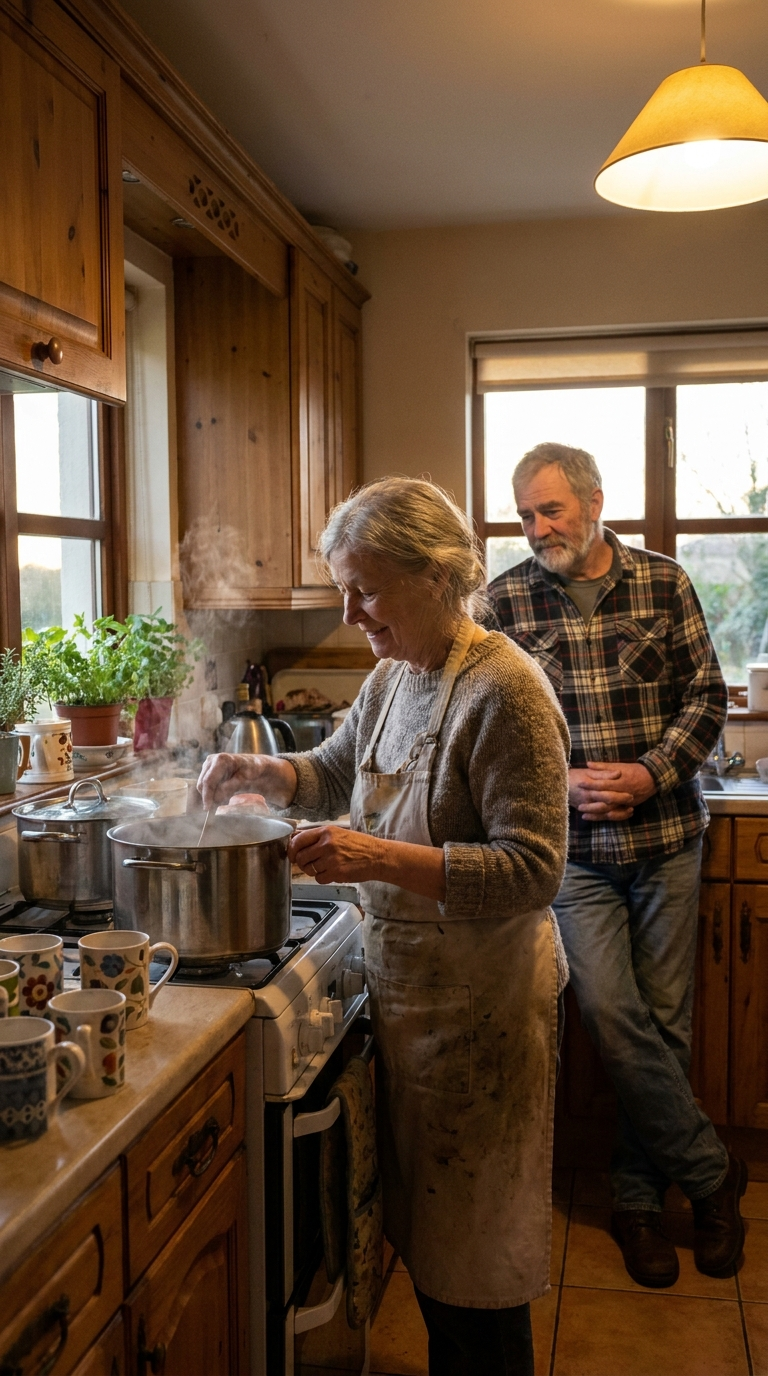
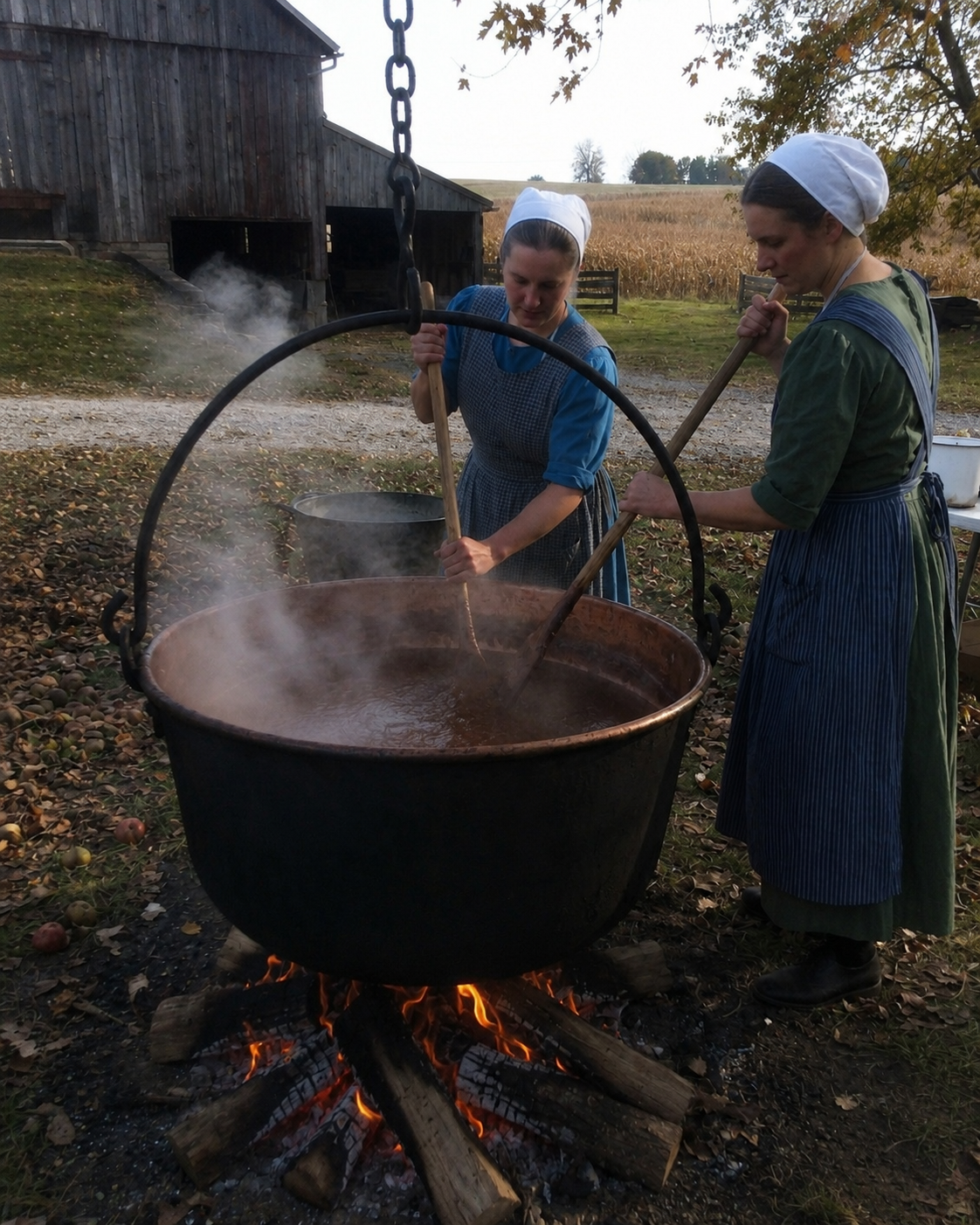
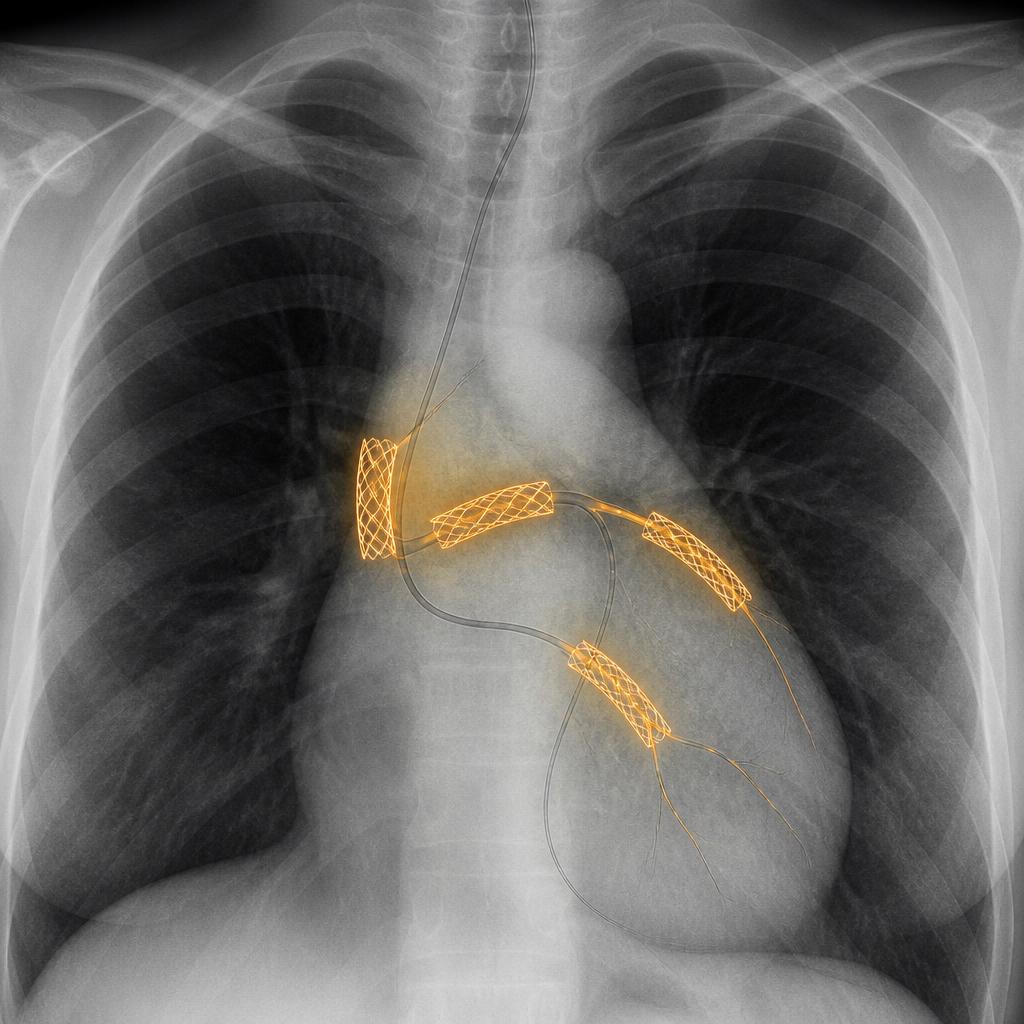
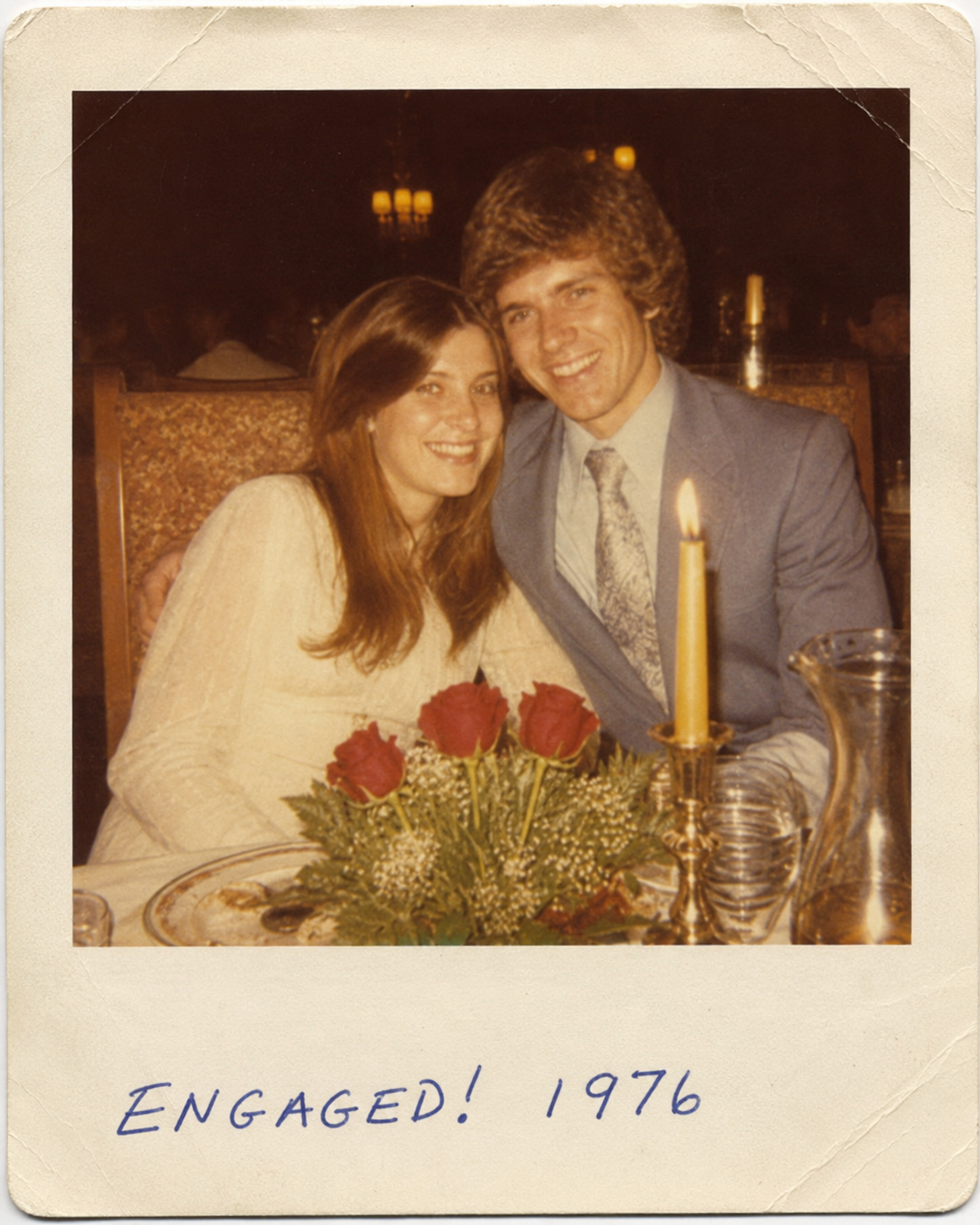
I left my fiancé a week before our wedding after seeing him with another woman — 50 years later, I got a letter from him. Troy. That name still does something to my chest even now. Even after everything. We met in the spring of 1976 at a friend's cookout. He was standing by the grill arguing with someone about whether charcoal or propane made a better burger. He was wrong — charcoal, obviously — but he argued with such conviction that I walked over just to watch. He looked at me and said, "You agree with me, right?" I said, "Absolutely not." He laughed. And that was it. We were engaged by Christmas. My mother cried. His mother cried. We booked the church for June 8th. I had my dress altered three times because I kept losing weight from excitement and nerves and the kind of happiness that makes you forget to eat lunch. One week before the wedding, I drove downtown to pick up the place cards from the printer. I passed Martinelli's — this little Italian restaurant Troy and I loved, the one where he'd proposed over a plate of gnocchi that neither of us finished — and I saw him through the window. He was sitting across from a woman. Dark hair. Beautiful. I watched him reach across the table and take her hand. My foot came off the gas. The car behind me honked. I pulled over. I sat there for eleven minutes. I know because the clock on the dashboard said 4:47 when I pulled over and 4:58 when I finally drove away. I didn't go in. I didn't scream. I didn't pound on the glass. I drove home. I sat at the kitchen table that night and wrote the hardest letter of my life. "Troy — I saw you tonight. At Martinelli's. I saw her. I saw your hand on hers. Please don't look for me. Please don't call. I can't hear your voice right now or I'll break. I love you. That's the worst part. I love you so much. But I will not marry a man who is already holding someone else's hand." I mailed it at 5 AM. By 6, my car was packed. By 7, I was on the highway heading north and I didn't stop until I hit a different state line. I was 24 years old. I met Edward fourteen months later at a church social. He wasn't Troy. He wasn't trying to be. Edward was quiet where Troy was loud. Steady where Troy was electric. He didn't make my heart race — he made it settle. We married in 1979. Small ceremony. My mother cried again, but softer this time. We had 45 years. Two children. Four grandchildren. A house with a porch Edward built himself one summer because I mentioned once — once — that I wished I had somewhere to drink my coffee in the morning. He wasn't perfect. He left his shoes in the hallway every single day for 45 years. He couldn't cook anything except scrambled eggs, and even those were questionable. He sang off-key in the shower every morning and I never once told him to stop. But if I mentioned on a Tuesday that the back step had a wobble, by Thursday it was fixed and sanded — and there'd be a little planter box beside it I hadn't asked for. That was how he loved people. He made them things. I loved him the way you love someone after decades — not with fireworks, but with gravity. He was the ground I stood on. The first thing I noticed was the garage. The birdhouses, mostly — that was what Edward built for love, when it wasn't a wobbly step or a shelf. Ridiculous, elaborate birdhouses with little porches and hinged roofs. Our backyard had eleven of them. The grandkids called it Bird City. One spring I realized the garage door hadn't opened in three weeks. I went out there. His tools were laid out on the workbench exactly where he'd left them. The half-finished birdhouse — a two-story Victorian he'd been making for our oldest granddaughter Sophie — was sitting under a thin layer of dust. He'd already sunk the post for it out in the yard, months before, in the one open spot left. He always set the post first. He liked to know exactly where a thing was going before he built it. I went back inside. He was at the kitchen table. "You going to finish Sophie's birdhouse?" He looked at me. Took a moment. Like the question had to travel a long distance to reach him. "Maybe this weekend." The weekend came and went. The garage door stayed closed. It never opened again. Then it was the chair. Edward had this leather recliner — the ugly one I'd tried to throw out twice. He loved that chair the way some men love their trucks. He'd drop into it every evening, remote in hand, shoes already kicked off. One night I watched him try to get up. He put both hands on the armrests. Pushed. His arms trembled. He settled back down. Tried again. Got halfway up and sat back. Third try he made it. Stood there for a second, breathing, like he'd just climbed a flight of stairs. He saw me watching. "Chair's getting lower," he said. And smiled. It wasn't the chair. Sophie came over for Sunday dinner — she was twelve by then. Edward adored her. She was the one who'd named Bird City. They were sitting together on the porch and I heard him telling her about the time he'd seen a bald eagle on their fishing trip up north. She laughed in all the right places. Twenty minutes later I was clearing the dishes and I heard him start the same story. Same words. Same pauses. Sophie looked at me through the kitchen window. She had this expression on her face — not confused. Careful. I shook my head. Just a tiny shake. Let him finish, baby. She turned back to Edward and laughed in all the right places again. She was twelve years old and she already knew to protect him. The last year was the worst. I came downstairs one morning and found Edward sitting at the kitchen table. Not eating. Not reading. Not doing anything. Just sitting with his hands flat on the table, staring at the wall behind the stove. "Sweetheart? You okay?" "Fine." He didn't look at me. "Did you eat?" "Not hungry." I poured his coffee. Set it next to his hand. He didn't pick it up. I stood at the sink washing dishes I'd already washed, just to stay in the room with him. Because leaving him alone at that table felt like something I wasn't allowed to do. That was the third morning that week. His doctor said everything was managed. His numbers were fine. His cholesterol had been controlled for 22 years. Managed. Fine. Controlled. Those words started to sound like a foreign language. Because the man sitting at my kitchen table with dust on his tools and a granddaughter who'd learned to protect him — that man was not fine. Edward died in March two years ago. Heart failure. After 22 years on atorvastatin. His cholesterol was controlled the entire time. The house was so quiet after that. The porch he built me — I couldn't sit there. His recliner — I couldn't move it. His coffee mug stayed in the dish rack for four months because putting it in the cabinet felt like agreeing he was gone. I was 71 years old and the ground I'd stood on for 45 years had disappeared. The letter arrived on a Tuesday in March. Plain white envelope. Handwriting I didn't recognize. I almost threw it away. But something about the return address stopped me. A town in Virginia I hadn't thought about in half a century. I sat down in the living room and opened it. "Dear Margaret, The woman at Martinelli's that night was my sister. Claire. She'd flown in from Portland — she was helping me choose your wedding gift. I was holding her hand because she'd just told me our mother's cancer had come back. She was scared. I didn't know you saw us. I got your letter the next morning and I didn't understand. I tried to find you for years. Then I stopped — I told myself you'd made your choice, and I owed you the peace of it. I never married. But I'm 76 now. Old enough to know some things shouldn't stay unsaid. So I made myself try one more time. If you want to see me — I'm here. If you don't, I understand. — Troy" I read it three times. Then I set it down and cried harder than I did the day Edward died. Fifty years. Fifty years I spent believing Troy had betrayed me. Fifty years I built a life on top of something I told myself in a parked car outside Martinelli's at 4:47 on a Tuesday afternoon. His sister. Claire. Holding her hand because their mother was dying. And I destroyed everything over eleven minutes of watching through a restaurant window. I drove to Troy's on a Saturday morning. Two hours and eleven minutes. I know because I checked the clock when I left and again when I pulled into his driveway — the same way I'd checked it outside Martinelli's fifty years before. I sat in the car for five minutes. My hands were shaking. I'd changed blouses three times before leaving the house. I was not prepared for what I saw when he opened the door. I was expecting frail. I was expecting slow. I was expecting what I'd gotten used to with Edward in those last years — the careful movements, the clouded eyes, the grip on the doorframe for balance. Troy stood in the doorway at 76 years old and he looked clear. That's the only word. Clear. His posture was straight. He gripped my hand firmly — not shaking, not weak. He stepped aside to let me in and his walk was steady. No shuffling. No hesitation. "Come in. I made coffee. It's terrible — I should warn you." I laughed. It came out like a sob. His house was warm. Books everywhere. A half-finished crossword puzzle on the kitchen counter. Jazz playing softly from somewhere. He moved through the kitchen the way Edward used to move twenty years ago — reaching for mugs without thinking, pouring without trembling. We sat at his kitchen table and talked. Five hours. I don't know where they went. We talked about the fifty years. About Claire — she's still alive, still in Portland. About Edward. I told Troy about the porch and the birdhouses and the scrambled eggs and the singing. Troy listened to all of it. He didn't compete with Edward. He didn't minimize what I'd had. He just listened. Then I said the thing I hadn't planned to say. "The last few years were hard. Edward wasn't... himself. He was tired. All the time. His muscles hurt so badly some mornings he couldn't get out of his chair. He'd forget things — names, stories, whether he'd eaten. I kept thinking it was just..." I trailed off. "Age," Troy finished quietly. "Age. I thought it was just what happens." Troy was quiet for a moment. "Was he on medication? Long-term?" "Atorvastatin. Twenty-two years." Troy set his coffee down. "Can I tell you something?" "My doctor wanted to put me on the same thing. Twenty years ago. My LDL was 181. He said I was a heart attack waiting to happen. Had the prescription filled and everything — the bottle was sitting on my counter for a week." Troy leaned back in his chair. "But my cousin Frank had been on Lipitor for six years by then. And Frank was... different. Couldn't remember his granddaughter's ballet recital. His hands shook. Told me his legs ached so badly some mornings he'd sit on the edge of the bed for ten minutes before he could stand up." I thought about Edward gripping the armrests. "Frank's doctor told him the muscle pain was a known side effect. Just something you live with. The brain fog — Frank asked about that too. His doctor said it was probably age-related. But I looked it up later. That drug doesn't just lower your cholesterol. It drains something called CoQ10 — the fuel your cells burn for energy. Every cell. Your heart, your muscles, your brain. Starve that out, and the tiredness sets in — the kind sleep never touches. The hands stop gripping. The fog rolls in and takes the back half of your own sentences. People blame it on getting old. It isn't old. It's the drug. It can't lower the number without draining that fuel — it's the same switch. They call it a side effect. It isn't. It's the drug doing exactly what it's built to do." I didn't say anything. I was thinking about Sophie. Twelve years old. Laughing at a story she'd already heard so her grandfather wouldn't know he'd told it twice. Managed. "So I didn't take it. Told my doctor I wanted six months. He wasn't happy. But I started reading. Medical journals. Clinical trials. Forums where people were sharing what actually happened to them on these drugs — not the version you get in the two-minute appointment. And I kept finding this same thread — this same idea — that changed the way I understood the whole problem." He pulled a napkin across the table. Borrowed my pen. Drew a circle. "This is your cholesterol. Here's what nobody explains — your body makes this on purpose. Your liver builds it. Your brain needs it. Your hormones depend on it. Cholesterol isn't poison. It's a building material." He tapped the circle. "The problem was never how much of it you have. It's what happens to it. You ever slice an apple and leave it on the counter? Come back at lunch and the cut face has gone brown. Nobody touched it — the air did that. That's oxidation. Same word as the rust on an old fender. The same thing happens to the cholesterol inside you. Free radicals attack it — and it goes rancid. Rusts. Turns sticky. And that sticky stuff is what works into your artery walls and builds up, year after year, into plaque. Not the cholesterol you have. The cholesterol that's gone brown." I stared at him. "Now here's what the pill does. It goes to your liver and turns down the production line — so you make less, and the number on your chart drops. Your doctor sees that number go down and writes 'managed.' And everyone's happy, because everyone's watching that number. But the rust? It never touches it. A statin lowers how much cholesterol you've got and does nothing about the part that's gone dangerous. You can drive that number down to beautiful — and the cholesterol that's left is still rusting, still turning sticky, still building the plaque. Right where nobody's looking. There's even a name for it — oxidized cholesterol. But almost nobody runs the test for it." He looked at me carefully. "That's how a man takes atorvastatin for twenty years, and the numbers look perfect the whole time, and he still..." He stopped. He didn't finish the sentence. He didn't have to. I thought about Edward. Managed. Controlled. Fine. Hands flat on the table, staring at the wall behind the stove. "So what did you do?" My voice was barely above a whisper. "I went looking for the one thing that could do what the pill couldn't. Something that goes after the rust itself — and leaves everything else alone." "And you found it." "I found it in the last place I expected. It wasn't a drug. It was a pigment." He turned the napkin over. "You know the deep red that stains your fingers when you cut a beet? That color has a name. Betalains. It's an antioxidant — but not like any antioxidant you've ever heard of. It turns out that stain is one of the most selective rust-fighters anyone's ever measured." "A beet." "I know how it sounds. I didn't believe it either, until I read the research. German and Italian labs have been studying these pigments for decades. There's more real research behind this than behind half of what's in a pharmacy." He drew a second circle next to the first. "Here's what makes it different from everything on the supplement shelf. Most antioxidants are a carpet bomb. You take them, they flood your whole body and knock out every free radical they touch — including the ones your body actually needs to fight off infection. That's why throwing more of them at the problem never did much. Betalains don't work like that. They're a smart missile. They hunt the one specific kind of damage — the exact reaction that turns your cholesterol rancid — and they neutralize it. Turn it to plain water. And they leave the free radicals your body needs completely alone." He tapped the first circle — the cholesterol. "And they do it right where it matters. The betalains get carried into your bloodstream, fold into the cholesterol particle itself, and stop the rust from the inside — before it can ever turn sticky, before it can build the plaque. Not by shutting down a production line. Not by draining your fuel the way the pill does. It does the one job. Stops the rust. And leaves the spark alone." I thought about Frank. About Edward. About a drug that did the exact opposite — drained the spark and never touched the rust. "There's one more piece," Troy said. "And this is the part that finally made the whole thing make sense to me." "When your cholesterol is rusting, your body panics. It reads all that damage as a shortage and starts making more cholesterol to make up for it. More cholesterol, more rust, more panic. Round and round. That's the loop the pill can never break — because the pill only ever chops at the number, never the rust driving it. Stop the rust, and the whole loop unwinds backward. The body stops panicking. Stops overproducing. And the number comes down on its own — not because you forced it, but because you finally fixed the thing underneath it." "So I'll just buy a bottle of beetroot," I said. He smiled. "That's what I thought too. It doesn't work — and that's the part that nearly stopped me. Because almost none of the beetroot you can actually buy will do a thing for you. Two reasons." He held up one finger. "The beet itself. They've spent a hundred years breeding the grocery beet sweeter and sweeter — bigger, easier to ship. And every time you breed a beet for sugar, you breed the betalains down. The thing that used to be medicine got turned into candy. What's in the store now is a fraction of what the old beets carried." A second finger. "And then heat. Betalains are fragile — heat tears them apart. Almost every beet powder on the shelf is spray-dried at high temperature, cooked down fast and cheap. By the time it's sealed in a capsule the betalains are already gone. Brown dust. Dead before you buy it." "Here — let me show you the difference." He reached behind him to the counter and took down a bottle. Shook two capsules into his palm, twisted one open over a white saucer, and tipped the powder out. It was deep red — almost violet. The color of a beet pulled straight out of the ground. He ran the tap, let a single drop fall onto the powder, and it bloomed — bled crimson across the white dish like a fresh cut. "Three years I've taken this. That color is the whole thing — that deep red is the betalains, alive. The dead stuff twists open dull brown, like dust. Crimson's alive. Brown's dead. It's the first thing I check on any bottle." He took the other capsule with water, and turned the napkin back over to a clean corner. "So when I went looking, those were my two rules. The right beet — not the sugar-bred one. And dried without heat, so it's still alive when it reaches you. Took me longer than I'd like to admit to find one that did both." He wrote a name in block letters. Underlined it twice. Rosabella. "There's an old heirloom strain — the Blutwurzel beet. The Amish up in Lancaster County have been saving the seed by hand for a hundred and fifty years. Never bred it down for sugar. It carries something like ten times what a grocery beet does. That's where this comes from." He tapped the name. "They hand-harvest it after the first frost — that's when the plant pulls everything back down into the root. Then they dry it slow, in the shade, never with heat. So the betalains reach the capsule alive. Deep red. Like that saucer. 1,300 milligrams in every one — the same dose in the studies that actually worked." He sat back. "That's the whole secret. The right beet, dried the right way, at a dose that does something. Everything else on that shelf is candy or dust." I looked at the saucer. The crimson had dried at the edges, deep as wine. I looked at Troy. Seventy-six years old. Clear-eyed. Steady hands. Sharp enough to do the crossword in pen. Making jokes about his own coffee and moving through his kitchen like a man twenty years younger. I thought about the man who used to sit across from me. Edward at 73. Dust on his tools. Grip on the armrests. Telling Sophie the eagle story for the third time while she learned to protect him. Three years older than Edward was when he died. Same cholesterol problem. Different decision two decades ago. "What are your numbers now?" "Last check — LDL was 118. Asked them to run the oxidized one too. Normal range. No medication. No statin. Twenty years, and my doctor doesn't even bring it up anymore." When I stood to leave, Troy folded the napkin — his circles, his arrows, the name he'd underlined twice — and pressed it into my hand. "Just try it," he said quietly. "That's all I'm asking." I drove home that night with Troy's voice in my head and Edward's face in my chest. I went straight to the kitchen drawer — the one stuffed with all the medical paperwork I'd been avoiding since the funeral. Dug out my own labs from last month. LDL: 174. Oxidized LDL: not tested. They never test for it. And underneath, in my doctor's note: "Elevated LDL, 174. Husband deceased — cardiac event at 73, on long-term statin therapy. Strongly recommend atorvastatin 10mg. Schedule follow-up." I read it twice. Husband deceased. Cardiac event. On long-term statin therapy. She'd written Edward's death into my chart. She'd used the man who died while on the drug as the reason to start me on the same drug. I closed the drawer. I stood there a long time. Troy's napkin was on the counter where I'd dropped my purse. I almost threw it away. Instead I sat down with my laptop and looked up everything Troy had told me. Betalains. Oxidized cholesterol. The free radicals that rust it. It was all there. Not wellness blogs. Not supplement ads. Peer-reviewed journals. Universities in Germany, Italy, clinics across Europe. Real trials, real patients, real numbers. None of it new. The science had been sitting there the whole time. And no one had told me. No one had told Edward. I closed the laptop. I could hear Dr. Patel's voice. Strongly recommend atorvastatin. I could see her tapping her pen. I could feel how easy it would be to fill the prescription, take the pill every morning, and trust that "managed" meant "safe" — the way I'd trusted it for Edward for twenty-two years. Then I thought about Troy at 76. Doing the crossword in pen. Pouring coffee without trembling. Laughing at his own terrible jokes. And Edward at 73. Dust on his workbench. A birdhouse he never finished. Same cholesterol problem. Same doctor's recommendation. One said yes. One said no. I picked up the napkin. I ordered Rosabella that night. When the package arrived three days later, I did exactly what Troy showed me. Twisted a capsule open over a white saucer first — I had to see it for myself. Deep red. Almost violet. A drop of water and it bled crimson across the dish, just like his. Not the brown dust he'd warned me about. The real thing. I took two with a tall glass of water. Walked out to the porch — Edward's porch, the one he built me — and sat down for the first time since he died. I'm not sure what I expected. Seventeen minutes later, something shifted. Not dramatic. Not a lightning bolt. But something eased. The heaviness behind my eyes — the fog I'd been blaming on grief and bad sleep — it thinned. Warmth moved through me, down my arms, out to my hands. I didn't understand it then. I do now. It wasn't the cholesterol — that takes weeks. Troy had told me as much — that shows up on bloodwork, not on a porch. What I felt that fast was something simpler. My blood, moving easier. Oxygen reaching where it hadn't in a long time. Like someone turned the lights up in a room you'd stopped noticing had gone dim. I sat on that porch for a long time. The next morning I did it again. And the morning after that. By the end of the first week, I was waking up before my alarm — something that hadn't happened in two years. By week three I was taking my coffee on the porch every morning. Sitting in the chair Edward built. Remembering him without drowning in it. And the heaviness that had been sitting on me since the funeral — the bone-tiredness I'd stopped even noticing, the way you stop noticing a sound that never quits — it lifted. Not all at once. But one morning I came in from the porch and realized I'd carried the watering can out to the garden without setting it down halfway to rest. Small. But I hadn't done that in longer than I could remember. I don't know how much was the betalains and how much was just getting back on my feet — one thing feeds the next at my age, you start moving and the moving keeps you moving. But something had changed in my body. Something that had been quietly winding down for years was winding back up. Ninety days later I went back to Dr. Patel. She pulled up my chart. Looked at the screen. Looked at me. Back at the screen. "Your LDL is 131." I waited. "It was 174 in January." "I know." She scrolled. Clicked something. Pulled up another panel. "Your triglycerides are down by a third. And your HDL — the protective one — it's gone from 48 to 64." She frowned, not unhappy, just unable to place it. "That number hasn't moved for you in years." She paused. Clicked again. "You asked me to add an oxidized LDL to this panel." She looked at me over her reading glasses. "I'll be honest — I'd never ordered that test before. Not once." "And?" "Normal range." She took her glasses off. "What changed?" "I'd rather not say yet. Can we hold off on the atorvastatin?" A long pause. She tapped her pen against the desk three times — I counted. "Whatever you're doing — keep doing it. These numbers don't warrant medication at this time. I want to see you back in six months." I nodded. Picked up my purse. Made it all the way to the parking lot before I started crying. Not because of the numbers. Because Edward's numbers were controlled too. For 22 years. And no one — not once — ever checked whether the cholesterol that remained was rusting inside him. No one asked whether the drug that was "managing" his levels was protecting him, or just holding down a number while the real damage went on underneath. He was managed. He was controlled. He was fine. And he couldn't get out of his chair. That grief never left me. But as the weeks went on and the strength came back, it stopped being the only thing in the house — and one morning that spring, the spring I got myself back, I found I could finally face the one thing I'd been avoiding since the funeral. Edward's garage. I hadn't opened it since — not once. His tools were laid out on the workbench exactly where his hands had left them, and the two-story Victorian birdhouse he'd been building for Sophie was still there under its coat of dust, half-finished. The little hinged roof he never got to hang. The trim he never got to paint. For two years I'd kept that door shut. Opening it meant standing in the one room that was nothing but the things he didn't get to finish. So I opened it. I called Sophie. She was fourteen now. I told her we were going to finish her grandfather's birdhouse, the two of us, and there was a long quiet on the line before she said okay, in that careful voice I remembered from the kitchen window. She came over on a Saturday. We worked at Edward's bench with the garage door open and the spring light coming in — my hands steady enough now to hold the pieces while hers did the fine work, because it turned out the girl had his hands. Of course she did. She hung the little hinges he'd left waiting in their paper envelope. She painted the trim the green he'd already picked out. I held things still and we remembered him out loud — the eleven birdhouses in the yard, the thirty years he'd spent making them. It took us most of the day. When it was done we carried it out together and set it on the empty post Edward had sunk in the ground three years before — the one he'd put in knowing exactly which birdhouse would go on it, and for whom. Sophie stepped back and looked at it a long while. Then she said the thing I'll keep for the rest of my life. "It's the best one out here, Grandma." And it was. It really was. I stood in the last of the gold light next to my granddaughter, looking at the thing Edward almost didn't get to leave her — the thing that almost stayed in that dark garage forever — and for the first time in two years, the door was open and there was nothing in there I couldn't bear to look at. I can't go back fifty years. I can't undo the letter, or the parked car at 4:47, or the man I lost to a drug everyone swore was protecting him. But I got myself back. And I think about how close even that much came to never happening. If I'd thrown that letter away — and I almost did, it was halfway to the bin. If I'd never gotten in the car and driven the two hours to Troy's. If I'd filled Dr. Patel's prescription that first week, the way every sensible person told me to, and spent the next two years fading the way Edward faded instead of getting strong enough to walk back into that garage. If any one of those had gone the other way, Sophie's birdhouse would still be in the dark under the dust. I'd still be standing at the sink in a too-quiet house, calling it grief, calling it age — the same words everyone used about Edward, right up until the morning he didn't wake up. It almost went the other way. That's the part I can't stop thinking about. Not that it didn't — that it so nearly did, and the only thing standing between me and that other ending was one letter I almost threw away. But I can choose what happens next. And so can you. You're sitting somewhere right now — maybe at your kitchen table, maybe in a doctor's waiting room, maybe in bed reading this on your phone with your husband asleep beside you. And something about Troy and Edward and that saucer of crimson is sitting in your chest. Maybe your husband is on atorvastatin right now. Maybe you are. Maybe the prescription is sitting on the counter and something about it doesn't feel right and you can't say why. Think about two paths. One path looks like Edward. You fill the prescription. Or he keeps taking it. The numbers look managed. The doctor says controlled. And five years from now, maybe ten, you notice the workbench has gone quiet — the projects half-finished, the tools sitting where he left them. You watch him grip the armrests with both hands and try three times to stand. You hear the same story twice in one afternoon and you catch your granddaughter's eye and give her that little shake of your head. You stand at the sink washing dishes you've already washed, because leaving him alone at that table feels like something you're not allowed to do. And one morning you'll try to remember when it started — and you won't be able to. Neither will he. And you'll tell yourself it's just age. The other path looks like Troy. A capsule that bleeds crimson on a white saucer. Two of them, with a glass of water. You track the number that actually matters — not total cholesterol, but the oxidized kind, the one they never test for because there's no prescription to write for it. And one morning you're sitting on your porch with your coffee and you realize something is different. The fog is gone. Your hands do what you ask them to. You feel like yourself again. Ninety days. See what happens. I wish Edward had found this twenty years ago. I wish I'd been there to hand it to him the way Troy handed it to me. I can't change that. But I can hand it to you. 👉 https://track.tryrosabella.com/bfcb877b-9f52-4175-9be6-9bc1a89ce3a8 P.S. — Troy still takes his every morning. I watched him do it at the same kitchen table where he told me about Claire, and about cholesterol, and about the fifty years I'd wasted running from something that never happened. I take mine every morning too — on the porch Edward built me. It's the only place that feels right. And Rosabella isn't the $12 bottle of beet powder off the shelf that twists open brown. It's the heirloom Blutwurzel strain, shade-dried so the betalains reach you alive — 1,300 mg, deep crimson, the dose the studies actually used. My LDL dropped 43 points in 90 days. Off the atorvastatin. Without ever filling that prescription. P.P.S. — Here's exactly what I'd tell you to do. Twist one capsule open over a white saucer first — just once, so you see it for yourself. It should bleed deep crimson the second the water hits it. That crimson is the betalains, alive. If it's brown, it's dust, and you've got the wrong bottle. Then take two with a tall glass of water and sit with it a while. You may feel something shift — I did, at seventeen minutes. Not the cholesterol; that takes weeks and shows up on bloodwork. What you feel that fast is your blood moving easier, the oxygen getting where it's been starved for years. A lift. Like the lights coming up in a room you'd stopped noticing had gone dim. If you've taken supplements before and felt absolutely nothing — fish oil, CoQ10, red yeast rice — it's not that nothing works. It's that those never touched the thing actually doing the damage. That first lift isn't the cure. But it's proof the betalains are alive and in your blood. You'll know. P.P.P.S. — My son called last month. He'd just been to his doctor. LDL of 162. Doctor wrote him a prescription for rosuvastatin on the spot — another statin, same family as the one that managed Edward's numbers for 22 years while it took him apart. He asked me what I thought. I told him about Troy. About Edward. About the rust nobody tests for and the drug that chases a number while the real damage goes on underneath. He ordered Rosabella that night. Troy takes it. I take it. My son takes it. The rust doesn't care if you're a man or a woman or how old you are. It cares about one thing — and this is the only thing I've found that goes after it without stripping out everything else your body needs. P.P.P.P.S. — Rosabella has a 90-day money-back guarantee. Take it for 90 days, and if your numbers don't move — if you don't feel the difference — you send back the bottles, even the empty ones, and you get every penny back. In 22 years on atorvastatin, nobody ever offered Edward a refund when the drug took his strength and his memory while his numbers looked "managed." Nobody offered to give back the years. The system doesn't do refunds. Rosabella does. P.P.P.P.P.S. — Rosabella is a small operation. It's one heirloom strain, grown by a handful of Amish families in Lancaster County, hand-harvested after the first frost. When a season's batch is gone, it's gone until the next harvest — you can't rush an heirloom seed line the way you rush a sugar beet. I learned that when I went to reorder and it took over a week to come back in stock. I keep two bottles in the house now. If your husband's next blood draw is in 30 to 60 days — or yours is — check if they have stock today. Right now they're running a buy 3, get 3 free deal at https://track.tryrosabella.com/bfcb877b-9f52-4175-9be6-9bc1a89ce3a8. That's what I did, because Troy told me to give it at least 90 days, and I trusted him. Not next week. Now. Every day on the statin without touching the rust is another day the real damage goes on underneath the managed numbers. P.P.P.P.P.P.S. — If you're still thinking about Edward — about the chair, about Sophie learning to laugh at a story she'd already heard so her grandfather wouldn't feel small — I need you to know something. I didn't write this to make you sad. I wrote it because I spent 45 years beside a man whose medication was "working" the whole time I watched it not save him. And then I sat across a kitchen table from a man who refused that same drug twenty years ago — and he was more alive at 76 than Edward had been for the last ten years of his life. That's not luck. That's not good genes. It's one decision, made two decades apart, going two different ways. P.P.P.P.P.P.P.S. — Do not forget about their 90-day money-back guarantee. 👉 https://track.tryrosabella.com/bfcb877b-9f52-4175-9be6-9bc1a89ce3a8
Support stamina and heart health every day
LEARN MORELike this ad? Make it yours.
Crush rebuilds this exact creative around your product — your brand, your colors, your offer — in about a minute.