Dr. Vanessa Veracruz
Dr. Vanessa Veracruz Facebook ad: “Rebuild Enamel with One Chew”
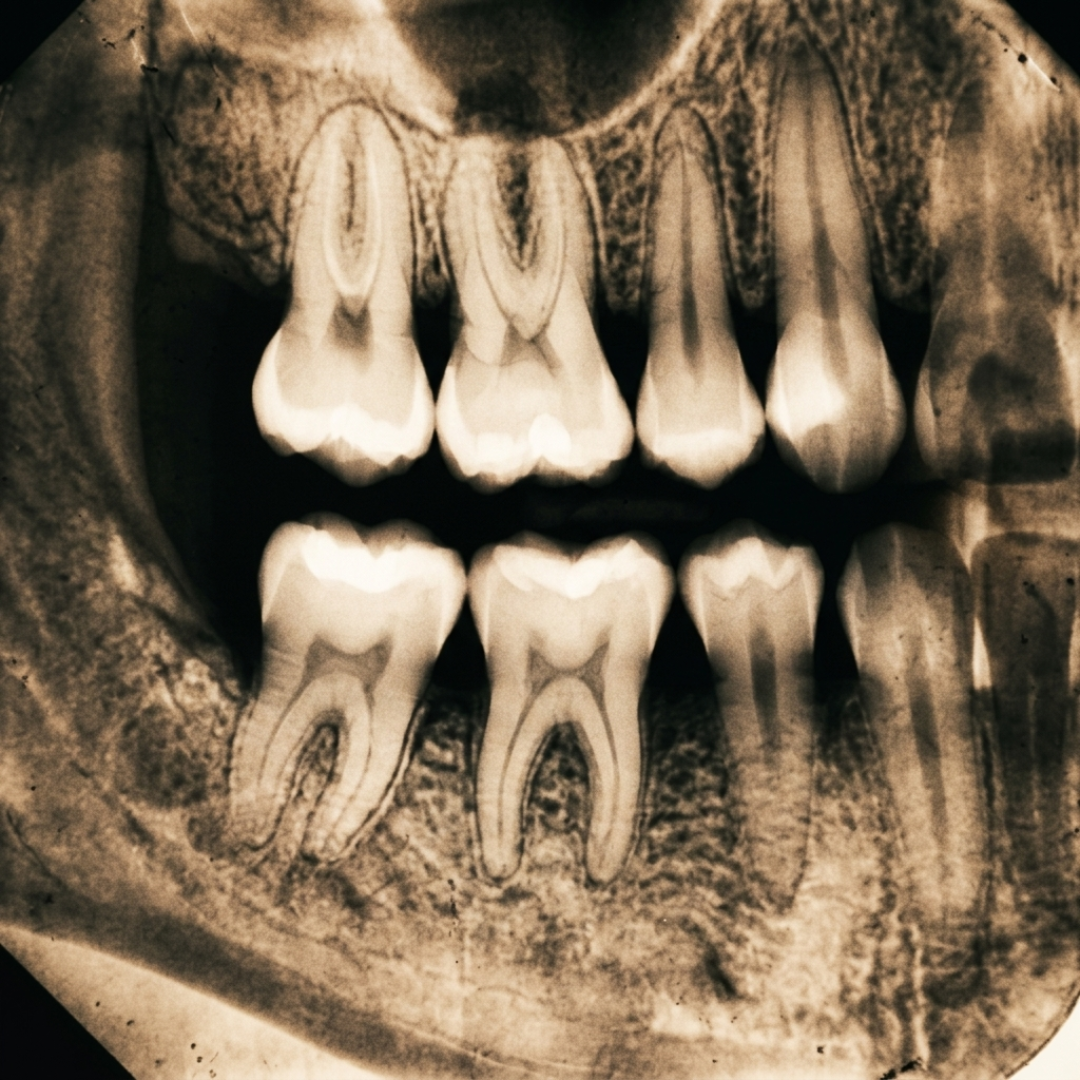
Ran for 35 days, from June 9 to July 13, 2026, the last day Crush saw it.
Run by Dr. Vanessa Veracruz on Facebook. Crush is not the advertiser and does not verify its claims. See this ad in Meta's Ad Library(opens in a new tab)
Want an ad like this for your product?
Crush makes new ad images for your product from this ad: your logo, your product photo, your offer.
Trials from $19.95 USD, then $79.95 USD a month. Cancel anytime.
About this ad
- Meta Ad Library ID
- 1739229163922079
- Platforms
- Facebook, Instagram, Audience Network, Messenger and Threads
- Relaunches
- 1
- Niche
- Skincare & Beauty
Ad text
The most dangerous sign of Sjögren's is not a dry mouth. It is not cracked lips. It is not difficulty swallowing. It is not waking up at 3 AM reaching for a glass of water. And it is not even the burning sensation that makes every meal feel like punishment. I know that because I have spent 22 years watching patients come into my office with every single one of those symptoms and still leave without understanding what was actually happening inside their mouths. My name is Dr. Vanessa Veracruz. I've been an oral medicine specialist for 22 years. I've watched Sjögren's dissolve teeth from the inside out. I've sat across from patients and explained what full mouth reconstruction means. I've watched women lose tooth after tooth to cavities they never saw coming — while doing everything their doctors told them to do. Every single one of them had missed the real warning sign. Not because they weren't paying attention. Because nobody had told them what to look for. The most dangerous sign of Sjögren's is silent mineral loss that starts before you feel any pain. Your enamel is 97% one mineral — hydroxyapatite. It's what makes your teeth hard. What makes them white. What makes them strong enough to chew every meal for eighty years. And your body has exactly one system for delivering that mineral to your teeth. Saliva. Saliva isn't mouth water. That distinction is everything. Saliva continuously bathes your enamel in hydroxyapatite — replacing the microscopic amounts lost every day from acids, from grinding, from normal wear. It neutralizes the acid from every meal that dissolves that mineral on contact. It carries antimicrobial compounds that fight the bacteria responsible for cavities and gum disease. It maintains the chemical environment that keeps your enamel intact. When saliva flow is healthy, your mouth runs a constant repair cycle. Mineral leaves during the day. Saliva delivers it back overnight. Loss and replacement. Loss and replacement. As long as the system is running, your teeth hold. When Sjögren's destroys your salivary glands — when your own immune system attacks the tissue that produces saliva — that cycle breaks. The mineral keeps leaving. Nothing replaces it. Every day, a little more gone. Every week, the enamel thinner. Every month, the porosity deeper — microscopic holes forming in the structure where the mineral used to be. And you can't feel it happening. Enamel has no nerve endings. By the time a cavity hurts, it's already reached dentin. By the time sensitivity becomes unbearable, the mineral barrier protecting the nerve has been thinning for years. I've watched patients describe that dryness to me as though they were reporting a minor inconvenience. A little parched sometimes. Probably just need more water. My rheumatologist said we'd keep an eye on it. I have heard that sentence more times than I can count. I know what "keeping an eye on it" looks like from the other end. It looks like six-month dental appointments that document new cavities in neat little rows while the oral environment quietly collapses between visits. It looks like $2,600 crowns on teeth that were healthy two years ago. It looks like a woman sitting in my chair at 54 who has spent more on dental work in three years than on her car. Your mouth can look fine from the outside the entire time this is happening. The damage builds invisibly — until it doesn't. You were not neglecting your teeth. You were fighting a systemic autoimmune condition with a toothbrush. And losing. That dryness your rheumatologist told you to manage with water? It isn't a comfort problem. It's evidence that your body's only mineral delivery system for your teeth has been shut down. And every product your dentist recommended instead was treating a symptom of the mineral loss — not the mineral loss itself. Sensodyne numbs the nerve with potassium nitrate so you can't feel the damage. Stop using it and the pain comes back — because nothing was rebuilt. The mineral barrier is still thinning underneath. Biotene and dry mouth sprays coat the surface for twenty minutes and evaporate. They contain none of the mineral saliva was delivering. None of the antimicrobial compounds. None of the pH regulation. Spraying moisture into a mouth that's lost its mineral delivery system is like mopping the deck of a sinking ship. Fluoride hardens the outer surface with a different mineral — fluorapatite. It can't rebuild what's lost inside. It's a coat of paint on a crumbling wall. And water — the thing every doctor tells you to drink — wets the surface for minutes. Contains none of the minerals. And worse — constant sipping dilutes and washes away the small amount of protective saliva your damaged glands are still producing. You are rinsing away your last line of defense with the best of intentions. Every one of these products manages a sensation. None of them replaces the mineral. And while you've been managing sensations — the mineral loss has been progressing. Silently. Structurally. Appointment after appointment. The enamel thins until the yellow dentin layer underneath shows through. That's the yellowing she thinks is coffee stains. It's not. It's her enamel becoming transparent. The enamel becomes porous. Microscopic pores trap stains deep inside where no toothbrush reaches. Whitening strips more mineral and creates more pores. The yellowing gets worse every time she whitens. The mineral barrier protecting the nerve thins until cold water fires the nerve directly. Hot coffee triggers it. That's not "sensitivity." That's mineral loss exposing the nerve — and it progresses. The enamel weakens until ordinary food cracks it. A crown. $2,600. And every other tooth is on the same timeline. And on top of the Sjögren's — the same five forces that strip mineral from every woman's teeth after 50 are still running. Thirty years of acids from coffee and wine. Menopause accelerating mineral loss two to three times faster. Over 500 medications causing additional dryness. Grinding wearing down what's left every night. Whitening chemically stripping the mineral with every session. Five forces stripping the mineral. The one system designed to replace it — saliva — shut down by her own immune system. That's why everything collapses at once. It built for years — silently — while she was sipping water and doing everything she was told. The mineral your teeth are made of — hydroxyapatite — has been used in dental care across Europe and Japan for over forty years. NASA developed the synthesis technology in the 1970s for astronauts losing tooth and bone mineral in zero gravity. Japanese dentists apply it to children's teeth as standard prevention. The Japanese government recognized it as an anti-cavity agent in 1993. The research exists. Published. Peer-reviewed. Forty years of clinical validation. In America — dentists are still prescribing Sensodyne and scheduling crowns. Hydroxyapatite toothpastes exist here — Boka, RiseWell. Good ingredient. But a toothpaste rinses away in thirty seconds. The mineral needs sustained contact to absorb into porous enamel and rebuild density. Thirty seconds isn't enough. It goes down the drain with your spit. Then a colleague in Denver told me about something different. A chewable tablet formulated by a retired dentist — Dr. Ophelia Blue. Twenty-six years of clinical practice. She'd left the system and built what American dentistry would never create — a three-ingredient mineral replacement system designed to stay in contact with enamel for hours. Pharmaceutical-grade nano-hydroxyapatite — the exact mineral enamel is made of — to fill porosity and rebuild density. Xylitol to starve the acid-producing bacteria that thrive in a Sjögren's mouth and create the optimal pH for mineral absorption. And a three-strain oral probiotic blend to restore healthy saliva production — restarting the body's own mineral delivery system. One ingredient replaces the mineral. One creates the conditions for absorption. One restarts the delivery system that was supposed to be doing this all along. A patient came to my practice seven months ago. Sjögren's diagnosed five years prior. Doing everything right — Biotene three times daily, water bottle everywhere, three-month cleanings, electric toothbrush, fluoride rinse at night. Perfect compliance. Thirteen cavities since diagnosis. Three crowns. $11,400 in dental work. Her teeth were still failing and her dentist's only answer was "we'll keep monitoring it." She sat in my chair and said something I hear more than anything else. "I don't understand. I haven't changed anything. Why is everything falling apart?" I explained it the way I'd explained it hundreds of times. "Your mouth isn't falling apart because you're not cleaning it. It's falling apart because saliva was delivering the mineral your teeth are made of — every hour of every day — and Sjögren's shut that system down. You've been managing the moisture. Nobody replaced the mineral. Brushing cleans the surface. It doesn't replace a single molecule of what your enamel is losing." She was skeptical. Five years of compliance and every recommended product hadn't changed anything. Week two — she slept through the night without reaching for water. First time in over two years. Week four — the sensitivity to cold that had been constant since diagnosis started quieting. She drank room temperature water without bracing. Then — without thinking — took a sip of her daughter's iced tea. Waited. Nothing. Week eight — first dental appointment in five years where her hygienist found no new active decay. Her hygienist measured twice. Pulled up the chart. "Your enamel density hasn't declined. Two sites improved. What are you doing?" She told her everything. The mineral. The mechanism. The three-ingredient system. Week twelve — the additional restorative work her dentist had been planning — two more crowns, $5,200 — was paused. He looked at her chart. Looked at her teeth. Looked back at the chart. "Whatever you changed, keep doing it." She called me from the parking lot. Crying. Not the kind of crying I'd seen in my office for twenty-two years — the grief crying, the fear crying. This was different. This was relief. That was six months ago. She hasn't had a new cavity since. I share this because what I see in American dentistry is a knowledge gap that costs women their teeth. Women with Sjögren's told to sip water while their enamel dissolves. Women on medications that cause dry mouth — blood pressure meds, antidepressants, antihistamines — watching the same progression without anyone connecting it. Women who blame themselves for cavities that were never about hygiene. Women who sit in their cars after dental appointments in quiet grief because every visit brings worse news despite doing everything right. They weren't failing. The protocol was failing them. American dental training treats Sjögren's dry mouth as a comfort problem to manage. It is a mineral delivery problem to address. When saliva fails, you don't replace the moisture. You replace the mineral the moisture was delivering. That distinction — moisture versus mineral — is the entire gap. It's not complicated. It's just not in the standard protocol. Your teeth aren't falling apart because you're not brushing hard enough. They're falling apart because they're losing the mineral they're made of — and nothing you're using puts it back. Sensitivity. Yellowing. Cracking. Cavities out of nowhere. These aren't separate problems. They're stages of one thing — mineral loss. Fix the mineral loss and the symptoms follow. The article that explained all of this — the mineral, why nothing in your bathroom replaces it, and the dentist-formulated system that does — is what led me to what I use every night. You can read the research yourself. 👉 dentaltruthjournal.com/pages/teeth — Dr. Vanessa Veracruz P.S. — I take SmileGuard myself. Not because of Sjögren's — because I'm 54 and take blood pressure medication that reduces saliva production. I know exactly what that means for mineral loss. My husband started after his dentist quoted him $3,200 for a crown. $3,200 per tooth — or $25 a month to replace the mineral. After twenty-two years watching what mineral loss does — the math doesn't require a medical degree. P.P.S. — I don't work for SmileGuard. I'm not paid. I'm a specialist who spent twenty-two years watching teeth fail for the same reason — mineral leaving with nothing coming back. If someone you love has Sjögren's, or takes medication that dries their mouth, or has been sipping water for years while their teeth get worse — please share this. Every month without mineral replacement is another month of loss that compounds the next. You probably already know exactly who needs to read this.
Where the ad sends people
smileguard.store
👆 Rebuild Enamel with One Chew
"This actually worked, thank you so much." — Emily T.
Learn more: smileguard.store(opens in a new tab)