Dr. Vanessa Veracruz
Dr. Vanessa Veracruz Facebook ad: “Rebuild Enamel with One Chew”
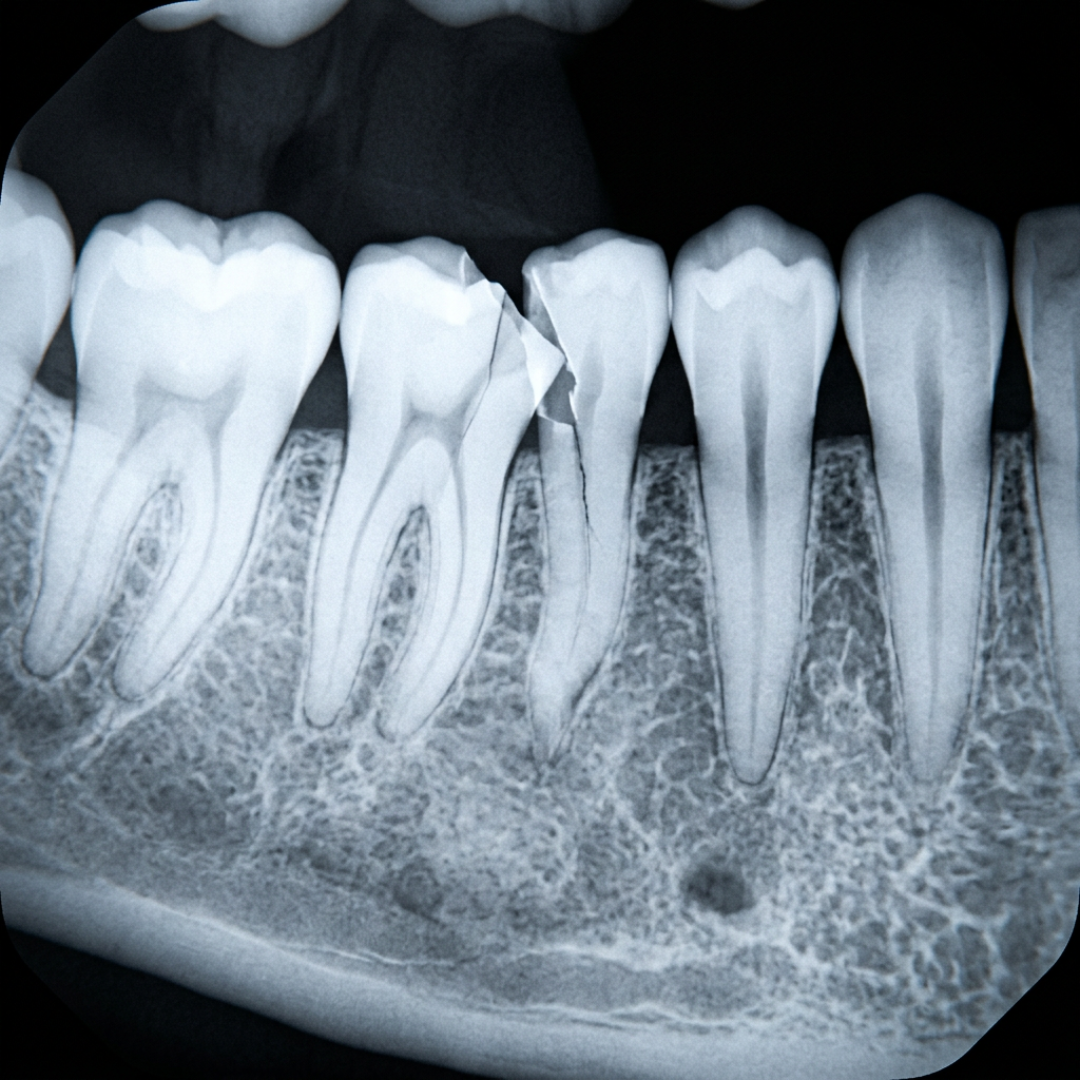
Ran for 47 days, from June 12 to July 29, 2026, the last day Crush saw it.
Run by Dr. Vanessa Veracruz on Facebook. Crush is not the advertiser and does not verify its claims. See this ad in Meta's Ad Library(opens in a new tab)
Want an ad like this for your product?
Crush makes new ad images for your product from this ad: your logo, your product photo, your offer.
Trials from $19.95 USD, then $79.95 USD a month. Cancel anytime.
About this ad
- Meta Ad Library ID
- 2091574128067958
- Platforms
- Facebook, Instagram, Audience Network, Messenger and Threads
- Relaunches
- 2
- Niche
- Skincare & Beauty
Ad text
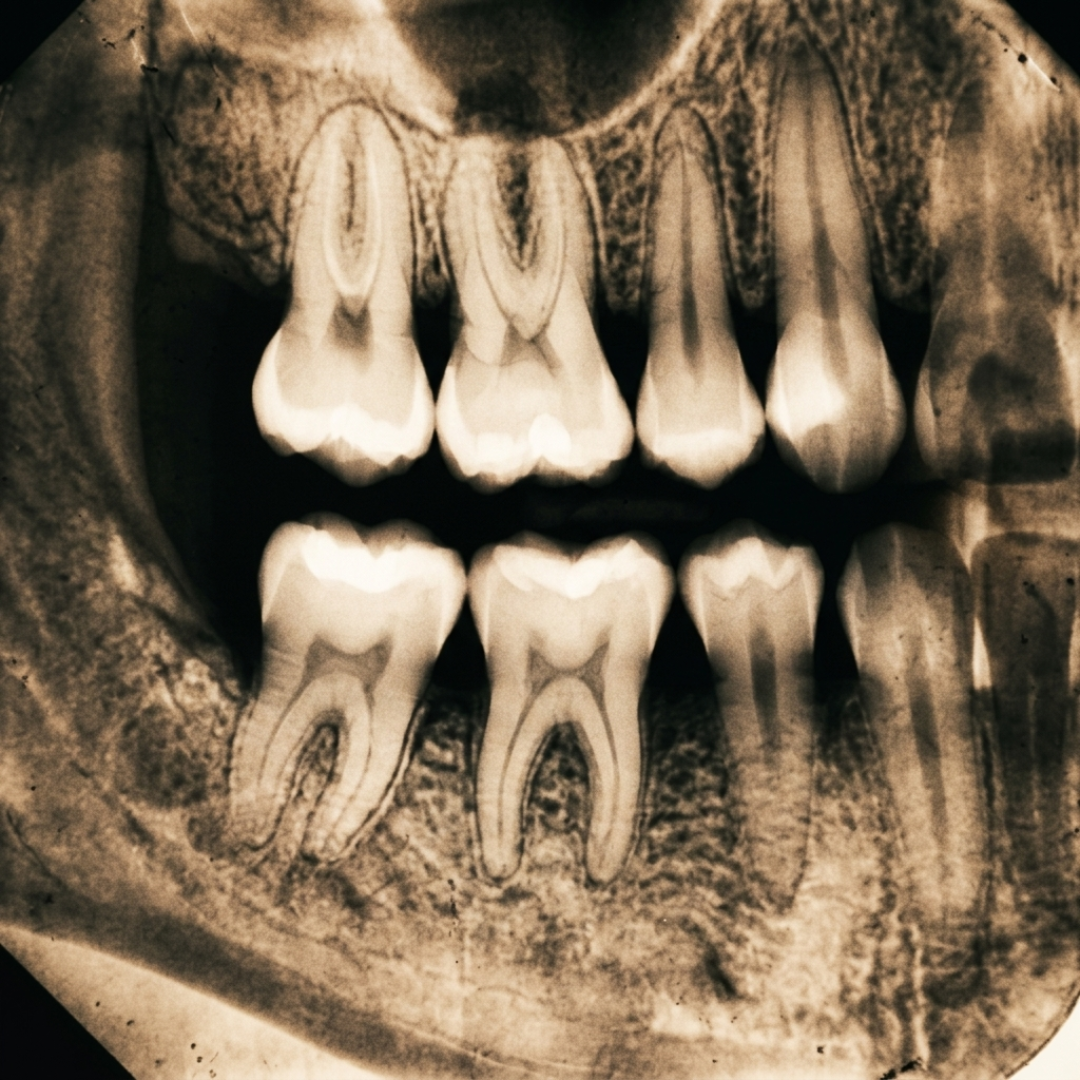
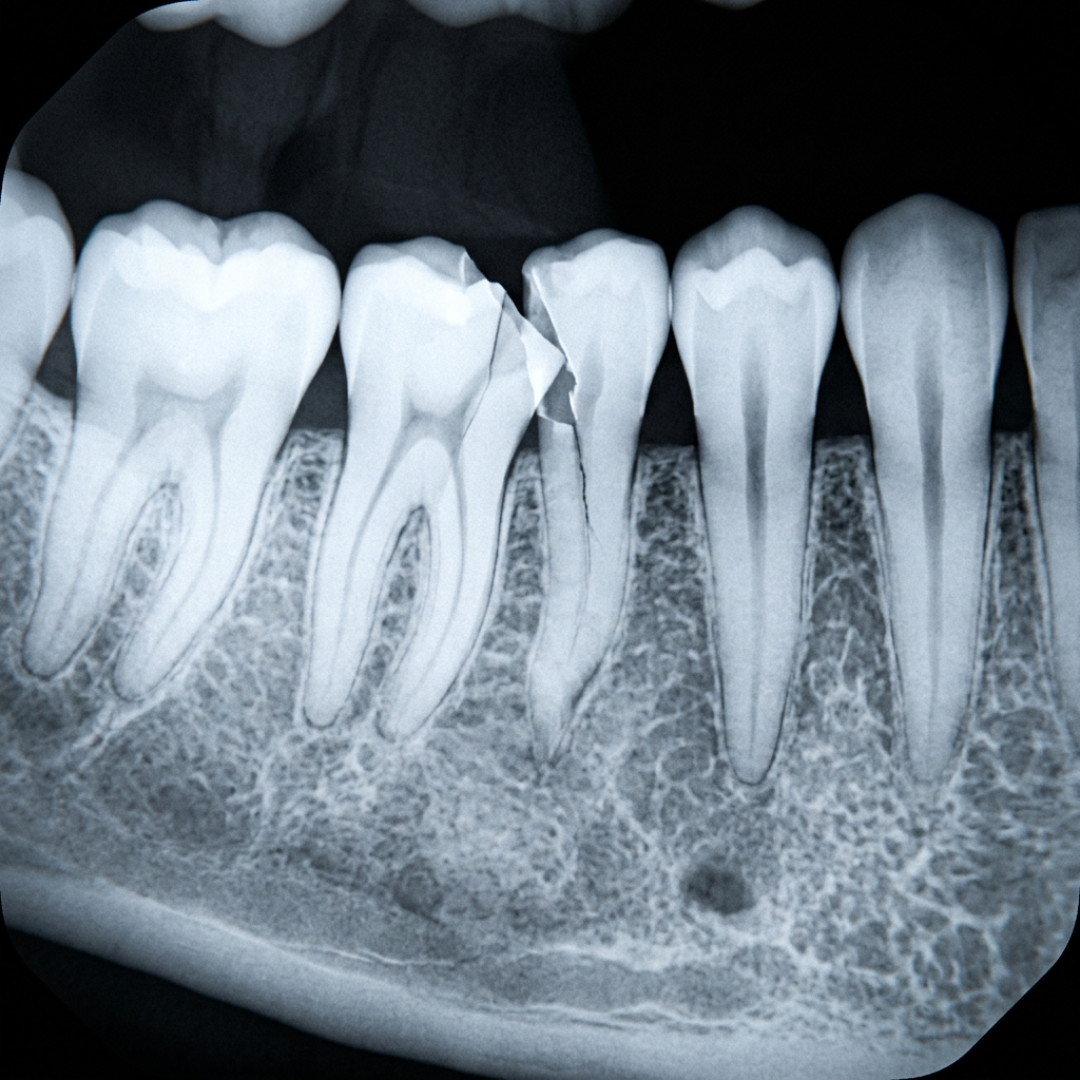
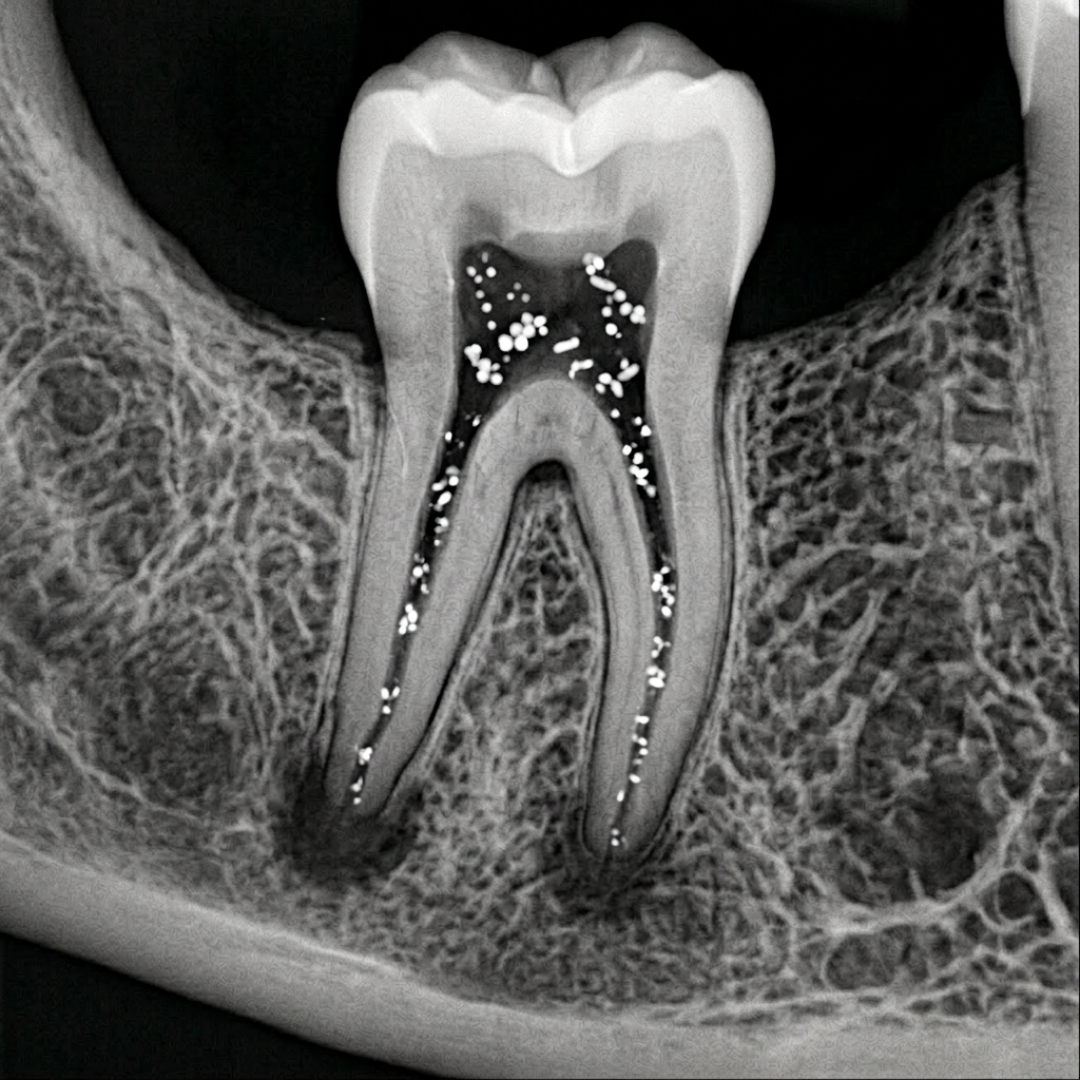
The best way to protect your teeth is NOT brushing harder, NOT switching toothpaste, and definitely NOT waiting for crowns. If your dentist has mentioned thinning enamel, increasing sensitivity, or teeth that keep cracking — you need to read this. What they don't tell you is what comes next. I used to ask every patient the same thing before cementing their crown: "What did your dentist tell you when the sensitivity first started?" After 23 years and thousands of patients, I stopped asking. The answer was always the same. "He said it was normal wear." "She said to try Sensodyne." "They said to keep an eye on it." The chairs aren't full of people who neglected their teeth. They're full of people who trusted the wrong advice. I'm telling you this now because six months ago I sat in my own dentist's chair and heard the same words I've been saying to patients for two decades — "Your enamel is thinning. Let's keep an eye on it." I'm a board-certified dentist. Twenty-three years of clinical practice. I've done more crowns, root canals, and extractions than I can count. Let me tell you what the trajectory actually looks like when "keeping an eye on it" is the only plan. It starts with sensitivity. A zing on cold water. Maybe hot coffee. Your dentist prescribes Sensodyne. The nerve numbs. You think it's handled. It's not handled. The enamel is still thinning underneath. Then the yellowing. Not coffee stains — structural yellowing. The enamel gets thin enough that the yellow dentin layer underneath shows through. You try whitening. The hydrogen peroxide strips more mineral from the surface. The yellowing comes back darker. The sensitivity comes back worse. Then a tooth cracks. Not on anything hard — on bread, on a cashew, on pasta. Your dentist says "wear and tear" and quotes you $2,600 for a crown. You pay it. You think that's the end. It's not the end. It's the beginning of the cascade. Crown after crown. $2,600 each. Then a root canal — $1,800. Then the tooth under the crown fails anyway — $5,000 implant. Then another tooth. Then partial dentures. I've watched patients spend $30,000 to $60,000 over a decade — one procedure at a time, one tooth at a time — while the cause was never addressed. Not once. I've watched women stop smiling in photos because they're ashamed of what their teeth look like. I've watched them stop eating in public because they can't bite into anything without pain. I've watched them cover their mouths when they laugh — and eventually stop laughing at all. I've watched husbands sit in the waiting room staring at a bill they can't afford for a procedure that treats one tooth while every other tooth continues the same decline. One of my patients — Gloria, 64, eight crowns, two implants, $31,000 over six years — told me something I think about every day. She said — "If someone had told me WHY this was happening when I was 50, I'd still have my real teeth." Every single one of them was told to "keep an eye on it." So here's the trap most people are stuck in. Path one — follow doctor's orders. Sensodyne for the sensitivity. Fluoride rinse for the enamel. Whitening for the yellowing. A night guard for the grinding. Come back in six months. Watch it get worse anyway. Pay $2,600 every time a tooth crosses the line. Repeat until there's nothing left to crown. Path two — do nothing. Ignore the sensitivity. Ignore the yellowing. Ignore the cracking until a tooth breaks at dinner and you're in an emergency visit at 9 PM. The bills come faster. The options narrow. Someone eventually says "implant" or "denture" and you realize the word applies to you. Both paths lead to the same chair. Because neither one addresses why the teeth are failing in the first place. Six months ago I sat in my colleague's office — Dr. Rosen, my own dentist for 15 years — and he showed me my X-rays. "Vanessa, your enamel is showing thinning across multiple posterior teeth. Sensitivity getting worse?" "Yes." "Typical for your age. Let's keep an eye on it." I sat there and felt something I hadn't felt in 23 years of practice. Terror. Because I know what "keep an eye on it" leads to. I've held the drill for thousands of women whose enamel looked exactly like mine does now. I wasn't going to keep an eye on it. I was going to find out why it was happening. I went home that night, sat at my kitchen table, and started reading research I should have been shown two decades ago. Here's what nobody explains — not in dental school, not in continuing education, not in a single textbook I was given in four years of training. Your enamel is 97% one mineral — hydroxyapatite. You were born with a full supply. After your mid-30s, your body stops replacing it at the rate you lose it. And every day, five forces strip it from the surface. Acids from decades of coffee, wine, citrus — dissolving mineral on contact. Nighttime grinding — 70% of adults do it without knowing, wearing away microscopic layers that never grow back. Medications that cause dry mouth — over 500 common prescriptions shut down saliva, the body's natural mineral delivery system. Less saliva means faster loss. Whitening — hydrogen peroxide chemically dissolves the mineral every session, making enamel more porous, not less. And for women after menopause — estrogen decline accelerates the loss two to three times. Your doctor screens your bones for mineral loss. Gives you calcium. Nobody screens your teeth. Nobody replaces the mineral your enamel is made of. Different mineral. Same hormonal trigger. Before 50, the damage is slow enough to hide. After 50, every safety net collapses at once. That's why it feels like everything goes wrong at the same time — sensitivity, yellowing, cracking, cavities, recession — all at once. These aren't five separate problems. They're five symptoms of one thing — enamel losing the mineral it's made of. And here's the part that should make you angry. Not one product sold in America — not Sensodyne, not fluoride rinse, not whitening strips, not mouthwash — replaces a single molecule of it. Sensodyne numbs the nerve. The mineral is still gone. Fluoride hardens the surface with a different mineral — it cannot rebuild what's been lost inside. Whitening strips more of the mineral every time you use it. Mouthwash kills bacteria for 45 minutes and does nothing for structure. "Enamel repair" toothpaste is calcium carbonate — chalk — that rinses off in 30 seconds. Every product targets a symptom. None address the cause. The mineral loss continues underneath everything you're doing on top. And the monitoring — the X-rays, the measurements, the "let's keep an eye on it" — just measures how much mineral you've lost. Nobody is putting it back. When I started pulling research — PubMed, Japanese dental journals, studies I should have been shown 23 years ago — I found what American dentistry has ignored for four decades. Hydroxyapatite — the exact mineral enamel is made of — has been standard care in Japanese dentistry for over 40 years. NASA developed the technology in the 1970s for astronauts losing tooth mineral in zero gravity. Japanese pediatric dentists give it to children before their first cavity ever forms. Thousands of peer-reviewed studies. Standard protocol in one of the healthiest dental populations on earth. And in American dental school — not one lecture. Not one textbook page. In 23 years of practice, I was never taught that the mineral could be replaced. That should make you angry. Not at your dentist. At the structure that kept this from all of us — including the dentist writing this. A crown generates $2,600 in revenue. A root canal is $1,800. An implant runs $5,000. A $25 monthly supplement that prevents all of it? There's no billing code for mineral replacement. There never has been. You can't build a dental practice around prevention. The entire system is designed to profit from the damage — not prevent it. And I understood immediately why every hydroxyapatite toothpaste on the shelf had never worked for anyone I knew. One critical failure — delivery. A toothpaste rinses away in 30 seconds. The mineral needs sustained contact — hours, not seconds — to absorb into porous enamel and rebuild from the inside. Using hydroxyapatite toothpaste and rinsing it off is like applying sunscreen and jumping straight into the shower. The ingredient is correct. The delivery is useless. If you tried a hydroxyapatite toothpaste and it did nothing — you weren't wrong to try. The format was wrong. That's when I found a formulation that solved the delivery problem. A chewable tablet designed by a retired dentist named Dr. Ophelia Blue — 26 years of practice in Denver. She built what the system never had a reason to create. Three ingredients working as a system — remove one and it breaks. Nano-hydroxyapatite — pharmaceutical-grade, small enough to penetrate microscopic pores and rebuild enamel density from the inside. Xylitol — creates the optimal pH for the mineral to absorb, starves acid-producing bacteria, clears the biofilm trapping stains on the surface. An oral probiotic blend — restores saliva production and protects what's been rebuilt overnight. One rebuilds the mineral. One creates the conditions for rebuilding. One protects what's been rebuilt. The product is called SmileGuard Oral Defense Chews. You chew for 30 seconds before bed. The mineral coats every tooth surface — front, back, top, bottom, gumline. The film stays for hours — not the 30 seconds a toothpaste gives you before it goes down the drain. Made in an FDA-registered facility in Denver, Colorado. Third-party tested. 3,123 verified reviews — 4.9 average. 90-day money-back guarantee. Here's what happened to me. Week 2 — the sensitivity to cold started fading. Not numbed — fading. The mineral barrier was rebuilding over the nerve. I could feel the difference between Sensodyne suppressing a signal and this — the signal actually quieting because the structure underneath was coming back. Week 4 — my teeth looked different. The dull, grayish tone I'd been watching for months was receding. Brighter in a way whitening never achieved — because this wasn't bleaching. It was the enamel itself getting denser. My gums stopped bleeding during flossing. I hadn't even been tracking that — I just noticed it was gone. Week 8 — I went back to Dr. Rosen. He measured my enamel density. Paused. Measured again. "The thinning has stabilized. Actually — density looks improved in several areas. That's unusual." He looked at me. "Keep doing whatever you're doing." I've said those exact words to my own patients hundreds of times. I never expected to hear them about my own teeth. I told Gloria at her next appointment. She looked at me with tears in her eyes and said — "Tell everyone. Don't let them end up like me." That's why I'm writing this. You're in a window right now. The thinning phase — the "let's keep an eye on it" phase — is the only phase where the trajectory can change. Every patient sitting in my chair with $30,000 in dental work was in this window once. Every one of them would give anything to go back to it. Once a tooth is crowned, that tooth is managed for life. Once it's extracted, it's gone. The mineral loss underneath doesn't stop just because the crown is on. The window closes slowly. Then all at once. Everything I've explained — the mineral, the mechanism, the failed alternatives, and the three-ingredient system — is in the article below. 👉 dentaltruthjournal.com/pages/teeth Your teeth aren't aging. They're starving for one specific mineral. And nobody's replacing it. Don't let someone else tell your story with the words "I wish somebody had told me sooner." I just did. 👉 dentaltruthjournal.com/pages/teeth — Dr. Vanessa Veracruz, DMD P.S. — Gloria spent $31,000 over six years. Eight crowns. Two implants. SmileGuard costs $25 a month. I've been using it for four months — about $100 total. The thinning that sent me to Dr. Rosen's office in a panic has stabilized. My husband started using it after he saw what happened with mine. $100 for both of us versus one $2,600 crown. That math doesn't require a dental degree. P.P.S. — I'm a board-certified dentist with 23 years of clinical experience. I don't work for SmileGuard. I have no financial relationship with the company. I'm writing this because in 23 years of practice and four years of dental school, nobody once told me the mineral could be replaced — and I found the research myself at 2 AM when it was my own teeth on the line. If someone you love is watching her teeth fall apart — your mother, your sister, your friend who hasn't smiled with her mouth open in years — please share this. You already know exactly who.
Where the ad sends people
smileguard.store
👆 Rebuild Enamel with One Chew
"This actually worked, thank you so much." — Emily T.
Learn more: smileguard.store(opens in a new tab)