
Inactive· since Jun 11, 2026
- 33
- days it ran
- 0
- relaunches
Ad copy
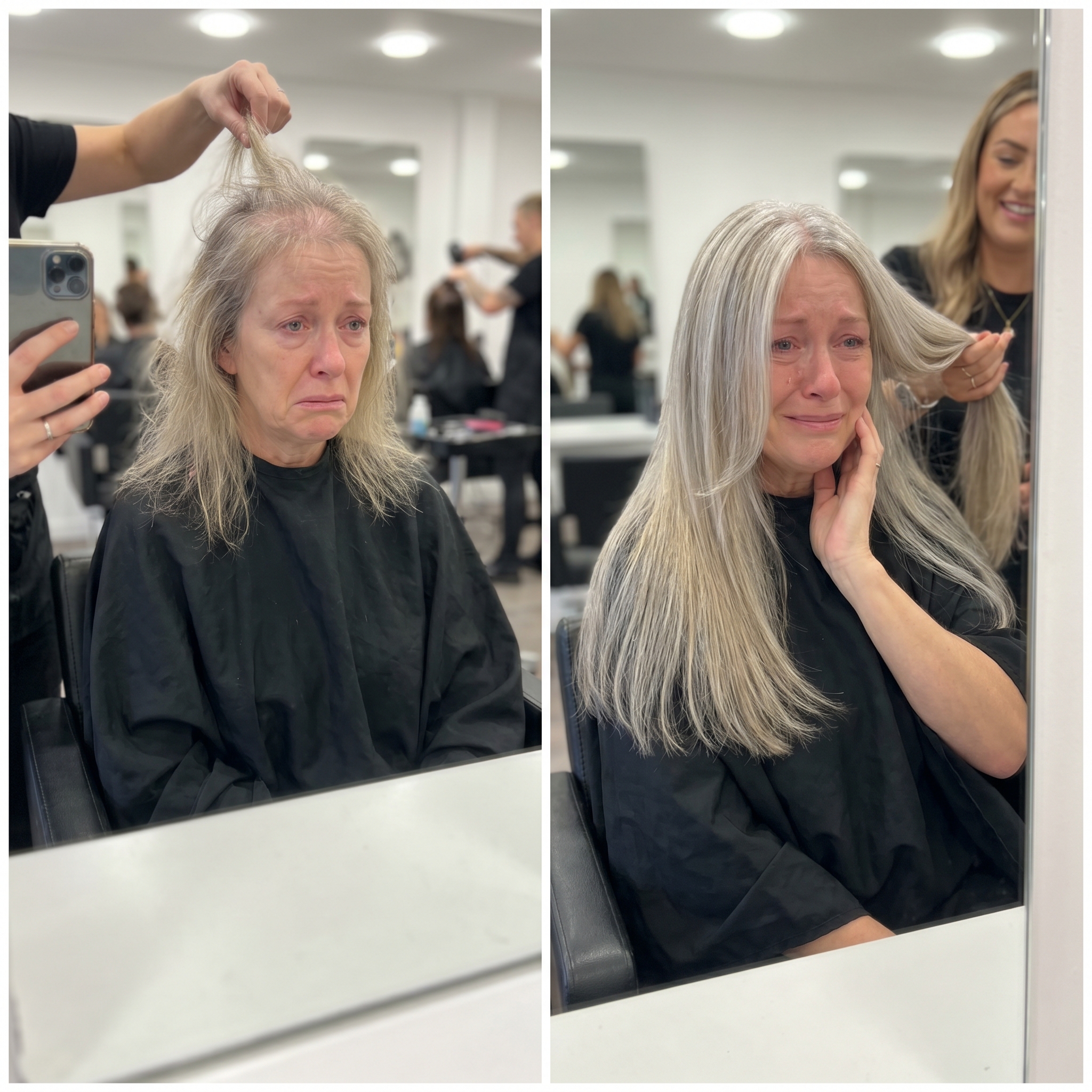
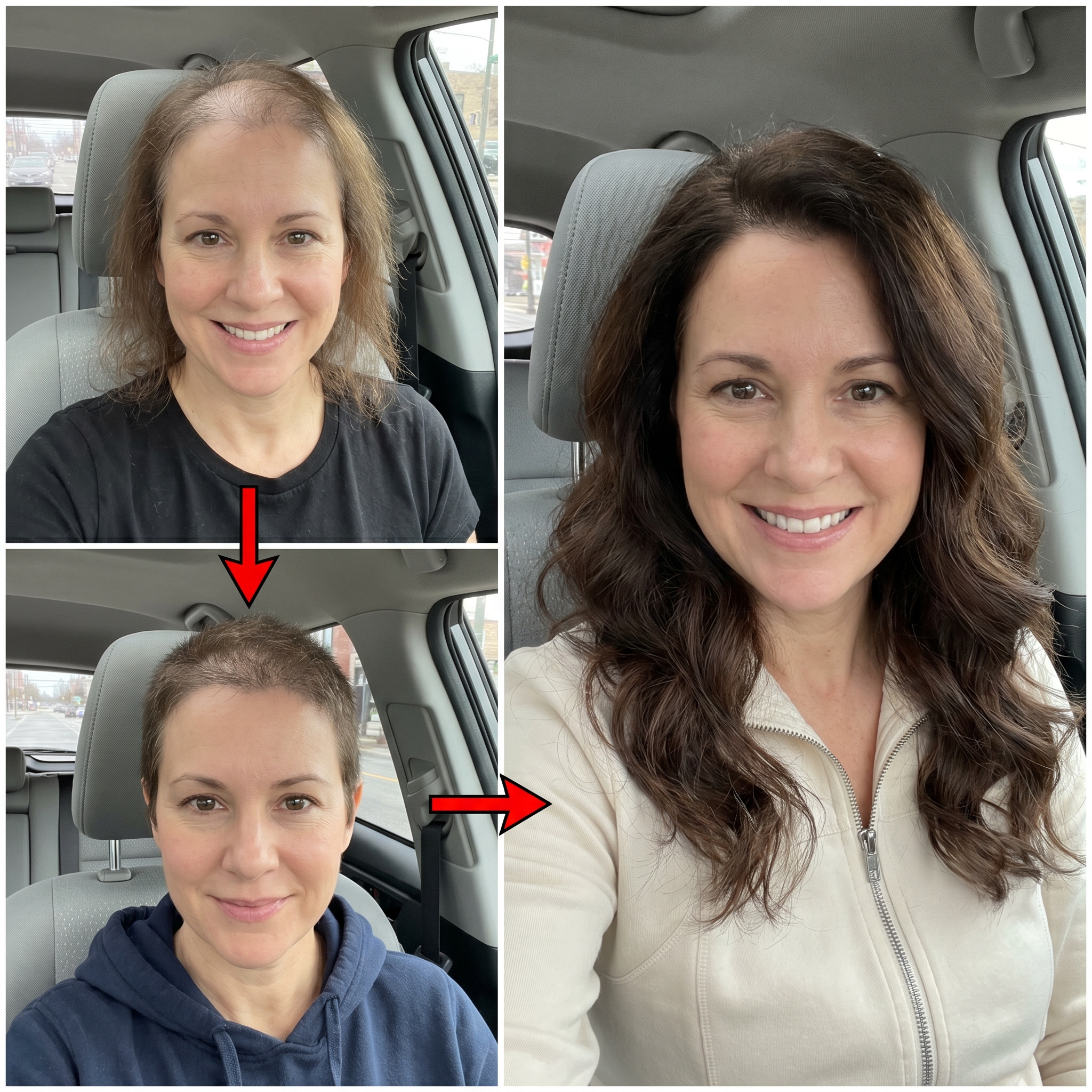
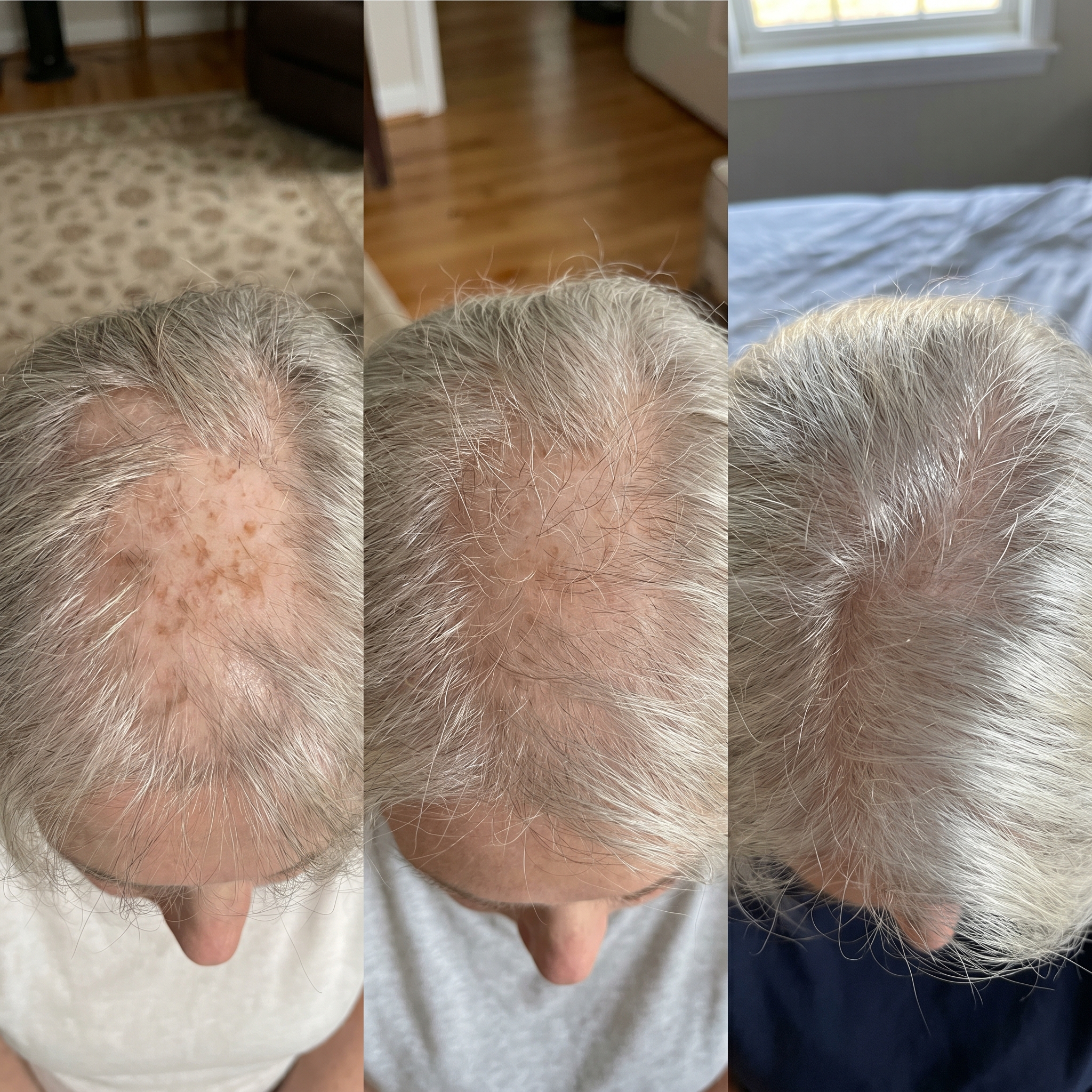
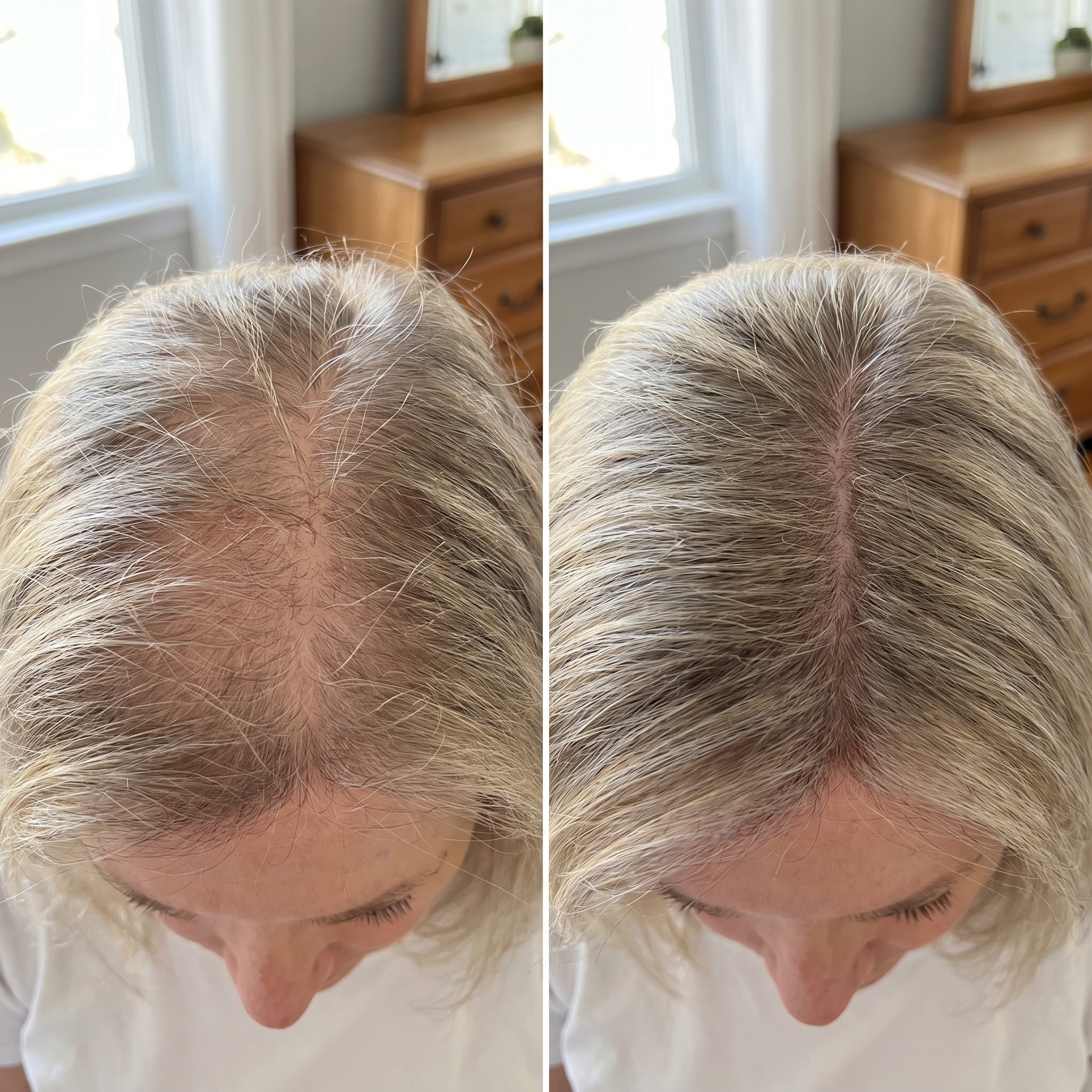
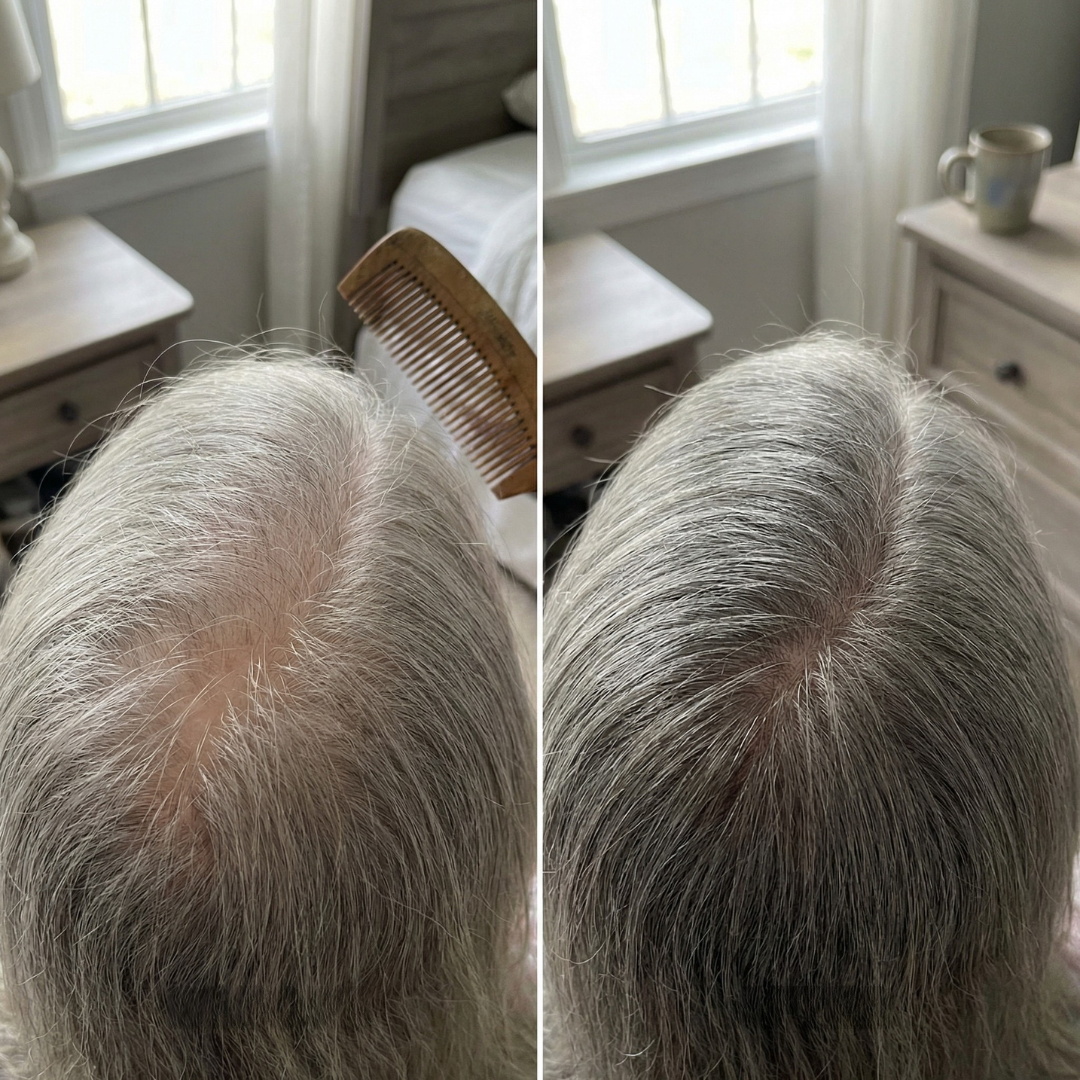
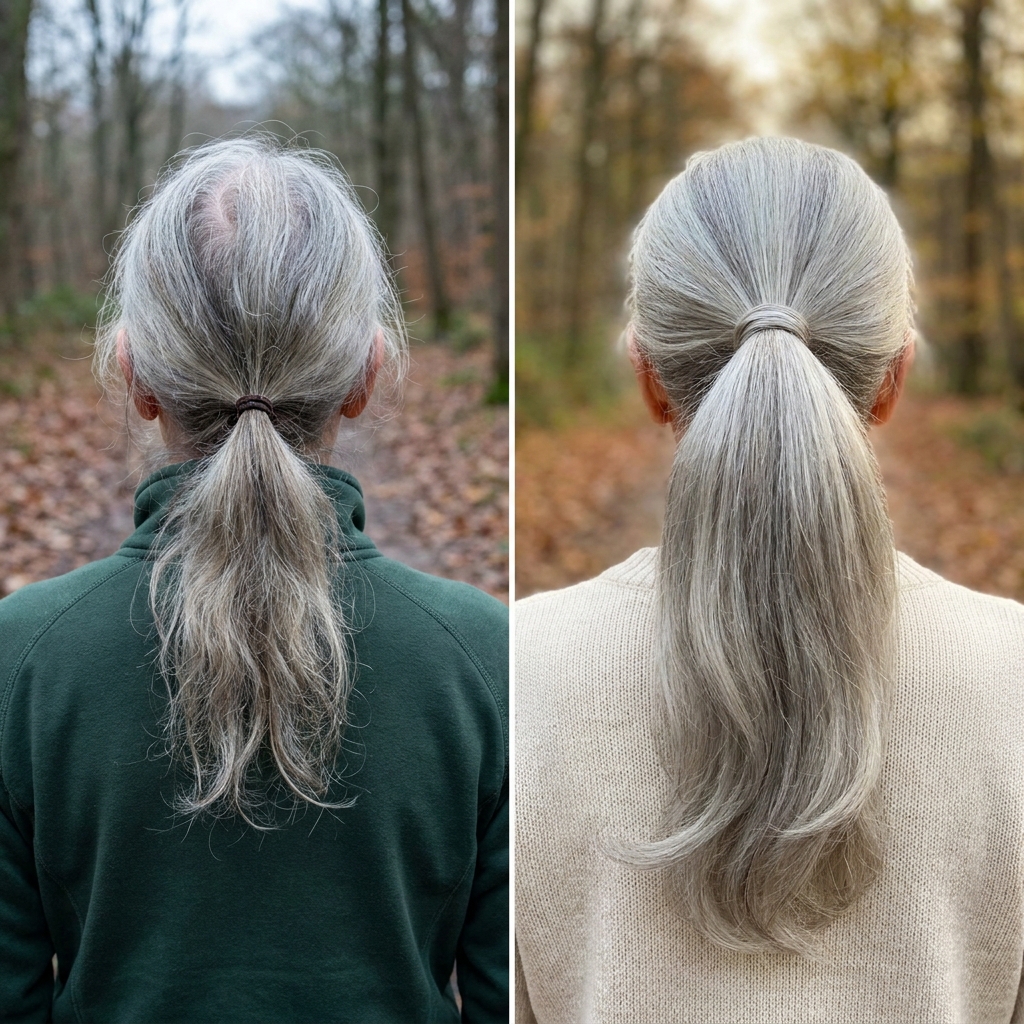
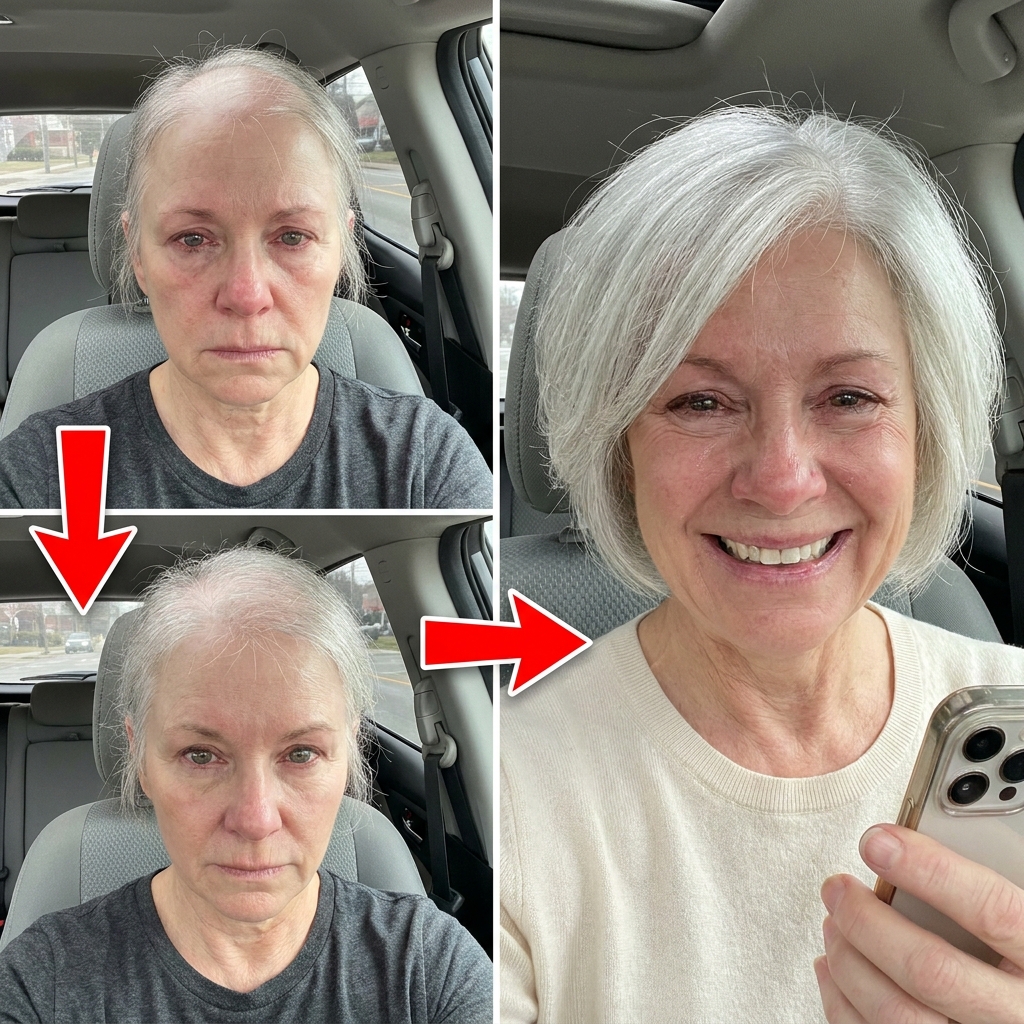
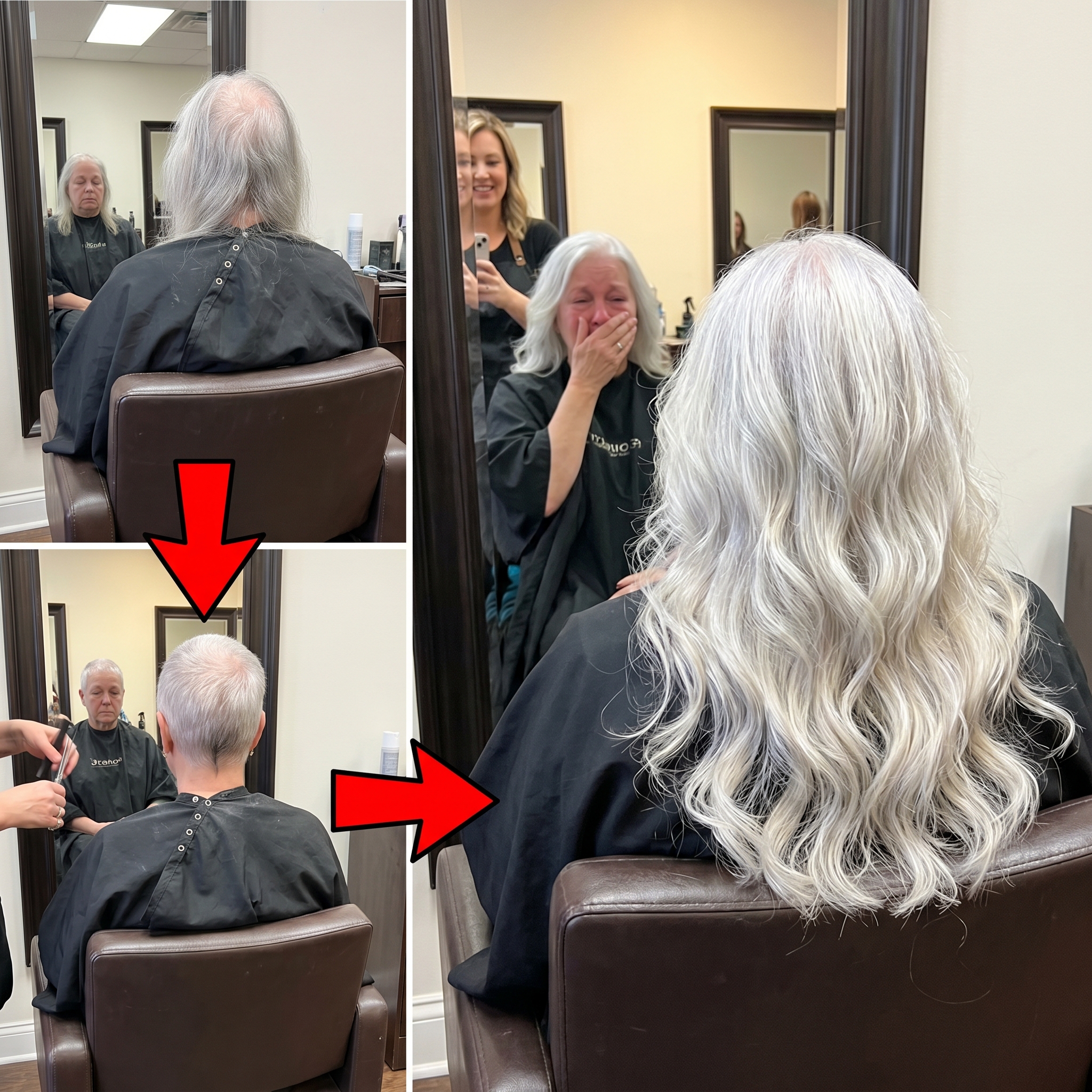
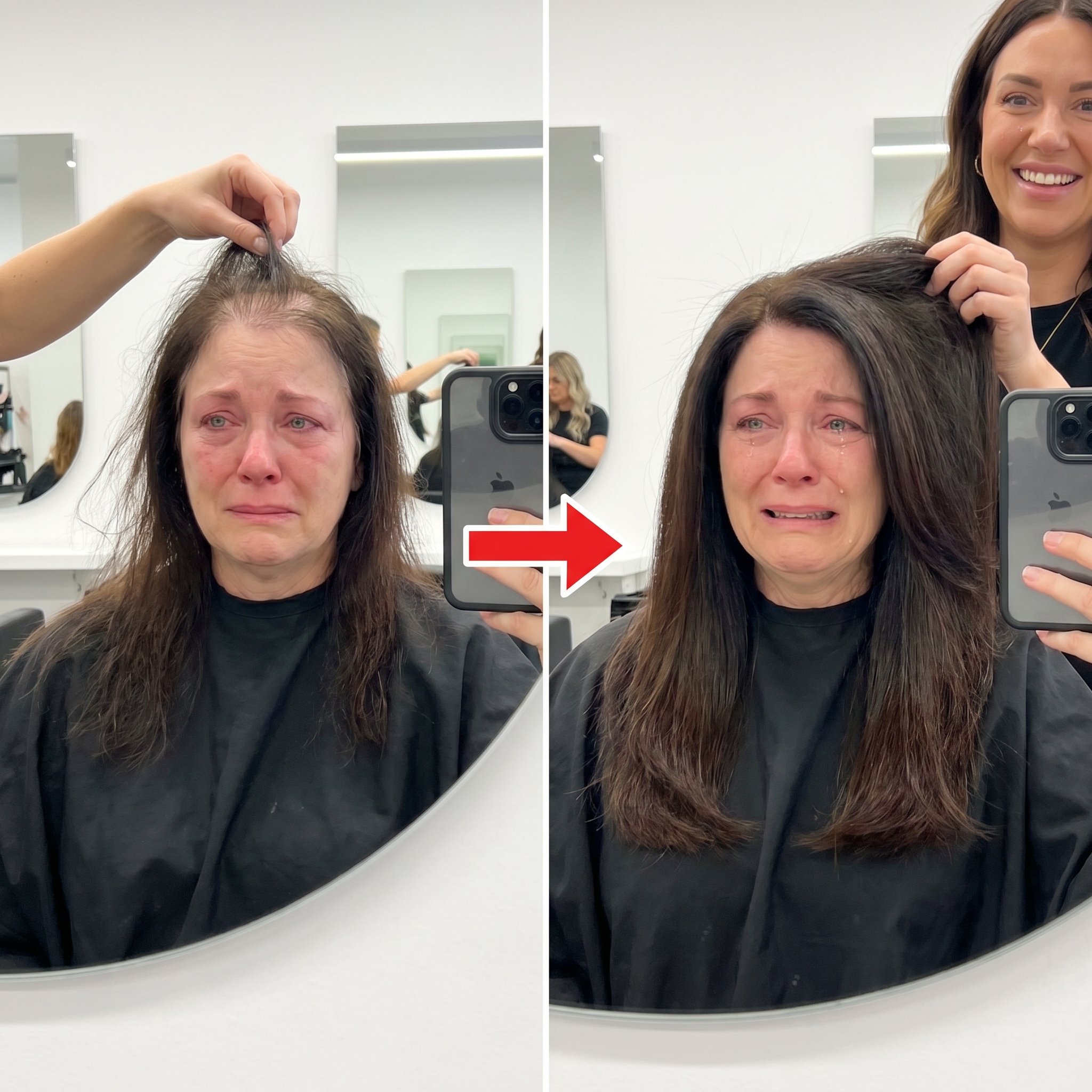
Volumisers, root-touch-up sprays, a shade-darker dye: Britain's haircare industry has spent a decade building an entire category for managing how thinning looks. Nothing in it was ever designed to interrupt the process producing it. I know that category better than most, because I bought all of it. I am an estate agent in Reading, fifty-eight, and I have spent thirty years teaching people that presentation sells a house. You stage the rooms, you fix the kerb appeal. Buyers decide in the first ten seconds and everything after is them justifying it. So when my own hair began to thin, somewhere in my early fifties, I did the only thing I knew how to do. I staged it. I started with Toppik. Dark-brown thickening fibres, shaken over the crown each morning, eleven pounds a tube and I went through one most months. Then a root-concealer spray, because the fibres did nothing for a parting and the parting was where it showed. Then a volumising powder at the roots for the days I had viewings. Then a box dye one shade darker than my own, because a darker shade hides the scalp showing through. By the spring before last I had a bathroom drawer given over entirely to it: fibres, spray, powder, dye, a fine-tooth comb for the parting, a hand mirror to check the back. A staging kit. For my own head. The morning it stopped working, I was at a viewing on a road off the Wokingham Road. Three-bed semi, vendor away, I had the keys. The hallway had one of those tall mirrors by the door, the kind every other house in Reading seems to have. Late-morning sun came straight through the fanlight and landed on the top of my head, and in that mirror, for half a second before I looked away, I saw my own scalp. Not a thin parting. A pale band running back from my forehead, the fibres clumped where I had not blended them, and underneath, skin. I had walked in to sell that house on first impressions, and I would not have bought my own head. I stood in a stranger's hallway and did the maths I had been avoiding. The fibres, the sprays, the powder, the dye on its five-week cycle — and a weekend course the previous autumn, three hundred pounds for two days at a salon in Henley, a "thickening and volume masterclass" that turned out to be a stylist teaching me to backcomb and part my hair on the other side. Three hundred pounds to learn a better disguise. Somewhere past five hundred pounds a year, and not one penny of it had ever touched the reason my hair was thinning. A whole career's worth of staging skill, pointed entirely at hiding the problem instead of treating it. That is the part nobody says out loud. The entire aisle is built that way — sprays to colour the gap, powders to lift the root, fibres to bulk the strand, a darker box to swallow the scalp. A concealment economy, and it works as a business precisely because none of it ends. A product that fixed the cause would be bought once. A product that hides the cause is bought forever. I had been a forever customer for four years, and I had mistaken that for trying everything. What I had not tried was understanding what was actually happening up there. So I stopped staging and started reading, the way I read a difficult survey before a sale. And what I had never been told was insultingly simple. The follicles were not dead. They were silenced. As oestrogen falls through perimenopause and after, the balance at the scalp shifts and local DHT activity rises. DHT shortens the anagen phase — the window in which a follicle is actively producing a strand. Shorten that window and each cycle the hair comes through finer and shorter, until the strands are so wispy and brief that the follicle looks, from the outside, as though it has stopped. But it has not. The stem cells are there, the blood supply is there; the follicle is alive and idling, talked out of working. And the part that turned the whole thing for me: the silencing is local. It happens at the scalp, which means whatever interrupts it has to be local too. You cannot stage your way past it from the outside, and you cannot reach it with anything you swallow. It has to go where the problem is. That single fact reorganised everything. Every product in my drawer worked on the visible strand — the dead output — and none went anywhere near the living follicle producing it. I had been painting over damp instead of finding the leak. And what goes at the follicle is reasonably well studied: topical caffeine has been looked at since the early 2010s for exactly this, applied to the scalp nightly so the signal arrives every cycle. That is what brought me to Mellenza, and the first thing I had to do was unlearn the staging instinct, because it is none of the things in my drawer. Not a shampoo. Not a volumiser. Not a supplement. It is a topical serum you spray on the scalp at night — the crown, the parting, the temples. The caffeine works against 5-alpha-reductase at the follicle and holds the growth phase open. There is polygonum multiflorum root extract, out of Korean dermatology research on follicle proliferation; arginine to support the small-vessel circulation that feeds the follicle; and ginger extract for anti-inflammatory scalp support, because an inflamed scalp is a hostile place to grow anything. Biotin sits in the supporting role, to help the integrity of the new growth once it comes — never the headline, just the finish. I sprayed it on the part and the crown every night and made myself a deal: no judging it before twelve weeks, because the anagen cycle moves at its own pace. The first stretch gave me nothing to point at, which I had braced for. What changed first was small and procedural: the dark dusting of fibres I rinsed off the basin each morning grew sparse, then stopped, because there was less coming loose to catch them. Some weeks later my daughter, who notices nothing and remarks on less, glanced at my parting across her kitchen counter, said it looked "filled in a bit", and went back to her tea. I told no one — but I had started, without deciding to, reaching for the root spray a little less. The change I could not argue with came at the front of the parting, where the band had always shown worst. Short hairs, finer and paler than the rest, standing up where everything around them lay flat — too brief to comb, too stubborn to wet down, the most inconvenient thing I had been glad of in years. They did not fill the parting overnight, and I did not expect them to. But week on week the line of pale scalp the morning sun used to find narrowed, until one shop I realised I had not bought the volumising powder, and had not thought to. That is the part I keep coming back to. I had spent four years and the better part of two and a half thousand pounds making certain no one ever saw what was wrong — and the change, when it came, was happening in the exact place all that money had gone to keep hidden. A fortnight ago I had a viewing on the same road off the Wokingham Road, a different house, the same tall hallway mirror by the door. Midday sun through the fanlight, straight onto the top of my head — the exact light that had caught me out two summers before. I stopped in front of it the way you check a thing you used to dread checking, and I looked properly: at the parting, at the hair either side of it, at the scalp that no longer ran in a pale band back from my forehead. I did not reach for a comb or a can, or angle my head out of the light. I showed three people round the house and stood wherever the room put me. I am in the presentation business; I know the difference between a house staged to look sound and a house that is sound. For the first time in years, the thing on top of my head was sound underneath, not staged to look it. I emptied the drawer the week after. The fibres, the root spray, the powder, the fine-tooth comb, the hand mirror for the back — I tipped the lot into the kitchen bin, kept the one box of dye because I still like the colour, and gave the drawer back to the towels. The most ordinary thing I had done in a long while, and it felt like the opposite. Four years of a staging kit, gone in one motion, because there was nothing left to hide. If you have a drawer like mine — a kit for managing how it looks — the question is not whether you have tried enough. It is whether anything you tried was ever built to interrupt the cause rather than disguise the result. None of mine was. This was the first thing that went where the problem actually is. The link is below. Mellenza ships from the UK with a 90-day money-back guarantee, a complimentary scalp massager, and an ebook on the menopausal hair cycle.
You were sold camouflage, not treatment
Women's Health · Updated April 2026 Menopause · Hair Routine 7 Mistakes That Make Menopausal Hair Loss Worse, And the 30 Second Ritual 10,000 Women Used to See Regrowth in 8 Weeks Dr. Sarah Mitchell — Women's Health Writer. If you're standing in front of the mirror doing the 3-elastic ponytail t...
LEARN MORELike this ad? Make it yours.
Crush rebuilds this exact creative around your product — your brand, your colors, your offer — in about a minute.