Equine Veterinary Essentials LLC
Equine Veterinary Essentials LLC Facebook ad: “Most Horses with Lung Bleeding Never Bleed From…”
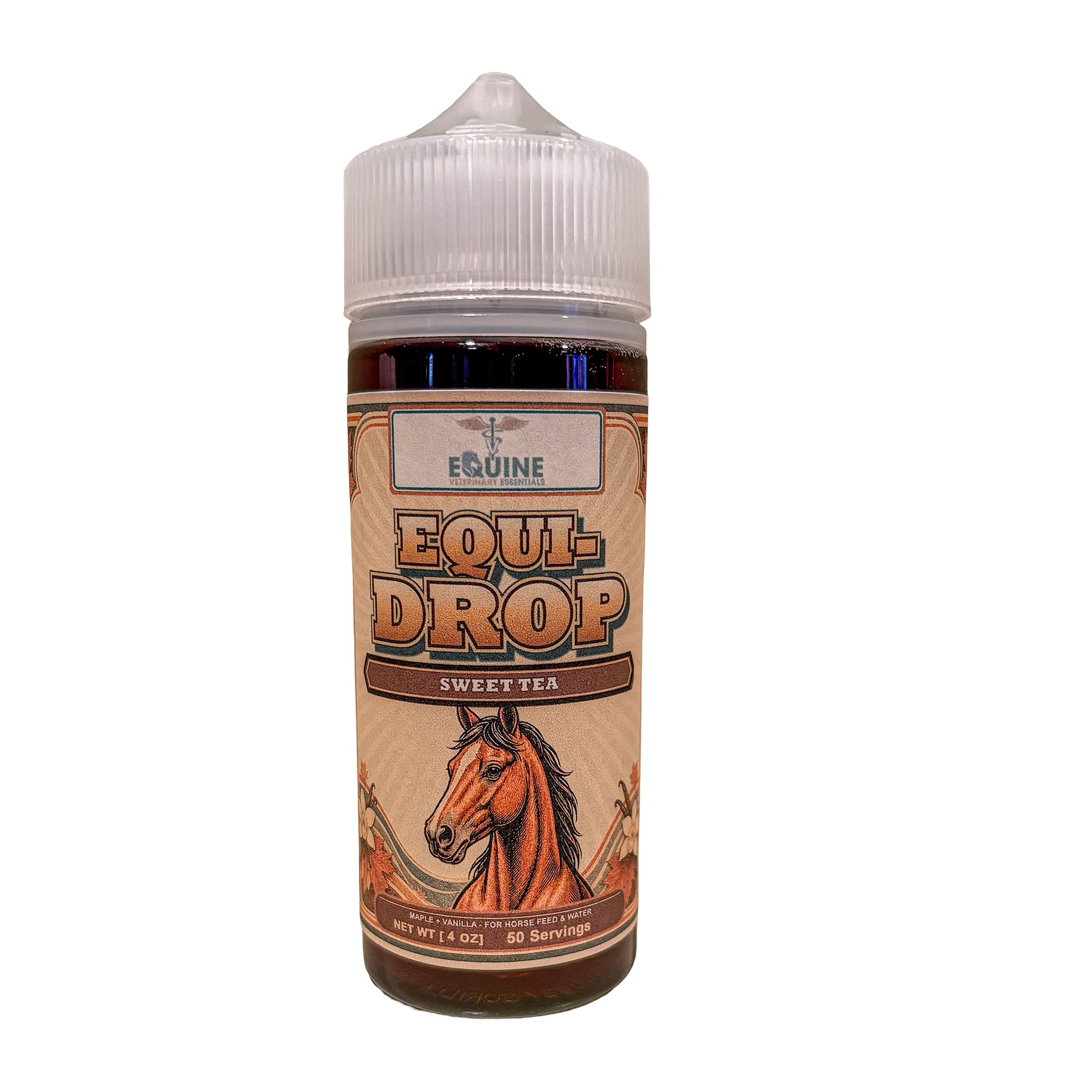
Ran for 40 days, from August 25 to October 4, 2026, the last day Crush saw it.
Run by Equine Veterinary Essentials LLC on Facebook. Crush is not the advertiser and does not verify its claims. See this ad in Meta's Ad Library(opens in a new tab)
Want an ad like this for your product?
Crush makes new ad images for your product from this ad: your logo, your product photo, your offer.
Trials from $19.95 USD, then $79.95 USD a month. Cancel anytime.
About this ad
- Meta Ad Library ID
- 1745572260022682
- Platforms
- Facebook, Instagram and Messenger
- Relaunches
- 0
Ad text
🩸Most Horses with Lung Bleeding Never Bleed From Their Nose. When horse owners hear the term "bleeder," they often picture blood coming from a horse's nostrils after a hard run. Surprisingly... That's actually uncommon. Visible blood at the nostrils—called epistaxis—is one of the least common ways Exercise-Induced Pulmonary Hemorrhage (EIPH) is recognized . In most affected horses, the bleeding remains deep within the lungs, where it can only be detected by veterinary examination after exercise, such as endoscopy or evaluation of lower airway fluid. A peer-reviewed study of actively competing barrel horses found evidence of EIPH in: 📊 54% of runs by post-run endoscopy 📊 66% of runs when bronchoalveolar lavage fluid was evaluated for red blood cells So why does it happen? During maximal exercise, the equine respiratory and cardiovascular systems operate at extraordinary levels. ❤️ Cardiac output can exceed 300 liters per minute. 🫁 Pulmonary arterial pressure can approach or exceed 100 mmHg. 💨 Minute ventilation can approach 1,800 liters of air per minute. Those microscopic pulmonary capillaries—only a single cell thick—must withstand enormous mechanical forces while exchanging oxygen at an incredible rate. Researchers believe these extreme pressures can produce pulmonary capillary stress failure, allowing red blood cells to escape into the lung tissue and airways. Why does this matter?!?! Because a horse doesn't have to bleed from the nose to have experienced lung bleeding. Visible blood is only one possible sign. Many horses show no obvious external evidence at all. While EIPH requires veterinary diagnosis and management, it also reminds us just how much stress the equine respiratory system experiences during intense exercise. Healthy respiratory performance depends on more than strong lungs alone. Healthy airways, normal inflammatory balance, efficient mucus clearance, and protection against oxidative stress all contribute to normal respiratory function and recovery following exercise. That's why many performance horse owners look beyond conditioning alone and focus on supporting long-term respiratory wellness. At Equine Veterinary Essentials, we believe every product should begin with an understanding of the biology. Selected References • Gold JR, et al. Exercise-induced pulmonary hemorrhage in barrel racing horses in the Pacific Northwest. Journal of Veterinary Internal Medicine. 2018. • Hinchcliff KW, Couëtil LL, et al. Exercise-Induced Pulmonary Hemorrhage in Horses: ACVIM Consensus Statement. Journal of Veterinary Internal Medicine. 2015. • West JB, Mathieu-Costello O. Stress failure of pulmonary capillaries in exercise-induced pulmonary hemorrhage. American Journal of Physiology.