
Inactive· since Aug 21, 2026
- 17
- days it ran
- 1
- relaunches
- 3,901
- EU reach
Ad copy
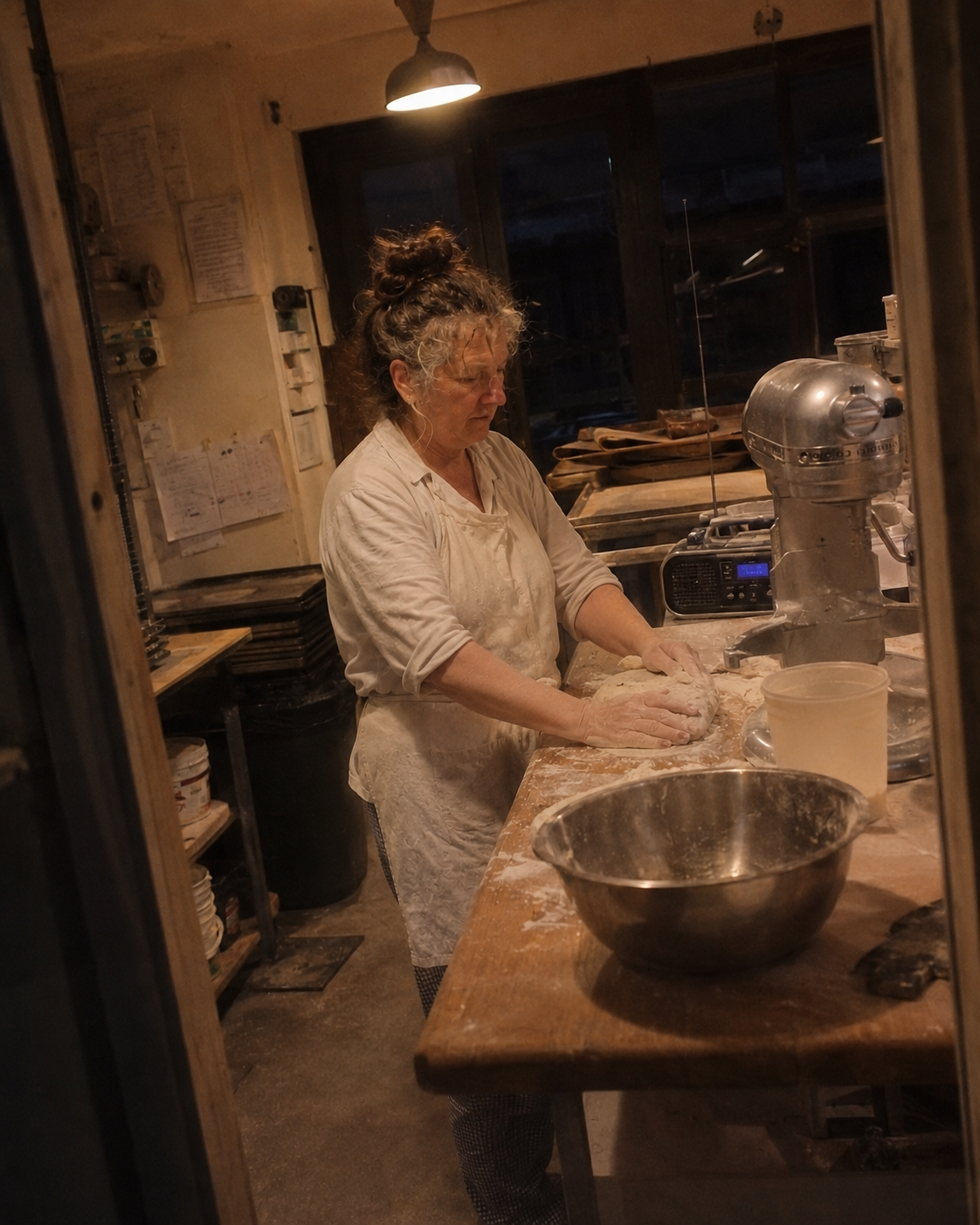
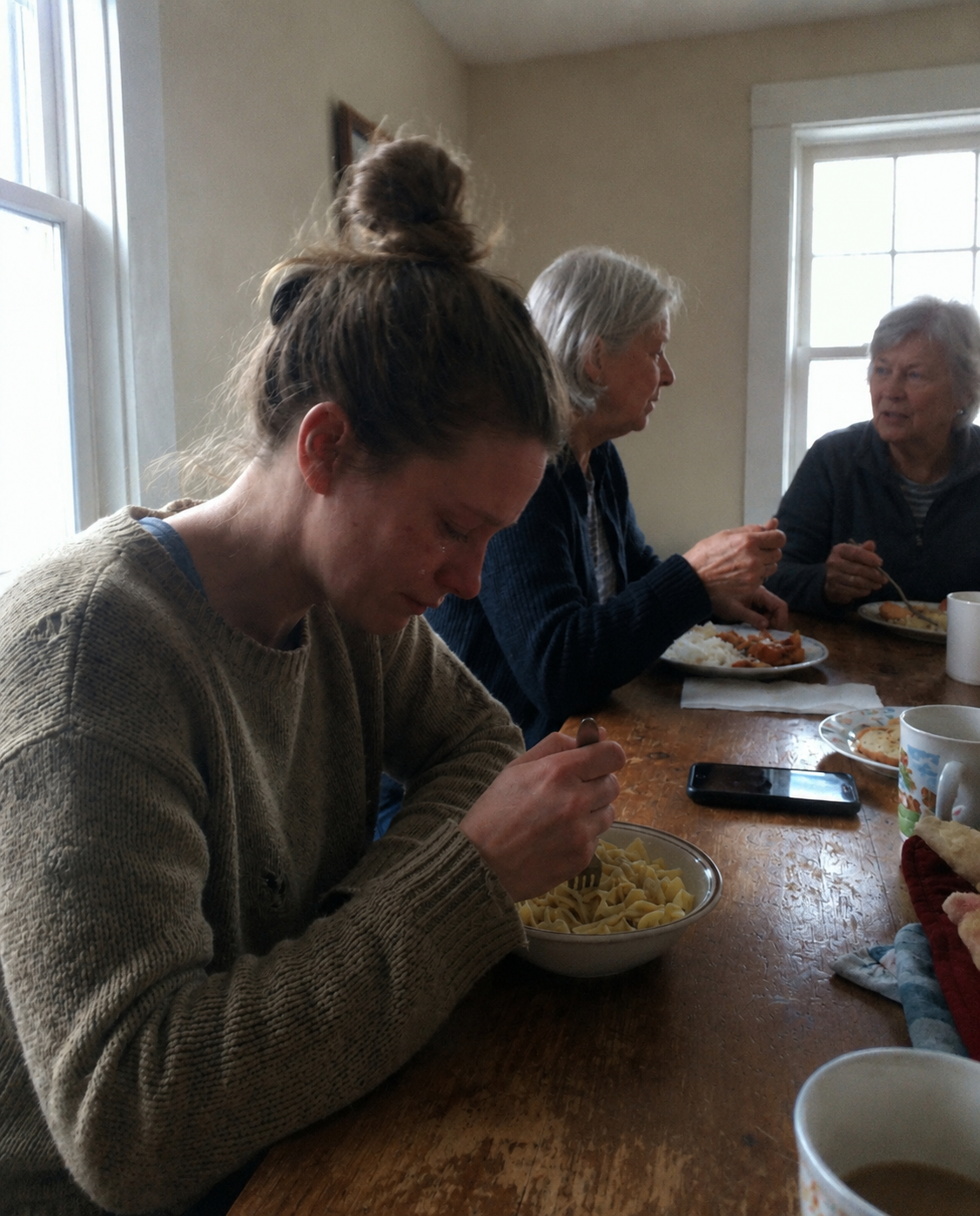
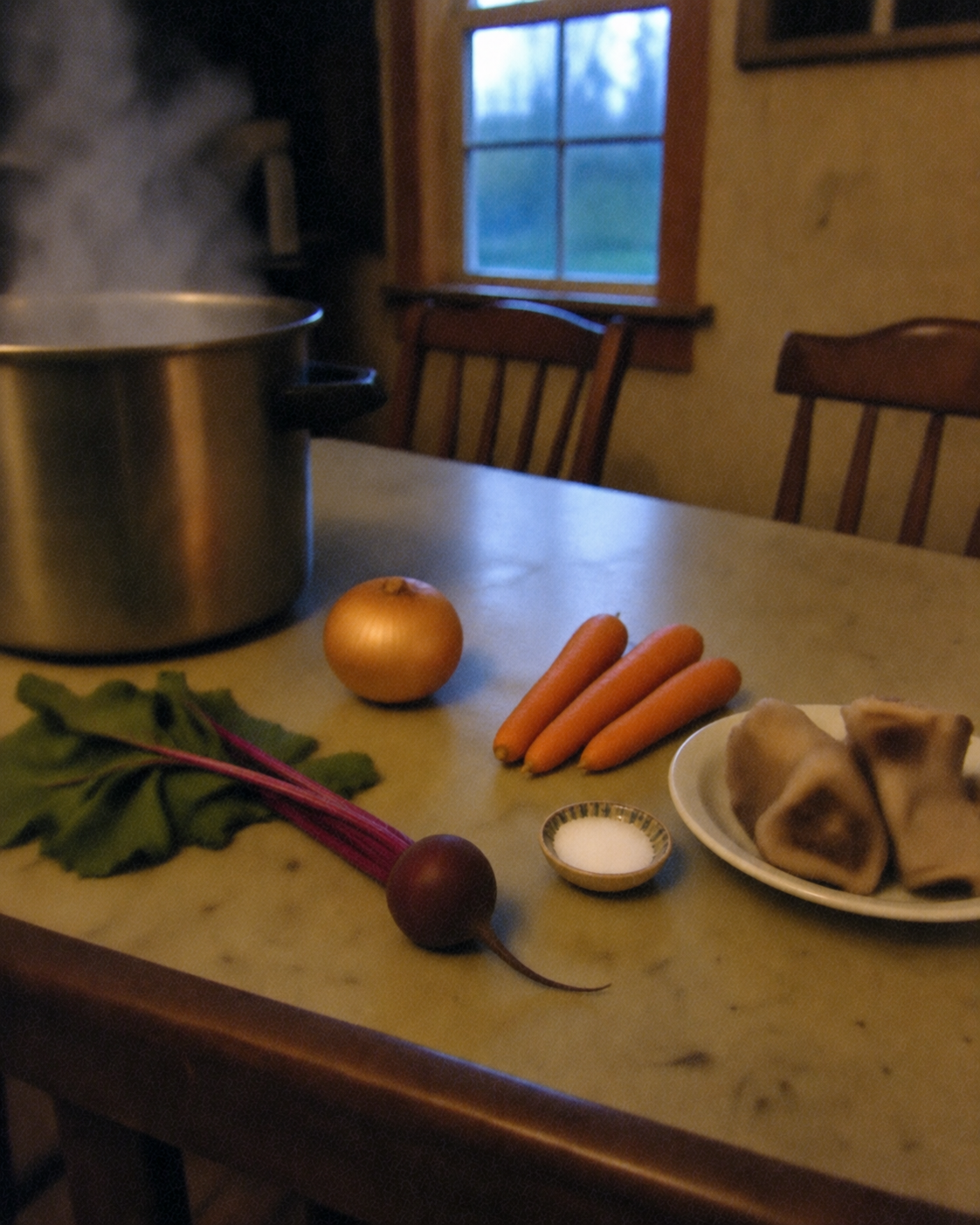
Every Family Used to Have an Ada. The Question Is What Happens to Everything She Knows. Picture a kitchen that has fed four generations without once consulting a recipe card. Picture the woman it belongs to. Call her Ada. Ada is eighty-one. Her kitchen is small, warm year-round, and smells like something is always almost ready — because something always is. And if you want to understand what Ada actually is, in the ecology of a family, don't ask for a description. Watch what happens at every holiday. Every funeral lunch. Every Sunday that matters. Everyone eats at Ada's. Nobody knows how Ada does it. Not the soup. The soup has been the same soup for sixty years, and it is not the same as anyone else's soup, anywhere. There have been attempts to replicate it. Serious attempts. With notebooks. Her daughter-in-law once stood in that kitchen for an entire afternoon and wrote down every single thing Ada did. Measured what Ada didn't measure. Timed what Ada didn't time. Made it at home the following week, from the notes, exactly. It came back wrong. Wrong in a way nobody at the table could name, which is the most maddening kind of wrong there is. Not the bread, either. Not the pickles that show up in unlabeled jars and vanish by Tuesday. Not the garden — which is not large, and produces like it's afraid of her. Ask Ada how she does any of it, and you get the answer that has driven two generations of her family quietly insane: "You just do it until it's done." There is no card for the soup. There was never a card. Her mother didn't use a card. Her mother's mother — in another country, in another century, in a kitchen Ada only knows from being told — did not use a card. The recipe lives in her hands. It has never once been written down. You know an Ada. Or you knew one — that's the sadder version of this story, and we'll get there. Every family had one somewhere in the tree. The one who still made the thing from the old country. The real version. The one who knew which week to plant. Which frost to wait for. What to do with the ugly vegetables everyone else had stopped buying. The keeper. The last one who knows how. And here is the thing about the Adas of the world that everyone gets exactly backwards — and it's the whole reason this essay exists. Everyone assumes what Ada knows is complicated. It has to be, right? That's why nobody can replicate the soup. That's why the notebook failed. That's why the family treats her kitchen like a wizard's tower — a lifetime of secret technique, a thousand refinements, knowledge too deep to write down. That's why her granddaughter Maya — twenty-six, owner of eleven cookbooks and a subscription meal kit — says things like "I could never do what Grandma does." Now watch Ada actually cook. And count the ingredients. The soup: bones, water, an onion, carrots, beets, salt, time. Seven things. One of them is time. The bread: flour, water, salt, and the starter that lives in a crock and predates two presidents. The pickles: the vegetable, brine, dill from the garden, a grape leaf if you know why. There is nothing hidden in that kitchen. No technique you couldn't learn in an afternoon. No ingredient you can't pronounce. Ada's entire art — the whole wizard's tower — is short lists, done the same way, for sixty years. What Ada knows isn't complicated. What Ada knows is simple, kept. The complication is ours. Walk from Ada's kitchen into any modern kitchen — Maya's, say, and Maya would be the first to laugh and agree — and count what changed. The meal kit with fourteen packets, three of them sauces with trademarks. The eleven cookbooks, each with a different system, each abandoned at a different chapter. The pantry of bottles and bags, every one wearing a paragraph. Maya owns more written instructions than Ada has ever seen. And Ada has fed more people, more reliably, for longer — with a repertoire she could teach to a patient child in a summer. Somewhere in two generations, we traded short lists kept for long lists rotated. And then — this is the part that should actually stop you — we looked back at the short lists and decided they must be the complicated ones. Because we could no longer do them. The old ways didn't die because they were hard. They died because nobody stayed in the kitchen long enough to receive them. They were simple. Simple, kept, and handed down — and the handing-down is the part that broke. An Ada doesn't write cards, because for four hundred years she didn't need cards. The recipe traveled in company. Hands next to hands at a counter. Daughter beside mother beside grandmother, for as long as kitchens have existed. Until one generation got busy. And the company stopped. And the knowledge that was never written anywhere went exactly where unwritten things go. That's the quiet emergency in every family that still has an Ada. And the quiet grief in every family that lost one — the family that now says, at every holiday, "it's good, but it's not Grandma's," which is a sentence about soup the way a flag is a piece of cloth. It isn't about soup. It's that the simplest, longest-tested knowledge a family owns is stored in one person's hands. And hands don't transfer by inheritance. They transfer by standing next to them. Hold that thought. Because this essay owes you a vegetable, and you can already smell which one. In Ada's soup — in the soup of half the world's grandmothers, under a dozen names in a dozen languages — there are beets. There were always beets. People have been eating them for thousands of years. They were in the root cellars and stockpots and pickle crocks of families like Ada's long before anyone could have told you why — kept and replanted and put up every autumn, on nothing more than the accumulated verdict of generations. The beet is arguably the most Ada thing in the garden. Ugly. Cheap. Patient. Keeps all winter. Does its work without explanation. Today the why is better understood: beetroot naturally contains dietary nitrates, and the body converts those into nitric oxide, a molecule that helps support healthy blood flow.* Beets also carry betalains — the deep crimson pigments that give the soup its famous color, and stain a wooden spoon for good. Nature did the formulating a long time ago. Ada's people just never stopped serving it. Which is where this stops being nostalgia and becomes a practical problem. Yours, probably. Because you are not going to become Ada. Let's be honest the way she would be. You are not going to keep a starter alive. You are not going to put up crocks in a cellar you don't have. And you are not going to roast beets on a weeknight — the roasting is an hour, the peeling stains the board, and your week, unlike Ada's, was not built around a kitchen. The old way of keeping the beet in a family's daily life required the old life to hold it. That life is gone for most of us. And no amount of admiring it at holidays brings it back. So the honest question isn't "how do we cook like Ada." It's the keeper's own question — the one she'd ask while handing you a jar for the road: What's the simplest form of the good thing that your actual life can keep? Rosabella Beetroot is one answer to that question: two capsules, once a day. The most Ada-like vegetable in the garden, in the one form a card-less, cellar-less, crowded modern week can actually hold onto. And — this part matters — it's built on her principle, not just her vegetable. What's in it reads like one of her lists. 1,300mg of organic beetroot powder per serving — a serving being those two capsules. One active ingredient, with the dose printed plainly on the label, nothing to decode. Non-GMO, third-party lab tested, produced under GMP, made in the USA from globally sourced ingredients. It contains no caffeine. Sixty capsules in a bottle; thirty days. A short list, same every time. Ada wouldn't be impressed — nothing impresses Ada — but she would recognize it, which from her is the higher compliment. And now the part you don't usually read in something like this, so read it twice: Nobody here is going to promise you a transformation. We're not going to tell you what you'll feel or when. Bodies are different, and yours doesn't owe an advertisement anything. Ada has watched eighty years of miracle products come and go through other people's pantries. The ones with the longest paragraphs made the biggest promises, and she kept cooking her seven things. We're not writing you a paragraph. What can be promised is what's on the label — a short list, kept. One thing before anything goes in a cart: talk to your doctor or pharmacist before adding any supplement, especially if you take any medication. This goes alongside the rest of a routine — the meals, the walks, the sleep — not in place of any of it. On Amazon, Rosabella Beetroot sits at 4.4 out of 5 across more than 14,000 ratings as of August 2026. And there's a 90-day guarantee: if you're not satisfied for any reason, return it within 90 days of delivery for a full refund. The ending of this story is small, and it's two endings, because a keeper's story has to be. The first is a kitchen-counter fact. And it belongs to kitchens like Maya's — which is to say, probably yours. Beside whatever your counter's version of the crock is, there's room for the practical version of the oldest vegetable in the soup. A bottle. A small, repeatable way to keep beetroot in the routine on the weeks the roasting doesn't happen — which, in a modern kitchen, is most weeks. No one at Ada's table would judge you for it. The kind of thing that's there in June and still there in October. The shortest list in the kitchen, kept like a keeper would keep it. The second ending is the one that matters more. On a Saturday in late summer, Maya comes over. She's been coming over on Saturdays since the spring. It began as a favor — somebody worried out loud about Grandma being alone too much, and Maya drew the short straw. It became the favorite standing appointment either of them has. Neither has said so. Both know. And on this Saturday, Ada stands her at the counter, hands next to hands, and teaches her exactly one thing. Not the soup. The soup is a decade of Saturdays, and they both know it — and there's a comfort in that math now, instead of a panic. One thing: the pickles. The vegetable. The brine. The dill. The grape leaf — and why. Maya writes nothing down. She's learned that much already. You stand next to it. You do it until it's done. The jars go on the sill to keep. And when Maya leaves, Ada sends one home with her, unlabeled, the way her own grandmother did — in another kitchen, in another country, in a century that kept its lists short. Then she stands in the doorway a moment, listening to the house tick. An old woman with a garden that's afraid of her. A starter older than two presidents. One student. And everything she knows, exactly where it belongs: In somebody's hands. P.S. If your family still has its Ada — this is the whole point, so it goes here in plain type — the recipe is not in a drawer. There is no card. It's in her hands, and hands transfer by standing next to them, and the standing-next-to has a calendar limit nobody likes saying out loud. Pick the one thing you'd grieve losing. Book the Saturday. That advice is free, it's not about capsules, and it's the best thing in this ad. P.P.S. What it is, plainly: organic beetroot powder in capsules — 1,300mg per two-capsule serving, one active ingredient, dose on the label, no caffeine, non-GMO, third-party lab tested. Thirty days a bottle. A short list, same every time. That's the whole story. P.P.P.S. The guarantee is satisfaction-based: not satisfied, for any reason, return it within 90 days of delivery for a full refund. Enough time to find out whether it becomes one of the short lists your kitchen keeps — which is the only test that matters for deciding that. Individual experiences vary. These statements have not been evaluated by the Food and Drug Administration. This product is not intended to diagnose, treat, cure, or prevent any disease.
Support stamina and heart health every day
LEARN MORELike this ad? Make it yours.
Crush rebuilds this exact creative around your product — your brand, your colors, your offer — in about a minute.