
Inactive· since Aug 31, 2026
- 11
- days it ran
- 0
- relaunches
Ad copy
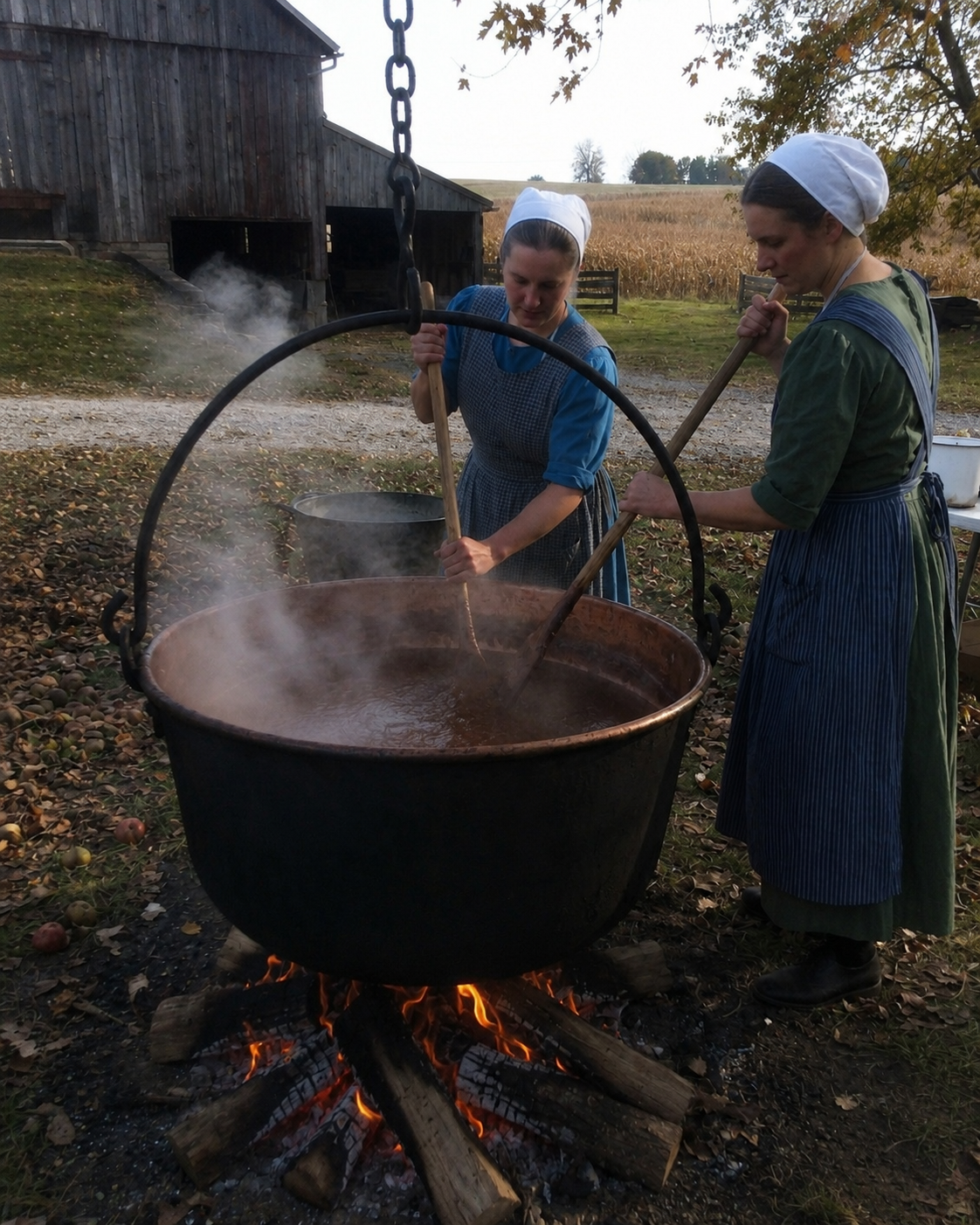
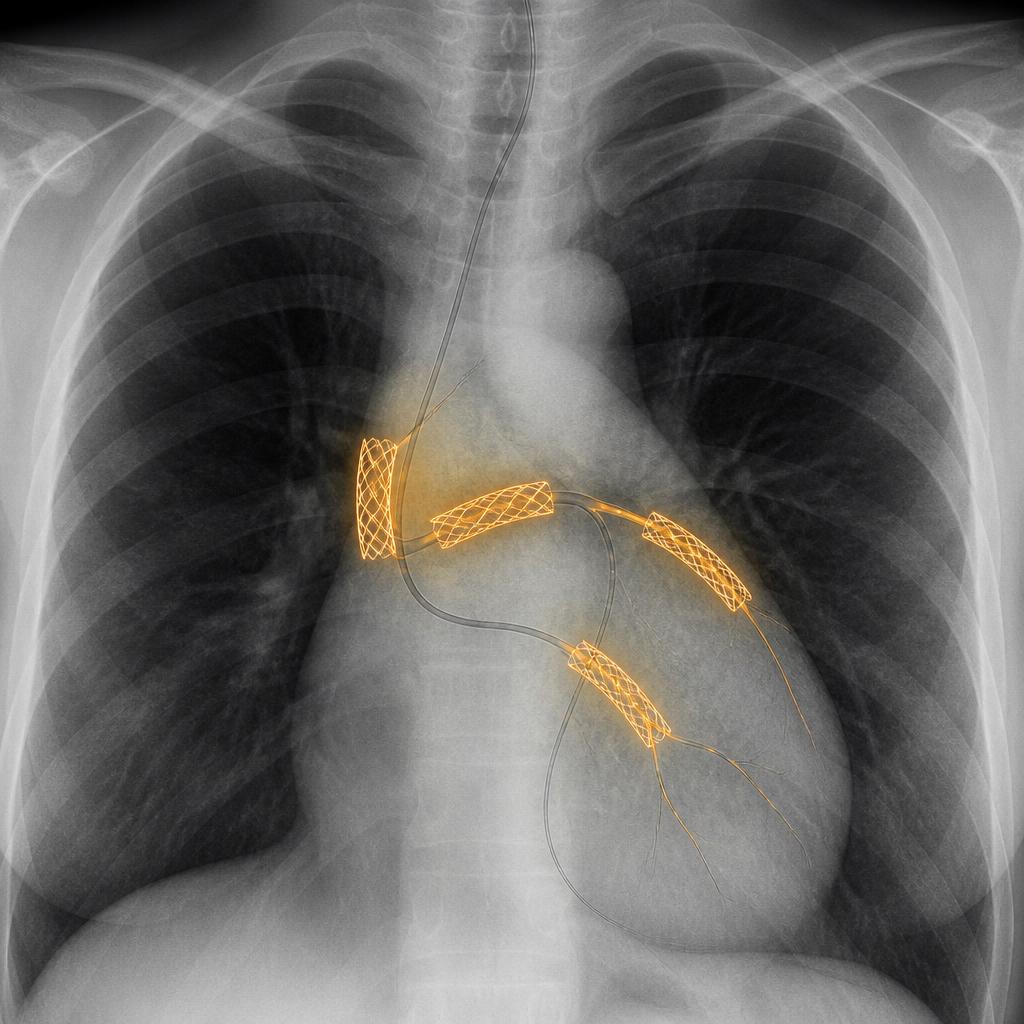
Men with high cholesterol will continue to lose their legs, their memories, their kidneys, their bedrooms, and their lives to heart attacks until we finally address what is actually happening inside their bodies. I am Dr. Leland Faber, a preventive cardiologist, and I am writing this because I am tired of watching men with high cholesterol do everything right and still end up in my clinic with complications that should have been preventable. You see, there is something happening inside the bodies of men with high cholesterol that is quietly destroying them, and almost no doctor will explain it clearly. It is the real reason why men with high cholesterol lose their legs. The real reason why their memory goes. The real reason why their kidneys fail. The real reason why the bedroom goes quiet without a conversation. The real reason why they have heart attacks at rates no one warns them about, even when their LDL looks perfectly managed. Yet almost nobody talks about it. Why? Because explaining it clearly would require admitting that the standard protocol addresses only half the problem. And the system that trained every doctor in every clinic was not built to admit that. I call it the rusted-cargo problem. Because that is exactly what it is. And if you are a man in your 50s, 60s, or 70s with high cholesterol, the rust is forming in your arteries right now, quietly putting you on the road to five different complications that are actually one disease wearing five different faces. That is because it triggers a cascade of vessel damage that your atorvastatin was never designed to stop. I have been a preventive cardiologist for 24 years, and I need you to stay with me here, because I am going to explain exactly how this works and exactly what you can do about it before it is too late. Here is what your doctor has probably explained. Your liver makes cholesterol. It has to — your body needs it for cell membranes, hormones, vitamin D. So it packages that cholesterol into particles called LDL and ships it through your blood to every cell that needs it. Think of each LDL particle like a delivery truck. The liver builds it on purpose, loads the cargo your body actually needs, and sends it out to make its deliveries. When you were younger, the cargo arrived intact. Everything worked. But here is what almost no doctor explains. Something happens to the cargo on the road. As those trucks travel through your vessels, they come under attack. Free radicals — unstable molecules produced by inflammation, pollution, stress, a bad night's sleep — collide with the trucks and damage the cargo they carry. They rust it. That is oxidation. That is the crime. Not the cholesterol. Not the number. What the free radicals do to it on the road. And here is what I need you to understand. Rusted cargo does not behave like clean cargo. A truck whose cargo has rusted cannot unload cleanly. The rusted cargo sticks to the inside wall of the vessel — the endothelium, the thin lining that wraps every artery in your body. It embeds. And once it embeds, your body treats it like a wound. The immune system sends its cleanup crew. Those cells swarm the rusted cargo, swallow it, and bloat into foam. The foam piles into a mound. The mound hardens into plaque. The plaque narrows the pipe. And one day, without warning, it cracks — and the pipe blocks in an instant. Now look at what that same rust is doing to five different pipes in your body at the same time. The arteries running down your legs. The rusted cargo embeds. That is the cramp in the calf that stops you halfway up the stairs. The walk that keeps getting shorter. The circulation the surgeons start talking about years later. The small vessels feeding your brain. The rusted cargo embeds. That is the word that will not come. The name that is suddenly gone. The fog that rolls in every afternoon. The slow decline that everyone around you calls just getting older. The arteries feeding the filters in your kidneys. The rusted cargo embeds. That is the fatigue that will not lift. The number creeping up on a panel nobody has flagged yet. The filters that quietly give out if nothing changes. The arteries feeding the erectile tissue. These are the narrowest pipes in the body — the first to silt shut — so the rust embeds here first. That is the bedroom going quiet without a conversation. The thing most men never mention until I ask three times. It is often the very first warning, and almost every man mistakes it for age. And eventually the arteries feeding your heart muscle. The rusted cargo embeds. That is the pressure on the stairs you keep explaining away. And one day it is the heart attack. The one that comes when the LDL looked perfectly managed at the last appointment. It is not five different complications. It is the same rusted cargo embedding in the same kind of pipe in five different parts of your body. One disease. Five faces. Every one of them traceable to cholesterol that got rusted on the road — while nobody was looking at the rust. And here is what makes me angry as a physician. Your atorvastatin does not fix this. Not one molecule of it. Atorvastatin. Crestor. Lipitor. Rosuvastatin. Not one drug on any prescription pad in any clinic anywhere touches the rust. What a statin does is tell your liver to build fewer trucks. Fewer trucks leave the liver. The number on your panel drops. Your doctor nods. The chart looks beautiful. But the trucks already on the road? The cargo already rusting, already embedding, already grinding into five walls with every heartbeat? Still there. Still rusting. The statin never touched what rusts them. It just reduced how many left the liver. Reducing the trucks does not stop the rust. It just hides how much is already in the walls. That is why your doctor told you that you will probably be on this medication for the rest of your life. Not because high cholesterol cannot be addressed at the root. Because the medication was never designed to address it at the root. It was designed to manage the number. Forever. And there is a second thing the statin does that makes me angrier still. The pathway it blocks to build fewer trucks is the same pathway your body uses to make CoQ10 — the molecule every one of your muscle cells burns for energy. Statins cut its production by up to 40 percent. And your heart is a muscle. Your hands are muscles. That is the grip that started failing. The jar he handed to his wife because he could not open it anymore. The hammer he set down halfway through the deck and let his son finish. The clarity that dimmed. Everyone called it aging. It wasn't aging. It never was. It was the pill. Almost no doctor explains any of this. They do not teach it this way in medical school. The entire system is built around managing the LDL, and as long as the LDL looks managed, the appointment is over and the next patient comes in. Nobody asks whether the cholesterol is rusting while it circulates. Nobody looks at the walls. I started asking. And I found the answer. So I spent months looking for something that actually addressed the real problem. Not a drug that told the liver to build fewer trucks. Something that stopped the rust itself. The most credible thread I found ran through one place. Lancaster County, Pennsylvania. A Penn State study found that the Amish who farm there have a cardiovascular death rate 74 percent lower than the rest of the state. Not 10 percent. Not 30 percent. Seventy-four. And what was different kept coming back to one thing they have grown and eaten the same way for six generations. A particular kind of beet. And the compound inside it that does the work is called a betalain. Betalains are the pigment that gives a real beet its deep purple-red color. They are also one of the most powerful antioxidant classes in the entire food supply. And they do one thing with extraordinary precision. They neutralize the exact free radicals that rust the cargo. This is not what red yeast rice does. It is not what fish oil does. It is certainly not what your statin does. It does not lower the number. It protects the number that is already there from turning into the version that kills you. When the rusting stops, the embedding stops. Not managed. Stopped. Because the cargo is no longer rusting on the road. The legs. The brain. The kidneys. The bedroom. The heart. All of it. Because the cholesterol is finally moving through your vessels clean instead of rusting into their walls. But there is a second problem that betalains alone cannot solve. Even after the rusting stops, the vessel lining that has been taking that rust for years still needs to heal. Think of the inside of your arteries after years of rusted cargo embedding in them. Stiff. Scarred. No longer producing the signals that tell a vessel when to relax and let blood through. That is where the second compound comes in. The same beet is unusually rich in dietary nitrates. Your body converts those nitrates into nitric oxide. Nitric oxide is what tells a scarred, stiffened vessel to relax and carry blood back to the places it stopped reaching. Think of it as the repair crew. Betalains stop the rust. Nitric oxide goes into the damaged lining and helps it heal and start working again. The legs carry you farther, because the plaque stops growing and the lining relaxes. The memory steadies. The kidneys hold. The bedroom stops being something you move around in silence. And the heart-attack risk drops, because the arteries feeding your heart muscle are no longer taking rust every day. Two compounds. Two jobs. From one ingredient. One stops the rust. The other helps repair what the rust already did. Now. You might be thinking: fine, I will just grab a beetroot supplement from the pharmacy on my way home. DO NOT DO THAT. Taking a random beetroot supplement could give you nothing at best, and cost you months you may not have at worst. Here is why. The first problem is the beet itself. For over a century, beets have been bred for one thing. Sugar. Bright red on the outside, hollow on the inside. Some of them are ten percent sugar. The beet that used to be medicine became candy. Nobody was selecting for betalains — the entire active compound. They were selecting for sweetness, for color, for shelf life. You would not be taking the wrong dose. You would be taking the wrong beet. But here is the second problem, and it is bigger than the first. Even if you somehow found the heirloom beet, betalains are destroyed by heat. And nearly every beetroot supplement on the shelf is spray-dried at high heat before it is ever pressed into a capsule. The heat cooks the betalains before the bottle is ever sealed. By the time it reaches you, there is nothing left to absorb. This is why every man who has ever told me he tried a beetroot supplement and saw nothing move is telling the absolute truth. The problem was not beets. The problem was the wrong beet, cooked, in a dose too small to matter. So let me count this off for you. For the mechanism to work, you need three things. The right beet. An heirloom seed line that was never bred for sugar. Not the candy beet from the grocery store. The right dose. 1,300 milligrams standardized to clinical betalain levels. Not 200 milligrams of powder. That is the difference between a therapeutic amount and a decorative one. The right processing. Shade-dried, never high-heat spray-dried, because heat destroys the exact compound you are taking it for. All three required. If you miss one, the whole chain breaks. Now I know what you are thinking. Where do I find something that gets all three right? Well, I have good news. There is a product that was built specifically to deliver all three in one capsule. I personally take it and recommend it to my patients. It is called Rosabella. Heirloom Blutwurzel beetroot — a seed line the growers have kept for six generations on the same Lancaster County Amish fields, never once hybridized. Harvested after the first frost, when the plant pulls its concentrate down into the root. Shade-dried, never spray-dried, so the betalains survive. 1,300 milligrams per capsule. Third-party tested, with a Certificate of Analysis you can actually read. It is the only product I have found that solves all three problems at once. Here is what my patients typically experience. Week one. The fog they had been pushing through for years — the one they blamed on age — starts to lift. The afternoon heaviness stops showing up. It sounds small. It is not small to a man who has not felt that clear in years. Week two. The ache in the calf that had been stopping them halfway up the stairs eases. They walk farther before it bites. They reach the top without the pause on the landing. Their wives notice before they do. Week three. The word that would not come now comes. The name is there when they reach for it. And for some of them, quietly, something comes back in the bedroom that neither they nor their wife had said a word about in over a year. Week four. I run the labs. And for the first time in years — sometimes the first time since their diagnosis — the conversation is not about increasing the dose. It is about a number I have to order specially. One most of their own doctors have never run. Their oxidized LDL. The rust itself, finally measured. Not managed. Stopped. Cyrus Pell. 67. Eleven years on atorvastatin. LDL 96 the whole time — "perfect," his doctor wrote in the chart, every single year. But the cramp in his calf had shortened his morning walk to the end of the driveway, and the bedroom had been silent for two years, and he had never once said so out loud. Three months on Rosabella and his legs carried him around the block again. And when his own doctor finally ran the test I told him to ask for — his oxidized LDL — it came back at 41. Anything over sixty is where the danger lives, and given his history it should have been near seventy. His doctor read it twice. Cyrus called to tell me he could finally look his wife in the eye again. Rudy Krebs. 71. Maximum dose statin. His grip had gotten so weak his wife had quietly taken over the jars, he was wrung out by two in the afternoon, and a urologist had shrugged. Six weeks on Rosabella and his full panel moved for the first time in years. His cardiologist asked him to write down exactly what he was taking. Martin Krause. 63. A heart attack two years ago that he never saw coming, on a managed number his chart called fine. An intimate life that had quietly ended without him ever telling his wife why. Three months on Rosabella, his cardiologist ran a stress test and said his cardiac function had improved measurably. He told me later that he and his wife had reconnected in a way that had not been possible since before the heart attack. "I got that part of my life back. That's not nothing when you're 63." Now, before I made this post, I want to be straightforward with you about something. Rosabella is not a replacement for a statin in a man with established cardiovascular disease or acute risk. If your doctor has prescribed one and you are considering alternatives, that is a conversation to have with a physician who knows your full history. And if you take nitroglycerin or another prescription nitrate for your heart, speak with your physician before adding a concentrated beetroot extract to your routine. But here is the most practically important thing I can tell you. You have been doing everything your doctor told you to do. You have been failing not because you are noncompliant. You have been failing because the protocol you were handed was never designed to stop the rust. It was designed to manage the number. While the rust kept embedding. While the five faces kept advancing. While the chart kept looking fine. You found this page anyway. So here is what both paths look like from where I am standing after 24 years in preventive cardiology. PATH ONE. You close this page. You keep filling the prescription. Your LDL stays controlled. Your dose gets raised when it stops working well enough. The rusted cargo keeps embedding in five different pipes. The legs get worse. The memory keeps slipping. The kidneys keep straining. The bedroom stays quiet. The pressure on the stairs gets harder to explain away. And one morning the heart attack arrives, and nobody connects it to the decade of rust that was building in your walls while your chart said managed. I have watched this path for 24 years. I know exactly where it ends. PATH TWO. You address what the medication never touched. You stop the rust. The lining begins to heal. The cargo moves through clean instead of embedding. The legs carry you farther. The clarity comes back. The bedroom stops being something you move around in silence. And at your next appointment your doctor looks at your numbers and, for the first time in years, asks what you changed instead of what to increase. I have watched this path too. That conversation is possible. Rosabella. One capsule with your morning coffee. Heirloom Blutwurzel. 1,300 milligrams. Shade-dried. Third-party tested. Grown in Lancaster County. Rosabella offers a 90-day money-back guarantee. If your numbers do not move in 90 days, full refund. No forms. No questions asked. Something no prescription your doctor has ever written once offered you. Right now they are running a buy 3, get 3 free. There are cheap knockoffs flooding the market right now with the same look on the bottle but candy beet, spray-dried, inside — instead of the heirloom root, shade-dried. The way you tell them apart is the Certificate of Analysis. Read it before you trust the bottle. The rust is still forming. The plaque is still building. But the window is still open. Do not let someone else tell your story with the words I wish someone had told me sooner. I just did. — Dr. Leland Faber, MD, Preventive Cardiology, 24 years P.S. At your next appointment, before you leave, ask one question. Is my cholesterol oxidized, and is my current medication doing anything about that? Watch what happens. Then come back to this page and re-read the section on the rust. The silence in that office will tell you everything this post already told you. P.P.S. My own father has been on a statin for nine years. His LDL was perfect the entire time. He started Rosabella seven months ago. At his last appointment, his cardiologist lowered his statin dose for the first time since the day he started it. He called me after. He did not say much. He did not need to. I heard it in his voice. That phone call is the reason this post exists. https://track.tryrosabella.com/e73e2b82-57e8-45b3-b98f-f257632c842b
Support stamina and heart health every day
LEARN MORELike this ad? Make it yours.
Crush rebuilds this exact creative around your product — your brand, your colors, your offer — in about a minute.