
Inactive· since Jul 10, 2026
- 19
- days it ran
- 0
- relaunches
Ad copy
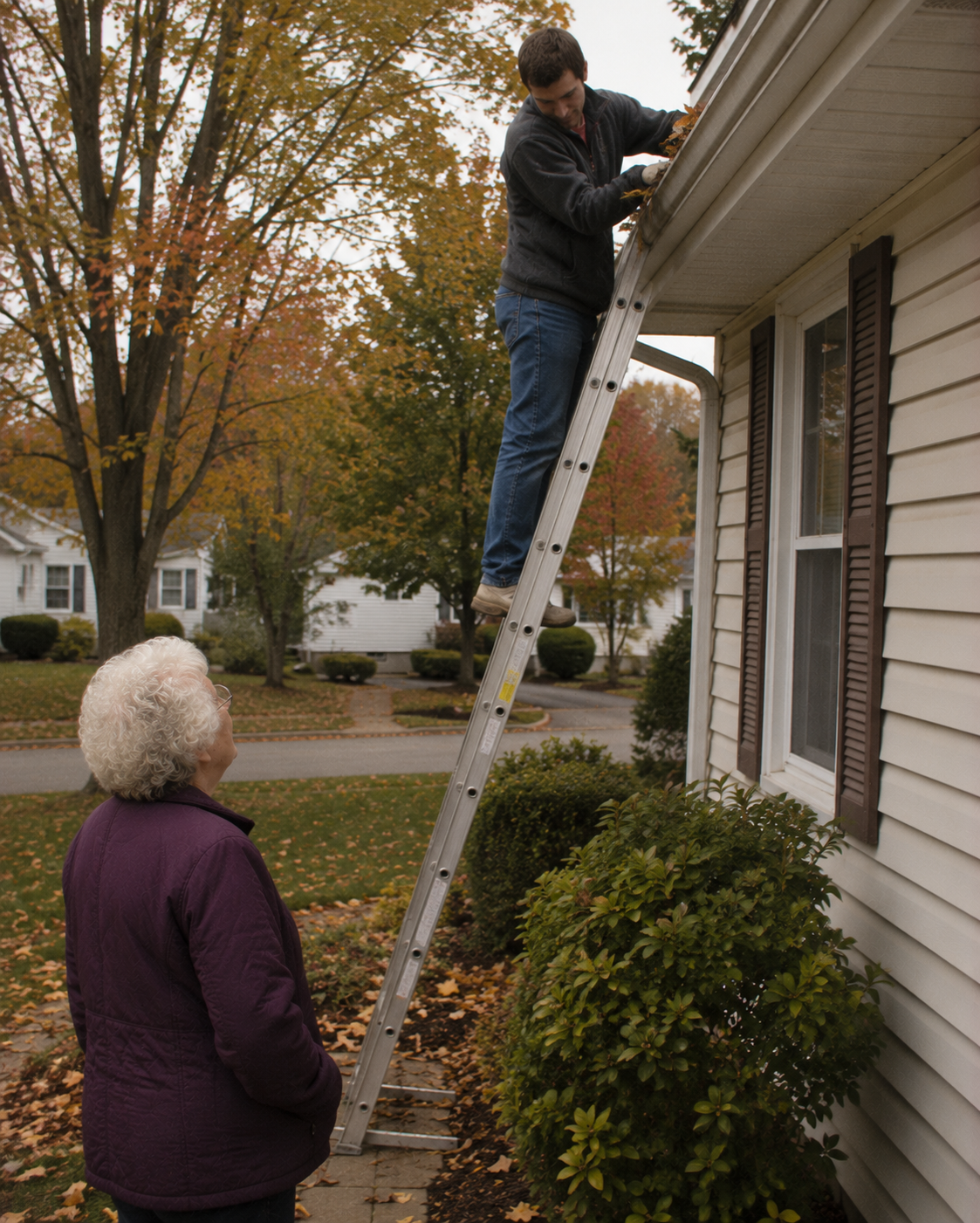
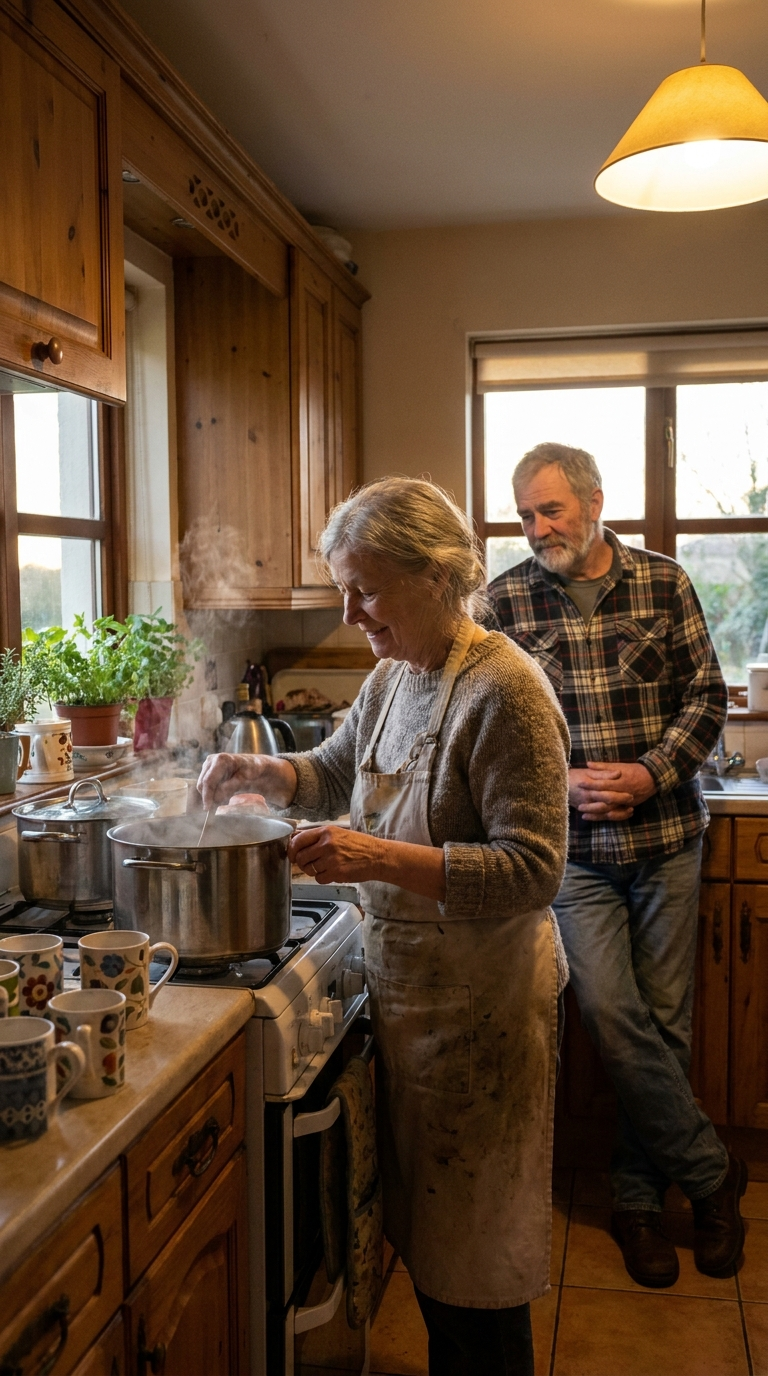
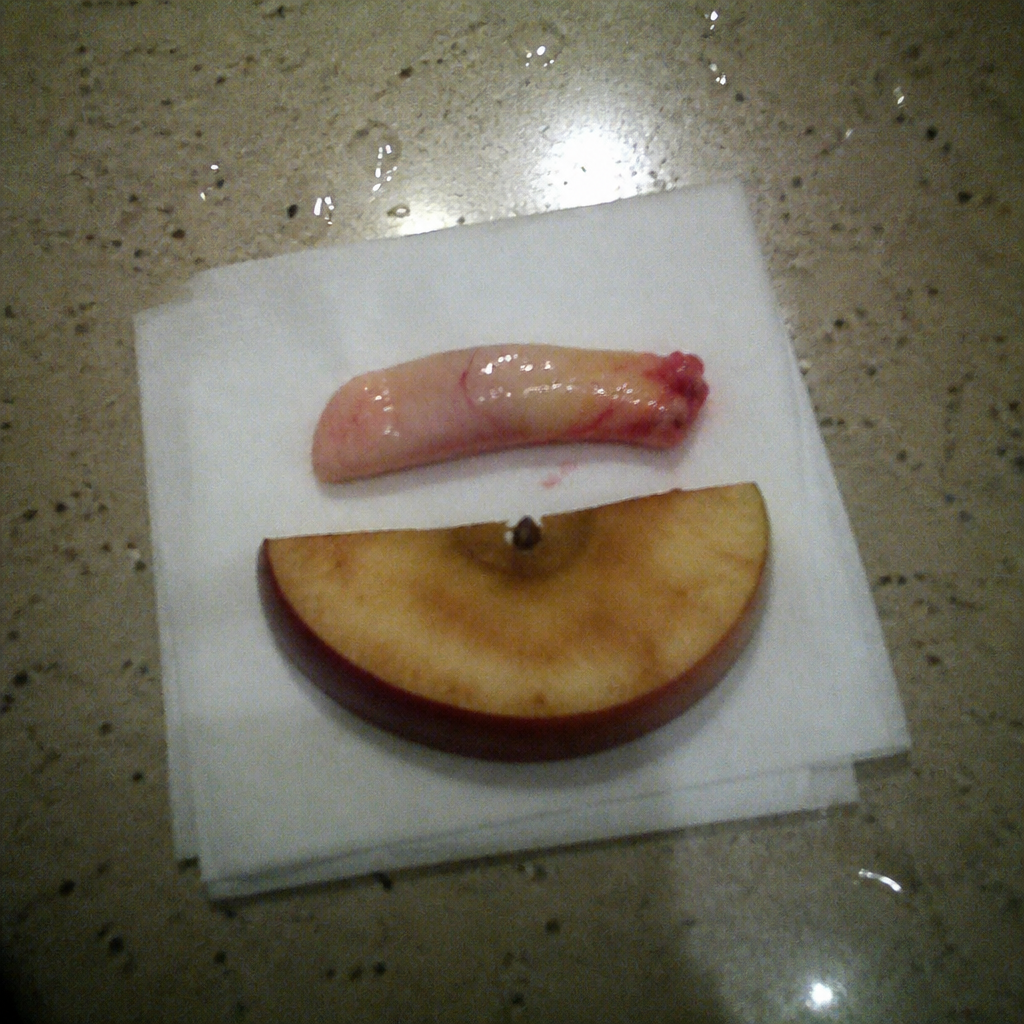
My husband was one of America's top heart doctors. His heart killed him last November while he was doing everything he'd spent 31 years telling his patients to do. His name was Dr. Walter Hartwell. Director of cardiology at his hospital for 19 years. He trained the residents who ended up running the cardiac ICU ward he died on. He caught his own elevated labs on a Friday in May and started the textbook protocol the same morning — the one he had written for thousands of patients. He followed every step of it for 162 days. He died of a massive heart attack on November 16th at 4:43 AM. He was 63 years old. Walter was 63 years old and felt fine. Better than fine. He still ran four miles every Sunday with our golden, Hattie. He still drove an hour each way to the hospital and worked twelve hour days. He still climbed up on the roof every fall to clean the gutters because he did not trust anyone else to do it right. He had spent 31 years watching other men's hearts fail and he was certain — clinically, professionally, personally certain — that he would catch it in himself the moment anything started to go wrong. That is what makes what happened next so hard to write. Walter ran his own labs every Friday morning before clinic. He had done it since the year he lost a patient he thought he had caught in time. A 54-year-old schoolteacher whose lipid panel he had reviewed two weeks before she died. He never trusted a quarterly panel again. So every Friday for as long as I can remember, he was at the lab at 6 AM with his sleeve rolled up. On Friday May 22nd he ran his usual panel. LDL of 187. Total cholesterol of 264. He came downstairs in his running clothes and sat at the kitchen table with the printout in his hand. He read it three times. Then he looked at me and said, very calmly: "Margaret. We have a problem." I had been married to this man for 38 years. I had never heard him use that tone before. I asked him what the numbers meant. He said: "It means I have what my patients have. And I need to do exactly what I tell them to do." He went into his study and was in there for an hour. When he came out he had a binder. A real one, the heavy kind from his residency days. He had written the title on the front in his neat block letters: HARTWELL, W. — CASE FILE. He treated himself like a patient from that morning forward. He pulled the ACC/AHA guidelines. He pulled the ESC guidelines. He called Marcus at Cleveland Clinic, the man he had trained with in 1989, and read him the numbers. Marcus said: "Walter, start the statin and follow the protocol. You wrote half of it." Walter took that as a compliment and a sentence at the same time. That night he drove down to the CVS on Reynolds Road and picked up the 40 mg atorvastatin. Came home and cleared out the chest freezer in the garage. A $90 ribeye from Snake River Farms. A $60 tomahawk from the butcher. A $40 New York strip. Two coolers of venison from his November hunt — all of it bagged up and driven down to the food bank the next morning. The venison had been a gift from his brother in Denver after their last hunt together. He came back inside, washed his hands at the kitchen sink, and turned off the light. "Margaret," he said. "I'm going to be the most compliant patient I've ever had." And he was. For 162 days, Walter ran the textbook protocol on himself the way he had run it on his patients. He kept a log. He weighed himself every Tuesday morning. He measured his waist with a tape measure on the same hook in the closet every Sunday. He took his own blood pressure twice a day and wrote the numbers in the binder. The binder grew to 287 pages. He took his 40 mg atorvastatin every morning at 7 AM with a glass of water. Set the bottle on the kitchen windowsill where he'd see it every day. I bought him a Sunday-through-Saturday pill organizer and started filling it every weekend. He never missed a dose. He ate nothing he did not prepare himself. He bought a digital scale for the kitchen and weighed his portions. He stopped eating eggs because the ACC/AHA guidelines mention dietary cholesterol and he was not going to give his heart one extra gram of work. He ate the same breakfast every morning for 162 days. Oatmeal with blueberries and walnuts. I cannot eat oatmeal anymore. He walked five miles every morning before sunrise. He did it on the days it rained and the days it snowed and the day after our son-in-law's father died and he had been up until 1 AM on the phone with the family. He stopped going to the cardiology conference he had keynoted for eleven straight years because he would not sit through the dinner. He stopped going to his Thursday night chess game at the club because the men there ate ribeyes after the second round and he did not trust himself in the room. He lost a friendship with a colleague who said over coffee that he was "overreacting to his own case." Walter never spoke to him again. He took red yeast rice because the literature said it could not hurt. He took CoQ10 because his own paper in 2009 had argued for it as supportive therapy for statin patients. He took niacin. He took plant sterols. He took fish oil. He took psyllium fiber. He cross-referenced every supplement against every medication for interactions and wrote the schedule out by hand on the inside cover of the binder. He slept four hours a night the last two months. He kept getting up to re-read the journals. He did everything right. He did more than right. He did what the world's foremost cardiologist would do if the patient was the man he loved most. The patient was himself. The follow-up labs came back on October 31st. LDL: 178. Total cholesterol: 251. Walter had run the textbook protocol on himself for 162 days and the numbers had moved nine points. He stared at the printout for a long time. Then he picked up the phone and called the lab back and asked them to rerun the panel. He thought it was a mistake. It was not a mistake. He called Marcus at Cleveland Clinic. Marcus pulled up the numbers on his end and was quiet for a moment. Then he said: "Walter, you know the answer. Some patients don't respond well to atorvastatin at this dose. We double you to 80 mg and retest at the six-month mark." Walter said: "I know. I have given this answer myself probably 400 times. It is the right answer." He paused. "I just have not given it to a patient who was running the protocol this hard." Marcus did not have a reply for that. Walter sat at the kitchen table that night. The same table he had sat at five months earlier when he first saw his own numbers. He did not say anything for a long time. Then he said: "Margaret. I do not understand." I asked him what he meant. He said: "I have seen patients fail this protocol before. Of course I have. Plenty of them. But honestly, Margaret, patients lie. Not on purpose." "They round down on the red meat. They forget to mention the weekend. They skip the statin three days out of seven. Nobody follows a protocol 100%. That is just how it is." "So when I see numbers that won't move, I assume the patient is not really doing what they told me they are doing." He looked at the binder on the table. "Margaret. I am doing what I told me to do. I am the one patient I have ever had who is following this protocol exactly. And the numbers are not moving." He picked up his coffee. His hand was shaking a little. "I do not understand." I did what any wife would do. I told him Marcus was right. I told him the numbers would come down on the higher dose. I told him to trust the protocol. I told him he was the man who had written it. He nodded. He filled the prescription for the 80 mg the next morning. He kept the binder. He kept weighing his portions. He kept walking five miles every morning before sunrise. He kept taking the supplements. He kept doing everything right. Five days later — five days — Walter woke me up at 1:47 AM and said: "Margaret. I need to go to the hospital." He tried to drive himself. He was sitting on the edge of the bed putting his shoes on when I took the keys out of his hand. That was the moment I understood how bad it was. The man had not let me drive him anywhere in 38 years. He sat in the passenger seat with both hands pressed against his chest and did not speak for the entire 22-minute drive. By the time the night nurse got him into the chair, his lips were gray. Not a little pale. Gray. Like wet cement. Like the blood had stopped reaching them. The ER attending was a woman in her late thirties. She had trained under Walter eight years earlier. I watched her face change when she pulled up his bloodwork on the screen. "Dr. Hartwell, your troponin is 47. That means a chunk of your heart muscle is dying right now. Your LDL is 178 — exactly where it was five days ago, even on the doubled dose. But it's almost entirely oxidized. Your arteries have been filling with sticky plaque for years, and one of them just ruptured. We're taking you up to cardiac ICU now." Walter did not move. He said: "Sarah. Run it again." She ran it again. Same numbers. He said: "Sarah, this could be a coronary spasm. This could be a reaction to one of the supplements I've been taking. Have you ruled out anything else that could look like this on paper?" She let him work the problem. She let him ask every question he would have asked if he were standing on her side of the chair. She ran every test he asked for. Every single one came back consistent with what she had told him in the first place. Walter looked at the screen for a long time. Then he said, very quietly: "I have been running the protocol on myself for 162 days, Sarah. I have followed every single step. This is not supposed to happen." She put her hand on his shoulder. "I know, Dr. Hartwell. I know you have." That was when I understood it. The way she said it. The way she did not look surprised. The way she said "I know you have" instead of "are you sure" or "let's go through it together." She had seen this before. Other patients had followed the protocol exactly. And ended up in the same chair Walter was sitting in. She just had not been able to say so out loud. Walter spent 11 days in the cardiac ICU. I learned things about the heart in those 11 days that I had heard Walter say across the dinner table for 38 years. I had never really listened. I am listening now. I learned what hypoxic encephalopathy is. It is what happens when the heart stops pumping hard enough and the oxygen stops reaching your brain for whole minutes at a time. It means your husband stops being your husband. He looks at you like he is trying to place your face. He says things that do not connect. On day six, Walter asked me three times in twenty minutes if he was going to be late for his shift at the hospital. He had not taken a clinical shift in four years. Our golden retriever Hattie was at home with our daughter, who had flown in from Boston. I had shown him the picture she sent that morning. He still asked. I learned what the ICU does when a heart is failing. The nurse on Walter's overnight shift had been a cardiac ICU nurse for 19 years. She walked me through it on the second night while Walter was sedated. She told me they were running two things into his IV. The first was CoQ10, around the clock. She said it is what every muscle in the body uses to fire. The heart most of all. Without it, the heart muscle cannot pump properly. She said the statins Walter had been taking for the last five months had been draining it out of him the whole time. By the time you have a heart attack on a statin, she said, the tank is empty. So they run it in through the IV to try to refill it fast enough for the heart to keep beating. Then she told me about the second one. They were running a targeted antioxidant infusion to shut down the oxidation inside the artery walls. She said the LDL floating in his blood was never the real threat. It was the rancid, oxidized version of it — the version that had gone sticky like a sliced apple left on the counter — that had been embedding itself in the walls of his arteries for years. That was what had ruptured. That was what had thrown the clot that had jammed his artery shut at 1:47 that morning. She said the statin lowers the number on the chart. It does nothing about the oxidation. Nothing about the plaque already in the walls. So they were running the antioxidant directly into his bloodstream to try to neutralize the rancid cholesterol at the source, stabilize the plaque that had not yet ruptured, and stop the cascade before the next artery went. The plaque cannot stabilize without it. The rupture cannot heal without it. The whole system slows to a crawl. "We hit it from both sides," she said. "Spark inside the muscle. Antioxidant inside the artery wall. That is what we have. That is what we use." I asked her why Walter's protocol did not include either of those things. She was quiet for a long moment. Then she said: "Mrs. Hartwell, the outpatient protocol is what the textbook says. The textbook does not say this. We use this in here when it gets bad. I have given this to hundreds of patients in this room over 19 years." She paused. "And honestly, I have wondered for years why we do not start sooner." She looked at me carefully. "I am not blaming your husband. Please understand that. Your husband was following exactly what he was taught. Every cardiologist in this hospital is following exactly what they were taught. The textbook came from somewhere. We all read the same one." "It is just that the textbook does not have this in it." She did not say anything else. She did not have to. That sentence is still in my head. The two things they were running into Walter's IV bought him 11 days. Day 7, his heart wasn't pumping hard enough to keep the rest of him alive. The doctors talked about an LVAD — a machine that does the pumping for you. Then they talked about him not being a candidate because of how fast he was declining. Then they stopped talking about machines altogether. The hardest part was that some of them were his own residents. Sarah from the ER. A young man named David he had taught the previous spring. A woman named Priya he had once told me was the most promising cardiology fellow he had ever worked with. They came in one at a time on Day 8. None of them said the word LVAD out loud. They just held his hand and told him the things you tell a teacher when there is nothing left to teach. Day 10, his lungs filled up with fluid. They drained two litres of fluid out of his chest with a needle. Two litres. The nurse called it pulmonary edema. I called our daughter in Boston. She got on the next flight. Day 11 — November 16th — I was in the family room down the hall. They had asked me to step out while they intubated him. Our daughter was sitting next to me, holding my hand. At 4:35 AM I heard the long beep. At 4:43 AM, a doctor I did not know walked into the family room. I knew. "Mrs. Hartwell. I am so sorry. We did everything we could." I did not cry. I do not know why. I sat very still and looked at my own hands in my lap. I noticed that I was still wearing the wedding ring he had put on my finger in 1986, and that the skin underneath it had been hidden from the sun for 38 years, and that I had no idea what that skin looked like anymore. That was the thought I had. Not anything about him. About a piece of skin under a ring. Our daughter started crying first. She put her head on my shoulder and made a sound I had never heard her make in 34 years of being her mother. That was when I cried. It came up out of me in a way I cannot describe. I was not crying for Walter. I was not crying for myself. I was crying because my child was making that sound and I could not fix it, and there was a man down the hall who could have fixed anything she ever brought to him, and he was not going to be there to fix this one. After a while she lifted her head off my shoulder and wiped her face with the back of her hand. She looked at me with her father's eyes. She said, very quietly: "Mom. They were treating Dad with what Dad taught them." I have not been able to get that sentence out of my head either. I drove home at 6 AM with our daughter in the passenger seat. The driveway was dark. The motion light Walter had installed three years ago caught the car and switched on, and for one second I almost called out to him to come help us with the bags. Inside, every room was the way he had left it on the morning of November 6th. His binder was on the kitchen table, open to the page he had been on when I called him to come up to bed. HARTWELL, W. — CASE FILE in his neat block letters on the front. The page on the right was a chart he had been keeping of his daily walks. Every day in his handwriting. The last entry was that morning. 5.2 miles. 86 minutes. Cool, dry. His weighing scale was on the kitchen counter, plugged in, the digital display dark. His supplements and the atorvastatin bottle were lined up on the shelf above the coffee maker the way he had always kept them. Atorvastatin. Red yeast rice. CoQ10. Niacin. Plant sterols. Fish oil. Psyllium fiber. Seven bottles in a row, lined up by size, the way you would line up cans in a clinic. His pill organizer was on the windowsill above the sink. Sunday empty — he had taken that pill at 7 AM the morning he woke me. Monday through Saturday still full. Six doses of the atorvastatin that was supposed to save him. His white coat was on the back of the bedroom door. Dr. Walter Hartwell, MD embroidered on the breast pocket. Still smelling faintly of the cologne he had been wearing the morning we drove to the hospital. It is still there now. I cannot move it. If I move it, he is really gone. I sat in his chair in the study and did not move for the rest of the day. Our daughter brought me tea and I did not drink it. She brought me a sandwich and I did not eat it. At some point in the late afternoon she sat on the floor next to the chair with her head against my knee, the way she used to when she was small, and we sat like that until the room got dark. 38 years. And the only sound in the room was the clock on his desk. The funeral was December 8th. Marcus flew in from Cleveland. Sarah from the ER came in her scrubs because she had come straight from a shift. Three of Walter's former residents flew in from three different states. The chapel was full of people I did not know — patients, I realised slowly, people Walter had treated over 31 years who had read the obituary and driven hours to come. Our four-year-old grandson asked me at the reception: "Grammy, when is Grandpa coming back from the hospital?" I told him Grandpa was in heaven now. He thought about it for a moment. Then he said: "Did the hospital not have what he needed?" I had to walk out of the room. After the funeral, I tried to go back to normal. I couldn't. The first week home, our daughter went back to Boston and I was alone in the house for the first time in 38 years. I did not know what to do with my hands. I started scrolling Facebook because there was nothing else to do with my eyes either. That is when I started seeing them. Not one or two. Dozens. Then hundreds. "My husband's cholesterol came back a little elevated, any tips?" "Annual physical, LDL is 160, doctor said cut the red meat and retest in six months." "Anyone here had luck with red yeast rice?" "Doctor wants to put my husband on a statin, any advice?" Every single one of those posts had thirty answers underneath it, and every single answer was a version of the same advice. Cut the red meat. Take red yeast rice. Lose the weight. Try CoQ10 with the statin. Walk more. Eat less saturated fat. The same protocol. Word for word. The same advice my husband had given thousands of patients for 31 years. The same advice he gave himself. And it killed him. I sat on the kitchen floor in my robe and read those threads for four hours. Some of those husbands are already dead. They just don't know it yet. That is the sentence that came into my head and would not leave. Because what I knew now, from sitting next to Walter's bed for 11 days and listening to a nurse with 19 years in that room — what I knew was that the protocol in those Facebook threads is the protocol the textbook gives you, and the textbook is missing what actually stops a heart attack before it happens, and nobody in any of those comment sections has any idea. I am the only widow in this country who knows this from where I am sitting. Because I am the only widow in this country whose husband was the man writing the protocol. And if I do not tell somebody what I know now, then the system gets to keep doing it. To other people's husbands. The way it did it to mine. And I cannot live with that. I read for six weeks straight. Medical journals I could barely understand. Cardiology textbooks Walter had on the study shelf. Studies out of Japan and Germany and the Netherlands. PubMed at three in the morning. I taught English for 30 years. I had not read this much science since I was 19 years old. And one thing kept coming up, in study after study, that Walter had never once mentioned at the dinner table in 38 years: Everybody watches one number. LDL. The doctor watches it, the patient watches it, the whole protocol is built around getting it down. Drive it down far enough and they tell you you're protected. But that number was never the thing that hurts you. Here is what I mean. Cholesterol isn't poison. Your body makes it on purpose. You would die without it. It only turns dangerous when it gets damaged. Oxidized. You ever cut an apple and leave it on the counter? Comes back brown. That is the air getting at it. That is oxidation. The same thing happens to the cholesterol in your blood. It goes rancid. And the rancid cholesterol turns sticky. It works its way into the wall of the artery and packs in, year after year, building up into hard little deposits called plaque. Then one day a piece of that buildup tears open, and the artery jams shut. That is the heart attack. Not the amount of cholesterol floating around. The oxidized stuff, embedding in the walls. The damage. I read it three times. I sat at the kitchen table with the laptop open at 2 AM and read it three times. And here is the part that made me sit up straight. The pill Walter took every morning for the last five months of his life lowered the number on the chart. It did exactly what it was built to do. What it did NOT do — what nothing the guidelines gave him could do — was stop the oxidation. The damage was going the whole time, right where nobody was looking. Walter's heart wasn't killed by his LDL. His LDL was 178 the day he died — the same as five days before, even on the doubled dose. The number wasn't the threat. The damage was. Read that again. His heart attack wasn't caused by the cholesterol floating in his blood. It was caused by the rancid, sticky, oxidized version of it that had been embedding in his artery walls for years. The statin never touched it. It couldn't. And then I read the part that broke me. The way the statin drives that number down is it shuts off a switch in your body. That switch doesn't only make cholesterol. It makes something called CoQ10. CoQ10 is the spark. It is what every muscle in your body uses to turn fuel into motion. The hands. The legs. The heart, most of all. You can have a full tank of fuel — if there is no spark, nothing fires. Like a mower with a dead plug. Just sits there. Walter's morning leg aches. The way he had started asleep in his chair before the news was over. The way I had watched him grip the banister on the stairs one step at a time. The way his fingers had started to feel different when he picked up his coffee cup. I had put it down to the walking. To the diet. To getting older. To 162 days of a protocol that would tire anybody out. It was the pill. The pill was draining the spark out of every muscle in his body. The heart muscle most of all. They call it a side effect. It is not a side effect. It is the pill doing exactly what it was built to do. And here is why none of it saved him: the statin lowered the number it was supposed to lower. It did nothing about the oxidation that was actually killing him. And it drained the one thing his heart needed to fight back. He gave up everything he loved for 162 days to lower a number that was never the threat. While the medicine that was supposed to protect him was burning through what was left of his heart. I sat with that for three days. There are two variables that determine whether a man with elevated cholesterol has a heart attack or does not. The first is oxidation. Cholesterol only turns dangerous when it goes rancid. If you have enough of the right antioxidant in the bloodstream — the specific kind that gets inside the LDL particle and into the wall of the artery — the cholesterol does not oxidize, the plaque does not build, and the artery does not rupture in the first place. The ICU runs the antioxidant infusion into the IV because by then it is the only thing that can stop the rancid cholesterol from finishing the job on the next artery. They do this when the heart is dying because by then it is the only way to stop the cascade. The second is the spark. The heart does not heal in a vacuum. It heals by firing on every beat, pumping fresh blood through the coronary arteries, delivering oxygen to the muscle so the muscle can rebuild. When the spark is drained — which is exactly what the statin does — the heart muscle cannot pump properly, the leg muscles ache, the fingers weaken, and the whole body slows to a crawl. The ICU runs CoQ10 because by then the heart has no spark left. Same reason. Antioxidant inside the artery wall. Spark inside the heart muscle. Two variables. That is what the ICU nurse told me on the second night. That is what the literature confirms. That is what every doctor in America learns to treat in the ICU. And that is what the outpatient textbook leaves out. Walter took red yeast rice, which lowers the number on the chart but does not stop the oxidation that is embedding rancid cholesterol in his artery walls. He took CoQ10 in capsule form, which tries to replace the spark the statin was draining but is so poorly absorbed in capsule form that the dose your husband can swallow does not get where it needs to go. He took five other supplements that each did some version of lowering the number. Not one of them addressed the oxidation. Not one of them was even pointed in the direction of the rancid cholesterol embedding in his artery walls. And the pill his own guidelines told him to take — the atorvastatin — was the one draining the second variable out of him the whole time. He gave up everything he loved for 162 days to fight the wrong number while the medicine that was supposed to save him was burning through his heart. I sat with what I had learned for two days. Then I went looking for myself. Because I am 61. Because my own labs had come back "borderline" at my last physical. Because I had spent 38 years married to a man who knew the difference between borderline and fine and now there was nobody in my house who could tell me what borderline meant for me. I went to CVS the following morning. I stood in the cholesterol-support aisle for almost an hour. I bought four things. Red yeast rice, because every woman in my book club had a bottle of it. CoQ10, because Walter had taken CoQ10. A niacin capsule, because by then I was reading labels and that was the compound the literature kept naming for oxidized LDL. And a small bottle of cholesterol-support liquid drops, because the box said it had plant sterols and fish oil and three other things aimed at exactly what I was looking for and I wanted to believe somebody had figured this out. I took all four of them every morning for three weeks. Then I called Walter's office. Walter had practised cardiology with three other doctors at the same group for 22 years. The senior partner was a woman named Diane Wolcott. She had trained at Johns Hopkins. She had been at Walter's bedside on day 9 in the cardiac ICU. She had cried at his funeral. She was the closest thing to a sister Walter had in his profession. I told her I needed to ask her some questions. She said she would come to the house that Saturday. She arrived with a bottle of red wine and a folder of Walter's clinical notes she had brought from the office. We sat at the kitchen table where Walter had read his own labs back in May. The four bottles from CVS were lined up on the windowsill behind me. I had been taking them every morning for three weeks. I asked her if they were doing anything. Diane looked at the bottles for a long moment. Then she said, very gently: "Margaret, I am going to be honest with you. The red yeast rice does the same thing the statin does. It lowers the number on the chart. It does not touch the oxidation embedding in the artery walls." "The capsule CoQ10 is the right molecule but the absorption is maybe 10 or 15 percent in capsule form. Most of it never reaches the heart muscle where you need it." "The niacin — same problem in a different way. It moves the number, sometimes. It does nothing about the oxidized cholesterol already in your arteries. And it drives some people's blood sugar up in the process." She picked up the liquid drops and turned them over to read the label. "These are interesting. Somebody has done the work to combine plant sterols with fish oil for the LDL number and blood pressure. It is closer to the right idea than the rest of what you bought." "But Margaret, blood pressure is not the second variable. Blood pressure is what your heart does when the plumbing is stiff. The second variable is the oxidation inside the artery wall itself." "Plant sterols and fish oil do nothing for that. This product is built around the wrong second half of the mechanism." She put the bottle back down. "You bought four things that any doctor would have told you to take. None of them addresses both variables. The closest one is built around the wrong second variable. The rest are built around the number that was never the threat." I asked her to walk me back through what the right answer would look like. She walked me back through the two variables. The oxidation cascade. The CoQ10 depletion. Then she said: "Margaret. You have read this correctly. You are not making it up. The mechanism is real." I asked her why none of it was in Walter's protocol. She poured herself a glass of wine and looked at the kitchen window for what must have been thirty seconds. Then she said: "Margaret. I am going to tell you something that I would not say out loud at a conference." She told me that the outpatient cardiology textbook in this country was written in the 1980s and updated in increments by people who all trained under each other. She told me that the textbook is built around the LDL number, because that is what the pharmaceutical trials were built around, and the number is what the pill was built to lower. She told me that the protocol has never been seriously re-examined at the foundational level because no major pharmaceutical company makes money if it gets re-examined. She told me that the variable Walter missed is not a controversial science. It is well-established. It just sits outside what the standard protocol was built to address. I asked her why she had not told Walter when he was sick. She put her glass down. "Margaret. Walter and I had this conversation in 2017. I brought it up at our partners' meeting. He was the one who said the evidence was not strong enough to change practice." "He was right by the standard the textbook uses. He was wrong by the standard his own heart needed. I did not push it. I should have." She started crying. Then she said something I will not forget for the rest of my life. "Margaret. If you can find a formulation that addresses both variables at the same time and in a form your bloodstream can actually absorb, you would have something real. The four bottles on your windowsill do not do that." "I do not know if anything on the shelves in this country does. But if you find it, Margaret, you tell me." That was the day I started looking. About a week after Diane left the house I was up at 3 AM again, reading. By then I had a stack of bookmarks on my laptop that had stopped being about grief and started being about science. I was inside a thread on a cardiology research forum. Not Facebook this time. An actual peer-reviewed-papers forum where doctors argue with each other about studies. I had been lurking on it for two weeks because Walter's password was still saved in his browser. A retired cardiologist in Portland had posted a long thread about his own elevated LDL. He had been the head of cardiology at a hospital out there for 31 years. The same as Walter. He had retired, his LDL had come back at 192 at his post-retirement physical, and he had run himself through the standard protocol. Statin. Diet. Supplements. The whole textbook. Numbers came down on the chart. He had a mild heart attack six months in. Sound familiar? Then he wrote this: "I retired in 2024 after 31 years as head of cardiology at a teaching hospital out here. My LDL came back at 192 at my post-retirement physical. I did what we are all trained to do. The statin. The diet. The supplements. The standard outpatient protocol I had been giving my own patients for three decades." "Six months later I had a mild heart attack in my own kitchen. My LDL at that point was 118. The textbook number said I was protected. I was not." "I want to say something to the other doctors on this forum, because I think it is important." "For 31 years I treated the textbook as the holy grail. We all do. That is what training does to us. The textbook is the source of truth and anything outside it is fringe, alternative, unproven, embarrassing to be caught reading." "I knew there was literature outside it. I never read it. I told myself the evidence was not strong enough to justify the time. The truth is I was protecting my own standing." "You cannot quote a Dutch oxidized-LDL study in a partners' meeting without losing the room." "The day I retired, that pressure was gone. Six months after that, my own heart attack forced me to actually look." "The literature on betalains and oxidized LDL is extensive. Far more extensive than I had let myself believe while I was practising. The mechanism is well-established. The clinical effect on oxidized LDL and arterial plaque is reproducible across multiple peer-reviewed studies out of the Netherlands and Japan over the last fifteen years." "None of it is in the American outpatient textbook. None of it was in my training. None of it was in what I taught my own residents." "I started taking a concentrated cold-pressed organic heritage beetroot at 1,300 mg per serving. And I want to be specific about this, because it matters." "It cannot be any beetroot. Most of the beetroot you see in supplements is the wrong tool." "The commercial varieties grown for the mass market have had their betalain content bred down over decades because that compound tastes earthy and the market wants sweeter beetroot. So the very compound you need is the one the modern varieties have lost." "Then most of those modern beetroots are harvested in summer, which means the root has not been cold-stressed and the compounds have not concentrated." "Then most of them are processed with heat-drying, which destroys whatever betalain content was there to begin with." "The label on the bottle says beetroot. The capsule is functionally beetroot fibre with the active compounds cooked off." "The Dutch oxidized-LDL studies were built around a specific heritage strain of beetroot called Blutwurzel." "It comes originally from Bavaria and the northern part of what is now the Czech Republic. It is not the beetroot you see in a modern supermarket." "It has been grown by the same handful of Amish families in Lancaster County, Pennsylvania for four generations, from seed lines their great-grandparents brought from Europe in the 1890s." "Betalain content in Blutwurzel is up to six times higher than in modern commercial beetroot. The dietary nitrate content is up to nine times higher, which restores what the statin has been draining out of the muscle tissue. That is what the Dutch studies were actually measuring, and that is what I am taking." "They harvest after the first frost, which pulls the compounds down into the root and concentrates them. And the processor cold-presses it instead of heat-drying it, which preserves the betalain." "I picked it for the sourcing." "My LDL went from 118 to 82 in twelve weeks. My oxidized-LDL panel — the one my hospital does not run but I sent out to a lab in Rotterdam — went from a reading in the 90th percentile for my age to the 15th percentile in the same twelve weeks. I made no other changes." "I am sharing this because I am no longer in a position where my reputation depends on pretending the textbook is complete." "To my former colleagues still in practice: please look at the Dutch literature. You owe it to your patients." I stopped scrolling. Beetroot. I had not heard the word in any of Walter's reading. I had not heard it in any of Diane's explanations. I had not seen it on the shelf at CVS in the cholesterol-support aisle. The only time I had ever heard beetroot mentioned in a health context was for high blood pressure. There was a woman in my book club who drank the juice every morning because her cardiologist had recommended it. I had not understood, until that night at the kitchen table, that blood pressure and oxidized cholesterol are the same conversation. Beetroot was not a cholesterol supplement in this country because nobody in the American outpatient system was looking at the oxidation. They were looking at the LDL number on the chart. The plant that had been quietly used for blood pressure for decades was the same plant the Dutch had proven, in study after study, neutralizes the rancid cholesterol that is actually attacking the artery walls — and refills the CoQ10 the statin is draining out of the heart muscle at the same time. The American cardiology textbook just had not made the connection yet. I sat at the kitchen table for an hour with my laptop open and read everything I could find on betalains and oxidized LDL. It is both variables at once. The betalains in Blutwurzel — the deep red pigment that stains everything — are one of the most targeted natural antioxidants studied. Most antioxidants are like spraying weed killer on your whole lawn. They wipe out every free radical in your body, including the ones you need. Betalains are different. They go after the specific free radicals that turn cholesterol rancid, and leave the rest alone. And they cross into the LDL particle and into the artery wall — the exact place the damage is happening — where fish oil and plant sterols never reach. And the dietary nitrates in Blutwurzel — which the body converts into nitric oxide — refill the CoQ10 the statin has been burning through. They restore the spark to the muscle. To every muscle. The legs. The hands. The heart most of all. The studies coming out of the Netherlands and Japan over the last decade have been measuring something the American cardiology textbook does not look at: the level of oxidized LDL in the bloodstream, and how that level determines whether a plaque ruptures or stabilizes. The answer is that oxidized LDL is not a side variable. It is the actual thing that kills you. Without the antioxidant reaching the artery wall, the cholesterol keeps going rancid, the plaque keeps building, and sooner or later a piece of it ruptures. With it, the cascade reverses. The same artery that was laying down plaque starts stabilizing it. The rancid cholesterol stops embedding. The rupture that was going to happen next year — or next week — does not happen. The beetroot does both jobs at once. The betalains neutralize the rancid cholesterol at the source, inside the artery wall itself. The dietary nitrates refill the CoQ10 the statin has been draining out of the heart muscle. Antioxidant inside the artery wall. Spark inside the heart muscle. The two variables Diane had named at my kitchen table the previous Saturday. A retired cardiologist in Portland had taken one root. His oxidized-LDL panel had moved from the 90th percentile to the 15th percentile in twelve weeks without doing anything else. I read his post six times. I sat with what the Portland doctor had written for a long time. Then I went back through everything I had read for six weeks, every conversation I had had with Diane, every IV the nurse had described to me at the ICU, and I made myself a list. I needed to know what the right formula actually had to do, in plain language, so I could measure anything I found against it. Here is the list I ended up with. One. It has to deliver an antioxidant that the artery wall can actually use, in a form the gut can actually absorb. The literature is clear on this. CoQ10 capsules absorb at 10 to 15 percent. Niacin moves the number sometimes but does nothing about the oxidation. Fish oil sits on the surface of the bloodstream and never reaches the wall of the artery. The molecule has to be something that survives digestion, makes it into the bloodstream, crosses into the LDL particle itself, and reaches the artery wall where the plaque is embedding. The betalains in Blutwurzel do exactly this. They are absorbed at high rates, they cross into the bloodstream intact, and they have been measured inside the LDL particle and in the artery wall specifically at levels the modern commercial varieties simply do not produce. That covers the first variable. Two. It has to address the second variable. The spark. Not the LDL number on the chart. The CoQ10 the statin has been draining out of the heart muscle. The heart muscle has to be fired on every beat, and it cannot fire without CoQ10. The statin turns the CoQ10 factory off. The muscle runs on empty. The leg aches, the fatigue, the fingers that will not grip — those are the warning signs. The heart attack is what happens when the empty tank reaches the muscle that keeps you alive. The only widely-studied natural compound that does this through a clinically reproducible pathway is dietary nitrate, which the body converts to nitric oxide and which restarts the CoQ10 pathway the statin shut down. Blutwurzel is one of the highest natural sources ever measured. The Dutch studies were built around that specific strain. Three. It has to do both at the same time. This was the part that ruled out every product I had bought at CVS. Red yeast rice does the same thing the statin does — lowers the number, ignores the oxidation, drains the spark. CoQ10 capsules attempt variable two but fail at delivery. The liquid drops Diane had looked at addressed the LDL number and blood pressure, which is not variable one. None of them did both. Blutwurzel is the one root I could find in the literature that delivers both the betalain antioxidant and the dietary nitrate from a single source, at doses the studies actually documented an effect from. Four. And this is the part that most people miss. It has to be the specific heritage strain. I want to be blunt with you here because it is the single easiest place to waste your money. Blutwurzel is not the beetroot in your salad. It is not the beetroot in any generic capsule on the shelf at CVS. It has been grown by the same handful of Amish families in Lancaster County, Pennsylvania for four generations, from seed lines their great-grandparents brought from Bavaria in the 1890s. Blutwurzel is what the Dutch studies were measuring. Not the modern American commercial variety, which has been bred for shelf life and sweetness and has lost most of its betalain and nitrate content in the process. Not the generic imported beetroot that most supplement companies buy in bulk. Blutwurzel specifically. The reason is the numbers the Portland doctor cited. Betalain content in Blutwurzel is up to six times higher than in modern commercial beetroot. Dietary nitrate content is up to nine times higher. If you buy a beetroot capsule made from a modern commercial strain, you are getting maybe a tenth of the active compounds the studies were built on. The label says beetroot. The clinical effect the studies documented is not there because the strain the studies were built on is not what is in the capsule. If it is not Blutwurzel, it is not what the literature was measuring, and you cannot expect the results the literature reported. Five. It has to be dosed correctly and processed correctly. The Dutch studies used 1,200 to 1,500 mg per day of the concentrated root. It has to be harvested after the first frost, because the cold stress pulls the betalain and nitrate content down into the root and concentrates them further. And it has to be cold-pressed, not heat-dried, because heat destroys the betalain content that the whole formula depends on. Any product that is not the right strain, harvested this way and processed this way, is functionally beetroot fibre with the active compounds cooked off. Five things. All five. Blutwurzel specifically, at the right dose, harvested and processed the right way. I went back through every supplement aisle I had walked, every product I had bought, every product Diane had brought up. Not one of them was Blutwurzel. Most were unspecified commercial beetroot at 300 to 800 mg. A few were higher dosed but still commercial strain. The one product that was actually built around the Dutch research had been named by the Portland doctor and I had not paid attention the first time I read his post. I went back and found it. It was called Rosabella. It was the only formula I could find that met all five. Blutwurzel heritage strain, sourced from Lancaster County. Harvested after the first frost. Cold-pressed, not heat-dried. 1,300 mg per serving, which sits in the middle of the range the Dutch studies used. Two capsules a day. Made in an FDA-registered facility in Ohio. And a 90-day money-back guarantee. If your numbers do not move, you send the bottles back — empty or full — and every penny comes back with them. I almost did not order it. After Walter's seven-bottle stack. After the four bottles from CVS. After 38 years of watching my husband trust the system that killed him. After everything. I sat with the browser open on the Rosabella page for a long time. Then I made the list on a piece of paper. My brother in Cincinnati, who had been eating a ribeye four nights a week since he was 40 and whose last physical had come back with an LDL of 184. Marcus at Cleveland Clinic, Walter's oldest friend, who had watched Walter die and had said nothing when his own primary care doctor had flagged his own numbers. My son-in-law in Boston, 46, who works ninety-hour weeks in finance and has not seen a treadmill since our daughter was pregnant. My own labs, which had been "borderline" at the last physical and which I had not gone back to check because I was afraid of what they would say. Four names. Four people I loved. Four hearts that the same textbook was going to fail the same way it failed Walter. I ordered five bottles. Marcus was the first one who called me back. He had taken the bottle I sent him and put it on his own desk at Cleveland Clinic. He had not told anyone at the practice what he was doing. He had not written it in his own chart. He had run his own labs at 4 weeks, 8 weeks, and 12 weeks and kept the numbers on a piece of paper he did not show anyone. When he called me it was a Sunday evening in June. He was in his study. I could hear his wife in the kitchen behind him. He said: "Margaret. I need to tell you something and I need you to be sitting down." I was already sitting. "My LDL was 172 when Walter died. My oxidized-LDL panel was in the 88th percentile for my age. I did not tell him. I did not tell you. I told myself I would deal with it after the funeral. I started taking Rosabella the week you sent it." He paused. "My LDL is 94. My oxidized-LDL panel is in the 12th percentile." I did not say anything. He said: "Margaret. Twelve weeks. From 172 to 94. And I did not change one other thing. I still have the ribeye on Saturday nights. I still have the same glass of red at dinner. I still work the same hours. I did not lose a pound." "I never started the statin my primary care wanted to put me on. The only thing I changed was the two capsules in the morning." Then Marcus, who has been Walter's oldest friend for 36 years, who was in our wedding party in 1986, who stood next to Walter's casket in December and did not say a word — Marcus started crying. He said: "Margaret. I was in the room when Walter died. I was in the room when he wrote the paper on CoQ10 depletion in statin patients in 2009. I have known this man since I was 24 years old and I could not save him." "And I could have. If any of us had looked one inch outside the textbook, we could have. He died because we all read the same book and none of us questioned it." "Margaret. Walter died of something the textbook missed. And I am the doctor who was supposed to be his second opinion." I had to put the phone down. I sat at the kitchen table for a long time after he hung up. Because if Marcus at Cleveland Clinic — one of the top three cardiologists in the country — could not save Walter, and Marcus needed Rosabella himself, then nobody currently practising cardiology in this country is safe. And neither is anyone they are treating. Then there was my son-in-law in Boston. 46, two young kids, works ninety-hour weeks at a hedge fund. His last annual had come back with "mildly elevated LDL, nothing to worry about." He had been feeling a heaviness in his chest for over a year that his primary care had brushed off as "probably stress." I sent him a bottle before he asked. My daughter told him it was not a request. He started taking it in early April. By late June the heaviness in his chest was gone. He told me on the phone that he had not realised how long he had been living with it until it was not there anymore. His most recent annual came back with his LDL in the normal range for the first time in three years. Then there was my neighbour Ellen. Her husband had died of the same thing Walter died of, four months before Walter. Two widows on the same block. She started taking it two days after I told her. She said it was the first time since her husband died that she did not feel like she was waiting for a phone call from her son about her son's heart too. I told my sister in Michigan. I told Walter's brother in Denver. I told the three women in my Wednesday book club whose husbands had "borderline" numbers. I told Marcus to tell his own residents at Cleveland Clinic, quietly, off the record, if he could. I have lost count of the number of bottles I have sent. My daughter has stopped asking me to keep the receipts. I should be grateful. Every one of these people is going to live. Their wives are not going to sit where I am sitting. But this is not gratitude I am feeling. What I am feeling, every time somebody's numbers come back, is that I spent 38 years in a house with the world's foremost cardiologist and neither of us thought to look outside the book he was handed. I had a laptop. I had time. Any Sunday afternoon in the last ten years I could have sat next to Walter at this table and asked him one question about oxidized LDL. I did not. He did not. And he died. Marcus is going to live because a widow with too much time and a laptop finally asked the question nobody asked while my husband was alive. And that is why I am writing this to you. Because you still have time. Your husband is still alive. Your brother is still alive. Your father is still alive. The question I did not ask until it was too late — you can ask it tonight. I am not a doctor. I am not a scientist. I am not selling anything and I do not get a penny from any of this. I am a 61-year-old widow sitting in my husband's chair at 2 in the morning because I cannot sleep and I cannot stop thinking about my son-in-law in Boston and the heaviness in his chest that his doctor said was probably stress and how many other men have that same heaviness tonight and how many of them have wives who are reading things exactly like this and deciding whether or not to trust them. Here is what I know because I lived it. The textbook treats the number on the chart. It does nothing about the oxidation embedding rancid cholesterol in the artery walls. Walter's protocol was aimed at the wrong number. Red yeast rice does the same thing the statin does — lowers the number, ignores the oxidation, drains the spark. Capsule CoQ10 is the right molecule in the wrong form. Most of the dose never reaches the heart muscle. The two variables that actually determine whether a man with elevated cholesterol has a heart attack or does not are the antioxidant reaching the artery wall and the CoQ10 spark inside the heart muscle. The outpatient textbook addresses neither. The ICU addresses both, but only after it is too late. Walter gave himself the best treatment any doctor in America could give and he was fighting the wrong number while the medicine that was supposed to save him was burning through his heart. I wish somebody had told us before May 22nd. Before he ran his own labs at 6 AM. Before he sat at the kitchen table with the printout in his hand and told me we had a problem. Before the 162 days of oatmeal with blueberries and walnuts. Before the seven bottles lined up on the shelf above the coffee maker. Before November 16th at 4:43 AM. I cannot go back. Walter cannot come back. His white coat is still on the back of the bedroom door and it is going to stay there. But you can still go forward. Your husband can. Your brother can. Your father can. You can. Everything I have told you about Rosabella — the Blutwurzel heritage strain, the Amish sourcing, the frost harvest, the cold-pressing, the 1,300 mg dose the Dutch studies were built on — you can see for yourself right now. This is the product Marcus put on his desk at Cleveland Clinic. This is the product my son-in-law in Boston takes every morning. This is the product I ordered five bottles of the night I found the Portland doctor's post. Two variables. One root. That is the whole answer. I want you to look at it. Not for me. For whoever you would leave behind. https://track.tryrosabella.com/bfcb877b-9f52-4175-9be6-9bc1a89ce3a8 Walter used to say something at the end of every consultation. He said it to thousands of patients over 31 years. "The best time to have caught this was ten years ago. The second best time is right now." Right now is what you have. — Margaret Hartwell, age 61, Ann Arbor MI https://track.tryrosabella.com/bfcb877b-9f52-4175-9be6-9bc1a89ce3a8 P.S. The white coat is still on the back of the bedroom door. I still cannot move it. Every morning I walk past it and for one second I forget. $74,000 in hospital bills. $13,800 for the funeral. 162 days of him giving up everything for a protocol that was aimed at the wrong number while the medicine that was supposed to save him was burning through his heart. And a bottle of Rosabella that costs less than what Walter used to spend on lunch at the hospital cafeteria in a week. If someone had told us about this in May, he would be alive right now. Please. Do not end up here. Do not let someone you love end up here. One more thing. Rosabella is not on Amazon. It is not in stores. The heritage Blutwurzel supply is limited to what four Amish families in Lancaster County can grow and process each season, which is why the company sells it direct from the site and nowhere else. If you see a "Rosabella" listing on Amazon or eBay, it is not the real product. The strain is the whole point. The link below is the only place the actual product is available. https://track.tryrosabella.com/bfcb877b-9f52-4175-9be6-9bc1a89ce3a8
Support stamina and heart health every day
LEARN MORELike this ad? Make it yours.
Crush rebuilds this exact creative around your product — your brand, your colors, your offer — in about a minute.