
Inactive· since May 19, 2026
- 18
- days it ran
- 0
- relaunches
Ad copy
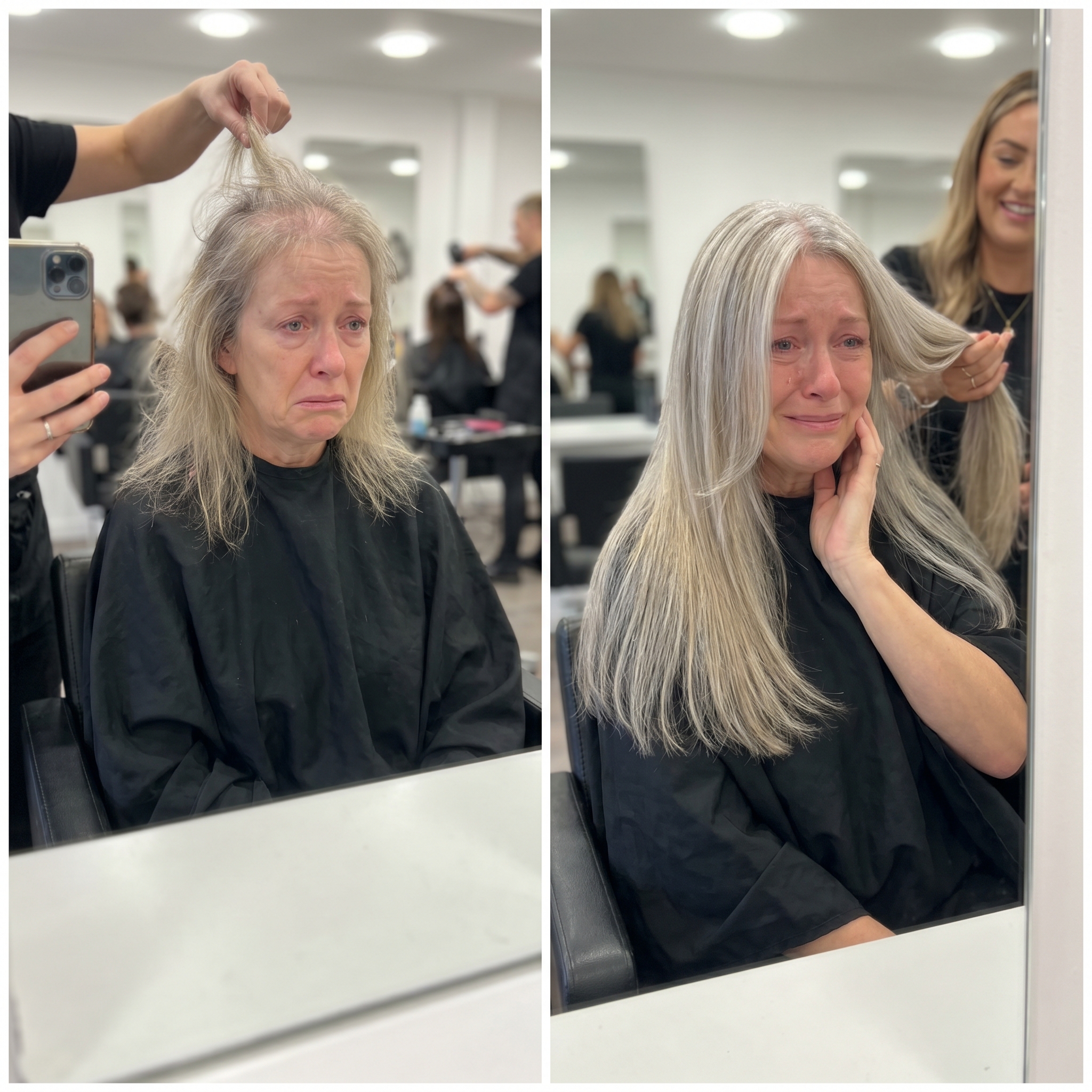
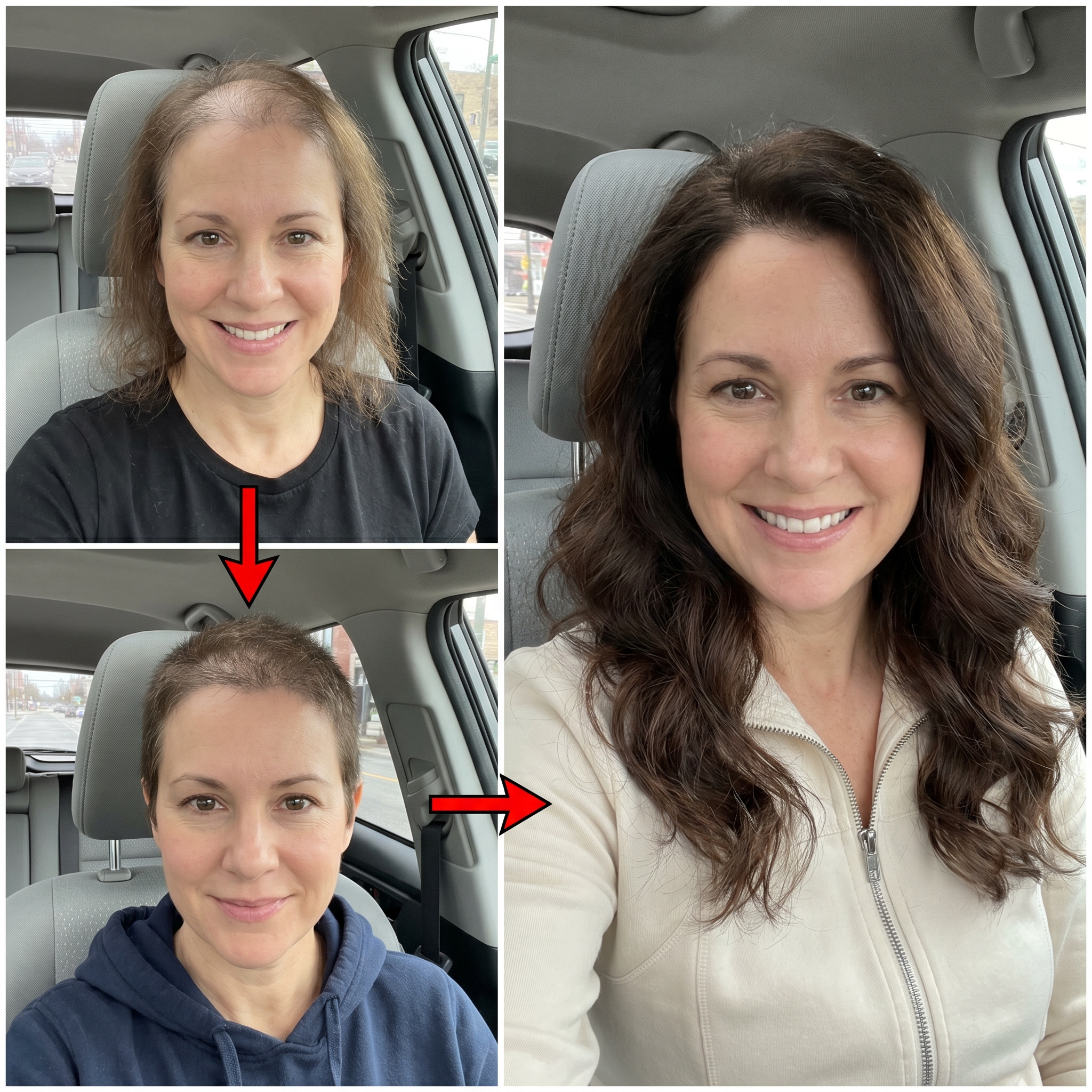
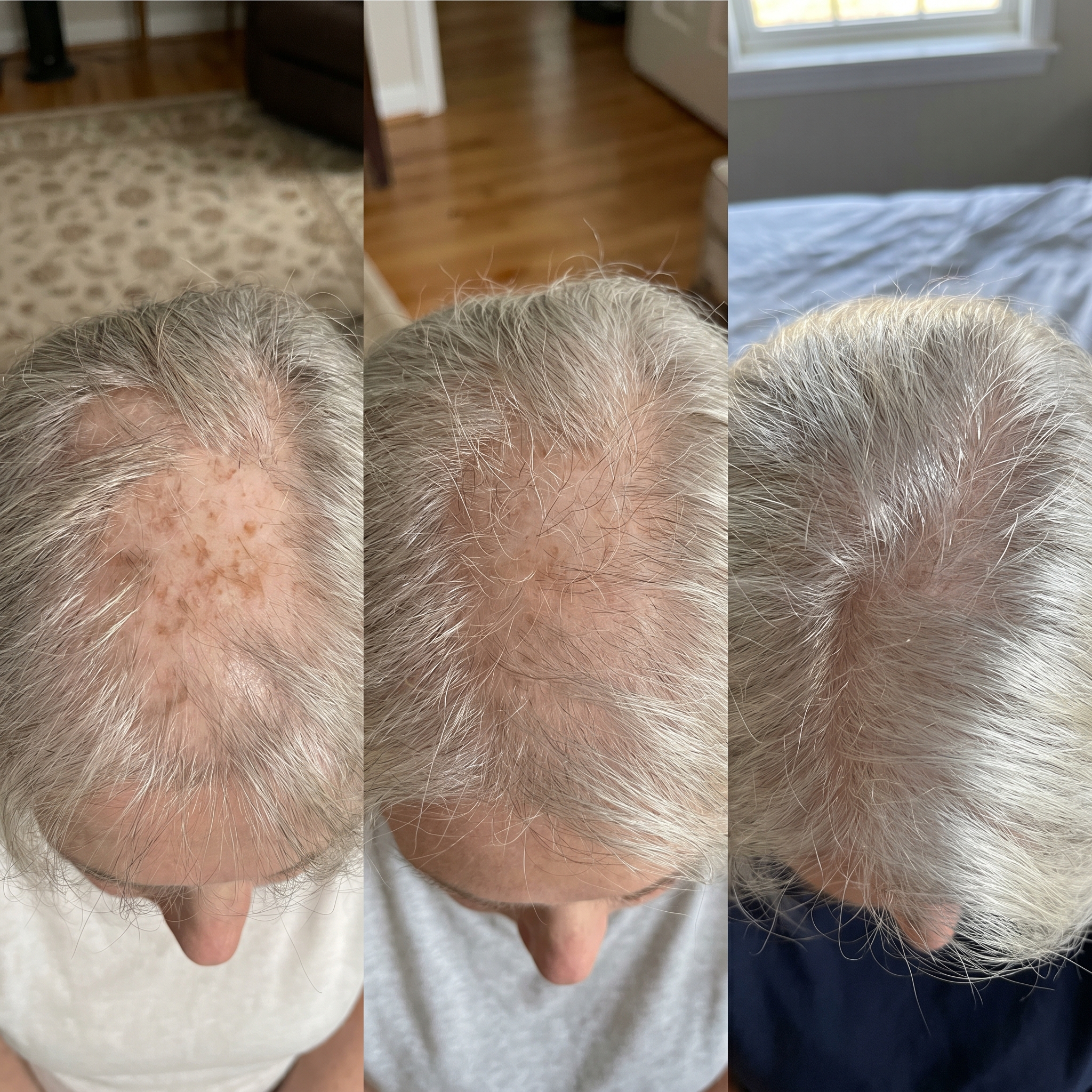
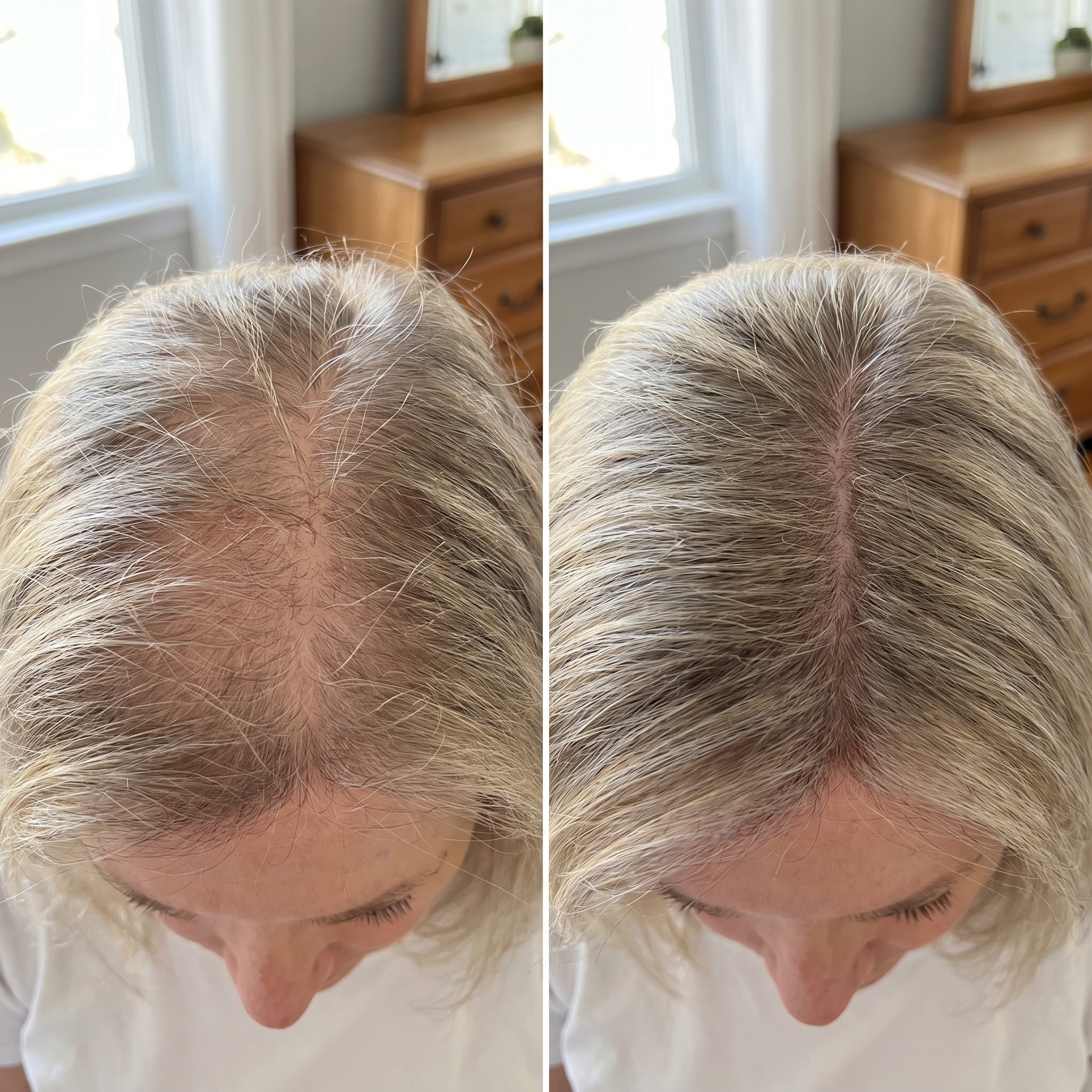
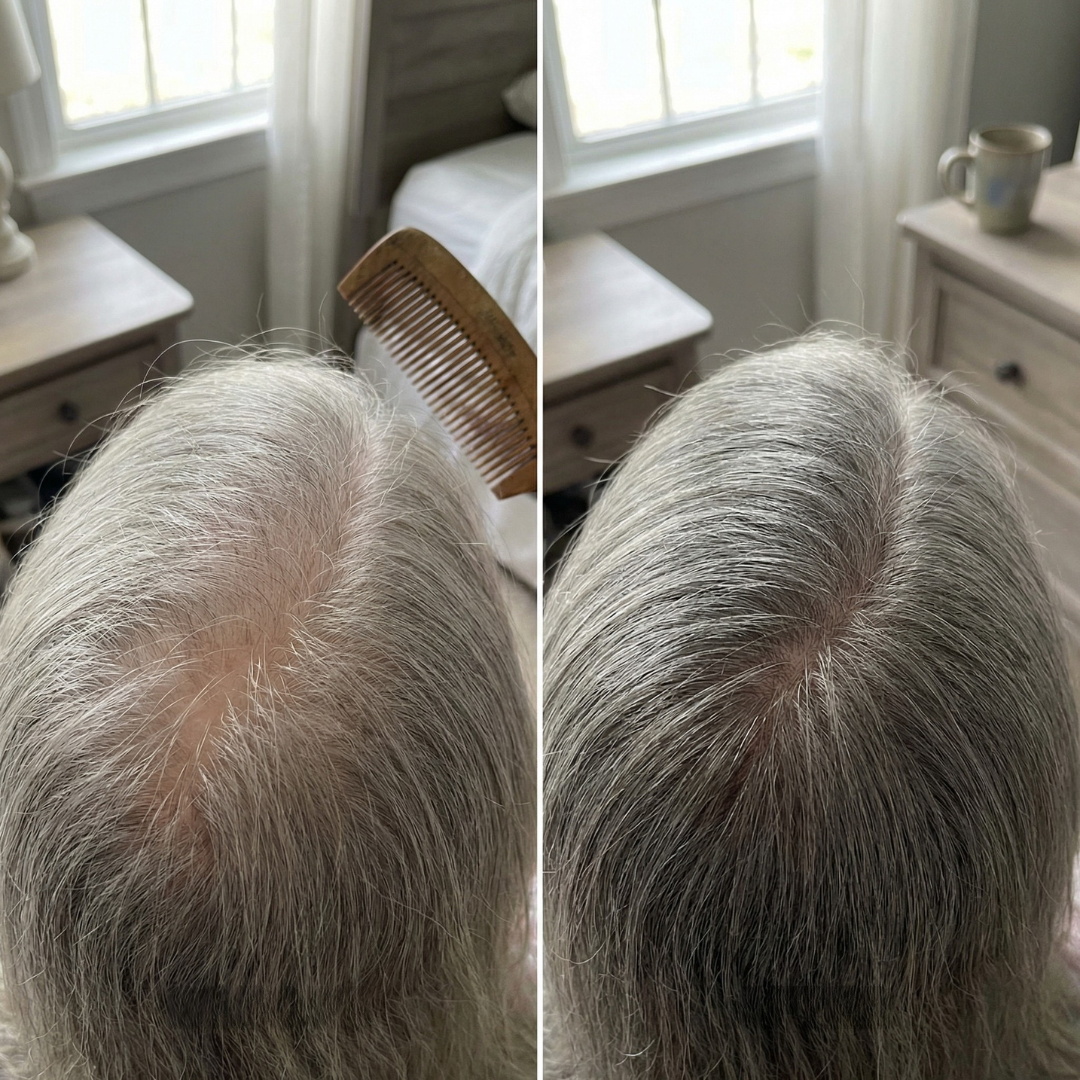
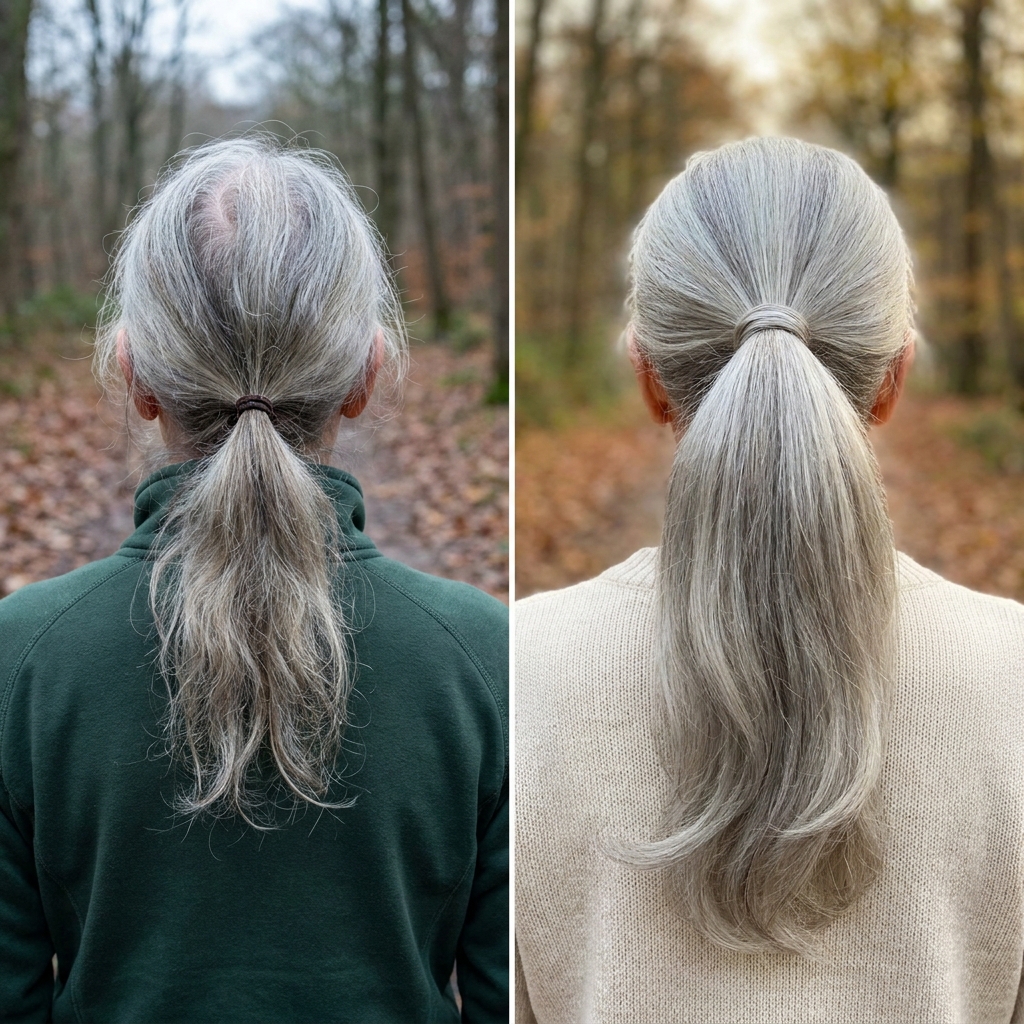
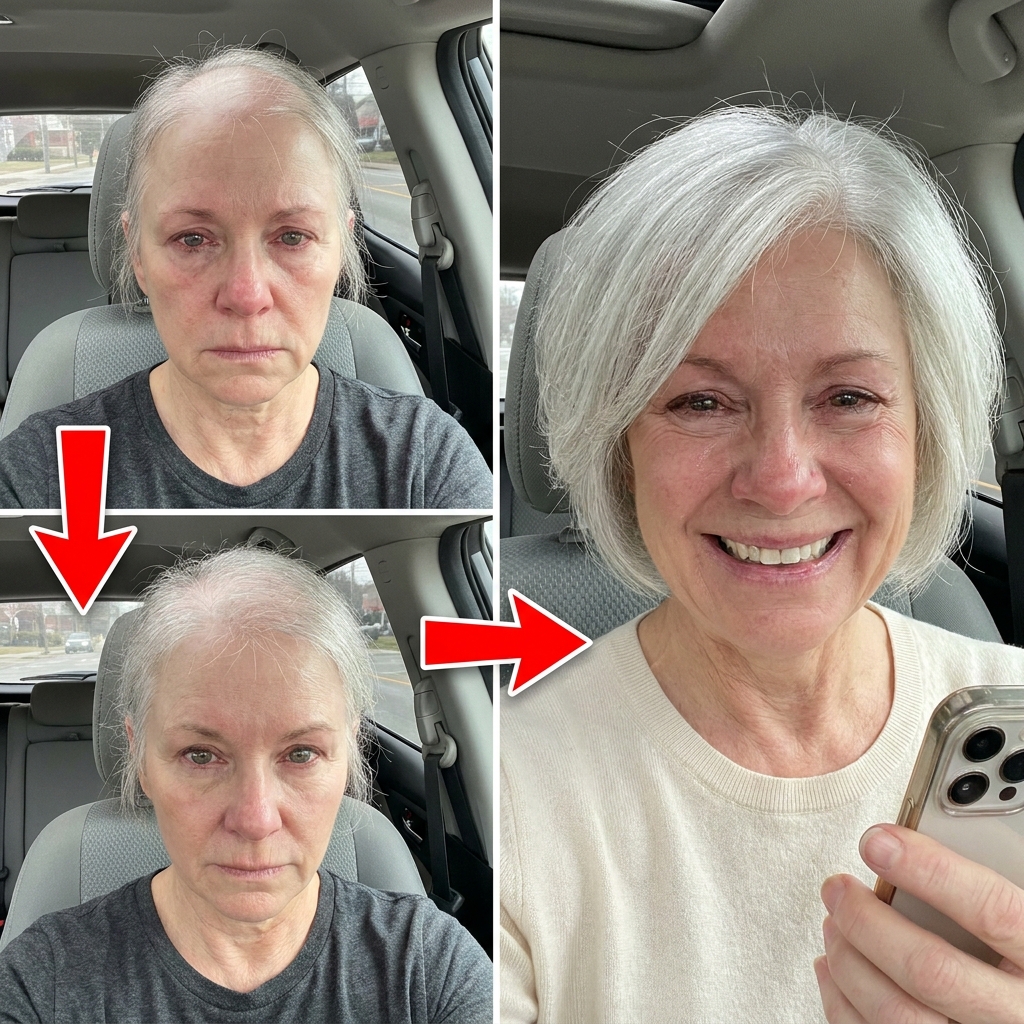
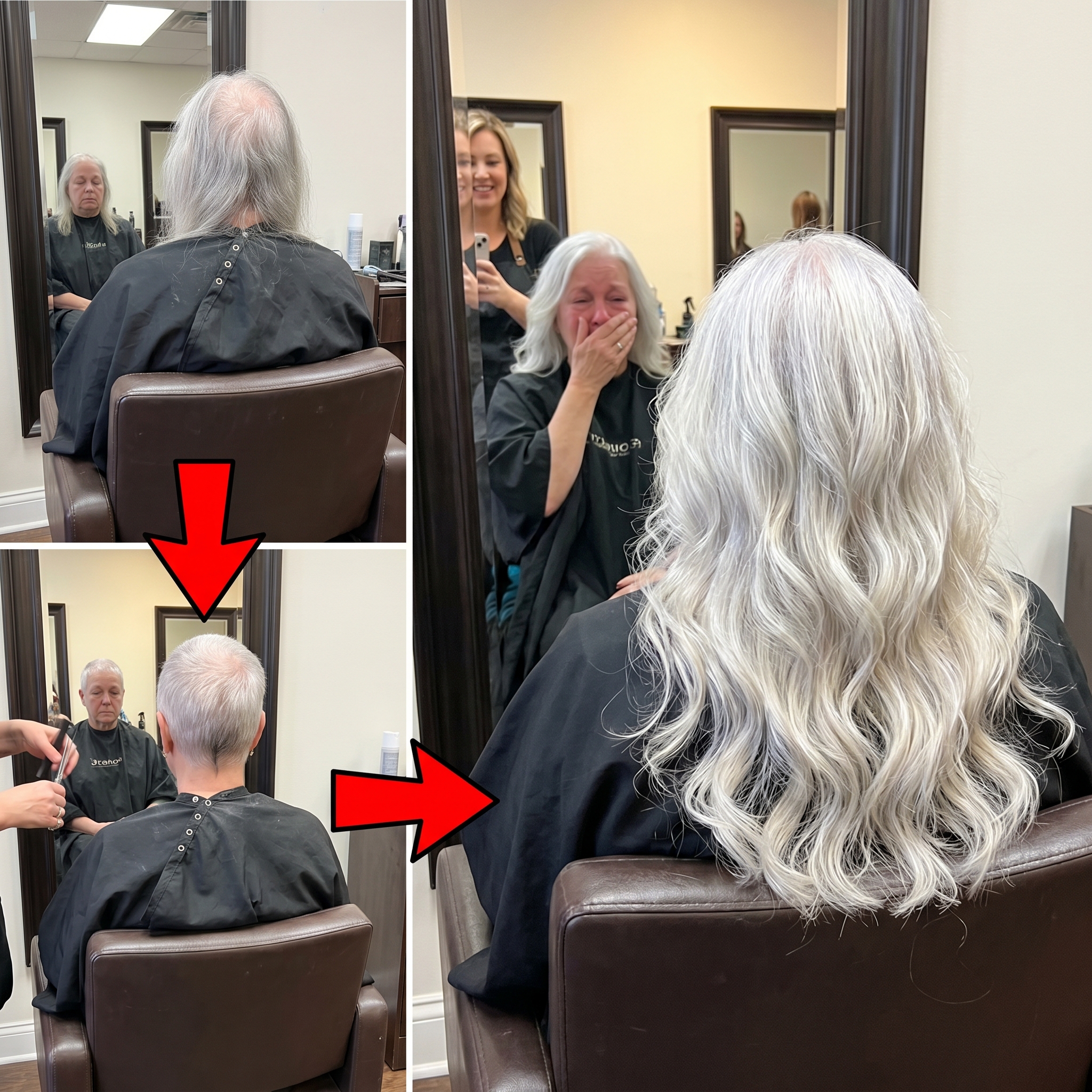
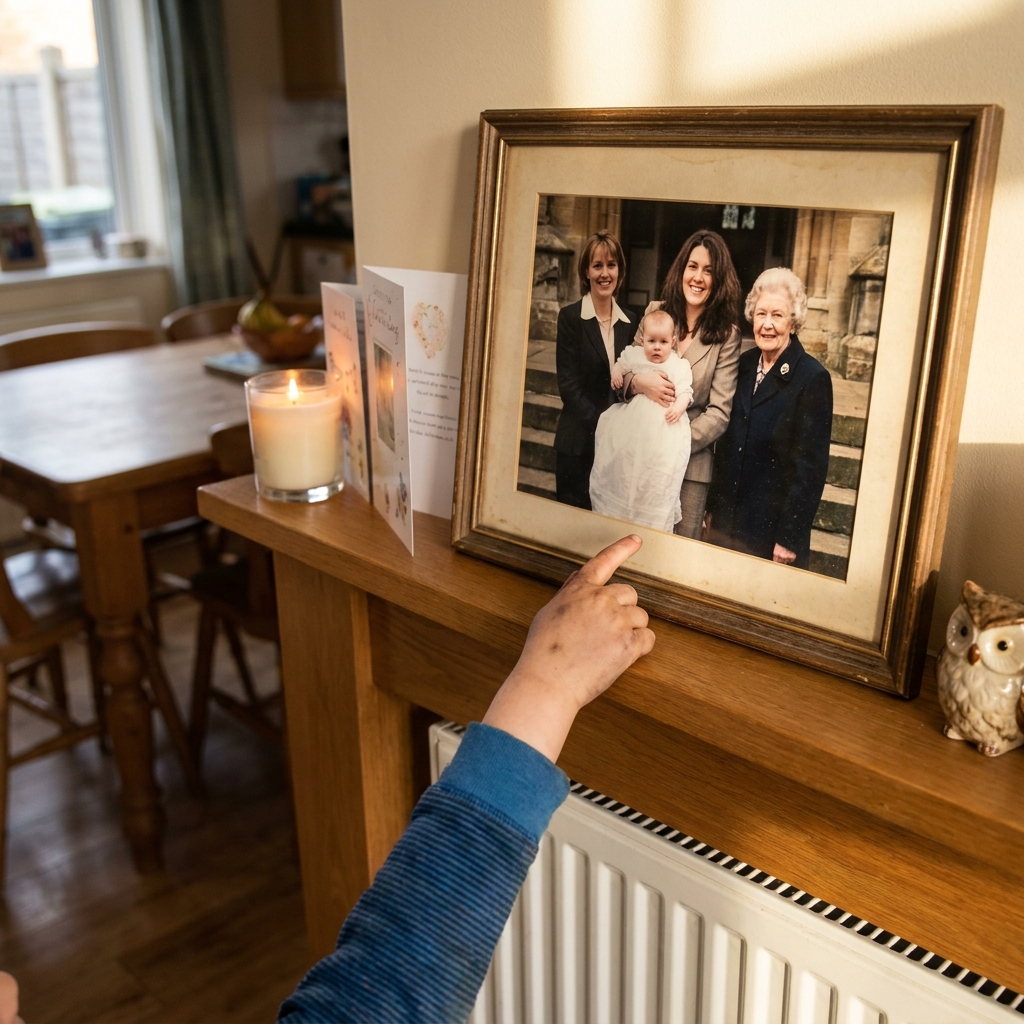
She quietly stopped recommending the volumising mousse and switched to a thickening shampoo. That was the signal. The product that actually addresses the mechanism is not on her shelf. I am 49. I am an events coordinator at the Brighton Dome. I have known my hairdresser, Marek, for eleven years. He has cut my hair every six weeks for most of that time, and he has been recommending the same volumising mousse for nine of those years. I had thick hair through my thirties and into my forties. People used it as an identifying feature when they introduced me. "Helena — the one with the hair." It was lazy shorthand and I do not miss it now that I think about it, but I missed it badly while it was leaving. In the autumn of 2023 Marek stopped recommending the volumising mousse. I noticed and said nothing. He started suggesting a thickening shampoo and what he called a "scalp toner." When I asked him why he had switched, he said — carefully — that the products were better suited to where my hair was now. He used the phrase "where it is now." He was diplomatic. He is not a diplomat. I made a GP appointment the next week. The GP at the Pavilion practice was kind. She ordered bloods — ferritin, thyroid, vitamin D, full hormone panel — and everything came back unremarkable. The follow-up was a Tuesday at 9:20. She had eight minutes. "You are perimenopausal," she said. "You will adjust. The hair often settles. In the meantime there is not much on the NHS for cosmetic thinning. A friend of mine swears by Plantur. It is a caffeine shampoo. Boots stocks it." I bought the Plantur. £6.85. I bought a scalp serum on Boots.com that evening because the website had cross-sold me at checkout. £24. Three months later — I had been counting the strands in the brush every Friday for fifteen weeks and the count had risen, not fallen — I booked a private trichologist in Hove. £195 for the consultation. She was excellent. She scoped me, talked me through female-pattern thinning at perimenopause, and prescribed an in-house tonic at £62 a bottle, three sessions of low-level laser at £90 each, and a course of minoxidil 2% twice daily, with a follow-up review at six weeks at £85. I had not paid £195 to be talked through female-pattern thinning. I had paid £195 to know what to do next. I ran the minoxidil for ten weeks. The shedding in week eight — "a known response, it resolves" — did not resolve. I stopped at week eleven. £48 on the minoxidil. £186 on the tonic. £270 on the laser. £85 on the follow-up review, which I attended because I felt I should. In parallel — because the algorithm now knew exactly who I was — I had subscribed to Viviscal at £45 a month for five months: £225. Biotin from Holland & Barrett: £64. A topper I never wore because I never quite trusted the colour match: £170. A laser cap from an Instagram ad I should have known better than to click: £240. Total over fifteen months: £1,228. I added it up on a Saturday morning in the kitchen, in the same way I add up the run-of-show budgets I add up for a living. There is something quietly humiliating about being good at numbers in your professional life and bad at numbers in the matter of your own face. I had been opening the bank statements every month and not reading the line items. Two of the recurring subscriptions had been live for longer than I had thought when I went into the apps to cancel them, which is how subscriptions of that kind survive. The hair I had been losing was not dying. It was being silenced. In perimenopause, estrogen begins to fall. The estrogen floor that had protected the scalp for decades begins to retreat. Local DHT activity at the scalp rises. DHT shortens the anagen — the growth — phase of the hair cycle. The follicle spends less time producing and more time dormant. The hair it does produce becomes finer and shorter. The follicle is not dead. It is silenced. To interrupt the silencing, the intervention has to occur at the scalp, where the DHT activity is happening. The trichologist had said all of this. She had said it carefully, in the consultation. She had then prescribed a vasodilator and a tonic and three sessions of low-level laser, none of which was a DHT blocker, and I had paid £589 for the package and gone home feeling that I had at last been listened to. I read the literature afterwards. Not all of it — I produce live events, not academic papers — but enough. 5-alpha-reductase. The anagen phase. The work on topical caffeine that the marketing of caffeine shampoos had been quietly resting on for fifteen years. The way every product I had bought was organised around the idea of fortifying hair that already existed, rather than around the idea of interrupting the chemistry that was telling the follicle to stop producing it. None of the mechanisms matched. None of the mechanisms had ever been claimed to match. I had been the one assuming they did. Plantur is a shampoo. Ninety seconds of dwell time is not an intervention. The minoxidil opens vasculature. It is a circulatory drug. It does not block 5-alpha-reductase. Viviscal is systemic. You swallow it. It cannot concentrate at the scalp. Biotin supports keratin integrity — relevant to the hair that gets through, irrelevant to whether anything gets through. The laser cap is, at best, an adjunct. None of it was built around the mechanism Marek had quietly told me about by changing the products he recommended at my next cut. The mechanism is local. The intervention has to be local too. I found Mellenza through a friend who manages a venue in Lewes. She had been on it for four months. She did not show me her hair. She told me about her sister's. Then she sent me the link. Not a shampoo. Not a volumiser. Not a supplement. A topical wake-up call for follicles that have been chemically silenced for years. You spray it on the crown, the part, and the temples. Nightly. Caffeine to block 5-alpha-reductase at the follicle. Polygonum multiflorum root extract, drawn from Korean dermatology research on follicle proliferation. Arginine for microcirculation. Biotin to support the integrity of new growth. Ginger extract for anti-inflammatory scalp support. That is the whole formulation. I started in February. The Dome was in pre-production for the Brighton Festival and I had no time to think about my hair, which turned out to be useful. Weeks 1 and 2 were unremarkable, which is what the box said they would be. The spray went on clear. My scalp tolerated it. I had been spending my evenings between technical rehearsals and supplier calls and had stopped checking the brush. Week 4: less hair on the pillow. Week 6: my conditioner felt as if it was being absorbed differently. Marek noticed at my next cut — he did not say anything, but he reached for the volumising mousse instead of the thickening shampoo and did not catch himself. Week 9: the parting in the dressing-room mirror at the Dome was narrower than the photo I had on my phone from December. I had a coffee and went back to the run sheet. Month four: I cancelled the trichologist follow-up. Month five: my husband and I went to Lisbon for our twenty-fifth wedding anniversary. There was an evening at a restaurant in Chiado with a low warm light coming up from candles in the centre of the table and a string of small bulbs along the bar behind him. I caught my reflection in the window behind him. I did not rearrange my hair. I had a glass of vinho verde. I asked him to take a photograph of me. He took three. I did not crop them afterwards. I put one in the frame on the dressing table when we got home, because the dressing table had been the wrong piece of furniture in the bedroom for two years and I had not wanted to admit why. Marek noticed at the next cut and went back to recommending the volumising mousse he had been recommending in 2014. He did not catch himself the second time either. I bought a tube. It was £18 and I considered it a good £18, in a way that I had not considered any of the previous fifteen months of bathroom-cabinet receipts to be money well spent at all. Twelve weeks is the cycle the follicle needs to reassert itself once the silencing is interrupted. Mellenza ships from the UK with a 90-day money-back guarantee, a scalp massager, and an ebook with the routine. If you have been buying products that were not built around the mechanism — and that is most of us — try the one that was.
Your hairdresser knew eighteen months before you did.
Women's Health · Updated April 2026 Menopause · Hair Routine 7 Mistakes That Make Menopausal Hair Loss Worse, And the 30 Second Ritual 10,000 Women Used to See Regrowth in 8 Weeks Dr. Sarah Mitchell — Women's Health Writer. If you're standing in front of the mirror doing the 3-elastic ponytail t...
LEARN MORELike this ad? Make it yours.
Crush rebuilds this exact creative around your product — your brand, your colors, your offer — in about a minute.