Living Well with Diana
Living Well with Diana Facebook ad: “The Secret Hormone Behind Thyroid Weight Gain”

Ran for 8 days, from September 3 to September 11, 2026, the last day Crush saw it.
Run by Living Well with Diana on Facebook. Crush is not the advertiser and does not verify its claims. See this ad in Meta's Ad Library(opens in a new tab)
Want an ad like this for your product?
Crush makes new ad images for your product from this ad: your logo, your product photo, your offer.
Trials from $19.95 USD, then $79.95 USD a month. Cancel anytime.
About this ad
- Meta Ad Library ID
- 1776136607052149
- Platforms
- Facebook, Instagram, Audience Network, Messenger, WhatsApp and Threads
- Relaunches
- 0
Ad text
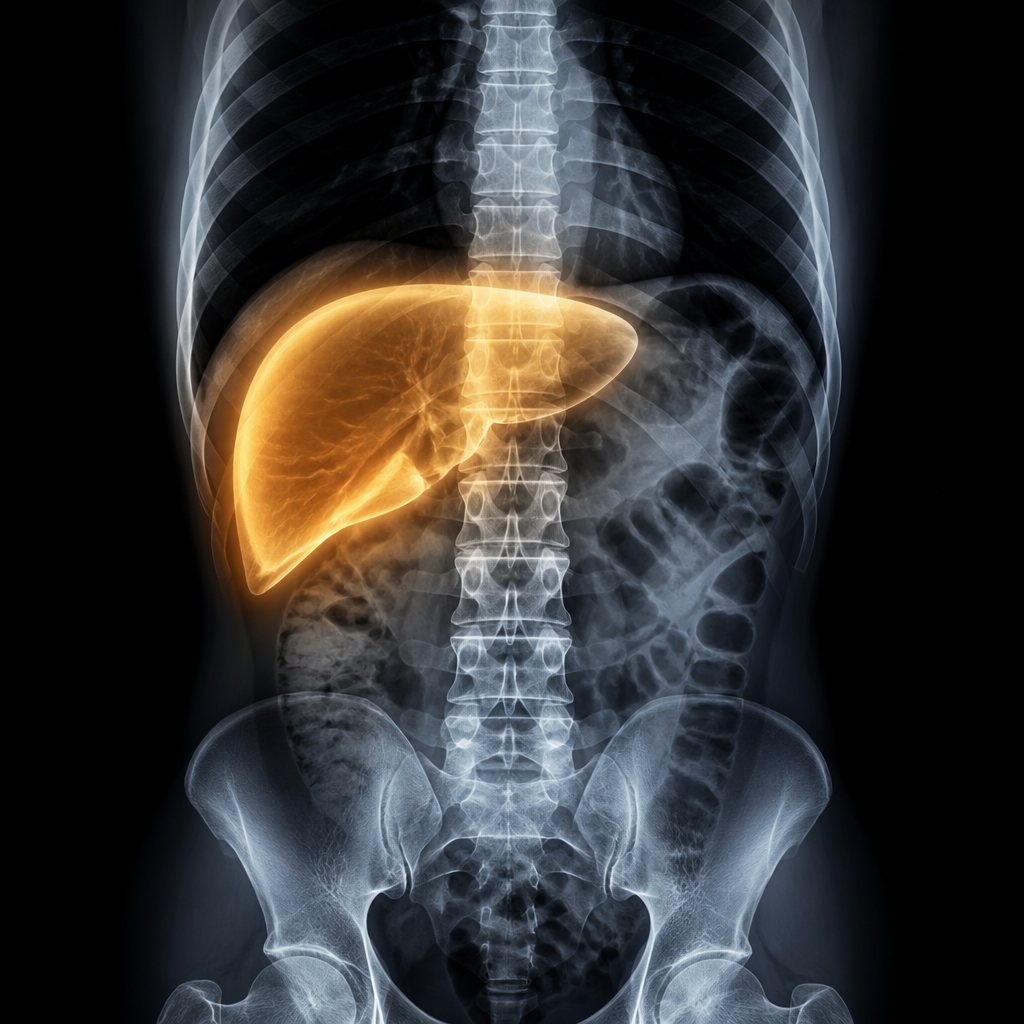
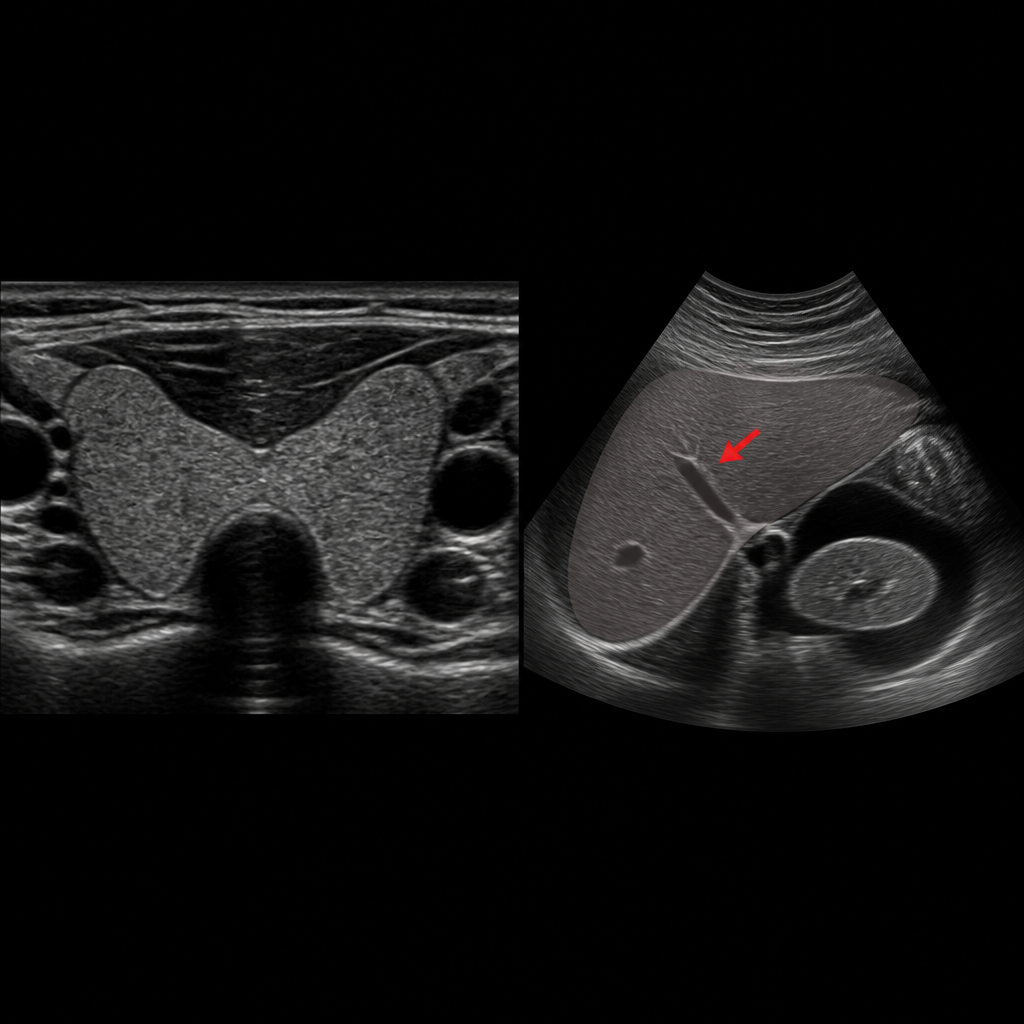
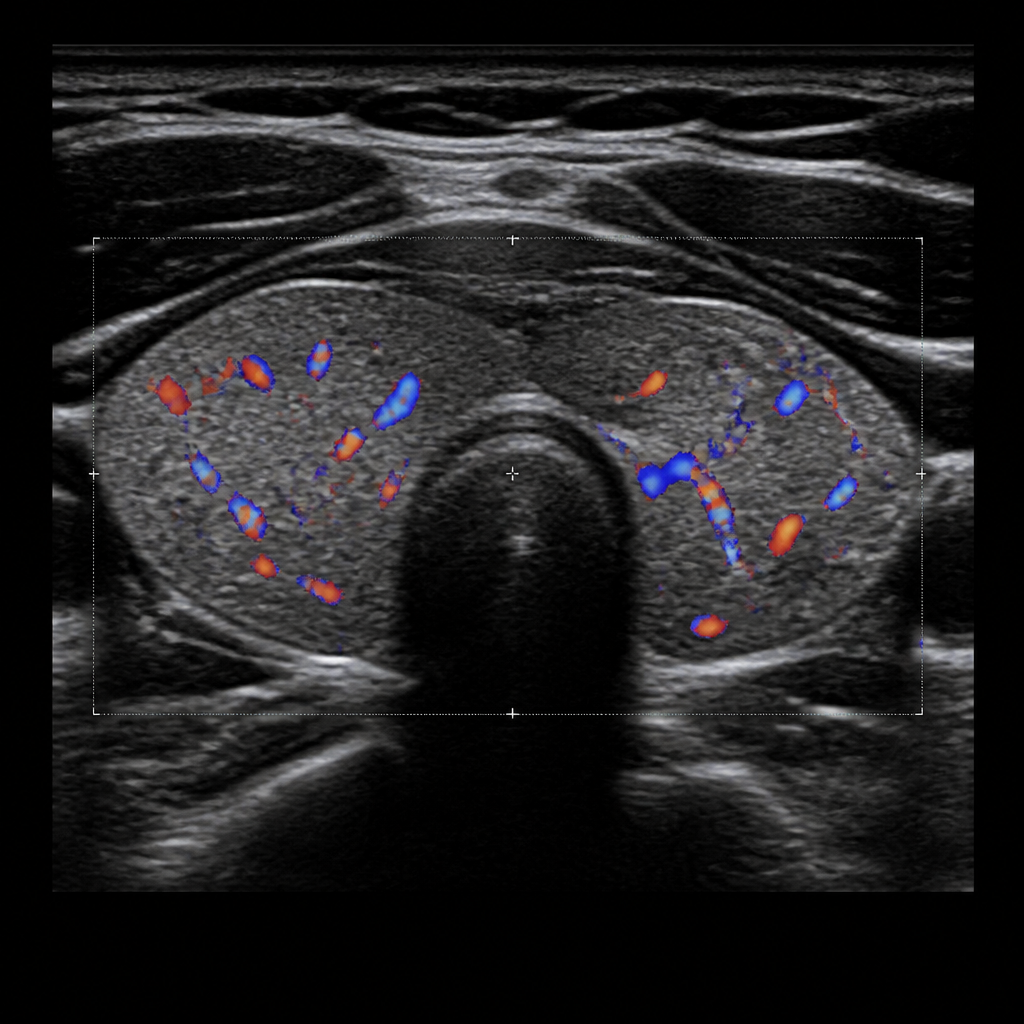
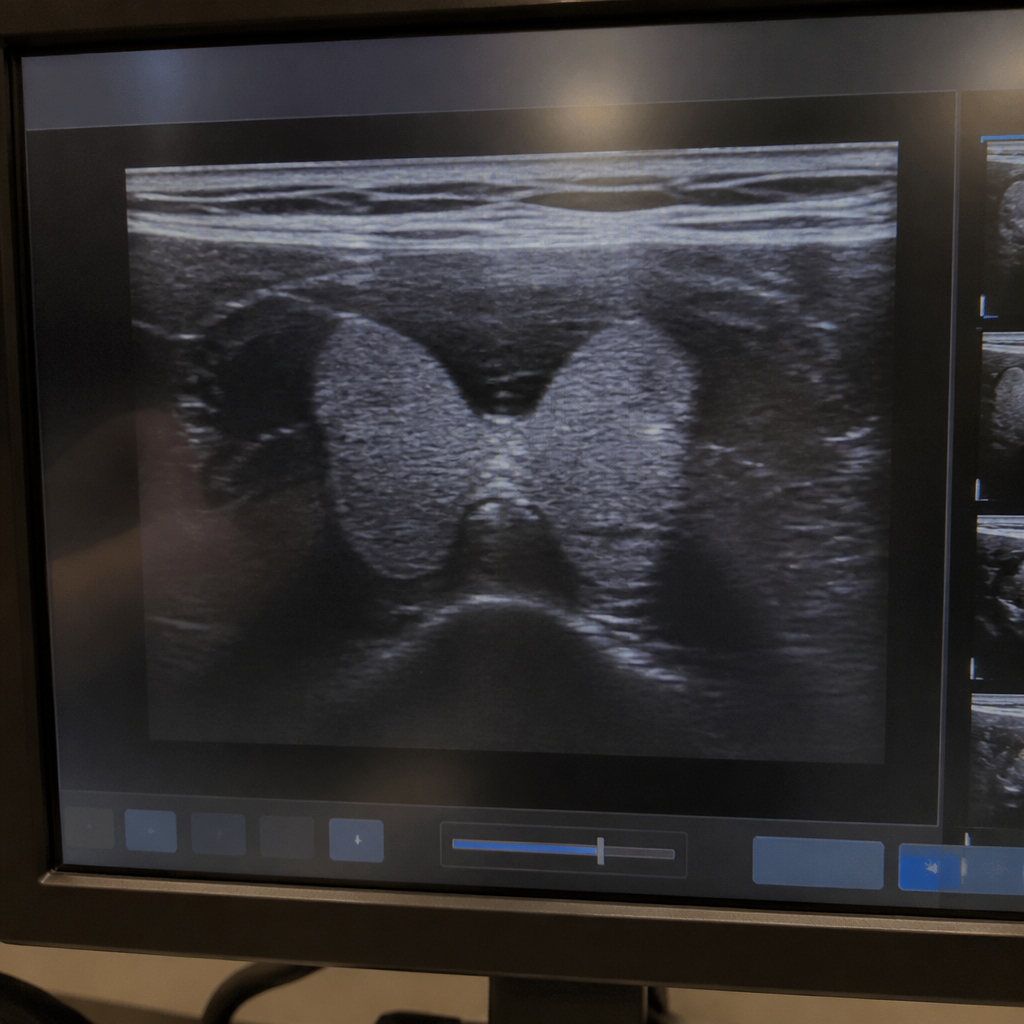
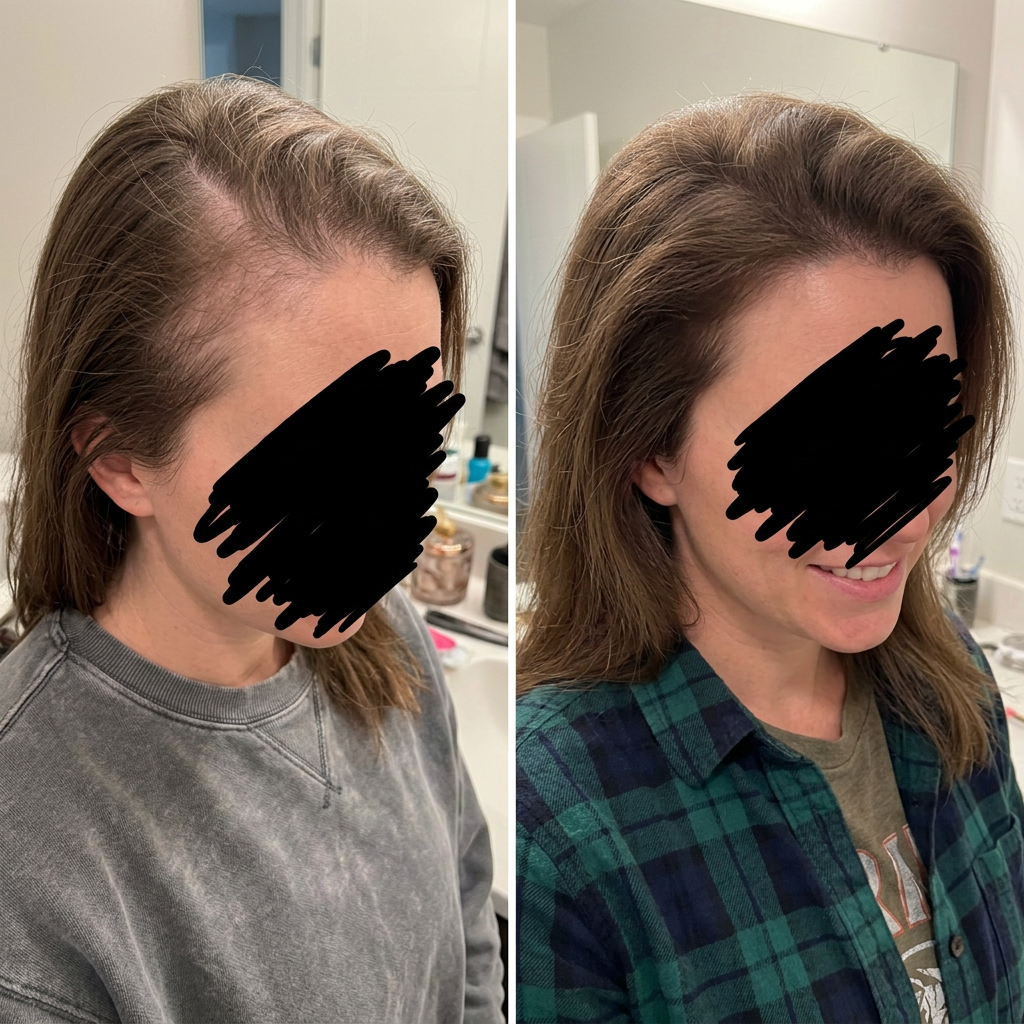
I stopped letting my husband take photos of me. I told him I hated cameras. That was a lie. I didn't hate cameras. I hated what they showed me. Because the woman in every photo looked ten years older and thirty pounds heavier than the woman I still saw in my head. And the distance between those two versions of me was getting wider every month. At 48 I weighed what I'd weighed since my early thirties. Give or take a few pounds at the holidays, my body was consistent. Predictable. I never dieted because I never had to. I ate normally, I stayed active, and the math just worked. At 49 the math broke. It didn't announce itself. There was no single moment where I felt it shift. It was more like waking up one morning and realizing the furniture had been rearranged in the dark. Everything was in a slightly different place and I couldn't figure out when it happened. My pants were tighter. Not dramatically. Just enough that I noticed. Just enough that I started unbuttoning the top button in the car on the way home from work and pretending that was normal. So I did what you do. I cut back a little. Smaller portions. Fewer snacks. More walking. The pants got tighter. Six months later I'd gained fourteen pounds. Concentrated in one place. My midsection. This firm, rounded, unfamiliar belly that sat below my navel and looked like it belonged to someone else. I cut back harder. 1,300 calories. Then 1,200. I logged every bite in an app that made eating feel like an accounting exercise. I was hungry most of the time and I told myself hunger meant it was working. It wasn't working. By 50 I was up twenty-two pounds. By 51, twenty-nine. By the time I was sitting in my second endocrinologist's office at 53, I'd gained thirty-five pounds eating less food than I had at any point in my adult life. Thirty-five pounds. And I need you to understand something about those thirty-five pounds. They weren't distributed the way weight had ever distributed on my body before. This wasn't "a few extra pounds everywhere." This was targeted. Architectural. Like my body had drawn a circle around my midsection and decided that was where everything would go. My arms were the same. My legs were mostly the same. My face was puffier but not dramatically different. But my belly. My belly looked like it had been inflated from the inside. Hard and round and dense in a way that didn't feel like fat I'd ever carried before. When I pressed on it, it didn't give. It was rigid. Like something structural had changed underneath. And it would not respond to anything I did. I need to tell you what I tried because I know you've done the same things and felt the same confusion and I need you to know that the confusion isn't in your head. The low-carb phase lasted four months. I ate under 50 grams of carbs a day. I was miserable and foggy and irritable. I lost three pounds in the first two weeks and then gained them back plus one more over the next three months. My body did not care about the carbs. The keto phase lasted six weeks. I ate so much fat I felt nauseous half the time. I was in ketosis according to the strips. The scale didn't move. Not once in six weeks. I was in ketosis and my body refused to burn its own fat. Intermittent fasting. I ate in a six-hour window. I walked around lightheaded and shaking for the other eighteen hours. My husband started asking if I was okay. My coworker pulled me aside and said I looked pale. The scale went up two pounds. I quit on day twenty-three. I joined a gym. I added strength training three days a week. The trainer said muscle would boost my metabolism. After two months of showing up at 6am, sore and exhausted, the scale had gone up another three pounds. The trainer looked confused. "Are you sure you're sticking to the nutrition plan?" I wanted to throw the clipboard at him. I tried a metabolism supplement. Green tea and caffeine and something called L-carnitine. My heart raced. My hands trembled. I couldn't sleep. And I gained a pound. Apple cider vinegar. Berberine. A "hormone balance" capsule from a company with a lot of Instagram followers and very little transparency about what was actually in the bottle. Digestive enzymes. A cortisol manager that turned out to be just B vitamins in a fancy package. Nothing. Nothing. Nothing. Nothing. My body was a locked vault. And every key I tried bent and snapped without the door opening an inch. Meanwhile I watched my husband eat pasta at 9pm and wake up the same weight he went to bed. I watched my coworkers eat birthday cake and laugh about "working it off tomorrow." I watched the world operate inside a system of calories-in-calories-out that my body had apparently seceded from without telling me. And slowly, month by month, I started disappearing. Not physically. I was more visible than ever in the worst possible way. But the me inside... the one who wore dresses and went to parties and let people take her picture and felt at home in her own body... that person was fading. I stopped buying new clothes. What was the point? Nothing fit and everything would be the wrong size in three months anyway. I stopped going to my husband's company dinners. I told him I was tired. He knew it wasn't that. I stopped suggesting weekend plans with friends. Because restaurant meals meant eating in front of people who might notice how much or how little I was eating and every outing became a performance I didn't have the energy for. I stopped looking at photos from trips we'd taken three years ago because the woman in those photos made me want to cry. And the weight was only part of it. If it had just been the weight I might have coped. But it came with passengers. The exhaustion. Deep, cellular, heavy exhaustion that started when I opened my eyes and never let up. I slept eight hours and woke up feeling like I'd been awake all night. By mid-afternoon I was running on fumes. I'd sit in my car after the grocery store and close my eyes and think about how I used to come home from a full day of work and cook dinner and clean the kitchen and still have energy for a conversation. Now I could barely make it from the couch to the bed. The brain fog. I manage accounts for a living. I'm good at it. I've been good at it for twenty years. And I was sitting in front of spreadsheets unable to remember which column I'd just reviewed. Losing words mid-sentence. Forgetting appointments I'd made that morning. I started keeping three separate to-do lists because I couldn't hold anything in my head for more than ten minutes. The cravings. God, the cravings. Every night around 8:30 this wave would rise up from somewhere deep and chemical and pull me toward the kitchen with a force that felt nothing like regular hunger. I'd had a full dinner. I wasn't hungry. But something in my body was screaming for sugar and starch with an urgency that bordered on panic. And I'd stand in the kitchen eating crackers or cereal or whatever I could grab and feel absolutely disgusted with myself. And then the guilt. Every morning. Waking up with the memory of standing in the pantry and the weight of knowing I'd "failed" again. Adding it to the pile of evidence that this was my fault. That I was undisciplined. That everyone else could manage their weight and I was the one who couldn't. The 3am wakeups. Every night. Eyes snapping open like an alarm had gone off inside me. Heart beating slightly too fast. Brain immediately running calculations about everything I'd eaten and everything I needed to do and whether today was going to be another day of the scale not moving. Then lying there for two hours until exhaustion dragged me back under just in time for the alarm to go off. The anxiety. New. Foreign. A low hum of dread that lived behind my sternum all day and didn't attach to anything specific. Just this constant feeling that something was wrong. Something was coming. Something I couldn't name and couldn't fix. I went to three doctors in five years. My primary care tested my thyroid twice. Normal both times. She gave me the "healthy eating over 50" pamphlet the first time and a referral to a nutritionist the second time. The nutritionist put me on a plan so restrictive I lasted nine days. The first endocrinologist ran a full thyroid panel. TSH normal. T4 normal. He said my thyroid was functioning perfectly and suggested I try a Mediterranean diet. The second endocrinologist ran the panel again plus metabolic markers plus glucose plus insulin. All within range. "Your thyroid looks great," she said. "Sometimes our bodies just change how they carry weight after menopause. It might be worth adjusting your expectations." Three doctors. Five years. Thirty-five pounds. And the best anyone could offer me was adjust your expectations. So I adjusted them. Downward. Into the floor. I accepted that this was permanent. That I would be heavy and tired and foggy and anxious and awake at 3am for the rest of my life. That the woman in the old photos was gone and she wasn't coming back. That's where I was when Laura sat down across from me at lunch. Laura works two cubicles from me. We're not close friends. We're the kind of coworkers who eat lunch at the same time and talk about our weekends and know each other's kids' names without knowing much else. But Laura had been different lately. I'd noticed without really noticing. Something had shifted in the last couple of months. She seemed lighter. More present. She was wearing clothes I hadn't seen before. She looked less... I don't know how to describe it. Less compressed. Like something that had been squeezing her had loosened its grip. I almost didn't say anything. But we were sitting across from each other and she caught me looking and smiled and said "you're staring at me." "You look different," I said. "Did you change your hair?" She laughed. "No. But I know what changed. And if you have twenty minutes, I'd like to tell you. Because I think you need to hear it." I didn't know what that meant. But something in her voice made me put my fork down. "Two years ago," she said, "I was where you are right now." I started to protest. She held up her hand. "I don't mean that as an insult. I mean that I recognize it. The exhaustion. The clothes that don't fit. The way you've gotten quieter over the last year. The way you never finish your lunch anymore. I gained twenty-seven pounds in eighteen months and my doctor told me my thyroid was fine and I spent three years thinking I was broken." I felt my throat tighten. Because she was describing me with a precision that meant she had lived it. "What changed?" I asked. "Everything. Because I finally found out what was actually happening inside my body. And it had nothing to do with my thyroid." Then she explained it. Slowly. Over the rest of our lunch and a walk around the parking lot afterward because neither of us wanted to go back inside. "Your thyroid is fine," she said. "The tests are right. But your thyroid being fine and your thyroid system working properly are two completely different things. And nobody is making that distinction for you." She told me about T4 and T3. How the thyroid produces T4 but T4 is inactive. How it has to be converted into T3... the active form... mostly in the liver, before your cells can use it for metabolism and energy. "The test measures production," she said. "And production IS normal. But conversion is where the system breaks down. And nobody tests for that." "What blocks the conversion?" "Cortisol." She explained it the way someone explains something they've lived inside, not read about. With specificity and frustration and the anger of someone who lost years to a problem that could have been identified on day one. When cortisol stays chronically elevated... which is what happens during and after menopause when the estrogen buffer that used to modulate the stress response declines... it creates a blockade on the thyroid system. Not one blockade. Three. Running simultaneously. The first one. Cortisol drives the accumulation of visceral fat. The hard, dense belly fat around the organs. The kind that showed up at 49 and wouldn't respond to anything. That visceral fat infiltrates the liver. And a liver burdened with that fat can't efficiently convert inactive T4 into the active T3 your metabolism needs. The raw materials are fine. The processing plant is clogged. The second one. Elevated cortisol causes your body to produce more reverse T3 instead of active T3. Reverse T3 is a decoy. It looks like real T3. It fits into the same receptor sites on your cells. But it doesn't work. It just sits in the receptor like a broken key jammed in a lock... blocking the real hormone from getting in. So even the active T3 your liver manages to produce can't reach the cells that need it. The third one. Cortisol suppresses an enzyme called AMPK that tells your cells to release stored fat for energy. With AMPK suppressed, your cells are sitting on fuel they can't access. So they send hunger signals. Cravings. That 8:30pm pull toward the kitchen isn't a moral failure. It's your cells screaming for energy they're locked out of... demanding it from the fastest available source because they can't get it from storage. Three simultaneous blocks. All driven by cortisol. All invisible on a standard thyroid test. "And here's what made me want to set fire to every diet book I've ever bought," Laura said. "Every single thing we do to fight the weight makes the blockade worse." Calorie restriction. Your body interprets the deficit as a threat. Cortisol rises. The blockade tightens. Your body holds on to fat harder because the stress signal just confirmed the emergency is real. Intense exercise. Pushing harder spikes cortisol further. More visceral fat signaling. More conversion impairment. More reverse T3. More receptor jamming. Fasting. Another stressor on a system already in overdrive. Another confirmation that resources are scarce and the body needs to hold on to everything. Stimulant supplements. Caffeine, green tea extract, thermogenics. Cortisol goes through the roof. You've just poured fuel on the fire that's creating the blockade. "We weren't failing," she said. "We were pushing in the exact wrong direction. And nobody told us. Because nobody was looking at cortisol. They were all looking at the thyroid." I sat in my car after that conversation for thirty minutes. Engine off. Hands on the steering wheel. Because five years of my life had just been explained in a parking lot over lunch. Five years of diets and supplements and doctors and guilt and shame and mirrors I took off the walls and photos I asked my husband to delete and clothes I stopped buying and events I stopped attending and a body I stopped recognizing. Cortisol. The whole time. Not my thyroid. Not my calories. Not my willpower. A stress signal sitting upstream of everything, blocking a system that was working fine at the production level and failing at the conversion level, and nobody thought to check. I asked Laura what she did about it. Because understanding the problem and solving the problem are two different things. I couldn't just "reduce stress." That's not a solution for a nervous system that's been locked in overdrive for five years. She said she'd gone through the same frustration. Looked at what was available. And found the same mess I'd already waded through. Metabolism supplements that are secretly stimulants. Cortisol up. Blockade deeper. Thyroid support formulas that target production with iodine and selenium. Production was never broken. Menopause products that chase hot flashes and ignore cortisol completely. Weight loss supplements that suppress appetite or block absorption. Treating symptoms of a blockade they never identify. She said she'd almost given up when a friend of hers... another woman who'd been through the same cycle... told her about something different. AVIA. AVIA Cortisol Support. Laura said she opened the website and the first thing she noticed was that she could read every ingredient and every dose. No proprietary blend. No fillers. No vague "metabolic complex" or "hormone support matrix" disguising what was inside. Adaptogenic botanicals. The specific ones she kept finding in research on cortisol and the stress response. At doses that were actually studied. Not token amounts thrown in for label appeal. Not a weight loss supplement. Not a fat burner. Not a metabolism booster. Not a thyroid formula. A formulation built specifically to support healthy cortisol levels. One capsule. Once a day. Designed for women whose stress response had lost its buffer and wasn't coming back down. She started taking it expecting nothing. Because three years of expecting something had turned her cynical. She was fine with cynical. She just wanted one thing to work. "The sleep changed first," she said. "Within a week. The 3am wakeups started spacing out. I'd wake up and realize I'd slept six straight hours. Then seven. That hadn't happened in years." "Then the cravings. They didn't vanish. They softened. The 8pm desperation became more like a suggestion I could ignore. I stopped standing in the kitchen at night arguing with myself." "Then the scale. Week three. Down two pounds. Then four. Then by the end of the second month I'd lost nine pounds without dieting. Without restricting. Without counting a single calorie. My body was just... releasing. Letting go. Like whatever had been gripping it finally relaxed." She said the belly was the last thing to change and the most dramatic. That rigid, hard, visceral quality started softening around month two. By month three it was visibly different. Not gone. But changed. Responding. Moving in the right direction for the first time in years. "I got myself back," she said. "Not a different version. The actual version. The one I'd been before the blockade started." I ordered it that night. Not because I was hopeful. Hope had been beaten out of me by five years of failure. I ordered it because Laura had just described my exact life with my exact symptoms and told me she was on the other side of it. And the thing she credited wasn't a diet or an exercise plan or another bottle of something targeting the wrong system. It was the first thing I'd ever heard of that targeted cortisol. The actual signal. The upstream cause. The bottle arrived two days later. I took the first capsule on a Thursday morning with my coffee. And I waited. Expecting nothing. Expecting to add another empty bottle to the cabinet. The first thing I noticed wasn't physical. It was the absence of something. By day five the 3am wakeup didn't happen. I opened my eyes and it was 6:15am and my alarm was about to go off and I'd slept through the entire night. I lay there in the dark and tried to locate the usual feeling... that tight, revved, something-is-wrong hum in my chest. It was quieter. Not gone. Quieter. By the end of the first week I'd slept through four nights out of seven. My husband noticed before I said anything. He said I seemed "less wound up." I didn't know I'd been wound up. But when I thought about it... yes. I'd been wound up for five years. I'd just stopped noticing because the tension became my normal. Week two. The cravings changed. I ate dinner on a Tuesday night. A normal dinner. And at 8:30 I was sitting on the couch reading and I suddenly realized I wasn't thinking about the kitchen. The pull wasn't there. Not suppressed through willpower. Not white-knuckled through. Just... absent. Like a sound you've been hearing for so long that you forgot it was there until it stopped and the silence surprised you. I made it through five evenings that week without a single trip to the pantry. I didn't feel deprived. I felt full. Actually, genuinely full. For the first time in years. Week three. I stepped on the scale. Down four pounds. I stepped off. Stepped back on. Same number. Four pounds. Without dieting. Without restricting. Without hunger. Without a single change to how I ate except that I'd stopped standing in the kitchen at 8:30pm eating things I didn't want. My body was letting go. Of its own accord. Because the signal that had been telling it to hold on and store and hoard and refuse to release was finally, finally starting to quiet down. And the belly. When I pressed my hand against it that morning, it gave. Just slightly. That rigid, concrete, impenetrable quality was softening. Like something underneath was unclenching for the first time in years. Week four. The brain fog broke. I'm telling you it broke like a fever breaks. One day I was trudging through spreadsheets rereading the same row three times and the next day I sat down at my desk and the numbers clicked into place like they used to. Fast. Clean. Connections appearing before I consciously looked for them. My brain was working. Actually working. Not slogging through wet cement. Working. I made a comment in a meeting that was sharp enough that my manager paused and said "good catch." And I thought... there you are. There's the woman I've been looking for. Month two. Ten pounds. Without effort. Without pain. Without deprivation. The belly was visibly different. I put on a pair of pants I hadn't touched in two years. They buttoned. They didn't just button... they fit. Like pants are supposed to fit. Without the top button digging into a belly that had been occupying that space like an uninvited guest for five years. I stood in front of the mirror... the one I'd asked my husband to take down... and I looked at myself. It was back on the wall. He'd rehung it without telling me. And for the first time in years I didn't look away. I didn't look like I did at 45. I looked like a 53-year-old woman whose body was functioning again. And that was more than enough. The cravings were gone. Not managed. Gone. My cells had access to their own fuel. The emergency signals had stopped. I ate three meals a day and didn't think about food in between. Do you understand how radical that felt after five years of obsessing over every bite? Month three. Sixteen pounds. My husband came home from work and I was standing in the kitchen wearing a dress. Not an elastic-waist, loose-middle, hide-everything dress. A real dress. One I'd worn to his company dinner three years ago and hadn't touched since. He stopped in the doorway and looked at me and his eyes got wet and he said "there you are." Not "you look great." Not "the diet's working." "There you are." Because I had been gone. For five years. Buried under a blockade that nobody identified, fighting a battle on the wrong front, blaming myself for losing a war I was never equipped to win because nobody told me where the actual enemy was. I don't have a thyroid problem. I never did. What I had was five years of cortisol blocking a thyroid system that was working fine at the production level. Impaired conversion. Jammed receptors. Suppressed fat release. And every diet, every fast, every stimulant, every punishing workout drove the signal higher and the blockade deeper. One signal. One root cause. The weight. The belly. The fatigue. The fog. The cravings. The insomnia. The anxiety. The guilt. All of it. All downstream of a cortisol response that lost its buffer and wouldn't come down. Listen to me now. Because this is the part I wish someone had told me five years ago. This doesn't reverse on its own. Cortisol drives visceral fat. Visceral fat impairs thyroid conversion. Impaired conversion slows metabolism. Slower metabolism stores more fat. More fat increases systemic stress. More stress drives cortisol higher. The cycle doesn't plateau. It tightens. Month after month. Year after year. Every month you spend cutting calories while this blockade is running, your body reads the restriction as another emergency and locks down harder. Every month you spend pushing harder at the gym, cortisol climbs and the blockade deepens. You're not failing. You're fighting in the wrong direction. And nobody is telling you. AVIA is small. Small company. Small batches. They don't have warehouse inventory sitting around. When a batch sells through, you wait for the next one. I've seen it go out of stock and had to wait. https://shop.tryavia.com/ps-thyroid-angle I'm putting the link here. You've earned your skepticism. Five years, ten years, however long you've been doing everything right while your body ignores every effort... that kind of frustration doesn't evaporate because someone on the internet told you to try something. But grab one bottle. One. Give your body three to four weeks of actual cortisol support and pay attention to what shifts. Not just the scale. The sleep. The 3am wakeups. The cravings at 8pm. The fog. The fatigue that no amount of rest can fix. The anxiety that showed up when the weight did and never left. Because it's all one signal. And when that signal starts settling... the blockade moves. The conversion resumes. The receptors clear. Your body stops fighting you. And the weight starts to come off the way weight is supposed to come off... slowly, steadily, without starvation, without punishment, without hating yourself through every meal. I eat three meals a day. I don't count anything. I sleep through the night. My ring is on my finger. The mirrors are on the walls. The dress fits. And last weekend my husband took a photo of me at dinner and I didn't ask him to delete it. I looked at it. And the woman looking back at me was someone I recognized. Not because I found a better diet. Because I finally stopped fighting my thyroid and addressed the signal that was blocking it. https://shop.tryavia.com/ps-thyroid-angle
Where the ad sends people
shop.tryavia.com
The Secret Hormone Behind Thyroid Weight Gain
Learn more: shop.tryavia.com(opens in a new tab)