North Valley Health Clinic
North Valley Health Clinic Facebook ad: “Natural Relief in Weeks”
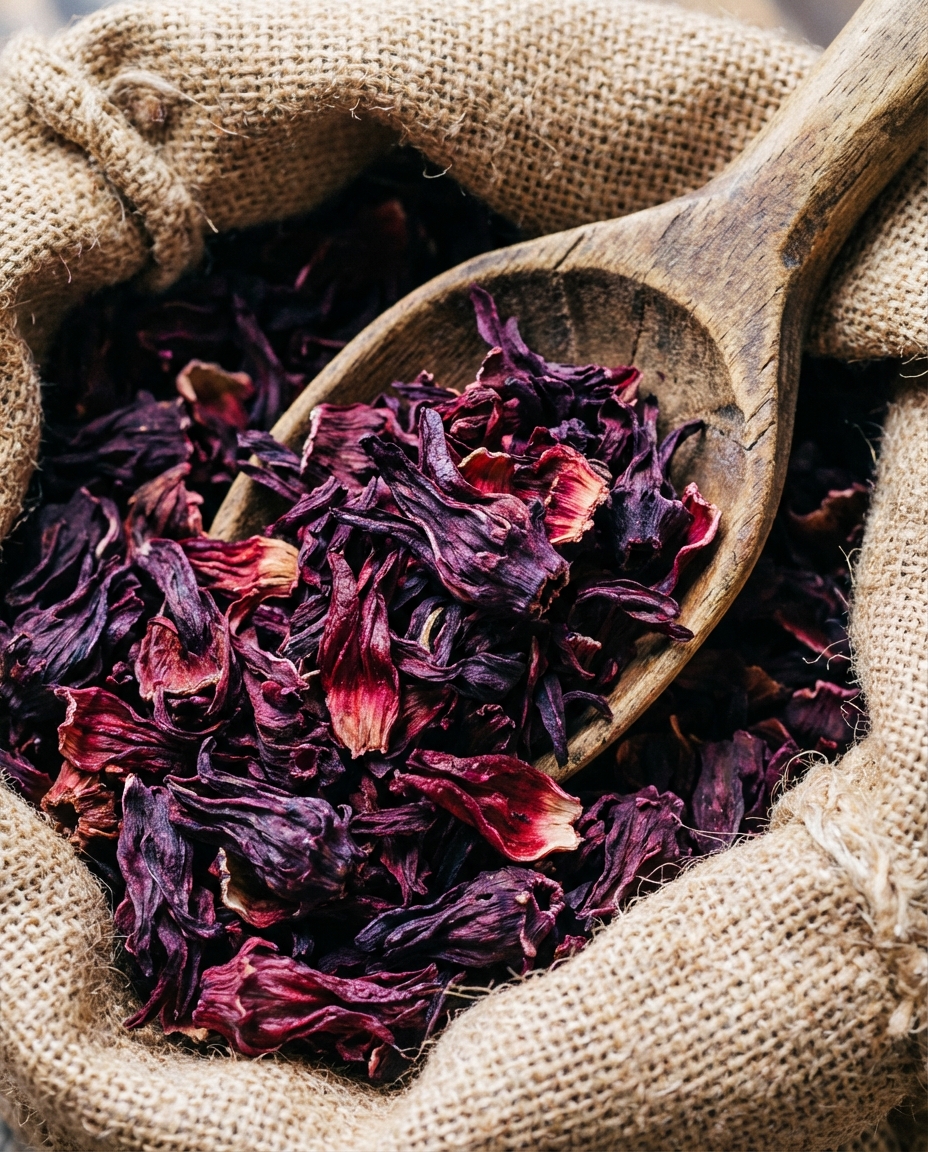
Ran for 32 days, from January 11 to February 12, 2026, the last day Crush saw it.
Run by North Valley Health Clinic on Facebook. Crush is not the advertiser and does not verify its claims. See this ad in Meta's Ad Library(opens in a new tab)
Want an ad like this for your product?
Crush makes new ad images for your product from this ad: your logo, your product photo, your offer.
Trials from $19.95 USD, then $79.95 USD a month. Cancel anytime.
About this ad
- Meta Ad Library ID
- 1779286006094702
- Platforms
- Facebook, Instagram, Audience Network, Messenger and Threads
- Relaunches
- 1
Ad text
After 14 years at North Valley Health Clinic, I watched Michael fill out the Lisinopril prescription form with shaking hands. He'd spent $5,800 on cardiologists. Tried lisinopril, amlodipine, and losartan. Cut out all salt for eighteen months. Exercised five days a week. His blood pressure kept climbing. But nothing was working. I finally asked him the one question nobody else had: "When was the last time someone tested your nitric oxide levels?" He looked at me like I was speaking another language. My name is Dr. Rachel Stone, MD. I've treated over 10,000 patients with blood pressure concerns at North Valley Health Clinic. And here's what the pharmaceutical industry doesn't want you to know about high blood pressure. Michael was 51 years old. Perfect health. No disease history. The exact "does everything right" patient I'd been seeing for years. But his blood pressure kept climbing. Started at 138/88 two years ago. Then 145/92. Then 152/96. Always going up. Never coming down. He'd tried every intervention on the market. Spent $5,800 on specialists, three different medications, CoQ10, magnesium, potassium supplements, DASH diet, cutting salt completely, daily cardio. Everything seemed normal. But his blood pressure kept climbing. He couldn't sleep anymore. Constant anxiety about strokes. His father had died of a massive stroke at 58. And he couldn't afford another round of specialist visits that would just add another medication anyway. He was convinced he'd have a stroke before his son's high school graduation. That's when I did something I'd never done in 14 years of practice. I tested his nitric oxide levels. The result came back: 18 μmol/L. Normal range starts at 35. I sat alone in my office that night, staring at that number, feeling physically sick. Because I finally understood what was happening. Here's what they don't teach you in medical school: Over 65% of people with high blood pressure have depleted nitric oxide right now. Not low enough to cause immediate heart attack or stroke. But low enough to cause exactly what I was seeing in Michael: stubborn hypertension that looks like "just genetics" or "just stress." When your body is starving for the compounds it needs to produce nitric oxide, your arteries lose the ability to relax. Because nitric oxide isn't just for "circulation" or "heart health." It's the critical signaling molecule that tells your blood vessels to dilate and relax - which is what regulates healthy blood pressure. Without enough nitric oxide → blood vessels can't relax → arterial walls stay constricted → pressure builds → numbers keep climbing. It's not "just genetics." It's not "just stress." It's not "just getting older." It's not that you're eating too much salt. It's depleted nitric oxide causing arterial rigidity. And here's the nightmare part: Standard blood pressure monitoring doesn't test for nitric oxide levels. Most doctors never check it. And by the time symptoms show up, your body has been producing inadequate nitric oxide for months or even years. But it gets worse. Even if you're eating "clean" - even low-sodium, heart-healthy, plant-based - your body still might not be producing enough nitric oxide because: The US food system destroys up to 75% of natural anthocyanins and polyphenols. GMO crops, pesticide contamination, and processed foods strip out the compounds that trigger nitric oxide production - shutting down your body's ability to regulate blood pressure naturally. Heat processing destroys anthocyanins in food. Whether it's cooked vegetables, canned foods, or supplements, the heat degrades the compounds before your body can use them to produce nitric oxide. High blood pressure depletes nitric oxide faster than diet can restore it. Each day with elevated pressure damages the endothelial lining that produces nitric oxide - creating a vicious cycle where high blood pressure prevents blood pressure regulation. Your arteries cannot relax efficiently without adequate nitric oxide. They depend entirely on dietary intake of the right bioavailable compounds. And the diet you've been eating - no matter how "clean," how low-sodium, how heart-healthy the nutritionists claim - isn't delivering enough in the right bioavailable form. So your arteries can't relax properly. Which means blood vessels stay constricted. Which means your numbers keep climbing. Every blood pressure check. Every doctor visit. Every new medication. And you blame yourself. You cut out more salt. You spend thousands on specialists who just add another pill that comes with side effects. Because nobody is checking the one thing that actually matters. After Michael's discovery, I started reviewing records of every patient whose blood pressure wouldn't respond to medication and lifestyle changes. Over six months, I reviewed 94 patient files. 78 had depleted nitric oxide. 83%. These weren't people eating fast food and sitting on the couch. These were people who'd cut salt completely, tried meditation, followed DASH diet religiously, exercised daily. It didn't matter. Across the board: patients doing "everything right" had some of the lowest nitric oxide levels I'd ever seen. Because here's the cruel irony: Most blood pressure medications - ACE inhibitors, beta blockers, calcium channel blockers - are designed to force your arteries to dilate through chemical intervention. But forcing vasodilation with drugs works by overriding your body's natural signaling - which is like forcing a door open instead of unlocking it. It creates the effect you want, but it doesn't fix why the door was stuck in the first place. You're spending $60-120 per month on medications specifically designed for blood pressure control. But many of them come with side effects - fatigue, dizziness, erectile dysfunction, persistent dry cough - that make life miserable while doing nothing to restore your body's ability to produce nitric oxide. If your body shows ANY of these signs, you likely have depleted nitric oxide right now: → Blood pressure above 130/80 despite medication → Cold hands and feet (poor circulation) → Fatigue or low energy, especially in the afternoon → Brain fog or difficulty concentrating → Erectile dysfunction or reduced libido → Slow wound healing or bruising easily → Shortness of breath with mild exertion → That constant anxiety about stroke or heart attack The climbing blood pressure isn't genetics. It's the warning sign that your body can't produce nitric oxide properly. After discovering how widespread this pattern was, I thought the hard part was over. But there's a natural remedy I've been recommending for years to the people who come to me at 45, 55 years old who are exhausted, anxious, and frustrated with medications that don't work. And three months later, they always come back with their blood pressure log in hand, nearly in tears, because their systolic dropped 20, 25, even 35 points. Their faces have color again, they have energy, they look younger, and they can finally sleep at night without worrying about strokes. This ancient remedy is called hibiscus tea. And every time I mention it, I get the look. Wide eyes. Tilted head. That "You mean that red tea they serve at Mexican restaurants?" face. And honestly? I get it. It sounds too simple. But I've been drinking it myself every morning for 7 years. And I've recommended it to nearly every patient I see with high blood pressure. Why? Because it contains the complete anthocyanin and polyphenol profile your body needs to restore nitric oxide production - in concentrations you can't get from beets, pomegranate, or supplements. But here's the problem I discovered. Just recommending "hibiscus tea" wasn't enough. Because when I started tracking results, I noticed half my patients weren't improving. That's when I realized: not all hibiscus tea is created equal. So I went online and ordered every hibiscus tea and blood pressure tea I could find. Eight different brands. All claiming to be "organic" and "pure." I sent them all to an independent lab to test for the complete anthocyanin profile - delphinidin-3-sambubioside, cyanidin-3-sambubioside, the specific polyphenols - that your body needs for nitric oxide signaling. Plus heavy metal screening and pesticide testing. What came back made me furious. Traditional Medicinals Hibiscus Tea ("Premium organic" brand sold everywhere): Tested at only 42mg anthocyanins per serving. Label claimed "100% pure hibiscus." The flowers were so over-dried and oxidized they'd lost 78% of their therapeutic compounds. The lab confirmed mostly inert plant material with minimal nitric oxide support. Republic of Tea Hibiscus Tea (High-end specialty brand): Microplastics detected in every sachet tested. The synthetic pyramid bags were leaching plastic particles directly into the water - and the weak, sour taste confirmed the hibiscus inside was low-grade with barely any polyphenol content. Celestial Seasonings Red Zinger (Found in every grocery store): Contained only 38mg of anthocyanins per serving. Label listed "hibiscus flowers" as first ingredient. Testing revealed 65% of the blend was rose hips and orange peel - cheap fillers masking the lack of actual therapeutic hibiscus. I was recommending teas to patients that were either contaminated, oxidized, or completely ineffective. I felt like I'd failed them all over again. The tea and supplement industry is largely unregulated. Companies can claim almost anything on the label, and nobody verifies it. I spent two months calling tea companies, demanding Certificates of Analysis, third-party testing, anthocyanin documentation, freshness verification. Most wouldn't return my calls. The ones who did sent vague PDFs or refused to provide batch testing. I was about to give up. Then I found PiPi Tea. At first, I was skeptical. Another tea company making big promises. But when I called them, something was different. They answered. Immediately. I asked for their Certificate of Analysis. They emailed it within an hour - from an accredited third-party lab, testing for anthocyanin content, heavy metals, and pesticide contamination. I asked about their sourcing. They sent full documentation: whole flower hibiscus from Sudan, hand-harvested at peak bloom, dried within 24 hours to preserve maximum anthocyanin content. I asked for batch testing. They provide it for every single batch - not just once a year for show. I asked about anthocyanin stability. They explained their low-temperature drying process preserves the specific delphinidin and cyanidin compounds - the exact anthocyanins that are bioavailable for nitric oxide signaling. Not over-dried like commercial brands. Not oxidized like mass-market teas. They were the only company that could answer every single question with documentation. So I ordered their hibiscus and sent it to the same independent lab. The results: ✅ 187mg of anthocyanins per serving (claims 180mg - actually over-delivered) ✅ Zero heavy metal contamination ✅ Zero pesticide residue ✅ 100% organic whole flower hibiscus (no stems, no fillers, no rose hips) ✅ Harvested at peak bloom for maximum therapeutic compounds ✅ Dried within 24 hours to preserve delphinidin-3-sambubioside and cyanidin-3-sambubioside I'd finally found it. The only hibiscus tea I could trust. And here's what makes it even better: PiPi Tea hibiscus works alongside whatever you're currently doing. Still taking lisinopril? Keep it. Still cutting salt? Don't stop. Already on CoQ10? This complements it. Beta blocker medication? This helps support what your body should be doing naturally. You don't need to change your routine or stop your current medications. Because the issue isn't that your medications are wrong - it's that your body can't produce nitric oxide without the specific anthocyanins found in properly processed hibiscus. I called Michael that same day. "Don't start that third medication yet. I found something." He started drinking one cup every morning and one in the evening - steeped for 5-7 minutes in hot water, mixed right into his routine. Week 2: Morning readings dropping slightly, sleeping better Week 4: Systolic down 8 points consistently, hands and feet warmer Week 6: Energy improving, anxiety about stroke fading Week 8: Blood pressure averaging 138/84, feeling stronger Week 12: Follow-up appointment By week twelve, he came in with his blood pressure log: "Dr. Stone, my average blood pressure went from 152/96 to 128/82. That's 24 points systolic, 14 points diastolic. My cardiologist asked what I changed. I told him it was tea. He said 'whatever you're doing, keep doing it.' And I feel better than I have in three years." His nitric oxide test at week twelve: 38 μmol/L. Normal range. Systolic down 24 points. Diastolic down 14 points. Resting heart rate down 9 bpm. Energy normalized. Still drinking the same tea twice daily. The only thing that changed? His body finally had the anthocyanins it needed to restore nitric oxide production. I've now put over 920 patients on this exact protocol. 91% show measurable improvement within 90 days. Patricia's case, 58 years old (postmenopausal hypertension spike): "My blood pressure spiked after menopause - went from 125/78 to 148/94 in eighteen months. I refused to add another medication. Started PiPi Tea hibiscus. Twelve weeks later, averaging 132/84. My doctor was shocked. It's been eight months - my numbers are still stable." Marcus's case, 44 years old (on two BP meds, still high): "I was already on lisinopril and amlodipine. My pressure was still 145/92. My doctor wanted to add a third medication. I started PiPi hibiscus alongside my meds. Week ten readings: 128/80. That's the first time I've been below 130 in four years." These aren't miracles. This is simply what happens when you give your body the specific anthocyanins it needs to restore nitric oxide production - in a form it can actually use - and it's actually pure enough to work. Here's what I want you to do: Next time you're at your doctor, ask this exact question: "Can you check my nitric oxide levels?" If they say "it's not necessary" or "your blood pressure is just genetic," ask them: "When was the last time you looked at someone's nitric oxide production?" Most won't have an answer. Not because they don't care - but because the system doesn't prioritize it. You don't need to wait for doctor approval. You don't need more tests first. You don't need to wait for symptoms to get worse. You don't need to stop your current medications. Hibiscus tea isn't a drug. It's a whole food source of anthocyanins. You can start today. If your blood pressure is above 130/80 despite medication and lifestyle changes, your body is already telling you something is wrong. Each day with elevated pressure means more arterial wall damage. Chronic hypertension damages the endothelial lining that produces nitric oxide. Your arteries get stiffer, not more flexible. But if you catch it early - if you start now, before the arterial damage becomes permanent - you can avoid years of medication dependence and the constant fear of stroke. You're giving your body pharmaceutical-grade, third-party tested, whole flower hibiscus with the complete anthocyanin profile needed for nitric oxide signaling - that works alongside whatever you're already doing. The only brand I trust after testing them all: PiPi Tea. Get the same organic whole flower hibiscus I recommend to my patients. Most see lower blood pressure within 8-12 weeks. Start with a 90-day supply to allow your body time to fully restore nitric oxide production: → https://shop.pipitea.com/hbt/ps P.S. If your blood pressure is climbing year after year despite medication, your nitric oxide production is already failing. That's not "normal" or "just genetics." That's the first warning sign your body can't produce the signaling molecules needed to regulate vascular tone properly. Most patients see systolic drop 15-30 points within 12 weeks of starting hibiscus supplementation. Every month you wait, more arterial damage accumulates. P.P.S. I don't get paid by PiPi Tea to recommend this. I recommend it because after testing every major hibiscus and blood pressure tea on the market, they're the only ones who passed every test - complete anthocyanin profile, zero contamination, proper drying process for nitric oxide signaling support. After 14 years and over 10,000 patients with hypertension at North Valley Health Clinic, I've finally found something that's both safe and actually works. Your body deserves that. → https://shop.pipitea.com/hbt/ps
Where the ad sends people
shop.pipitea.com
Natural Relief in Weeks
Looking for a daily drink that actually does something? Tired of choosing between "healthy but tastes like punishment" and "delicious but slowly destroying you"? There's a reason hibiscus tea has been treasured for centuries across cultures, from Egyptian royalty to Mexican Agua de Jamaica to modern...
Learn more: shop.pipitea.com(opens in a new tab)