North Valley Health Clinic
North Valley Health Clinic Facebook ad: “Natural Relief in Weeks”
Ran for 1 day, from June 29, 2026, the last day Crush saw it.
Run by North Valley Health Clinic on Facebook. Crush is not the advertiser and does not verify its claims. See this ad in Meta's Ad Library(opens in a new tab)
Make your own version of this ad
Crush makes it, launches it in your own Meta ad account, scales the winners and pauses the losers.
About this ad
- Meta Ad Library ID
- 980330808325438
- Platforms
- Facebook, Instagram, Audience Network, Messenger and Threads
- Relaunches
- 0
Ad text
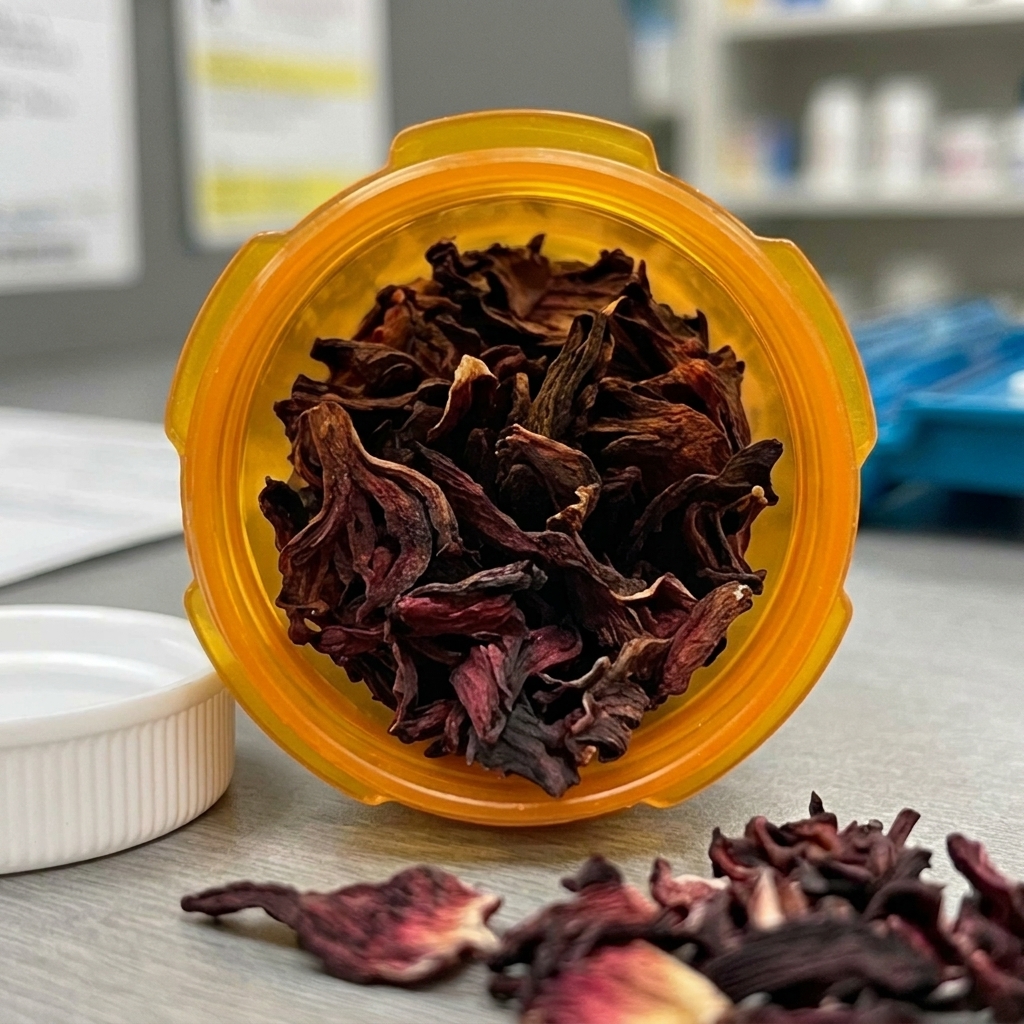
I'm going to lose my f*cking mind if one more person tells me "have you tried probiotics?" like that's some kind of revolutionary bloating advice. YOU'VE BEEN DOING THAT. IT DOESN'T WORK. You bought the "women's digestive balance" bottle. You tried the refrigerated one. You drank more water. You added fiber, then cut fiber because it made you worse. And by 4 PM your jeans still feel like they belong to a different woman. Your body can create that 4 PM bloat all on its own. Probiotics don't fix inflammatory fluid retention. And without key antioxidants - especially anthocyanins and polyphenols - your body stays locked in the same puffy, swollen cycle no matter what you eat or don't eat. My name is Dr. Elena Marquez. I've been the lead physician at North Valley Health Clinic for 18 years. In that time, I've treated over 4,200 women dealing with perimenopause bloating and IBS-type digestive flares. And I need to tell you something about bloating advice that's going to change everything you think you know. Because for 15 years, I watched the same pattern repeat itself over and over. A woman comes in embarrassed before she even sits down. Forty-eight years old. Still walks. Still eats reasonably well. Still cares how she looks. She says, "My stomach is flat in the morning. By 4:00, my waistband is digging into my skin." Morning waist: 31.5 inches. 4 PM waist: 36 inches. Four and a half inches of expansion in a single workday. Their doctor - me - looks them in the eye and says: "Start with probiotics. Most bloating is gut bacteria." Three months later, she comes back. Morning waist: 31.25 inches. 4 PM waist: 35.75 inches. A quarter inch. "Try a different strain. And increase fiber slowly." She goes home. She buys the expensive probiotic. She adds chia seeds. She drinks 80 ounces of water. Three months later: Morning waist: 31.25 inches. 4 PM waist: 35.5 inches. Another quarter inch. "Try cutting dairy. A lot of women become sensitive in perimenopause." She gives up cheese, cream, yogurt, the normal foods she actually likes. Three months later: Morning waist: 31 inches. 4 PM waist: 35.25 inches. Another quarter inch. "Try low-FODMAP. It's the gold standard for IBS." She follows it religiously. Lists on her phone. No onions. No garlic. No apples. No normal restaurant meals. Three months later: Morning waist: 31 inches. 4 PM waist: 35 inches. In an entire year of doing everything right - probiotics, fiber, water, dairy-free, low-FODMAP, symptom tracking, and saying no to half the menu - her afternoon bloat moved from 36 inches to 35. One inch. She was still unbuttoning her jeans in the car. She was also skipping restaurant plans, avoiding wine, and choosing outfits based on what could survive the afternoon version of her body. This conversation happened so many times I lost count. And every time, I gave the same advice: keep tracking, keep restricting, keep working on the gut. Because that's what we're taught. Bloating equals gut bacteria. Fix the bacteria. Problem solved. Except the problem wasn't being solved. The women were barely moving. In 2019, I decided to do something different. I started tracking every woman over 45 who had followed standard bloating advice for at least 12 months with confirmed compliance - food logs, probiotic history, symptom scores, waist measurements, the works. Over two years, I collected data on 127 women. All of them had made real changes. Not "I tried for a weekend." Sustained, documented changes for a full year or longer. All of them still had afternoon waist expansion of 3 inches or more. I pulled their charts and ran panels I'd never thought to connect to bloating before. Inflammatory markers. Oxidative stress markers. Fluid-retention patterns. Kidney function markers. Hormone-stage notes. Out of 127 women, 113 had elevated oxidative stress markers. 89%. Ninety-one had measurable afternoon fluid-retention patterns - rings tighter, ankles puffier, waist expansion worse after salty meals or wine, even when food triggers looked inconsistent. 72%. Their bodies weren't just "bad at digesting salad." They were overreacting to normal life with inflammation, oxidative stress, and fluid shifts their probiotics were never designed to address. And here's what made me feel sick: The advice I'd been giving for 15 years addressed one slice of the bloating problem. Gut bacteria. But the women sitting in front of me were also dealing with perimenopause, oxidative stress, inflamed tissues, slower fluid clearance, and bodies that seemed to hold onto pressure by mid-afternoon. Probiotics can change bacteria. They do not automatically calm oxidative inflammation. They do not automatically help your body stop holding fluid after lunch. They do not fix the feeling that your stomach has become a balloon with a timer set for 4 PM. The women had been blaming bread, dairy, wine, salad, stress, hormones, themselves. And their jeans still punished them. Because the food was never the whole problem. Their inflammation and fluid balance were. Let me tell you about the patient who made me realize how serious this actually is. Her name was Laura. Forty-eight years old. Marketing director. Perimenopause. Married 22 years. The kind of woman who still wore real pants to work because she refused to surrender to elastic. Laura called my office after crying in a Nordstrom fitting room. "Dr. Marquez, I've done everything. I tried probiotics twice. I cut dairy for three weeks. I drink water all day. I eat clean. I walk after dinner. And by 4 PM I still look six months pregnant." "How much does your waist change?" "This morning it was 32 inches. Yesterday at 5:15 it was 37." Five inches. She lowered her voice. "My husband keeps saying I look fine. I don't need him to tell me I look fine. I need to feel fine." I asked her to come in. When I examined her, she looked like the exact woman doctors accidentally dismiss. Normal weight. Polished. Not dramatic. Not sick-looking. Just exhausted from negotiating with her stomach every day. But I ran the expanded workup anyway. Inflammatory markers. Oxidative stress markers. Metabolic panel. Kidney/fluid markers. A 14-day morning-and-evening waist log. The results came back five days later. Morning average: 32.1 inches. 5 PM average: 36.8 inches. Severe bloat days: 6 out of 7. Oxidative stress markers: high. C-reactive protein: 4.2 mg/L. Laura's body wasn't just failing probiotics. Her system was reacting to normal meals with inflammatory pressure and fluid retention. That is why the trigger kept changing. One day salad. One day bread. One day wine. One day nothing obvious at all. So every restriction, every probiotic capsule, every dairy-free yogurt she hated - it was addressing one part of the problem while the rest kept swelling by afternoon. I called Laura. "Your gut isn't the only thing involved. Your inflammation markers are high, and your fluid-retention pattern is obvious. That's why the bloating feels random. You're not crazy." "So what do I do? Another elimination diet?" "No. I want to try something different first." Because I'd been reading the research on hibiscus anthocyanins and polyphenols. Anthocyanins are the deep red antioxidants in hibiscus flowers. Not a flavor. Not a wellness buzzword. The pigment itself is the medicine-like part. That deep ruby color that stains the cup is the anthocyanins. Research shows hibiscus supports healthy inflammation response, antioxidant protection, metabolic function, circulation, and fluid balance through the same red compounds that make the flower so intense. And I nearly threw my laptop across the room when I realized what I had missed. I had been telling women with swollen, inflamed, fluid-shifting bodies to buy more bacteria. But I had not been giving them the compounds that help calm oxidative stress and support the fluid-clearing systems that make the afternoon version of their body feel so different from the morning version. And I realized I had been making women troubleshoot lunch while their whole afternoon fluid pattern was screaming for a different kind of support. I told Laura: "Your body needs deep-red hibiscus anthocyanins and polyphenols. But it has to be real whole-flower hibiscus. Not fruit tea. Not a bloat blend. Not grocery-store dust." "That's it? Tea?" "Not just any tea. The research is very specific about the flower, the color, the processing, and the concentration. Let me find the right source." Laura went home and immediately bought hibiscus tea from the grocery store. $4.99. Bright red box. "Soothing hibiscus berry blend." It had 4.6 stars and said "supports wellness" right on the front. She started drinking it every afternoon. One cup before her usual 4 PM bloat window. Week two: waist log. Morning average: 32.0 inches. 5 PM average: 36.5 inches. Down 0.3 inches from baseline. Barely a blip. Week four: Morning average: 31.9 inches. 5 PM average: 36.3 inches. Half an inch in a month. Same pace as the diet changes. Negligible. Week six: Morning average: 32.0 inches. 5 PM average: 36.1 inches. Laura called me, frustrated. "Dr. Marquez, the tea isn't working. I'm still dressing around my stomach. Should I just go back to low-FODMAP?" I was confused. The research on high-anthocyanin hibiscus should have produced a clearer change in how she felt by 4 to 6 weeks. "Bring me the tea you've been drinking." She brought the box in the next day. "Hibiscus Berry Calm. Naturally flavored. With rosehips, apple, lemongrass, and hibiscus." I read the ingredient list and my stomach dropped. Hibiscus was the fourth ingredient. The tea bag was filled with pink dust, fruit pieces, and fragrance. Not whole flowers. Not deep ruby calyxes. Not the hibiscus from the studies. I sent samples from that box and six other popular hibiscus teas to a lab that tests botanical compounds. The results made me furious. Laura's grocery blend: low anthocyanin concentration. Hibiscus listed fourth. Mostly fruit pieces and flavoring. Red Zinger-style fruit tea: blended with rosehips and lemongrass. Faded color. Broken petals. Store brand hibiscus: machine-cut fragments. Heat processed. Anthocyanin retention estimated below 25%. Wellness aisle "bloat tea": peppermint, fennel, licorice, natural flavor. Hibiscus trace only. Imported loose hibiscus: strong color, but pesticide residue detected. Budget bulk hibiscus: dust and broken petals. Heavy metal screening failed. Organic hibiscus tin: clean, but low color density and inconsistent batches. Six out of seven failed the standard I was looking for. Underdosed. Blended. Broken. Heat-damaged. Some contaminated. All of them had great reviews. All of them were basically asking women like Laura to trust pink water with a pretty label. No wonder her measurements barely moved. No wonder she was ready to go back to punishing herself with food lists. I called Laura immediately. "Stop the grocery tea. It has almost none of the hibiscus compounds we're looking for. It's fruit tea with a hibiscus accent." "But it says hibiscus on the box." "I know. And your 5 PM waist moved 0.7 inches in six weeks." "So what do we do?" "I'm going to find the hibiscus from the research." That first screen told me the grocery aisle was worse than I thought. But I didn't want to recommend anything until I had tested the serious brands too. I ordered every hibiscus I could find that claimed to be organic, whole-flower, or high antioxidant. Eleven different brands. I checked source, processing, color density, contaminant testing, and whether the flower was intact. Ten failed. Broken petals. Faded color. Machine-stripped flowers. High-heat drying. Mixed sourcing. Pesticide residue. Heavy metals. Dust. The eleventh brand was different. PiPi Tea. I'd ordered it skeptically - just another tea company making big promises about flowers and antioxidants. But when the lab results came back, I had to read them twice. Then I opened the bag and understood why. The flowers were whole. Deep ruby. Not pink. Not brown-red. Not faded. The water turned dark within minutes. PiPi Tea was organic whole-flower hibiscus from family farms in Northern Nigeria, high-altitude grown, hand-picked at peak bloom, and slow sun-dried in a way that protects the heat-sensitive anthocyanins. Triple-tested for heavy metals, pesticides, and contaminants. No fillers. No flavor blend. No dust. Just the flower. This was the hibiscus the research was actually talking about. I called Laura. "Stop the grocery tea. I'm sending you a different brand. This one actually has what the research says matters." I gave her PiPi Tea. She started that same day. One cup in the afternoon, before her usual 4 PM bloat window. Week one: waist log. Morning average: 32.0 inches. 5 PM average: 35.9 inches. Down 0.9 inches from her PiPi Tea baseline of 36.8. Small, but faster than anything probiotics or dairy-free had achieved. Week two: Morning average: 31.9 inches. 5 PM average: 34.6 inches. Down 2.2 inches. Laura called me: "Is this real? My jeans were tight at 4, but I didn't have to unbutton them." Week three: Morning average: 31.8 inches. 5 PM average: 33.8 inches. Severe bloat days dropped from 6 per week to 3. Week four: Morning average: 31.8 inches. 5 PM average: 33.1 inches. Laura came into my office with her waist log printed out. "Dr. Marquez, look at Thursday. 32 in the morning. 33.25 at 5 PM. I wore my dark jeans the whole day." Week six: Morning average: 31.7 inches. 5 PM average: 32.6 inches. Severe bloat days: 1 out of 7. CRP: 2.1 mg/L, down from 4.2. Under 3.0 is the range most clinicians want to see. IBS symptom score: 22, down from 61 on the 100-point symptom survey she'd filled out on day one. In six weeks on PiPi Tea, Laura's average afternoon expansion went from 4.7 inches to 0.9 inches. In six weeks on grocery hibiscus, it went from 4.7 inches to 4.1 inches. The difference was night and day. Laura called me crying. "I went to dinner last night. I had pasta. Not a giant bowl. Just a normal plate. I had one glass of wine. I came home and my jeans still buttoned." "I know. The grocery stuff was not the same tea." "Why didn't anyone tell me this?" I didn't have an answer for that. After Laura, I made a decision. I was only going to recommend PiPi Tea. Not because I was getting paid. Not because I had some deal with them. Because it was the only hibiscus I'd tested that matched the five things I was looking for: Whole flower. High-altitude grown in Northern Nigeria. Hand-picked at peak bloom. Slow sun-dried to protect anthocyanins. Organic and triple-tested for contaminants. I started telling every woman who came in with stubborn afternoon bloating: "Your body needs more than another probiotic. But don't buy random hibiscus from the grocery store. Use PiPi Tea. It's the only brand I tested that actually matched what the research requires." Over the past four months, I've recommended it to 214 women. All of them had afternoon waist expansion of 3 inches or more despite diet changes. All of them had tried probiotics. All of them had tried water, fiber, dairy cuts, cleaner eating, or low-FODMAP. All of them were tired of dressing for the bloat that might happen later. 214 women started drinking one cup of PiPi Tea every afternoon. Within 4 to 8 weeks: 187 saw afternoon waist expansion drop by at least 2 inches. 87%. 142 saw severe bloat days drop from 5 or more per week to 2 or fewer. 66%. 119 reported wearing fitted jeans or trousers for a full 8-hour day without unbuttoning them. 56%. The remaining 27 saw smaller improvements of 0.75 to 1.75 inches, usually with complicating factors like confirmed SIBO, constipation-dominant IBS, medication changes, or inconsistent daily use. Not one woman saw zero change. Not because I'm a miracle worker. Because when you give the body enough deep-red anthocyanins and polyphenols - from hibiscus that actually contains them - the inflammatory pressure and fluid-retention pattern can finally start calming down. The afternoon body starts looking more like the morning body. The jeans stop feeling like a daily betrayal. The food fear gets quieter. I went back through the symptom journals, especially the parts women wrote in the margins that had nothing to do with food. But here's what scared me: I started looking at what happens when women live with this kind of bloating for years. Not the occasional "I ate too much" bloat. The daily kind. The kind where you wake up fine and spend the rest of the day waiting to see what your stomach is going to do. And what made my stomach turn was not just the discomfort. It was how much life they had started giving up. Dinner stopped being dinner. It became a risk calculation. Jeans stopped being jeans. They became a morning gamble. Wine stopped being a glass of wine. It became tomorrow's punishment. Vacations stopped feeling easy. They became packing strategies and backup outfits. Intimacy stopped feeling spontaneous. It became lighting, angles, and "don't touch my stomach." Photos stopped being memories. They became evidence to inspect, hate, and delete. The pleasure was still there. But it always came with a warning label. And the scariest part was how quietly it happened. No one sits you down and says, "Your life is getting smaller." No doctor writes "stopped enjoying dinner" in your chart. No lab report measures the moment you stop wearing the clothes you actually like. You just start adapting. One safer outfit. One skipped glass of wine. One cancelled dinner. One hand pulled away from your waist. One photo deleted before anyone sees it. Until eventually, you're not choosing what you enjoy anymore. You're choosing what won't punish you later. I sat there reading those notes, thinking about all the women I'd told, "just try another probiotic." I made a decision that day. Every woman with stubborn afternoon bloating - regardless of what diet she's following - gets asked about the pattern. Morning waist. 4 PM waist. Severe bloat days. Fluid retention. Perimenopause stage. Inflammation. Because "eat more fiber" doesn't exist as a complete bloating solution for most women over 45. If your stomach expands 3 to 5 inches by late afternoon despite probiotics, water, and diet changes, something deeper is happening. And another bottle of "women's gut balance" capsules may not fix it. It just gives you a sense of control while your body keeps inflating on schedule. Probiotics: maybe 0 to 0.5 inches of afternoon improvement over 12 weeks if bacteria were the main issue. High-anthocyanin whole-flower hibiscus: 2 to 4 inches of afternoon improvement over 4 to 8 weeks when inflammation and fluid balance are part of the pattern. Same woman. Different approach. The root problem may not be your discipline. It may be oxidative stress, inflammation, and fluid retention showing up as "bloating." And the most effective natural support I've found for that pattern is deep-red, whole-flower hibiscus with intact anthocyanins and polyphenols. I'm writing this because I see so many of you going through the same thing Laura went through. "I wake up fine. By 4 PM I look pregnant." "I tried probiotics. Didn't really notice anything." "I cut dairy and still bloated." "Healthy food makes me worse, so now I don't know what to eat." "My husband says I look fine. I don't need reassurance. I need this fixed." You're not dealing with a willpower problem. You're dealing with a body that may be reacting to normal life with inflammation and fluid retention your probiotic was never designed to touch. Your bloating isn't "just vanity." It's your body telling you the afternoon version of you is not matching the morning version. And changing one more food doesn't always fix that. If your waist changes by 3 inches or more between morning and evening - whether you've tried probiotics, fiber, low-FODMAP, dairy-free, or drinking water until you're sick of water - you need to address what's actually driving the pressure. And that means giving your body the anthocyanins and polyphenols it needs to support a calmer inflammation response and healthier fluid balance. But - and this is CRITICAL - don't buy random hibiscus tea without knowing what's in it. I tested eleven brands. Ten failed. Blended. Faded. Broken. Heat-damaged. Some with pesticide residue or heavy metals. Laura spent six weeks drinking grocery-store hibiscus that had hibiscus listed fourth behind fruit pieces and flavoring. Her body was getting a hint of red tea. Not therapeutic whole-flower hibiscus. That's why six weeks of grocery tea moved her afternoon bloat 0.6 inches. And six weeks of PiPi Tea moved it 3.8 inches. The only brand that passed my five-point test was PiPi Tea. Organic whole-flower hibiscus from family farms in Northern Nigeria. High-altitude grown. Hand-picked at peak bloom. Slow sun-dried to protect anthocyanins. Deep ruby color. No fillers. No flavoring. No dust. Triple-tested for heavy metals, pesticides, and contaminants. One cup per day. I like afternoon timing if your bloat hits by 4 PM. Within 4 to 8 weeks, your afternoon body should start looking and feeling more like your morning body. I've recommended it to 214 women in the past four months. 87% saw afternoon expansion drop by at least 2 inches. 66% cut severe bloat days to 2 or fewer per week. 56% wore fitted jeans or trousers for a full 8-hour day without unbuttoning them. Not one saw zero change. Not because I'm some kind of genius. Because hibiscus only works when the flower still has the compounds that make hibiscus work. Laura still has perimenopause symptoms sometimes. She is not magically twenty-eight. But she wears the dark jeans again. She had pasta and one glass of wine on a Friday night without feeling punished for wanting a life. She stopped carrying an emergency cardigan to hide her stomach. The food was never the whole problem. Her inflammatory fluid pattern was. And PiPi Tea fixed it. Your bloating doesn't need another lecture about probiotics. Your body needs deep-red hibiscus anthocyanins that actually reach the cup. Not pink fruit tea with hibiscus listed fourth. Not "bloat blends" full of flavoring and dust. Real, whole-flower, high-altitude hibiscus from Northern Nigeria that's been hand-picked, slow sun-dried, and verified clean. Start today. Not next week. Not after you "try one more probiotic strain." Today. Because every month you wait is another month where normal life comes with conditions. Dinner if the menu is safe. Jeans if the afternoon version of your body cooperates. Wine if you're willing to pay for it tomorrow. Photos if the angle hides enough. Intimacy if no one touches your stomach. Bloating doesn't have to be life-threatening to be life-shrinking. Don't let your stomach become the thing that approves or denies your life. Get the organic whole-flower hibiscus tea I recommend to women with stubborn afternoon bloating - the only brand out of eleven that passed my five-point test: https://shop.pipitea.com/hbt/gr/sp 90-day money-back guarantee - if you don't love the taste, notice the benefits, or find yourself reaching for it daily, they refund you. Because Laura's 5 PM waist was 36.8 inches despite a year of probiotics, dairy-free, fiber changes, and low-FODMAP. Six weeks on grocery hibiscus: 36.1 inches. Down 0.7. Six weeks on PiPi Tea: 32.6 inches. Down 4.2. Same woman. Same workday. Different hibiscus. P.S. Most hibiscus teas are blends, dust, broken petals, or heat-damaged flowers. Laura's grocery-store box had hibiscus listed fourth, behind fruit pieces and flavoring. The research is about high-anthocyanin whole-flower hibiscus. PiPi Tea is organic, whole-flower hibiscus from family farms in Northern Nigeria, high-altitude grown, hand-picked at peak bloom, slow sun-dried, deep ruby, and triple-tested for contaminants. I tested 11 brands. 10 failed. Only buy from: https://shop.pipitea.com/hbt/gr/sp P.P.S. Laura was not asking to look twenty-five. She wanted to put on jeans at 8 AM and still feel normal in them at 8 PM. That's the difference PiPi Tea made for her: morning waist 31.7 inches, 5 PM waist 32.6 inches, severe bloat days down from 6 per week to 1. Try it for 90 days. If you don't feel the difference, use the guarantee. Only buy from:https://shop.pipitea.com/hbt/gr/sp
Where the ad sends people
shop.pipitea.com
Natural Relief in Weeks
"I've tried every 'healthy' drink out there. Beet juice, green powders, apple cider vinegar shots. They all tasted awful and I couldn't stick with them. Hibiscus is the first thing I've genuinely enjoyed. It's been 6 months and I haven't missed a day. My blood pressure is down, my energy is up, and....
Learn more: shop.pipitea.com(opens in a new tab)