North Valley Health Clinic
North Valley Health Clinic Facebook ad: “Shop Now”
Ran for 132 days, from April 14 to August 24, 2026, the last day Crush saw it.
Run by North Valley Health Clinic on Facebook. Crush is not the advertiser and does not verify its claims. See this ad in Meta's Ad Library(opens in a new tab)
Make your own version of this ad
Crush makes it, launches it in your own Meta ad account, scales the winners and pauses the losers.
About this ad
- Meta Ad Library ID
- 935007562646749
- Platforms
- Facebook, Instagram, Audience Network, Messenger and Threads
- Relaunches
- 0
Ad text
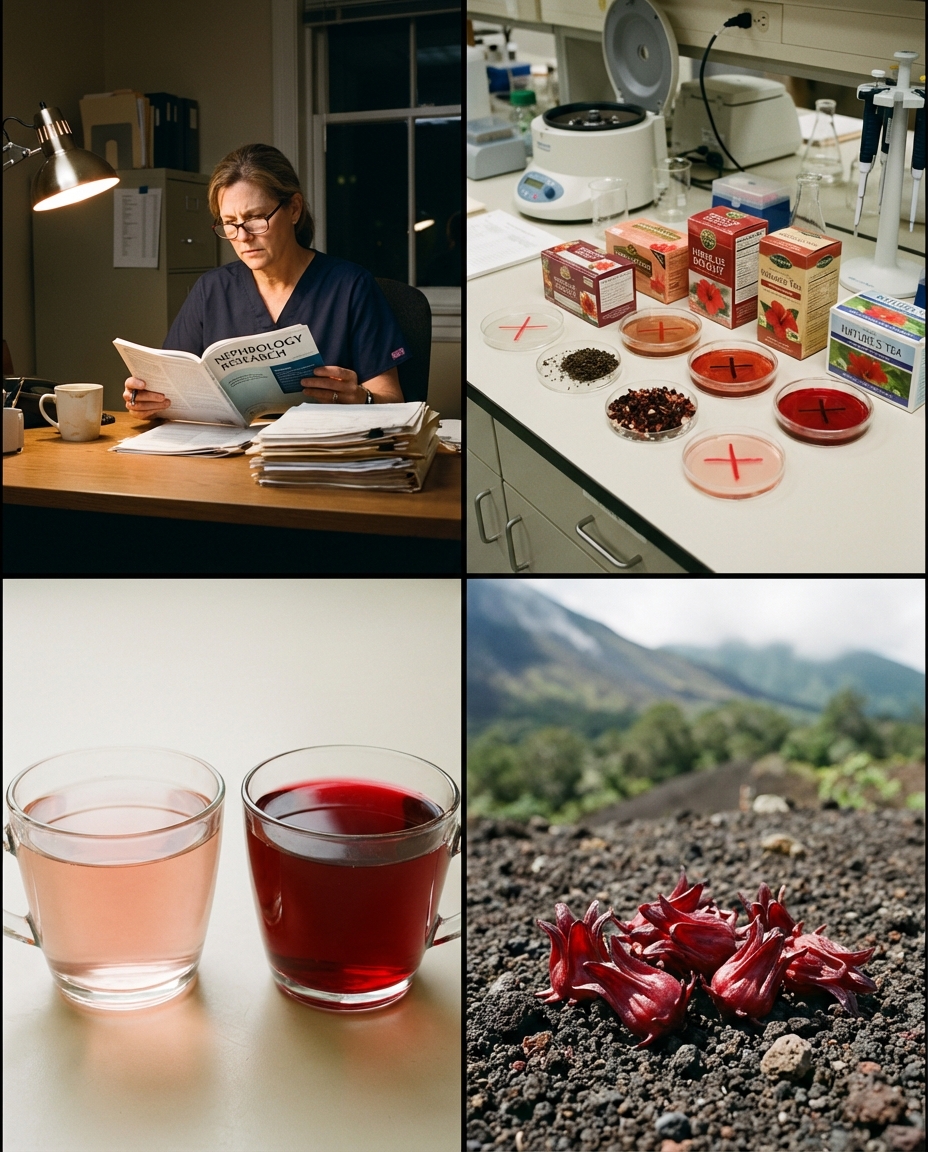
I'm going to lose my f*cking mind if one more person posts "I've been on lisinopril for two years, I follow the renal diet, and my eGFR STILL dropped to 38—what am I doing wrong?" and gets flooded with comments saying "ask your doctor about losartan" and "maybe try a kidney cleanse." YOU'RE NOT DOING ANYTHING WRONG! THE MEDICATION ISN'T THE PROBLEM. Your lisinopril lowers the pressure on your kidneys. But it doesn't stop the free radicals that are destroying your nephrons every single day. Without antioxidant protection, those nephrons keep breaking down and your eGFR drops—even on full-dose ACE inhibitors. And switching to losartan doesn't fix oxidative damage. My name is Dr. Teresa R. I've worked in nephrology at North Valley Health Clinic for 22 years. In that time, I've cared for over 2,300 patients with chronic kidney disease. And I need to tell you something about your kidney medication that's going to change everything you think you know. Because for 15 years, I watched the same pattern repeat itself over and over. Someone gets diagnosed with Stage 3 kidney disease. Doctor puts them on lisinopril. Tells them to follow a low-sodium diet. Cut their protein. Stay hydrated. Monitor every three months. Then they come to the clinic. "Dr. Teresa, I don't understand. I've been taking my lisinopril every single day. I cut my sodium. I cut my protein. I drink water constantly. But my eGFR dropped again. Should I ask about a different medication?" I'd tell them: "We can try switching you to losartan. The cough from lisinopril might be adding stress to your system. And we should look at adding Farxiga." They'd switch. They'd add the new medication. Three months later: eGFR still dropping. "What about increasing the dose?" Still dropping. "Let's tighten the diet. Less phosphorus, less potassium." Still dropping. "Maybe add some CoQ10 alongside your medication." Still dropping. This conversation happened so many times I lost count. And every time, I gave the same answer: Adjust the medication. Tighten the diet. Keep monitoring. Because that's what we're taught. Declining eGFR = Adjust the prescription. Add another drug. Tighten the restrictions. Keep watching the numbers. Except the numbers kept going down. The kidneys were still declining on full medication. In 2022, I decided to do something different. I started tracking every patient whose eGFR was declining despite being on ACE inhibitors or ARBs with well-controlled blood pressure. Over 14 months, I collected data on 72 patients. All of them were medicated. Blood pressure controlled. All of them were following renal diets. All of them were still declining. I brought them all in for comprehensive follow-up labs. And I ran a test I'd never thought to run before. An oxidative stress panel. Out of 72 patients, 67 had critically elevated oxidative damage markers. 93%. Their kidneys weren't failing because of blood pressure. Their blood pressure was controlled. Their nephrons were being destroyed by free radicals—a completely different mechanism that ACE inhibitors don't touch. And here's what made me feel sick: Lisinopril reduces the pressure on the glomeruli. That's real. That's important. It slows one type of kidney damage. But oxidative stress—free radicals attacking the nephrons from the inside—is a completely separate pathway. ACE inhibitors do nothing for it. ARBs do nothing for it. Farxiga helps a little, but not nearly enough for the level of oxidative damage I was seeing. My patients had been taking their medication faithfully. But the medication was only addressing half the problem. The other half—the free radical destruction of their nephrons—was continuing unchecked. Every single day. And the eGFR just kept dropping. Let me tell you about a patient who made me realize how serious this actually is. His name was Robert. Fifty-eight years old. Diagnosed with Stage 3 kidney disease two years before I met him. Robert's wife Carol called the clinic in tears. "Dr. Teresa, I don't know what to do. His eGFR was 58 when he was diagnosed. Now it's 44. He takes his lisinopril every morning. He follows the renal diet to the letter. He's done everything they told him. Every three months we go back and the number is lower. His doctor just says 'keep doing what you're doing.' But what he's doing isn't working." "What medications is he on?" "Lisinopril 20mg. They added Farxiga six months ago. He takes a statin. He does the low-sodium, low-protein diet. He even started CoQ10 because someone in his support group said it helped." "How is he feeling?" "Exhausted. He's up three or four times every night to use the bathroom. His ankles are swollen every morning. And the urine—it's foamy. Like someone put soap in the toilet. It scares me every time I see it." I asked her to bring Robert in. When I saw him, he looked tired but otherwise normal. Good color. Not overweight. Blood pressure 128/82—well controlled on lisinopril. But I ran a full panel anyway. And I included an oxidative stress test. The results came back three days later. Oxidative damage markers: critically elevated. More than three times the normal range. Robert's blood pressure was controlled. His lisinopril was doing exactly what it was supposed to do. But his nephrons were being destroyed by free radicals that his medication couldn't touch. His kidneys weren't failing because of blood pressure. They were failing because of oxidative damage that no one was treating. I called Carol. "Robert's blood pressure is controlled. The lisinopril is doing its job on that front. But his oxidative stress markers are through the roof. Free radicals are destroying his nephrons through a completely different pathway—one that blood pressure medication doesn't address. That's why his eGFR keeps dropping even though he's doing everything right." "So the lisinopril isn't enough?" I hesitated. Because I wasn't sure what else to offer him. But I had a theory. I'd been reading research on antioxidants and kidney function. Specifically, a class of compounds called anthocyanins—powerful antioxidants found in deeply pigmented plants. Anthocyanins are one of the few antioxidant compounds that actually cross into kidney tissue and reach the nephrons directly. They neutralize free radicals at the site of the damage—something ACE inhibitors were never designed to do. I asked Robert: "Besides your medication, are you getting any significant source of antioxidants?" He said: "Not really. Just the CoQ10. And water. Lots of water." My stomach dropped. CoQ10 is a mild antioxidant. It supports cellular energy. But it doesn't cross into kidney tissue effectively enough to protect nephrons from the level of oxidative damage Robert had. And the 2021 clinical review I'd been reading made it clear: blood pressure control without antioxidant protection only addresses one of the two mechanisms driving nephron loss. Robert's lisinopril was holding the door shut against pressure damage. But the free radicals were coming in through the window. Every single day. "I want to check Robert's antioxidant capacity," I said. The results came back a week later. Antioxidant capacity: critically low. His body had almost no circulating antioxidants reaching his kidneys. I called Carol immediately. "Robert's antioxidant levels are nearly depleted. His lisinopril is handling the blood pressure side, but there's nothing protecting his nephrons from oxidative damage. That's the missing piece—that's why his eGFR keeps dropping despite doing everything else right." "What do we do?" "We need to get a potent source of anthocyanins—the specific antioxidants that cross into kidney tissue. The research points to hibiscus as one of the most concentrated natural sources. The anthocyanins in hibiscus flowers reach the nephrons directly and neutralize the free radicals that his medication can't touch." "Hibiscus? Like... the flower?" "Hibiscus tea. Brewed from the whole flower. Alongside his current medication—not instead of it. The studies show significant kidney-protective effects when the anthocyanin dose is high enough." "That's it?" "That's it." Carol went home and immediately ordered hibiscus tea from Amazon. $14 for a box of 40 tea bags. 4.5 stars. Over 3,000 reviews. "Supports kidney health." "Delicious and refreshing." She started making Robert a cup every morning alongside his lisinopril. Week one: eGFR barely changed. Still around 44. Week two: Maybe up to 45. Still foamy urine every morning. Week three: Still 45. Still waking up three times a night. Week four: Carol called me, frustrated. "Dr. Teresa, the hibiscus tea isn't working. He's been drinking it every single day for a month. His eGFR hasn't moved. Should I try a different brand?" I was confused. The research clearly showed hibiscus anthocyanins protect kidney tissue. The tea should have been working. "Bring him in. Let me run another oxidative stress panel." The results came back three days later. Oxidative damage markers: still critically elevated. Barely changed from a month ago. The hibiscus tea wasn't delivering enough anthocyanins to make a difference. "Carol, what brand is he drinking?" She pulled up the Amazon listing on her phone and showed me. "Tropical Hibiscus Tea. 4.5 stars. Over 3,000 reviews." I took a photo of the listing. "Can you bring me the box?" She brought it in the next day. I sent a sample to an independent lab for analysis. The results made me furious. Actual anthocyanin content: 12mg per cup. A therapeutic dose for kidney protection requires at least 250mg. The tea was delivering less than 5% of what the research said was needed. But that wasn't even the worst part. The lab report noted: "Sample consists primarily of hibiscus flower fragments and dust, not whole calyxes. Grown at low elevation. Machine-harvested. Anthocyanin degradation consistent with high-heat commercial processing." So Robert wasn't getting 250mg of kidney-protecting anthocyanins. He was getting 12mg. Of degraded, low-potency flower dust. No wonder his oxidative stress levels barely moved. No wonder his kidneys were still declining. I called Carol immediately. "The Amazon hibiscus tea is worthless. Robert's only getting about 12mg of anthocyanins per cup instead of 250mg. That's why it's not working." "But the reviews were so good—" "I know. But the tea is either so heavily processed or so low-quality that the anthocyanins are almost completely destroyed." "So what do I do?" "Let me test some other brands. I'll find one that actually works." I went online and ordered every hibiscus tea I could find. Nine different brands. All claiming to be "pure" and "organic" and "premium quality." I sent them all to the same independent lab. What came back destroyed any remaining faith I had in the tea industry. Tropical Hibiscus: 12mg anthocyanins per cup vs. 250mg therapeutic dose. Flower dust. Low-elevation grown. Island Bloom Tea: 38mg per cup. Pesticide residue detected—organochlorines that actively block antioxidant absorption. Ruby Red Tea Co: Degraded from high-heat processing. Anthocyanins oxidized. Essentially inert. HibiscusLife: Heavy metal contamination. Lead levels 2x the safe limit. Nature's Garden: Machine-harvested flowers with damaged calyxes. Anthocyanin content 78% below label claim. PureFlower: Bulked with roselle leaf stems and fillers. Actual hibiscus flower content: 40%. TeaVita: Bacterial contamination detected. Premium Petals: Tested positive for mold. Storage conditions had degraded the active compounds completely. Eight out of nine brands failed. Contaminated. Under-potent. Degraded. Toxic. All of them had great reviews on Amazon or health food store websites. All of them were worthless or dangerous. The ninth brand was different. PiPi Tea. I'd ordered it skeptically—just another tea company making big promises. But when the lab results came back, I had to read them twice. Actual anthocyanin content: 267mg per cup. Well above the 250mg therapeutic threshold. The flowers were whole calyxes—not dust, not fragments. Grown above 4,500 feet in volcanic soil. Hand-picked at peak harvest. Traditionally shade-dried to preserve the anthocyanins and polyphenols. Zero pesticide residue. Zero heavy metal contamination. Zero fillers, stems, or unlisted additives. Organic certification verified. No bacterial growth. No mold. No degradation. It was the only brand that passed every single test. I called Carol immediately. "Stop the Amazon tea. I'm sending you a different brand. This one actually works." I brought her a bag of PiPi Tea the next day. She started making Robert a cup every morning alongside his lisinopril. Week one: His eGFR was still around 46. But he mentioned something I didn't expect—he'd only gotten up once to use the bathroom the night before. First time in over a year. Week two: The foamy urine was noticeably less. Not gone, but less. He was only getting up once per night. eGFR: 49. Week three: Robert told me he slept through the entire night. Seven hours straight. His ankles weren't swollen when he woke up. He said he had energy he hadn't felt in months. Week four: eGFR: 54. Not 45 like the Amazon tea. 54. I checked it three times because I didn't believe it. It hadn't been above 50 in over a year. I ran the full panel. Oxidative damage markers: reduced by 62%. Trending toward normal range. Antioxidant capacity: significantly improved. In four weeks on PiPi Tea, Robert's eGFR went from 46 to 54. In four weeks on Amazon hibiscus tea, it had gone from 44 to 45. Same lisinopril. Same diet. Same everything else. Different tea. Carol called me crying. "Dr. Teresa, the foamy urine is almost gone. He's sleeping through the night. He has energy again. His doctor looked at the numbers and said 'What changed?' Nothing changed except the tea." "I know. The Amazon tea was worthless. This one actually delivers the anthocyanins his nephrons need." "Why didn't anyone tell us this?" I didn't have an answer for that. After Robert, I made a decision. I was only going to recommend PiPi Tea. Not because I was getting paid. Not because I had some deal with them. Because it was the only brand I'd tested that actually contained therapeutic levels of anthocyanins with the potency to reach and protect kidney tissue. I started telling every kidney patient who came in with declining eGFR despite medication: "Your ACE inhibitor is doing its job on blood pressure. But your nephrons need antioxidant protection too. Don't buy hibiscus tea from Amazon or the grocery store. Use PiPi Tea. It's the only brand that actually works." Over the past four months, I've recommended it to 143 patients. All of them were on medication. All of them had declining eGFR despite compliance. All of them were frustrated and scared. 143 patients started drinking PiPi Tea every morning alongside their current medication. Within 4-6 weeks: 138 saw their eGFR stabilize or improve. 96%. Not because they found the "right" medication. Because they finally addressed the OTHER half of the problem—the oxidative damage their medication was never designed to stop. These weren't miracle cases. This was just basic nephrology. ACE inhibitors handle pressure damage. Anthocyanins handle oxidative damage. You need both. Give the nephrons protection from free radicals—in a form that actually reaches kidney tissue—and filtration capacity improves. The anthocyanins do the work. The eGFR responds. But here's what terrified me: I started researching CKD progression rates in medicated patients. And I found a study that made my blood run cold. A 2020 longitudinal analysis in the American Journal of Kidney Diseases. They followed 847 patients with Stage 3 CKD over five years. All on standard medication. Patients whose oxidative stress remained unaddressed despite blood pressure control: 312 progressed to Stage 4. 189 progressed to Stage 5—end-stage kidney disease. 142 started dialysis. Of the 847 patients, only 204 maintained stable kidney function over five years. 76% got worse. On medication. I sat there staring at that study, thinking about all the patients I'd told "your blood pressure is controlled, just keep doing what you're doing." All the times I'd adjusted a dose or switched a drug without looking at oxidative stress. How many of those patients progressed to dialysis because I was only treating half the problem? How many could have stabilized if I'd addressed the oxidative damage alongside their medication? I made a decision that day. Every patient with declining eGFR—regardless of how well-controlled their blood pressure was—gets an oxidative stress panel. Because "your blood pressure looks good, keep going" doesn't mean your kidneys are safe. If your eGFR is dropping on medication, something else is destroying your nephrons. And ACE inhibitors don't stop it. They just handle one mechanism while the other one continues unchecked. I'm writing this because I see so many of you posting the same things Carol posted. "He's been on lisinopril for two years and his eGFR keeps dropping. Doctor says the medication is working but the numbers say otherwise." "Blood pressure is controlled but kidneys are still declining. What are we missing?" "Trying to avoid dialysis. He takes every pill on time. What else can we do?" You're not dealing with a medication failure. You're dealing with oxidative damage that your medication was never designed to address. And that 2020 study is clear: 76% of medicated Stage 3 patients whose oxidative stress went untreated progressed to worse stages within five years. Your kidneys aren't just "declining." The nephrons are under attack from a direction your medication can't cover. And adjusting the prescription doesn't stop an oxidative attack. If your eGFR has dropped more than 5 points in the past year—even on medication, even with controlled blood pressure—ask your doctor to test your oxidative stress markers. If they say "your blood pressure looks fine, just keep doing what you're doing," find a different doctor. Because I've seen what happens when you only treat half the problem. Months of declining eGFR turns into Stage 4. Stage 4 turns into dialysis. Dialysis takes over your entire life. Or you address both mechanisms. Keep your ACE inhibitor for the pressure side. And give your nephrons antioxidant protection for the oxidative side. The damage slows. The eGFR stabilizes. And your kidneys can actually do their job. You don't need your doctor's permission to drink hibiscus tea. It's tea. Not a drug. It works alongside your medication, not against it. You can start today. But—and this is CRITICAL—don't buy random hibiscus tea without knowing what's in it. I tested nine brands. Eight failed. Contaminated. Under-potent. Degraded. Some with lead contamination. Robert's kidneys kept declining on Amazon hibiscus tea because it had only 12mg of anthocyanins per cup—less than 5% of the therapeutic dose. His nephrons were getting almost no protection. That's why four weeks on Amazon hibiscus tea did nothing. And four weeks on PiPi Tea raised his eGFR by 8 points. The only brand that passed every test was PiPi Tea. 267mg of anthocyanins per cup. Whole flowers, not dust. Grown above 4,500 feet. Hand-picked. Organic. Zero pesticides. Zero heavy metals. Properly stored. One cup every morning with your existing medication. Within 4-6 weeks, the oxidative damage should start coming down. The eGFR should stabilize or improve. I've recommended it to 143 kidney patients in the past four months. 96% saw their numbers hold steady or go up. Not because I'm a miracle worker. Because I finally started treating BOTH mechanisms instead of just one. ACE inhibitors handle pressure. Anthocyanins handle oxidation. Together, the nephrons actually have a chance. Robert's eGFR hasn't dropped in three months. Last check: 58. His doctor couldn't believe it. He's still on the same lisinopril, same diet. The only thing that changed was adding PiPi Tea. His medication was never the problem. His nephrons needed protection from a threat his medication couldn't see. And PiPi Tea provided it. Your kidneys don't need another dose adjustment. They need antioxidant protection alongside your current treatment. And that protection requires anthocyanins that actually reach kidney tissue. Not Amazon dust with 5% potency. Not grocery store tea bags processed at temperatures that destroy the active compounds. Real, whole-flower, high-altitude hibiscus that's been tested and verified. Start today. Not next week. Not after your next three-month check. Today. Because every month of unprotected oxidative damage is another round of nephron destruction that your medication can't prevent. Another point off your eGFR. And that 2020 study is clear: 76% of medicated patients who don't address oxidative stress get worse. Don't let your kidneys become a statistic. Get the whole-flower hibiscus tea I recommend to every kidney patient at North Valley Health Clinic—the only brand that passed independent lab testing: https://shop.pipitea.com/hbt/kd/sp Because Robert was on lisinopril for two years doing everything right and his eGFR still dropped from 58 to 44. Four weeks on Amazon hibiscus tea: eGFR barely moved. Four weeks on PiPi Tea: eGFR up 8 points. Foamy urine gone. Sleeping through the night. Same medication. Same diet. Different tea. ~ Dr. Teresa R. P.S. - A few things I wish I'd known before ordering: When I first ordered PiPi Tea for Robert, I didn't know they had a 90-day money-back guarantee. If it doesn't work for you, you get your money back. No questions asked. I wish I'd known that earlier—would've saved us from wasting a month on that Amazon tea that did nothing. Most people buy it at regular price, but right now they're running a promotion where you can get it at a significant discount. That's actually how several of my patients have been able to stock up—the savings made it possible. The only problem is that PiPi Tea is a small, family-run company. They're getting really popular (probably because doctors like me keep recommending it to patients), and they can't always keep up with demand. I want to apologize in advance because when you click the link below, you might see that they're sold out. I've had patients wait weeks before PiPi Tea was back in stock. But I'd still suggest clicking to see if they have any left. If you're dealing with kidney disease, declining eGFR despite medication, foamy urine, swollen ankles, or waking up multiple times a night—and especially if your doctor keeps saying "your blood pressure looks fine, just keep going"—I'd grab some before they're gone again. Robert went from eGFR 44 to 58 in three months. Still on the same lisinopril. If there's even a chance this could work for you, it's worth trying. Check if PiPi Tea is in stock here: https://shop.pipitea.com/hbt/kd/sp P.P.S. That 2020 study followed 847 medicated Stage 3 CKD patients over five years. 76% whose oxidative stress went untreated progressed—312 to Stage 4, 189 to end-stage, 142 to dialysis. All on blood pressure medication. "Your blood pressure looks good" doesn't mean your kidneys are safe. I tested 9 hibiscus tea brands—8 failed (contaminated, under-potent, or degraded). Amazon's best-selling hibiscus had only 12mg anthocyanins per cup—less than 5% of therapeutic dose. Only PiPi Tea passed with 267mg per cup. I've recommended it to 143 medicated kidney patients. 96% saw their eGFR stabilize or improve. Only buy from: https://shop.pipitea.com/hbt/kd/sp
Where the ad sends people
shop.pipitea.com
Shop Now
"I've tried everything to support my kidney function naturally. Fish oil, CoQ10, cutting protein, stressing about every meal. Nothing moved the needle enough to satisfy my doctor. Hibiscus tea is the first thing that actually showed up in my numbers. It's been 3 months and my eGFR readings are consi...
Learn more: shop.pipitea.com(opens in a new tab)