
Inactive· since Jul 20, 2026
- 12
- days it ran
- 0
- relaunches
Ad copy
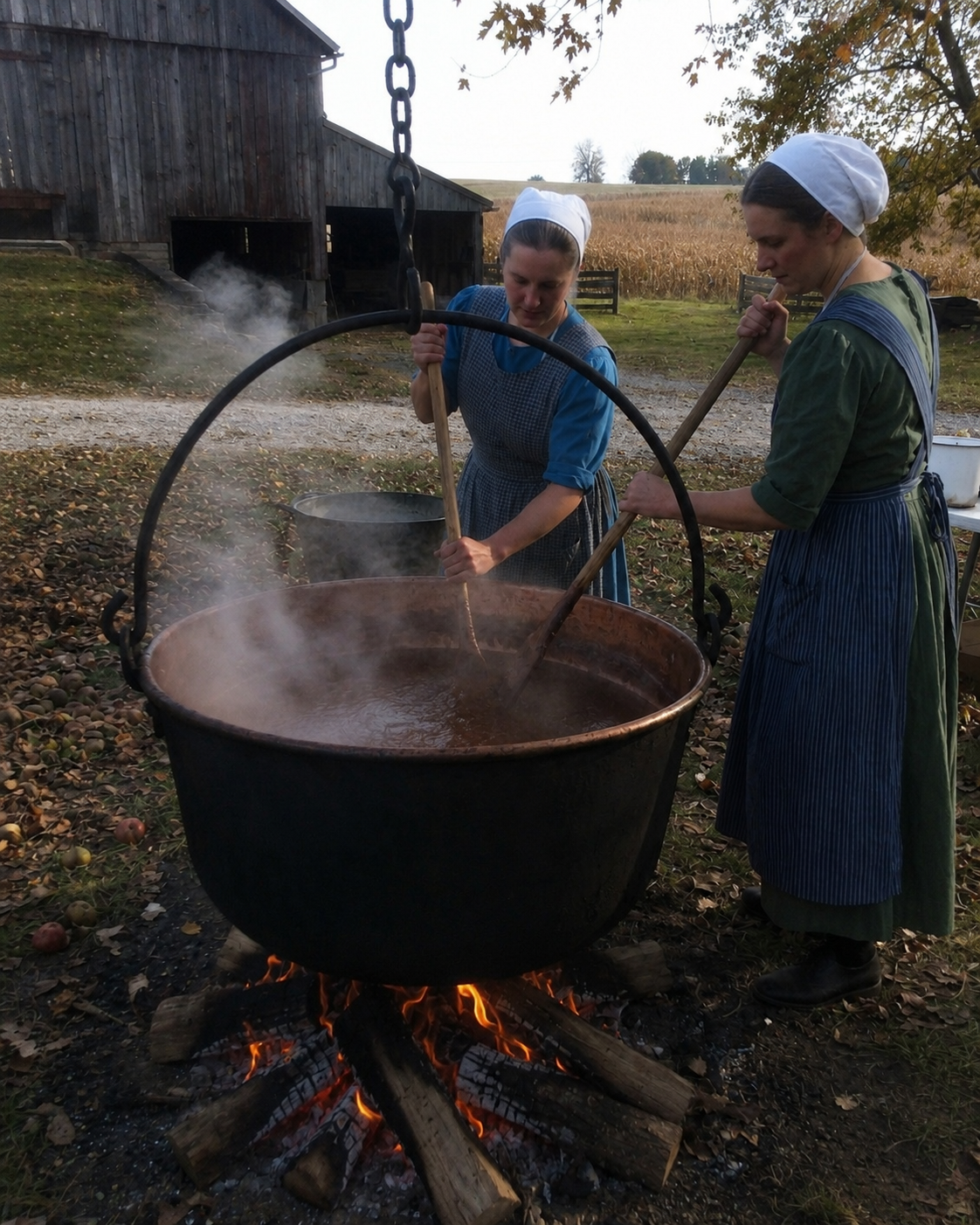
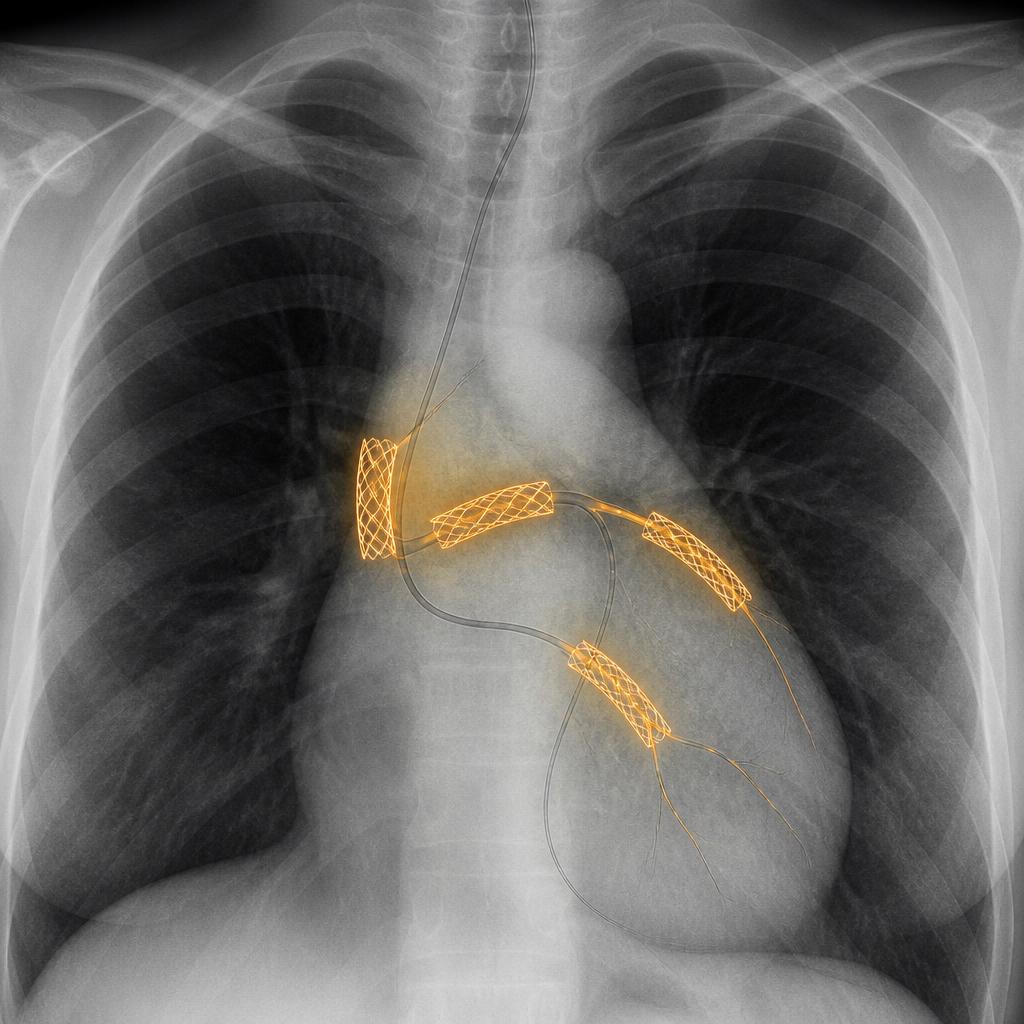
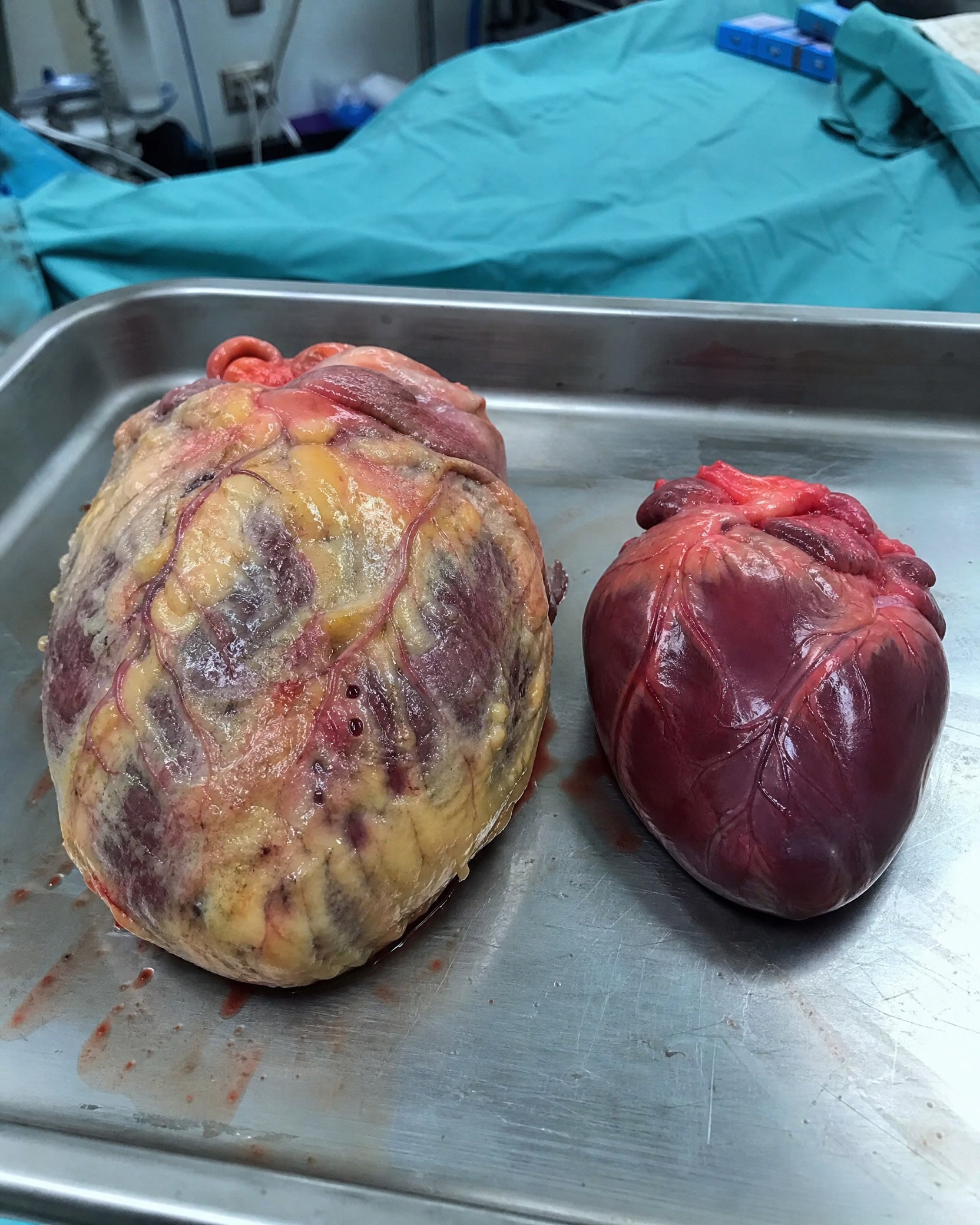
Two men. Same age. Same statin. One heart destroyed. One clean enough to save him. For 6 months after David's transplant I could not read the surgical report without my hands shaking. Both men were 64. Both on the same drug for years. Both had cholesterol numbers their doctors called perfect. One died in a car accident. The transplant surgeon told me his arteries were "remarkably clear" for a man in his 60s. The other was David, lying on the table with a heart being cut out that his blue pill organizer, his olive oil, his 15 years of good numbers were all supposed to be protecting. I could not stop staring at the difference. Then I found the donor's wife. Her name is Carol. (Carol, if you're reading this. I know I said I would tell people what you told me. So this is me telling them. I hope I do it right.) Carol was not surprised her husband's arteries were clean. And when she told me what he had figured out, I understood every reassuring appointment David sat through for 15 years while I nodded along and thought we were doing everything right. After this year, I can't keep what she told me to myself. Before I tell you what she said, you need to understand my husband David wasn't careless about his health. He was the man who put the car keys in the same little bowl by the door every evening. Checked the locks before bed, then checked them again. Every Sunday after supper, he sat at our kitchen table and filled his blue plastic pill organizer. Monday through Sunday. 1 small statin in every night-time slot. In 15 years, I cannot remember him missing a dose. When this started, his LDL was 194. 6 months after the prescription, it was 132. At the next visit, it was 118. The number had done exactly what everybody wanted it to do. Every 6 months after that, David had blood drawn. Every 6 months, the doctor turned the monitor toward us and said some version of the same thing. "Cholesterol looks good, Dave. Right where we want it. Once you're on a statin at this dose, you stay on it. LDL is a lifetime thing now. Keep doing exactly what you're doing." So we did. He ate bran cereal so often he finally told me, "Lin, if this bowl gets any sadder it will need a funeral." We bought an air fryer. Trimmed the skin off every piece of chicken. Filled the freezer with white fish. Walked the same loop around our neighborhood unless the pavement was icy. He gave up his Friday night pasta at Bellini's. Quit cheese entirely. Kept a printed Mediterranean diet on the fridge that his sister had emailed him. He did all of it. That is the part that still gets me. His numbers looked fine. David did not. Even then, I kept thinking. The number on the page and the man in my kitchen could not both be telling the truth. He stopped going into the garage after work. That garage had always been his place. He could spend 3 hours fixing a drawer that stuck half an inch. Then one winter, the little red-handled screwdriver he used for everything stayed on the pegboard for months. He said his hands felt weak. He dropped his car keys in the driveway twice and stood there looking at them like he wasn't sure how they had got there. I picked them up both times and pretended I hadn't noticed. His thighs started aching climbing the 6 steps from the driveway to our back door. I watched him grip the banister and pull himself up step by step and I remembered the man who used to take them 2 at a time. He began losing words halfway through a sentence. He stopped going to his buddy Mike's Wednesday cookouts because he couldn't sit there eating a side salad while everyone else ate burgers. I threw out 38 years of recipes. My lasagna with the baked crust. His mother's meatball card with grease marks on the corners. The sausage stuffing I made every Thanksgiving since our daughter was in diapers. I learned to make split pea soup. Lemon haddock. Brown rice bowls with spinach. Chicken patties so dry David had to take a drink after every bite. I ate the same dinners he did. If he had to give up everything he loved, I wasn't going to sit across from him with a burger on my plate. Some nights I would set down 2 plates of plain chicken and steamed broccoli, and he would say, "Looks good, Lin," because he was trying to make me feel better. Then he would push the chicken across the plate. Cut a small piece. Chew it too long. Put his fork down. Food had been how we marked our life. Friday pasta at Bellini's after payday. Cheese omelets in the cast-iron skillet on Sunday. Strawberry shortcake on my birthday. Those things disappeared one at a time. We stopped going to Bellini's because the smell of the kitchen hit him as soon as we opened the door. The last time we tried, he ordered plain chicken with no sauce. The couple in the next booth split a big plate of baked ziti. David watched them and told me he wasn't hungry. We left before dessert. In the parking lot he said, "I don't want to spend money to feel punished." He skipped his annual hunting trip with his brother after 30 straight years. His orange vest stayed folded on the shelf. When Mike called from the cabin, David let it ring. Then he replayed the voicemail and erased it. He lost his buddy Mike. He lost the hunting cabin. He lost the garage. I lost the husband who would grab my coat at 6 on a Friday and say, "Come on, Lin. Let's get out of this house." And he did every bit of it anyway. Because the doctor said the number looked good. Because we thought giving things up was the price of staying alive. By 7:15 most evenings he was asleep in his brown leather recliner with the television talking to nobody. I brought all of those things up at appointments. The aching. The weakness. The fog. The exhaustion. Once, a doctor looked at David's labs, looked at me, and said, "Linda, he's in his 60s. Some slowing down is normal. It's just age." I wanted to believe that more than anything. Because if it was age, then nobody had missed anything. If it was age, the pill was still protecting him. If it was age, the good number on the screen meant we were safe. So I made our life smaller around him. I carried the laundry upstairs. Drove at night. Stopped asking if he wanted to go anywhere after dinner because I knew he would glance at that 7:15 recliner. I told myself this was marriage. This was getting older together. Then, on a wet Tuesday morning, David collapsed beside our car. He was standing there with his coffee. Then the mug was rolling under the car and I was on my knees yelling his name. I drove him to the ER doing 80 in a 35 with my hand on his chest the whole way to make sure he was still breathing. By the time they admitted him, his lips were gray. Like wet cement. The ER cardiologist looked at David's bloodwork. His face changed. "Your arteries have been filling with damaged plaque for years," he said. "Your heart is failing." "But we've been doing everything," David said. "I know," the cardiologist said. "I'm sorry." David spent 11 days in the cardiac ICU before they moved him upstairs. Then back down again when his pressure crashed. I learned words I had never wanted to learn. Ejection fraction. Cardiogenic shock. Advanced heart failure. Transplant list. His heart was too weak to keep his body going on its own. The plaque in his arteries had done its work for years. Now the muscle behind it was tired. They put him on the list. Then we waited. I don't know how to explain what that waiting is like unless you've done it. You are waiting for a heart. Which means you are waiting for someone else, somewhere, to die. You do not say that out loud. You do not even let yourself think it in full sentences. But it is what you are waiting for. I slept in a vinyl chair with my shoes on. That little square of floor became my bedroom. Our daughter would call before work and ask, "How is Dad?" I got good at saying, "About the same," when what I meant was, "I have no idea if your father will be alive when you get here." They put an LVAD in him to help his heart pump while we waited. A cable came out of his side and connected to a controller. Batteries lived in a bag he had to carry everywhere and change every 12 to 15 hours. One night he dropped that bag onto the kitchen counter and said, "I'm sick and tired of this bag. It makes me look old and sick." I didn't tell him he had looked old and sick long before the bag. The 4 AM calls were the worst. Sometimes it was a nurse asking me to confirm a medication. Once it was a doctor telling me to come back because David had taken a turn. I drove the hour and a half with the radio off and both hands locked on the wheel. I don't remember a single exit. Then, on a Thursday, the call came. There was a heart. The surgeon walked into his room and said they had a donor and David would be transplanted that evening. I remember saying, "Tonight?" as if there were a more convenient time to have your husband's heart removed. I didn't cry. I couldn't. Somewhere out there, another family was learning something I already knew the shape of. The surgery was 3 hours. Open to close. I sat in the waiting room and I did not move. The surgeon came out. "He's on the new heart," he said. "It's beating beautifully. He came off bypass without any trouble." I stood up and I wasn't sure my legs would hold me. He was still talking. Something about how the donor heart had been exceptionally healthy. How the arteries looked remarkably clear for a man in his 60s. I heard it. I couldn't hold it. I just kept saying, "He's alive?" That was all my head would hold. The early weeks afterward were tubes, alarms, medication lists, tiny milestones that felt enormous. One less line today. 6 more steps down the hall. Half a turkey sandwich instead of 3 bites. Each day he was a little stronger. Each day I could see our future again. But the surgeon's comment stayed with me. Under everything. 2 men. Almost the same age. One heart scarred by disease even though its owner took his cholesterol pill every night and kept getting the number everyone wanted. One heart so healthy that, after tragedy, it could give another man life. Why. I need to say something here before I go further. Because I know how it sounds when you hear it the first time. I am not writing this to tell you a supplement made a stranger's arteries clear. Neither Carol nor I can prove that. His surgeon never made that claim, and I never will. The healthy donor heart is what made me ask the question. It is not the answer. The answer took me another year to find. And it did not come from a doctor. It came from Carol. 6 months after the transplant, I asked the donor registry to pass a letter to the donor's family. I rewrote it 11 times. How do you say thank you for the fact that someone else's worst day became the reason your husband woke up? How do you tell a woman that the heart she buried her husband without is still out there, intact and beating, inside yours? Carol answered. We met at a coffee shop halfway between our towns. She arrived early. Had both hands wrapped around a cup she was not drinking. I knew who she was the second I walked in. She stood up when she saw me. Didn't say anything. Just held out her hand. I want to tell you what happened in that first hour, because I have thought about it every day since. She asked me how David was. Not right away. It was maybe the fourth or fifth thing she said. She asked softly, the way you would ask a friend whose child had been sick. I told her he was walking. He had started sleeping in our bed again. He had fixed the kitchen drawer that had stuck for 2 years. She nodded and looked at the table for a long time. Then she asked if I had a picture of him. I did. I had one on my phone from the week before, standing in the driveway holding his coffee. She looked at that picture for I don't know how long. And then she put my phone back on the table and said, quietly, "Thomas would like his face." Then she cried a little. Not much. Enough. I didn't try to fix any of it. I just sat there with her and let her have that moment. What else was I going to do. (Carol, I never told you but I put my hand on your arm at that table and you didn't move it away and I thought about that the whole drive home.) She wiped her eyes and sat up. "Tell me about him," she said. "The husband my husband saved." So I told her. Everything. The garage. The screwdriver on the pegboard. Bellini's. The recliner at 7:15. The 15 years of good numbers. The doctor saying "keep doing exactly what you're doing." The aching legs and the weak hands and the fog and the food he pushed around his plate. Carol set down her cup. "Wait," she said. "How long was he like that?" I told her it had crept up over years. She asked what medication he took. What dose. When I answered, the color changed in her face. "Thomas was the same," she said. "Same drug. Same milligrams. Same everything." She let that sit for a moment. Then she said the sentence that has been in my head every day since. "But Thomas didn't believe them. He kept saying the number and the man didn't match." That knocked the air out of me. The number and the man didn't match. Carol told me about Thomas the way you would describe someone you had known your whole life. He put hot sauce on eggs. Sang the wrong words to old songs. Kept jumper cables in both cars because he did not trust anyone else to be prepared. He was a machinist. 40 years at the same industrial valve plant an hour outside their town. The valves he built sat inside pipelines and refineries. They had to hold pressure they were not allowed to fail. His specialty on the floor, the thing he was known for, was catching parts that had passed every gauge in the shop and were still going to fail in the field. Metal that looked fine to everybody else. Cast pieces that measured to the thousandth and rang true when you struck them. Thomas would hold one up to the light. Turn it. Set it back down. Say, "This is going to blow inside a year." And it would. He could not always tell you why he knew. He just knew. That was the man who came home one evening 5 years before he died and told Carol his legs felt heavy. His LDL had been 191 when they put him on the statin. It came down to 128 and stayed there. His doctor was pleased. And then, the same way it happened to David, the man behind the number started to go quiet. Heavy legs. Fog. Sitting down after almost nothing. The same appointment where the cholesterol looked controlled and the rest was called age. Thomas did not buy it for a second. "Carol," he told her once, "my whole life I've been the guy who catches things that pass the test and fail anyway. This is that. I don't know what part of me is failing. But it isn't the number." That was when he started the green notebook. Carol told me he wrote down everything. Every dose. Every symptom. Every supplement he tried. Every lab result. He read studies at 2 in the morning. Printed pages. Covered the margins with questions in his engineer's block-letter handwriting. Some of those nights, Carol came down for water and found him at the table with pages spread out. She started sitting with him. Sometimes she would read a paragraph out loud so he could stop and think. Sometimes she just kept him company. That is how she knows what I am about to tell you. She did not find it in his notebook after he died. She sat there while he worked it out. Thomas printed a stack of studies and brought them to his doctor's next appointment. Set them on the exam table. Asked about the heavy legs. Pointed at the pages. The doctor glanced at the top sheet. Patted the stack. "Your number is good, Tom," he said. "That is what we track." Carol says nobody was hiding anything. It was worse than that. The question got asked. The paper was on the table. And the system waved it off. 2 households. 2 men raising their hands. Both told it was age. Thomas did not throw his prescription away. Carol was clear about that. He kept his doctor in the loop. Changed nothing on his own. But the more he learned, the angrier he got. Because our families had been taught to watch a single number as if it told the whole story. Then, on a napkin in that coffee shop, Carol showed me what he had found. "Cholesterol isn't poison, Linda," she said. "Your body makes it on purpose. You would die without it. It only turns dangerous when it gets damaged. Oxidized." She pointed at my plate. "You ever cut an apple and leave it on the counter? Comes back brown. That is the air getting at it. That is oxidation. Same thing happens to the cholesterol in your blood. It goes rancid. And the rancid cholesterol turns sticky." It works its way into the wall of the artery and packs in, year after year, building up into hard little deposits called plaque. Then a piece of that buildup tears open. The artery jams shut. That is the heart attack. Not the amount of cholesterol floating around. The oxidized stuff, embedded in the wall. The damage. The pill David took every night for 15 years lowered the number on the chart. It did what it was built to do. But it never answered the separate question of oxidative damage. And nobody ever showed us that the damage had stopped. The number alone had never shown us the whole picture. "Thomas called it rust," Carol said. "He said, you can have less metal and still have rust. That is what he kept telling me. Less metal. Still rust." She pulled a paper napkin from the holder and drew a circle. "This is a cholesterol particle." Then she put jagged little marks around it. "This is the damage getting at it." Then she drew an X over the circle. "Now it has gone brown. Now it is sticky. Now the body has to do something with it." She drew an arrow from that first circle to 3 more. "The body sees damage and tries to repair it. So it makes more cholesterol. That is not your body failing. That is your body trying to help. But if the same damage is still there, the new cholesterol gets rusted too." 3 circles became 6. 6 became 12. "More rust. More repair. More cholesterol. More to rust. Round and round. That is the wheel Thomas could not stop thinking about." I looked down at that napkin and I saw 15 years of lab reports. A lower number. A doctor saying good. A husband getting smaller anyway. "The number your doctor watches counts how much cholesterol you have," Carol said. "It does not tell you how much of it has already gone brown." Not cholesterol. Oxidized cholesterol. Rusted cholesterol. That was the villain swap Thomas had found. We had been fighting the delivery truck instead of what was happening to the load. I asked Carol if any of it had actually been measured. Or if it just sounded right at a coffee shop. She smiled. She said Thomas would have asked the same question, and he had already answered it. "He kept coming back to one trial," she said. "12 weeks. Concentrated betalains, every day. And yes, the LDL came down. About 15 points on average. A real move, not a dramatic one." She leaned in. "But they did not just measure the amount. They measured the oxidized LDL. The rust. The thing that actually does the damage. The thing nobody ever measured in David once in 15 years. And that number did not come down 15 points like the total did. It came down more than 20 percent." The rust fell further and faster than the cholesterol itself. Thomas had circled that line 3 times in the notebook. Because every drug result he had ever been shown was the opposite. Big move on the number everyone watches. Nothing on the thing underneath. The number everyone watches moved a little. The thing that actually kills moved a lot. Carol pressed her palm flat on the napkin circles. "This is the statin," she said. "It holds the number down. Forced from the outside. For as long as you keep your hand there." She lifted her hand. The circles were still there. "That is what happens when the fist gets tired." Then she erased the jagged marks with her thumb. "If the rust is gone, the number no longer has a reason to be high. It falls on its own and stays down. Thomas taught me to stop reading the number as the goal. He taught me to read it as a receipt." I sat there and I understood every appointment for 15 years. We had been watching a number a fist was holding down. And calling it good. Then Carol told me about the spark. The way the statin drives that number down is it shuts off a switch in your body. That switch does not only make cholesterol. It makes something called CoQ10. CoQ10 is the spark. Every muscle in your body uses it to turn fuel into motion. The hands. The legs. The heart, most of all. You can have a full tank of fuel. If there is no spark, nothing fires. Like a mower with a dead plug. Just sits there. The leg aches. The tiredness sleep would not fix. The fingers that struggled with the red-handled screwdriver. Those symptoms deserved more than "aging." Statins lower CoQ10 because the same switch involved in cholesterol also makes that cellular spark. Same switch. You cannot shut off one side without affecting the other. Every symptom we had called aging deserved another look. I am not writing this only about David. If you have been calling it age. If you have been telling yourself the heavy legs and the bone-deep tiredness are just what 60 feels like. If you have lost a step and blamed yourself. That was us. That was every appointment for 15 years. David's weak grip. Heavy legs. Fog. Exhaustion. All of it waved away, while a known possibility sat right there on his medication sheet. I am not saying every ache is the pill. I am saying nobody even asked. The plan had lowered the number it was designed to lower. It never answered the separate question of how much LDL was becoming oxidized. And it was draining the CoQ10 his muscles ran on the whole time. David gave up everything he loved while we watched a single number and assumed it told the whole story. I asked Carol what Thomas had done. Not just what he had learned. What he had tried. She laughed once, not because it was funny, but because she remembered the cupboard. For 10 weeks, Thomas took fish oil. 2 softgels with breakfast. His LDL barely moved. Fish oil may do something for triglycerides, but it was not the answer for oxidized LDL. Next came turmeric. 8 weeks. His repeat labs were basically unchanged. His doctor told him ordinary curcumin barely absorbs. Then he tried a high-absorption CoQ10 for 12 weeks. It softened the night cramps a little. Helped his legs on a couple of long weekends. But it was patching the depletion side. It was not stopping the rust from happening in the first place. His search kept bringing him back to beetroot. So he went to CVS and bought the cheap generic capsules. $16.99 for 500mg. Then he ordered a second bottle from Amazon because it had 4.5 stars and more than 3,000 reviews. He started taking them. Check mark in the notebook every morning. Here is the part Carol says he almost fell for. By day 4, he felt something. Not big. Real. His head was a little clearer at the end of the day. The heaviness in his legs on the stairs let up a click. Week 3, he took a walk after supper for the first time in a year and made it around the block without stopping. He came in and told Carol he thought he had finally found it. Week 6, he was mowing his own lawn again. So he waited for the 12-week bloodwork with something close to hope. He had not felt hope in a long time. He got the result on a Tuesday. Sat in the car outside the lab holding the paper. His LDL had gone from 161 to 155. 6 points. In 12 weeks. Not what he needed. He thought maybe the dose was too low. Bought a bigger bottle. Doubled it. Ran another 12 weeks. Second draw came back at 154. He sat in the same parking lot. Same car. Same paper. And he said, out loud, "Another thing that does nothing." Carol says he came home and sat at the kitchen table for an hour without moving. Then he opened one of the Amazon capsules over a white dinner plate. The powder was brown. Not dark red. Not crimson. Brown, like dirt from the bottom of a flowerpot. He didn't move for a minute. Then he got up, walked to the garbage, and threw both bottles in. Carol says he was researching again by 10pm that night. Here is what he found. The beetroot in those bottles is not the beetroot the research is on. The modern grocery-store beet has been bred for 100 years to be bigger, sweeter, and easier to ship. Every time you breed a beet for sugar, you breed the antioxidant down. The pigment that does the actual work in your blood is called betalain. It is the deep red pigment that stains everything you touch when you cut a beet. That pigment has been bred almost out of the modern beet. The beet that used to be medicine became candy. Then the supplement companies take that already-thinned beet and spray-dry it at high heat to turn it into powder for the capsule. Heat destroys betalain. By the time it is sitting on the CVS shelf in a $16.99 bottle, there is almost nothing living in it. Red dust. Dead before the cap was sealed. Thomas said it came down to 2 things. Only 2. One, stop the rust. Two, do that without touching the spark. Stop the rust. Leave the spark. He started looking for a formula that could pass what he called his sourcing gauntlet. He had 4 rules. First, it had to be the original strain of beet. Not the grocery-store version. The Amish in Lancaster County, Pennsylvania have kept one heirloom strain they never crossed with the sugar beet. They call it Blutwurzel. Blood root, in German. They have been saving the seed by hand for over 150 years. The betalain content is 10 to 20 times what you will find in a modern beet. Second, it had to be shade-dried after the first frost. Not spray-dried. Not heat-processed. Nothing that destroys the betalain. The old way. The slow way. The way that preserves what actually does the work. Third, it needed a real dose. 1,300mg in the full daily serving. Not a 500mg sprinkle from a drugstore bottle hidden behind a proprietary blend. Fourth, it needed a real certificate of analysis from an outside lab, proving the betalains were alive and active in the batch you were buying. Carol says he went through every product he could find. Most hit one rule. A couple of expensive ones hit 2. None were heirloom Blutwurzel. None were shade-dried. Every one of them was the same commodity beet ground into red dust. Only one formula survived his gauntlet. Organic heirloom Blutwurzel beetroot. The actual seed line the Amish in Lancaster County have protected for generations. Shade-dried after the first frost. Never heat-blasted. A full 1,300mg daily serving. 2 capsules in the morning with a glass of water. Made in an FDA-registered facility. Independently lab tested with a certificate of analysis you can ask to see. The name on the bottle was Rosabella. The betalains were the main reason Thomas chose it. Those deep red compounds can help neutralize the exact damage that turns LDL sticky. The formula also keeps the beet's natural betaine, folate, nitrates and polyphenols. Those may support healthy homocysteine processing, nitric oxide production, and flexible blood flow. Ingredient first. Proof second. Brand last. That was the order Thomas trusted. He started taking it years before the crash and stayed with it. This was not something Carol found afterward and used to explain the donor heart backward. It was written in the green notebook as part of the life he had actually lived. He took it every morning. Drew a check after each serving. Kept his doctor in the loop and made no reckless medication changes. And here is how Thomas taught Carol to read what came next. Not as a score. As a receipt. The lab slip before he started showed an LDL of 159. There were 84 check marks between that slip and the next one. At 12 weeks, his LDL was 117. It came down on its own. Nothing holding it there. 42 points. With the compliance record sitting beside it in the same notebook. He kept using it for years and kept verifying it on paper. Those dated lab slips and 84 daily checks are the proof Carol could hand me across the table. I drove home from that coffee shop wanting to order for David immediately. But David takes anti-rejection medicine now. You do not just add things to that. I sent the ingredient panel and the certificate of analysis to his transplant coordinator. His team reviewed it against his medicines and said it could fit his plan. Only then did he add 2 capsules in the morning. Not a treatment for the heart he lost. Not the reason he recovered from surgery. Not a replacement for a single prescription. One thing his medical team cleared, meant to support the road ahead while they keep watching his labs. I also ordered a bottle for myself. I need to tell you why, because I do not want to hide it. My last LDL was 178. My doctor had mentioned starting me on a statin at my next visit. After that coffee shop, I was not going quietly onto the same road David had just barely walked off. I brought the ingredient panel to my own doctor. He said fine. We would monitor. I started the same morning David did. Months of surgery, rehabilitation and stubborn work brought David back on his feet. Yesterday, I walked into the kitchen and heard a familiar little scrape. I stood in the doorway and watched him. He had the red-handled screwdriver in his hand. He was fixing the drawer that stuck. His grip did not slip once. I did not call that proof of a capsule. I called it my husband coming home to himself. I told 3 other people what Carol told me. The 3 closest to David and me. The first was my brother Ray. Ray is 61 and lives in Phoenix. His last cholesterol had come back at 184 and his doctor wanted to start him on a statin. Ray called me the night before his follow-up asking what I thought. I told him what Carol told me. I sent him the photo of Thomas's notebook Carol had let me take. Ray asked his doctor if they could monitor him while he tried a different first step. The doctor agreed on a 10-week recheck. Ray took 2 capsules every morning. At the 10-week draw, his LDL was 152. Down 32 points. Nothing pressing on it. The second was my neighbour Diane's husband, Paul. Paul had been on a statin for 6 years. His last labs were 167 and his doctor was talking about adding a second drug. Paul told Diane his calves felt like concrete by supper and he had stopped taking the dog on his usual walks. Diane asked me about it in her kitchen after church. I told her. Paul's doctor kept his statin in place and agreed to monitor while he added the capsules. At 12 weeks his LDL was 148. 19 points on top of a statin. Paul told me his legs came back too. But the lab number is the part he could show me. The third was my sister Ruth. Ruth is 63 and does not trust anything on Facebook. She asked for the certificate of analysis. She verified the drying method herself. She kept her doctor in the loop. She took 2 capsules every morning for 3 months. Her LDL went from 176 to 151. Down 25. And I said I would tell you about mine, so I will. At 11 weeks, my draw came back at 156. Down 22 points from 178. My doctor read the panel. Looked at me. He did not argue and he did not congratulate me. He wrote something on his notepad and he still has not prescribed me anything. 4 people. 4 doctors. 4 different starting numbers. Lab paper for all of us. Not the same drug being pushed on 4 people. The same rust being taken off 4 walls. Let me be specific, because I think you will know which one you are. If you are the wife watching. Your husband is on a statin. His numbers are fine and his doctor is pleased. But you are watching him push food around his plate and fall asleep at 7:15. You have been told it is age. I was told the same thing. The number and the man did not match. Ask the second question while it is still a warning. If you are the woman on it yourself. You take the pill. Your chart looks perfect. And you are more tired than your life explains. The legs. The fog. The step you lost. The spark is being throttled by the same switch pushing your number down. It may not be your age. Nobody checked. If you are the one watching a climbing dose. The number keeps drifting, so the milligrams keep climbing. Or a second pill just got added. The wheel is still turning and the fist is getting tired. More pressure on the number will never reach what is spinning it. If you already tried beetroot. You bought the bottle from the pharmacy or the one with 3,000 reviews. Nothing moved. Maybe you gave it up months ago. Open one over a white plate. If the powder is brown, you never tried beetroot. You tried dust. The real thing is heirloom Blutwurzel, shade-dried, 1,300mg, with a lab report you can read. It is crimson when you open the capsule. Now you know what to look for on the label. Let me be clear about who I am and who I am not. I am not a doctor. I am not a scientist. I do not get a penny from this. I am a wife who almost lost her husband because we mistook a good number for a complete answer while the man attached to it vanished in front of me. David paid for that mistake in advance. 15 years of prescriptions. Refilled every month without a single promise attached. An LVAD. A battery bag. 11 days in the ICU. A transplant. A stranger's heart in my husband's chest. Nobody refunded David a dime. Nobody refunded me the vinyl chair, the 4 AM phone calls, the recipes I threw out. Carol buried Thomas. Nobody refunded Carol anything either. Now the contrast. A small company selling capsules of a beet will hand back every dollar. Empty bottles included. If the lab paper does not move in 90 days. I am not going to tell you what that means. I just know I cannot stop noticing it. In 15 years of prescriptions and refills, nobody at that pharmacy counter ever asked me once if the drug had worked. Now let me tell you the honest thing about supply, because I ran into it myself. Rosabella is not sold on Amazon or eBay. They only use Blutwurzel from a small number of Amish farms in Lancaster County. It is hand-harvested once a year in the fall. The shade-drying cannot be rushed. When a batch runs out, it is out until the next harvest. Right now they are running a buy-3-get-3 offer. 3 months for him. 3 for you. Because you have been eating the same plain chicken he has, and nobody on this road should walk it alone. Here is why I am asking you to move today. The rust built in David for 15 years while every 6 months a screen said good. It is building the same quiet way in your house today. It does not wait. It is the most patient thing in the world and it is working right now, in the wall, while you read this. If there is a blood draw on your calendar in the next 2 or 3 months, the 12-week window is why starting today matters. Starting today is what changes what the appointment says. Picture walking into your next heart appointment with the rust already turning instead of still climbing. That does not happen if you start the week of the appointment. I want you to go order. Not for me. For whoever you would leave behind. https://track.tryrosabella.com/bfcb877b-9f52-4175-9be6-9bc1a89ce3a8 You cannot put rust back in the can. But you can stop it from spreading. Linda P.S. Open one capsule over a white plate. The powder should be deep crimson or violet. Not brown. That is your immediate check on the preserved betalain. Crimson means preserved pigment. Brown means dust. P.P.S. Give it the full 12 weeks and let the lab paper answer you. Some people report energy or clarity first. Then they report physical changes in the opening month. In company-cited studies and customer results, LDL has dropped 30 to 50 points over 12 weeks. Individual results vary. The 90-day guarantee matches that window. Send the bottles back, empty ones included. P.P.P.S. To the women whose husbands are on statins, and to the women on statins themselves. I know you are scared. I know you are watching him push food around his plate. I know you are listening to him shift in his sleep because his legs ache. Show the ingredient panel to the clinician managing those medicines. If it fits the plan, give the full 12 weeks a fair test and verify it on paper. P.P.P.P.S. Carol. If you are reading this. I know I said I would tell people what you told me and I hope I got it right. Thank you for meeting me. Thank you for the napkin. Thank you for the picture you looked at. I know Thomas's heart is the reason David is in the kitchen using that screwdriver. I do not get to walk away from that and I would not want to. I write this because it is the only thing I can do that is not nothing. P.P.P.P.P.S. David's blue pill organizer is still in the cabinet. I look at it and I remember the ICU. The gray lips. The 4 AM phone. The bag with the batteries. 15 years of giving things up while we watched the wrong thing. Then I look through the doorway and I see the red-handled screwdriver missing from its peg because David is using it again. Carol does not get that ending. Thomas's heart is beating in my husband's chest because a car accident took him from her. One wife got her husband back. One had to let hers go. I cannot make that fair. I can only pass along what Carol told me so you can ask better questions while there is still time. Please. Do not wait for a crisis before asking why the number and the man do not match. Do not stop, start or change a prescription without speaking with your clinician. This supplement is not intended to diagnose, treat, cure or prevent disease. Individual results vary. https://track.tryrosabella.com/bfcb877b-9f52-4175-9be6-9bc1a89ce3a8
Support stamina and heart health every day
LEARN MORELike this ad? Make it yours.
Crush rebuilds this exact creative around your product — your brand, your colors, your offer — in about a minute.