
Inactive· since Aug 24, 2026
- 18
- days it ran
- 1
- relaunches
Ad copy
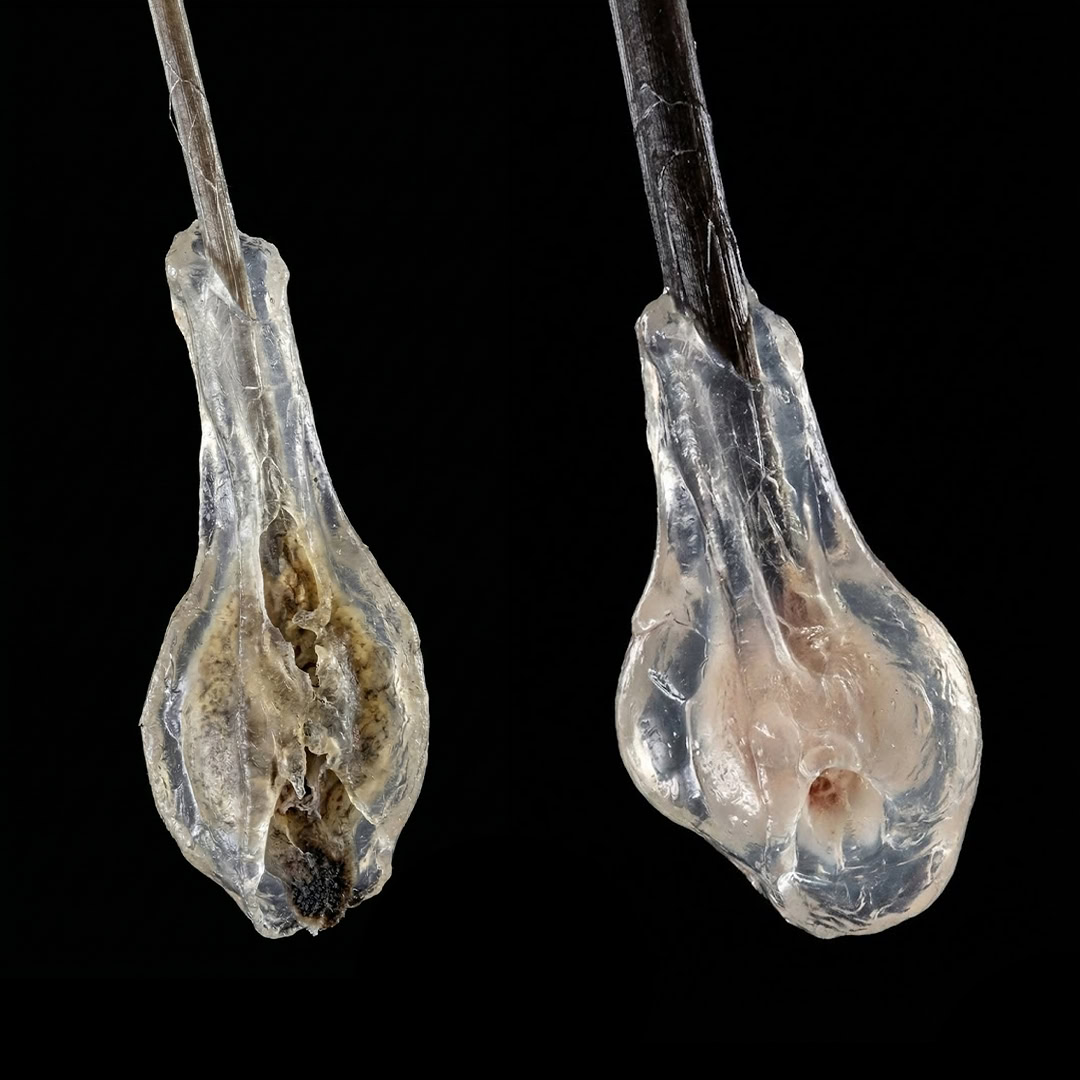
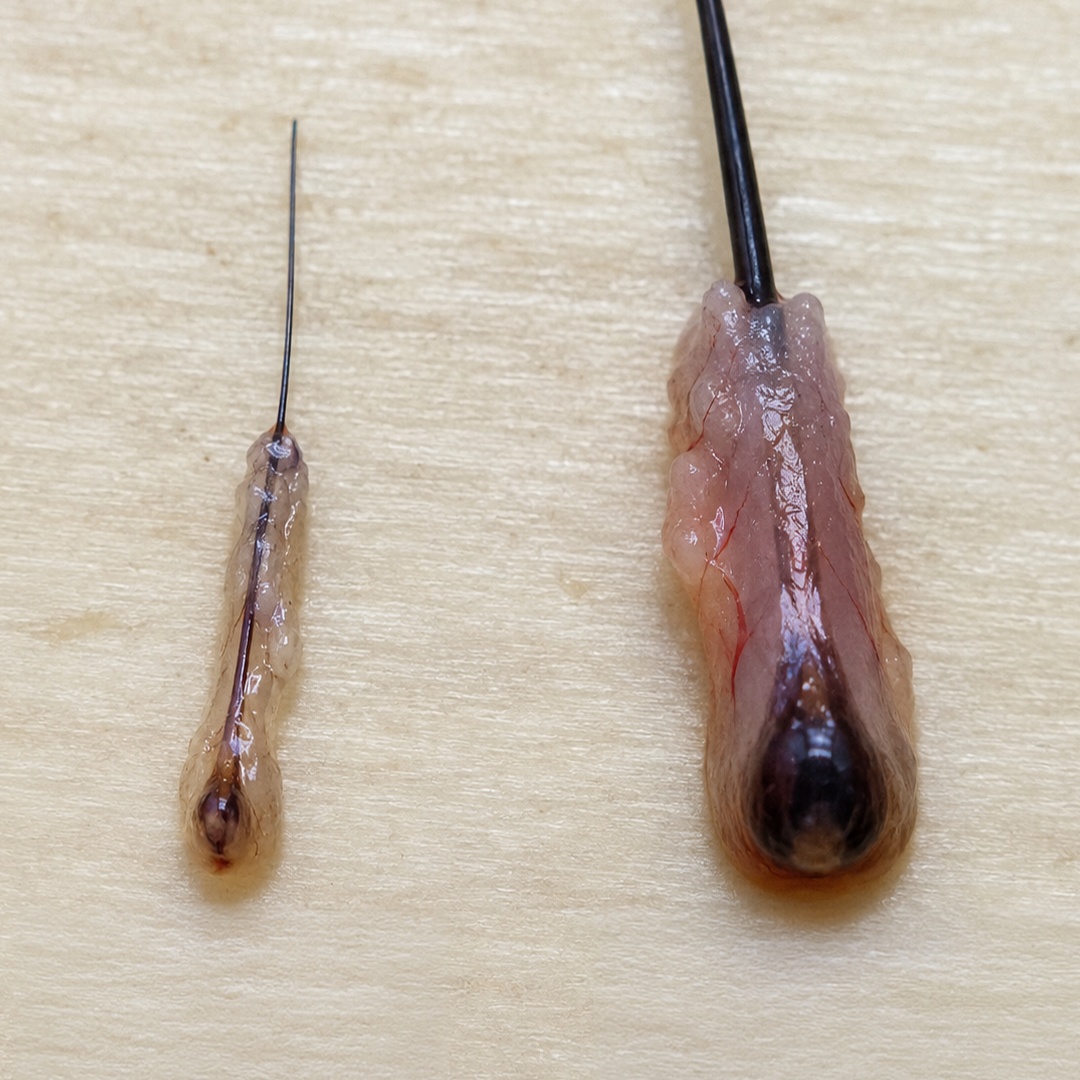
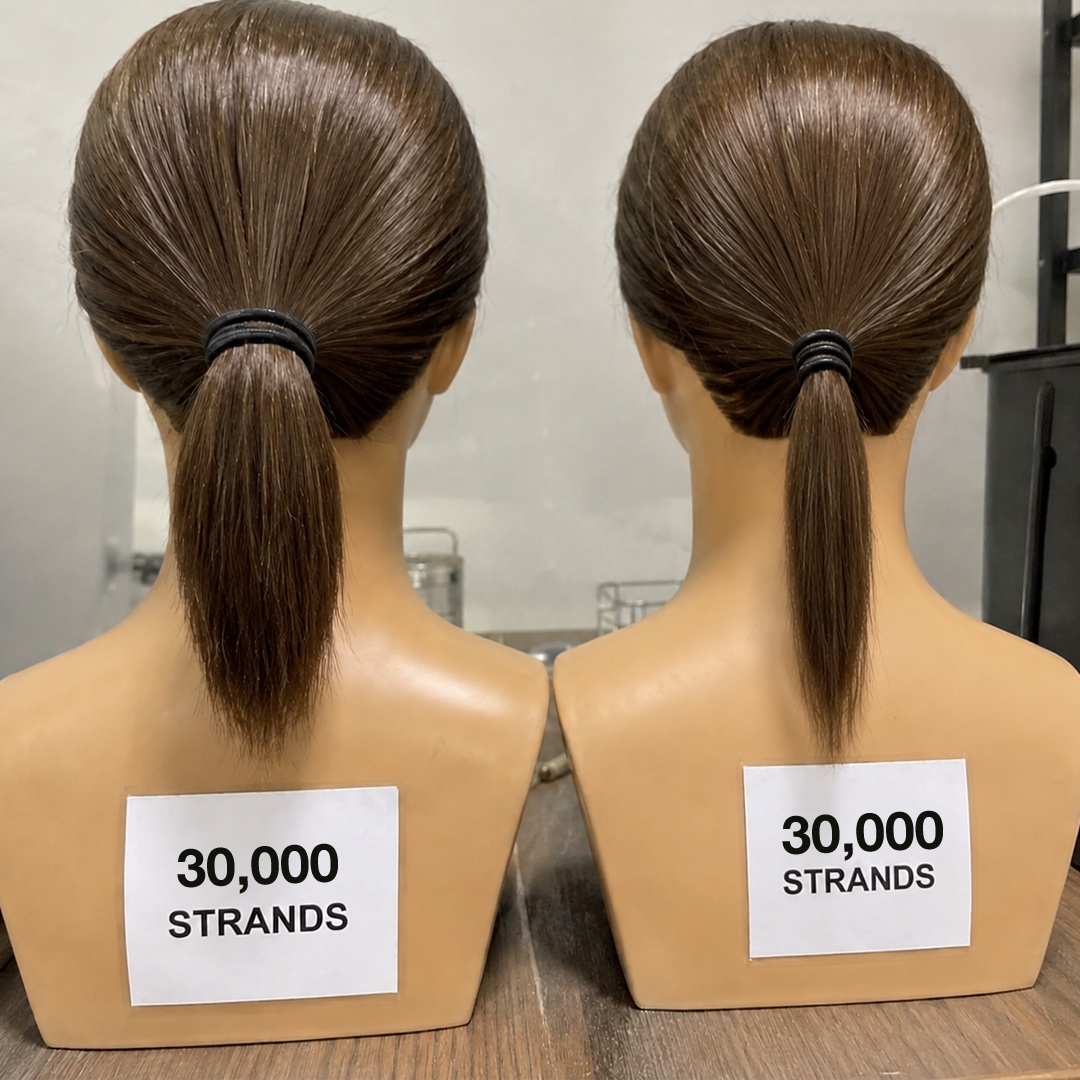
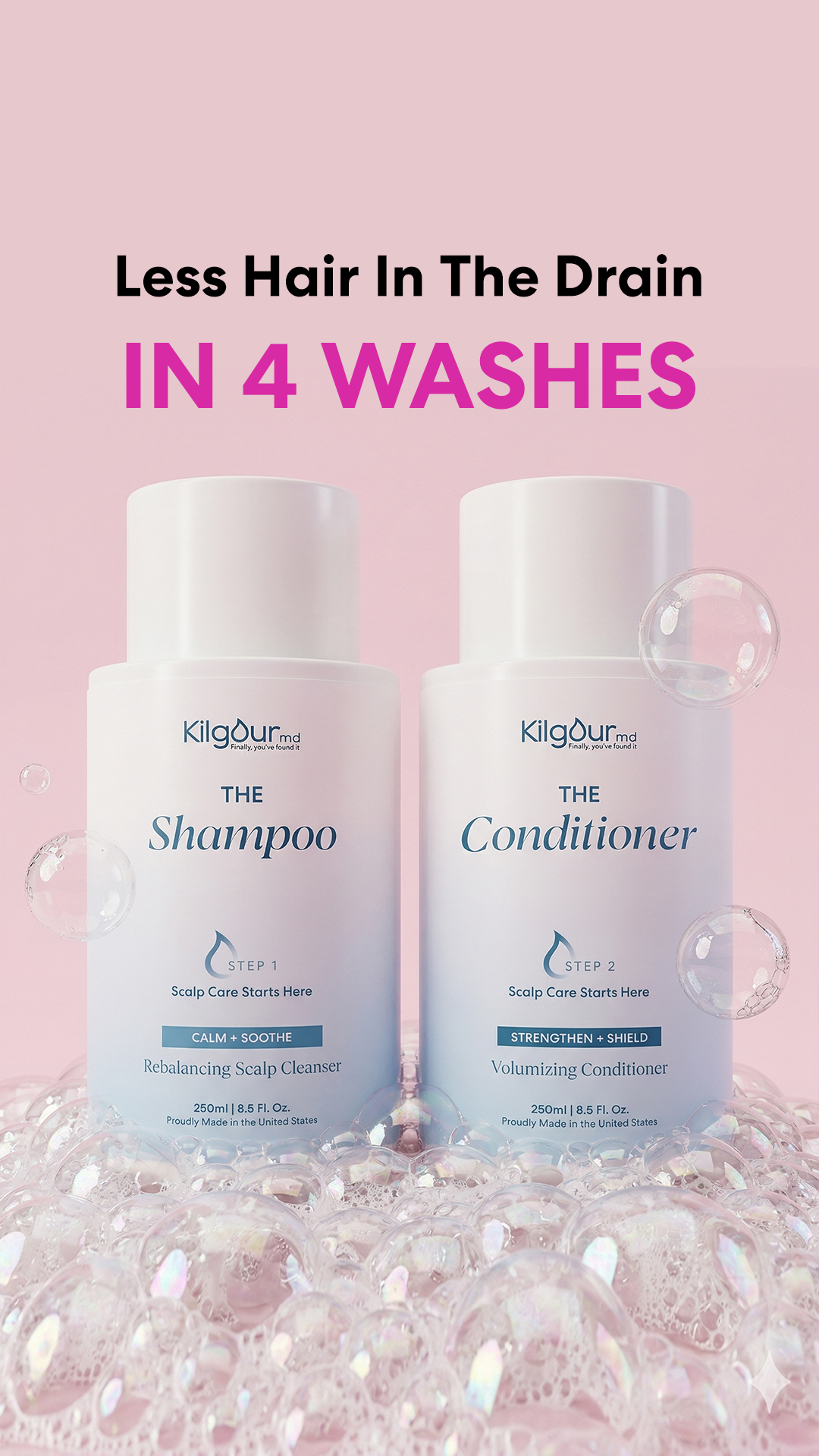
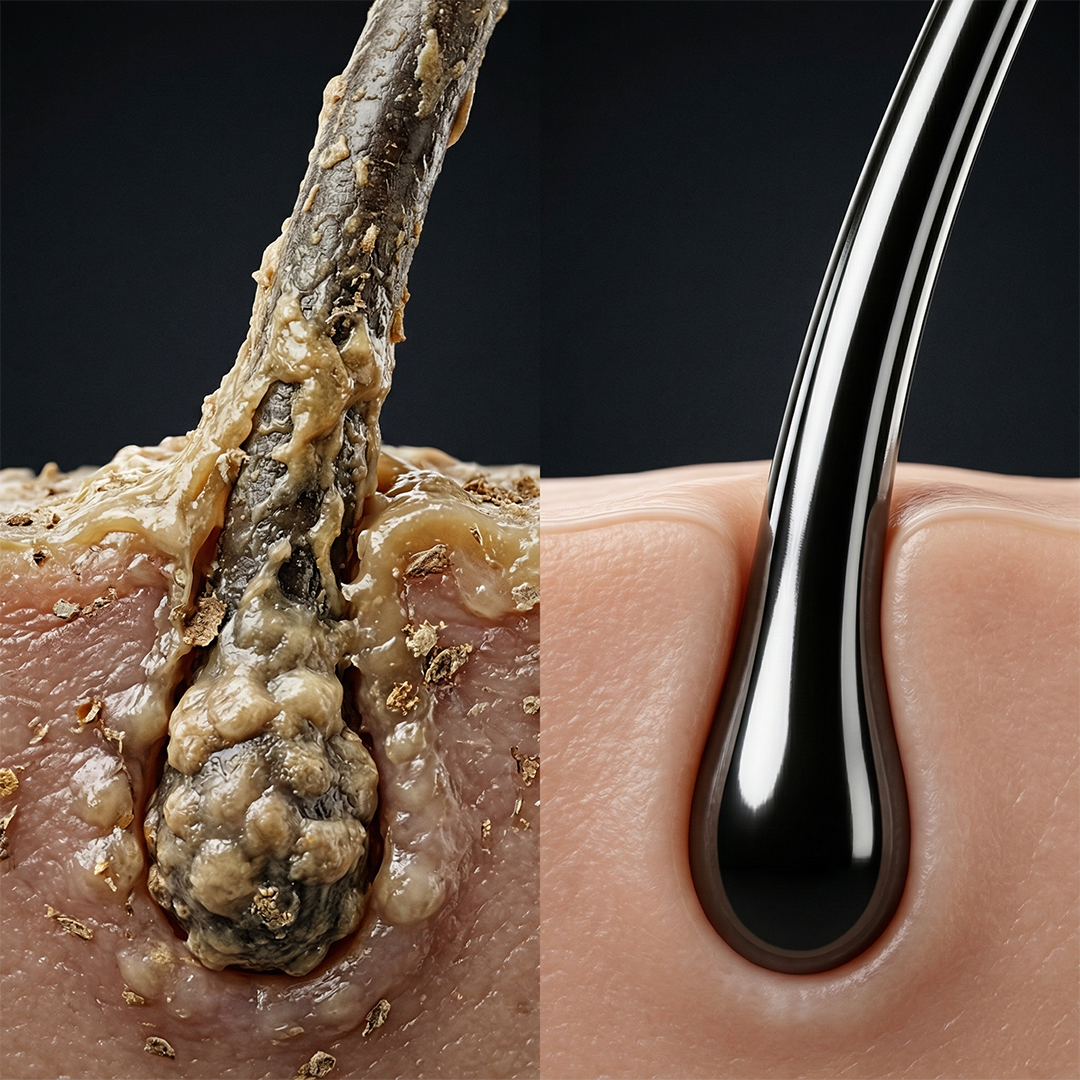
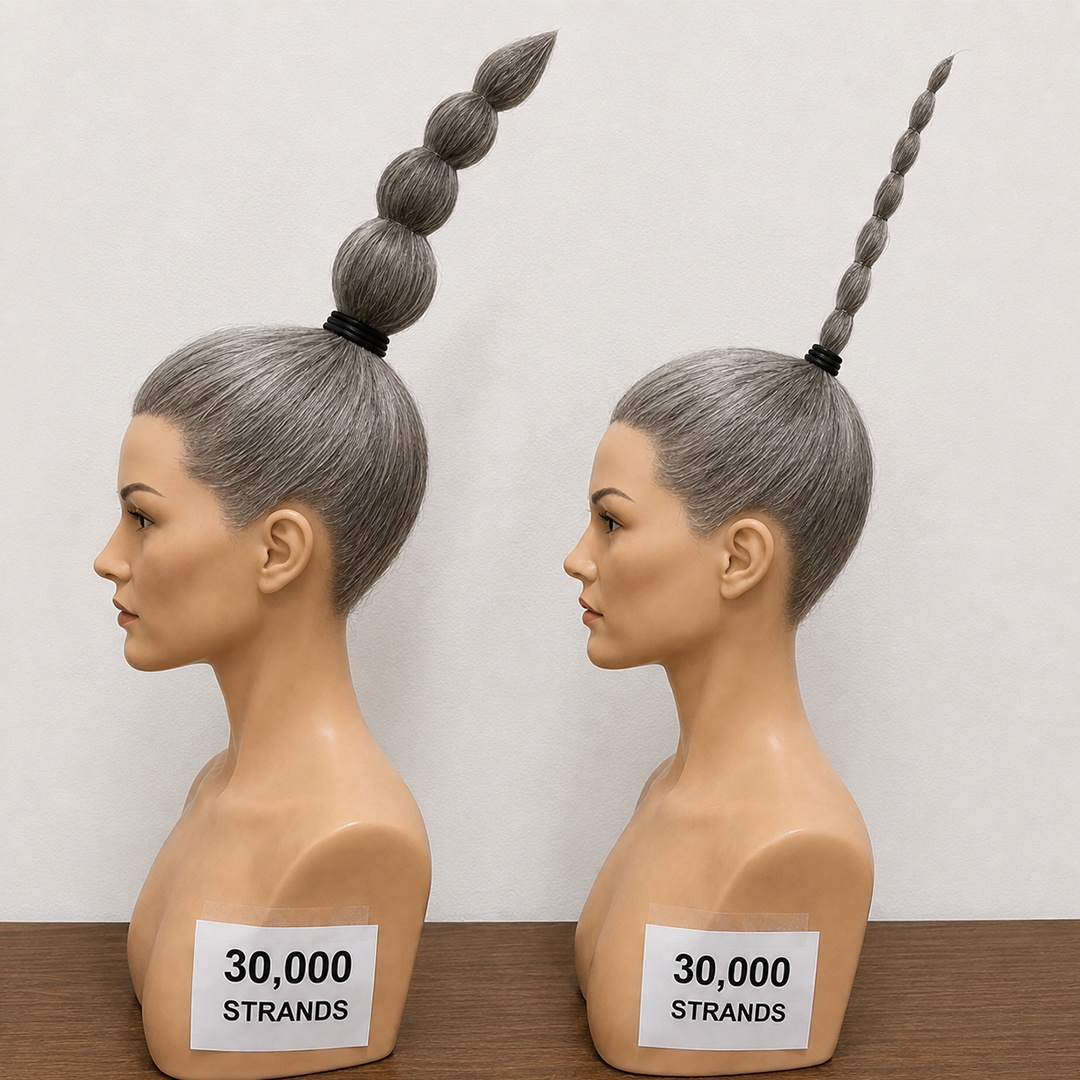
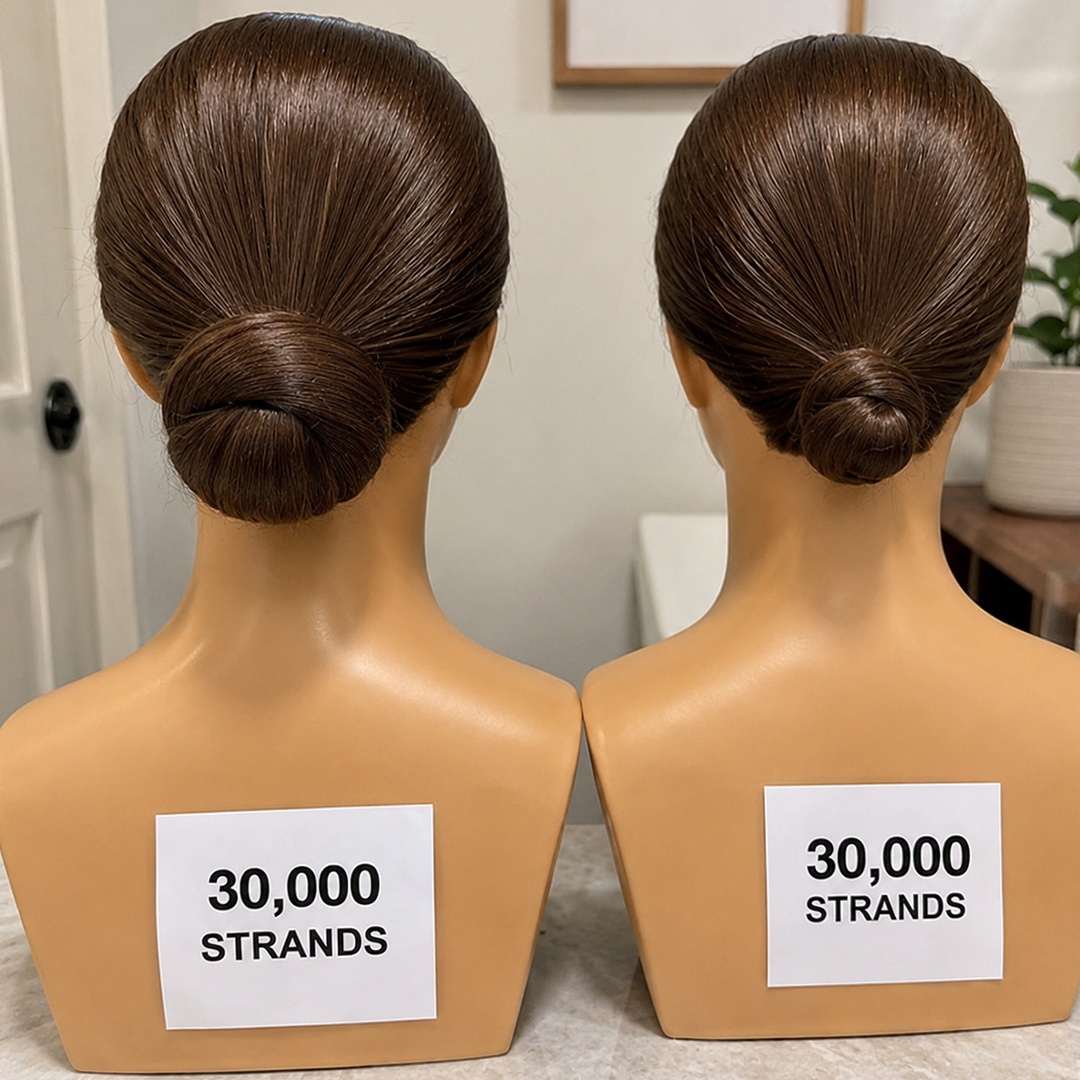
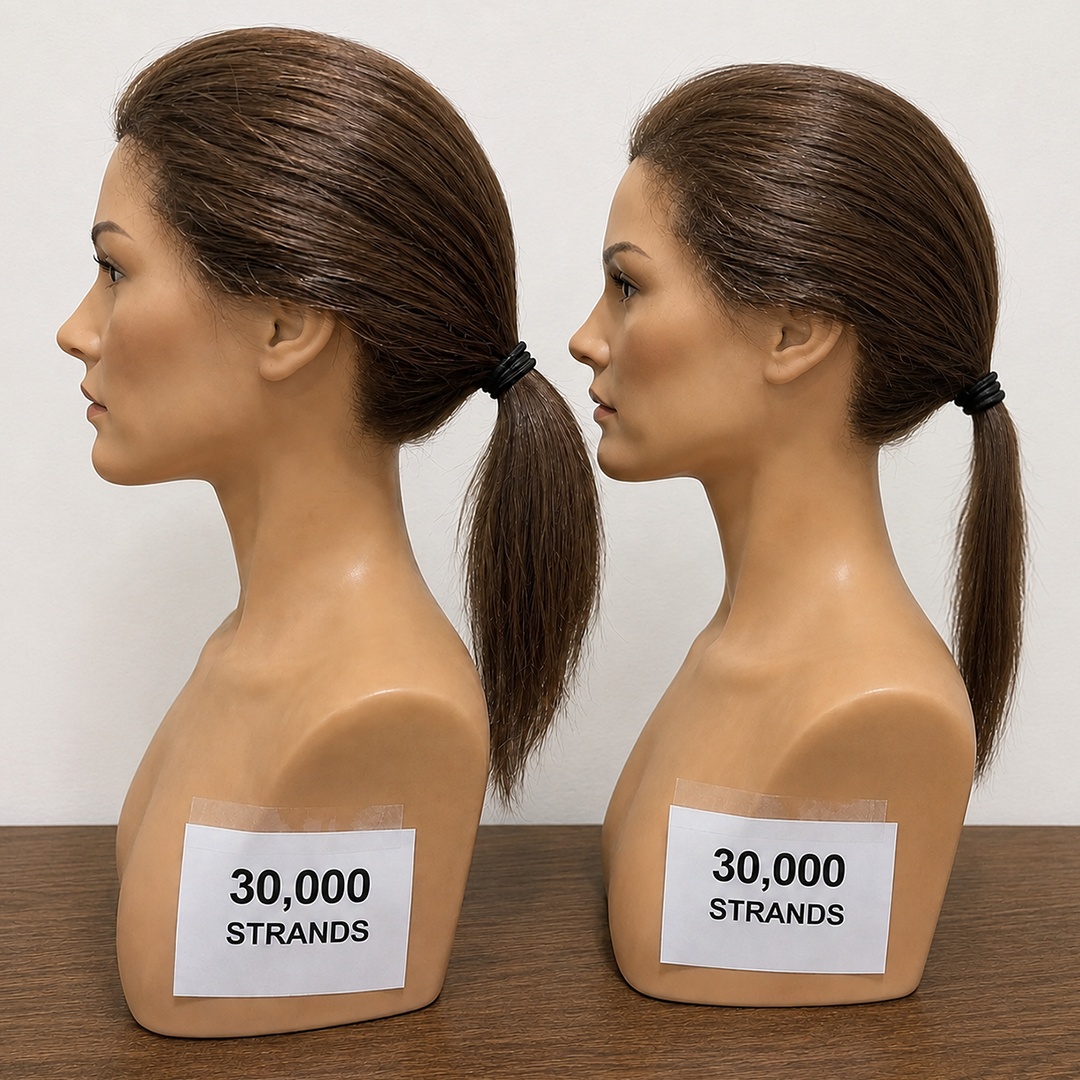
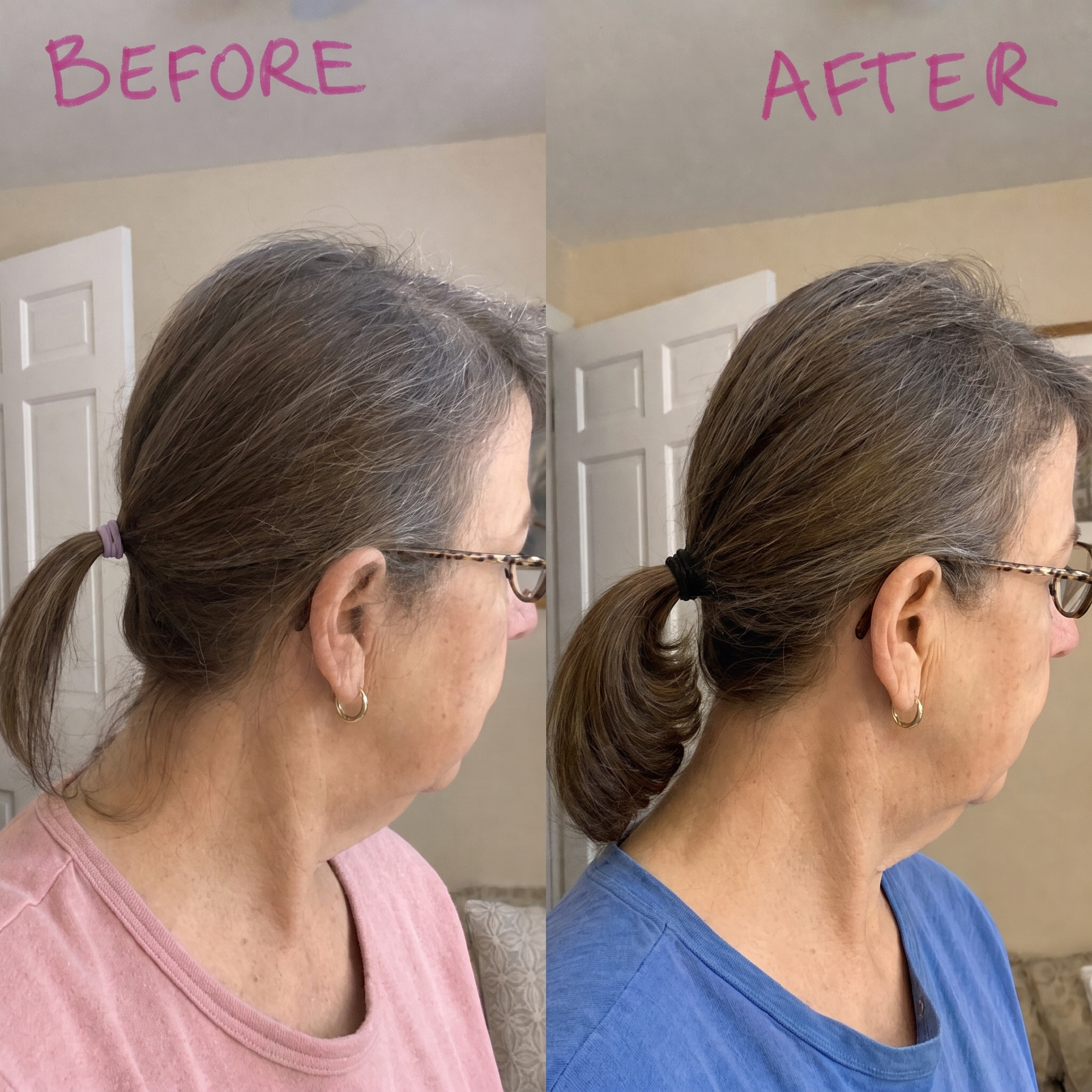
My mother lied to me about her hair for about four months. And I think about it more than she probably realises. I'm a dermatologist. I trained at Stanford. Hair loss is what I've spent my career on, and I see so many women with this, particularly around the menopause. It is one of the most common things that walks into my clinic and honestly one of the hardest things to treat well. So when I started working on the formulas, my mom asked me to send her some. She told me they were for my dad. That his hair was thinning and he wanted to try them. So I sent her everything. All the R&D samples, then the finished bottles when we had them. And then I flew home to visit, and I realised she had been using them herself the entire time. We are really close. We talk about everything. Sometimes too much. And this was the one thing she did not feel she could just ask me for. I keep coming back to that. Because if my own mother could not ask the dermatologist in her own family, then I do not really know who most women are asking. And I think that is honestly part of why this goes untreated for so long. Not because there is nothing to do about it. Because nobody brings it up until it is quite far along. So let me just say the thing out loud, and then let me tell you what I found. She has always had very long, very thick brown hair. When I was small she would walk me to school and that is the image I have of her. That silhouette. What is strange is that I do not think I noticed her hair changing first. I noticed her changing. She was not as outgoing. She stopped doing hobbies she had always done. She was not seeing her friends as much. It genuinely took me a while to connect those two things. And once I did, I started paying much closer attention to what women were actually telling me in clinic. Not what they came in for. What they had quietly stopped doing. So here is what I found, and it is really two separate problems that happen to arrive at the same time. The first one is that your roots start releasing hair earlier than they should. After estrogen declines, and that starts in your early forties, often years before menopause is anywhere near official, the scalp changes. It gets drier. The barrier that used to hold moisture in and keep irritants out is not what it was. Background inflammation goes up. And there is an enzyme sitting around the follicle opening that produces DHT locally, right there at the root. Estrogen used to keep that enzyme fairly quiet. When estrogen dropped, the brakes came off. DHT shortens how long each hair stays in its growth phase. So hair releases sooner, and what comes back comes back finer. Now, this is the part that I think a lot of people get wrong, including a lot of doctors. Lowering DHT in your bloodstream is not really the answer for women. There was a UCSF-led trial of 137 menopausal women. A full year of systemic DHT blocking. No improvement over placebo. And the reason is that female follicles are making DHT locally, at the root. So it has to be addressed there, and there is oil sitting over that root, which is the first thing that has to come off. Which brings me to the second problem, and this is the one almost nobody explains. You can reduce your shedding, keep more hair on your head, and still watch your ponytail get smaller. And that is genuinely one of the most demoralising things that happens to women, because you have done the right thing and the mirror does not reward you for it. Here is why. A research team that included dermatologists from UCSF and the Royal Hallamshire Hospital looked at 1,099 women who were concerned about hair loss. And some of those women had not lost any hairs at all. Their hair count was still normal. But their parts looked wider. Their ponytails felt smaller. Their hair looked visibly thinner. Because what they had lost was not the number of strands. It was the thickness of each one. And this matters more than it sounds like it should. Just ten percent less thickness means almost twenty percent less volume from every strand. Multiply that across tens of thousands of hairs and the whole ponytail shrinks. Then there is a second layer on top of that, which is that a finer strand is a more fragile one. So more of your length snaps off during washing, towel drying and brushing. So you lose fullness twice. Once because every strand is thinner. Again because more of it breaks before it ever reaches the end of your ponytail. That is why two women can have exactly the same number of hairs and one ponytail looks dramatically fuller. And when I understood that properly, I realised the wash step was where both of those problems live. And it is just not something anyone was really looking at. So I built one that does. The shampoo is built around two compounds. The first is CutiBiome. It is a complex of manuka, magnolia and black pepper, and it does two jobs. It rebalances the oil so the route to the root is actually clear, and it turns down the enzyme that is making DHT underneath. Most shampoos clear oil by stripping the scalp dry, which starts the greasy root cycle over again and roughens up your lengths every wash. This one does not work that way. The second is resveratrol. Once the route is clear, it gets into the follicle during the same two minute wash and helps keep hair in its growth phase instead of switching over toward shedding. In a placebo controlled trial, daily shedding dropped by 61 percent. And they counted every hair, daily, against each woman's own baseline, with a combing test and a pull test alongside it. It was not a survey. Then the conditioner is aimed entirely at the hair you are keeping. Kerashaft V uses very small plant proteins that actually get inside the strand and rebuild the structure that gives hair its thickness. Traditional proteins are simply too large. They collect on the outside and wash away. It increased the thickness of individual strands by 37 percent in a placebo controlled trial. ResistHyal is two sizes of hyaluronic acid. The smaller one travels inside the strand, the larger one protects the outside. So the hair holds moisture without a heavy coating dragging it flat, which is what happens to fine hair with most conditioners. And Silkgel Neo is a vegan silk grown through fermentation from plant sugar. It wraps each strand in a thin flexible shield and increased the breaking strength of damaged hair by up to 70 percent. So the shampoo helps keep more hair out of the drain. The conditioner makes every strand you keep fuller and harder to break. They replace what is already sitting in your shower. Same wash schedule, same two steps. It is just that now the wash is working on the problem instead of cleaning around it. I should say none of this is only me. Colleen is our head of R&D and she is my right hand on every formula. We are both fairly obsessive about product, which is really where the whole thing started. And Kelly moderates our community, which at this point is thousands of women talking to each other about something that I think can feel incredibly isolating. She brings me questions from that group every single day. Running a business is stressful and I did not really intend for this to get as big as it has. The thing that gets me through the harder days is reading what women post in there. Someone writing that the drain looked different this week. Someone saying their hairdresser asked what they had changed. My mom has been using the system for a couple of years now. And the change I notice is not really her hair. She is out again. She is doing the things she stopped doing. We filmed a conversation together recently, about hair and menopause and getting older, and I cannot wait to share it. I can't examine your scalp through a screen. So I built the next best thing, which is the same questions I ask in clinic, in a two minute quiz. It asks when your hormonal changes began, how often you wash, where you are shedding, where you have lost volume, and whether your hair is thinning at the root or breaking through the lengths. Then it tells you what is actually driving it, whether what you are currently washing with is making it worse, and how often you should be washing for your scalp. Two minutes. No email. Take the Strand Quiz: https://kilgourmd.com/pages/strand-quiz Dr. James Kilgour, MD, FAAD Stanford-trained dermatologist P.S. If this sounds like another shampoo making enormous promises, please do not just take my word for it. Over 20,000 women are using the shampoo and conditioner. More than a thousand physicians recommend KilgourMD to their patients. And there are real before and after photographs inside the quiz and throughout our site. Find the women whose starting point looks like yours. Look at their drains. Look at their parts. Look at their ponytails. Then decide for yourself. P.P.S. Please take the quiz before you buy anything. It does not give every woman the same recommendation. It asks about your own timeline, your own wash frequency, and whether your problem is shedding, fullness, breakage or all three. Then it shows you what is happening, what to expect and the wash routine built around your answers. It also unlocks a discount on whichever routine it recommends. No email. No sign up. Just your results. https://kilgourmd.com/pages/strand-quiz
Wash day shedding...
Dermatologist-developed, the best hair growth products for thinning hair. Reduce hair fall by 30% in two months, and stimulate hair follicle growth by 200%. No known side effects.
LEARN MORELike this ad? Make it yours.
Crush rebuilds this exact creative around your product — your brand, your colors, your offer — in about a minute.