
Inactive· since Feb 7, 2026
- 29
- days it ran
- 0
- relaunches
Ad copy
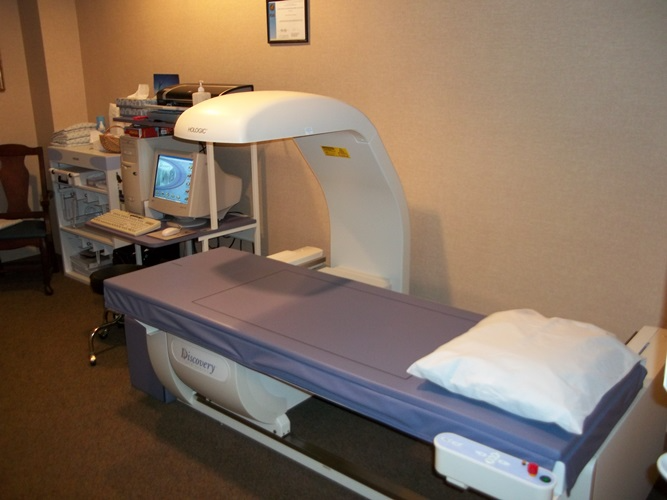
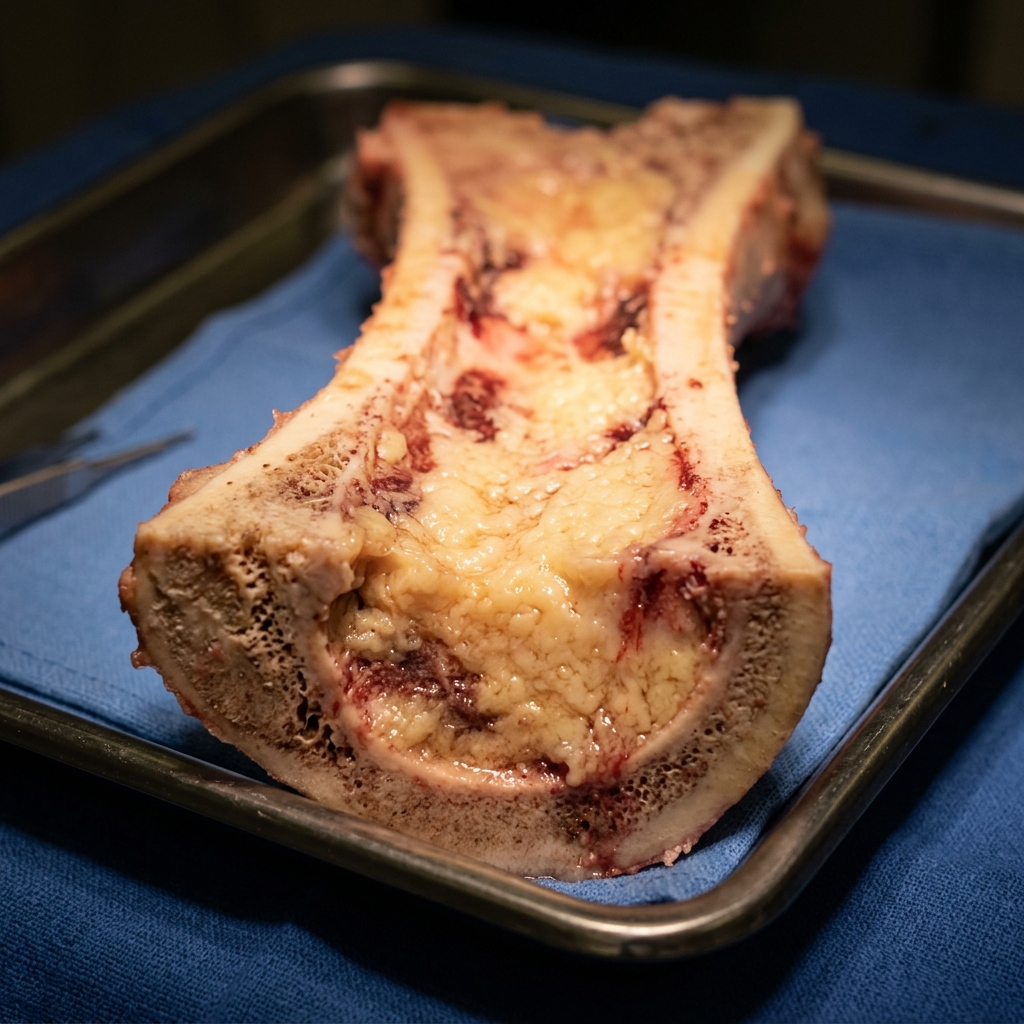
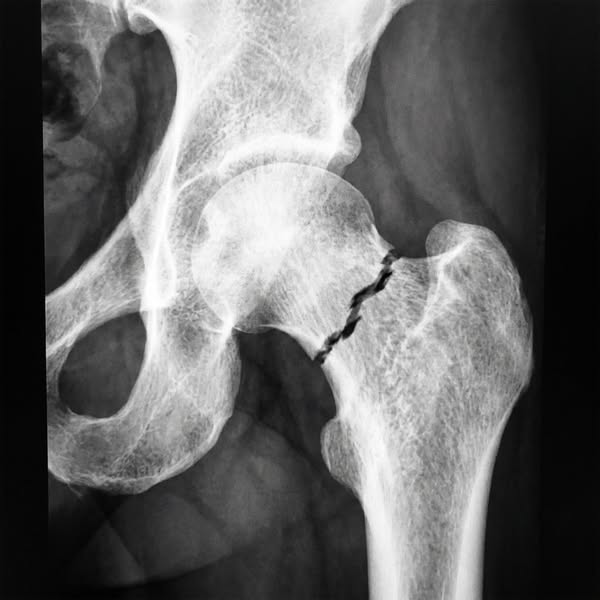
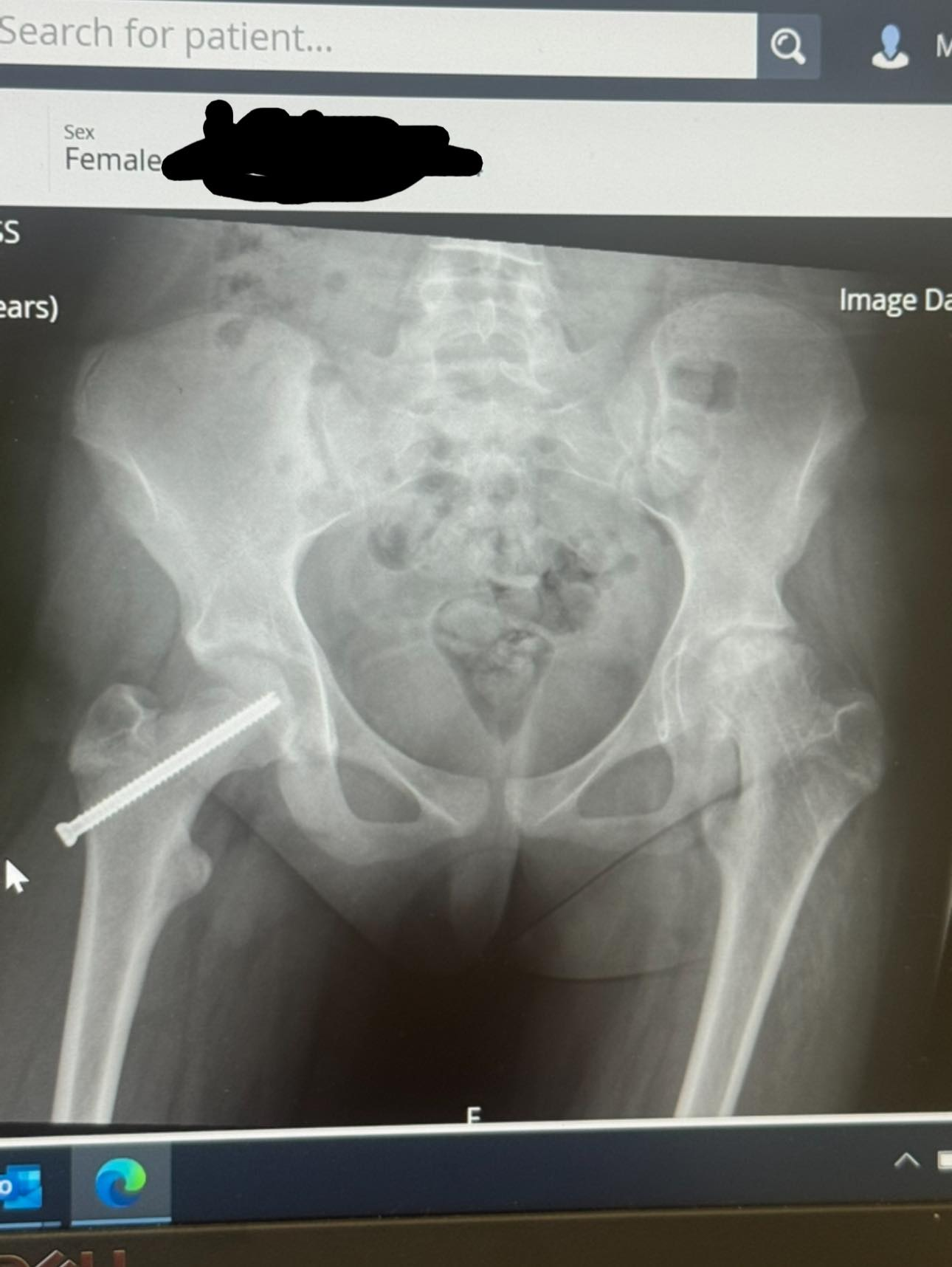
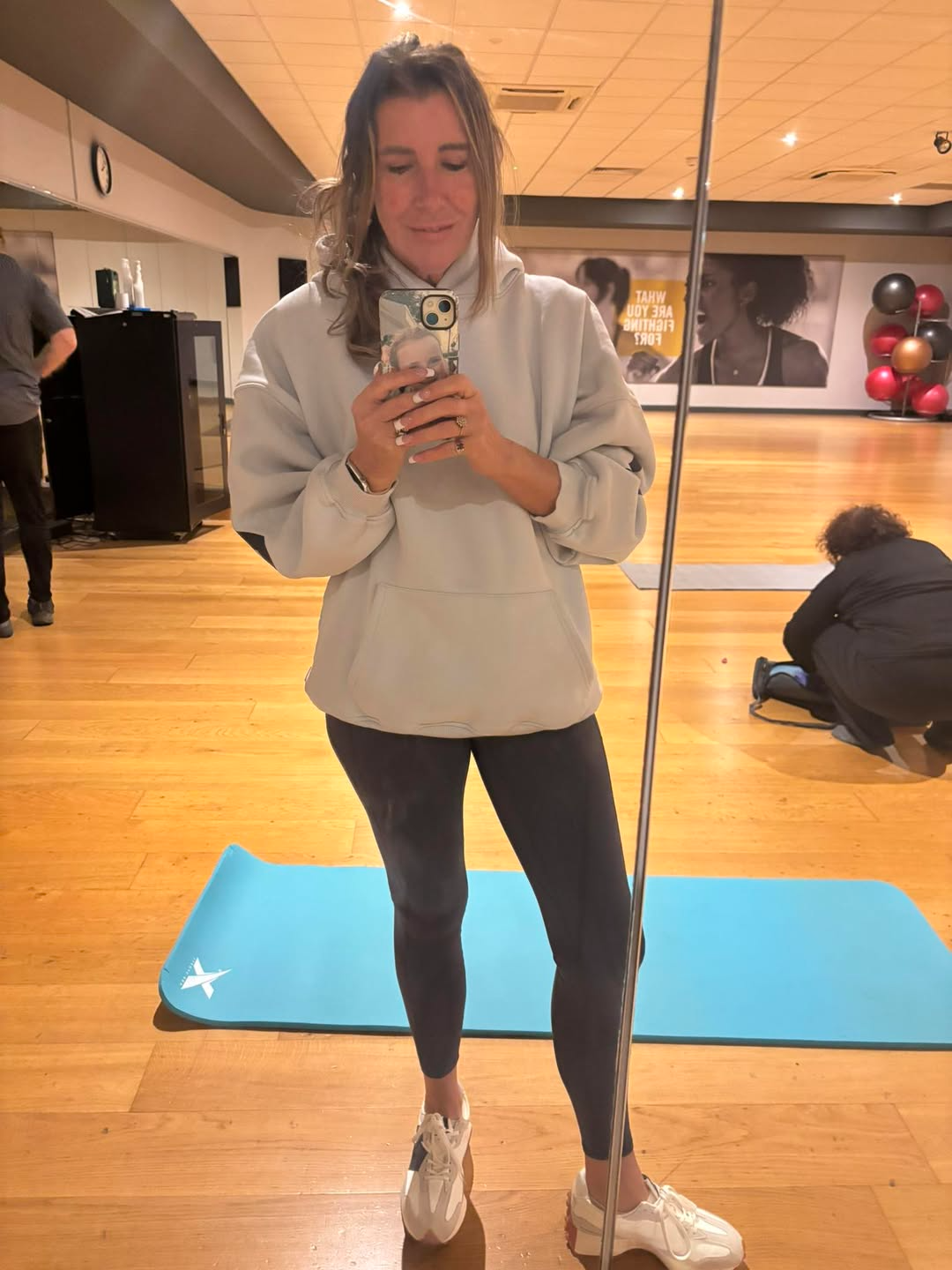
What if I told you your calcium supplements are a waste and are doing more harm than good? Let me explain. I stood in my bathroom holding the bottle I'd been taking religiously for eight years. 1,200mg of Calcium Citrate. Every single morning. Never missed a day. The DEXA scan results were on the counter next to it. Osteopenia. T-score: -1.8. Worse than last year. I'd done everything right. Or so I thought. My doctor's voice kept replaying in my head from that morning's appointment. "We need to discuss medication options. Fosamax or Prolia. Your bone density is declining despite the supplements." I'd asked her why. Why weren't the supplements working? She'd shrugged. "Sometimes they just don't. That's why we have pharmaceuticals." I'd left her office with a prescription I knew I wouldn't fill. Not because I'm anti-medication. Because I'd spent too many nights reading about jaw necrosis and atypical femur fractures to believe those drugs were the answer. But sitting on my bathroom floor at 2 AM, staring at that calcium bottle, I realized something worse. What if I'd been poisoning myself this whole time? Not literally. But close. I'd read an article that afternoon. A study from Johns Hopkins. It showed that calcium supplements—especially high doses without proper cofactors—don't go to your bones. They go everywhere else. Your arteries. Your kidneys. Your soft tissues. Calcification. The kind that causes heart disease and kidney stones. The kind my mother had before her heart attack. I'd been taking 1,200mg daily for eight years. Four times the amount your body can actually absorb at once. The excess just... floating around. Looking for somewhere to land. Anywhere but my bones. I felt sick. Not from the calcium. From the realization that I'd trusted the wrong solution for nearly a decade. The bottle said "Bone Health Support." The commercials showed active older women hiking and gardening. My doctor had recommended it without hesitation. But nobody ever explained what calcium actually needs to work. Nobody mentioned that after menopause, your bones lose the ability to receive calcium properly. That estrogen is the signal that tells your bones where to put the minerals. Without it, you're just dumping building materials on a construction site with no workers to use them. The materials pile up. They get in the way. T hey cause problems. But the building never gets built. I'd spent eight years adding more materials. While my bones continued to crumble. That night, I started researching what actually happens to bone after menopause. Not the simplified version doctors give you in fifteen-minute appointments. The real science. What I found changed everything. Your bones aren't static structures. They're alive and constantly being broken down and rebuilt. There are cells called osteoclasts that break down old bone. And cells called osteoblasts that build new bone. When you're young and have estrogen, these cells work in balance. Breakdown happens. Rebuild happens. Everything stays strong. But when estrogen drops during menopause, that balance shatters. The osteoclasts—the demolition crew—go into overdrive. They start breaking down bone faster than the osteoblasts can rebuild it. That's the bone loss everyone talks about. But here's what nobody explains: The osteoblasts—the builder cells—need massive amounts of energy to function. They're not just placing bricks. They're synthesizing an entire mineral matrix. Creating the scaffold that holds minerals in place. It's one of the most energy-intensive processes in the human body. And that energy comes from something called NAD+. A molecule that powers every cell in your body. The problem? NAD+ levels drop by 50% between your twenties and your fifties. Right when you need it most, it's gone. So even if you flood your system with calcium, even if you take vitamin D and K2 and magnesium and every other cofactor... Your osteoblasts don't have the fuel to use it. And all that calcium you're taking? It's just causing problems elsewhere. I sat with this information for three days. Reading study after study. Trying to understand why this wasn't common knowledge. Why my doctor never mentioned NAD+. Why every bone health supplement focuses on minerals instead of cellular energy. And then I found the answer I didn't want to find. There's no pharmaceutical solution for NAD+ depletion. You can't patent a natural metabolic pathway. There's no money in telling women their bodies need cellular energy support. There IS money in keeping them on calcium supplements that don't work. And massive profits in the bisphosphonate drugs they eventually need when the supplements fail. I felt betrayed. Not by my doctor specifically. She was working with the information she had. But by a system that prioritized profit over understanding the actual problem. I started researching NAD+. Compounds that could restore the cellular energy my osteoblasts needed. Found research on resveratrol—a compound that activates longevity proteins and mimics estrogen's protective effects on bone. Studies showed it increased bone density in the lumbar spine when combined with NAD+ support. Then I found quercetin. An anti-inflammatory that reduced the exact cytokines that drive osteoclast activity. The demolition crew's fuel supply. Each compound addressed a different piece of the problem: NAD+ to energize the builders. Resveratrol to calm the demolition crew and mimic estrogen's protective signals. Quercetin to reduce the inflammation that accelerates bone loss. Together, they weren't just adding materials. They were restoring the construction site's ability to function. I ordered all three separately at first. Different brands. Different dosages. Trying to figure out how much of each to take. The cost added up quickly. Over $220 a month. But I was desperate. And after two weeks, something shifted. Not dramatic. Not life-changing. Just... different. I woke up one morning and realized my joints didn't ache the way they usually did. The stiffness I'd blamed on age—it was lighter. After a month, I noticed I could garden for longer without my lower back seizing up. After six weeks, I stood up from sitting on the floor without using my hands to push off. Small things. Things I'd stopped doing without realizing I'd stopped. But they added up to something I'd lost: confidence in my body. My next DEXA scan was four months later. I'd been taking the NAD+, resveratrol, and quercetin for three months by then. Still taking vitamin D and K2. Still eating well. Still walking daily. When my doctor pulled up the results, she paused. Looked at my chart. Looked at the screen. Looked back at my chart. "Your bone density improved." I sat up straighter. "Improved?" "Your lumbar spine T-score went from -1.8 to -1.2. That's a significant increase for a 2-year period." She scrolled through the data. "And your hip is stable. No further loss." I felt something I hadn't felt in years. Relief. Not because I was cured. Not because I was done. But because I'd finally found the thing that was actually broken. And I'd found a way to fix it. "What did you change?" she asked. I told her about the NAD+. The resveratrol. The quercetin. About learning that my bones needed energy, not just minerals. She listened. Took notes. Didn't dismiss me. "That's... actually consistent with emerging research on cellular metabolism and bone health," she said. "The literature is starting to show that energy depletion might be a bigger factor than we realized." I left her office feeling vindicated. Not because I proved her wrong. But because I'd proven something right. The next week, I found a company that had combined all three compounds—NAD+, resveratrol, quercetin—into a single formula. Thryve by a company called Thirmik. Designed specifically for post-menopausal bone health. The dosages matched what I'd been taking separately. But instead of $200+ a month, it was less than $40. That was with some buy 2 get 1 free subscription they had so 3 bottles every 3 months. I switched immediately. Six months later, I'm still taking it. I'm no being paid to say this at all but I highly recommend it! I'm grateful I finally asked the right question: What if the problem isn't the materials? What if it's the workers? What if my bones don't need more calcium? What if they need the energy to use it? That question changed everything. And if you're sitting there right now, taking your calcium supplement every morning, watching your bone density decline anyway... Maybe it's time to ask that question too :) You can check them out if you choose: https://thirmik.com/products/thryve-nad-blend-for-her-strong-bones-formula
Want A Better T-Score? Read this ☝️
Thryve is the first formula designed to target post-menopausal bone loss at the source. Restores NAD+ levels while also activating bone-building genes.
LEARN MORELike this ad? Make it yours.
Crush rebuilds this exact creative around your product — your brand, your colors, your offer — in about a minute.