
Inactive· since Aug 12, 2026
- 16
- days it ran
- 0
- relaunches
Ad copy
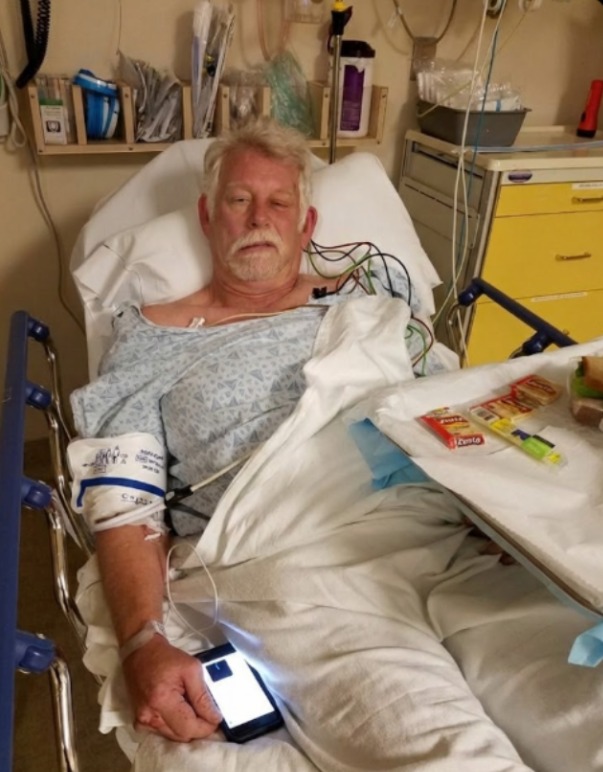
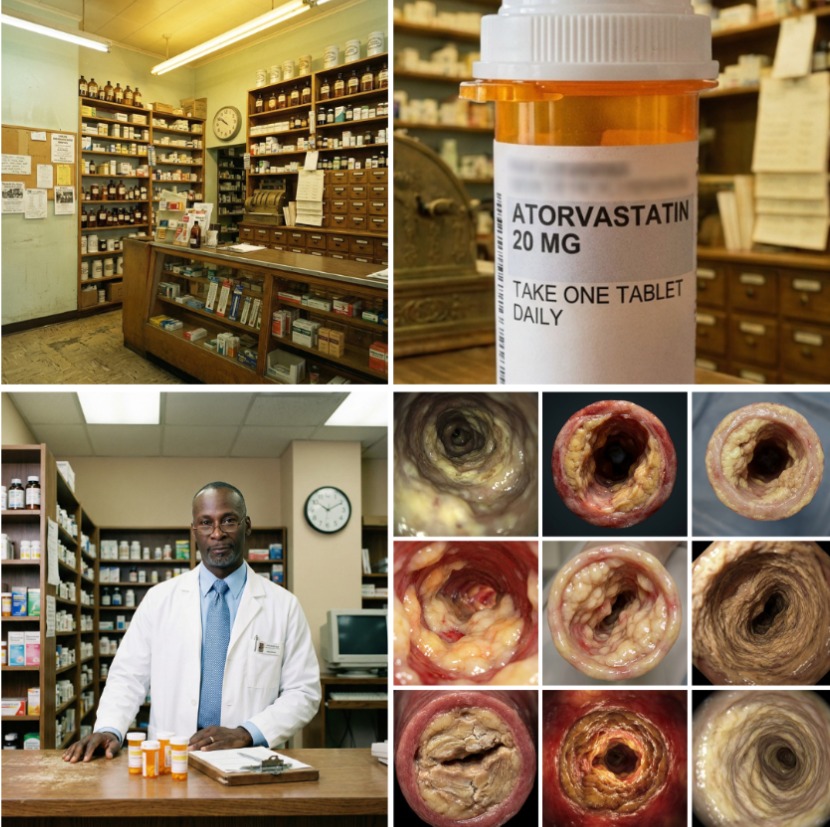
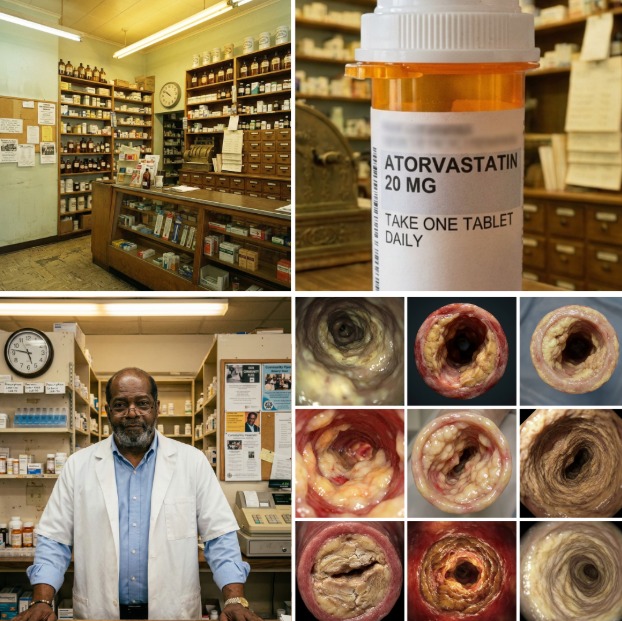
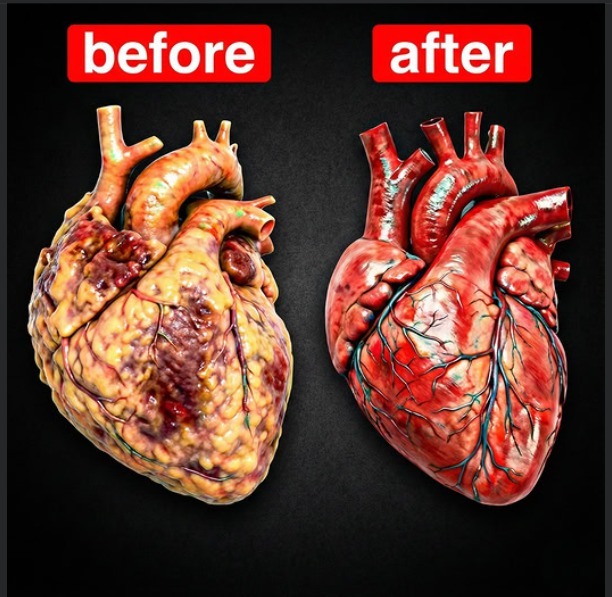
My husband started taking cholesterol medication in June 2024. Took his 20mg Atorvastatin every night at 9 PM without fail. Took the fish oil capsules he ordered off Amazon. Cut red meat entirely. Cut butter. Cut eggs. Quit fried food. Went on a heart-healthy diet. Walked three miles a day. Started eating grilled chicken and steamed vegetables every night, of all things. He did everything the doctor told him. His LDL dropped from 168 to 94. His doctor called it outstanding. He died of a massive heart attack on December 8th at 3:47 AM. He was 61 years old. Started his Atorvastatin on June 11th. Cut the saturated fat the same day. Ate nothing that wasn't approved. Lost 22 pounds. Walked three miles a day, rain or shine. The hospital bill was $91,000. The funeral was $12,400. His cast iron skillet is still hanging above the stove. Seasoned with 38 years of Sunday morning eggs. I can't take it down. My hands can't reach it alone. His always could. If I take it down, he's really gone. His pill organizer is still on the windowsill above the sink. I can't empty it. The Sunday slot is still full. He died at 3:47 AM — before the 9 PM dose that was supposed to save him. Monday through Saturday are empty — six doses of the drug that lowered a number that was never the threat. If I empty it, he's really gone. I need to tell you what happened to Richard. Because I'm seeing the same posts on Facebook that I was making just months before he died — "my husband's doctor wants to put him on a statin, anyone dealt with the side effects?" — and it makes me physically ill. If you're over 50 and your cholesterol is elevated, or someone you love's is, please read this entire thing. I know it's long. I know you're scrolling. I know you have things to do. A year ago I would have given anything — everything — for someone to tell me what I'm about to tell you. Richard went in for a routine physical on June 8th, 2024. He felt fine. Better than fine. He'd just recently turned 61. He still hunted deer every November at the cabin with his brother — same week, same cabin, thirty years running. He still rebuilt the engine in his '72 Chevy C10 every Saturday. He thought he was indestructible and honestly so did I. The nurse drew blood for his panel. Routine. We didn't think anything of it. He went back the following week for results. I was in the waiting room pretending to read a magazine, but he told me everything on the ride home. His doctor had pulled up the chart. "Richard, your LDL cholesterol is 168. Total cholesterol is 247. That puts you well into the high-risk category. We need to get this under control. I'm putting you on medication today." Richard was quiet. "What's your diet look like?" "Regular food. Eggs and bacon on Sundays. Steak a couple nights a week. Burgers at Dale's on Wednesdays. Nothing crazy." "That's got to change. Cut the saturated fat — the red meat, the fried food, the eggs, the butter. Get your intake as low as you can." "What kind of medication?" "Atorvastatin. 20 milligrams. One pill every night before bed. We'll recheck in eight weeks." Richard came home and sat at the kitchen table for forty minutes without saying anything. Then he stood up, walked to the refrigerator, and pulled out the eggs — the carton he bought every Sunday at the farmers market on Bancroft Street for the scrambled eggs he'd been making every Sunday morning for 38 years. Threw them in the trash. Then the butter. The bacon. The block of cheddar he'd been slicing for his crackers every evening. The leftover pot roast from Tuesday. Everything with saturated fat on the label went into a garbage bag. The whole refrigerator — gutted in under an hour. "That's it," he said. "I'm done." And he was. He picked up the Atorvastatin from the CVS on Reynolds Road that afternoon. Took the first pill at 9 PM that night with a glass of water. Set the bottle on the nightstand where he'd see it every evening. I bought him a Sunday-through-Saturday pill organizer and started filling it every weekend. Two weeks in, Dale told him over the fence that his own doctor had him on fish oil and CoQ10 for heart health. Richard ordered both off Amazon that night. Added them to the pill organizer the next Sunday. For 181 days, he didn't eat a single egg. He didn't touch red meat. He didn't touch butter. Not at his nephew's wedding in August where everything was catered and the prime rib was carved tableside. Not at the Browns game in September where everyone around him ate bratwurst and nachos. Not at his own birthday dinner in October where his brother ordered the loaded baby back ribs right in front of him and Richard ate the plain grilled chicken breast with steamed broccoli. I threw out 38 years of recipes. I learned to cook things I'd never made in my life — herb-crusted salmon, roasted vegetables, quinoa bowls with lemon and garlic. I'd stand at the stove at 6 PM watching him push the food around his plate and pretend it was fine. I ate the same dinners he did. If he had to give up everything he loved, I wasn't going to sit across from him eating the food he was mourning. He stopped going to Dale's Wednesday night cookouts because he couldn't sit there eating plain chicken while everyone else ate burgers with everything on them. I stopped going too. I lost my Thursday night dinners with the girls at the country club because I couldn't stand the look on Richard's face when I came home full and he'd been eating steamed vegetables. He lost his buddy Mike, who told him "you're no fun anymore" and stopped inviting him. He skipped his annual deer hunting trip to the cabin with his brother for the first time in 30 years. His shoulders ached. His hands were stiff. He couldn't carry the rifle comfortably anymore. He said it was the cold. We told ourselves it was the cold. And he did it anyway. Because the doctor said to. The first follow-up was August 7th. Eight weeks in. The nurse drew blood. Results came back two days later. LDL: 118. Down from 168. His doctor called, and I could hear the satisfaction through the phone. "Richard, this is an excellent response. Fifty points in eight weeks. This is exactly what we want to see. Keep doing what you're doing." I called my sister in Cincinnati that night. "The medication is working," I told her. I slept through the night for the first time since June. But something had started in his hands. Around week five or six. A stiffness in the mornings that hadn't been there before. He'd stand at the kitchen sink running hot water over his fists, opening and closing them, waiting for the joints to loosen up. His energy? Going. The man who used to rebuild engines on Saturdays was falling asleep in his recliner before the news was over. Every single night. The fog started around week eight. Not dramatic — nothing you'd point to. Just the trailing ends of sentences going missing. He'd start a thought at dinner and lose it halfway through. "Did you remember to — " and then nothing. He'd frown. Shake his head. "Never mind." The doctor said it was a common adjustment period. Said his body would adapt. Said the benefits outweigh the risks. The second follow-up was October 9th. The nurse drew blood. Results came back. LDL: 94. Total cholesterol: 189. His doctor's exact words: "Outstanding, Richard. These are textbook numbers. Whatever you're doing, keep doing it." I wrote the numbers on a Post-it note when we got home. Stuck it to the refrigerator. LDL: 94. I looked at it every morning and felt safe. But the hands got worse through November. He couldn't open jars anymore. I found the socket wrench on the garage floor one morning — lying on the concrete where it had fallen from a grip that couldn't hold it anymore. The hood on the Chevy stayed closed. He stopped mentioning it. The fog deepened. He forgot the name of our granddaughter's teacher — he'd known it two weeks earlier. One evening at dinner he asked me what time we were leaving for Tom's for Thanksgiving. We weren't going to Tom's. Tom lives in Phoenix. We've never once gone to Phoenix for Thanksgiving in 38 years. "We're staying home, Richard. Like we always do." "Right," he said. "I knew that." He didn't know that. But his LDL was 94. Outstanding. The Post-it was on the refrigerator. So I went to bed and told myself he was tired. One night — late November — he was sitting at the kitchen table after dinner. Not eating. Just sitting. The way he'd sat after the first appointment back in June. Same table. Same silence. Then he said: "My hands don't work. I can't finish a sentence half the time. I fall asleep before the news is over every night. But the numbers are 'outstanding.'" He looked at me. "Margaret, what am I doing this for?" I told him to give it time. I told him the doctor said the numbers were excellent. I told him to trust the process. He nodded. He always nodded. December 3rd. I woke up at 2 AM because the bed was shaking. Richard's side. His hand was clamped on his chest, his jaw locked, his face the color of wet cement. I drove to St. Vincent's doing 80 in a 35, one hand on the wheel, one hand on his chest counting heartbeats because I was terrified I'd lose count. By the time they admitted him at 2:41 AM, the ER cardiologist had already read the EKG. "Mrs. Baker, your husband is having a massive heart attack. A major artery — the one cardiologists call the widowmaker — is blocked. We need to get him into surgery immediately." "But his cholesterol is perfect. His numbers are outstanding." She looked at me. "I know, Mrs. Baker. I'm sorry." They took him to the cath lab at 3:15 AM. Found years of buildup packed into the wall of the artery. Placed stents. Tried to restore blood flow. His heart muscle had been starved too long. He came out of the procedure alive. They moved him to the cardiac ICU. I learned things about the heart I never wanted to know. I learned that when a heart attack hits like Richard's, the muscle starts dying within minutes. The surgeon told me the damage was extensive — a large section of the heart wall had lost blood flow for too long. She said by the time buildup like this ruptures, it's been accumulating silently for years, under numbers that looked perfect on every report. His LDL at admission was 91. I sat next to his bed for five days. I didn't sleep in my own bed for four nights. I ate crackers from the vending machine and drank coffee from the family room urn that tasted like it had been sitting since the day before. My sister flew in from Cincinnati and tried to make me go home for an hour. I wouldn't go. If I left and something happened, I'd never forgive myself. Day 2 he opened his eyes. Squeezed my hand — weak, but there. That hand had rebuilt a '72 Chevy engine from scratch. Had held mine in a church in Toledo in 1986. Now it barely closed around my fingers. I called our daughter. "He's fighting." Day 3, his heart rate started doing something the nurses didn't like. They moved faster every time they came in the room. I watched them adjust machines and write on charts and avoid eye contact with me. Day 4, the cardiologist sat me down. Too much damage. His heart couldn't pump effectively anymore. She used words I didn't want to learn. Day 5 — December 8th — I was in the family room down the hall. They'd asked me to step out while they adjusted his medications. The vinyl chair was still warm from where I'd been sleeping. There was a cardigan I'd draped over the armrest. I remember thinking I should fold it. At 3:41 AM I heard the code alarm. I didn't move. I sat there listening to it, counting the seconds on the clock on the wall. Six minutes. I knew before anyone came. I knew the second the alarm didn't stop. At 3:47 AM, a doctor I'd never seen walked into the family room. "I'm so sorry. We did everything we could." I drove home at 6 AM. The air fryer was still on the counter. His walking shoes were by the back door. The Atorvastatin was on the nightstand. His work gloves were hanging on the hook in the garage — stiff and unused since August. The pill organizer was on the windowsill above the sink. Sunday full. Monday through Saturday empty. Where it sits today. The Post-it note was still on the refrigerator. LDL: 94. I took it down. Put it in the junk drawer next to the hospital bill and the funeral invoice. Three pieces of paper. Three receipts for the same lie. I sat in his recliner. I didn't move for six hours. The house was so quiet I could hear the refrigerator hum. 38 years. And now the only sound in my house was the refrigerator. The funeral was December 14th. Richard's brother Tom flew in from Phoenix. Our daughter drove up from Columbus. The grandkids wore suits that were too big for them. My five-year-old granddaughter asked me: "Grammy, when is Pop-Pop coming home?" I told her Pop-Pop was in heaven now. She said: "Can we call him there?" I had to walk out of the room. After the funeral, I tried to go back to normal. I couldn't. Because every time I opened my phone I saw people my age, men Richard's age, posting things like "my husband's been on Lipitor for three years, his numbers look great but he's so tired all the time" or "doctor says his LDL is perfect, anyone else dealing with the brain fog?" And I knew — I KNEW — some of them were living what I lived. Taking the medication. Cutting the fat. Walking. Eating plain vegetables. Watching the numbers come down. Watching the doctor celebrate. And dying anyway. I couldn't just sit there and watch it happen. So I started researching. Not because I wanted to. Because I had to. Because if Richard gave up everything for nothing — if I can't save even one person from what happened to him — then I can't live with that. I read for weeks. Medical papers I barely understood. Cardiology forums. Studies out of Japan and Europe. And one thing kept coming up, over and over, that no doctor ever told us: Everybody watches one number. Your LDL. The doctor watches it, you watch it, the whole protocol is built around driving it down. Drive it down far enough and they tell you you're protected. But that number was never the thing that kills you. Your LDL isn't poison. Your body makes it on purpose, every day, because it can't run without it. It builds your cells. Your brain needs it — your brain is 60% cholesterol. Your hormones depend on it. Cholesterol is a delivery truck doing essential work. The problem isn't that cholesterol exists. The problem is what happens to it. You ever cut an apple in half and leave it on the counter? In twenty minutes the white flesh turns brown. Nobody added anything to the apple. The air did it. Oxidation did it. The same thing happens to the cholesterol in your blood. It rusts. Not all of it. But some of it gets attacked by a specific molecule your body produces every day — the most destructive molecule in the human body — and it oxidizes. Changes structure. Turns sticky. That rusted cholesterol burrows into the walls of your arteries and packs in, layer over layer, year over year, and hardens into the buildup that eventually tears loose and blocks the artery and stops the heart. Not cholesterol. Rusted cholesterol. There's a difference. And that difference is the difference between making coffee on a Tuesday morning and being on the floor at 2 AM with your wife counting your heartbeats in the dark. Richard's artery wasn't blocked by cholesterol. It was blocked by years of rusted cholesterol packed into the wall — buildup that was growing the entire time his numbers were coming down. The number his doctor watched counted how much cholesterol was in his blood. A headcount. Nothing more. It said nothing — nothing — about how much of it had already gone brown. You can have a beautiful number and rusting arteries in the same body. Richard did. LDL: 94. Outstanding. And the rust was building the entire time. I read it three times. I sat at the kitchen table with the laptop open at 2 AM and read it three times. And here's the part that made me sit up straight: The pill Richard took every night for the last six months of his life forced the headcount down. It did exactly what it was built to do. What it did NOT do — what nothing the doctor gave him could do — was stop the rusting. The rust kept building the whole time, right where nobody was looking. And the medication couldn't touch it. It gets worse. When your cholesterol rusts, your body reads that rust as damage — an injury — so it makes more cholesterol to patch it. Which gives the rust more to work on. Which the body reads as more damage. So it makes more still. It's a wheel. The rust drives your body to overproduce, and the more it makes, the more there is to rust, and round it goes. The statin stepped on that wheel by force — clamped the production line in his liver, drove the number down. But it never touched the rust that was spinning the wheel. It bailed water as fast as it could and never once looked for the hole. And then I read the part that broke me. That production line the statin shuts down in his liver — the one it clamps to force the number down — doesn't only make cholesterol. It also makes an energy molecule that every muscle in your body needs to fire. Your heart. Your hands. Your legs. Your brain. The statin can't shut one off without draining the other. Same switch. Same line. Richard's hands that couldn't hold a socket wrench. His fog that ate the back half of his sentences. His fatigue that put him in his recliner every night by 8 PM. The shoulders that ached too much to carry a rifle. That wasn't aging. That wasn't stress. That wasn't the dietary changes. That was the drug draining the spark out of every muscle he had. They called it a side effect. It wasn't. It was the pill doing exactly what it was built to do. The drug failed twice. It never stopped the rust that was actually killing him. And it drained the spark that kept him standing. They counted the cholesterol. They never checked if it was rotting. I sat with that for three days. I didn't know what to do with what I'd just read. So I did the only thing I could think of — I went to CVS. I stood in the heart health aisle for forty minutes. Fish oil. CoQ10. Red yeast rice. Plant sterols. "Cholesterol support" 30-day programs. Garlic extract. Every bottle had a different promise on the front and the same problem underneath. I bought three of them. Fish oil, CoQ10, and red yeast rice. Took them for two weeks each. My own LDL was creeping up — 156 at my last physical. Nothing moved. My numbers sat right where they were. I called my friend Linda — a cardiologist I'd known since college, the only doctor I trust because ten years ago she told me my mother's cardiologist was wrong about her medication and I didn't listen and my mother ended up in the ER. I've listened to Linda ever since. I told her what I'd been taking. She laughed. Not unkindly. The way a doctor laughs when she's heard this before. "Margaret, the fish oil reduces some inflammation markers in your blood. That's about it. It can't stop cholesterol from rusting. It sits on the surface. "The CoQ10 replaces what the statin drains — the spark. And that helps with the fatigue. But it doesn't stop the rust. You're refilling the tank while the engine corrodes underneath. "And Margaret — the red yeast rice. I need you to hear me. Red yeast rice contains the same active compound as Lovastatin. It IS a statin. You're taking a weaker version of the drug that didn't save Richard and calling it natural." I felt sick. "Everything on that shelf does the same thing the medication did. Manages the headcount. Skims the surface. None of it reaches where the rust is actually happening — inside the cholesterol itself, inside the artery walls where the buildup packs in." Then she said something I'll never forget: "If there had been something that stopped the rust — actually stopped the rusting from happening to his cholesterol, instead of just lowering the count — Richard might still be here." I stopped breathing for a second. "Why didn't his doctor prescribe that?" She was quiet for a long time. "Because we don't prescribe supplements. We're trained to manage the number, not what's underneath it. Force the headcount down, check the box, see the patient in six months. The thing that actually works isn't a pharmaceutical. And no one in my profession is going to be the one to tell you." I went back to the research that night. Now I wasn't reading to understand the problem. I was reading to find what stops the rust. I read for three days. Printed out papers. Highlighted paragraphs at 3 AM at the kitchen table. And one thing kept coming up — in the Japanese studies, in the European research, in clinical papers from institutions I'd never heard of but that Linda would have. Molecular hydrogen. I called Linda again. "I found something. Tell me if I'm crazy." "You're not crazy," she said. "You found the thing I couldn't tell you to look for." She was quiet for a moment. Then she started talking in a way I hadn't heard from her before. Not the clipped, tired voice of a cardiologist who's watched too many patients take the wrong pill. Something closer to relief. "In the volcanic highlands of Okinawa, there are natural springs with hydrogen-rich water. Families there have been walking to those springs for generations. The men in those villages work with their hands into their eighties and nineties — strong hands, clear minds, no statins. Researchers went and tested the water. Found it was saturated with molecular hydrogen." "The Japanese have a word for it — 'suiso.' It means something close to 'the essence of water.' They didn't treat it as a supplement. They treated it as something fundamental that was missing from everyone else's water. "Margaret, there are over 2,000 peer-reviewed studies on this. Japanese hospitals use molecular hydrogen as a clinical protocol. Not a wellness trend. A protocol. This research has been sitting in medical journals for over twenty years while the American supplement industry filled shelves with fish oil and ignored it." "What does it do?" "One thing. The thing nothing on that shelf and nothing in Richard's pill organizer could do." She paused. I heard her set down her coffee cup. "Picture the cholesterol in your brother's arteries right now. Some of it is clean. Doing its job. Carrying nutrients, building cells, doing the work cholesterol is supposed to do. But some of it has been attacked. Rusted. Gone sticky. And some of it has already packed into the artery walls and hardened. That's where Richard was — years of rust, layered in, where nobody was looking." I closed my eyes. I could see it. "Now picture what happens when hydrogen enters the bloodstream. It's so small it doesn't knock on the door. It walks through the wall. Through the cell membrane. Through the artery lining. It goes straight to the site where the rusting is happening — inside the cholesterol particle itself, inside the artery wall where the buildup packs in. The places no fish oil can reach. The places no statin was ever built to go." She paused again. "And when it finds the molecule that's been doing the rusting — the most destructive molecule in the body — it doesn't fight it. It doesn't block it. It just changes it. Two hydrogen atoms bond to it. And what's left is water. H2O. Plain water. Inside the artery. At the site of the damage. Where Richard's doctor never looked and Richard's medication never reached." She let that sit. "The most destructive molecule in the human body becomes the most harmless substance on earth. That's all it does, Margaret. That's everything." My throat tightened. I thought about Richard. 181 days of Atorvastatin lowering a headcount. And a molecule — the smallest one in existence — turning the thing that killed him into a glass of water. Inside the artery wall. Where nobody was watching. The distance between those two sentences is $91,000. $12,400. A skillet I can't reach. "And here's the part that connects it to the numbers," Linda said. "Remember the wheel? The rust drives overproduction, the overproduction feeds the rust?" "It's a wheel. Round it goes." "When the hydrogen stops the rusting, the wheel stops spinning. Your body stops reading rust as damage. Stops overproducing cholesterol to patch it. The numbers come down — not because a drug is clamping the production line, but because the body doesn't need to overproduce anymore. Naturally. The way the body is supposed to regulate itself when nobody's poisoning the machinery." That's when it hit me. The statin forces the number down by shutting off the production line — and takes the spark with it. Hydrogen lets the number come down on its own by removing the thing that was driving it up in the first place. "And it's selective," Linda said. "That's the part that matters. Most antioxidants — vitamin C, vitamin E, the things you see on every shelf — they're a carpet bomb. They wipe out everything. Good and bad. Your body actually needs some of those reactive molecules. Your immune system uses them. "Hydrogen only targets the one doing the damage. Leaves the rest alone. That's why there are no side effects. It's not overriding anything. It's not blocking anything. It's not draining anything." Not draining anything. I thought about the spark. About Richard's hands. The wrench on the garage floor. "Linda, this sounds too simple." She laughed. A real laugh. The first one I'd heard from her in this whole conversation. "You're expecting something complicated. That's because everything you've been given IS complicated. The statin is complicated — it blocks an enzyme, which shuts down cholesterol production, which shuts down the spark at the same time, which causes forty different problems your doctor calls 'side effects.' Complex drug. Complex damage. "Hydrogen is the opposite. The simplest molecule in the universe. Two atoms. It does one thing — stops the rust. And because it's so simple, so small, it reaches where nothing complex ever could. Every complex drug Richard took created complex new problems. The simplest molecule in existence solves the one that matters without creating a single one." I asked her why she hadn't told me to look for this. "I told you we don't prescribe supplements. I meant it. I can tell you the science. I can read you the studies. I can tell you what I'd want my own husband to take. But I cannot write it on a prescription pad. The system I work inside would take my license for saying what I just said to you." "But you said it." "Because you're not my patient, Margaret. You're my friend. And your husband is dead." I sat with the phone in my hand for a long time after we hung up. Twenty years of research. 2,000 papers. And nobody told us. About a week later I was scrolling a Facebook group for women whose husbands are on statins — full of people like I was. "His numbers are great but he's exhausted" people. "Doctor keeps saying the benefits outweigh the risks" people. "Has anyone found something that actually helps with the muscle pain" people. A woman posted something that stopped me cold. She said her husband had been on Crestor for three years. LDL controlled. But the fatigue, the stiffness, the fog — sound familiar? His doctor wanted to add a second medication for the muscle pain the first one was causing. Then she found a hydrogen tablet. Not a pill. Not a capsule. A small tablet you drop in a glass of water. It fizzes, dissolves in about 90 seconds, and you drink it. She said his oxidized LDL dropped — the rust was clearing. His energy came back within the first week. His hands loosened. After twelve weeks, his doctor told him they could discuss tapering the statin. I read that post six times. I started looking into hydrogen products. And what I found made me want to throw my laptop across the room. When the American supplement companies noticed the Japanese research, they did what they always do. Made the cheapest version they could get away with. Hydrogen water machines — the hydrogen escapes through the container before you can drink it. It's the smallest molecule in existence. It slips through plastic, through metal, through glass. Rising into the air while you pour it. By the time you drink hydrogen water from a machine or a bottle, you're getting trace amounts. Almost nothing. Pre-made hydrogen water bottles — even worse. By the time they ship, sit on a shelf, and reach your kitchen, the hydrogen is gone. Cheap hydrogen tablets — this is where I almost got burned. There are dozens of brands on Amazon. Most generate 1 or 2 parts per million. The clinical studies — the ones from Japan that actually showed results — used concentrations of 10 to 12 parts per million. An eight-fold difference between what works and what's on the shelf, and nobody tells you that. And here's why the cheap ones are dangerous — not because they hurt you, but because they fool you. At 2 parts per million you might feel a slight lift. A whisper of the clarity. Enough to think it's working. Enough to stop looking. Meanwhile the concentration is a fraction of what the research used, the rust never gets touched, and you walk around feeling a little better while the buildup keeps packing in underneath. The feeling isn't the proof. The bloodwork is the proof. Linda told me how to tell the difference before I ordered anything. The real tablets fizz aggressively — fast, visible reaction, dissolved in under 90 seconds. The cheap ones fizz weakly and sit in the glass for ten minutes dissolving. If the tablet is still sitting at the bottom of your glass after two minutes, the concentration isn't there. I'd been doing the right thing in the wrong form. Worse than the wrong form. The wrong everything. Just like the CVS aisle. Just like the fish oil and the red yeast rice. Prettier versions of the same failure. I was furious. I'm still furious. I went back to the Facebook post and messaged the woman. She sent me the name. That's when I found PrimeCell H2. I almost scrolled past it. After everything. After the CVS aisle. After the fish oil. After the red yeast rice that turned out to be a statin in a health food costume. But I checked it against everything Linda had told me. Everything I'd learned from the research. Everything that had gone wrong. Does it stop the rust — the specific rust, the one molecule? Not carpet-bomb everything? PrimeCell uses molecular hydrogen. The only known selective antioxidant. It targets the one doing the damage and leaves the rest alone. The way Linda described it — smart, not brute-force. Yes. Does it actually reach where the rust is? Inside the cholesterol particles, inside the artery walls — the places nothing on the CVS shelf could go? Hydrogen is the smallest molecule in existence. Passes through cell walls directly. Doesn't need to be digested. Doesn't need to survive stomach acid. Yes. Does it restore the spark the statin drains? PrimeCell is made with elemental magnesium — 80mg per tablet. The mineral your body needs for over 300 processes, including muscle function and energy production. The things Richard's hands needed. The things the statin was taking. Yes. Is it the real concentration — the one from the studies, not the trace amounts from the cheap tablets? PrimeCell generates up to 12 parts per million. Eight times what most products deliver. The concentration in the Japanese clinical research. You drop the tablet in water, it fizzes, dissolves in under 90 seconds, and you drink it. Yes. And can I verify what's in it? Certificate of Analysis. Third-party tested. Made in a GMP-certified facility in Ohio. Published results you can look up. Yes. Five things. All five. At the same time. From one tablet in a glass of water. I checked every product I'd looked at — the CVS aisle, the Amazon bottles, the cheap tablets. Not one of them passed all five. 90-day money-back guarantee — if your cholesterol doesn't improve, you get every penny back, no questions asked. I almost didn't order it. After the CVS aisle. After the fish oil. After the red yeast rice that turned out to be a statin in a health food costume. After Richard. After everything. But I had a brother in Phoenix who was being told the same thing Richard had been told. I had a son-in-law in Columbus with "borderline" numbers. I had myself. I ordered it. The bottle arrived three days later. I dropped the first tablet in a glass of water that evening at the kitchen table. Richard's chair was empty across from me. The Post-it was gone from the refrigerator but I could still see the outline where it had been. The tablet hit the water and started fizzing immediately — tiny bubbles climbing the glass, faster than I expected. It dissolved in under ninety seconds. I drank the whole thing. Sat in Richard's recliner. The one he'd fallen asleep in every night by 8 PM while the statin drained the spark out of him. Waited. I wasn't expecting anything. I'd stopped expecting anything after the red yeast rice turned out to be a statin in a health food costume. Seventeen minutes. That's when I felt it. Not a jolt. Not caffeine. Something quieter. The fog — the low-grade static behind my eyes that I'd stopped noticing because it had been there for years — thinned out. Like someone turned up the lights in a room I didn't know had gone dim. I sat there for twenty minutes just feeling it. The house was quiet. The refrigerator hummed. But something in me had shifted, and for the first time in months the quiet didn't feel like an accusation. Linda told me later that was the hydrogen crossing the blood-brain barrier — the smallest molecule in existence reaching cells nothing else can reach. "The brain lights up first," she said. "Within minutes. Because the brain is the most metabolically active organ you have — swimming in those destructive molecules every second. The hydrogen reaches it and starts neutralizing them faster than the body can produce them. That's the clarity. The fog lifting. That's real. That's day one." "The arteries take longer. Weeks. Because the rust has been packing in for years and the hydrogen has to work through layers of damage. But every day the rusting slows. Every day the body reads a little less damage. Every day it makes a little less emergency cholesterol — because the wheel is slowing down. By week six, week eight, the numbers start moving. Not because anything is being forced. Because the body is finally allowed to regulate itself." Day one: the fog clears. Week by week: the rust slows. Month by month: the wheel stops spinning and the numbers come down on their own. I understood for the first time why the statin couldn't do this. The statin forces the number down by clamping the production line — and takes the spark with it. The hydrogen lets the number come down on its own by removing the thing that was driving it up. One overrides the body. The other lets it work. My brother Tom came back from a routine appointment with an LDL of 194. Total cholesterol 243. Doctor wanted to put him on Rosuvastatin. He refused — said he'd watched Richard take a statin for six months and end up in a casket with outstanding numbers, and he wasn't going down that road. Didn't know what else to do. I sent him a bottle. I didn't ask. I just sent it. Wrote a note that said "If you don't take this every day I will never speak to you again, Tom, I mean it." He took it. Dropped one tablet in a glass of water every morning. Waited 90 seconds for it to dissolve. Drank it. He kept eating normally — didn't go on some extreme low-fat diet, he's stubborn the way Richard was stubborn — but he took it every morning. His wife Diane called me at the end of week one. Not Tom — Diane. She said he'd stayed up past the news for the first time in months. Said he'd looked at her during dinner and said, out of nowhere, "We should have the Petersons over this weekend." They hadn't had anyone over in a year. She'd noticed the change before he did. Didn't want to say anything in case it went away. Week two, Diane called again. She said something small that hit me hard. She said Tom had opened a jar of pickles at the counter without running his hands under hot water first. Just opened it. Didn't even notice. Diane noticed. She'd been watching him struggle with jars for two years. I thought about Richard's hands. The socket wrench on the garage floor. Week three, Tom called me himself. He was talking about some dispute with a neighbor about a fence post — nothing important. But I realized halfway through the call that he'd finished every sentence. No trailing off. No "what was I saying." No frowning and shaking his head. Complete thoughts, start to finish, the way he used to talk before the fog settled in. I didn't say anything. I just listened to my brother sound like my brother again. Week five, Diane called again. Her voice was different this time. Shaking a little. She said Tom had been in the garage. Not building anything — just standing at his workbench, picking up tools, putting them down. Running his thumb along the edge of a saw blade. Opening drawers. Reacquainting. The way you visit a room you used to live in. She watched from the kitchen window for an hour, afraid to interrupt. She said when he finally came back inside, his hands were dusty and his eyes were clear and he said "I'm going to fix that step on the back porch this weekend" — the step that had been broken since before Richard died. I thought about Richard's garage. The hood on the Chevy that hadn't been opened in months. The dust. The silence. Tom fixed the step that Saturday. Diane sent me a photo. His hands around a hammer. Steady. Sure. I cried for twenty minutes. He went back to his doctor ten weeks in for a follow-up. LDL: 141. Down from 194. Total cholesterol: 198. Down from 243. No statin. No extreme diet. No exercise program. The only thing he changed was one tablet in a glass of water every morning. His doctor stared at the results. "Tom, I'm not sure what you're doing, but I didn't expect this. Whatever it is, keep doing it. I'm ordering one more test." Oxidized LDL. The test that measures the rust — the test Richard's doctor never ran. The one that would have shown what was building inside his artery walls while everyone celebrated the number on the Post-it. Tom's oxidized LDL came back low. The rust was clearing. He called me that evening. My brother. 57 years old. Crying on the phone like a kid. He said: "Margaret, I think Richard died because nobody told him about this." I had to hang up. Then there's my son-in-law. 44, two kids, LDL creeping up — 162. His doctor hadn't pushed a statin yet but it was coming. Started taking it six weeks ago. Says his afternoon energy is back. Says the brain fog he'd been blaming on screen time is gone. His next bloodwork is in four weeks. My neighbor Carol. Her husband died of a heart attack three months before Richard. Two widows on the same street. She started taking it two days after I told her. She says it's the first time since he died that she doesn't feel like she's waiting for a phone call about her own health. I told my sister in Cincinnati. I told my daughter in Columbus. I told the girls in my Thursday night dinner group at the country club. I told Dale and the guys at his Wednesday cookouts when I went over to drop off a casserole. If you're reading this because you're worried about your husband — if you've been watching the fatigue, the stiffness, the fog, and wondering whether it's just aging — I need you to hear something. His doctor is watching a number on a screen. You are watching the man across the kitchen table. You are closer to the truth than that chart is, and you have been the whole time. Don't let anyone tell you the worry is just in your head. I'm not a doctor. I'm not a scientist. I'm not selling anything and I don't get a penny from any of this. I'm a 59-year-old widow sitting in my dead husband's recliner at 2 in the morning because I can't sleep and I can't stop thinking about my brother Tom — 57 years old, in Phoenix, who was about to be put on the same kind of medication that lowered my husband's cholesterol to outstanding levels and didn't save him — and whether he'd have ended up where Richard ended up. Here's what I know because I lived it: The medication lowered the headcount. It didn't stop the rust. And it drained the spark out of every muscle he had — his hands, his mind, his energy — while the buildup that was actually going to kill him grew silently behind the best numbers his doctor had ever seen. Cutting saturated fat slowed the intake day to day. It didn't stop the rusting that was already happening inside his artery walls. Fish oil and CoQ10 from Amazon help around the edges. They sit on the surface. They can't reach inside the cholesterol particles where the rust is building. Red yeast rice is a statin in a health food costume. Same drug. Same failure. Most hydrogen products on the shelf are the same problem in a different bottle — trace amounts that can't touch the rust in a test tube, let alone in your arteries. Richard gave up everything he loved for 181 days and it didn't save him because nobody told him what was actually killing him. I wish someone had told us before June 8th, 2024. Before the routine physical. Before the eggs in the garbage bag. Before the 181 days of plain grilled chicken. Before December 8th at 3:47 AM. I can't go back. Richard can't come back. His pill organizer is still on the windowsill and it's going to stay there. But you can still go forward. Your husband can. Your brother can. You can. If his hands are stiffening in the mornings. If he's falling asleep before the news is over. If the back half of his sentences goes missing more often than it used to. If his doctor says "outstanding" while you watch the man behind those numbers disappear a little more every month — you already know something the chart doesn't. Here's where I got it: https://track.getamalahealth.com/5548c06d-d9c3-4785-b466-fec64a6fdb28 Not the headcount. The rust. That's the line that finally made it click for me. Right now they're running a Buy 3 Get 3 Free deal with free shipping. That's six months of protection for the price of three. I bought two rounds — one for me and one for Tom. PrimeCell is a small company. They sell out. Tom had to wait for a restock the second time he ordered. I keep two bottles in the house now. I want you to go order a bottle. Not for me. For whoever you'd leave behind. Richard used to say: You can't undo damage that's already done. But you can stop more from happening. Stop the rust. Restore the spark. — Margaret Baker, age 59 Toledo, OH P.S. The pill organizer is still on the windowsill. Sunday full. Monday through Saturday empty. Every morning I walk past it and for one second I forget. For one second I think he's about to walk out to the garage and lift the hood on the Chevy and come back at 6 PM with his hands black and his shirt soaked, reaching for the glass of sweet tea I'd have waiting on the counter. He's not. $91,000 in hospital bills. $12,400 for the funeral. 181 days of him giving up everything he loved for a number that was never the threat. And a single tablet in a glass of water — one that costs less than what he used to spend on a single dinner out — that his own cardiologist friend told me could have changed everything if we'd known. Please. Don't end up here. Don't let someone you love end up here. https://track.getamalahealth.com/5548c06d-d9c3-4785-b466-fec64a6fdb28 P.P.S. I don't work for Amala Health. I don't get a penny from this. I'm writing this at 2:14 AM because I can't sleep and Richard's side of the bed is cold and my brother Tom is 57 and stubborn and was about to start the same kind of medication that didn't save my husband and I'm scared every time the phone rings. Share this with anyone you love whose cholesterol is elevated. Even a little. Even if their doctor says "borderline." Even if they're already on a statin. Especially if they're already on a statin. Please. P.P.P.S. If your husband is already on a statin and his numbers look fine on paper, please don't close this page. Richard's LDL was 94 at his last check — his doctor called it outstanding. The number was never the threat. The rust was. PrimeCell H2 works on the rust the statin was never built to touch — the hydrogen reaches inside the cholesterol the medication only counts. It works alongside the medication. It works after the medication. Tom's wife told me the first thing she noticed was his energy coming back within the first week — and he wasn't even on a statin. You haven't missed the window. The window opens the day you start. P.P.P.P.S. If you're reading this and thinking "he'd never go for it" — I want you to hear me. I didn't argue with Tom. I sent him a bottle with a note that said if he didn't take it I'd never speak to him again, and he took it because he loved me. He didn't believe a word of it on day one. He believed it ten weeks later when the lab results came back. You don't have to win the argument before you ask him to start. You just have to get the bottle in the house. And if YOUR cholesterol is high, if YOUR doctor is pushing a statin — this is for you too. The rust doesn't care whether you're a man or a woman. I'm taking it. My LDL has come down 23 points in seven weeks. P.P.P.P.P.S. One last thing, because I know what it is to be afraid to hope again. There's a 90-day money-back guarantee tied to his actual numbers. If his cholesterol hasn't improved in three months, you send the bottles back and they refund every penny — no questions, no fight, no fine print. Three months is one blood draw. You can know in one blood draw whether this is real for him the way it was real for Tom. That's all I'm asking. One round. Don't let three months go by without it being in the house. https://track.getamalahealth.com/5548c06d-d9c3-4785-b466-fec64a6fdb28 P.P.P.P.P.P.S. It's not on Amazon. It's not at CVS. PrimeCell H2 is only available through Amala Health's website. There are already products out there using similar names on the cheap hydrogen tablets — the ones that generate 1 or 2 parts per million and dissolve in ten minutes. PrimeCell generates up to 12 parts per million in under 90 seconds. That's the clinical concentration. The one in the Japanese studies. Order from the link above or you're back in the supplement aisle buying trace amounts that can't reach the problem. https://track.getamalahealth.com/5548c06d-d9c3-4785-b466-fec64a6fdb28
Fix Yourself at the Cellular Level
PrimeCell H2 is a next-generation molecular hydrogen tablet formulated to support your body's natural antioxidant defenses — helping you feel sharper, more energized, and more like yourself.
LEARN MORELike this ad? Make it yours.
Crush rebuilds this exact creative around your product — your brand, your colors, your offer — in about a minute.