
Inactive· since Feb 4, 2026
- 10
- days it ran
- 0
- relaunches
- 25,401
- EU reach
Ad copy
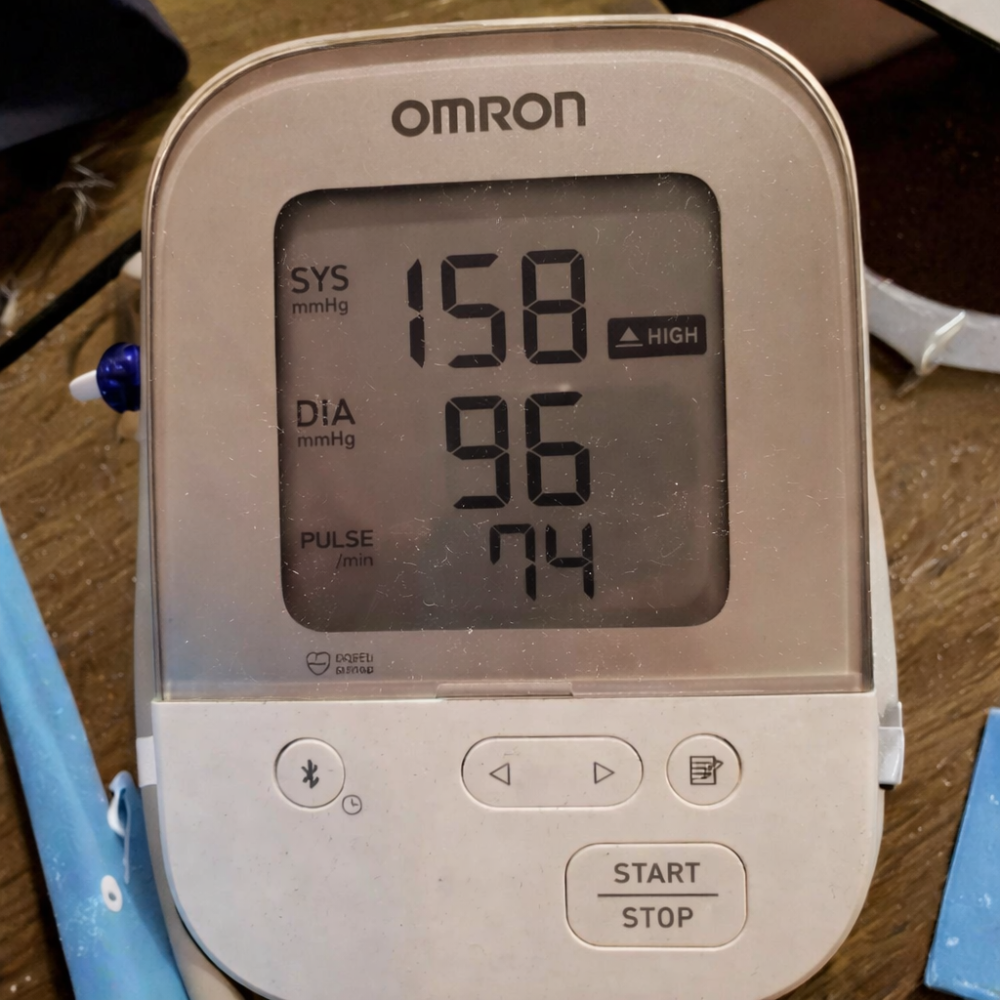
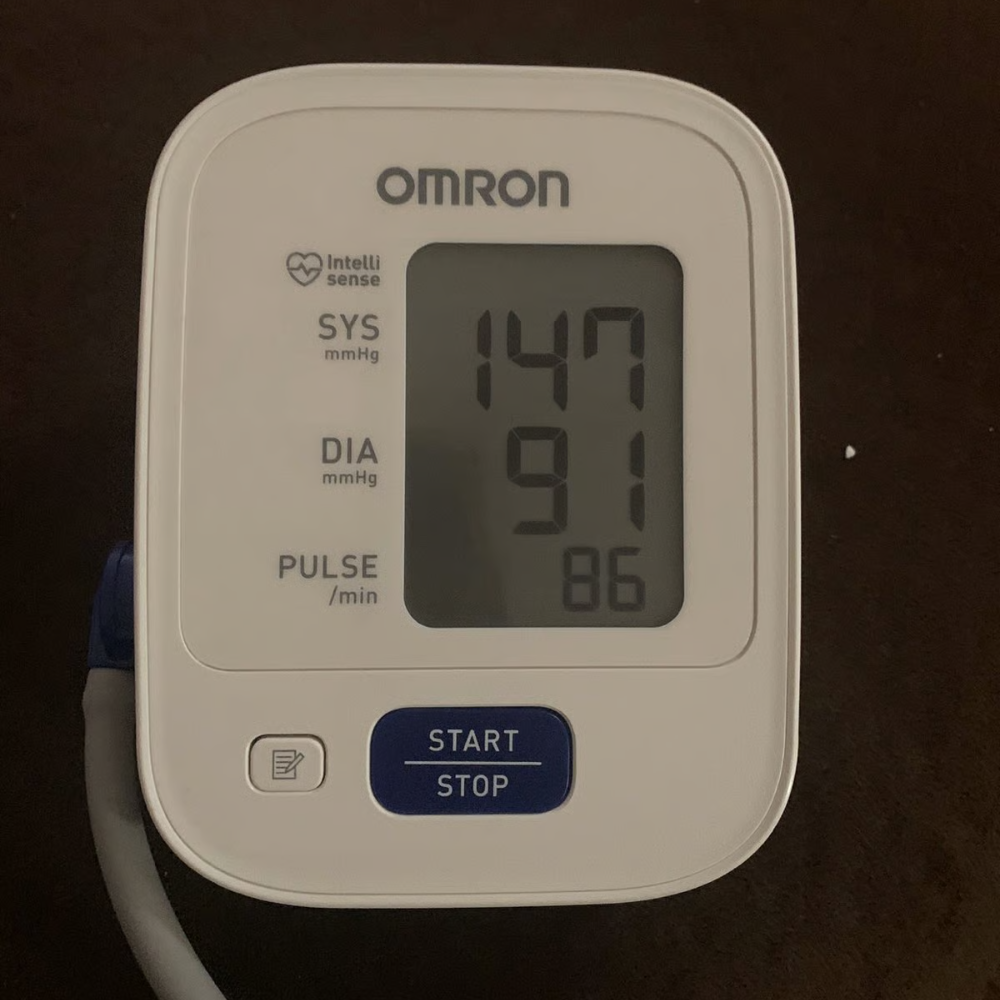
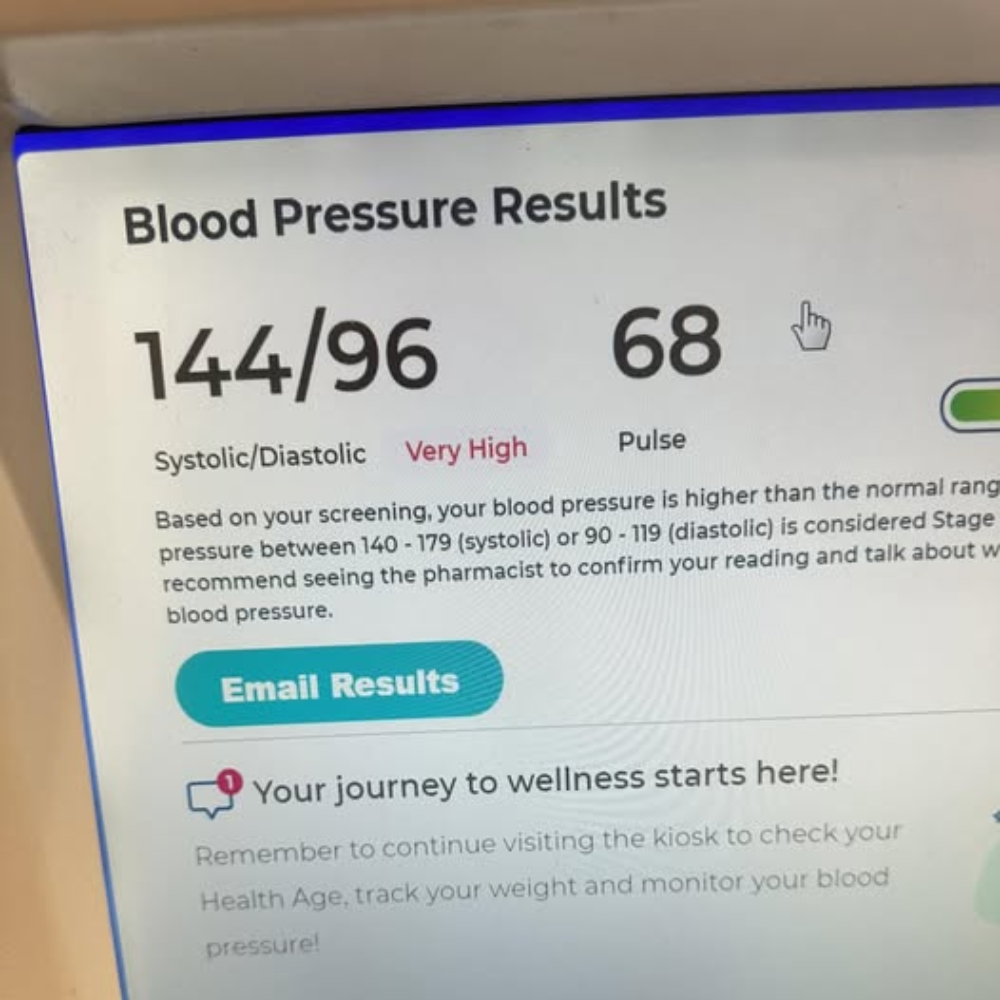
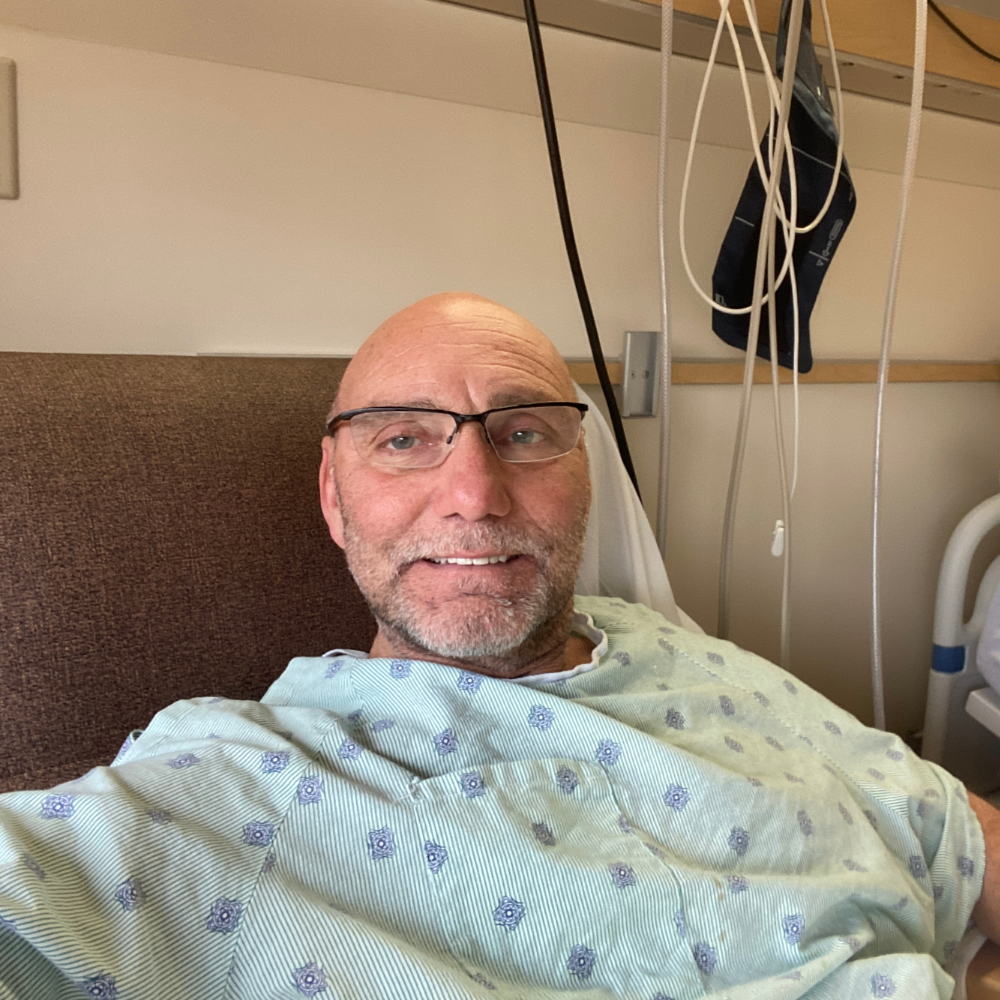
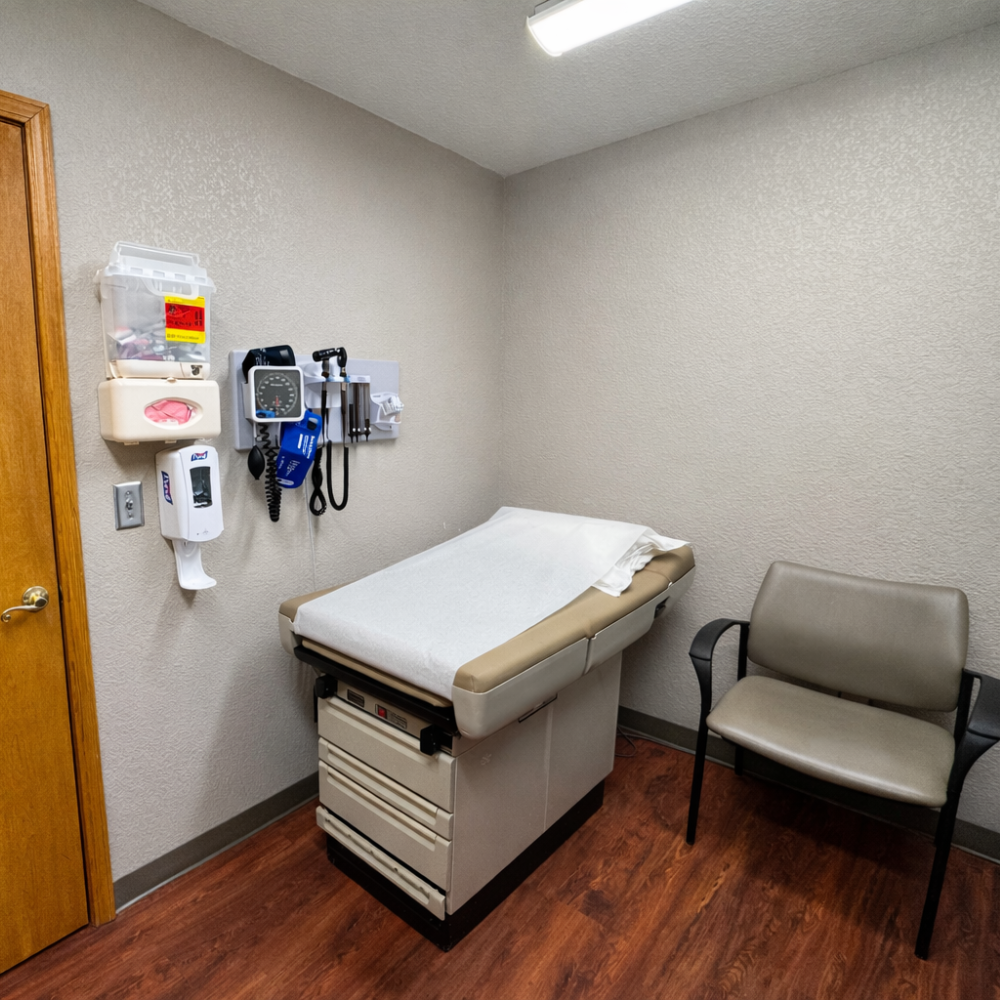
My doctor gave me 12 weeks. "If your blood pressure isn't below 135 by your next appointment, you're going on medication. No more delays." That was 10 weeks ago. I was running out of time. Here's what I did. And by the end of this, you're gonna be pissed. Because there are three things happening right now: One — Your blood pressure is giving you a countdown to medication that you don't want Two — The medical system is pushing you toward pills for life instead of fixing what's actually causing the problem Three — There's a multi-billion-dollar pharmaceutical industry that profits every single day you stay on blood pressure medication So let me tell you exactly what happened, because my story is gonna make you furious when you realize what nobody's telling you. Twelve weeks. That's the number my doctor gave me. Eighty-four days. I remember the exact moment because it felt like being sentenced. I'm sitting on that crinkly paper in the exam room. The one that makes noise every time you shift. My doctor walks in. Doesn't smile. Doesn't do the usual small talk. Just sits down, opens my chart, and says: "158 over 102." She takes it again. Like maybe the machine got it wrong. "156 over 100." She puts the cuff down. Looks at me. And I see something in her eyes I hadn't seen before. She's worried. Not annoyed. Not lecturing. Actually worried. "David, this is Stage 2 hypertension. Your numbers have been climbing for two years. 138 over 88 two years ago. 145 over 94 last year. Now 158 over 102." She pulled up a graph on her computer. My blood pressure readings plotted over time. A line going up. Steady. Relentless. "You see this trajectory? If we don't intervene now, you're looking at a stroke. A heart attack. Kidney damage. These aren't scare tactics. This is math." She turned back to me. "I'm giving you twelve weeks. Twelve weeks to bring this below 135 over 85 with lifestyle changes. If your numbers aren't there by your next appointment on March 14th, we're starting medication. Lisinopril. And once we start, you'll likely be on it for the rest of your life." She wrote the date on a card. Handed it to me. MARCH 14. BP RECHECK. TARGET: BELOW 135/85. Eighty-four days. Written on a card. Like a countdown to an execution. I drove home in silence. Put the card on the refrigerator. My wife saw it that night. "What's this?" "Deadline. If my blood pressure isn't down in 12 weeks, I go on medication." "What kind of medication?" "Lisinopril." She went quiet. Because she knew. Her father had been on Lisinopril for eight years. The cough that never stopped. The dizziness. The exhaustion. The man who used to barbecue every Sunday couldn't stand at the grill for ten minutes without needing to sit down. "You're not going on that," she said. Not a question. A statement. "I know." So I did everything. And I mean EVERYTHING. Week 1: I threw out every salty snack in the house. Chips, pretzels, canned soups, deli meats. Gone. I bought a kitchen scale and started measuring sodium. Under 1,500mg a day. I walked 40 minutes every single morning. Rain or shine. No excuses. Week 2: I added resistance training three times a week. Cut out all alcohol. Not a single beer. Started eating salmon twice a week for the omega-3s. Meditated 15 minutes every morning. I was disciplined. Military-level disciplined. I tracked everything in a notebook. Every meal. Every walk. Every milligram of sodium. Week 4: I checked my blood pressure. 154/98. Four points. Four weeks of perfect discipline and I dropped four points. At this pace I'd need another six months to hit 135. I had eight weeks. I kept going. Added more vegetables. Started drinking hibiscus tea because I read it could help. Cut out caffeine completely. Week 6: 151/96. Seven points in six weeks. My deadline was six weeks away. The math didn't work. Even if I maintained this rate — which was already slowing down — I'd be at 144/90 by my appointment. Nowhere near the target. I sat at the kitchen table staring at that card on the refrigerator. MARCH 14. TARGET: BELOW 135/85. And for the first time, I felt it. That sick, heavy feeling in your stomach when you realize something is probably going to happen and you can't stop it. I was going to end up on medication. My wife found me at the table. Saw my face. "How bad?" "151 over 96. Six weeks of everything I've got and it barely moved." She sat down across from me. Neither of us spoke for a long time. "There has to be something else," she finally said. That night, I went down a rabbit hole. I mean a DEEP rabbit hole. 2 AM. Then 3. Then 4. I started researching everything about blood pressure beyond what the mainstream medical sites tell you. What causes it at a cellular level. Why some people respond to lifestyle changes and others don't. Why you can do everything "right" and still have numbers that won't budge. And every mainstream medical site gave me the same answers: "Reduce sodium. Exercise more. Lose weight. Take medication if that doesn't work." That's all they had. Diet, exercise, or drugs. Like those are the only three options that exist in the universe. But then I found something. A research paper from a cardiologist at UCLA. Dr. Matthew Budoff. Published in peer-reviewed medical journals. Not some blog post. Not a supplement company's marketing page. An actual scientist at an actual university conducting actual clinical trials. He was studying aged garlic extract. And what he found made me sit up straight in my chair at 3:47 AM. Four randomized clinical trials. Hypertensive patients — people like me whose blood pressure wouldn't respond to lifestyle changes alone. Systolic blood pressure reductions of 10-12 points. Improved arterial flexibility. Slowed coronary plaque progression. And — this is the part that hit me — no significant side effects. But here's what I didn't understand at first. Because I'd heard of garlic supplements before. My wife had even bought me a bottle of garlic pills from CVS two years ago. I took them for a month. Nothing happened. Garlic breath and zero results. So how was this UCLA researcher getting 10-12 point drops with garlic when I got nothing? And that's when I learned the thing that nobody tells you. The thing that changed everything for me. Regular garlic — the kind in those supplements at your pharmacy — contains a compound called allicin. Allicin is what gives garlic its smell. It's what every garlic supplement company puts on their label as proof their product works. Here's the problem that nobody talks about: Allicin is destroyed by stomach acid in under 60 seconds. Not reduced. Not weakened. DESTROYED. Completely broken apart before it ever reaches your bloodstream. So every garlic supplement at CVS, Walmart, Amazon, Costco — doesn't matter how expensive, how many milligrams, how many reviews — has the same fatal flaw. The active compound gets annihilated in your stomach before it can do anything. That's why the garlic pills my wife bought me didn't work. That's why millions of people take garlic supplements and see zero results. The stuff that's supposed to help literally never makes it into your blood. But aged garlic is a completely different thing. When raw garlic is placed in a controlled environment and aged for 20 to 24 months, a molecular transformation occurs. The unstable allicin — the compound your stomach acid destroys — slowly converts into something called S-Allylcysteine. SAC. SAC is stable. Acid-resistant. It passes through your stomach completely intact and enters your bloodstream. Once in your bloodstream, SAC supports your endothelium — the lining of your blood vessels — to produce nitric oxide. Nitric oxide tells your blood vessels to relax. To widen. Blood flows more freely. Pressure comes down. Naturally. This isn't a drug forcing your numbers down with chemicals. This is restoring your body's own mechanism for regulating blood pressure. THAT'S what Dr. Budoff was studying at UCLA. Not regular garlic. Aged garlic. With verified SAC content. And that's why he got results and everyone taking regular garlic pills gets nothing. Now here's the part that made me furious. This isn't new research. These studies have been published for YEARS. Over 750 published studies on aged garlic extract. UCLA. Peer-reviewed journals. Real science. And yet: My doctor never mentioned it. Not once. In two years of climbing blood pressure and three appointments where she told me to "eat less salt and exercise more," she never once said "There's a UCLA-studied natural compound that's shown to reduce blood pressure by 10-12 points." Why? Because there's no pharmaceutical company sending sales reps into her office with samples of aged garlic extract. Because you can't patent garlic. There's no money in it for the medical system. There IS money in putting you on Lisinopril for life. Every refill. Every doctor visit to monitor side effects. Every lab test to check kidney function. Every dose adjustment. Revenue. For decades. A bottle of aged garlic extract that actually works? That's a patient who doesn't come back. That's lost revenue. See how that works? So at 4 AM, running out of time, I started looking for aged garlic supplements. And I hit a wall. I ordered Kyolic from Amazon. The biggest brand. Took it for two weeks — I didn't have time to waste on full bottles. Blood pressure: 150/95. Nothing. I tried another brand from a health food store. "Aged garlic. High potency." 10 days. 149/94. And then I found a forum thread that explained why. Most "aged garlic" supplements are a lie. They age their garlic for 6 months. Maybe 8. Because it's cheaper. Faster. Gets the product to market quicker. But the molecular transformation from allicin to S-allylcysteine takes a MINIMUM of 20-24 months. Six months isn't enough. The conversion barely starts. The SAC content is negligible. So you're buying a product that says "aged garlic" on the label but doesn't contain meaningful amounts of the compound that actually works. That's why Kyolic didn't work. That's why the health food store brand didn't work. And that's when someone in the thread mentioned Primus. Full 24-month aging process. Verified S-allylcysteine content — not "garlic equivalent," not "allicin potential," actual measured SAC. Third-party tested. Published Certificate of Analysis. Made in the USA. The same form of aged garlic that Dr. Budoff studied at UCLA. I went to their website. I was skeptical. I'd already wasted three weeks and money on brands that didn't work. My deadline was five weeks away. Five weeks to drop from 149 to 135. But they had a 60-day money-back guarantee. And I was running out of options. I ordered it at 4:23 AM. The bottle arrived two days later. I started taking it immediately. Every morning with breakfast. And I'm going to be honest — the first few days, nothing happened. My blood pressure hovered around 148/93. I checked it obsessively. Morning. Afternoon. Night. Day 4. Day 5. Day 6. Nothing. I stared at that card on the refrigerator. MARCH 14. Four and a half weeks away. My wife could see the anxiety eating me alive. "Give it time," she said. "The research said 4 weeks." "I don't HAVE 4 weeks. I have four and a half. And even if it works, I need to drop 13 points." Day 8: 145/91. I checked it three times to make sure. 145. Then 144. Then 146. Something was moving. Day 11: 141/88. Day 14 — two weeks in: 138/86. I stared at the monitor. 138. Down from 149 two weeks ago. Eleven points in fourteen days. My hands were shaking. Not from fear this time. From something I hadn't felt in months. Hope. Week 3: 134/83. I checked it. Checked it again. Grabbed my wife. "Look." 134/83. Below the target. With two and a half weeks to spare. She stared at the monitor. Then at me. Then back at the monitor. "David. Oh my God." "I'm not done yet. I need it to stay there. It could be a fluctuation." Week 4: 131/80. 129/79. 133/81. 130/78. Consistently below 135. Every single reading. Morning and night. The morning of March 14th, I checked one last time. 128/79. I got dressed. Drove to the doctor's office. Sat in the waiting room. Calm. For the first time in twelve weeks, I wasn't terrified. The nurse wrapped the cuff. Pumped it. Watched the screen. Her eyebrows went up. She did it again. "127 over 78." She wrote it down. Left the room. My doctor walked in. Pulled up my chart. Saw the number. Pulled up my history — the trajectory that had been climbing for two years. 158. 156. And now... 127. She looked at me over her glasses. "David. How?" I told her. The aged garlic extract. The 24-month aging process. The S-allylcysteine. Dr. Budoff's research at UCLA. The third-party testing. She typed notes. Quiet for a while. Then she closed her laptop and leaned back. "Well. These numbers are excellent. You hit the target with room to spare. No medication necessary." She paused. "Whatever you're doing, keep doing it. I want to see you in three months to confirm these numbers hold." No medication. I walked out of that office and sat in my car. Just sat there. Engine off. Hands on the steering wheel. Then I called my wife. "127 over 78. No medication. No Lisinopril. I made the deadline." Silence on the other end. Then she started crying. "I was so scared," she said. "Every day for twelve weeks I was scared. I didn't want to watch you go through what my father went through." "I'm not going through it. It's over. I made it." That was nine months ago. My blood pressure this morning? 124/77. Stable. Consistent. Healthy. No medication. No side effects. No cough. No dizziness. No swollen ankles. No kidney concerns. No doctor visits where someone adjusts your dose and tells you "the benefits outweigh the risks." Last month I went back for my three-month recheck. Doctor took my blood pressure. 122/76. She smiled. First time I'd ever seen her smile during a blood pressure check. "David, your numbers are better than they've been in five years. Continue what you're doing." I've started coaching my son's soccer team this spring. Running up and down the field with 10-year-olds. Sweating. Laughing. Full of energy. Last Saturday after practice, my son said something that nearly broke me. "Dad, you're way faster than the other dads." I had to turn away so he wouldn't see my eyes watering. Because nine months ago, I was a man staring at a card on the refrigerator counting down the days to medication for life. A man sitting at his kitchen table at 4 AM wondering if he was going to spend the rest of his life on pills that make you feel terrible but don't actually fix anything. And now I'm the fast dad at soccer practice. If you're reading this, you know exactly where I was. Your blood pressure's climbing. 140s. 150s. Maybe higher. Your doctor's given you a deadline — or you know it's coming. You've been told to cut sodium, exercise, lose weight. Maybe you've done all of it. Maybe your numbers barely moved. Maybe you're staring at your own version of that card on the refrigerator. And you're terrified. Because medication means forever. It means side effects. It means turning into the people you've watched suffer on those pills — the cough, the dizziness, the exhaustion, the zombie existence where you're technically alive but you're not really living. I was there. I know exactly how it feels. Here's what I want you to know: The lifestyle changes your doctor tells you to make are good. They help. But for a lot of us, they're not enough on their own. Not because you're doing anything wrong. Because your blood vessels need something specific that diet and exercise alone can't provide — support for nitric oxide production and arterial flexibility. And that support comes from S-allylcysteine. The compound that only exists in garlic that's been aged for 24 months. That's not a sales pitch. That's what UCLA research shows. Here's why Primus worked when two other garlic supplements failed me: 24-Month Aging Process (Not 6 Months Like Most Brands) Regular garlic contains allicin. Your stomach acid destroys it in under 60 seconds. It never reaches your bloodstream. When garlic is aged for a full 24 months, allicin converts to S-allylcysteine — the only garlic compound that survives stomach acid intact. Most "aged garlic" brands age for 6 months or less. The molecular transformation doesn't complete. That's why Kyolic didn't move my numbers. That's why most garlic supplements are a waste of money. Primus does the full 24 months. Verified SAC Content (Not "Garlic Equivalent" Marketing) Most supplements list "garlic equivalent" or "allicin potential." Meaningless numbers for a compound your body destroys on contact. Primus lists verified S-allylcysteine content. Third-party tested. Published results. Real data, not marketing. UCLA-Studied Mechanism (Not Supplement Company Claims) Dr. Matthew Budoff at UCLA. Four randomized clinical trials. Published in peer-reviewed journals. Aged garlic extract with verified SAC content reduced blood pressure, improved arterial flexibility, and showed no significant side effects. This isn't some blogger's opinion. This is university-level research. Try Primus for 60 days. Track your blood pressure weekly. If you don't see improvement — if you're not satisfied for ANY reason — full refund. No questions asked. You risk nothing except staying where you are. You're at a crossroads right now. One path: Run out the clock. Show up at your next appointment with numbers that haven't changed. Watch your doctor pull out the prescription pad. Start medication. Hope the side effects are manageable. Take pills every morning for the rest of your life while your blood pressure gets "controlled" but never actually fixed. Another path: Do what I did. Try aged garlic that's actually formulated correctly — aged for 24 months with verified SAC content backed by UCLA research. Track your numbers honestly. Walk into your next appointment with results that speak for themselves. I had 84 days. I wasted the first 56 doing everything the medical establishment told me to do. Diet. Exercise. Salt restriction. And my numbers barely moved. I found Primus with 28 days left. My blood pressure dropped from 149 to 127 in those 28 days. I beat the deadline. I avoided medication. I got my life back. If you've got a deadline coming — or if you can feel that appointment getting closer — don't waste time the way I did. Start now. Track your numbers. Give your body what it actually needs. Your doctor is waiting for your results. Make sure they're results worth showing. P.S. — I saw meaningful blood pressure improvement starting in week 2. Hit my target of 135 by week 3. Was consistently below 130 by week 4. Avoided medication entirely. Your timeline might be different. But every day you don't start is one less day you have before that appointment. P.P.S. — Every day you wait is another day on the countdown. Another day closer to sitting in that exam room watching your doctor write a prescription you don't want. Another day of elevated blood pressure doing damage to your arteries that gets harder to reverse. Don't wait until March 14th. Order now. 👉 https://primus-health.com/products/aged-garlic-extract-odorless-premed
My Doctor Gave Me 12 Weeks. "If Your Blood Pressure Isn't Below 135 By Your Next Appointment, We're Starting Medication. No More Excuses." That Was 10 Weeks Ago. Here's What Happened.
Ancient aged garlic extract with verified S-allylcysteine — the only garlic compound that survives stomach acid. UCLA-studied. 60-day guarantee.
LEARN MORELike this ad? Make it yours.
Crush rebuilds this exact creative around your product — your brand, your colors, your offer — in about a minute.