
Active· since Feb 13, 2026
- 217
- days running
- 0
- relaunches
- 515
- EU reach
Ad copy
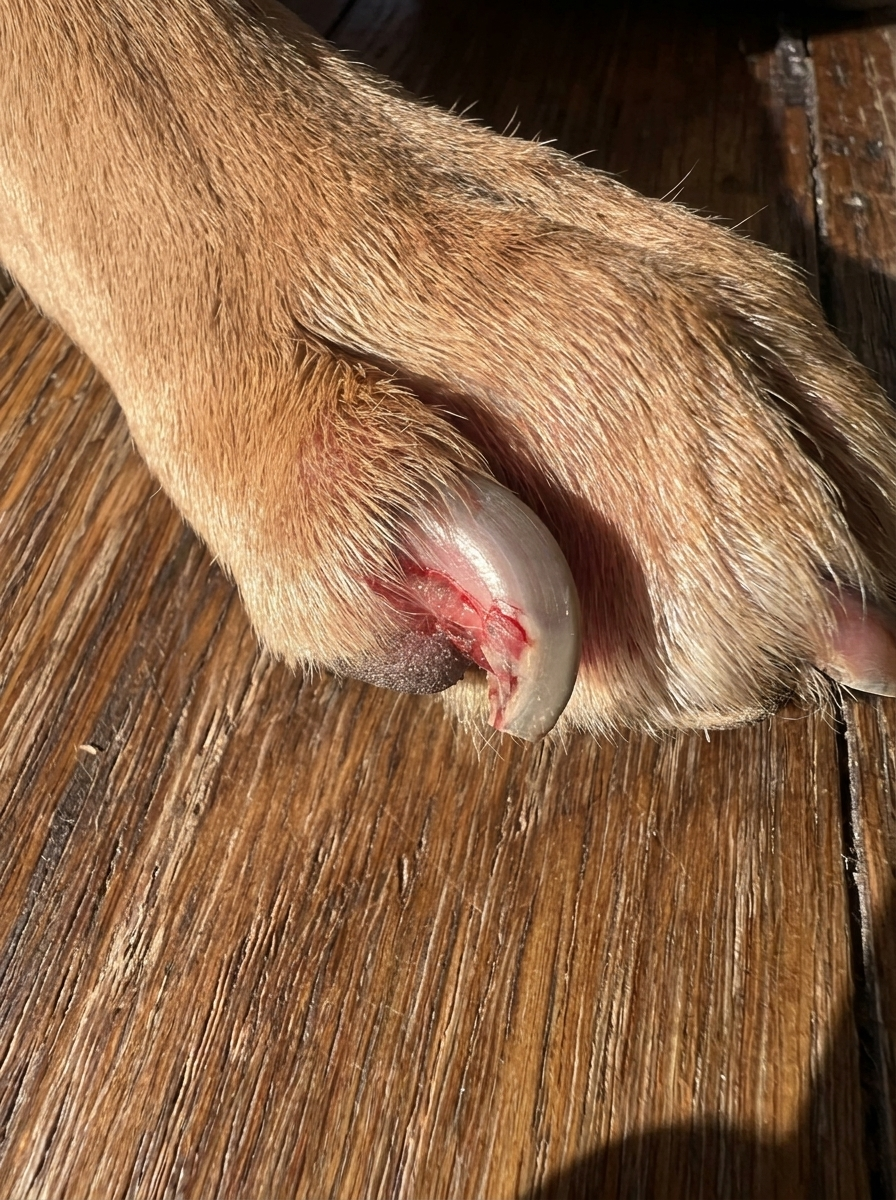
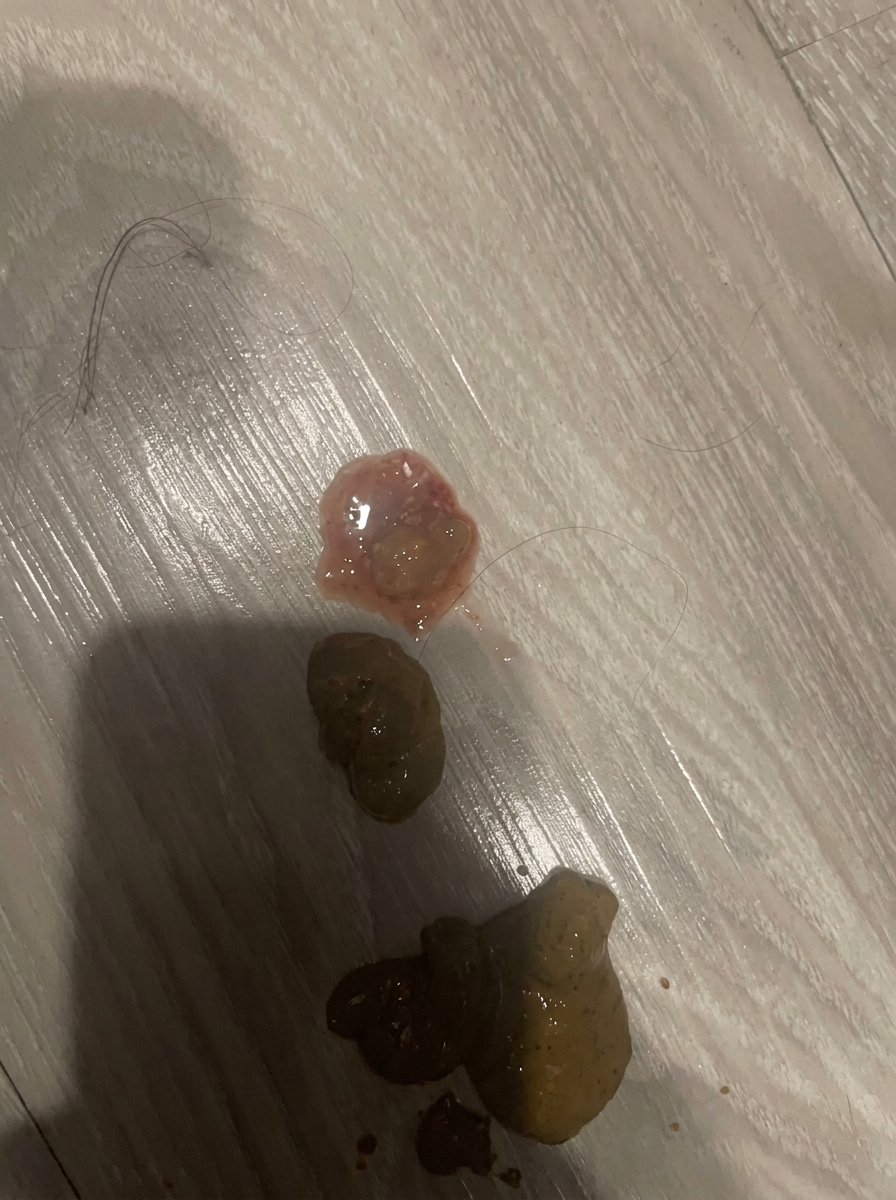
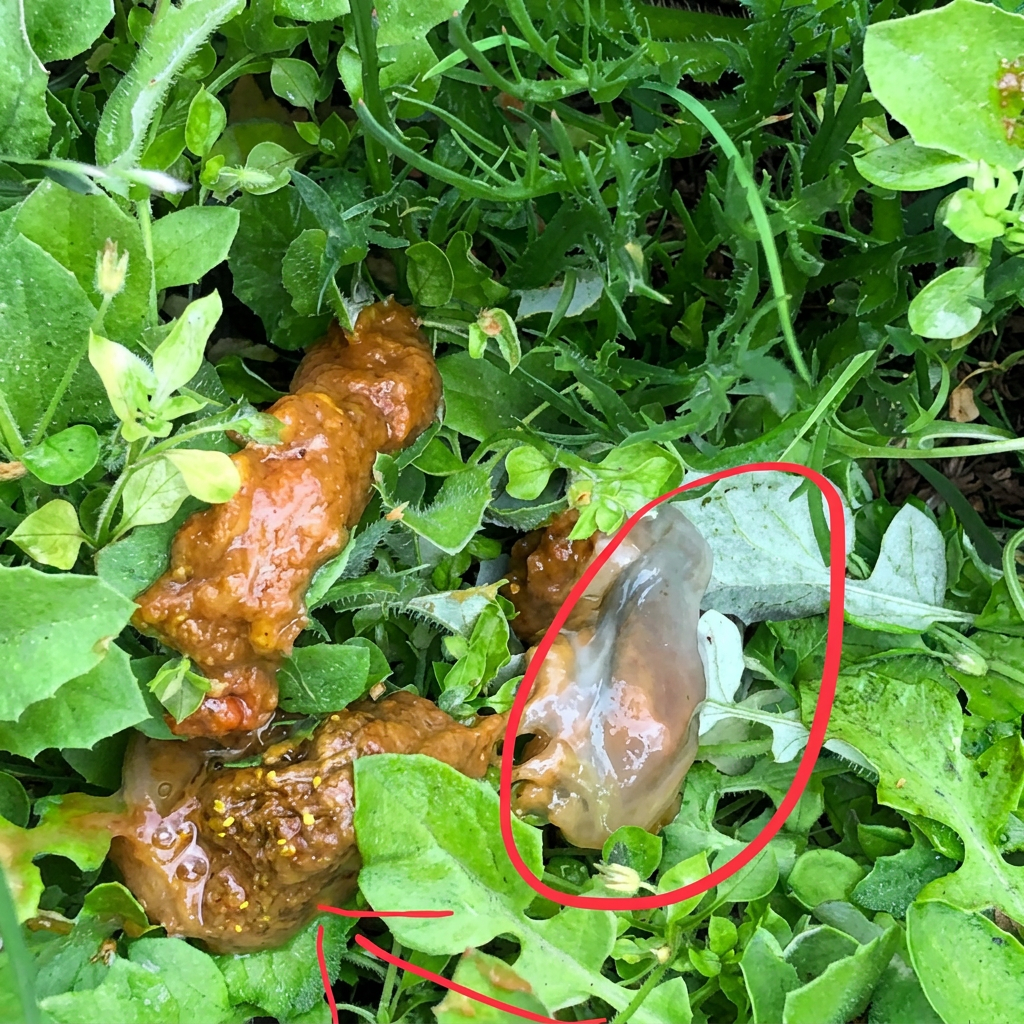
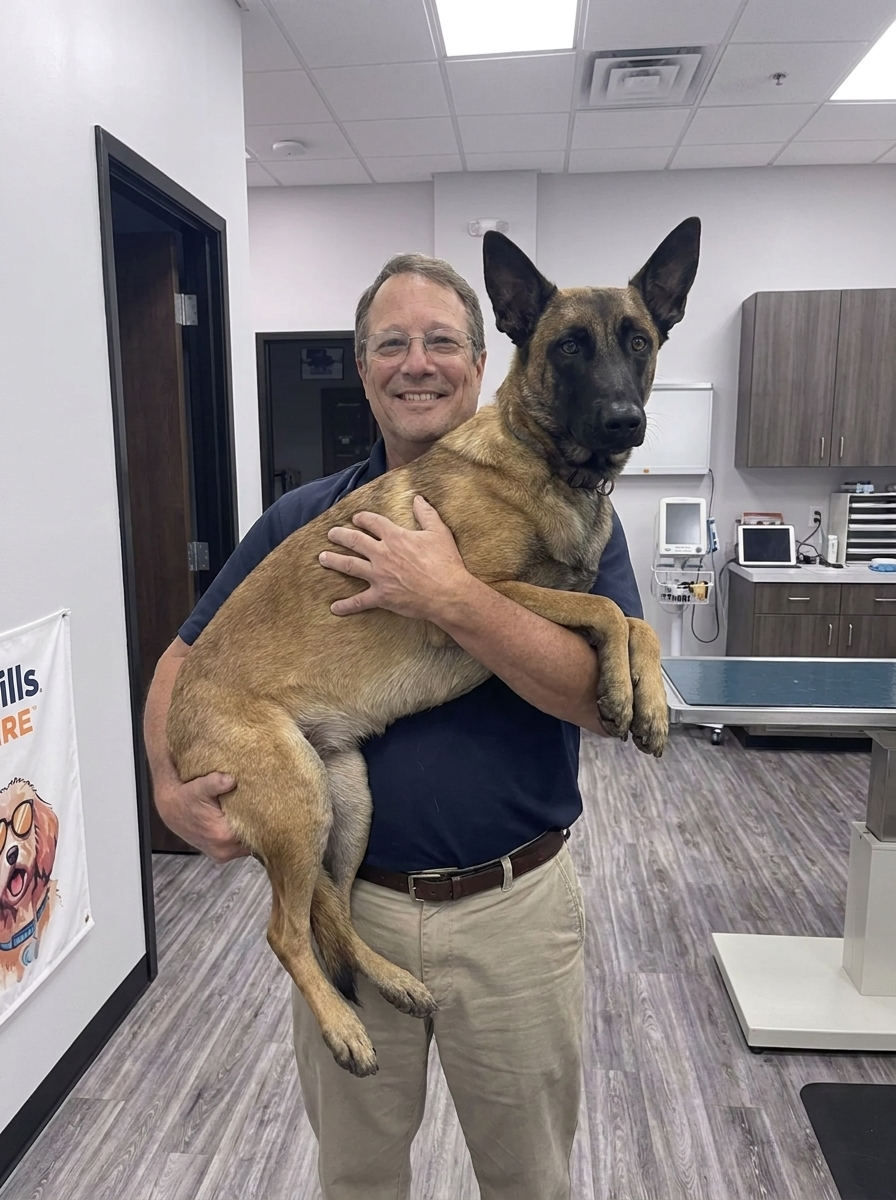
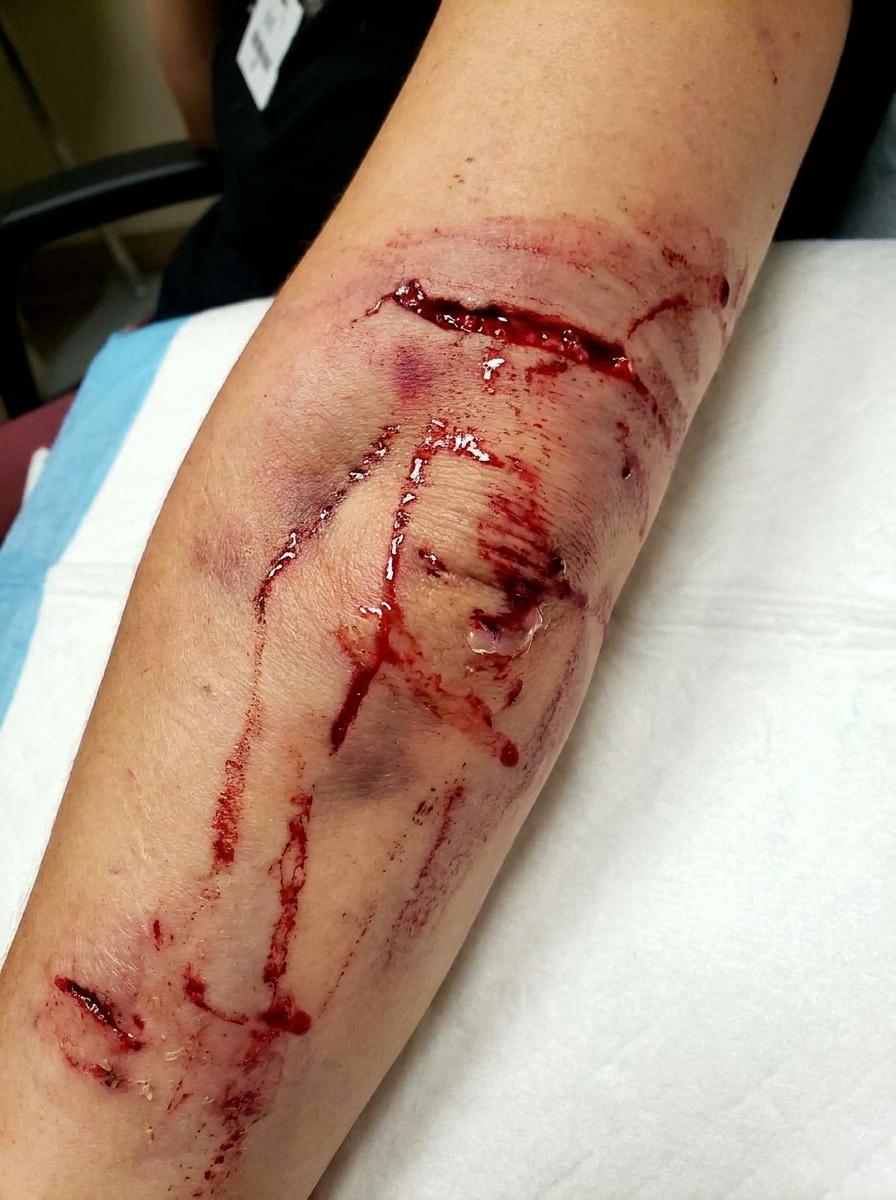
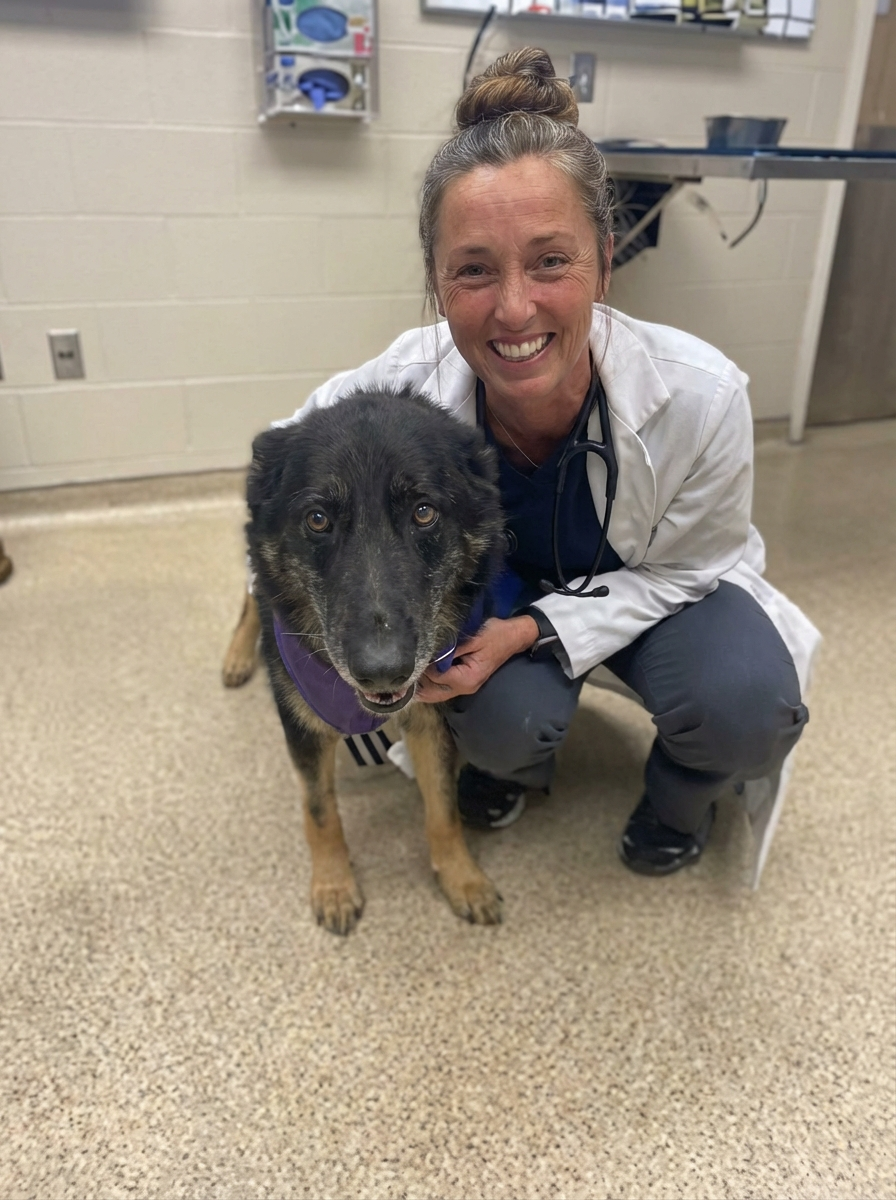
First they lunge at one dog. Then they bark at strangers. Then they start snapping. Then someone gets bitten. It's not four separate problems—it's one gut dysfunction screaming for help. "By the time your dog bites someone, the gut damage is already severe. This is the most preventable tragedy I see in my practice every single week." – Dr. Sarah Martinez, DVM I'm about to share the research discovery that destroyed 15 years of veterinary confidence. But first, I need to tell you why your vet keeps saying "just keep training." And it has nothing to do with laziness or ignorance. For 15 years straight, I said the exact same thing. Every single time a dog came in for leash reactivity, I'd review the behavioral assessment and tell the owner: "Nothing medically wrong. This is behavioral. Keep working with your trainer." I'd see the exhaustion in their face. Update the chart. Refer them to another behaviorist. I felt like I was doing good medicine. Until Rocky. My own 4-year-old Border Collie mix. Perfect genetics. Flawless health records. The dog I chose specifically because I knew how to keep him healthy. When Rocky started lunging at other dogs on walks, I did exactly what I'd done a thousand times before: Full physical exam. Bloodwork panel. Behavioral assessment. Everything came back normal. I actually felt relieved. See? Even my own dog has reactivity. Completely behavioral. Then the barking at strangers started. Then the snapping. By month six, Rocky couldn't walk past another dog without exploding. All bloodwork normal. All physical exams normal. I wasn't worried. This is what I see every day. "Just needs more training." Except Rocky WAS in training. He'd been working with a certified behaviorist for four months. By twelve months, Rocky lunged at a child on a bike. He bit her arm. Drew blood. Animal control showed up that evening. At 5 years old, I had to sign the euthanasia consent form for my own dog. Rocky should have lived to fourteen. I gave him five. And that's when I noticed the pattern. I started to ask myself this one question: How does a "healthy" dog with "normal bloodwork" go from friendly to euthanized in eighteen months? So I pulled every reactive dog case file from the past decade. Every dog I'd cleared as "medically normal." I built a spreadsheet. Age at first lunge. Bloodwork results. Training history. Outcome. Dogs who bit someone and got euthanized had one thing in common: They all had digestive symptoms months before the reactivity started. But it wasn't dramatic diarrhea. It was subtle. 87% had notes about: "eats grass constantly" "occasional soft stool" "picky eater" "licks paws obsessively" I'd always dismissed these. "Dogs just do that. Nothing to worry about." But what if it wasn't nothing? What if their gut was already failing? And there was something else. Almost every single reactive dog had this pattern: Digestive symptoms → reactivity starts → reactivity escalates → bite incident. Average timeline: 8-14 months from first gut symptom to euthanasia. Rocky had been eating grass for months before the lunging started. I'd thought it was stress. Or boredom. His gut was collapsing. And I dismissed it as "normal dog behavior." So I searched: "canine gut dysfunction behavioral aggression" That's when I found a UC Davis study I'd never seen: "Dogs with leash reactivity showed 83% prevalence of gut dysbiosis and depleted postbiotic metabolite production. Gut-brain axis dysfunction preceded behavioral symptoms by 3-7 months." Gut-brain axis dysfunction. The study showed that 95% of serotonin is produced in the gut—not the brain. When gut bacteria die, serotonin production crashes. Without serotonin, the brain stays in fight-or-flight mode permanently. Every trigger becomes a threat the dog cannot regulate. Rocky had been in permanent fight-or-flight for months. And I'd told his trainer he just needed "more impulse control work." His gut couldn't produce serotonin. And his brain couldn't calm down. I kept clicking through studies. Postbiotic metabolites. Gut-brain axis restoration. Serotonin regulation. Then I found it: Tufts University, 2019. Dogs with treatment-resistant reactivity who received postbiotic supplementation showed 89% reduction in aggressive behavior within 6-8 weeks— Not because it sedated them… But because it restored gut-brain communication. Rocky had been trying to heal himself by eating grass. His instincts knew his gut was broken. And I told him to stop. His gut-brain axis was collapsing. And his body was screaming for help. But Rocky didn't have access to postbiotics. He had access to my backyard grass. And I dismissed it as "behavioral." The next morning, I called Dr. James Chen at UC Davis. We'd done our residencies together. "James, have you ever used postbiotic supplementation for reactive dogs?" Long pause. "Sarah... how did you find out about that?" "We've been using it in veterinary behavioral medicine for about six years. Quietly. It's not in standard protocols, so we only mention it to clients who specifically ask about gut-brain approaches." "Why isn't it standard?" "Because no pharmaceutical company makes money off postbiotics. They can't be patented. So they don't get pushed through vet schools or conferences." This had existed the entire time Rocky was dying. But I could still help the dogs in my practice right now. I don't care if I don't make money off of recommending this—all that should matter is YOUR dog's life. I found a company making veterinary-grade postbiotics—CalmAxis. Most gut supplements don't work because they're generic probiotics that die in stomach acid. The research used concentrated postbiotic metabolites—the actual compounds that restore gut-brain communication. That's what stops reactivity. CalmAxis combines butyrate, propionate, and acetate—the three metabolites that regulate the vagus nerve and restore serotonin production. Third-party tested. Clinical dosing by weight. I needed to see if this would actually work in my practice, not just in university studies. I started with my most desperate cases. Dogs who lunged at everything. Dogs who'd bitten before. Dogs eating grass obsessively. The first was Duke, an 8-year-old German Shepherd with severe leash reactivity. "Let's try this for eight weeks." Week two: "Dr. Martinez, Duke stopped eating grass. Completely. He used to graze for ten minutes every walk." Week four: "He walked past another dog yesterday without lunging. First time in two years." Week eight: Zero lunging. Zero barking. Can walk past dogs at 15 feet. Then the second dog responded. Then the fifth. Then the twentieth. 89% showed reactivity reduction within six weeks. 94% stopped obsessive grass eating within two weeks. Dogs stopped "suddenly snapping"—owners kept saying: "He's acting like himself again." But here's what haunted me: This wasn't experimental. This was published research from major veterinary universities. And in 15 years of practice, I'd never heard about it. Not in vet school. Not at behavioral conferences. Not anywhere. Veterinary behaviorists had been quietly using this for years— only telling select clients who asked the right questions. The rest of us kept saying "just keep training" while dogs' gut-brain axes collapsed. Last month, a client brought in Bella, her 6-year-old Golden. Reactive on every walk. Eating grass constantly. I recognized the pattern immediately. I explained the gut-brain connection. The postbiotic research. What grass-eating actually meant. She started crying. "Our last dog was euthanized at seven for biting someone. The vet said it was just behavioral. You're telling me there was something that could have helped him?" Yes. There was. Bella's on week seven now. Zero reactivity. She stopped eating grass within nine days. Her owner sent me a video of her walking calmly past three dogs—something she hadn't done in three years. But here's what keeps me up at night: How many dogs die every year because reactive behavior is dismissed as "just training"? How many owners are told "keep working on it" when their dog's gut-brain axis is collapsing? How many vets see grass-eating and never connect it to serotonin depletion? Rocky was trying to save himself. His instincts knew what his body needed. And I dismissed it because I'd been taught reactivity was behavioral. I was taught wrong. If your dog is reactive and your vet says "nothing medical," ask them about gut-brain restoration. Ask them about postbiotic metabolites. Ask them why your dog is eating grass when they never used to. Ask them what happens when serotonin production fails. The research exists. The solution exists. It just hasn't made it into standard veterinary practice yet. Rocky never got postbiotics. He never got the chance to heal the way his instincts were begging him to. But your dog can. And if your vet doesn't know about this research—show them this letter. Because every dog eating grass is trying to tell us something. We just need to start listening. Click here for the CalmAxis Postbiotic Chews I recommend.
My Own Dog Was Euthanized For Reactivity. I'm A Vet. I Should've Saved Him.
After my own dog was euthanized for reactivity, I pulled every case file from my career. 87% had gut symptoms before the aggression started. I'd dismissed them all.
ORDER NOWLike this ad? Make it yours.
Crush rebuilds this exact creative around your product — your brand, your colors, your offer — in about a minute.