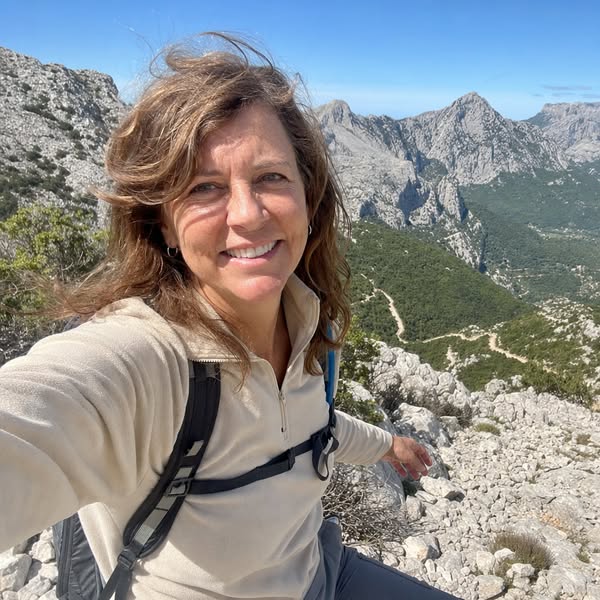
Barbara Turner
Barbara Turner Facebook ad: “Nurse Refuses Her Own Statin”
Running for 3 days since September 28, 2026. Crush last saw it on October 1, 2026.
Run by Barbara Turner on Facebook. Crush is not the advertiser and does not verify its claims. See this ad in Meta's Ad Library(opens in a new tab)
Want an ad like this for your product?
Crush makes new ad images for your product from this ad: your logo, your product photo, your offer.
Trials from $19.95 USD, then $79.95 USD a month. Cancel anytime.
About this ad
- Meta Ad Library ID
- 1864513224533867
- Platforms
- Facebook, Instagram, Audience Network and Threads
- Relaunches
- 0
Ad text
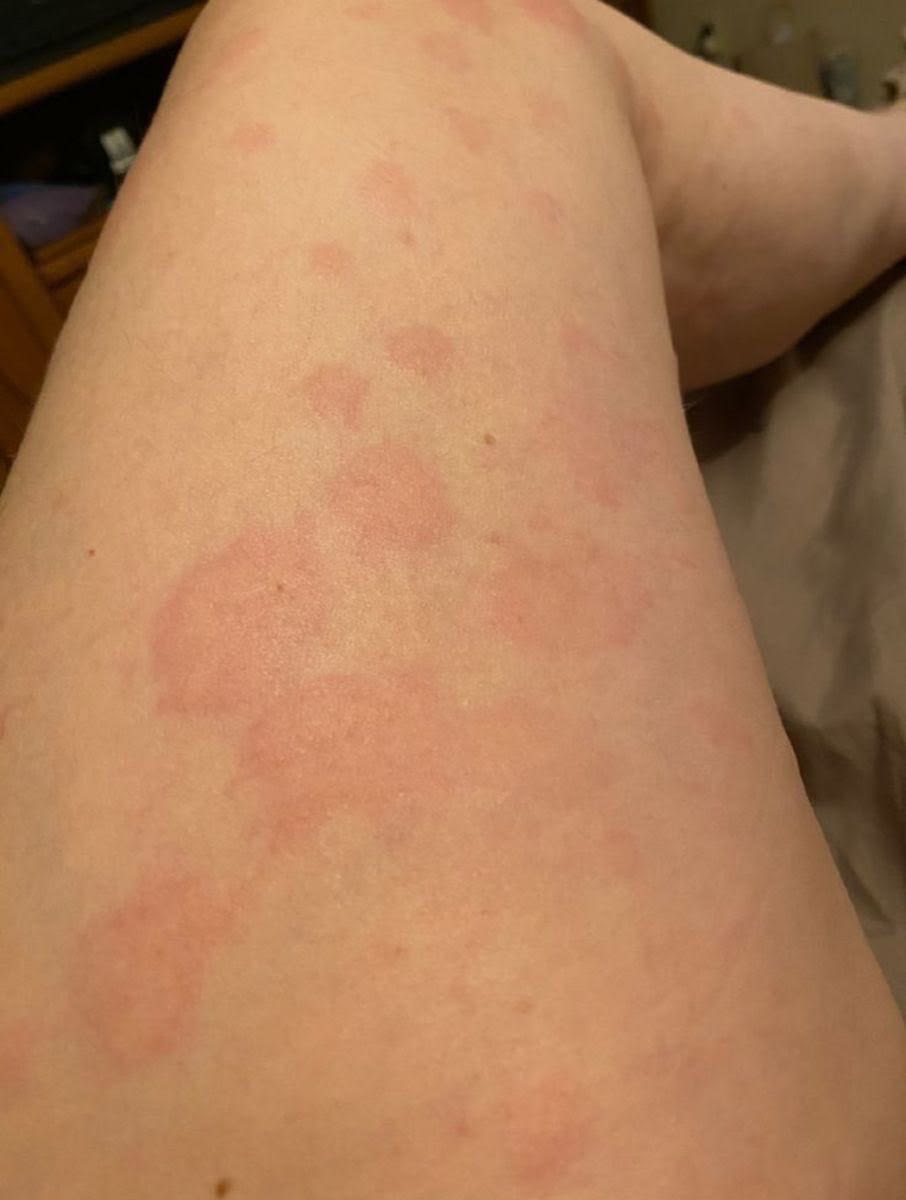
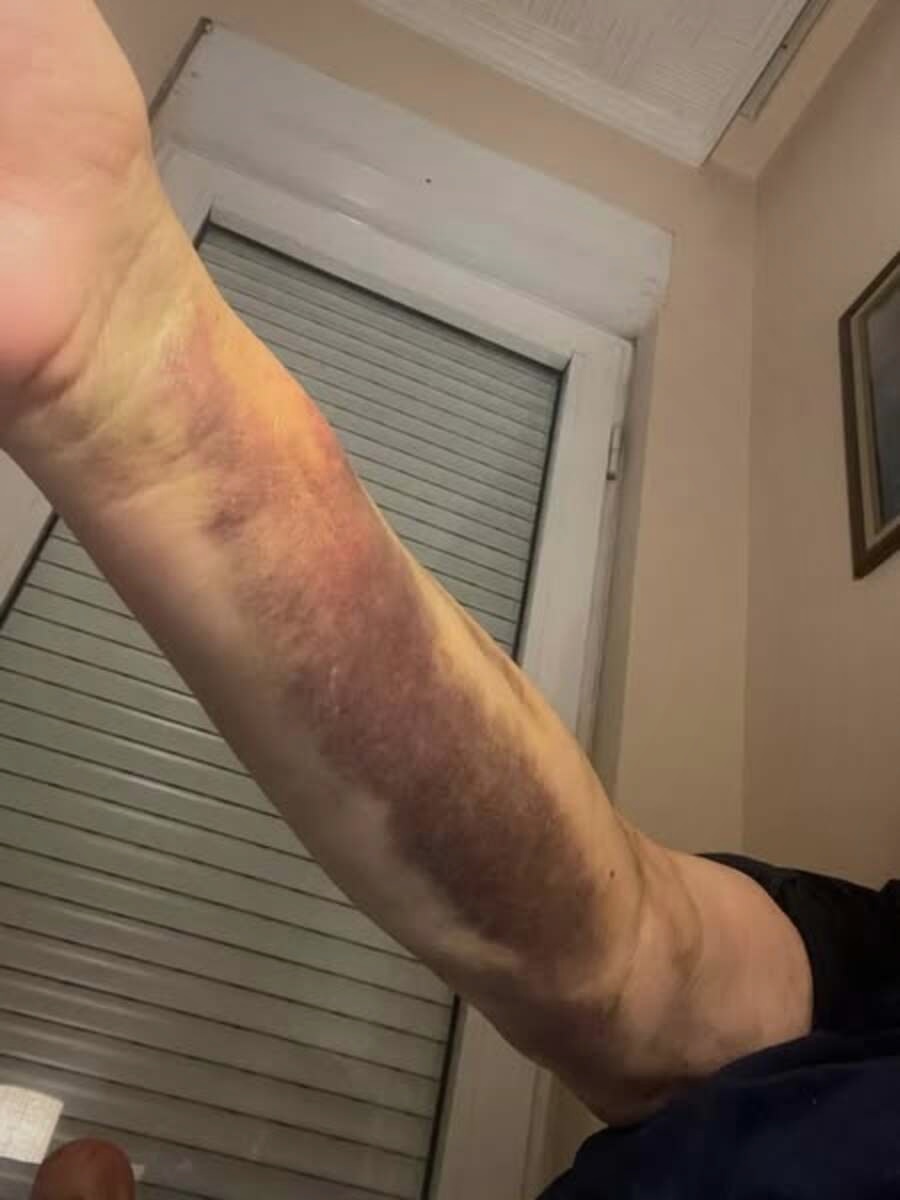
I'm a nurse and I've been handing out statin prescriptions for 28 years, but last month I refused to take one myself. ⠀ I want to explain why. Because there's a sentence I've been legally unable to say in my professional capacity for close to three decades. And until three months ago, I kept my mouth shut. ⠀ I'm not keeping it shut anymore. ⠀ My name is Barbara. I work in the cardiac catheterization lab at a hospital I'm not going to name. 28 years in the same unit. I've stood next to more heart attack patients than I can count. Most of them had been on a statin for years and their LDL had barely moved. ⠀ That's the part that broke me eventually. I just didn't know it yet. ⠀ Here's what my job looks like. A patient rolls in on a gurney at 3 AM. Chest pressure. Diaphoretic. Cardiologist calls a STEMI. I pull up their history while the team preps them for the wire. On atorvastatin for eight, ten, twelve years and never getting their LDL much below the high 150s. Their cardiologist had been talking about adding a PCSK9 inhibitor at the next visit. Blood pressure medication that kept the reading borderline no matter what dose. The pattern I know cold. ⠀ And now they're on my table because a piece of plaque just tore inside the artery feeding their heart. ⠀ And when they wake up the next morning in the CCU, they start telling me what else was going on. ⠀ The chest tightness on the stairs they blamed on being out of shape. ⠀ The cold feet at night they blamed on the season. ⠀ The blood pressure creeping up at every annual despite the pill for that too. ⠀ The thing they don't want to say out loud about the bedroom. ⠀ The fatigue that never fixed with sleep. ⠀ And every chart in front of me showed the same pattern. LDL that had been high for years. A statin that never brought it down where it needed to be. A doctor who told them to keep going. ⠀ The first few times you see it you tell yourself it's age. Or genetics. Or they cheated on their diet. By year five you stop telling yourself stories. By year ten you start counting. ⠀ I started counting in 2008. I keep a number in my head now. I'm not going to share it because it would sound like I'm making it up. Just trust me when I say it's a lot of people. A lot of grandparents. A lot of fathers. A lot of men and women in their fifties, sixties, seventies, all who thought they were doing everything right. ⠀ All of them on a statin. All of them with LDL that never really came down. All of them wheeled through my lab because a piece of plaque tore in an artery nobody had ever addressed. ⠀ And a smaller group of them I never see again. Because the heart attack all those years of chasing a number never warned them was coming was the last one. ⠀ And I never said anything. ⠀ I want to be honest about that. Because you might be reading this thinking I'm some kind of whistleblower hero. I'm not. I'm a nurse who took an oath, who has a license to protect, who has a mortgage to pay, and who has been told for 28 years that if I question a doctor's prescription out loud in front of a patient I will lose all three. ⠀ That's not a metaphor. That's a real rule. ⠀ When a cardiologist writes a script for a statin, my job is to explain the dosing and hand it over. If the patient asks me do you think this will help, I'm allowed to say your doctor knows best. I'm not allowed to say what I actually think. I'm not allowed to mention what I've seen. I'm not allowed to tell them about the man in bay three whose chart looked exactly like theirs eight years ago before he ended up on my table. ⠀ If I do, I'm out of a job. Possibly out of a career. ⠀ So I learned to nod. To smile. To explain the dosing schedule. To go home and try to forget. And then I'd come back the next shift and do it again. ⠀ That was the deal I made for 28 years. ⠀ Three months ago the deal blew up. ⠀ I had my annual physical. Routine bloodwork. I'm 59, I exercise four days a week, I cook most of my own food, I haven't been overweight a day in my adult life. I wasn't worried about the labs. ⠀ The results came back and my LDL had jumped from 128 the year before to 158. Total cholesterol 232. Blood pressure 138 over 88. ⠀ I read the numbers twice. Then I read them again. Then I sat in my car in the parking lot for almost an hour because I knew exactly what was coming next. ⠀ Two days later my primary care doctor called me. Barbara, your numbers are concerning. I'd like to start you on atorvastatin 20. We can talk about it at your follow-up but I'm sending the prescription to your pharmacy today. ⠀ He didn't ask. He told. ⠀ 28 years of nodding and smiling collapsed in about four seconds. I drove home from work that night and I sat at my kitchen table and I cried. Not because I was scared of high cholesterol. Because I knew I was about to walk into the same machine I'd been watching swallow patients for almost three decades. ⠀ And that machine doesn't fix anything. I have spent 28 years watching it not fix anything. I have spent 28 years watching the endpoint of it. Bay three. Bay seven. Bay twelve. ⠀ I let the prescription sit at the pharmacy. I didn't pick it up. I told my husband I needed a week to think about it. He's a paramedic. He's seen the same things I've seen from the other side. He didn't argue. ⠀ That week is when everything changed for me. ⠀ I started doing what I'd never let myself do as a working nurse. I started actually reading. Not the drug company pamphlets. Not the clinical guidelines. The original studies. The stuff buried in the back of medical journals. The research nobody hands you on the floor because it complicates the story you're being paid to tell. ⠀ And I learned something I now cannot believe I didn't know. ⠀ Your high LDL cholesterol was never the thing that was going to hurt you. ⠀ I want to say that again because it took me a week to actually accept it. High LDL was never the thing that was going to hurt you. It was never the thing hurting my patients either. ⠀ Here's what's actually happening. ⠀ High cholesterol is not really a cholesterol problem. Your body makes about 75 percent of the cholesterol in your blood because your cells need it. To build every cell membrane. Every hormone. Every strand of tissue that keeps you standing. Cholesterol is not the enemy. It never was. ⠀ The high LDL is the symptom. The real problem is that after years of oxidative stress, the inside lining of your arteries, the endothelium, starts to fail. The lining that is supposed to be smooth and non-reactive becomes rough and inflamed. The nitric oxide production that keeps your vessels relaxed and open drops. ⠀ Your arteries stop being smooth. Damaged. ⠀ And here's the part nobody told me in nursing school the way it needed to be said. ⠀ Once the lining is damaged, every LDL particle floating past gets caught on the damaged spots. It gets pulled into the vessel wall. It oxidizes. Turns rancid. Your immune system responds to it as damage. Plaque forms. And with every heartbeat your vessels stiffen and start filling with plaque, and eventually rupturing into the heart attack that lands people on my table at 3 AM. ⠀ And here is the part that broke my brain when I finally sat with it. ⠀ Your body knows the vessels are damaged. So it tries to compensate. It sends more inflammation to the damaged spots. It pushes the pressure up to keep the blood moving. It does everything it can. Until the damage is deep enough that it cannot compensate anymore. And that is the morning the plaque tears and the ambulance shows up at your door. ⠀ Now I'm going to tell you what a statin actually does, because I had to sit with this myself before I could believe what I was reading. ⠀ A statin works on one specific thing. It tells your liver to make less cholesterol. That's the whole mechanism. It reduces how much new LDL your liver is releasing into your blood. The number on your chart drops a little. Your doctor says great. Insurance is happy. The chart looks beautiful. ⠀ But here is what your doctor is not telling you. Your vessel lining is still damaged. And every LDL particle still circulating in your blood, even the smaller amount the statin left behind, still gets caught on those damaged spots. Still gets pulled into the wall. Still oxidizes. Still turns into plaque. ⠀ Lowering the number does not heal the lining. It just gives your body a smaller amount of LDL doing the same damage to the same vessels. ⠀ You can shut off the faucet. It does not fix the pipes. ⠀ That's why my patients kept ending up on my table ten years later with LDL down a few points and torn plaque and stents going into arteries that had been narrowing the whole time. The statin did exactly what it was designed to do. It lowered the number a little. The number was never the actual problem. ⠀ The damage was the problem. And the statin has never addressed it. ⠀ And it gets worse. Because a statin doesn't sit harmlessly in your body. Over years, it depletes your CoQ10, the compound your heart and muscles rely on for energy. Long-term statin users develop muscle aches, fatigue, cognitive symptoms at significant rates. ⠀ I have charted those complaints for 28 years. I have watched doctor after doctor write "common side effect, benefits outweigh risks" and move on. I have watched patients be told their muscle weakness was just aging. Their brain fog was just stress. When some of it, maybe a lot of it, was the drug we were giving them to fix the cholesterol. ⠀ That is not treatment. That is a business model. And when the statin isn't lowering the number enough, they don't stop and ask why. They escalate. The next step is a PCSK9 inhibitor. Repatha. Praluent. Injections that force your liver to pull more LDL out of your blood. ⠀ They are aggressive. They will drop your LDL further than any statin ever did. ⠀ But the same problem. Your vessel lining is still damaged. And whatever LDL is still circulating in your blood, even the smaller amount, still gets caught on those damaged spots. Still oxidizes. Still turns into plaque. ⠀ You can drop the number to almost nothing. It does not heal the wall. ⠀ And these injections come with their own list of costs. Muscle pain. Cognitive complaints. Immune reactions. Blood sugar problems that can push you into diabetes if you did not have it, or make it worse if you did. Drugs that only came to market in the last decade. Nobody knows yet what twenty years of taking them looks like. ⠀ That week at my kitchen table I went looking for something natural. I'd seen the rest of the menu fail too. Red yeast rice nudges LDL down a few points. Doesn't touch the vessel damage. Plant sterols block a little absorption at the gut. Don't reach the damaged vessel lining. Garlic, niacin, drugstore fish oil, oat fiber. Each one works on the periphery. None of them heal the endothelium and let the body start recovering. ⠀ I've watched patients try every one. ⠀ Every single one works downstream. None of them heal the vessel lining and let the body start recovering. ⠀ I was about to give up and pick up the prescription when I found the Scandinavian cardiovascular research on Antarctic krill oil. ⠀ A landmark study in the Journal of Agriculture and Food Chemistry. A follow-up meta-analysis in the National Library of Medicine. Norwegian cardiology papers going back to the early 2000s. Krill oil at equal or lower doses than fish oil dropping LDL by 32 to 35 percent, triglycerides by 11 to 12 percent, raising HDL by 44 percent. Fish oil in the same comparisons averaged a 4 percent improvement. ⠀ I'd seen krill oil mentioned in passing for years. Never taken it seriously. But this was real human data, published in journals I respected, showing exactly the kind of vessel-level protection nothing on the prescription pad addresses. ⠀ After more digging I understood why. There are two compounds in real Antarctic krill oil doing two completely different jobs at the same time. ⠀ The first is natural astaxanthin. The deep red pigment that gives Antarctic krill its color. One of the strongest antioxidants ever measured. 6,000 times more powerful than vitamin C. 770 times more powerful than CoQ10. 100 times more powerful than vitamin E. ⠀ Astaxanthin neutralizes the oxidation attacking the vessel wall and calms the inflammation running through the endothelium. The lining starts recovering and producing nitric oxide again, the signal that tells your vessels to relax and open back up. The trapped LDL is no longer being oxidized into plaque and can finally be processed by the liver the way it was designed to. ⠀ The LDL is what's stuck. The oxidation is what turns it into plaque. Astaxanthin is the only natural compound powerful enough to stop it. ⠀ The second compound is the EPA and DHA fatty acids from the same krill. In real krill oil they arrive bound to phospholipids, the same molecules your cell membranes are literally made of. Which means they absorb into your bloodstream and reach the liver. Once there, they signal your liver to stop pumping out excess LDL at the source. And they help drain the LDL already circulating in your blood. Less LDL flowing in. More of the excess flowing out. ⠀ Two compounds. Two jobs. From one source. ⠀ One heals what's broken. The other stops the LDL that keeps feeding the damage. ⠀ I sat at my kitchen table thinking about every patient I'd cared for on that unit for 28 years. Every grandfather in bay three. Every mother of three in bay seven. Every man in his sixties whose LDL had been sitting in the high 150s the entire decade before a piece of plaque tore. The thing that could have actually supported them at the level the damage was happening has existed the entire time. And nobody told them. ⠀ Nobody. ⠀ That was the moment I stopped being a quiet nurse. ⠀ I did what nurses do before we trust something. I checked the product. Because not all krill oil is the same. Not even close. ⠀ Most of what you'll find online is either cheap fish oil marketed as omega-3 protection for your heart, or cut with fish oil to reduce cost, or extracted with ethanol or hexane solvents that destroy the natural phospholipid structure and strip out the astaxanthin. What ends up in the bottle is nothing like what was in the krill. ⠀ And there is what fish oil carries that most brands do not tell you about. Mercury. Lead. PCBs. Every step up the ocean food chain, heavy metals concentrate in the fish tissue, and by the time you press the oil out, years of buildup are in every drop. Krill sit at the very bottom of the food chain. They have none. ⠀ Every cheap heart-health supplement on Amazon is either delivering a broken compound in a broken carrier, or actively adding contaminants to a body already trying to heal. ⠀ I went with NoraLife. Real Antarctic krill oil, 2000mg per serving. Sustainably harvested and cold-processed to preserve the natural phospholipid structure. Natural astaxanthin retained, not stripped out during extraction. Third-party tested per batch for oxidation, purity, and heavy metals. Made in the USA. No fillers. ⠀ Two softgels every morning. With breakfast. Before my shift. ⠀ I never picked the statin up from the pharmacy. ⠀ I want to be honest about what the first few days felt like. It wasn't anything. ⠀ No buzz. No surge. Krill oil isn't caffeine. It doesn't announce itself. It works at the vessel level where the actual problem is, and that takes time to show up anywhere you can measure. ⠀ So I just took my two softgels with breakfast. Drove to work. Did my rounds on the unit. Came home. Took them again the next morning. ⠀ Then the small things started. ⠀ End of week one. I drove home from a long Saturday shift and I didn't crash the moment I got through the door like I always had. The 3pm wall that followed me into every shift, the one I'd been calling just being 59, didn't show up that day. ⠀ Week two. My husband looked at me over his coffee one morning and said your skin looks different. Less puffy. Like you slept better than you actually slept. I hadn't slept better. I hadn't changed anything except the softgels. ⠀ That's the first phase. The lining is starting to calm down. The oxidation attacking the vessel wall is easing. The daily inflammation is quieting. You don't feel the chemistry. You feel the noise lifting. ⠀ Week three. I went up the hospital stairs two at a time the way I always have, got to the top, and wasn't out of breath. I'd been telling myself the breathlessness was just being 59. It wasn't. ⠀ Week four. I started waking up before my alarm without that lead-in-the-arms feeling nurses know. The bone-heavy tired that never fully leaves. It was just gone. And the swelling in my ankles after a long shift, the puffiness I'd been chalking up to being on my feet all day, was gone by the time I got home. ⠀ That's the second phase. The vessel lining is healing. Nitric oxide is coming back. Blood is reaching places it stopped reaching. The system starts to find its baseline again. ⠀ Week six I took my blood pressure at the nurses' station between rounds. 128 over 78. Down from 138 over 88. ⠀ I sat there in the nurses' station holding the cuff and just stared at the reading. Not because of the number. Because of every patient. Every chart with LDL that never came down and a stent going in anyway. The thing that would have actually helped them was a marine oil. And nobody had told them. ⠀ That's the third phase. The full panel starts moving. LDL down. Triglycerides down. Blood pressure holding low. Numbers you can finally look at. ⠀ I had my actual lipid panel at week 11. ⠀ LDL: 108. Down from 158. ⠀ Total cholesterol: 178. Down from 232. ⠀ Triglycerides down 78 points. Blood pressure 122 over 76. ⠀ My primary care doctor called the next morning. Barbara, did you start the atorvastatin? ⠀ No. ⠀ Four seconds of silence. I've been a nurse long enough to know what that silence means. A doctor recalibrating in real time. ⠀ What did you do? ⠀ I told him. The Scandinavian cardiovascular research. The two compounds and what they actually do. The trapped LDL and the vessel lining and the endothelial damage that nothing on the prescription pad addresses. I talked for 15 minutes. He didn't interrupt once. ⠀ He was quiet for a long time. Then he said I don't know much about krill oil. But your numbers have come down significantly. Let's hold off on the statin and talk again at your next panel. ⠀ 28 years of biting my tongue. And my own doctor just said the words I'd been waiting to hear my entire career. ⠀ I held it together until I got to my car. Then I sat in the parking lot and cried. ⠀ That's the fourth phase. Long term. The compounds keep working. The vessel keeps healing. Your numbers don't just come down once. They stay where they're supposed to be. Without a single milligram of a drug that was going to slowly drain CoQ10 out of you for the rest of your life while your muscles kept aching and your doctor kept calling it aging. ⠀ I cried because I was off the hook. I cried because every patient I'd cared for on that table for 28 years should have been off the hook too. I cried because the answer was a marine oil. And nobody had told them. ⠀ That's why I'm writing this. ⠀ I'm writing this because I cannot keep doing this anymore. ⠀ I cannot keep nodding and smiling and handing prescriptions to people whose only crime was trusting their medical team to give them the full picture. I cannot keep watching statin patients wheel onto my table with LDL numbers that never came down and torn plaque and stents going into arteries nobody had ever healed. ⠀ If you have high cholesterol and the prescription pad keeps coming out at every visit, I want you to read this twice. Your LDL is not the thing that's going to hurt you. The circulating LDL grinding through your damaged vessel lining every day is the thing that's going to hurt you. The legs. The bedroom. The blood pressure. The heart you don't see coming for. ⠀ If you're already on a statin and you're noticing the muscle aches at night, the fatigue that won't fix with sleep, the brain fog by 3pm, the chest tightness on stairs you used to fly up, you're not imagining it. You're not just aging. That's the CoQ10 the statin has been draining out of you. The drug causing the symptoms it's supposed to fix. ⠀ If you've tried red yeast rice, plant sterols, garlic, niacin, drugstore fish oil, and your numbers won't come down or you feel no different when they do, that's because none of them heal the vessel lining. They were never built to. ⠀ NoraLife. Two softgels every morning. Real Antarctic krill oil at 2000mg per serving. Cold-pressed to preserve the natural phospholipid structure. Natural astaxanthin retained. Third-party tested. Made in the USA. The product I'm taking and the product that took my LDL from 158 to 108 without one prescription. ⠀ NoraLife offers a 60-day money-back guarantee. If your numbers don't move, you get a full refund. No questions asked. In 28 years of nursing I have never seen a pharmaceutical company offer to give your money back if their drug doesn't work. Think about that for a second. ⠀ NoraLife is sustainable Antarctic krill, limited by what nature can produce each season. When they run out they wait for the next real harvest rather than switching to mass-fished supply. That means they sell out regularly. And because the real formula has started working for people, there are cheap knockoffs flooding Amazon with the same bags and the same softgels but cut with fish oil, or with the astaxanthin stripped out during solvent extraction. The only place to get the real one is the official page. ⠀ If you have a doctor's appointment in the next 30 to 60 days and you want to give your body a real chance before that visit, check availability now. Don't wait. Every day the endothelium stays damaged is another day the LDL keeps building in the vessel walls. Another day closer to the table you're trying to stay off. ⠀ You still have time. You don't have to be the chart I read at 3 AM on my unit. ⠀ 👉 https://secure.trynoralife.com/noralife-lis-ako-us ⠀ ~ Barbara Bennett, RN, Cardiac Cath Lab, 28 years ⠀ P.S. I want to be clear about something. I am not telling you to stop your statin if you're on one. That conversation is between you and your doctor. What I am telling you is that the drug only works on the supply side. It doesn't heal the vessel lining. It doesn't stop the oxidation. If you want to give your body a real chance to ease the cycle, you need something that works on what the drug isn't reaching. That's what I added. That's what changed my numbers. That's why I'm writing this when 28 years of training tells me to stay quiet. ⠀ P.P.S. The 60-day guarantee is the part I keep coming back to. I have handed out thousands of prescriptions in my career. Not one of them came with if this doesn't work we'll give you your money back. Not one. Whatever you decide, that detail is worth thinking about. ⠀ P.P.P.S. One important note. Krill is a shellfish. If you have a shellfish allergy, do not take NoraLife or any krill oil product. And whether you have an allergy or not, if you are on other medications or have any ongoing condition, talk to your doctor before starting any new supplement. I would say the same thing to a patient sitting in bay three. It is common sense, and it protects you. ⠀ 👉 https://secure.trynoralife.com/noralife-lis-ako-us
Where the ad sends people
secure.trynoralife.com
Nurse Refuses Her Own Statin
Why I Threw Out Every Other Cholesterol Supplement for These 100% Pure Antarctic Krill Oil Soft Gels in 2026 (And Why You Should Too)
Learn more: secure.trynoralife.com(opens in a new tab)