
Inactive· since Apr 28, 2026
- 77
- days it ran
- 0
- relaunches
Ad copy
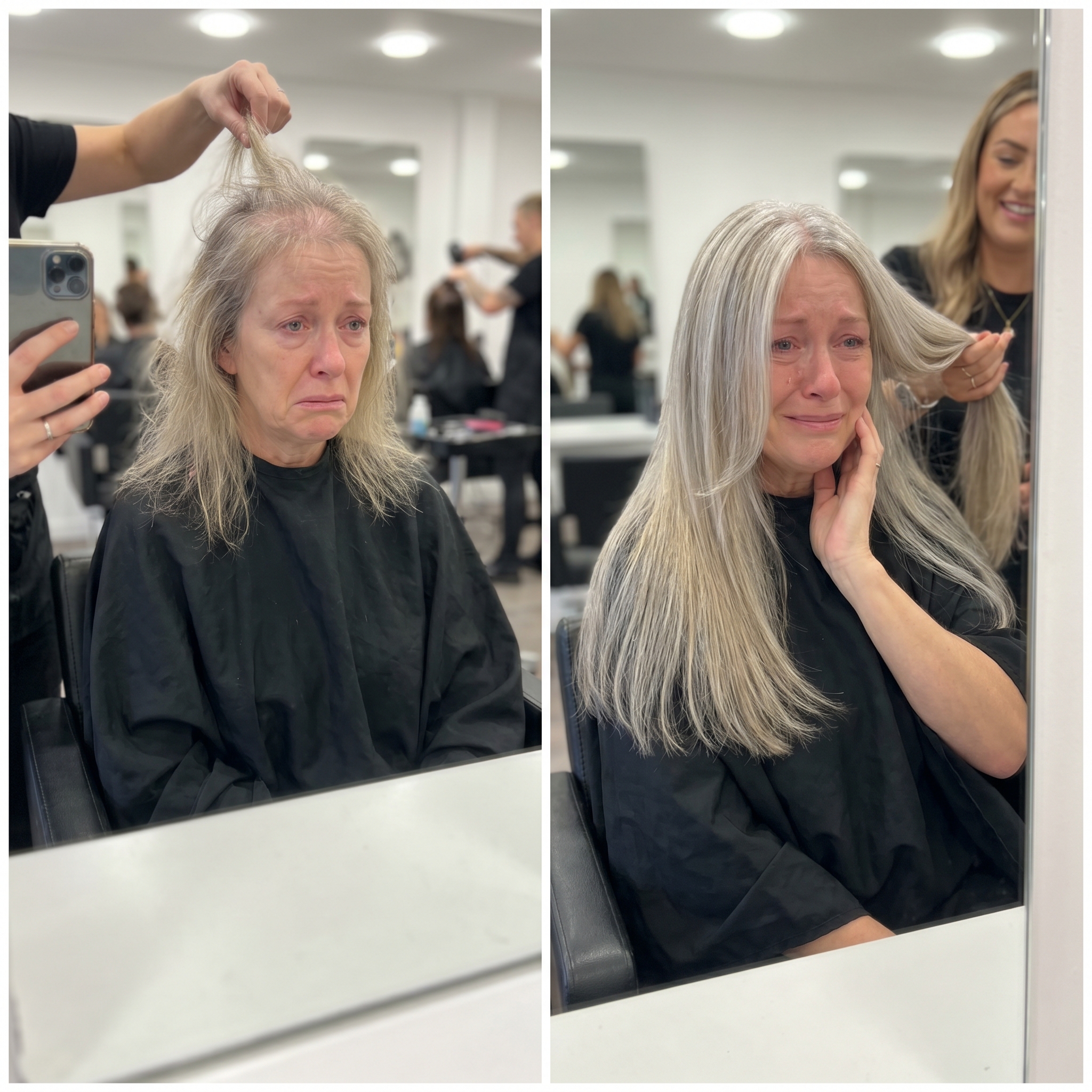
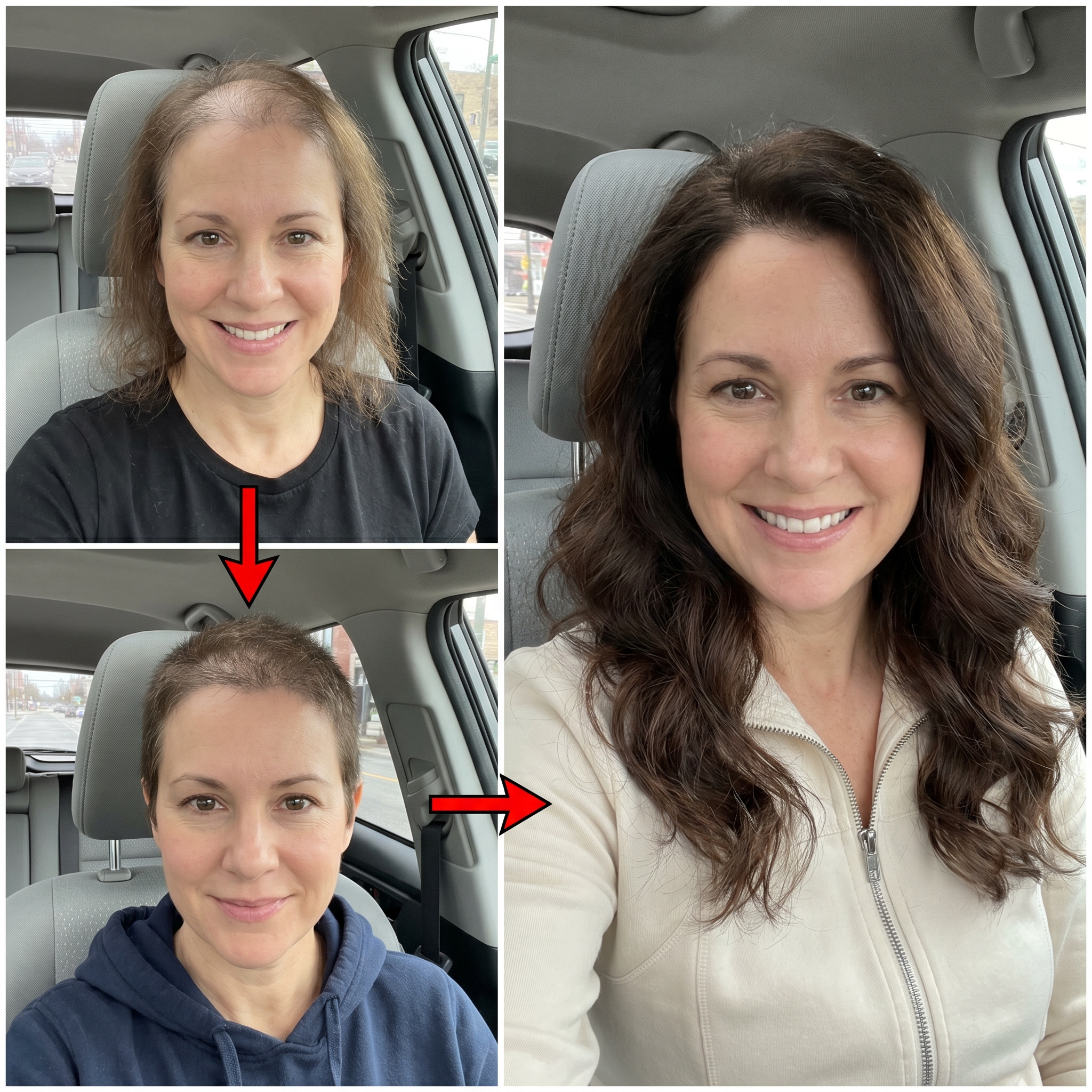
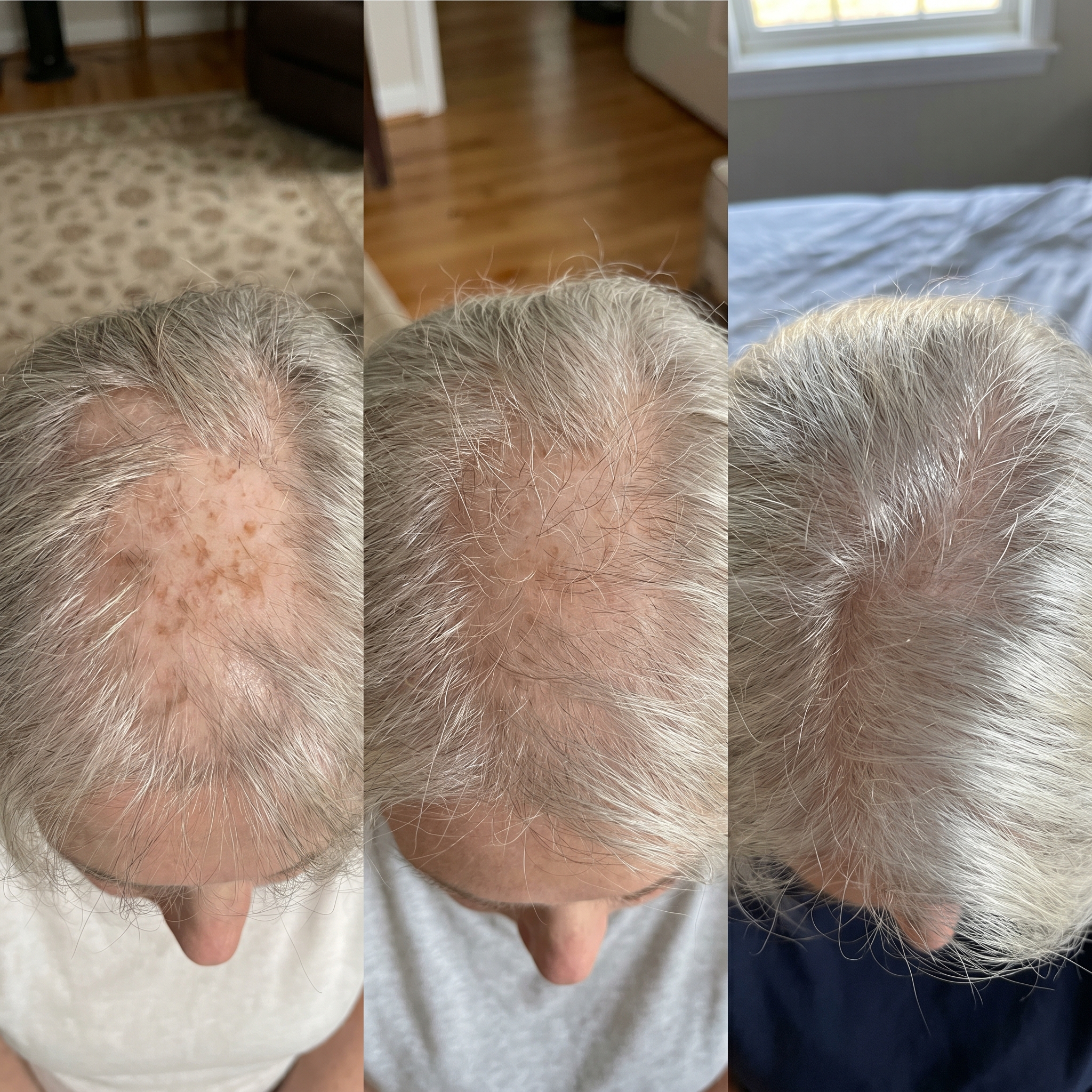
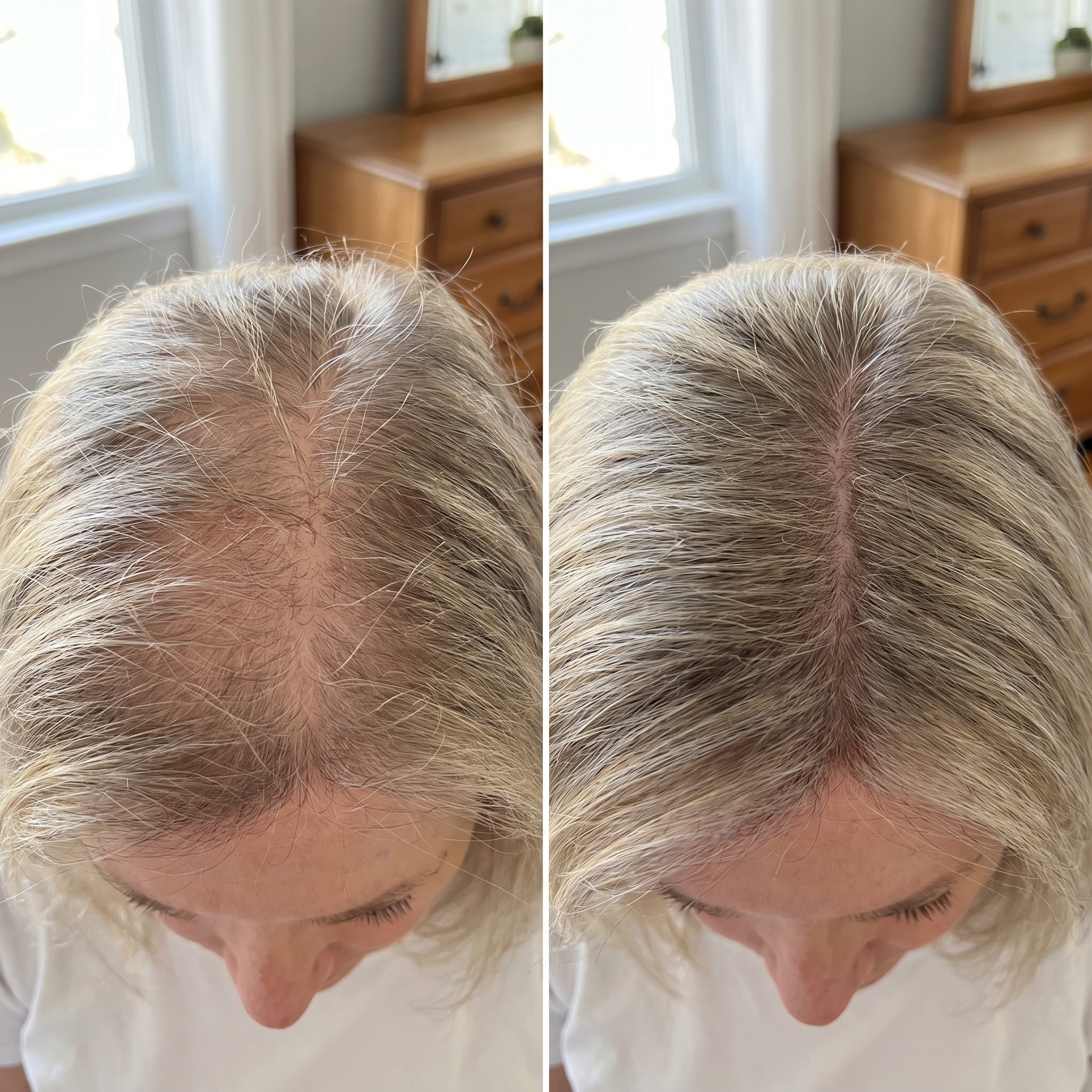
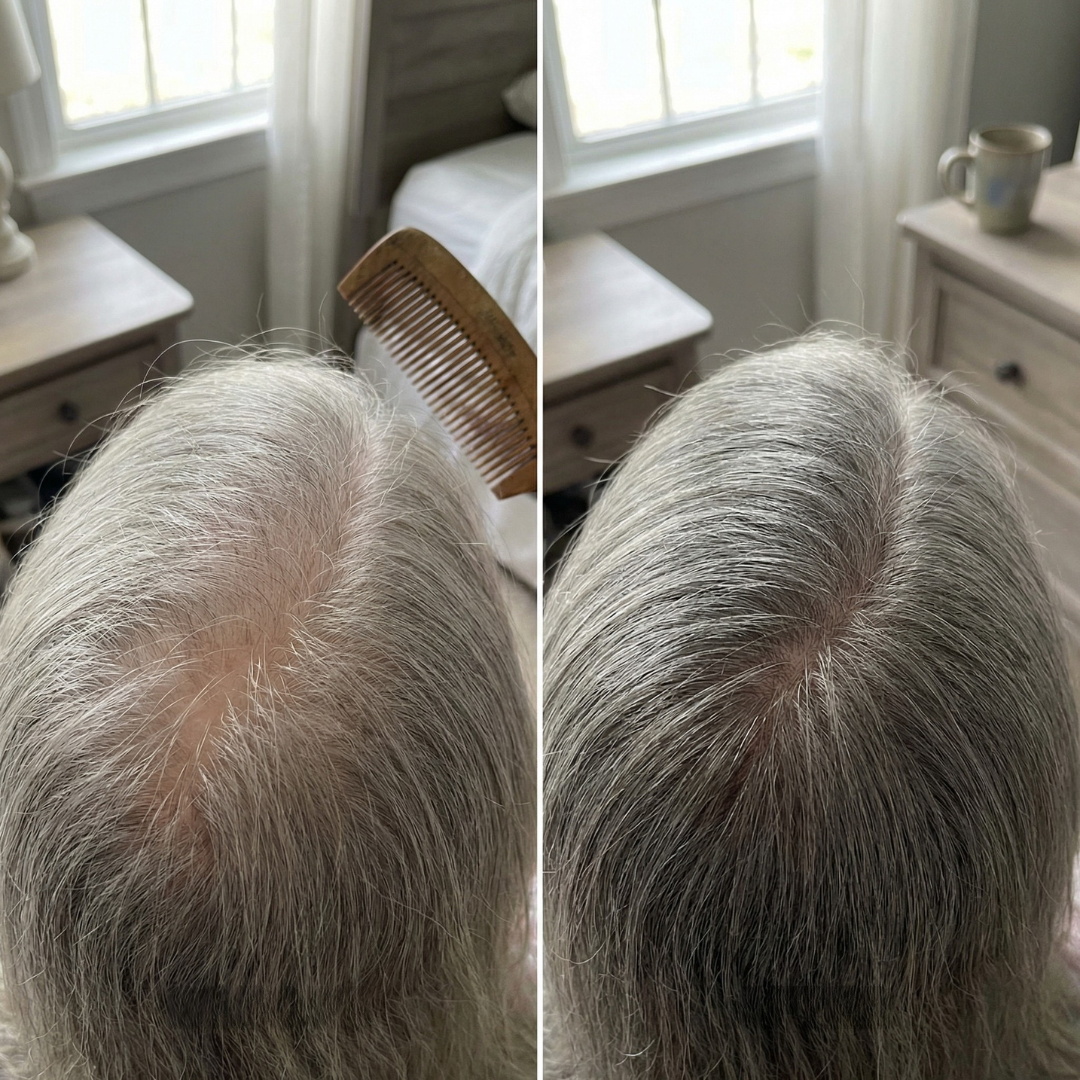
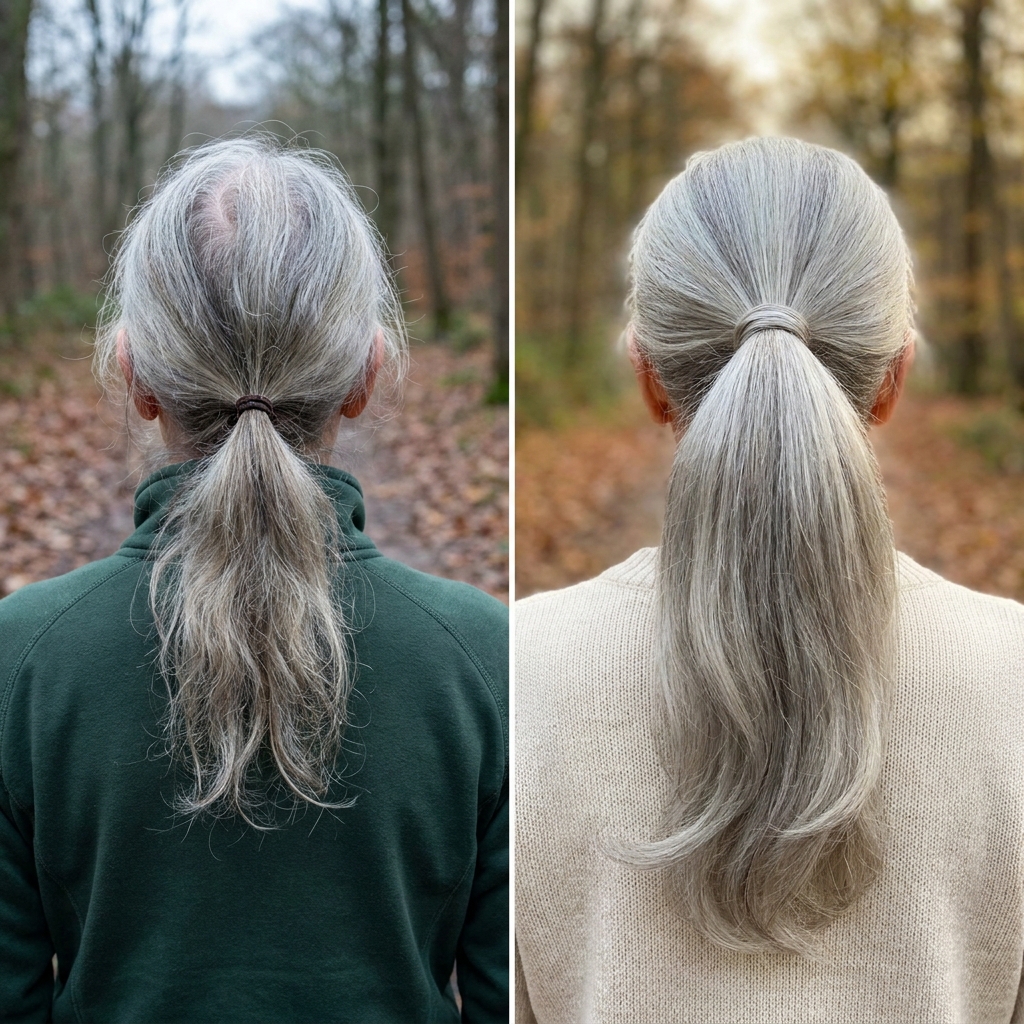
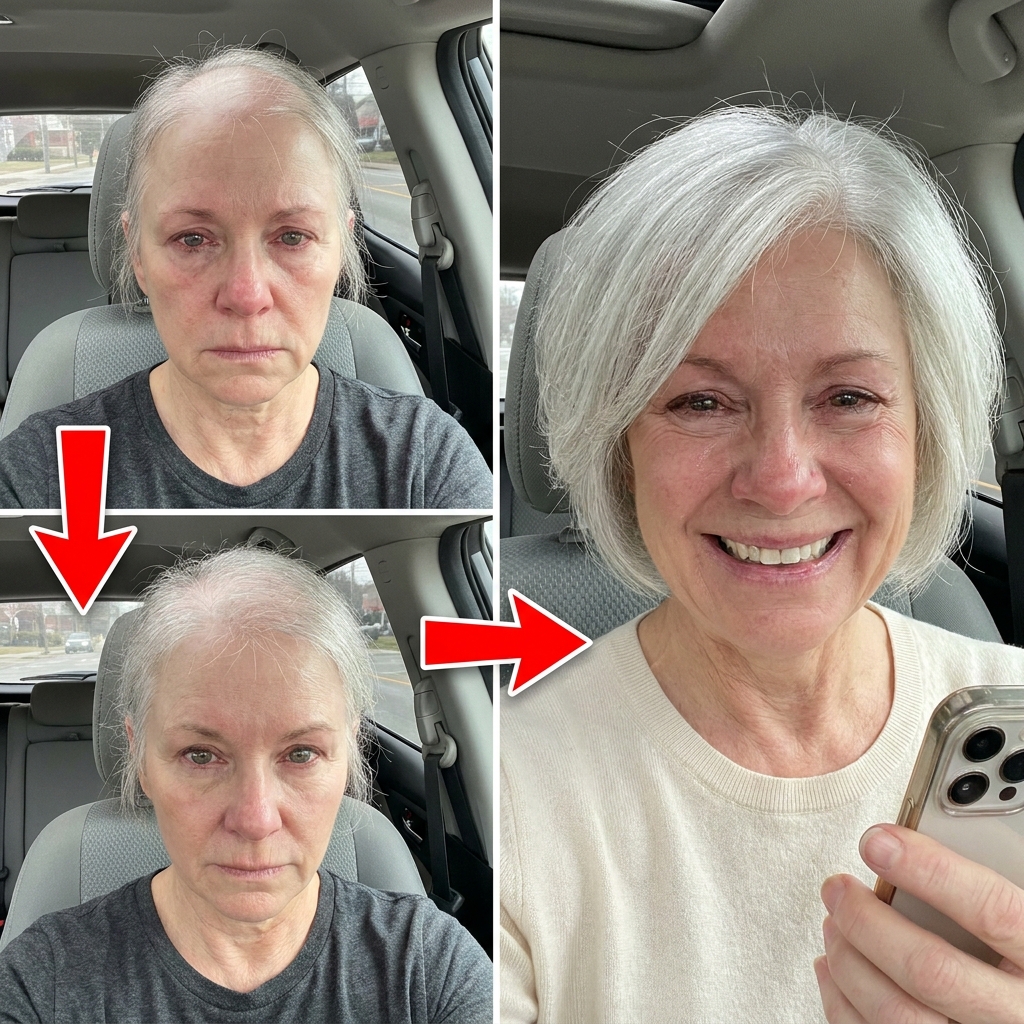
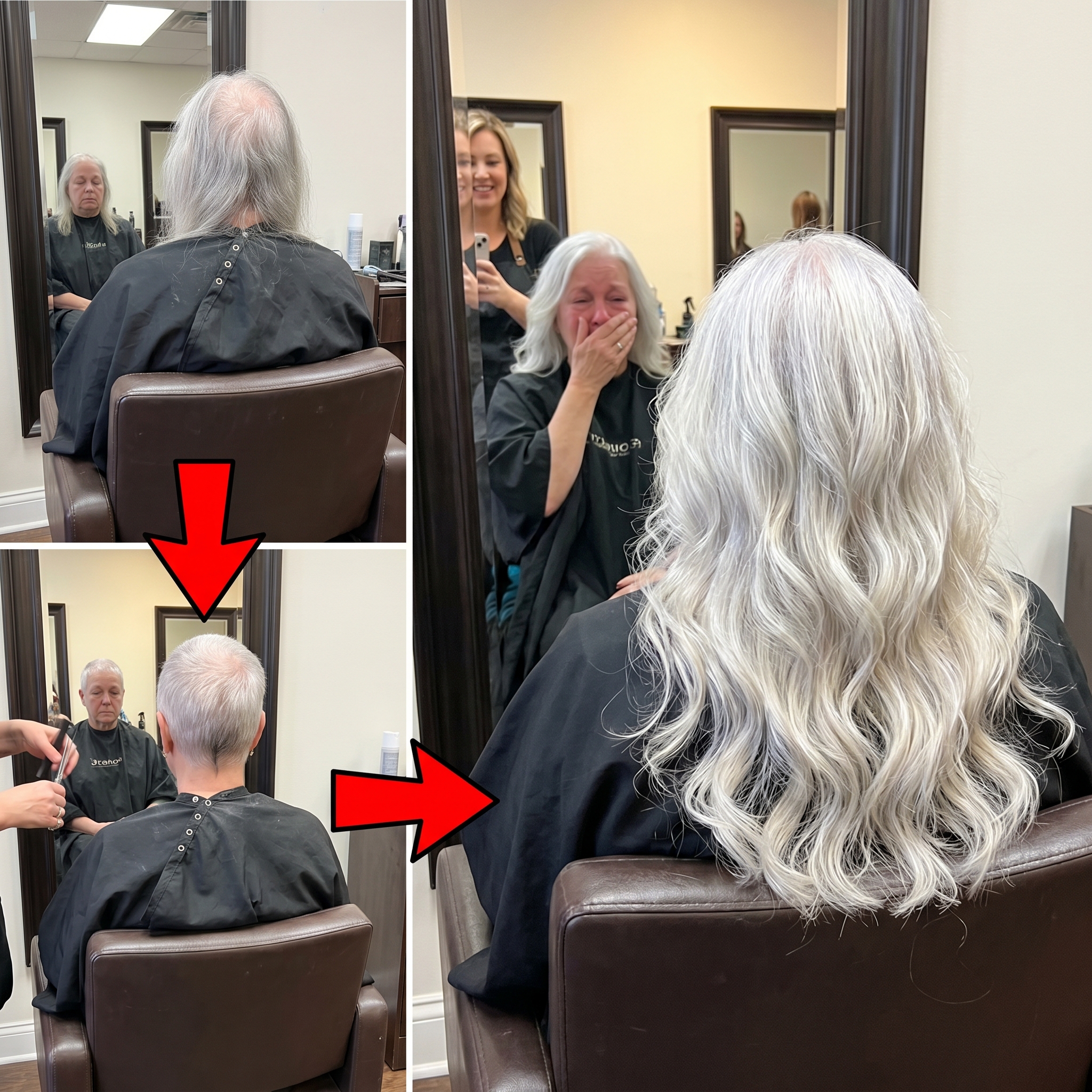
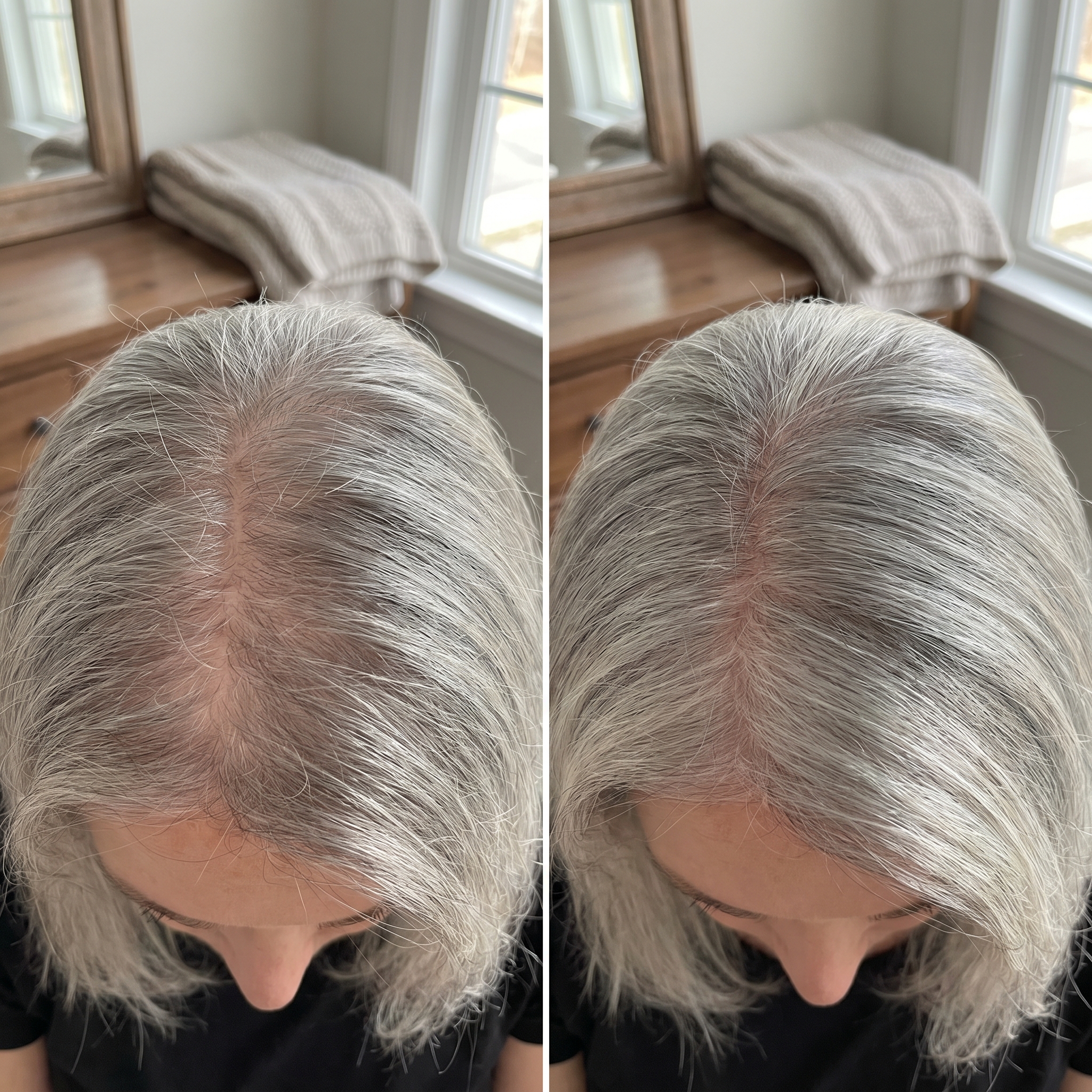
I am 57, I have just retired from teaching reception class at a primary school in Norwich, and I will start at the end. In June of this year I went to my niece Imogen's wedding in a barn in Suffolk, in bright midsummer light, in a pale dress, with an outdoor reception under a marquee that had no canopy in places, and I stood wherever the photographer asked me to. I am writing this because two years ago that sentence would not have been possible. Two years ago I had begun to plan the wedding around my hair. I had spoken to my sister about whether she thought a hat would be too much. I had ordered three at one point — a small navy one, a wider cream one, and one with a half-veil that I had thought, briefly, might solve the problem of the crown being visible from above — and had returned all three. I had practiced, in front of the bathroom mirror, parting my hair in different ways for different angles. I had sat at the kitchen table one evening with the wedding website open on my laptop, looking at the venue's photo gallery from the year before, identifying which areas of the barn had skylights and which had not. The mind a woman puts into this kind of preparation is not small. I want to say that clearly. The number of hours I spent, in the year before the wedding, on the question of how my hair would photograph in particular kinds of light, was not a small number. I had, by my own quiet accounting, spent more time worrying about Imogen's wedding than I had spent worrying about my own. I had started thinning at 53. The crown first, then the part, then the temples. Like many women, I had assumed, until I could not, that it was nothing. Like many women, I had been told by my GP, who is a kind woman, that my thyroid was fine, my iron was within range, my B12 was normal, and that this was probably menopausal in nature and might or might not respond to anything in particular. I had tried what was offered. Topical minoxidil for nine months. The dread shed, then partial coverage, then plateau. HRT for everything else, which transformed everything else, but did not change the part. Biotin until my GP asked me to stop because of the thyroid bloods. Nutrafol for six months. Wellbel for three. A scalp treatment course at a clinic in the Lanes that was kind, and professional, and £290, and changed nothing. A laser cap I had used three times a week for eight months. Collagen powder. Pumpkin seed oil capsules. The usual list. I had also done the smaller, less visible things. I had stopped having my photograph taken with the children I taught at school. I had quietly arranged, the previous summer, that I would not be in the front row of the year-end staff photograph. I had cancelled a long weekend in the Yorkshire Dales with two friends from my training year because the cottage they had booked had a famously well-lit dining room and I did not want to spend three days in it. The total, by the eighteen-month mark, was about £680. The crown was thinner than it had been when I started. I had begun to research toppers, in private browsing windows, the way you research a thing you have not yet admitted to anyone you are researching. The thing that changed it was an article a friend sent me about the 2011 dermatology research. I was 56 by then. The wedding was eight months away. The article explained, in a way no one had explained to me before, what was happening at my scalp. In menopausal androgenetic alopecia, the follicle does not die. It is chemically silenced by DHT acting locally at the scalp. The growth phase of the hair cycle — anagen — is shortened by DHT. The follicle spends progressively less time producing hair and progressively more time in a dormant state. Over months and years, the hair becomes finer and shorter, until from the outside the follicle looks like it has stopped. But the stem cells are still there. The blood supply is still intact. The structure is still alive. The follicle is in dormancy. If you interrupt the local DHT, the growth phase extends. The follicle wakes up. Over months, the hair it produces becomes longer, thicker, more normal. The article also explained why nothing I had tried had done that specific thing. Most of the products had either been systemic (Nutrafol, Wellbel, biotin, the supplements) or non-specific to the local DHT mechanism (the laser cap, the scalp treatment, rosemary oil). Topical minoxidil acts at the follicle but through a different mechanism. None of them were doing the specific thing the 2011 paper described as necessary — interrupting the DHT activity that was silencing the follicle, locally, at the scalp. Topical caffeine does. Applied to the scalp, it blocks 5-alpha-reductase at the follicle and extends anagen directly. Mellenza is a topical scalp serum formulated for that mechanism. Caffeine. Polygonum multiflorum. Arginine. Biotin. Ginger. Sprayed on the crown, the part, and the temples at night. Not a shampoo. Not a volumiser. Not a supplement. A topical wake-up call for follicles that had been in dormancy too long. I started in November, with the wedding seven months away. I committed to twelve weeks before letting myself form a judgement, and twenty before I would let myself plan around it. Week 4. Less hair on the brush in the morning. Less on the pillow. The kind of difference that, on its own, would not have convinced me of anything, but that, after eighteen months of no difference at all, mattered. Week 6. The texture changed at the back of the head, where I had been most reluctant to look. Week 9. I took a comparison photograph. Same bathroom, same light, same angle. The part was narrower. There was short, fine regrowth visible along the edge. Month 4. My sister, who had not commented on my hair in two years, said she could see a difference. She said it carefully, the way you say a thing you are not sure if the other person will want said. Month 5. I cancelled the order on the half-veil hat. I had bought it in March as insurance. Month 6. I went to the wedding. I want to describe the wedding because the wedding is the part of this story that matters. Imogen wore her grandmother's veil. The barn was full of overhead light coming through the timbers. The photographer was a friend of theirs who had photographed two of my other nieces' weddings and knew our family. He asked me, at one point in the afternoon, to stand at the back of a group photograph at the centre of the bottom row, which is the row where the crown is most visible from the camera's angle. I stood there. I did not check my parting. I did not arrange my hair. I stood where he asked. I want to say what that morning had looked like, because the morning is part of the story. I had got up at half-past six. The light in the bedroom was already strong. I had stood at the bathroom mirror in the dressing gown my younger sister had given me three Christmases ago, and I had done my hair in the way I would have done it in my forties, before any of this had happened — parted in the middle, brushed back from the temples, half pinned on the right. I had looked at the result for about a minute. I had not adjusted it. I had walked downstairs, eaten breakfast in the kitchen, drunk a cup of tea in the garden in the early sun, and got into the car at quarter to eleven without going back to the mirror. The drive to Suffolk took an hour and forty minutes. I had spent most of it thinking about Imogen, and about her grandmother, and about the speech my husband had been writing for the wedding for nearly two months, and not at all about my own hair. That, I think, is the thing I want to record. That the hour and forty minutes of the drive had been about other things. That, in the end, is what this product gave me back. Not "thicker hair". An afternoon, in midsummer light, in a pale dress, where I did not have to think about it. The link is below.
I went to my niece's wedding and stood wherever the photographer asked me to.
Women's Health · Updated April 2026 Menopause · Hair Routine 7 Mistakes That Make Menopausal Hair Loss Worse, And the 30 Second Ritual 10,000 Women Used to See Regrowth in 8 Weeks Dr. Sarah Mitchell — Women's Health Writer. If you're standing in front of the mirror doing the 3-elastic ponytail t...
LEARN MORELike this ad? Make it yours.
Crush rebuilds this exact creative around your product — your brand, your colors, your offer — in about a minute.