
Inactive· since Apr 13, 2026
- 20
- days it ran
- 1
- relaunches
Ad copy
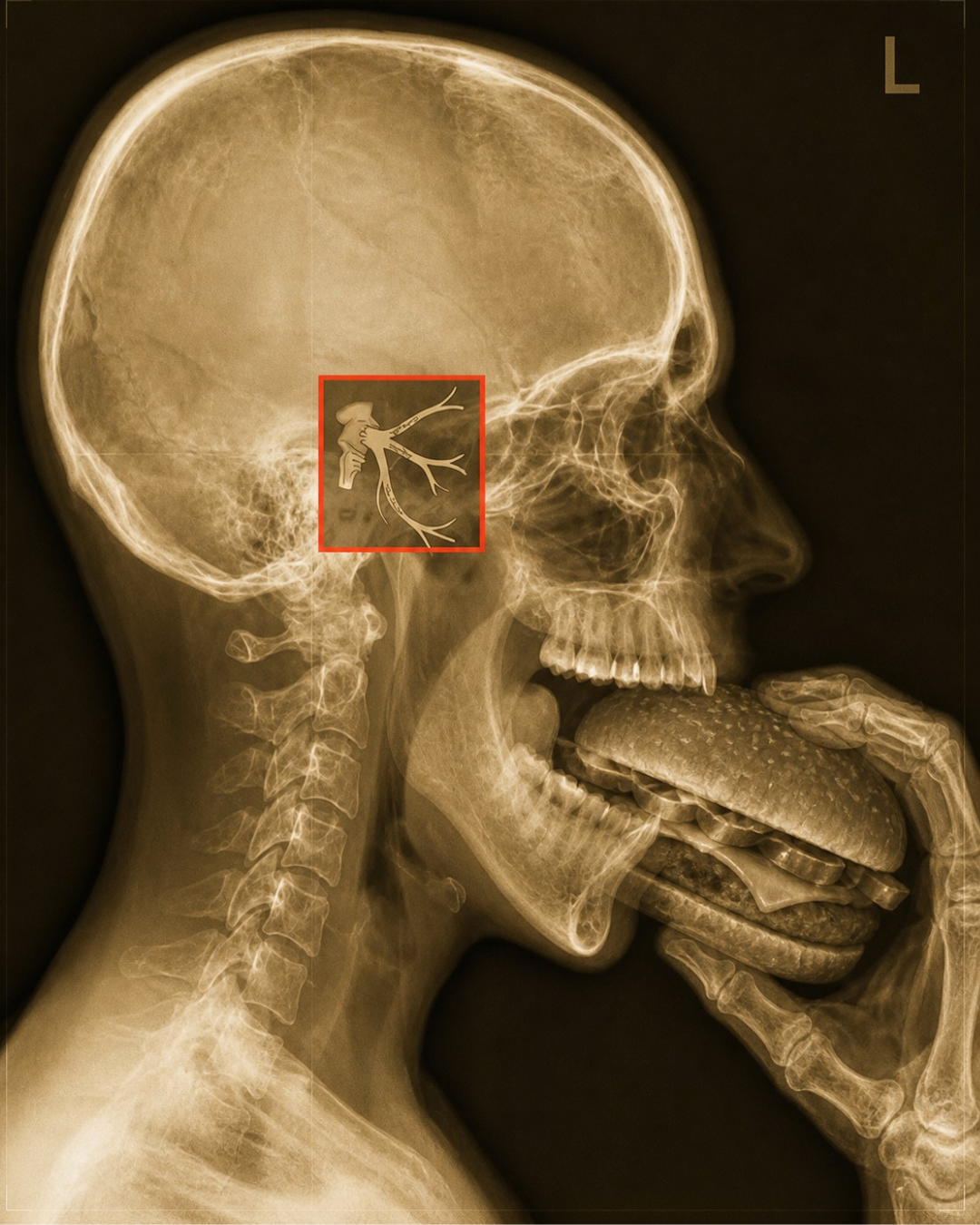
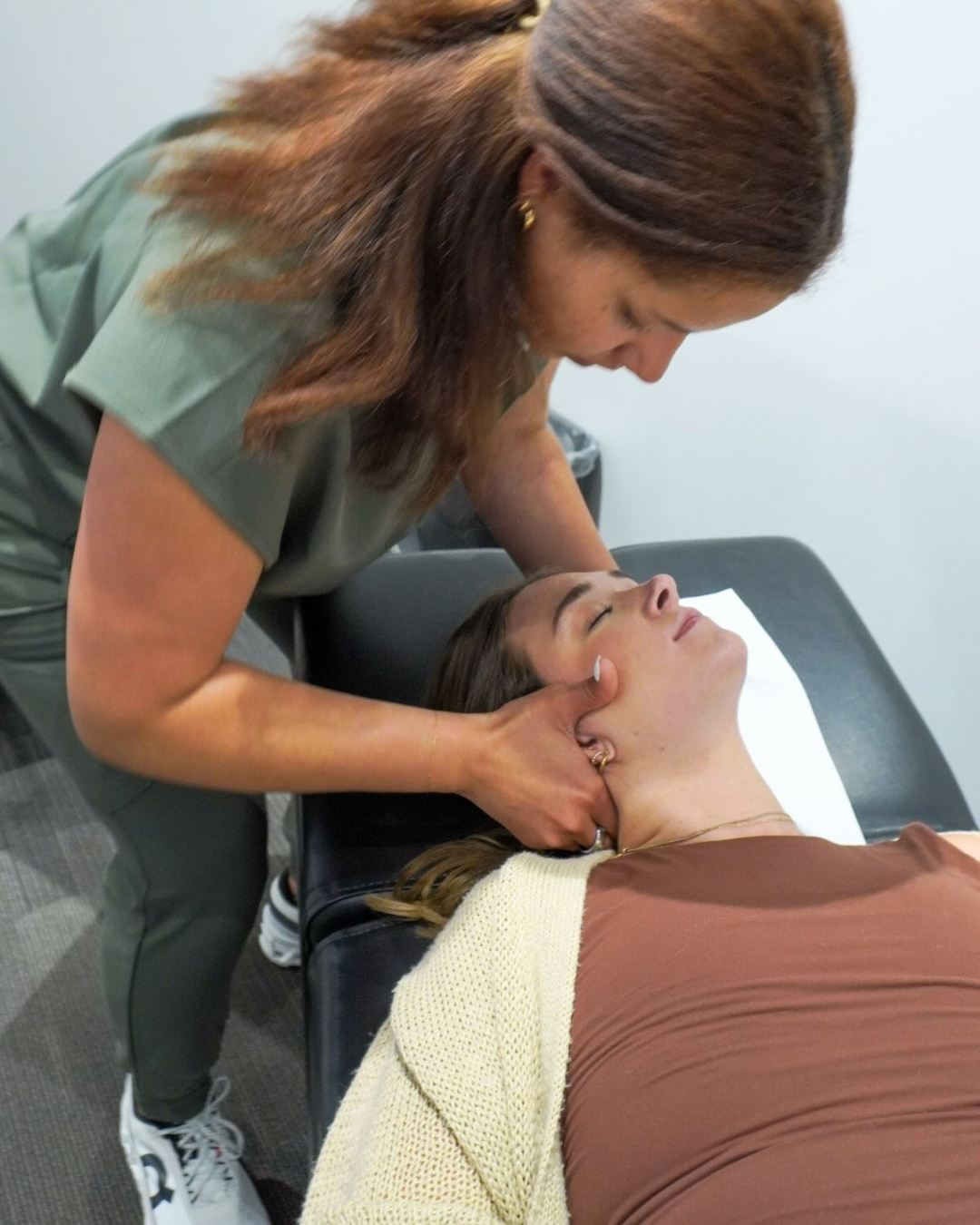
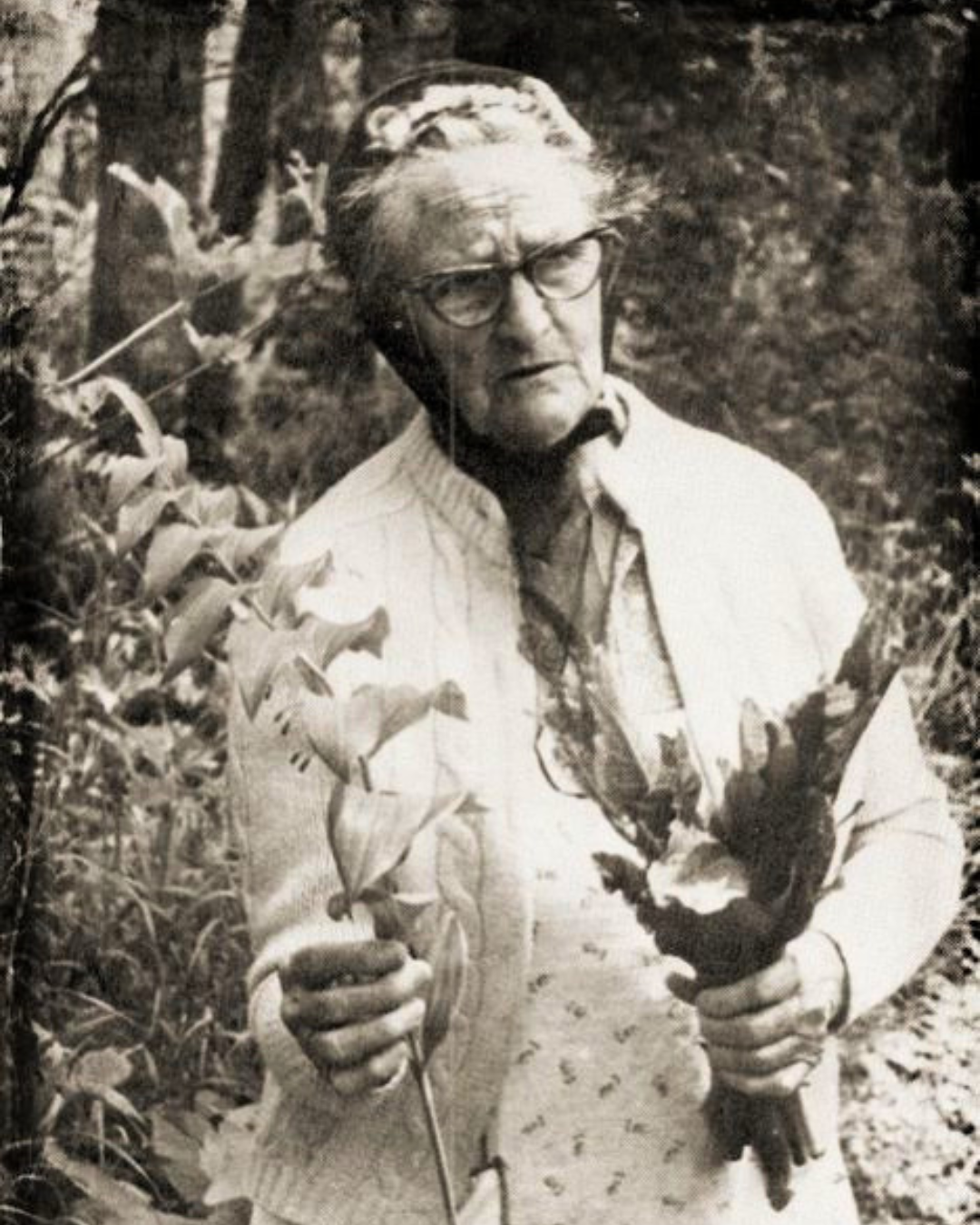
Peppermint wasn't always a candy flavor. For centuries, it was the most feared migraine remedy in the apothecary. Here's why Big Pharma needed you to forget that. That sounds like something you'd scroll past. I know. But I need you to stay with me for a minute. Because if you get migraines, what I'm about to tell you could change the way you think about every treatment you've ever tried. Your grandmother didn't call it the trigeminal nerve. She didn't know what neurological cascade meant. She couldn't explain why pressing a cool cloth to your temples helped more than swallowing a pill. She just knew WHERE to press. And she was right. For reasons science wouldn't understand for another hundred years, she was exactly right. Let me take you back. Before there were triptans. Before Excedrin. Before Botox injections and CGRP inhibitors and $900-a-month prescriptions. Before any of it. There was a plant called feverfew. It grew wild across Europe, North Africa, and parts of Asia. Small white flowers. Looked like a daisy. You could find it along stone walls, in meadows, in the gardens of every grandmother who knew anything about healing. And for over 2,000 years, it was the single most trusted remedy for what they called "megrim" — the old word for migraine. Ancient Greek physicians documented it. Roman herbalists prescribed it. Medieval healers grew it in monastery gardens alongside chamomile and peppermint specifically for headaches. The method was always the same. Pick the fresh leaves. Crush them between your fingers until the oils release. Press them to the temples. Behind the ears. Along the back of the neck. Nobody wrote a clinical trial. Nobody published in a journal. Grandmothers taught their daughters, who taught their daughters. The knowledge moved through kitchens and gardens, not hospitals. And it worked. For 2,000 years, across every culture that grew it, feverfew applied to the temples was the standard migraine treatment. Then modern medicine arrived. And the first thing modern medicine did was dismiss everything that came before it. Feverfew? Folk remedy. Peppermint on the temples? Old wives' tale. Chamomile? Placebo. The entire botanical tradition that had managed migraines for two millennia was swept aside in a generation. Why? Because you can't patent a flower that grows in someone's garden. Aspirin could be synthesized and sold. Then triptans. Then beta-blockers repurposed for headaches. Then antidepressants repurposed for headaches. Then CGRP inhibitors at $800 a month. Each one patentable. Each one billable. Each one requiring a prescription, a doctor visit, a refill. And each one working SYSTEMICALLY — meaning you swallow it, it enters your bloodstream, travels through your entire body, and some fraction eventually reaches your head. Meanwhile, your grandmother was placing feverfew directly ON the nerve. At the source. In seconds. Here's where modern science makes this story extraordinary. In the 1980s, British researchers finally decided to test feverfew in clinical trials. Not because the medical establishment was interested — they weren't. A group of migraine patients had been using it on their own and reporting dramatic improvements, and the researchers wanted to see if the data held up. It did. The studies, published in respected medical journals, showed that feverfew compounds reduced migraine frequency and severity. The active compound — parthenolide — was found to inhibit the release of inflammatory molecules that trigger the migraine cascade. But here's the part that gets me. Those studies tested feverfew as an ORAL supplement. A pill you swallow. And even taken orally — surviving stomach acid, liver metabolism, and the long systemic journey — feverfew still showed significant results. Nobody in the research community stopped to ask the obvious question: What if the grandmothers had it right? What if applying feverfew DIRECTLY to the nerve — topically, at the temples — was even more effective than swallowing it? Nobody asked because there was no pharmaceutical revenue in the answer. Now let me tell you about the other plant your grandmother used. Peppermint. Not the candy-flavored kind. Not the stuff in your toothpaste. Wild peppermint. The kind that grew alongside feverfew in those same gardens. Ancient Egyptians documented its use for headaches on papyrus scrolls. Greek physicians prescribed it. Medieval herbalists considered it one of the most important healing plants in existence. And the way grandmothers used it? The exact same way they used feverfew. Crush the leaves. Release the oils. Apply to the temples, the neck, behind the ears. Modern neuroscience now knows exactly why this worked. The menthol in peppermint activates specific cold receptors — TRPM8 receptors — on the sensory neurons of the trigeminal nerve. When these receptors are activated, they send a competing signal that interrupts the pain cascade. Neuroscience calls it "gate theory." Your grandmother called it "put this on your head, you'll feel better." She was activating the same neurological mechanism that a $50,000 lab would eventually describe with fancy terminology. She just didn't need the terminology. And chamomile. The third plant in every grandmother's headache garden. Used for centuries to calm the body, ease tension, reduce the muscular tightness that wraps around the head and neck during a migraine. Roman soldiers carried dried chamomile. Egyptian healers considered it sacred. Modern research shows chamomile compounds have anti-inflammatory and muscle-relaxing properties. Applied topically, they calm the peripheral tension that feeds into the migraine cycle. Your grandmother had three plants. Feverfew. Peppermint. Chamomile. She applied them directly to the head and neck. Modern medicine spent 100 years and billions of dollars developing pills that enter your stomach, survive your acid, pass through your liver, cross the blood-brain barrier, and arrive at the same nerve — 45 minutes later — that your grandmother was treating in seconds. And those pills come with side effects. Nausea. Chest tightness. Weight gain. Cognitive fog. Medication overuse headache — a condition where the pills THEMSELVES cause more migraines. Your grandmother's remedy had no side effects. Because it wasn't systemic. It was topical. Direct. At the nerve. In seconds. Now here's why I'm telling you all of this. A neurologist named Dr. Fiora Laurent — who treats migraines and suffers from them herself — did something nobody in modern medicine had done. She went BACK to the grandmother's method. But she brought the neuroscience with her. She identified the exact nerve that generates migraine pain — the trigeminal nerve. She mapped exactly where it surfaces closest to the skin: the temples, behind the ears, the base of the skull. Exactly where grandmothers had been applying their remedies for 2,000 years. Then she combined the compounds — not in a pill, not in a capsule, not in a systemic medication — but in a topical roll-on applied directly to those nerve surface points. Five ingredients: Magnesium Glycinate — stabilizes nerve excitability at the surface. Modern neuroscience's answer to the calming effect grandmothers achieved with cool cloths soaked in mineral springs. Wild Peppermint — wild-harvested, not commercially grown. The real menthol concentration. The same plant your grandmother crushed between her fingers. Menthol Crystals — pharmaceutical grade. The cooling compound that activates those TRPM8 receptors and interrupts the pain signal at the nerve. Chamomile — the same flower Roman soldiers carried. Calms peripheral tension at the application site. Feverfew Extract — the 2,000-year-old migraine remedy that modern science validated but modern medicine couldn't profit from. Applied topically, directly to the trigeminal nerve pathway. Not swallowed and filtered through your entire body. She called it Florus Relief. It's your grandmother's wisdom, formulated with modern neuroscience, in a bottle you can carry in your purse. The trigeminal nerve fires 20 to 40 minutes before you ever feel migraine pain. It runs from the base of your skull through your temples. By the time you feel the headache, the nerve has been cascading signals for almost an hour. Every pill you've ever taken arrives 45 minutes after you swallow it. You're always an hour behind the nerve. Your grandmother wasn't behind. She was AT the nerve. In seconds. With the right plants. At the right location. And now, for the first time, you can be too. Florus Relief Roll-On. Applied to the temples, behind the ears, base of the skull. Cooling relief in seconds. Five ingredients that your grandmother knew worked — and that modern neuroscience can finally explain WHY. 7,405+ five-star reviews. 90-day money-back guarantee. Your grandmother didn't have a medical degree. She had something better. She had 2,000 years of women watching what worked and passing it down. Modern medicine asked you to forget all of that and swallow a pill instead. Maybe it's time to remember. → Click the link below to learn more about Florus Relief. P.S. There are cheap imitation roll-ons popping up on Amazon that use synthetic peppermint and no real feverfew. The real Florus is only at their official site. Link below.
2,000 Years of Grandmother Wisdom. Modern Neuroscience Finally Proved Them Right.
The same plants. The same nerve points. Now in a formula backed by science. 90-day guarantee.
LEARN MORELike this ad? Make it yours.
Crush rebuilds this exact creative around your product — your brand, your colors, your offer — in about a minute.